
Department of
Physics and Engineering Physics
Where Physics Meets Engineering
At Tulane, physics and engineering come together. Our department pairs a Physics Program established in 1895 with an Engineering Physics Program launched in 2006, giving students a rare chance to build a foundation in both science and engineering. From undergraduate degrees to PhD programs, students learn alongside faculty who advance theoretical and experimental research and take on interdisciplinary global challenges, with recognition that includes American Physical Society fellowship. Join us in New Orleans, where more than a century of physics is shaping the next generation of discovery and innovation. Explore a department where fundamental science meets real-world application, and find where your ideas fit.


Undergraduate
Physics Major Physics Minor Engineering Physics Major
Engineering Science Minor Electrical Engineering Minor
Mechanical Engineering Minor Materials Engineering Minor
Computational Engineering Certificate
Xavier/Tulane 3 + 2 Engineering Program
Coming Fall 2027: Electrical Engineering Major
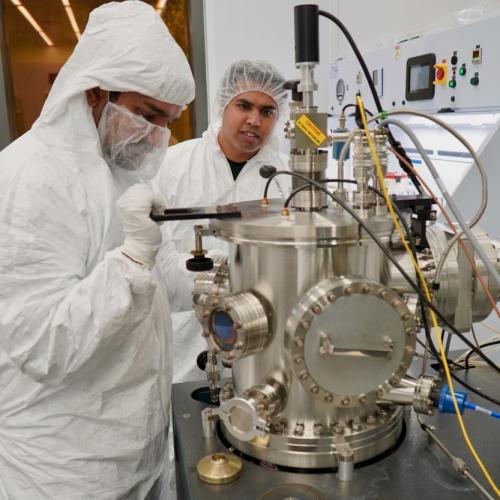
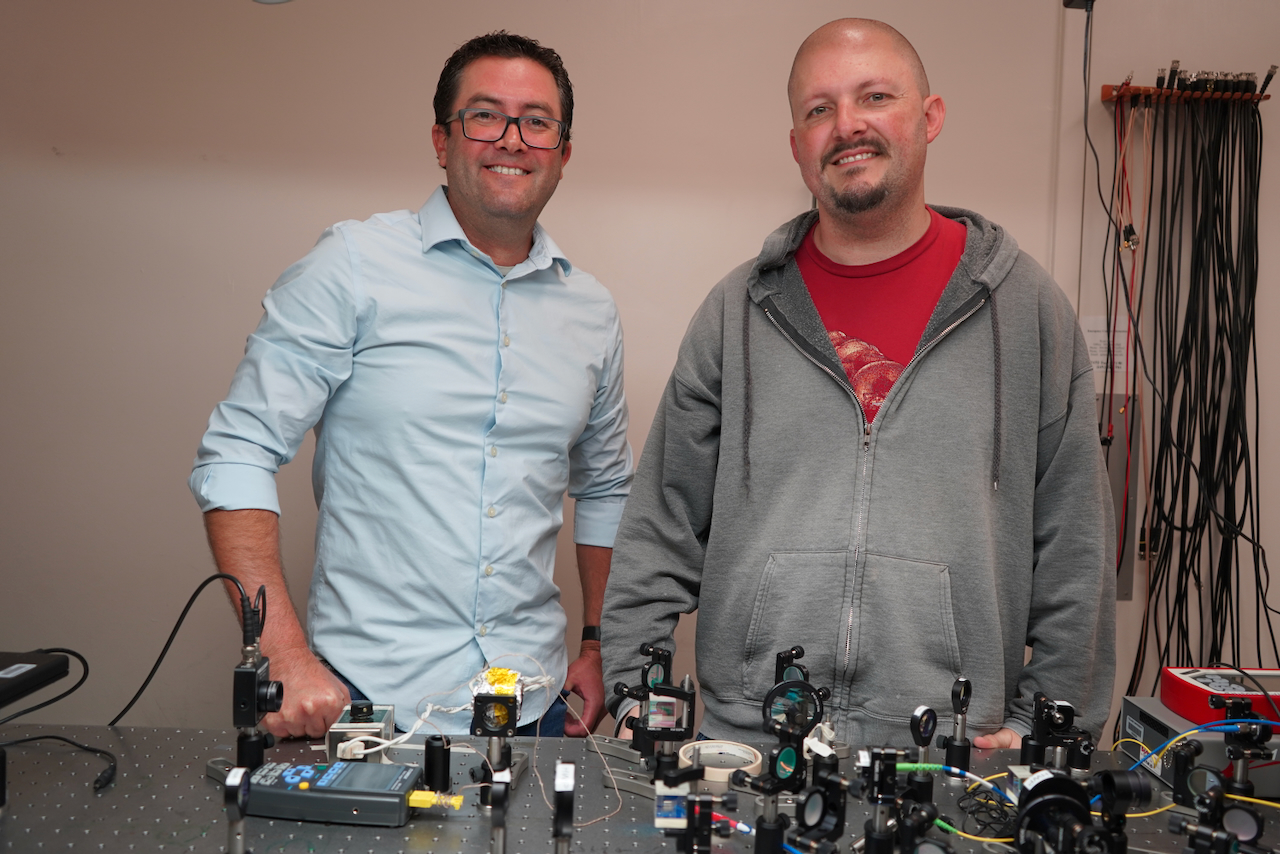
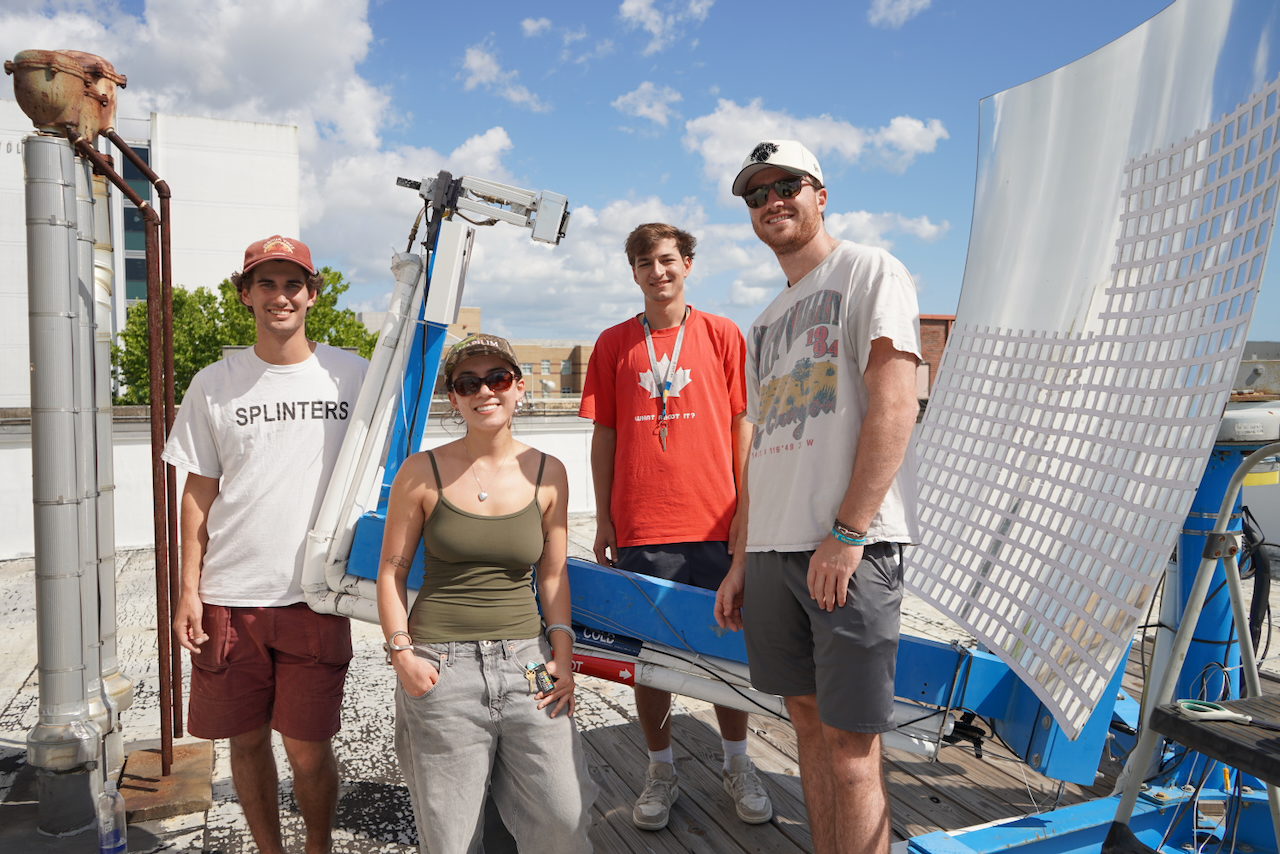
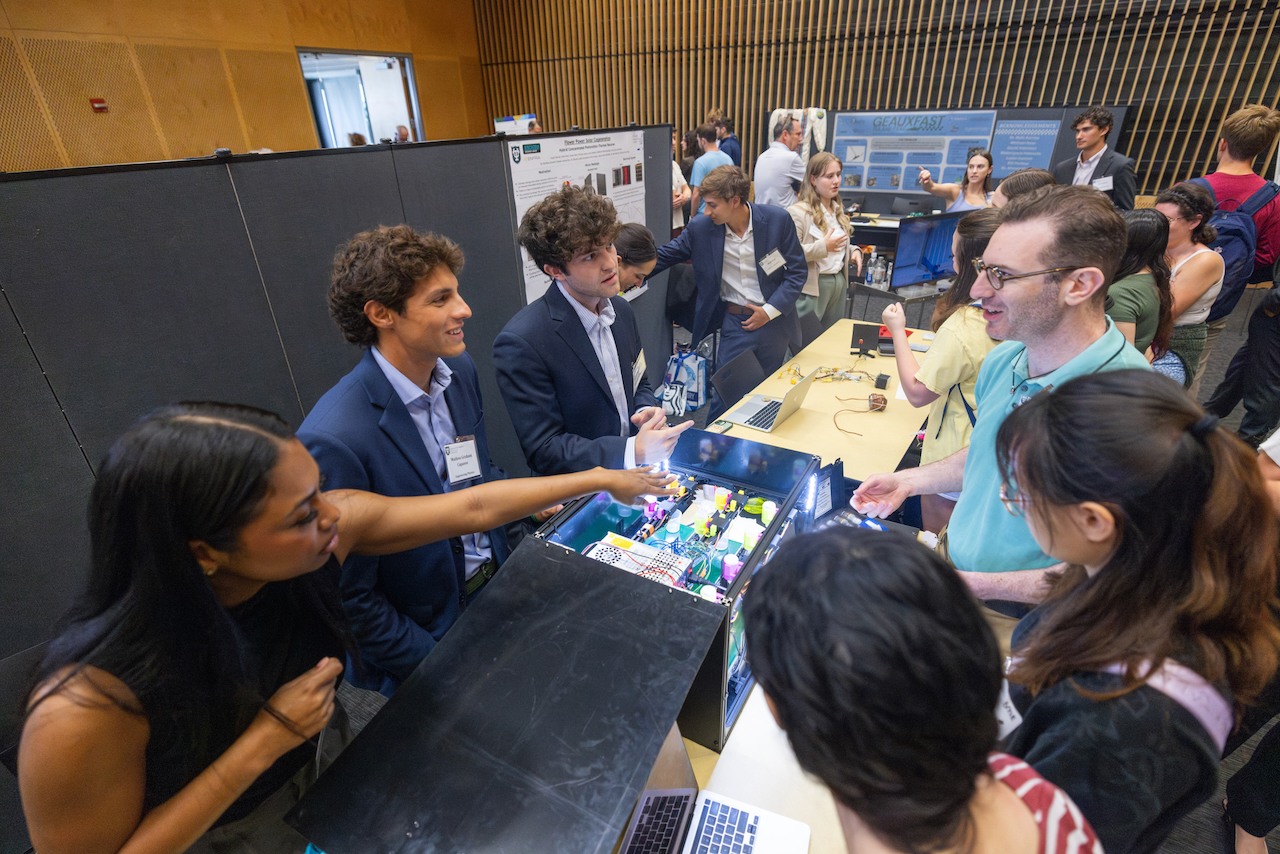
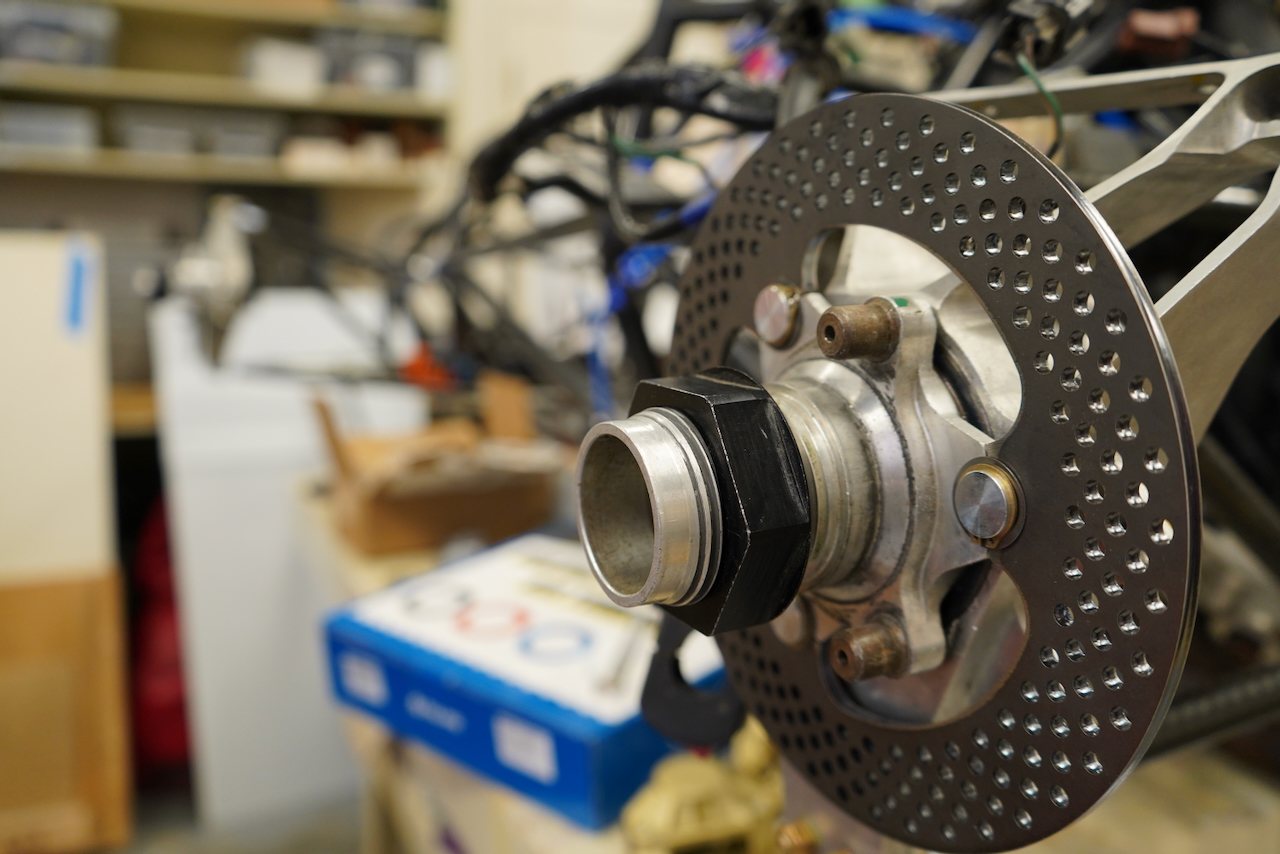
PEP in the Spotlight


FAQs
Physics is the science side. It studies how matter, energy, and the universe work at a fundamental level. Tulane’s Physics Program dates back to 1895 and has both theoretical and experimental research.
Engineering physics is the applied side. It takes those fundamentals and uses them to solve technical problems, so students learn physics with an engineering mindset. Tulane added its undergraduate Engineering Physics Program in 2006.
- Undergraduate students seeking information on major programs in Physics or Engineering Physics should contact the Associate Chair for Teaching, Dr. Shakov.
- Prospective Graduate Students seeking information should contact the Graduate Admissions Director, Dr. Bondar.
- Current Physics majors with questions/problems should contact their undergraduate advisor, Dr. Reed.
- Current Engineering Physics Majors with questions/problems should contact their faculty advisor: Dr. Barrios for students pursuing the Mechanical Engineering Certificate, Dr. Gelfand for students pursuing the Electrical Engineering certificate, Dr. Chrisey for students pursuing the Materials Engineering certificate, or Dr. Majed for all other ENGP majors (including those pursuing the Computational Engineering Certificate as well as those who have not declared a certificate).
- Current PHYS 1011/1211/1221/1311/1321 students with questions/problems concerning the lab classes should contact the Lab Supervisor, Dr. McLane.
- Undergraduate students seeking information on transferring Physics, Engineering Physics, or Astronomy course credit from other institutions should first view these instructions; those with further questions should contact Dr. Wei.
Students who are interested in obtaining transfer credits should first obtain the transfer credit request form from their academic advisor. They should then attach a detailed course description and/or syllabus to the form for departmental approval. Syllabi are preferred for most courses and are required for introductory physics courses (e.g., algebra-based or calculus-based Physics I and II).
The forms should be returned to April Sanchez in the Physics & Engineering Physics office in 2001 Percival Stern Hall. The office is open from 8:00 AM until 4:00 PM Monday through Friday, excluding all university holidays. Once forms are approved and signed by Dr. Jiang Wei, students will be contacted to retrieve their forms and return them to Academic Advising.
All forms must be submitted and receive approval prior to taking courses at another institution.
Special note for online coursework: A lecture course that was delivered online may be considered for transfer credit, but any laboratory component must be completed in person to receive credit. For this purpose, a student may take the 1-credit lab section separately to complete the requirements for a laboratory science course that was taken elsewhere online. However, for introductory physics courses (e.g., algebra-based or calculus-based Physics I and II), the lecture and corresponding in-person lab must be taken concurrently to qualify for transfer credit.
1. The student fills out the Major/Minor declaration form (linked below) and contacts the appropriate faculty advisor to arrange a meeting:
- Physics major or minor: Prof. Wayne Reed
- Engineering Physics major (without a minor/certificate or if undecided about optional minor/certificate): Prof. Ahmad Majed
- Engineering Physics major with Electrical Engineering minor: Prof. Ryan Gelfand
- Engineering Physics major with Mechanical Engineering minor: Prof. Matt Barrios
- Engineering Physics major with Materials Engineering minor: Prof. Doug Chrisey
- Engineering Physics major with Computational Engineering certificate: Prof. Jianwei Sun
Notes for filling out the form: The degree pursued is BS for a Physics major or BSE for the Engineering Physics major. Students declaring a certificate should enter "ENGP + ___ Certificate" in the "primary major" field.
2. After meeting the student, the faculty advisor signs the form and forwards it to Prof. Jerry Shakov, Associate Chair, for his signature.
3. Prof. Shakov forwards the form to the student's NTC advisor or returns it to the student (in cases where additional signatures from another department are needed).
Special Courses for High School Students
ENGP 1005: Introduction to Electronics with Lab (TSSP)
ENGP 1010: Introduction to the MakerSpace (TSSP)
ENGP 1015: Introduction to Engineering Design with Lab (TSSP)
PHYS 1015: Materials Science and Engineering (TSSP)
PHYS 1025: Optical Images and Illusions (TSSP)
Courses for Non-Science Majors
PHYS 1010+1011: Great Ideas in Science and Technology (4) (fulfills undergraduate lab science requirement)
PHYS 1050: Physics for Architects (3)
ASTR 1000: Descriptive Astronomy (3)
ASTR 1010: The Solar System (3)
ASTR 1020: Stellar Astronomy (3)
ASTR 1100: Observational Astronomy (4)
Special Courses for High School Students
ENGP 1005: Introduction to Electronics with Lab (TSSP) (3)
ENGP 1010: Introduction to Maker Space (TSSP) (3)
ENGP 1015: Introduction to Engineering Design with Lab (TSSP) (3)
Mission Statement
The mission of the Physics program is to provide outstanding opportunities for learning and research in physics and teaching of the highest quality and impact, addressing needs and challenges of the 21st century. The program is designed to assist our students in developing deep understanding via powerful problem-solving skills, preparing them for a very broad range of opportunities.
Program Objectives
The Physics program aims to educate students to become professionals with in-depth knowledge and skills in science and mathematics to understand physical systems; to research, design, and solve problems in physics and related disciplines; and to provide the foundation for graduate study and lifelong learning. Our objective is to prepare graduates to be able to successfully pursue:
- Advanced studies leading to research and/or professional careers in physical science;
- Careers in related technical and professional fields in industry or government.
Program Outcomes
Graduates of the Physics program at Tulane University will attain:
- an ability to apply knowledge of physics, mathematics, other sciences, and engineering;
- an ability to design and conduct experiments, as well as to analyze and interpret data;
- an ability to function on multi-disciplinary teams;
- an ability to identify, formulate, and solve problems;
- an understanding of professional and ethical responsibility;
- an ability to communicate effectively;
- a recognition of the need for, and an ability to engage in life-long learning;
- a knowledge of contemporary issues;
- an ability to apply advanced mathematics through multivariate calculus, differential equations, and/or numerical techniques;
- a knowledge of contemporary analytical and experimental techniques;
- a competence in the use of computational tools and in the use of a high-level programming language;
- a depth of knowledge in calculus-based physics at an advanced level.
Our physics curriculum places emphasis on:
- Physics
- Mathematics
- Computer Science and Engineering
- Problem Solving
- Science and Scientific Principles
- Research
- Communications
- Multi-disciplinary Teamwork
- Continuous Learning
- Leadership
- Ethics
- Preparation for Advanced Degrees in a Broad Variety of Fields
The basic physics requirements are flexible and accommodate degrees with majors in multiple and diverse fields. Students planning to continue on to graduate school should take more than the minimum courses required.
Mission Statement
The mission of our program is to provide the highest quality education for students in the principles and applications of Engineering Physics. The excellence of the program is assured by our department’s high regard for teaching, research activities, and industrial ties. The program educates students to take leadership roles in industry, academia, and government.
Engineering Physics Educational Objectives
Our Engineering Physics program educates students to become professionals with a blend of in-depth knowledge and skills in mathematics, science, and engineering, enabling them to understand physical systems, research technical questions, and pursue opportunities to innovate, design solutions, and solve problems. Our program provides the foundation for graduate study and lifelong learning. Our objective is to prepare graduates who can successfully pursue:
- Professional careers at all levels in Engineering Physics or other professional pursuits where an engineering or physics background provides a valuable foundation. Examples of the latter are: focused engineering disciplines, medicine, law, and business administration.
- Advanced studies in Engineering, Physical Sciences, or related fields.
Student Outcomes
Students in the Engineering Physics program at Tulane University will attain:
- an ability to identify, formulate, and solve complex engineering problems by applying principles of engineering, science, and mathematics;
- an ability to apply engineering design to produce solutions that meet specified needs with consideration of public health, safety, and welfare, as well as global, cultural, social, environmental, and economic factors;
- an ability to communicate effectively with a range of audiences;
- an ability to recognize ethical and professional responsibilities in engineering situations and make informed judgments, which must consider the impact of engineering solutions in global, economic, environmental, and societal contexts;
- an ability to function effectively on a team whose members together provide leadership, create a collaborative and inclusive environment, establish goals, plan tasks, and meet objectives;
- an ability to develop and conduct appropriate experimentation, analyze and interpret data, and use engineering judgment to draw conclusions;
- an ability to acquire and apply new knowledge as needed, using appropriate learning strategies.
Engineering Physics is a field that provides broad training in physics and mathematics and basic training in engineering and design. The practitioner of engineering physics is involved in the development of new devices and products using sophisticated physical concepts. The engineering physics curriculum educates students to work in areas where technology is changing rapidly and where the boundaries of several traditional engineering disciplines overlap, such as nanomaterials/devices, lasers, plasmas, robotics, materials, medical imaging, superconductors, and semiconductors. The curriculum develops sufficient depth in both engineering and science to produce graduates who are able to relate basic knowledge to practical problems in engineering. The engineering physicist is a person with the training of both an applied physicist and an engineer, the inclination to attack novel as well as routine problems in engineering, and the flexibility to exploit basic knowledge in any branch of science and technology using analytical and experimental skills.
"I think that's one of the things I really love about engineering at Tulane: we have such a strong sense of community."

Contact Us
Department of Physics & Engineering Physics
2001 Percival Stern Hall
Tulane University
New Orleans, LA 70118
Phone: (504) 865-5520
Fax: (504) 862-8702