
Research
Research
Research in the Tulane Neuroscience Program is carried out in partnership with the Tulane Brain Institute, where faculty, postdoctoral researchers, and students from across the university work in transdisciplinary teams. Their work is organized around four themes: memory and cognition; neurodegenerative disease, neural injury, and repair; hormone-brain interactions; and brain-body health. From how memories form and change with aging to how stress hormones shape the brain and how the nervous system influences metabolism and pain, this research seeks to better understand the brain in both health and disease.
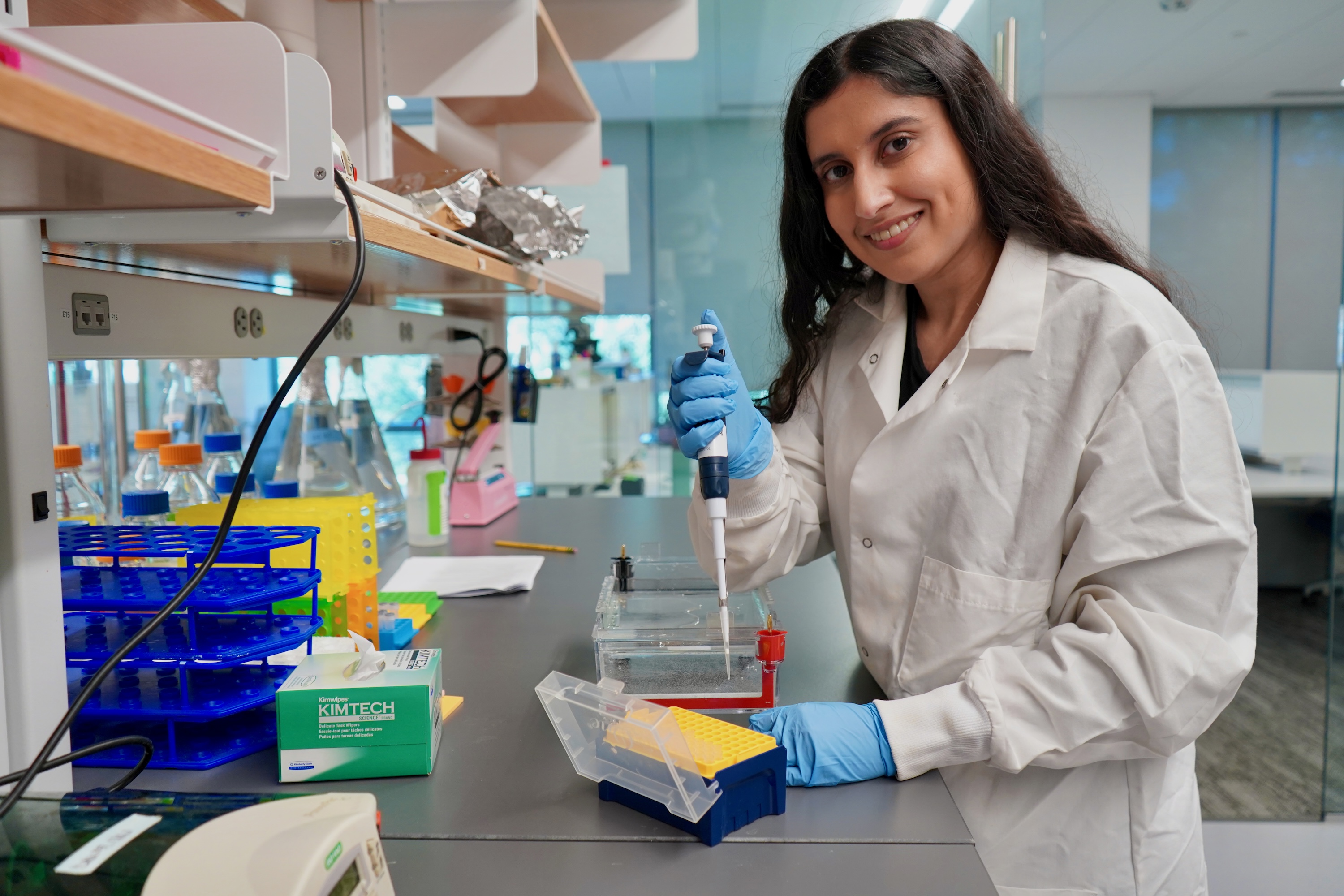

PI Research Groups

Dalva Lab
Focused on understanding synaptic development and function.

Daniel Lab
Working to understand mechanisms by which estrogens and androgens impact areas of the brain important for cognition.

Social Memory Lab
Aims to understand how abstract thinking in humans is supported by the collections of interacting neurons in the brain.

Fadok Lab
Working to innovate scientific research in neuroscience and advocate for social justice within and outside of the lab.

Galazo Lab
Studies developmental mechanisms generating different types of cortical neurons and controlling how these neurons form specific connections and produce appropriate network activity.

Learning & Brain Development Lab
Explores how attention and memory work together throughout development.

Medows Lab
Uses a combination of mouse genetics and in vitro experimental approaches to understand the basic molecular mechanisms of vascular development and disease.

Neural Microengineering Laboratory
Developing advanced models of neural tissues using human cells.

Tasker Lab
Focused on hypothalamic and amygdala brain circuits and cellular/molecular mechanisms responsible for the stress response, stress modulation, and synaptic plasticity.

Social Experiences and Emotional Development (SEED) Lab
Investigates how children’s social experiences with their caregivers and peers, together with their individual characteristics such as temperament, contribute to social and emotional development.
Tulane Brain Institute
The Tulane Brain Institute, founded in 2016, builds upon the over 30 years of success of the Tulane Neuroscience Program. The university-wide Brain Institute was created as a transdisciplinary entity to coordinate and oversee neuroscience-related endeavors at Tulane, bringing together faculty from across the university, including Tulane's uptown and downtown campuses and the Tulane National Biomedical Research Center.
Research at the Tulane Brain Institute is centered on the creation of neuroscience research groups or communities developed around four key research themes that are based on current and emerging research strengths of our faculty.