
Neuroscience Undergraduate Major
Neuroscience Undergraduate Major
Tulane offers an interdisciplinary undergraduate major in Neuroscience. Established in 2000, Neuroscience quickly became one of the most popular and fastest-growing majors at Tulane. Over 1600 students have already graduated with the B.S. in Neuroscience from Tulane, and over 150 students annually pursue the degree. The objective of Neuroscience as a field of study is to understand the role of the nervous system in regulating physiological and behavioral processes. Advances in our basic understanding of the brain have been remarkable over recent years. This knowledge is leading to improved treatments of, and even cures for, many neurological diseases. The major in Neuroscience is an exciting feature of undergraduate education that provides Tulane students with the opportunity to focus on one of the most promising areas for human health in this century.

What You'll Learn
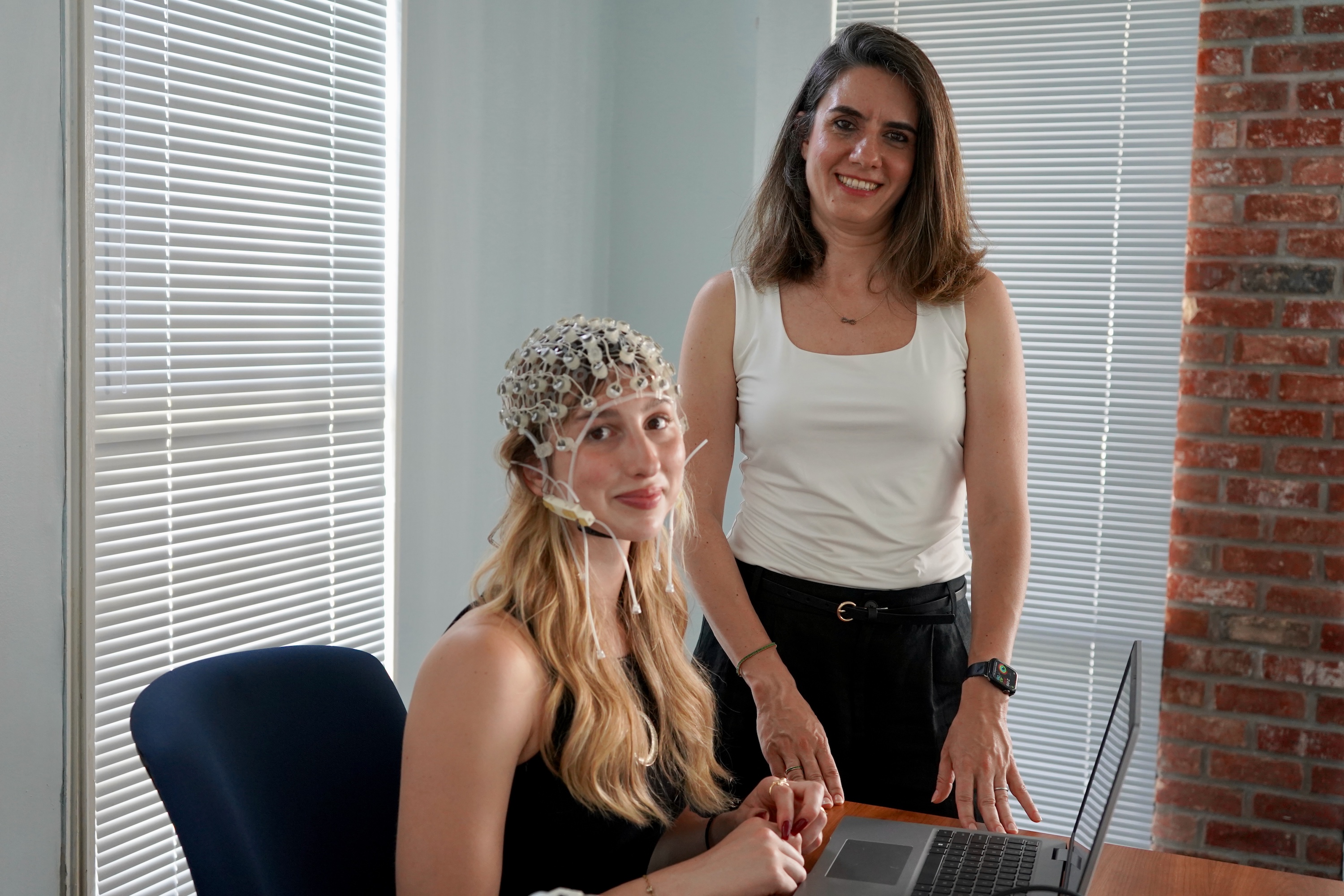
A major in Neuroscience allows a student to pursue an interdepartmental curriculum that focuses on the role of the nervous system in regulating physiological and behavioral functions. Neuroscience combines many traditional fields of study, including Psychology, Biology, Chemistry, Physics, Anatomy, Pharmacology, Linguistics, and Physiology. The field of Neuroscience encompasses a broad domain that ranges from the cellular and molecular control of brain cells to the regulation of responses in whole organisms. The requirements for the major in Neuroscience complement the standard requirements of a pre-health curriculum and the requirements for admission to graduate study in Neuroscience or related graduate programs. This curriculum also enables the student to pursue relevant professional experience to enhance their career preparation.
Career Outlook
Neuroscience majors graduate into one of the most promising areas for human health this century, entering a job market with paths spanning research, product management, healthcare, sales, education, and government roles. Whether the destination is a biotech company, a hospital research lab, a pharmaceutical sales team, or graduate school, the degree's broad interdisciplinary foundation — spanning psychology, biology, chemistry, physics, and pharmacology — keeps multiple paths open at once. What sets Tulane's program apart is how directly students get folded into real science along the way: majors are encouraged to participate in active biomedical research in the university's faculty research laboratories, working hand-in-hand with Tulane neuroscientists, their graduate students, post-doctoral fellows, and technical staff on federally-funded research projects. That hands-on experience does double duty — it merges classroom learning with real lab work through close student-faculty interaction, and it substantially strengthens student competitiveness for admission to graduate and medical schools, giving Neuroscience graduates a genuine head start whether they're headed straight into the workforce or on to further study.
Meet Our Faculty
Tulane's neuroscientists run active, federally-funded research programs that put them at the forefront of some of the biggest open questions in the field — how the brain stores memories, how neural circuits control learning and behavior, what changes in the brain drive addiction, and how conditions like Alzheimer's, schizophrenia, and stroke unfold at the level of individual neurons and circuits. Their labs bring together graduate students, postdoctoral fellows, and technical staff working side by side, and majors are invited directly into that ecosystem rather than kept at arm's length. This close student-faculty interaction — something the traditional classroom can't replicate — means undergraduates get real exposure to the research process itself: designing experiments, collecting data, and grappling with open scientific questions alongside the people actively answering them. It's mentorship built around genuine collaboration, and it's a big part of why Neuroscience students leave so well prepared for graduate and medical school.
Curriculum Requirements
A Bachelor of Science in Neuroscience requires nine credits of core courses, nine credits of elective neuroscience lecture courses, three laboratory courses, and additional credits in biology, psychology, chemistry, physics, and social science, plus the university's math requirement. Students are strongly encouraged to pursue laboratory research as an independent study or honors thesis, which can fulfill one of the three required lab courses.
Students pursuing this bachelor’s degree must earn a minimum of 30 credit hours in the Newcomb-Tulane College core curriculum, 120 credit hours in their degree, and a minimum cumulative grade point average of 2.000.

Research
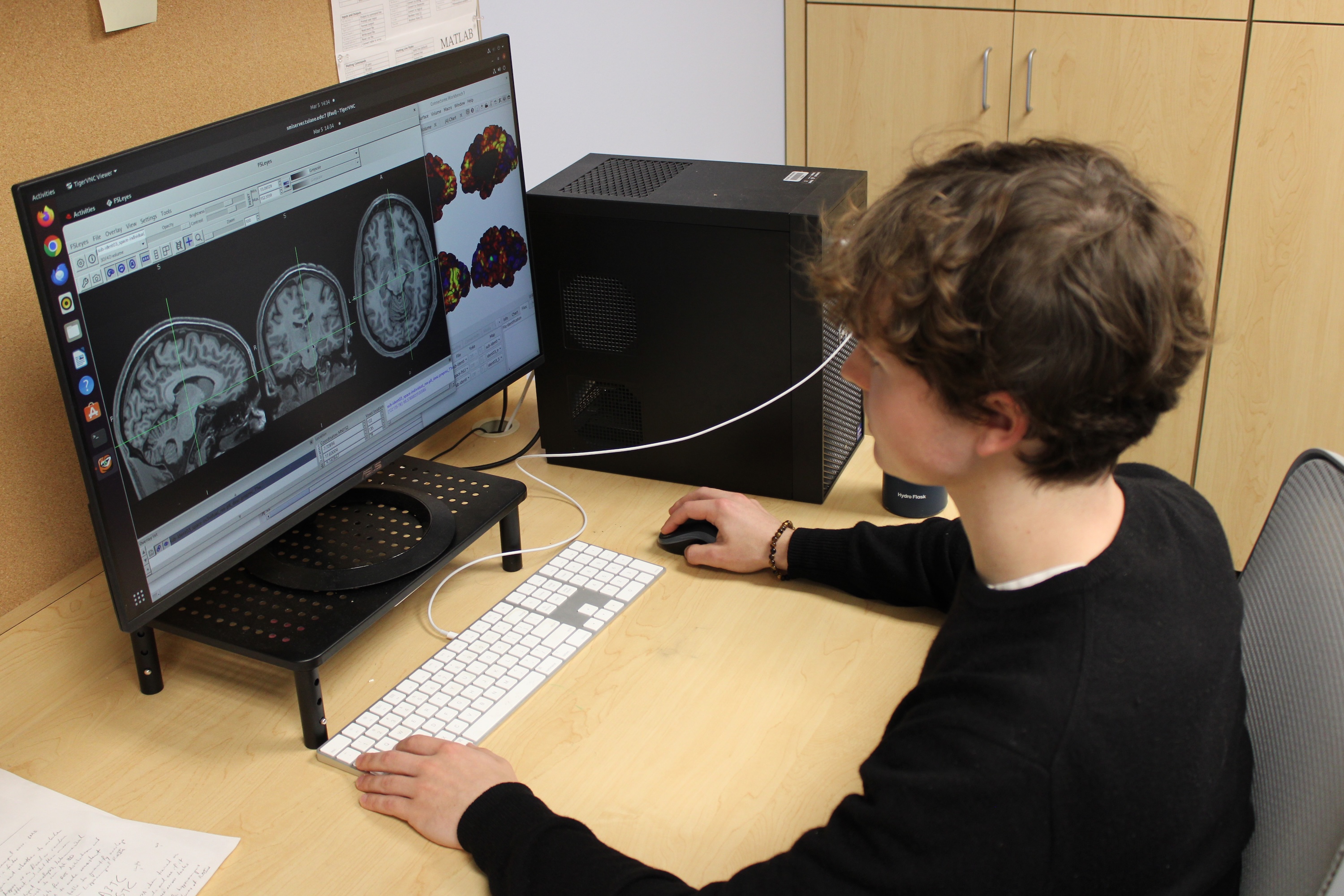
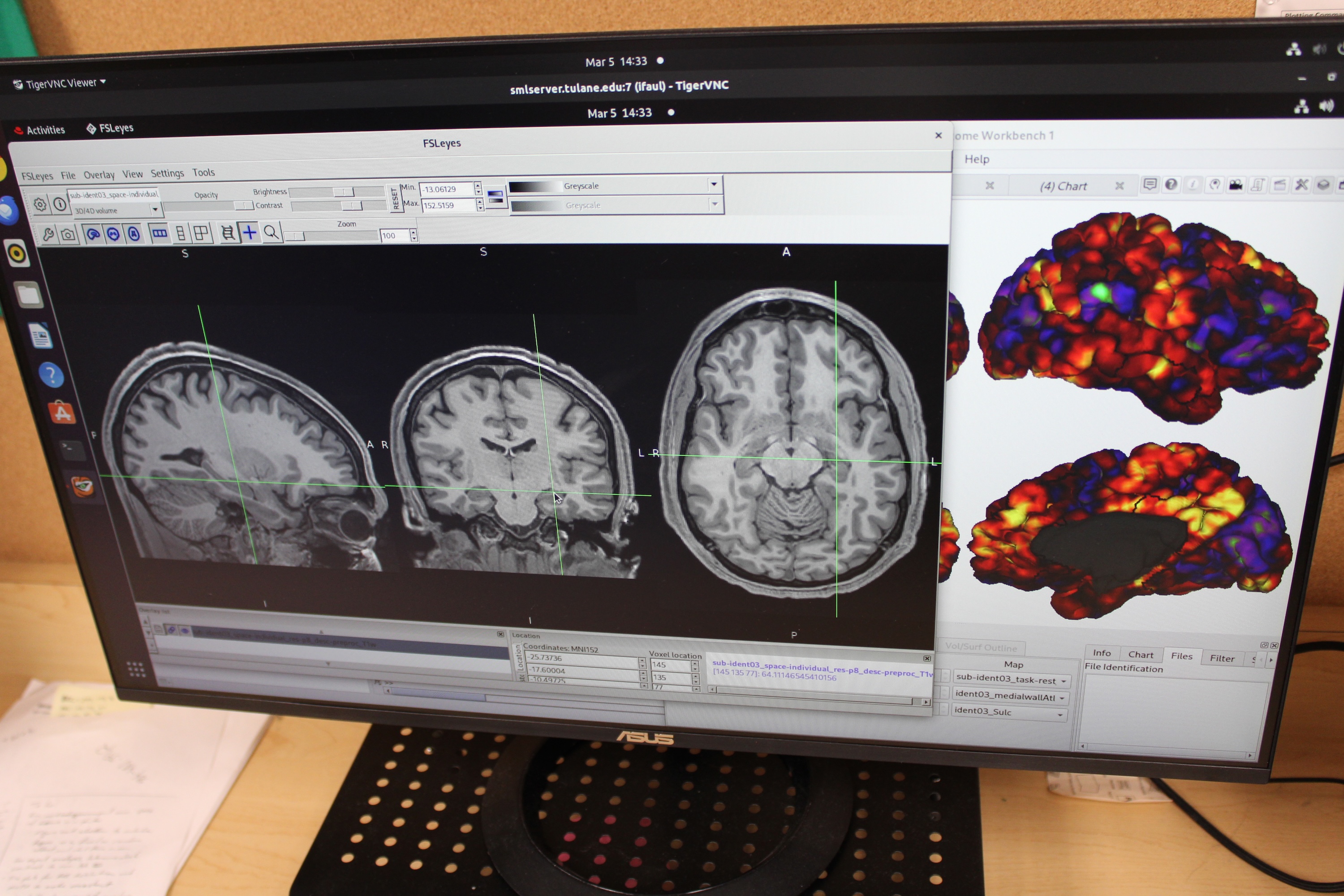
Tulane neuroscientists are tackling some of the field's most pressing open questions — from how the brain stores memory and processes sensory information, to the mechanisms behind Alzheimer's, schizophrenia, addiction, and stroke. Neuroscience majors get to participate directly in this active, federally funded research, working alongside graduate students, postdocs, and technical staff in a way that merges classroom learning with genuine hands-on discovery.
Neuroscience majors are encouraged to participate in active biomedical research in the University's faculty research laboratories. These experiences merge classroom learning with hands-on experience and allow close student-faculty interactions that are not possible in the traditional classroom setting, enhancing student competitiveness for admission to graduate and medical schools. Majors in Neuroscience work hand-in-hand with Tulane neuroscientists, their graduate students, post-doctoral fellows, and technical staff on federally funded research projects.
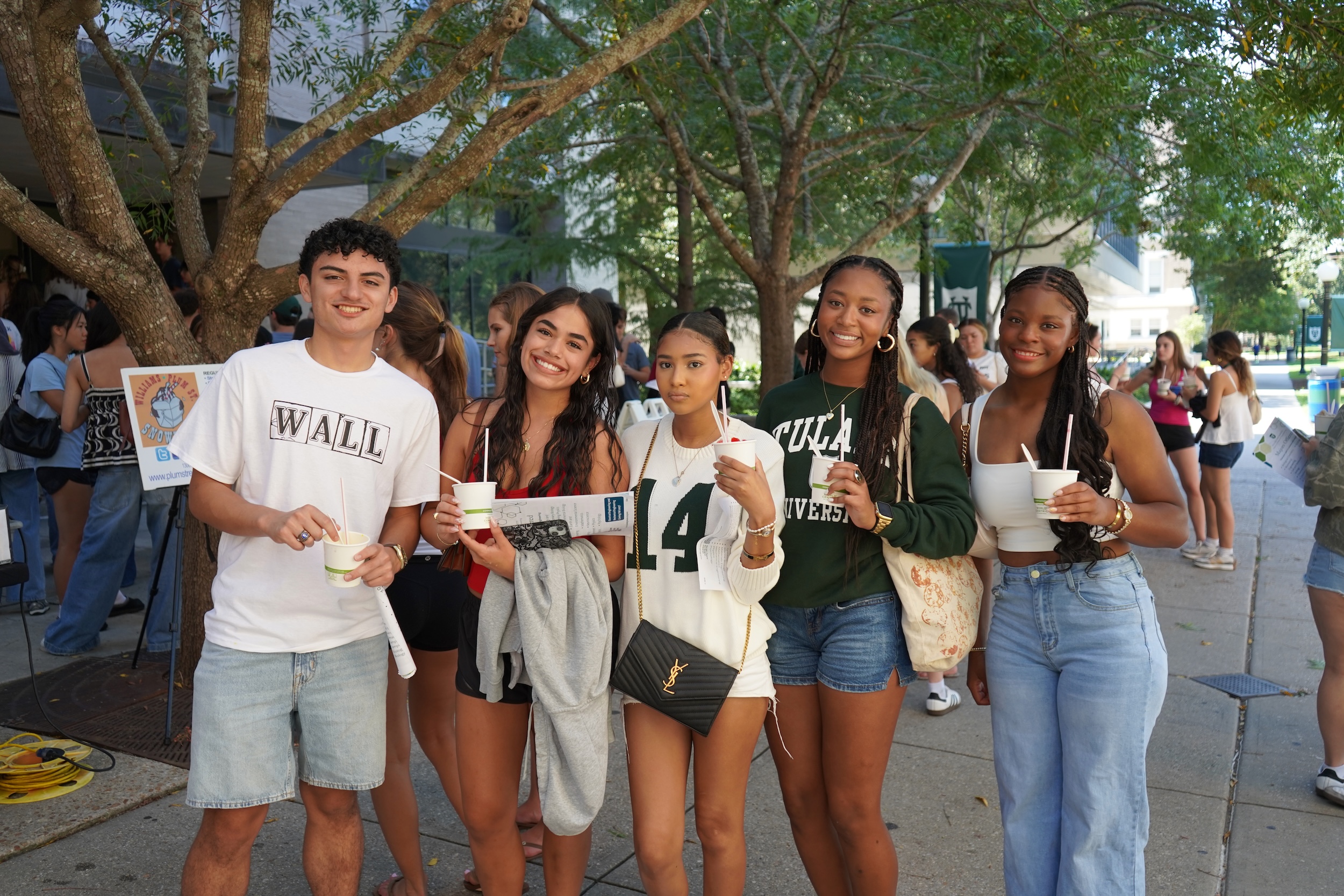
Learn more about the admissions process or apply now!
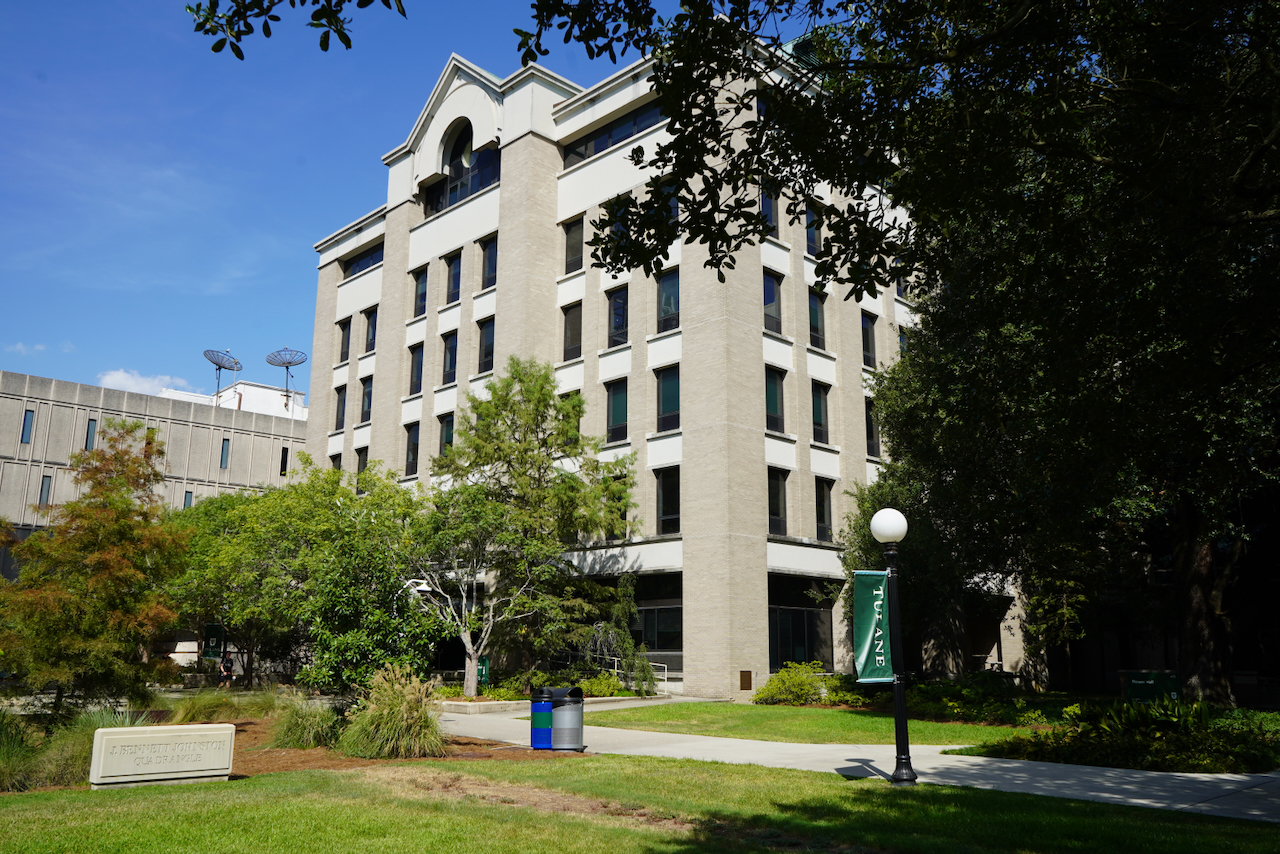
Find full tuition information and the financial aid process.
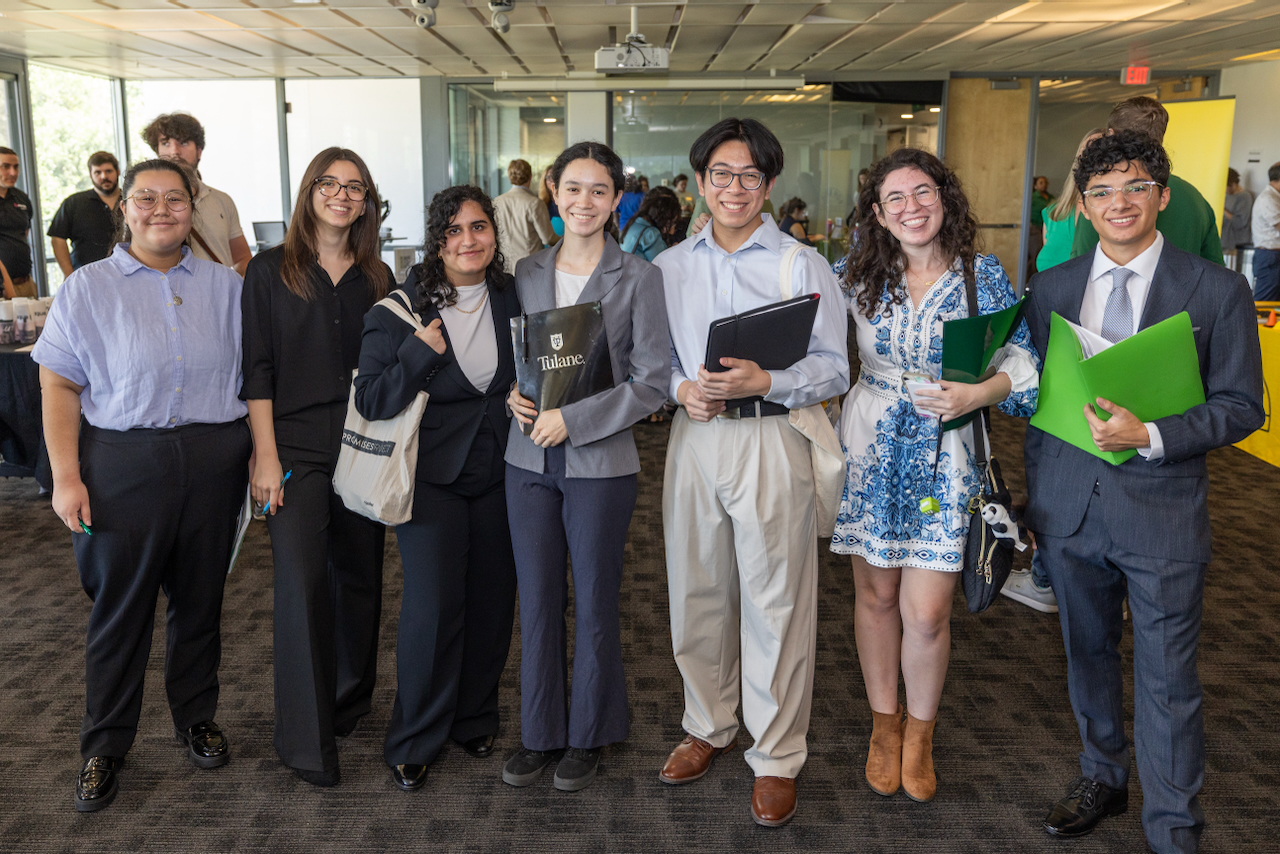
Get to know what makes this place a launchpad for the next generation of scientists and engineers.
FAQs
Neuroscience is the interdisciplinary study of the nervous system and its role in regulating physiological and behavioral processes, drawing on fields from psychology and biology to chemistry, physics, and pharmacology. It ranges from the cellular and molecular workings of individual brain cells to how entire circuits and systems shape behavior — making it one of the most dynamic and fast-moving areas of modern science.
Tulane neuroscientists and their students are attempting to answer many critical questions such as:
-How do our brains store information as memory?
-How do the brains of people with Alzheimer's disease and Schizophrenia process information?
-How do neuronal circuits interact to control learning and adaptive behavior?
-How do neurons regulate the release of hormones involved in pregnancy, maternity, menopause, stress, and growth?
-What changes in the brain lead to drug addiction?
-How does the regulation of brain microvascular function under physiological conditions and also under pathological states such as stroke and diabetes?
-How does the brain regulate pain?
-What are the genetic and molecular pathways regulating the development of the peripheral nervous and cardiovascular systems?
-What is the neurochemistry of specific viral infections?
-How do attention, judgment, and memory biases help maintain pathological emotional responses to trauma?
-How does synaptic transmission occur at auditory synapses?
-How do our brains process visual and auditory information?
-How do the nervous and immune systems converge to impact brain function, mental health, and neurological disease?
-What are the mechanisms controlling the development and function of neural circuits underlying high cognitive skills such as sensation, learning, and memory?
-What are the implications of cardiovascular health on the nervous system?
Any full-time Newcomb-Tulane College student is eligible to declare Neuroscience as a major, preferably before the beginning of the junior year. Upon declaration of the major, the student will be assigned to a faculty advisor who is a member of the Program Faculty. The advisor will meet regularly with the student to plan and monitor the course curriculum, approve changes in the curriculum, assist in development of research activities, plan post-graduate studies, and certify completion of major requirements for graduation.
- Download this fillable declaration form and email it to Stefanie de Abreu at sdeabreu@tulane.edu, to receive your newly assigned major advisor.
- You should have this course audit form when you meet with your advisor.
- Contact your newly assigned major advisor via email to set up an advising appointment.
- Meet with your neuroscience advisor to discuss your plan for completing the major. During this meeting, you and your advisor should discuss the requirements for the major, the availability of courses (e.g., some courses are only taught during specific semesters, some courses have specific pre-requisites, etc.), and your plans for postgraduate study and your career. Your advisor should sign the completed course audit form and the major declaration form.
- The signed course audit and the major declaration forms should be emailed to Stefanie de Abreu. We will sign the major declaration form and make copies of both the declaration form and your course audit form which will be added to a file created especially for you!
- Turn in the major declaration form (signed by both your neuroscience advisor and the neuroscience office) to your Newcomb-Tulane advisor.
- Once you declare your Neuroscience major, you will be added to our CANVAS page for Neuroscience Majors. Here you will find valuable information about ways to fulfill the major requirements, forms for signing up for independent study and internships, and many career preparation materials.
- Stay in contact with your neuroscience advisor, meeting him/her at least once per year to help insure the success of your program of study.
Helpful Hints
- Read the information from the neuroscience major web page carefully.
- The major declaration form is attached above, just hit the link. It is also available at the Undergraduate Advising Center.
- If you have any questions about this process, please contact Stefanie de Abreu.
Many colleges and universities do not offer a major in Neuroscience. Tulane's Neuroscience major allows students to pursue an interdepartmental curriculum that focuses on the nervous system and its role in regulating physiology and behavior, as well as providing research experiences in this field. The plan of study expands the knowledge base of students beyond that normally attainable in conventional majors and establishes an excellent foundation for future medical and graduate training.
Neuroscience majors pursue research in the University's Neuroscience laboratories as Independent Studies, Honors Theses, and summer employment. These experiences allow students to bring knowledge learned in the classroom into the actual research environment. Tulane undergraduates continue to play a vital role in the federally-funded research programs of Tulane neuroscientists. Their efforts have led to co-authorships on scientific publications and conference presentations.
Guidelines for contacting faculty about research positions can be found here.
Tulane has a modern, multipurpose laboratory that is the centerpiece of undergraduate Neuroscience at Tulane. The purpose of the laboratory classroom is to allow students to utilize the most contemporary instrumentation in the field of Neuroscience guided by faculty members who are experts in the application of techniques related to their own research questions. In addition, undergraduates who work in the University's research laboratories have access to all the instrumentation and facilities used by faculty members in their research programs.
Majors work in research laboratories throughout the University, as well as in laboratories at the Tulane Medical School. Service Learning allows students to work in hospitals, clinics, schools, and other community settings to apply classroom knowledge to real-life experiences.
Students may sign up for internship credit. NSCI 4570 is graded A-F and is for work done for your second-tier service-learning requirement through the Center for Public Service. Check the CPS website for deadlines and instructions. NSCI 4580 and NSCI 4590 are graded S/U and do not fulfill the service-learning requirements. Students can register for NSCI 3330 to earn experiential learning credit for their internship. NSCI 4580 counts towards graduation credits but NSCI 4590 does not. Please check with your major advisor if you are not sure which class to take. To earn credit hours, work must be unpaid.
Internship forms are available here as well as from the Neuroscience Office, 200 Flower Hall. This form must be completed by the student in consultation with and signed by the internship supervisor. Your Tulane Neuroscience major advisor should be the instructor on record.
After the completed form is returned to the Neuroscience office by emailing Stefanie de Abreu (sdeabreu@tulane.edu), the student will be cleared to add the internship to their schedule. Keep in mind that three credits is the maximum amount of internship credit that can count towards your graduation credit requirements. NSCI 4590 is graded S/U and does not count towards your graduation requirements. The deadline to register for Internship is the deadline to drop without record on the academic calendar.
If a student wants to do a non-Neuroscience-related internship, they should contact Dr. Beth Wee (bwee@tulane.edu) about earning SCEN 4580/4590 credit, as per the guidelines outlined above.
The majority of students graduating with a B.S. in Neuroscience have gone on to prestigious medical and graduate schools including Tulane University, Yale University, Cornell University, University of California, Baylor University, University of North Carolina. Tulane offers a 4+1 Program in Neuroscience in which students who receive a B.S. degree can obtain their M.S. degree during an additional year of study.
Pre-medical* students are strongly encouraged to talk to the Pre-Health Advisor to learn about the requirements for medical school. Most of these requirements also are required for the Neuroscience major.
* Note: Pre-dental and Pre-veterinary students also are encouraged to talk to the Pre-professional Advisor
A student who plans to study abroad for a semester or year should identify possible neuroscience courses in their study abroad programs. Tulane's Office of Study Abroad maintains a list of previously approved courses. Questions about how these courses fit with the Neuroscience major requirement should be directed to Dr. Beth Wee. Any additional courses that a student plans to take need to be reviewed by the curriculum committee, which will require a detailed syllabus for the course. Students may fulfill the neuroscience major requirements of one neuroscience lecture and one lab while abroad.
All approvals (for neuroscience and other classes taken abroad) should be done BEFORE the student leaves for the semester abroad. Students are advised to keep a syllabus from each course taken abroad to verify the course's content as well as any emails that indicate course approvals.
An honors thesis is a year-long research project completed during the senior year. Neuroscience majors are not required to do an honors thesis. Successful completion of an honors thesis qualifies the student to graduate with departmental honors. For specific information about the requirements for graduating with Honors, contact the Office of Academic Enrichment, 105/106 Hébert Hall, 504-314-2806.
An empirical research project is required for an Honors Thesis in Neuroscience. An empirical research project includes the design, implementation, analysis, and write-up of an original experiment that tests a specific scientific hypothesis. Non-laboratory projects, such as papers based solely on library research, clinical internships, or community service activities, do not meet the standards of an Honors Thesis in Neuroscience. Completion of an Honors Thesis in Neuroscience requires two full semesters, typically conducted during the senior year. A student should only attempt an Honor Thesis in Neuroscience under the guidance of a faculty member with whom Independent Study has been pursued during one or more previous semesters. An Honor's Thesis committee should be set up by the student in collaboration with their supervising faculty member. In Neuroscience, the Honors Thesis committee must consist of three readers.
Note: No student may receive academic credit for research activities if that student receives a salary or stipend for those activities. This policy applies to research conducted during the academic year and during the summer.
No later than the spring of your junior year, you should select a Neuroscience faculty member to serve as your thesis director. You might begin by approaching one of your instructors, or your Neuroscience major advisor. You also should review the list of Neuroscience research faculty, to learn about the research interests of the Neuroscience faculty members.
Students should be aware that space in faculty laboratories is limited. Thus, students are strongly encouraged to contact the faculty member well before the end of the spring semester of their junior year. Once the faculty member has agreed to serve as your thesis director, make plans with them to carry out preliminary work for the thesis during the spring or summer before your senior year.
Students should sign up for Honors Thesis credit, NSCI 4990 in the fall, and NSCI 5000 in the spring, of the senior year. In order to sign up for NSCI 5000, students need to complete the Honors Approval Form and return it to the Neuroscience Program office. Students should contact the Office of Academic Enrichment, 105/106 Hébert Hall, 504-314-2806, for the guidelines and schedule well in advance of your registration for an honors thesis. Students who are doing an Honor’s Thesis will need to fill out the Tulane Neuroscience Honor’s Thesis forms. The completed forms should be turned in to the Neuroscience Office, 200 Flower Hall, or emailed to Stefanie de Abreu (sdeabreu@tulane.edu) to get a section number and be cleared to do the Honor’s thesis. For additional information, look at the honors thesis web pages. Be sure to follow the deadlines for successful completion of the honors thesis.
Students must secure prior approval for honors theses from the appropriate ethics committees by the end of the first semester of their senior year. Approval of empirical studies with human subjects or animal subjects must be obtained from the appropriate internal review board. Students should consult with their thesis advisors regarding this process. Review and approval normally requires at least one month. Therefore, it is important that all forms be submitted by the thesis advisor to the appropriate committee NO LATER THAN November 15.
Research proposals, submitted in late January to the Honors Program office as the “first chapter,” must include an introduction and complete methodology. Before submission to the Honors Program office, the proposal must be approved by a committee comprised of the thesis director and another faculty member, who will serve as the second reader. The proposal must be approved before the data for the primary study are collected.
Yes, however, students must adhere to the same guidelines as those given [below] for Independent Study projects.
Students may sign up for Independent study credit for research in a neuroscience research laboratory as NSCI 4910. Up to six graded (A-F) credits may be earned. After that, if the student wants to continue to do research, s/he should sign up for NSCI 4920, which is S/U graded. To earn credit hours, work must be unpaid. In general, working an average of 3-4 hours/week (a total of approximately 45-75 hours) for the full semester is worth 1 credit, 6-8 hours/week (a total of approximately 90-135 hours) is 2 credits, and 10-12 hours/week (approximately 150-180 hours) is 3 credits of independent study. In order for the research to fulfill one of the three required laboratories for the major, 3 credits must be earned.
Independent study forms are available here as well as from the Neuroscience Office, 200 Flower Hall. This form must be completed by the student in consultation with and signed by the faculty member(s) supervising the research. If you do research in a non-Tulane research laboratory (e.g., LSUHSC), your Tulane Neuroscience major advisor should be the instructor on record. If you work in a Tulane laboratory, your faculty research advisor will be the instructor on record. The deadline to register for Independent Study is the deadline to drop without record on the academic calendar. After the completed form is returned to the Neuroscience office by emailing Stefanie de Abreu (sdeabreu@tulane.edu) the student will be cleared to add the independent study to their schedule. Keep in mind that six credits is the maximum amount of regular graded credit that a student can earn from all independent study courses, even if the work is completed in more than one research laboratory. Please note that a student completing a NSCI major and PSYN minor may only count one independent study (3 credit hours) towards either the major or the minor but not both.
Students who wish to perform an independent study project at another institution must have two faculty sponsors: One at the host institution and a faculty sponsor in the Neuroscience Program, typically the student's neuroscience major advisor. The student must obtain prior approval from the Neuroscience sponsor for the project. The sponsor will communicate with the host institution sponsor to make sure that the work being performed meets our major requirements for independent study projects. Also, the grade for the project will be submitted by the Neuroscience sponsor, in consultation with the host institution sponsor. It is essential that your Neuroscience sponsor and your host institution sponsor communicate with one another to evaluate your final work; otherwise, an incomplete grade may result. In some cases, written work will be required for the student to demonstrate their knowledge of the research that they are completing.
If a student wants to do independent study in a non-neuroscience laboratory, they should contact Dr. Beth Wee (bwee@tulane.edu) about earning SCEN 4910/4920 credit, as per the guidelines outlined above.
Students who matriculated in Fall, 2022 or later follow the "new" curriculum. One of the new requirements is Experiential Learning, which is credit given to students who complete research, internships, or other relevant experiences that will help them apply their neuroscience knowledge. Once a student is registered for 2-3 credits of Independent Study (NSCI 4910, SCEN 4910, etc) or Internship (SCEN/NSCI 4570, NSCI 4580, NSCI 4590), they may register for Experiential Learning (NSCI 3330) and tag it to the aforementioned course (see link below for form). If the student has identified a different experience for which they would like to earn credit (e.g., minimum of 60 hours of paid internship), they should talk to their Neuroscience major advisor to confirm that it will, indeed, earn such credit. In some cases, the Neuroscience Program curriculum committee will need to review the request. Once approved, the student should submit the Experiential Learning form (signed by their major advisor) to Stefanie de Abreu (sdeabreu@tulane.edu), Flower Hall 200), who will add the student to the zero credit, S/U graded course. The deadline to register for Experiential Learning is the deadline to drop without record on the academic calendar.
The following three credit Neuroscience lecture courses may have an optional service learning component which fulfills the second tier service requirement. Courses which require 40 hours of volunteer service are worth 1 credit; courses that require only 20 hours of service are worth zero credit, but still fulfill the service requirement.
-NSCI 4110 Brain and Language
-NSCI 4340 Neurobiology of Disease
-NSCI 4060 Behavioral Endocrinology
-NSCI 4130 Sports Related Brain Injury
In addition, if the student has at least a B average, they may apply to the Center for Public Service Internship Program to complete a Service Learning Internship. The neuroscience service learning internship consists of 70 hours of volunteer service plus participation in a weekly seminar class. If approved by CPS, the student will be added to the internship course, NSCI 4570 Neuroscience Internship, by the Neuroscience Program.
Neuroscience majors who wish to complete a science-related internship that is NOT neuroscience-specific, may complete their second tier service requirement by taking SCEN 4570 Internship. One section of this internship relates to K-12 Education. Another section is for students who choose to do other types of service that are approved by the Center for Public Service. Check with Dr. Beth Wee (bwee@tulane.edu) for additional details.
Students can complete double majors in Neuroscience and Psychology by completing 18 non-overlapping courses from the curricula of the two majors. Courses listed in the Neuroscience curriculum of 3 or 4 credits can be included among the 18 non-overlapping courses. The following exceptions apply. (1) Laboratories that are one-credit components of lecture courses cannot count as separate courses. Four-credit courses that include laboratories, 3-credit independent study courses, and seven-credit honors theses can count toward the 18 non-overlapping courses. (2) Neuroscience co-requisite courses in chemistry, physics, and mathematics do not count towards the list of 18 non-overlapping courses.
A double major should broaden a student's knowledge in both areas of study, therefore, students are encouraged strongly to complete courses in their Psychology major that are outside the field of Neuroscience such as courses in developmental, social, and quantitative psychology.
Students planning to double major in Neuroscience and Psychology must meet with Dr. Beth Wee (bwee@tulane.edu) to develop their double major curriculum plan.
NOTE: The Neuroscience program does not offer a minor in Neuroscience. Neuroscience majors can complete minors in other fields that offer minors provided that departmental requirements are met.
Steps in Declaring a Double Major in Neuroscience and Psychology:
-Meet with Dr. Wee to design your major course plan and complete the major course audit form and the list of 18 non-overlapping courses.
-Complete the form that identifies your courses in each major and have Dr. Wee sign the form for both Psychology and Neuroscience.
-Send the completed major declaration form to Courtney Groue (cgroue@tulane.edu) to declare your Psychology major.
-Send the completed major declaration form , list of 18 non-overlapping courses, and the planned major course audit form to Stefanie de Abreu (sdeabreu@tulane.edu) to declare your Neuroscience major.
-Neuroscience Office will keep copies of your course plan, list of 18 non-overlapping courses, and declaration form on file.
-Send your completed major declaration form to your Newcomb Tulane academic advisor.
Questions about the double major in CMB and Neuroscience should be directed to Dr. Sara Clark in the Cell and Molecular Biology department.
The Summer Program supports current Tulane Neuroscience majors who have been nominated by their neuroscience research advisor. Nominated students will be invited to apply directly to the program.
Tulane's Neuroscience Summer Research Program offers qualified undergraduate students the opportunity to spend 9 weeks of the summer working in the research laboratories of Tulane neuroscientists.
Students can prepare for graduate school through the following activities:
-Assist Tulane faculty members and their laboratory teams in ongoing research projects in the exciting field of neuroscience
-Develop proficiency in basic research skills that include ethical awareness, experimental design, data analysis and interpretation, and laboratory technique
-Learn communication skills in the oral and written presentation of scientific results
-Present and discuss their projects with other students and faculty members during weekly group sessions
-Design and create a research poster for our culminating poster session
For more information about the program, contact Dr. Rebecca Solch-Ottaiano, rsolch@tulane.edu.
Contact Us
By Mail
Neuroscience Program
200 Flower hall
Tulane University
New Orleans, LA 70118
By Phone
(504) 862-3305
By Email
Beth Wee, PhD | Director of Undergraduate and Master's Programs
Phone: (504) 314-7548
Email: bwee@tulane.edu
Matthew Dalva, PhD | Director Tulane Brain Institute
Phone: (504) 862-3295
Email: mdalva@tulane.edu