
Master's Degree in Neuroscience
Master's Degree in Neuroscience
Tulane University offers two versions of its Master of Science degree in Neuroscience. One version is for students with baccalaureate degrees from other institutions. The other version is our 4 + 1 program for students who earned their B.S. at Tulane University. The purpose of the 4+1 M.S. Program in Neuroscience is to provide Tulane students with training at the graduate level for one additional year beyond the baccalaureate degree. Completion of an empirical master’s thesis under the guidance of an advisor who is a faculty member of the Tulane Brain Institute is optional.
Students in both versions of the M.S. program take courses relevant to their interests in Neuroscience and related fields. The mission of the M.S. program is to prepare students for admission to doctoral programs in the neurosciences, for admission to medical or other professional schools, or the workforce. Completion of the M.S. program does not guarantee acceptance to Tulane's Ph.D. programs or medical school. Students pursuing an advanced degree in Neuroscience benefit from a multidisciplinary education and training in the sciences of the brain and nervous system. In addition, our students develop professional skills such as reading scientific literature, public speaking/presentations, and collaboration/team work.
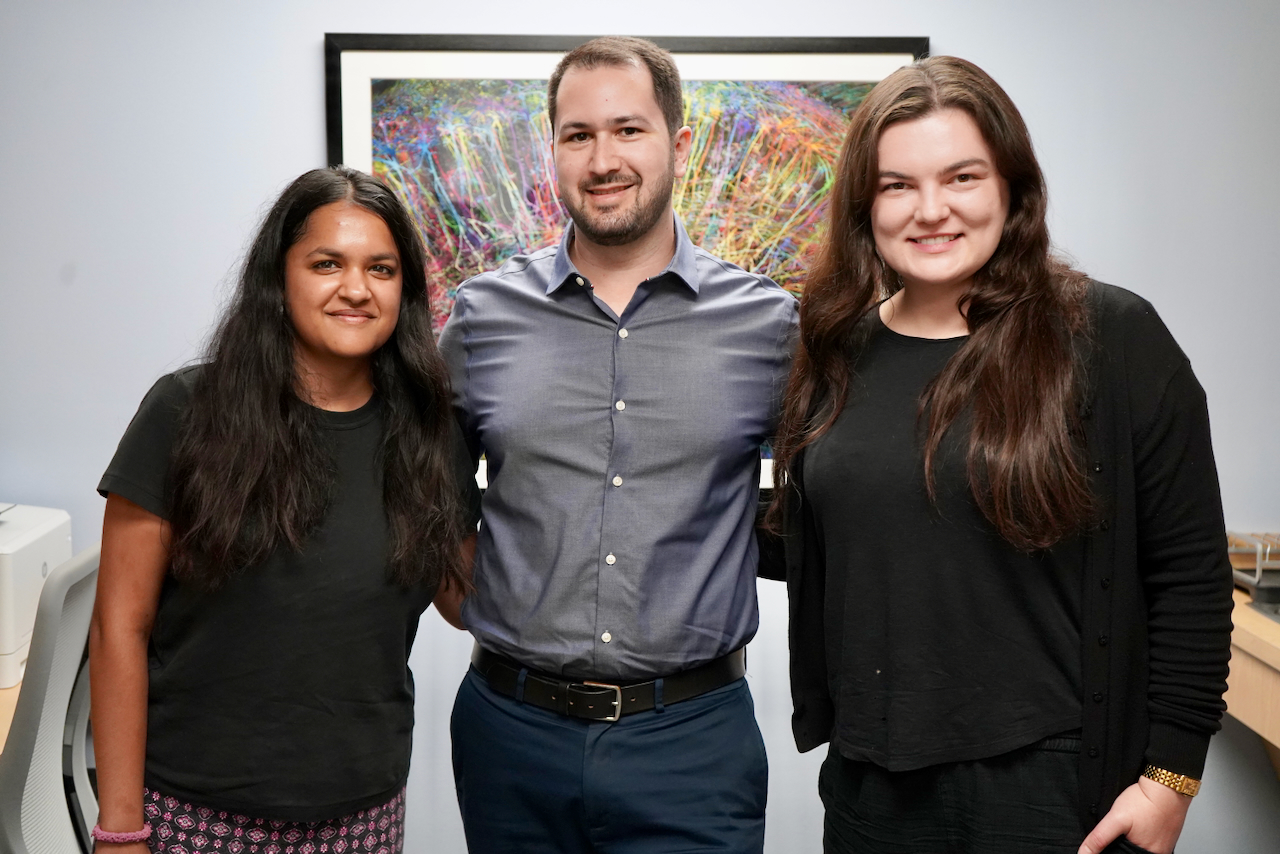
4+1 Accelerated Master's Program
Current Tulane undergraduate students can earn this M.S. degree with just one additional year of study. This accelerated program allows you to count graduate-level courses toward both your B.S. and M.S. degrees, providing a fast track to an advanced credential.

What You'll Learn
In this program, you'll develop comprehensive expertise in the sciences of the brain and nervous system through multidisciplinary training in cell and molecular biology, neuropharmacology, neurophysiology, neuroanatomy, neuroendocrinology, and biological psychology. You'll gain both theoretical knowledge and practical research skills, learning to read and critically analyze scientific literature, present findings to peers, and collaborate effectively in research teams. The flexible curriculum allows you to tailor your coursework to your specific interests in neuroscience, whether you're preparing for doctoral studies, professional schools, or careers in biomedical research and industry. Whether pursuing the thesis or non-thesis track, you'll develop the analytical, experimental, and communication skills essential for advanced careers in neuroscience and related fields.
Research
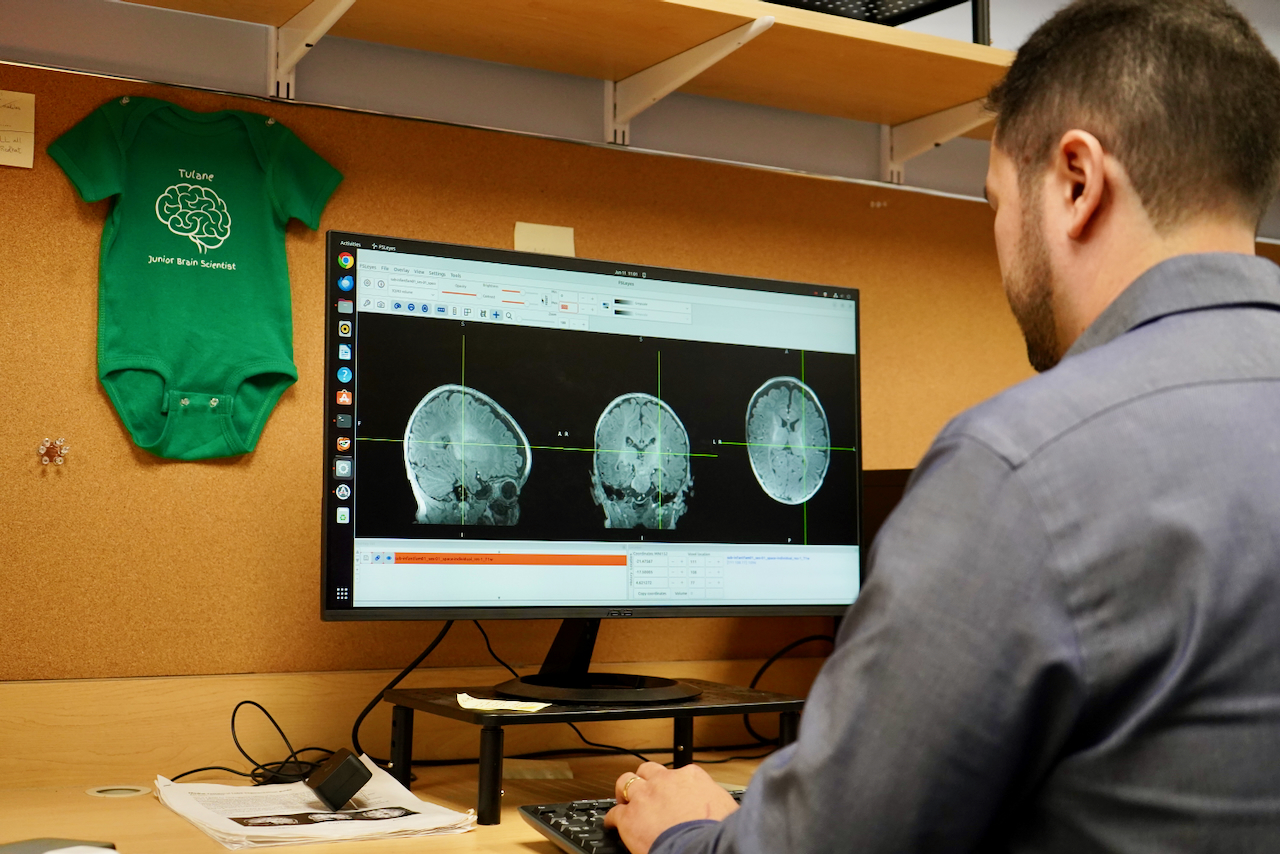
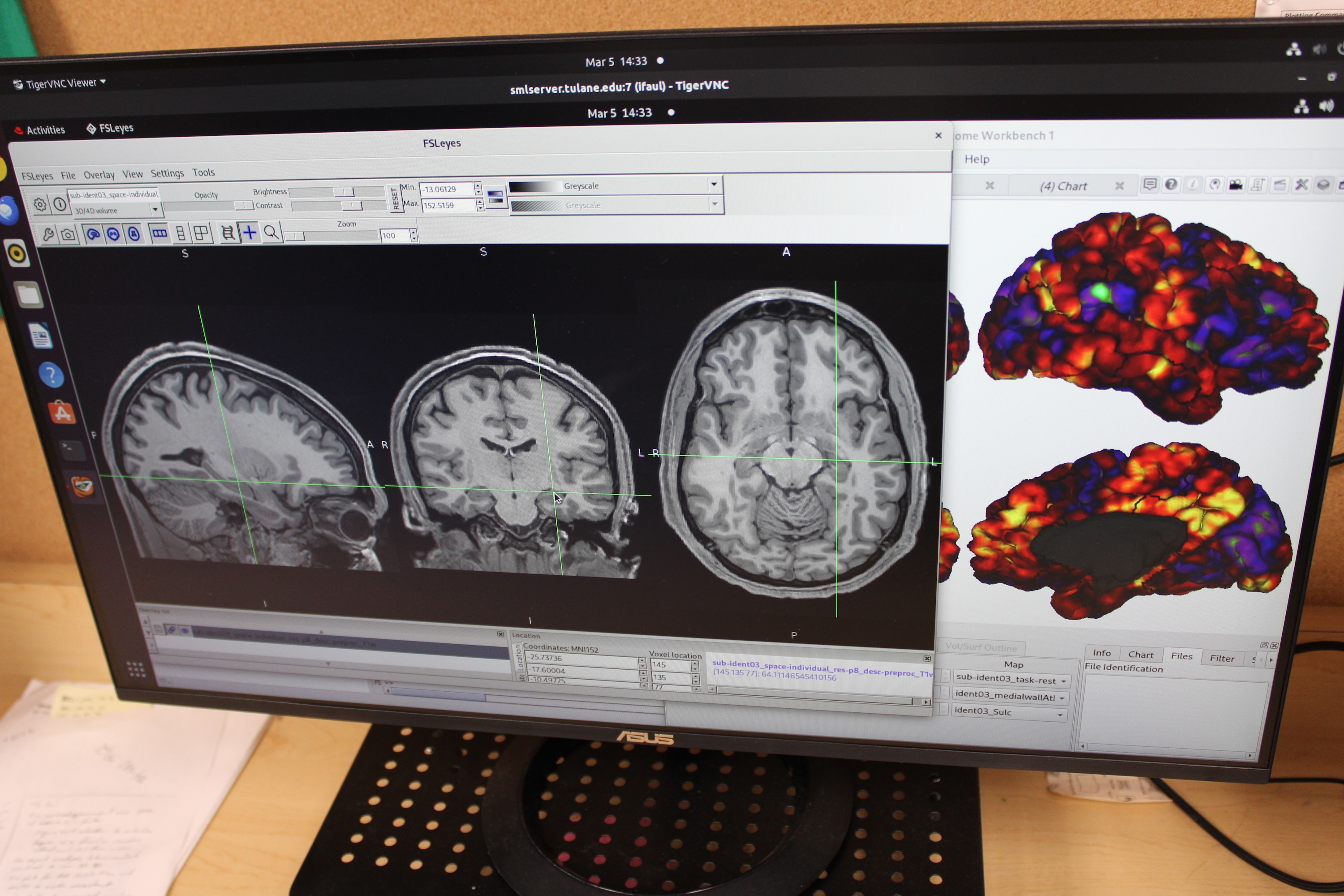
Research is central to the Neuroscience MS program, with opportunities to conduct original investigations into the brain and nervous system under faculty mentorship. Students pursuing the thesis track complete an empirical master's thesis under the supervision of a faculty member affiliated with the Tulane Brain Institute, investigating questions in areas such as molecular neuroscience, neurophysiology, neuroendocrinology, or behavioral neuroscience. Even students in the non-thesis track can engage in research for credit, gaining hands-on laboratory experience and developing investigative skills. Faculty research spans diverse neuroscience disciplines and applications, from basic science investigations of neural mechanisms to translational research addressing neurological disease and brain disorders. Through thesis research or coursework-based investigations, you'll develop the critical thinking, experimental design, and communication skills essential for advanced careers in neuroscience research and related fields.
Meet Our Faculty
Our neuroscience faculty are accomplished researchers and educators with expertise spanning the full breadth of neuroscience disciplines, from molecular and cellular neuroscience to systems neuroscience and behavioral neuroscience. Faculty members are affiliated with the Tulane Brain Institute and are actively engaged in cutting-edge research investigating fundamental questions about brain function, neural development, and neurological disease. They are committed to mentoring graduate students through personalized course planning and research guidance, providing close supervision for thesis projects and fostering the development of professional skills in scientific communication and collaboration. Whether through coursework, laboratory research, or thesis work, our faculty create an environment where you'll develop both deep theoretical understanding and hands-on expertise in neuroscience investigation.
Curriculum Requirements
Students accepted to the Master’s in Neuroscience program may follow one of two tracks toward completion of an M.S. in Neuroscience.
For the Thesis Track option (24 credit hours of coursework and 6 credits of research), students will take courses relevant to their interests in neuroscience or related fields and complete an empirical master’s thesis under the supervision of an adviser who is a member of the Tulane Brain Institute. Because completion of an empirical master’s thesis normally requires more than one year, students who plan to complete a thesis should already be engaged in research that they can continue during the program. The thesis adviser will provide guidance in all aspects of the master’s thesis.
For the Non-Thesis Track option (30 credit hours), students will take courses relevant to their interests in neuroscience or related fields, and may participate in research for credit, but are not required to complete an empirical master’s thesis.

Career Benefits and Pathways
Graduates with a master's in neuroscience are well-positioned for diverse careers in research, healthcare, and industry. Specific opportunities include research scientist, neuroscientist, clinical research coordinator, pharmaceutical researcher, biomedical engineer, science policy analyst, and technical specialist at research institutions, pharmaceutical companies, biotechnology firms, and government agencies like the NIH and NSF. Many graduates pursue admission to doctoral programs in neuroscience or related fields, while others enter medical school, veterinary school, or other professional programs with a strong foundation in neuroscience. The program's emphasis on research skills, scientific communication, and collaborative teamwork prepares graduates for leadership roles in academic research, drug development, clinical neuroscience, and emerging fields like neurotech and brain-computer interfaces.

Learn more about the admissions process or apply now!
Find full tuition information and the financial aid process.
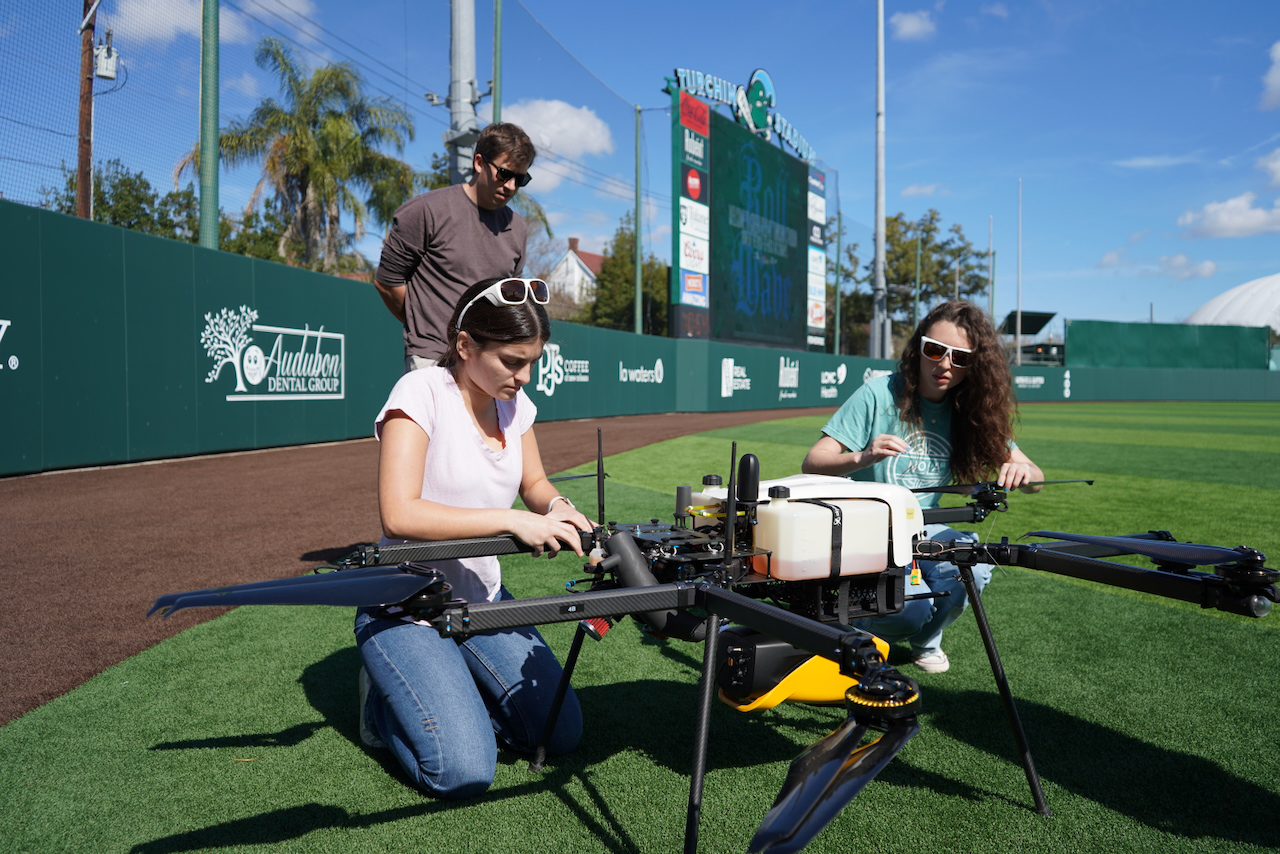
Get to know what makes this place a launchpad for the next generation of scientists and engineers.
"It is a very flexible program with tools and guidance for anyone looking to expand their knowledge and find their perfect career paths."

FAQs
Neuroscience is the interdisciplinary study of the brain, nervous system, and behavior, combining approaches from biology, chemistry, physics, psychology, and medicine to understand how the nervous system functions at all levels—from molecules and cells to circuits and behavior. It seeks to uncover the fundamental mechanisms underlying perception, cognition, emotion, and behavior, with applications ranging from treating neurological disease to understanding human consciousness and developing brain-inspired technologies.
Master's thesis research is the central element of the 4+1 Thesis Track. The thesis is an extension of research conducted at the undergraduate level and tied closely to the research advisor’s interest and expertise. A student conducting a thesis in partial fulfillment of the 4+1 degree in Neuroscience will assemble a thesis committee of three faculty members, two of whom must be members of the Tulane Brain Institute. The student will prepare a written thesis prospectus for the committee, not to exceed 5 pages. The prospectus should describe briefly the specific hypotheses, the most relevant literature, the proposed methodology and data analysis, and the expected outcomes and significance of the project. Within one week after submission of the prospectus to committee members, the student will meet with the full committee for comments and guidance. The meeting with the thesis committee should occur prior to October 1 of the 4+1 year of study. Upon completion of the thesis, the committee will read and review the final thesis document and evaluate student performance at a formal thesis defense. The final document submitted to the Science and Engineering Graduate office following the thesis defense is due in April for spring graduation or late July for summer graduation. The exact dates vary from year to year, so be sure to check the dates! The thesis must be defended and submitted in final form to the School of Science and Engineering within two years after entering the master's program. Students who fail to meet the two-year deadline will be recommended for dismissal from the 4+1 Program in Neuroscience. Details about the thesis can be found in the School of Science and Engineering's Thesis Preparation Guidelines. For additional information regarding the thesis, contact Dr. Clark or Dr. Beth Wee.
Tulane students working toward the B.S. in Neuroscience or a related major may apply for admission. To be considered for admission, the student should submit a Tulane graduate application form, an official transcript, and two letters of reference written by full-time members of the Tulane Faculty who have had the student in a science course. For students planning to do the Thesis Track, one of these letters must come from a faculty member who is a member of the Tulane Brain Institute confirming their commitment to supervise the student. Acceptance into the program will be competitive and based on the decision of the 4+1 Neuroscience Program Committee. Successful applicants to the program are suggested to have a minimum overall undergraduate grade point average of 3.4.
Required materials to be included in your application:
- Completed Tulane Graduate School application form
- Completed statement of purpose (500 words or less) that describes why you want to complete the program and how it fits into your career goals.
- Undergraduate and graduate transcripts. Unofficial transcripts may be used for review. Formal acceptance can only be issued after official transcripts are furnished.
- Letters of recommendation from two faculty members who taught you in your science courses.
Program Committee: Sara Clark - Program Director
Contact Stefanie de Abreu in the Neuroscience Program regarding specific admission procedures.
Students may enter the program during either the fall or spring semester of any academic year. Students should complete their degree requirements within two academic semesters and must complete all requirements within two years. Additional semesters beyond the first year will incur additional tuition and student fees, per credit hour.
Acceptance into the program is competitive and based on the decision of a Steering Committee comprised of Tulane Brain Institute faculty members. Candidates should have demonstrated knowledge of college-level biology, chemistry, and physics and exhibit the potential for graduate study. Successful applicants should have an undergraduate GPA of ~3.4 and grades of B or better in their science courses.
Students may enter the program during either the fall or spring semester of any academic year. For application inquiries, please email sdeabreu@tulane.edu
Required materials to be included in your application:
- Completed Tulane Graduate School application form
- Completed statement of purpose (500 words or less) that describes why you want to complete the program and how it fits into your career goals.
- Undergraduate and graduate transcripts. Unofficial transcripts may be used for review. Formal acceptance can only be issued after official transcripts are furnished.
- Letters of recommendation from three faculty members who have had you in courses, with at least two of the recommendations being from faculty who had you in science courses.
Non-native English speakers must demonstrate an adequate command of the English language. Test of English as a Foreign Language (TOEFL) scores or other evidence of English Proficiency are required. A minimum TOEFL score of 600 points on the written exam, 250 on the computerized exam, or 90 on the internet-based exam is required. For more information about the TOEFL, visit the TOEFL website or contact ETS. When requesting ETS to send your score to the Neuroscience Graduate Program, please use our university code (6173) and departmental code (99).
Contact Stefanie de Abreu in the Neuroscience Program regarding specific admission procedures.
Students may enter the program during either the fall or spring semester of any academic year. Students should complete their degree requirements within two academic semesters and must complete all requirements within two years. Additional semesters beyond the first two semesters will incur additional tuition and student fees.
Contact Us
Ilianna H. Kwaske, Ph.D.
Associate Dean for MS Programs & Professional Education
ikwaske@tulane.edu
Sarah Berry
Director of MS and Certificate Programs
smccarty@tulane.edu
Rosie Chavez
Director of Graduate Programs
rchavez@tulane.edu
Beth Wee, PhD | Director of Undergraduate and Master's Programs
Phone: (504) 314-7548
Email: bwee@tulane.edu
Sara Clark, PhD | Associate Director of Master's Program
Phone: (504) 862-3364
Email: sclark4@tulane.edu