
Members
Our Team
The TCE-MPS brings together an exceptional group of faculty from across Tulane's School of Science & Engineering and School of Medicine. Our members span biomedical engineering, physiology, cell biology, neuroscience, oncology, materials science, and clinical research.
| Capability | Industry-relevant use | Learn More |
|---|---|---|
Nerve-on-chip / neural MPS | Neurotoxicity, pain, peripheral nerve, neural disease modeling | |
| Vessel / HHT-on-chip | Vascular malformation, retina, vascular biology, model validation | |
| Kidney organoids | Hypertension, diabetic nephropathy, iPSC-derived renal models | |
| Tumor models | Tumor microenvironment, drug response, imaging | |
| Lung MPS / precision-cut lung slices | Lung injury, fibrosis, pulmonary mechanics | |
| Sensors + imaging | Low-field MRI, optical tools, biosensors, materials | |
| DPSC-derived neurons / neurogenetic disease | Patient-derived neural disease modeling |

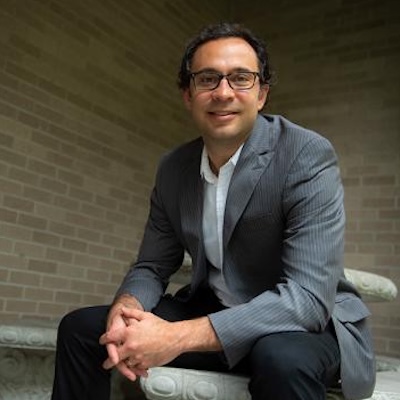
Dr. Michael J. Moore, PhD — Co-Director
Professor and Chair, Department of Biomedical Engineering, School of Science & Engineering; Co-Founder and Chief Science Officer, 28bio, Inc. (formerly AxoSim)
Dr. Moore's laboratory specializes in advanced human microphysiological models of neural tissue, including peripheral nerve, spinal cord, and brain systems. He co-founded AxoSim Technologies (now 28bio) in 2014, a neurotechnology startup offering industry-leading Nerve-on-a-Chip platforms for pharmaceutical screening. With extensive experience in academic research, technology transfer, and commercialization, Dr. Moore is ideally positioned to lead the TCE-MPS and champion its bench-to-business mission.

Dr. Heddwen Brooks, PhD — Co-Director
Professor and Chair, Department of Physiology, School of Medicine; Editor-in-Chief, American Journal of Physiology – Renal Physiology
Dr. Brooks leads a research program focused on sex differences in hypertension, postmenopausal cardiovascular disease, and renal dysfunction. She has a distinguished record of mentoring trainees at the national level and has chaired graduate programs at both Tulane and the University of Arizona. As Co-Director of the TCE-MPS, she brings deep expertise in renal physiology, institutional leadership, and grant-funded research to guide the center's scientific and training missions.
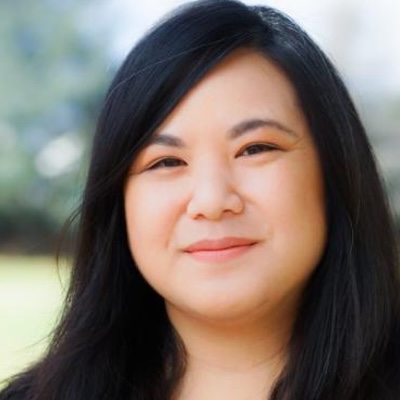
Dr. Jennifer S. Fang, PhD — Co-Assistant Director
Assistant Professor, Department of Cell and Molecular Biology, School of Science & Engineering
Dr. Fang investigates the molecular regulation of blood vessel development, remodeling, and malformation, with a focus on gap junction signaling in vascular biology. She developed the first microphysiological organ-on-a-chip model of Hereditary Hemorrhagic Telangiectasia (HHT), a rare vascular malformation disease, and is developing new MPS models of retinal vascular pathology. She leads TCE-MPS Research Project 1 on HHT-on-a-chip vascular malformation. Dr. Fang serves as TCE-MPS Assistant Director, providing hands-on leadership for day-to-day center operations and scientific programs.
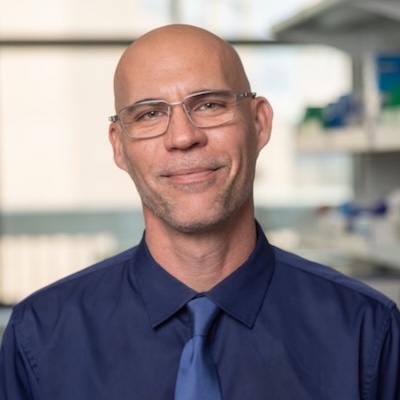
Dr. Mark J. Mondrinos, PhD — Co-Assistant Director
Assistant Professor, Department of Biomedical Engineering, School of Science & Engineering
Dr. Mondrinos develops organ chip technologies and microphysiological systems for modeling human pathophysiology, with a focus on microvascular and cancer biology. His lab is advancing sex-specific in vitro culture systems and has developed models of muscle wasting in cancer cachexia, tumor neovascularization, and perfusable vascularized tissue. Dr. Mondrinos serves as TCE-MPS Assistant Director, providing hands-on leadership for day-to-day center operations and scientific programs.

Dr. Gregory Bix, MD/PhD
Director, Clinical Neuroscience Research Center; Full Professor (tenured), School of Medicine
Dr. Bix investigates the role and therapeutic potential of the extracellular matrix in cerebrovascular injury, neuroinflammation, and neurodegenerative disease. His lab identified integrin pathways as key therapeutic targets in stroke, vascular dementia, and SARS-CoV-2 infection, and he has led multiple NIH R01-funded studies. He brings expertise in brain organoids and neurovascular tissue chip models to the TCE-MPS community.

Dr. J. Quincy Brown, PhD
Associate Professor of Biomedical Engineering, School of Science & Engineering
Dr. Brown is a biomedical engineer specializing in light-based sensing and imaging technologies for cancer diagnostics and diabetes management. He has developed ex vivo microscopy systems, optical spectroscopy tools for tumor margin assessment, and luminescent glucose biosensors. His work in technology translation, including two university startups, strengthens the TCE-MPS mission to commercialize novel biomedical platforms.

Dr. Matthew E. Burow, PhD
Associate Professor of Medicine, School of Medicine
Dr. Burow's research focuses on cell signaling pathways that drive breast cancer progression and therapeutic resistance. Over two decades, his lab has identified kinase-mediated mechanisms of metastasis and developed patient-derived tumor models, including microphysiological systems, to investigate cancer biology. He contributes expertise in tumor microenvironment modeling and endocrine resistance to TCE-MPS cancer research projects.
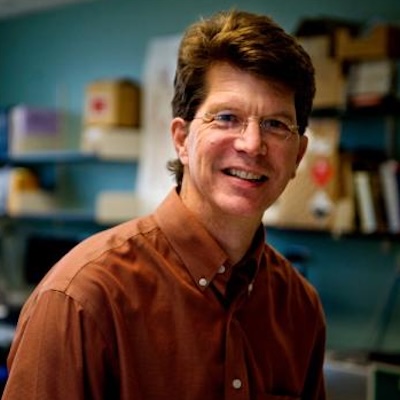
Dr. Donald P. Gaver III, PhD
Alden J. 'Doc' Laborde Professor, Department of Biomedical Engineering, School of Science & Engineering
Dr. Gaver's laboratory uses custom-designed bioreactors and microfluidic models of the lung to investigate the biomechanical impact of air-liquid flows during respiratory events. His interdisciplinary work spans computational fluid dynamics, experimental biophysics, and translational pulmonary medicine, with a focus on reducing ventilator-induced lung injury. He directs Tulane's Interdisciplinary PhD Program in Bioinnovation and contributes pulmonary MPS expertise to the TCE-MPS.

Dr. Norman J. Haughey, PhD
Professor, Department of Physiology, School of Medicine
Dr. Haughey leads a disease-oriented research program at the intersection of neuroscience and HIV-associated neurological disorders. His laboratory identified sphingolipid metabolism dysregulation as a key driver of cognitive impairment in people with HIV and has pioneered discoveries in extracellular vesicle biology and innate immune signaling in the brain. He brings neural organoid and neuroinflammation modeling expertise to the TCE-MPS.
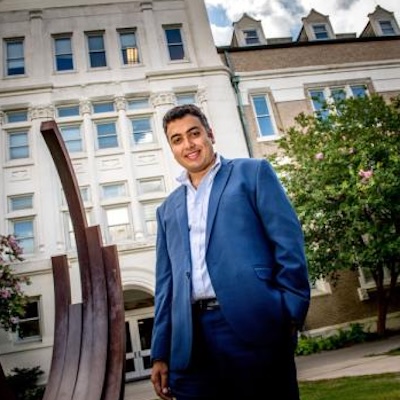
Dr. Michael Naguib, PhD
Associate Professor, Department of Physics and Engineering Physics, School of Science & Engineering; Ken and Ruth Arnold Early Career Professor in Science and Engineering
Dr. Naguib is an internationally recognized leader in the synthesis and characterization of two-dimensional materials, including MXenes, a rapidly growing class of materials with applications in energy storage, biosensors, and biomedical technologies. A Highly Cited Researcher (Clarivate Analytics, 2018–2024), he contributes novel materials science perspectives and cutting-edge nanomaterial expertise to TCE-MPS sensor and device development.

Dr. Lawrence T. Reiter, PhD
Professor, Department of Physiology, School of Medicine
Dr. Reiter uses Drosophila genetics and dental pulp stem cell (DPSC)-derived patient neurons to investigate the molecular causes of neurogenetic diseases on the autism spectrum, including Angelman syndrome, Prader-Willi syndrome, and Duplication 15q syndrome. His unique DPSC biobank, housing cells from over 200 individuals across 14 syndromes, provides a powerful resource for MPS-based human neurogenetic disease modeling.
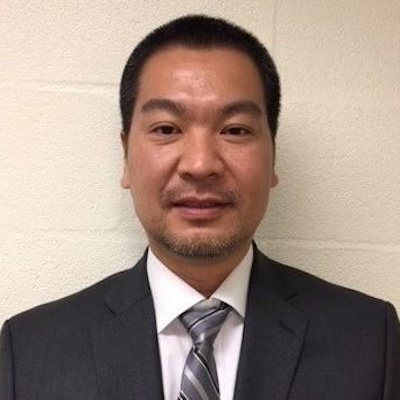
Dr. Ryosuke Sato, PhD
Assistant Professor, Department of Physiology, School of Medicine; Director, Molecular, Imaging & Analytical Core, Tulane Hypertension and Renal Center of Excellence
Dr. Sato investigates the renin-angiotensin system in the kidney and its role in hypertension and diabetic nephropathy. His group has created human iPSC-derived kidney organoids, iPSC organoid-engrafted mouse models, and gene-edited organoid systems. He leads TCE-MPS Research Project 2, developing engrafted kidney organoid models to study hypertensive kidney disease across diverse patient populations.

Dr. Victor J. Thannickal, MD
Professor and Chair, John W. Deming Department of Medicine, School of Medicine
Dr. Thannickal's research addresses the cellular and molecular mechanisms of lung injury, repair, and fibrosis, with a focus on myofibroblast biology, reactive oxygen species, NADPH oxidase enzymes, and the biology of aging in chronic lung disease. His lab is developing a microphysiological system incorporating precision-cut lung slices to study lung regeneration, which aligns directly with TCE-MPS goals for new model development.
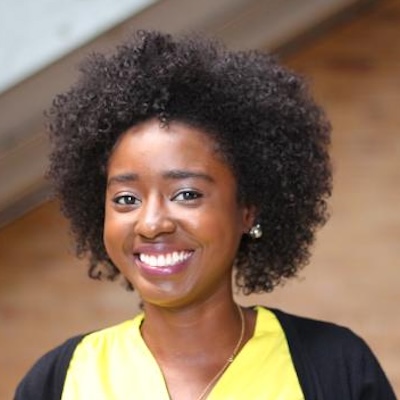
Dr. Velencia J. Witherspoon, PhD
Assistant Professor, Department of Biomedical Engineering, School of Science & Engineering
Dr. Witherspoon works at the intersection of microphysiological systems and magnetic resonance (MR) imaging, developing affordable low-field MRI methods to noninvasively characterize extracellular matrix composition and microstructural changes in connective tissues. She leads the TCE-MPS Pilot Project to establish low-field MRI as a non-invasive sensor for monitoring MPS, enabling label-free, real-time imaging to improve in vitro disease modeling and drug screening.