
CAMS News
CAMS News
Stay up to date with the Center for Anatomical and Movement Sciences (CAMS). Here you'll find stories from our labs and classrooms, including student visits to clinical partners, outreach to other New Orleans institutions, and milestones in Tulane's tradition of hands-on cadaveric anatomy education. Browse the latest updates to see how CAMS students, faculty, and community partners are turning anatomical knowledge into real-world experience.
When Art Meets Anatomy: Tulane Students Learn to Draw What They Study
February 2026
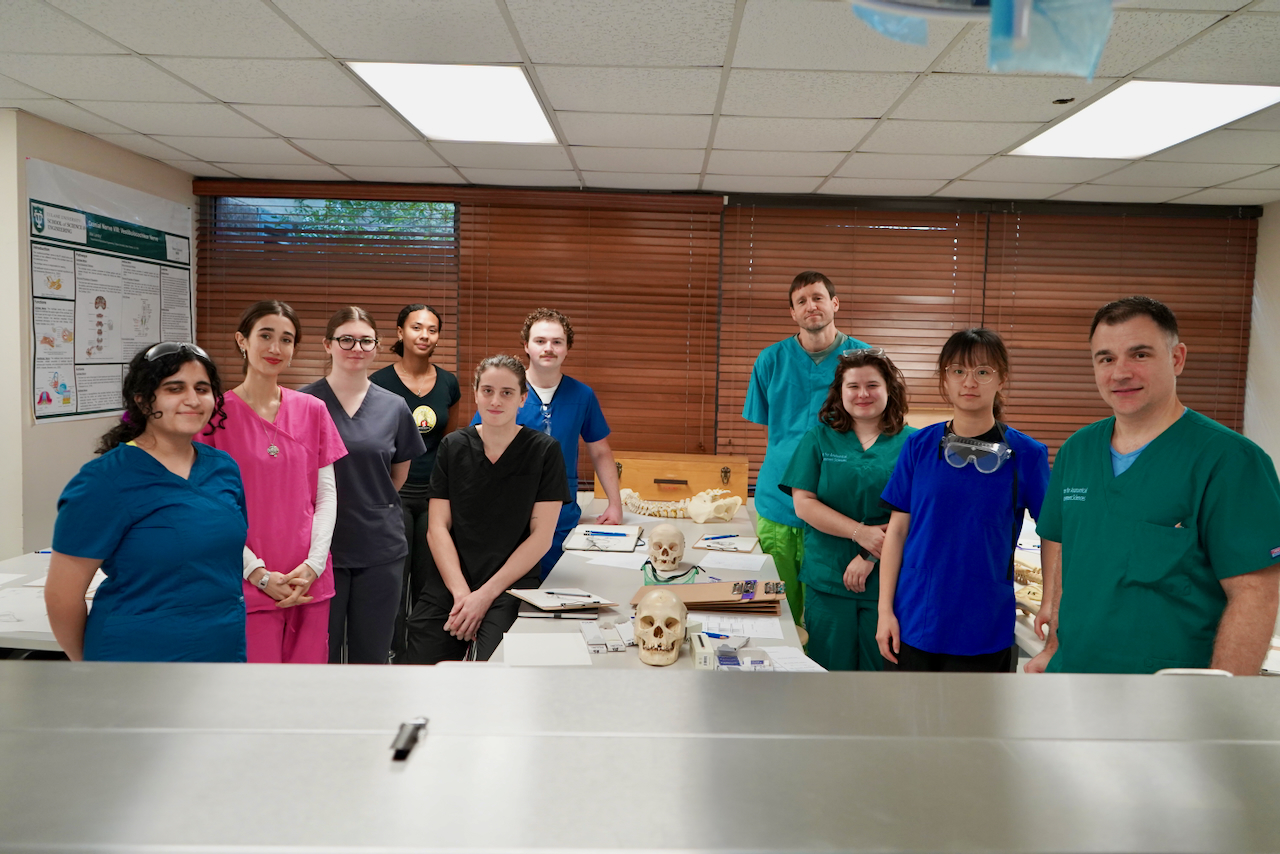
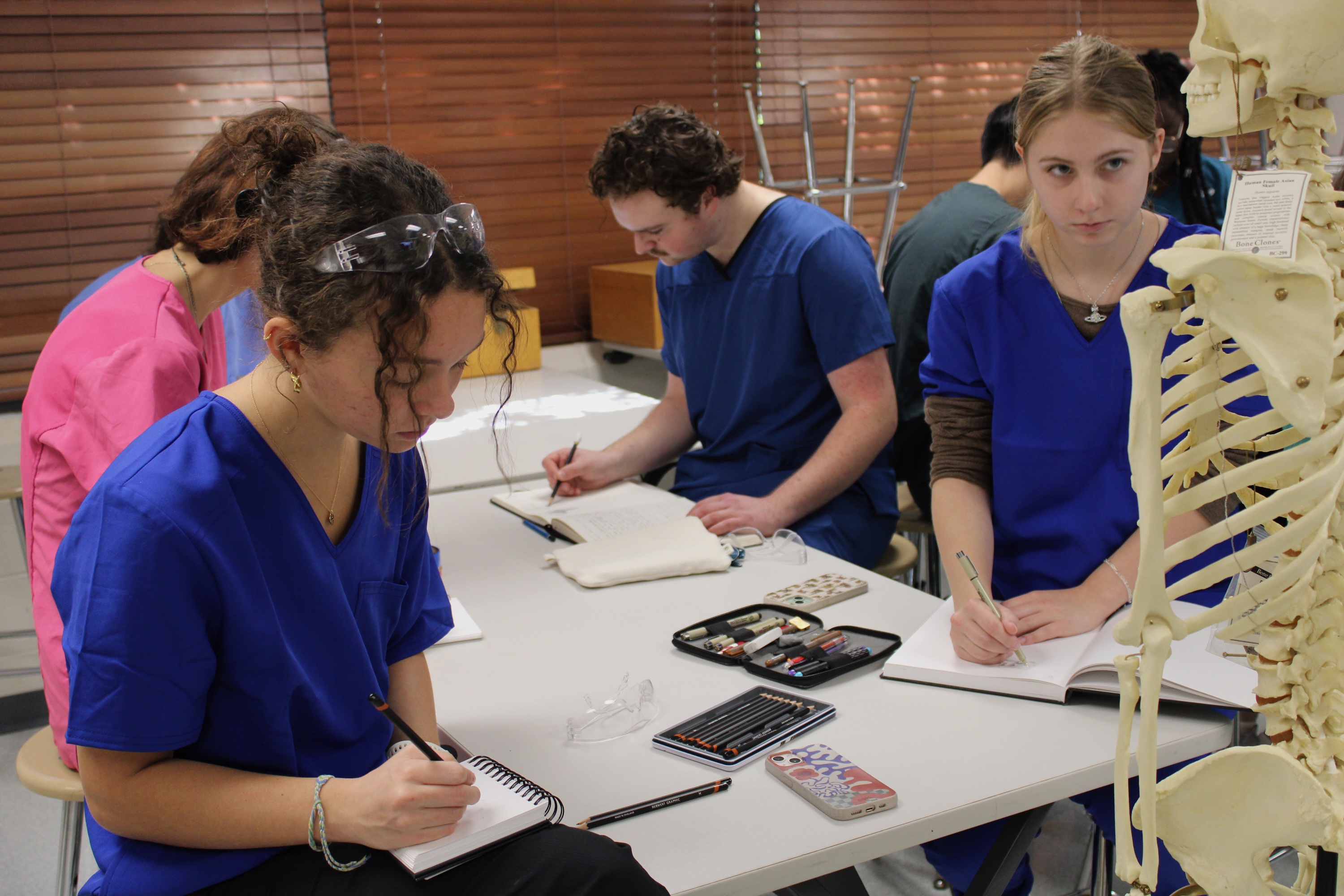
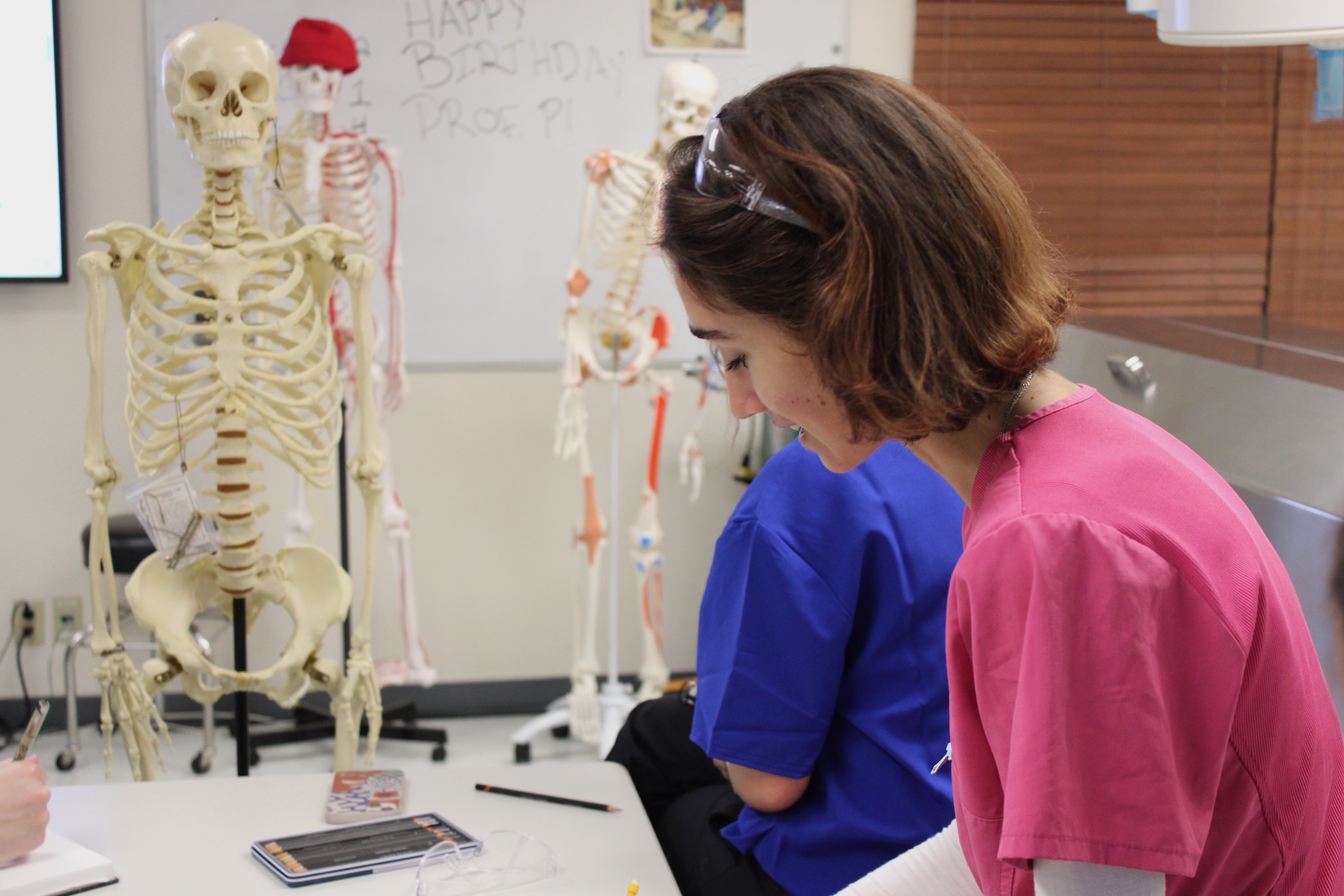
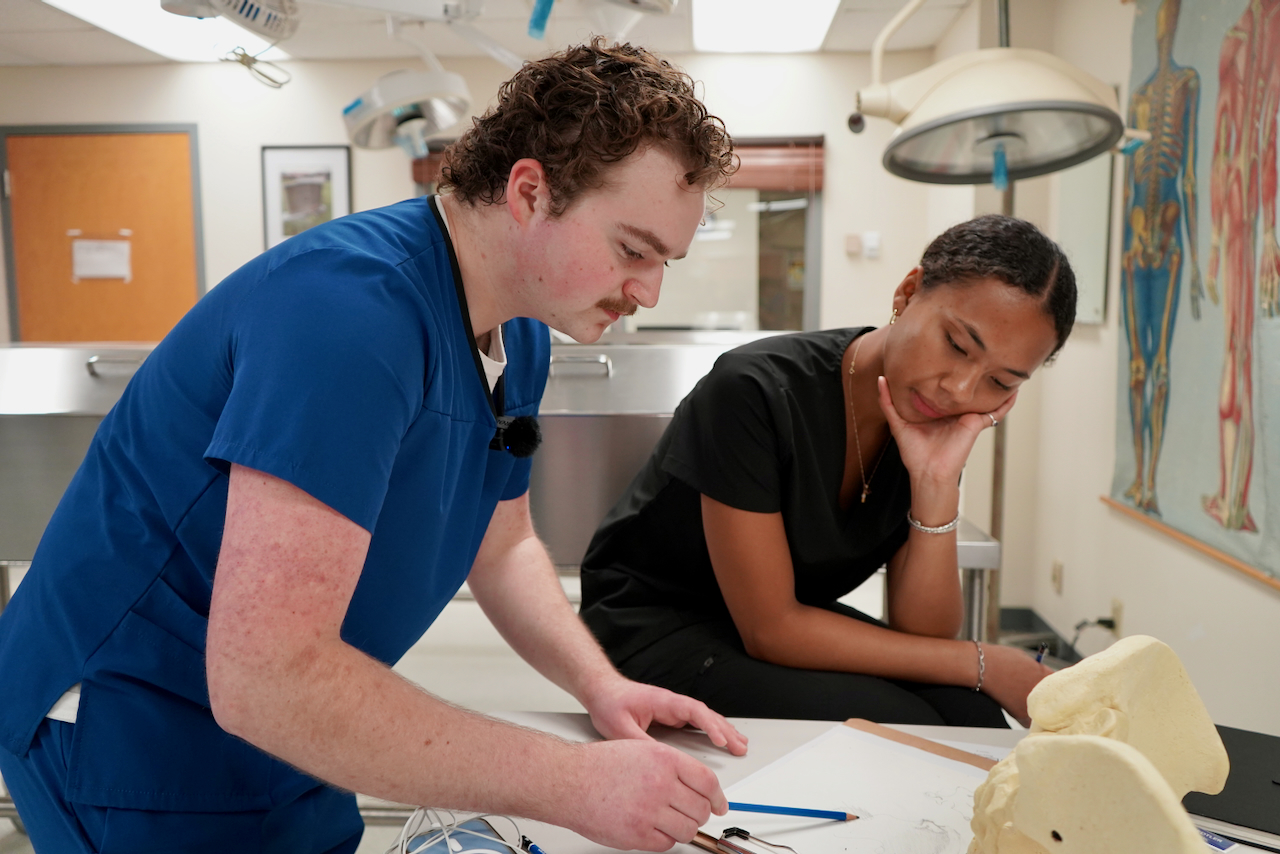
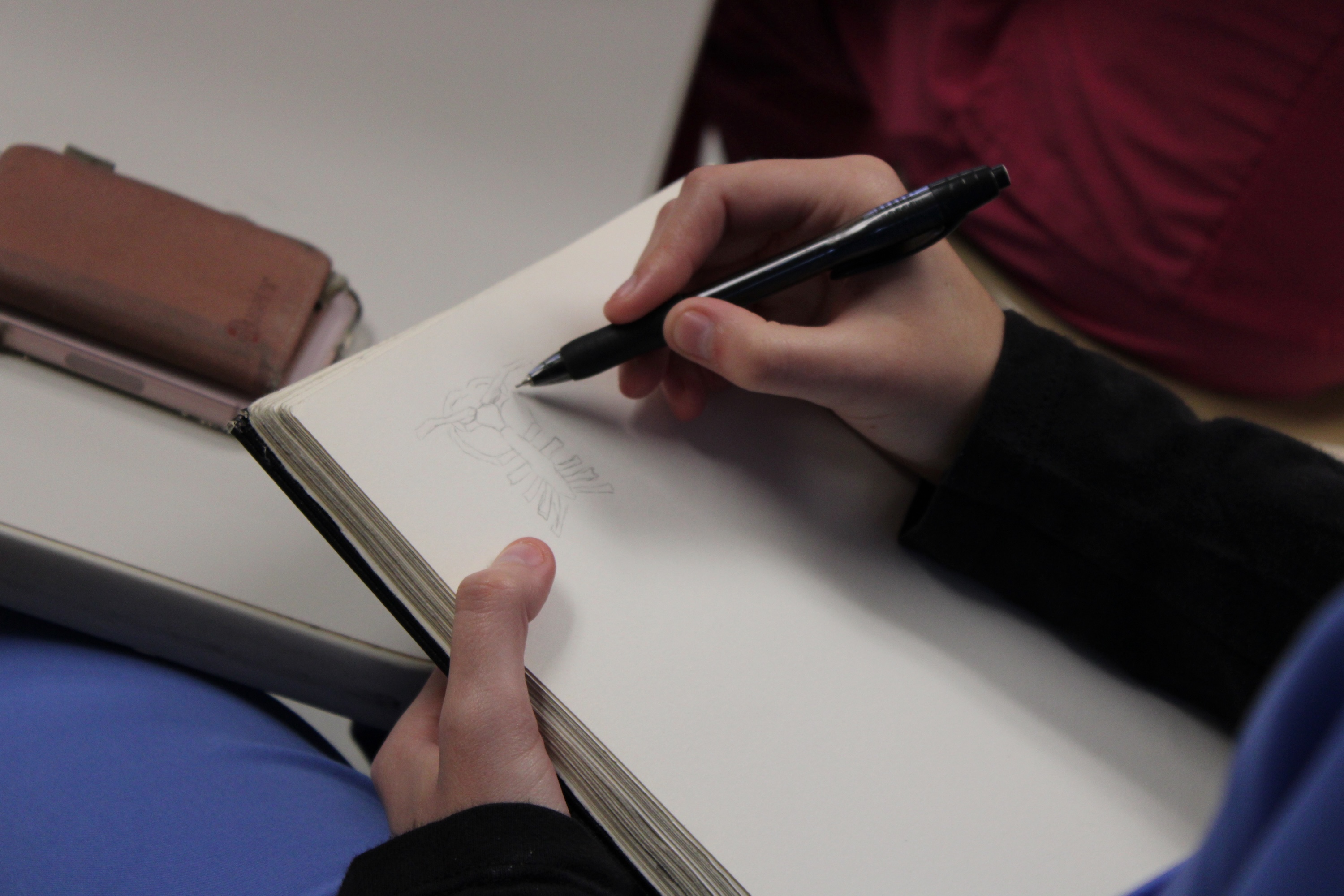
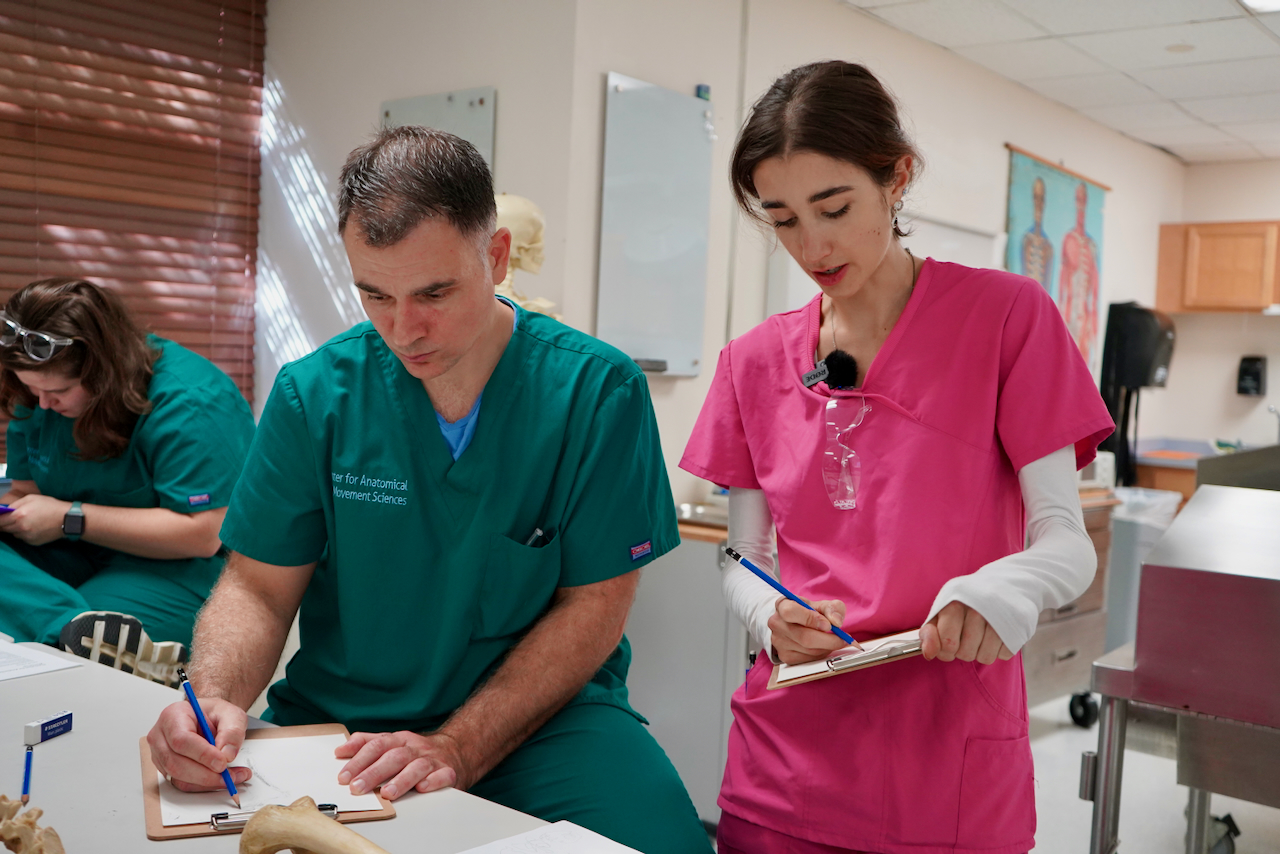
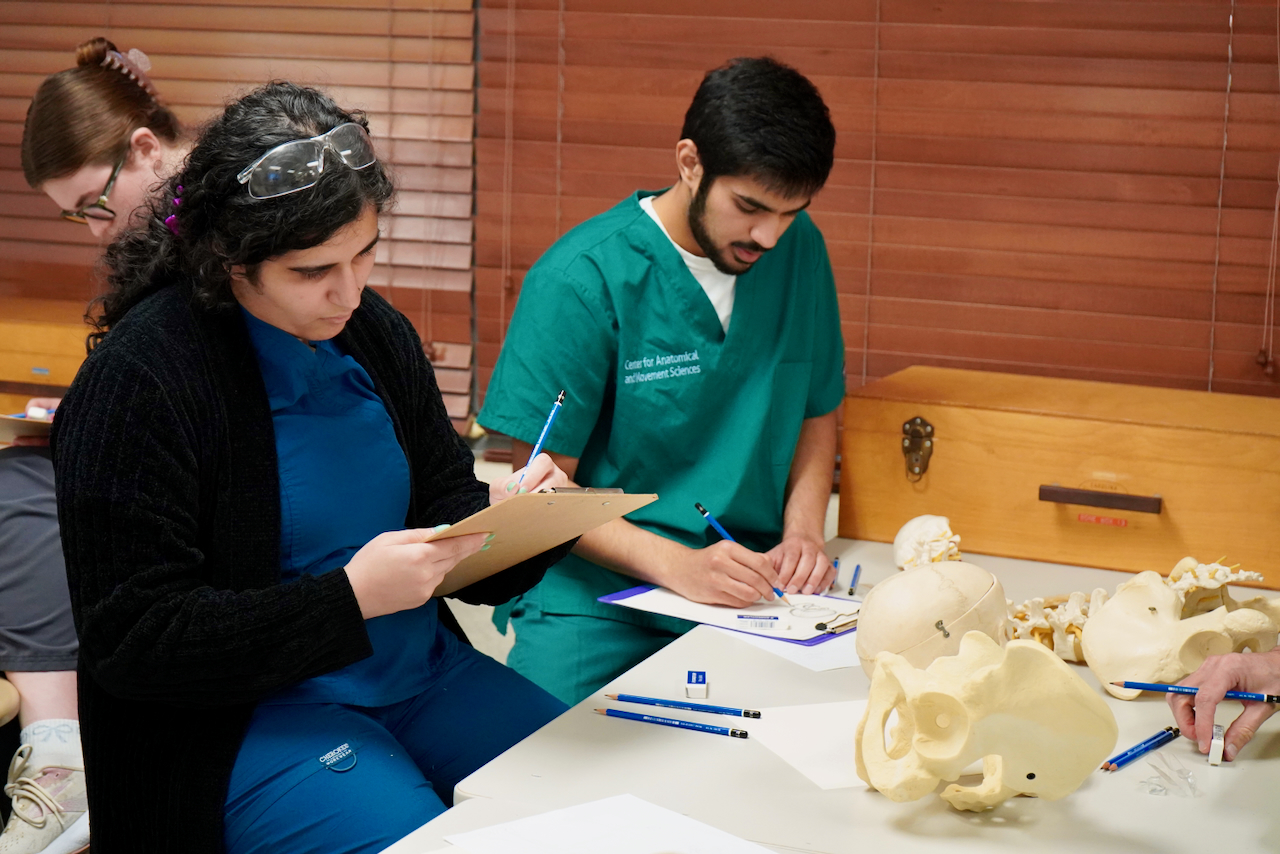
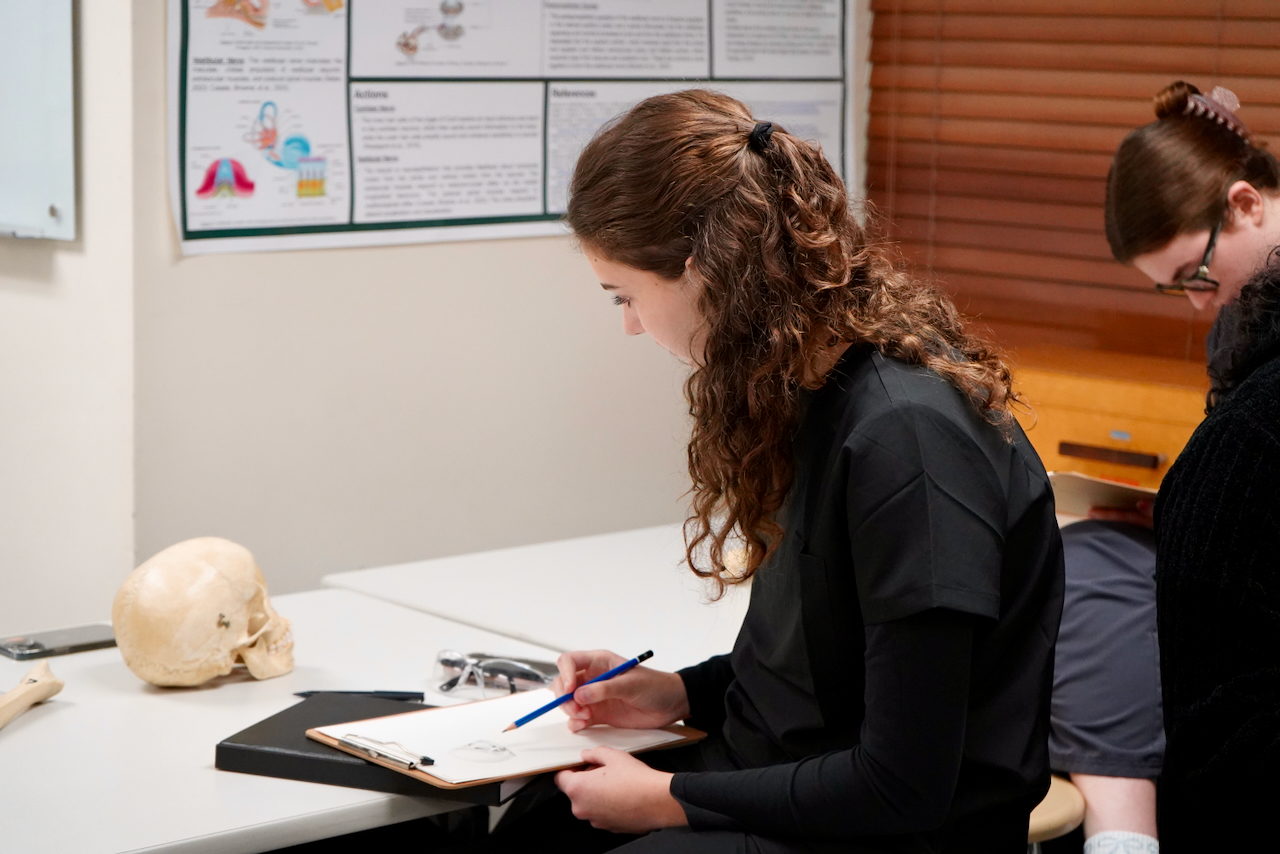
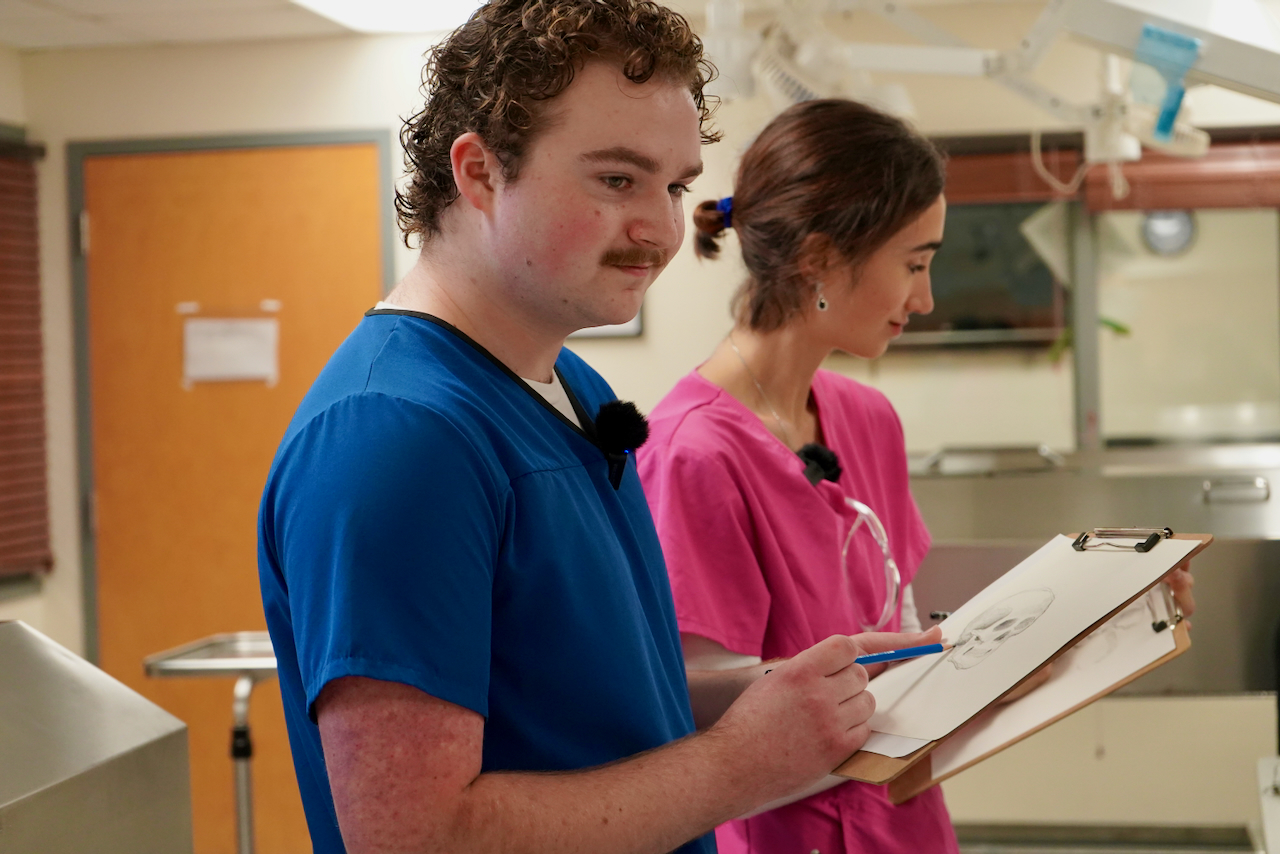
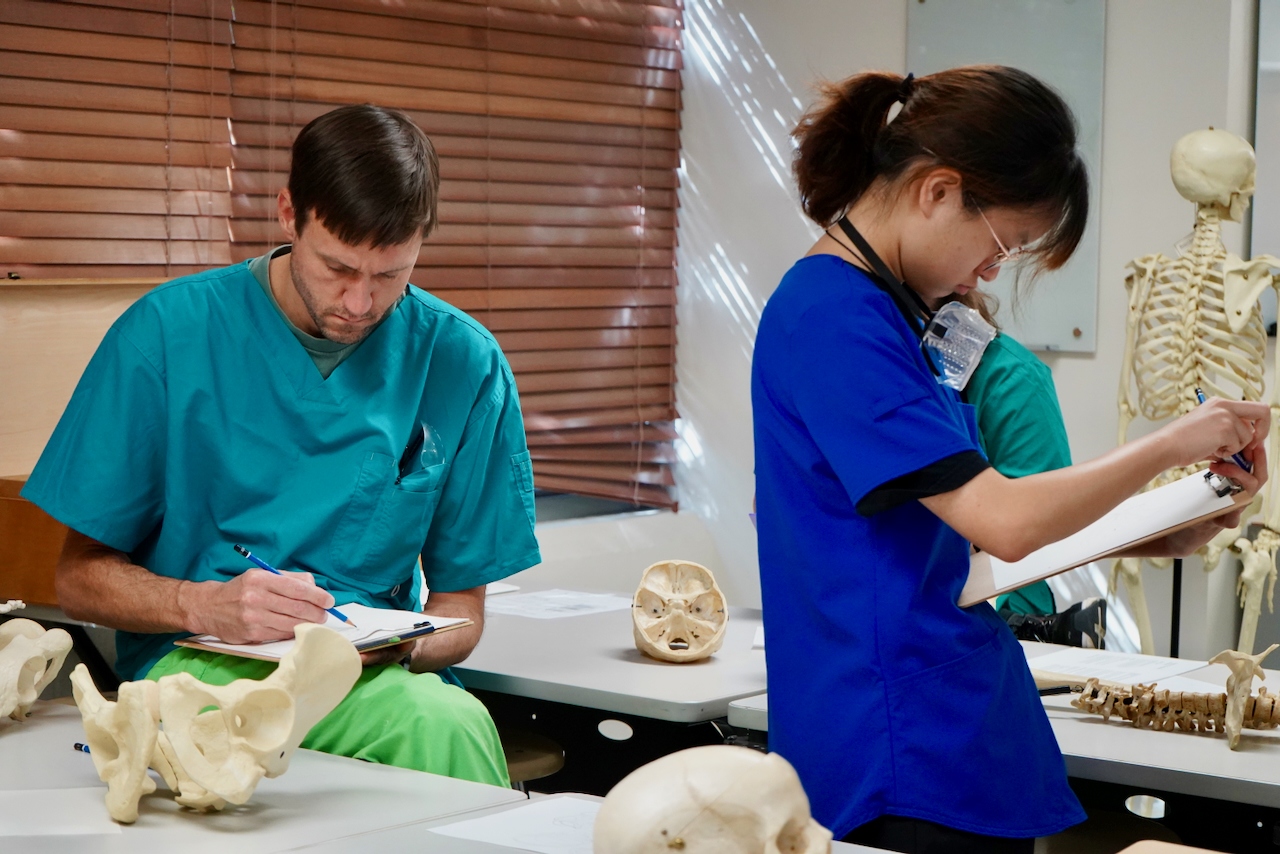
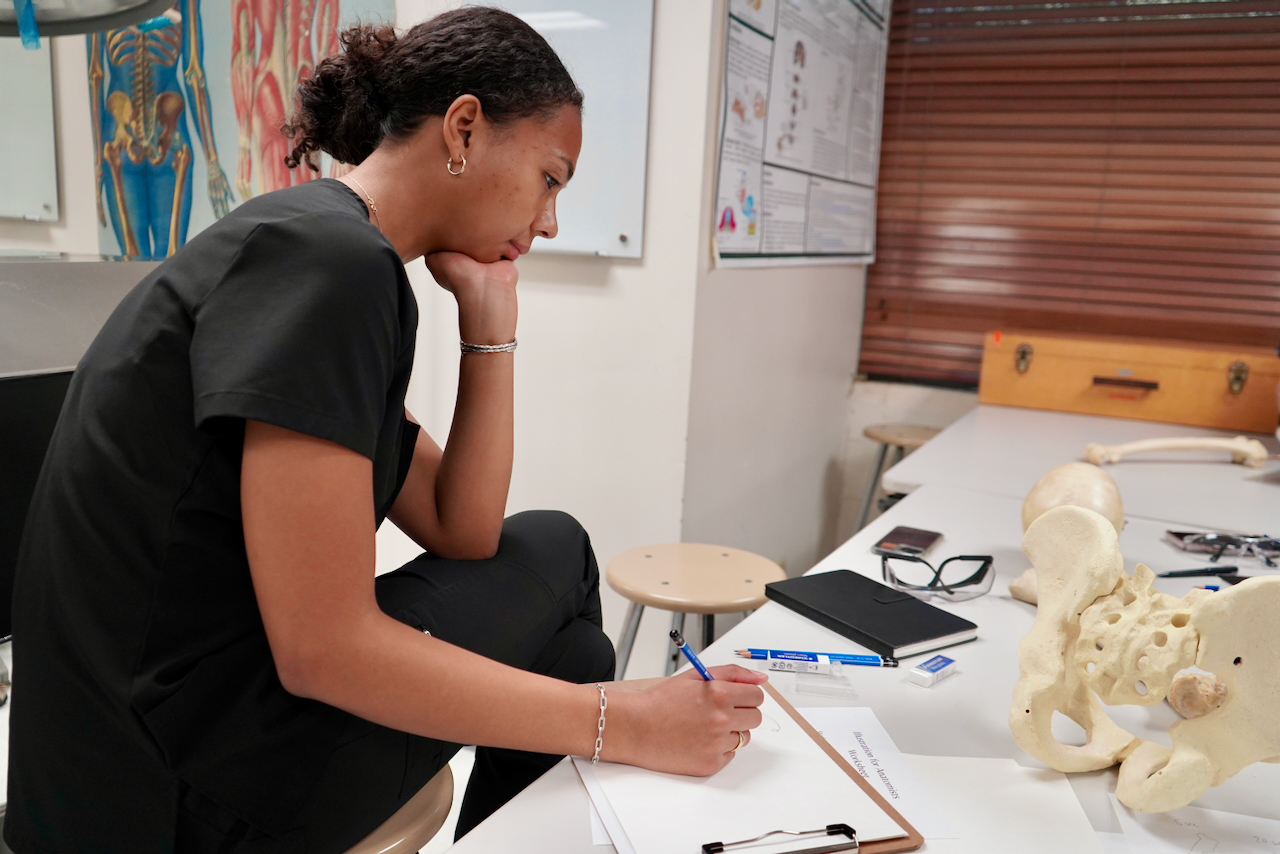
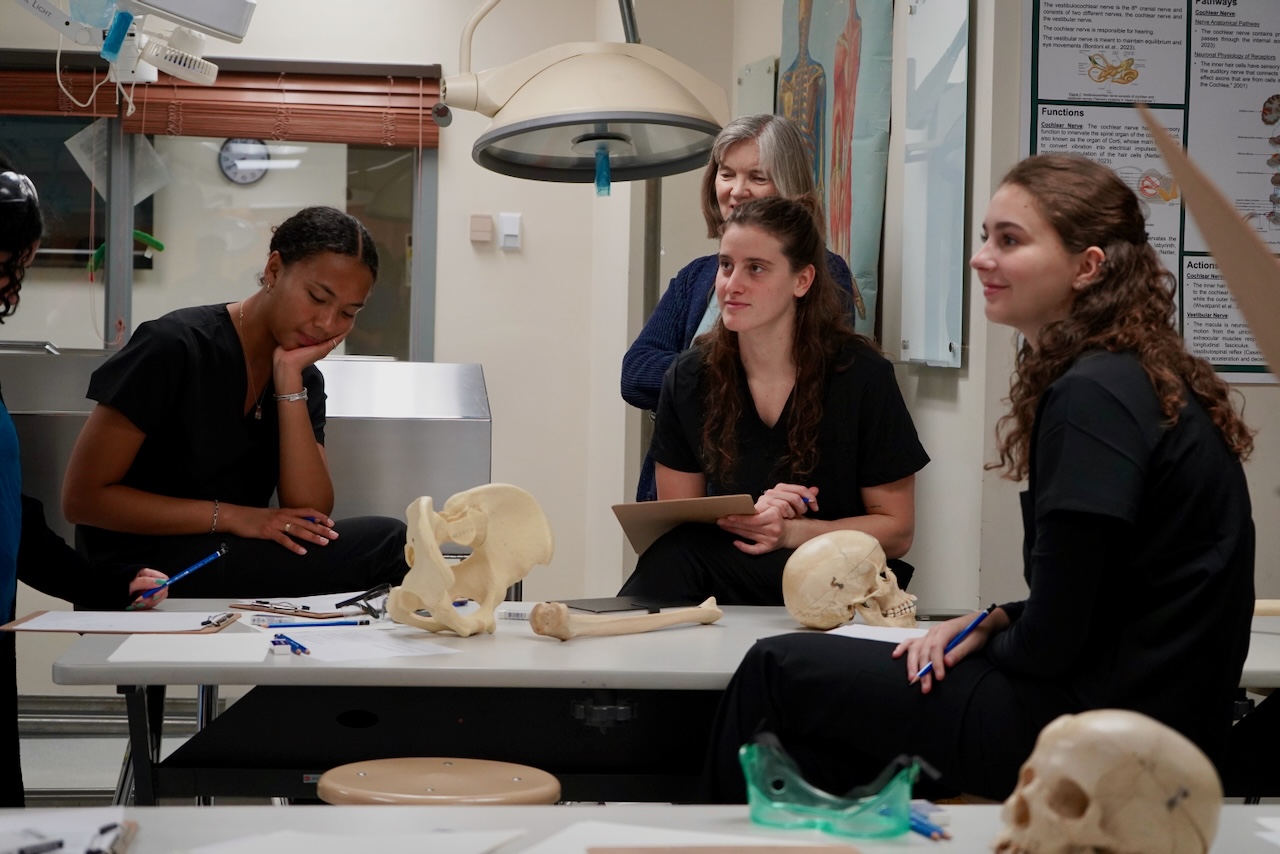
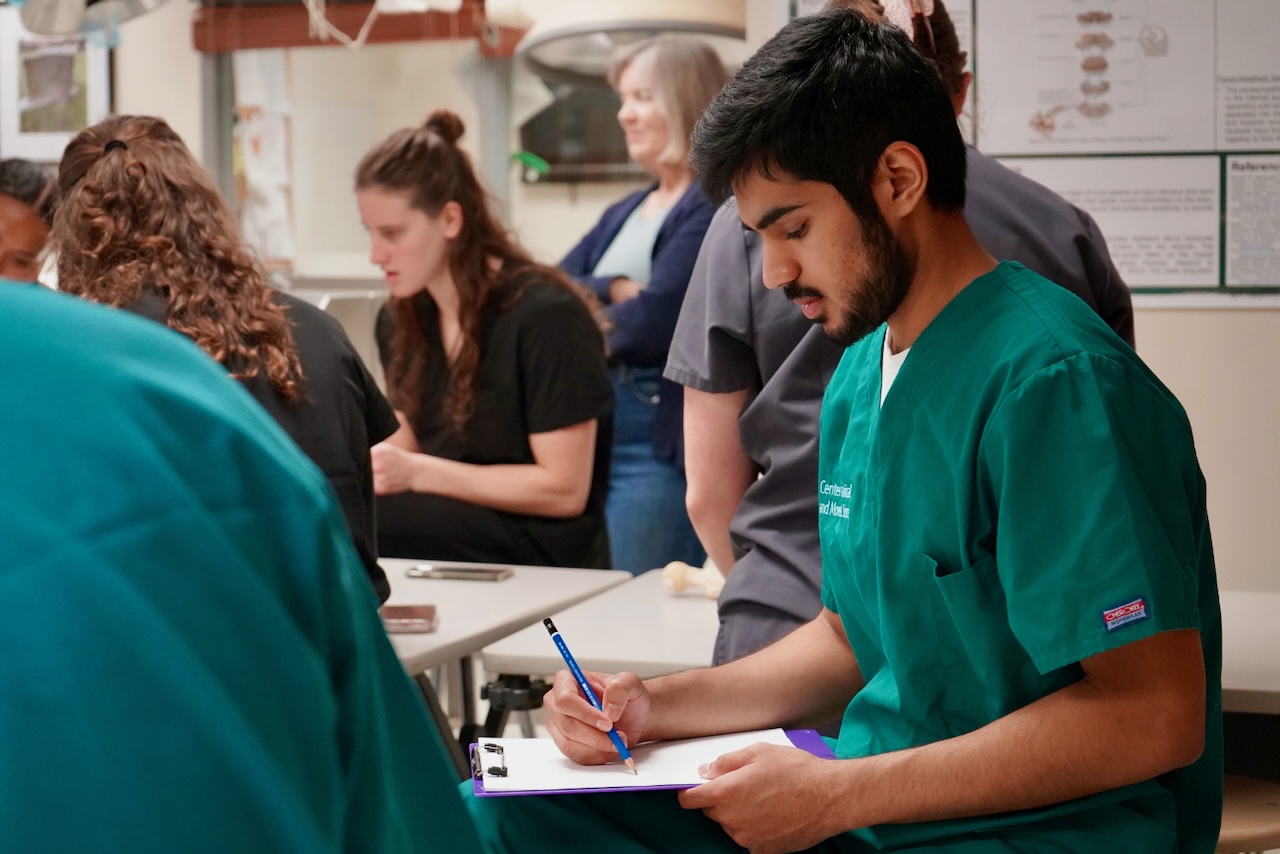
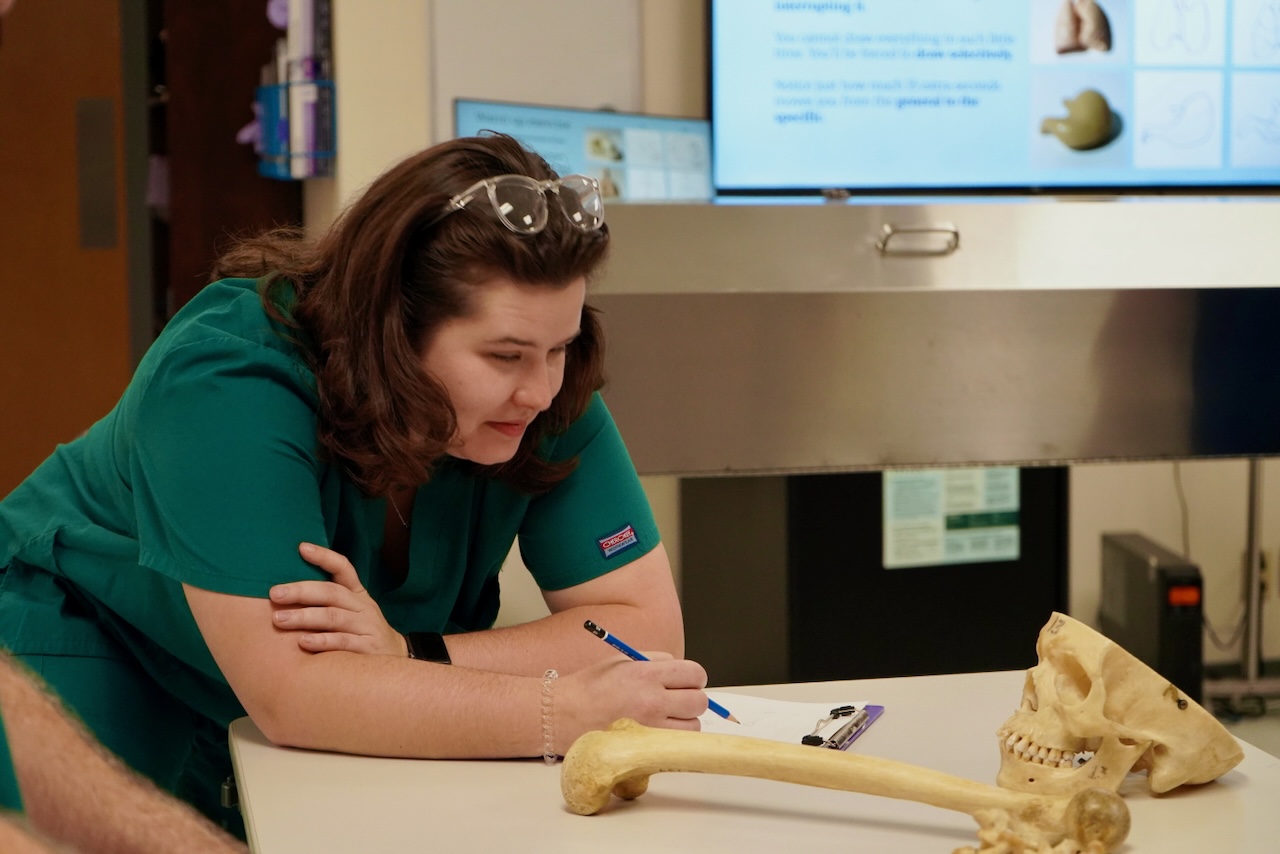
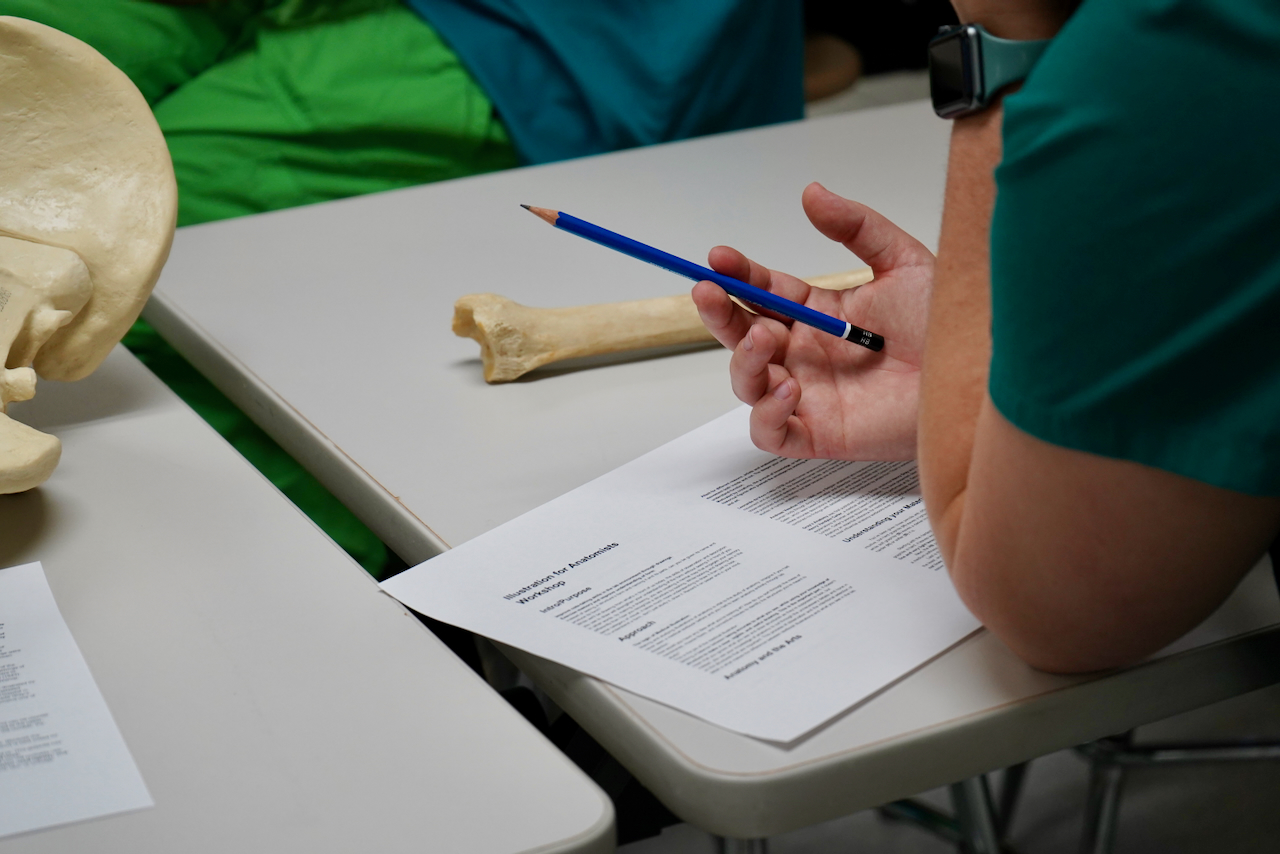
Inside Tulane’s Center for Anatomical and Movement Sciences (CAMS), the room is designed for precision and focus. But on this particular day, something unexpected took hold: a long, shared silence. Students leaned over sketchbooks, eyes moving carefully, hands working slowly—learning not just anatomy, but how to see it.
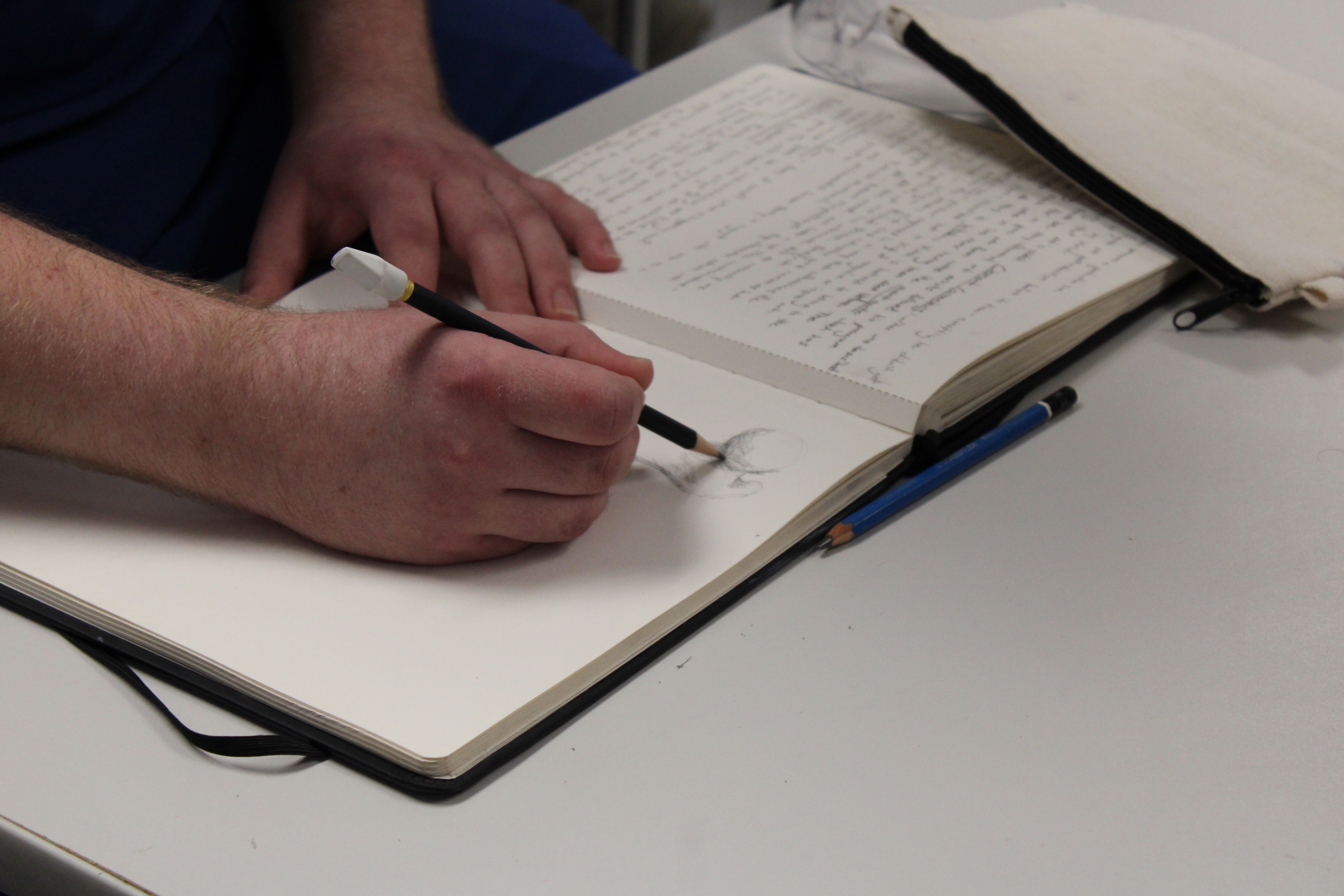
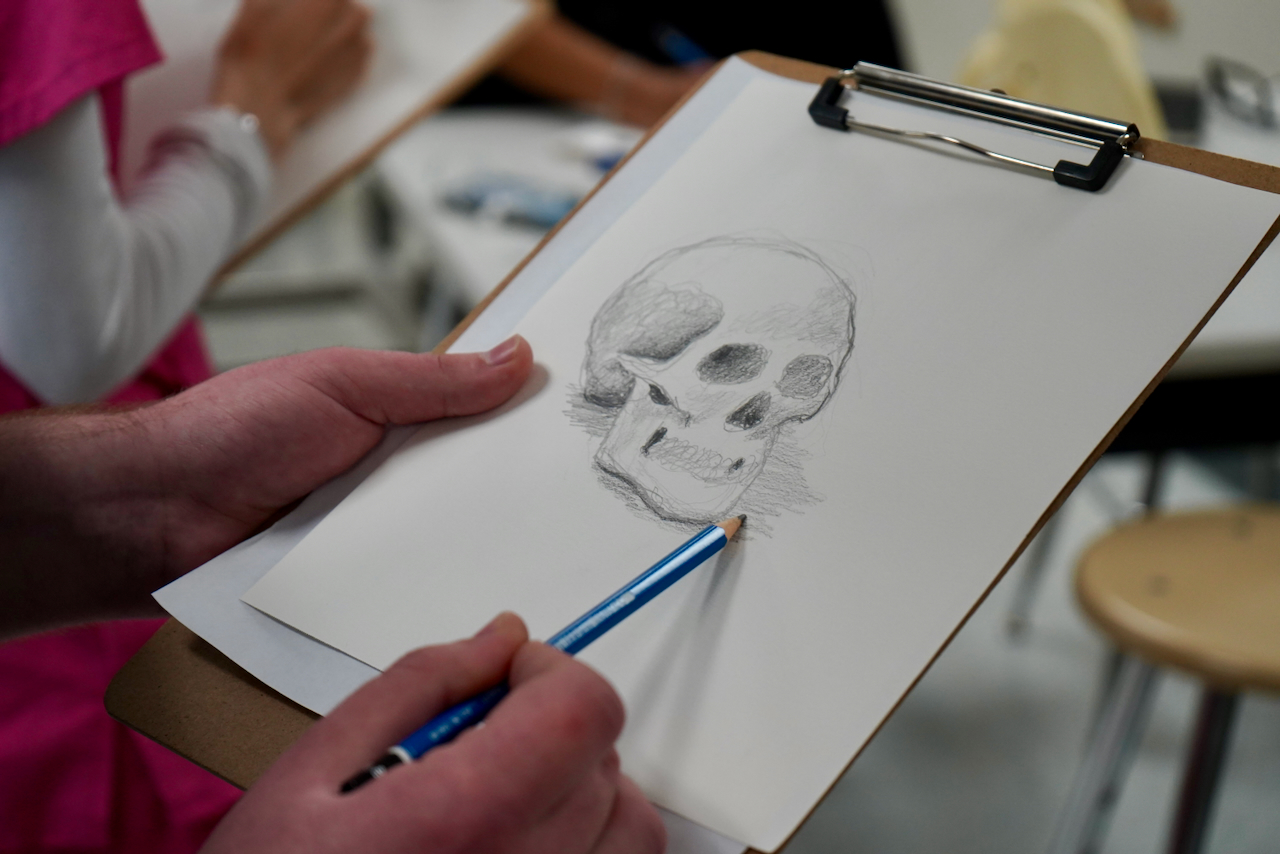
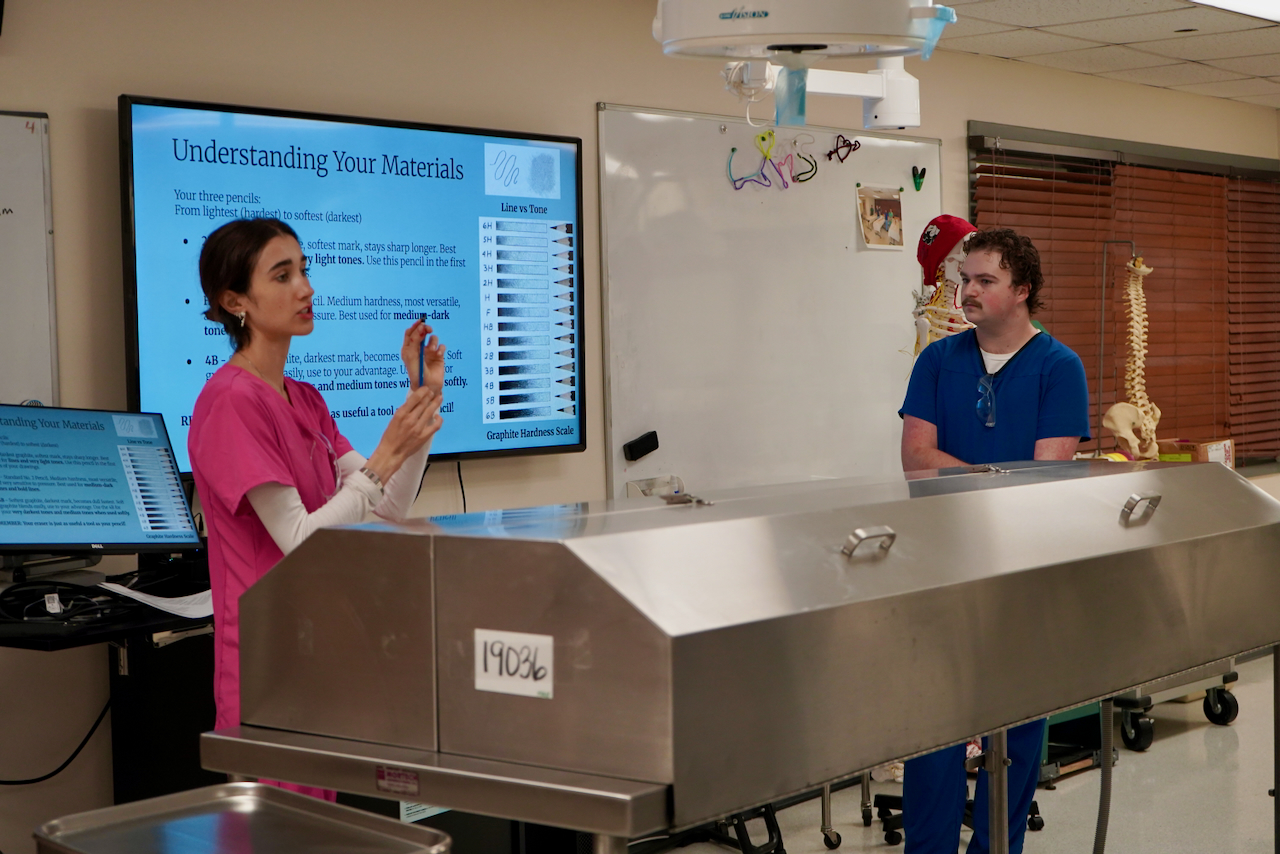
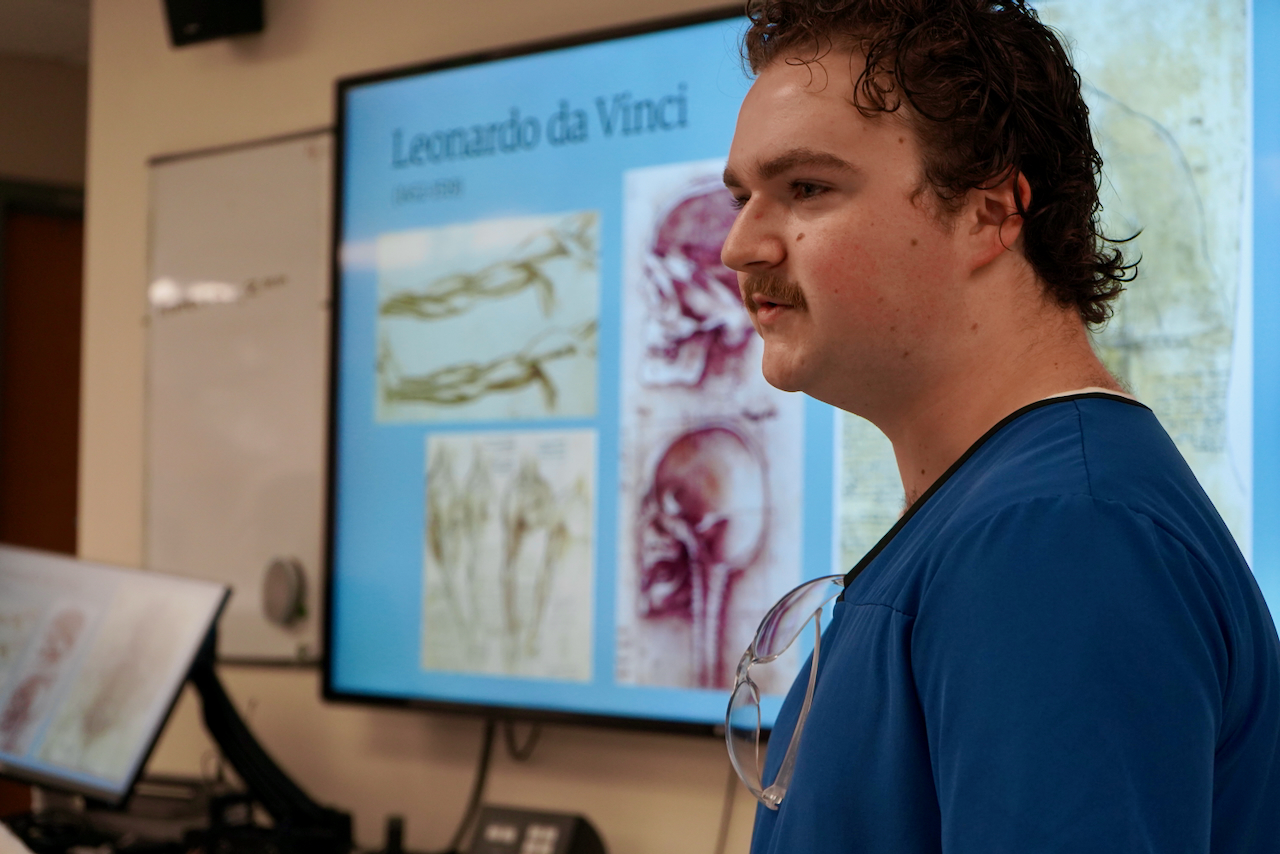
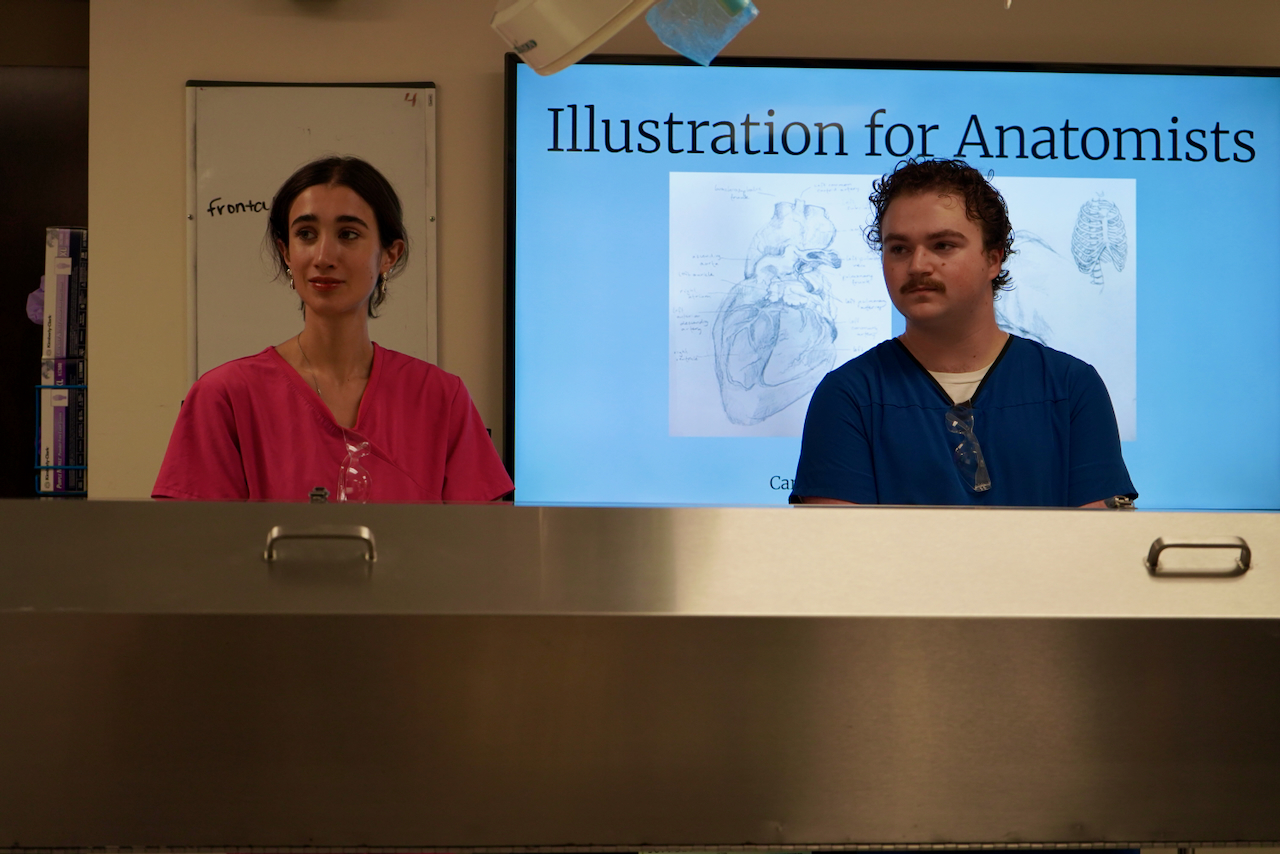
The workshop brought together students from Tulane’s School of Science and Engineering and School of Liberal Arts in a collaboration that felt both innovative and deeply rooted in history. Studio art seniors Owen Canter and Carmen Alcocer led anatomy students through a hands-on observational drawing workshop, introducing techniques such as gesture drawing, line, shading, and breaking complex forms into simpler shapes—all with the goal of helping students better understand the human body.
“Drawing is a way to really understand what you’re observing,” said Aaron Collier, associate professor of studio art at Tulane. “It means that you’re spending a lot of time with it. It’s a slow and physical process.”
That idea of spending time with what you’re learning is at the heart of the collaboration.

Visit from Spine Surgeon, Sina Pourtaheri
October 2025
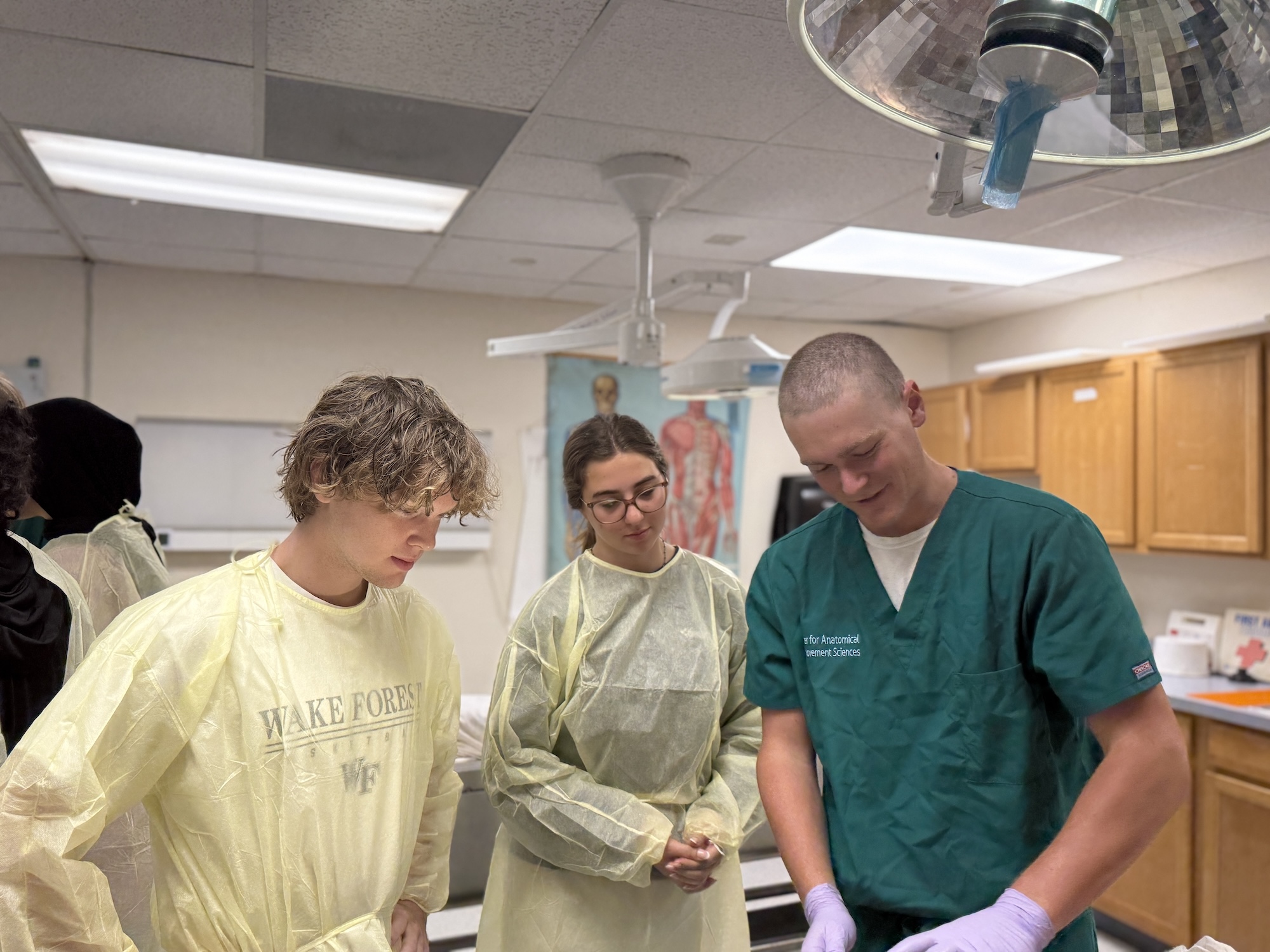
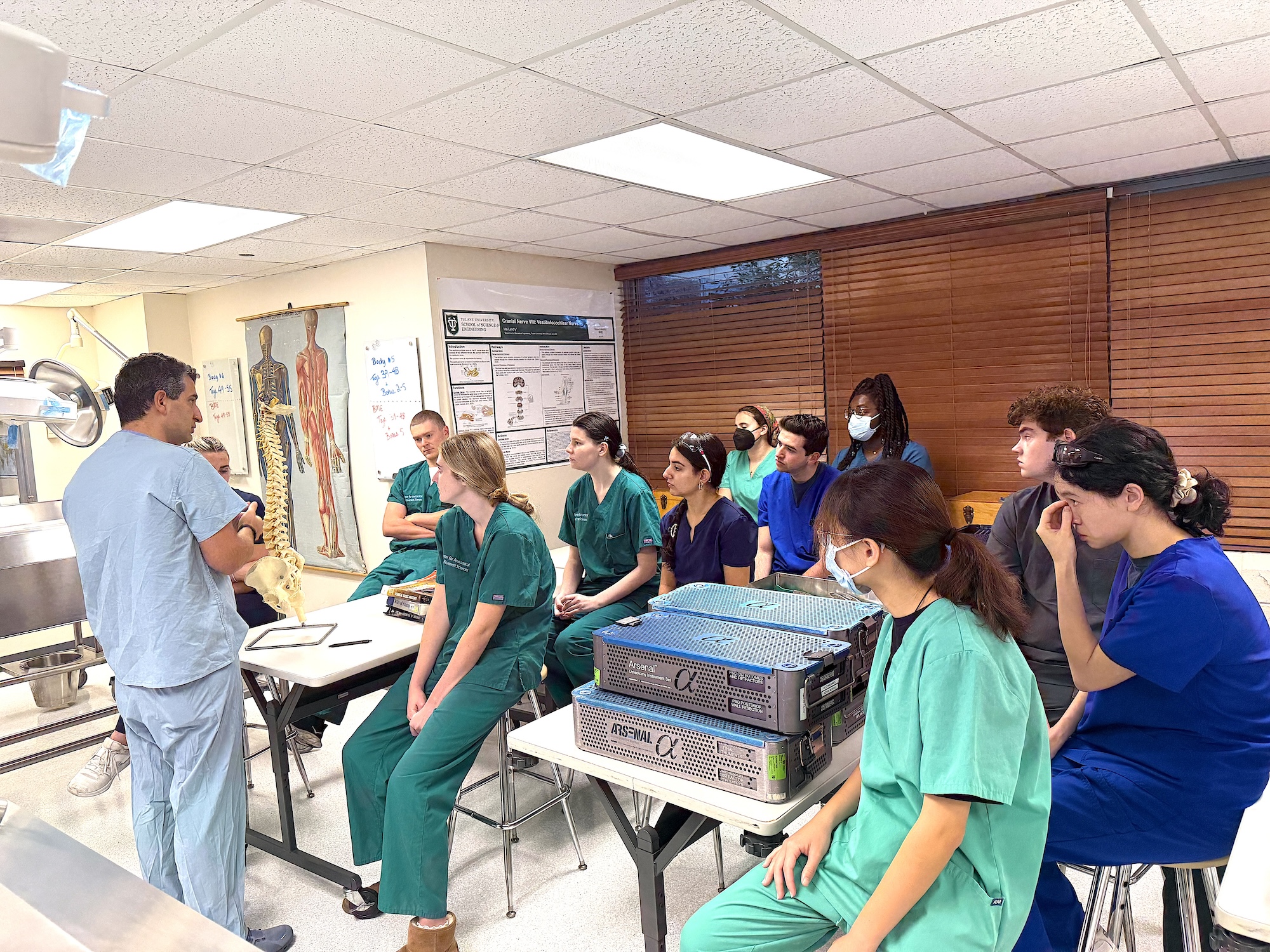
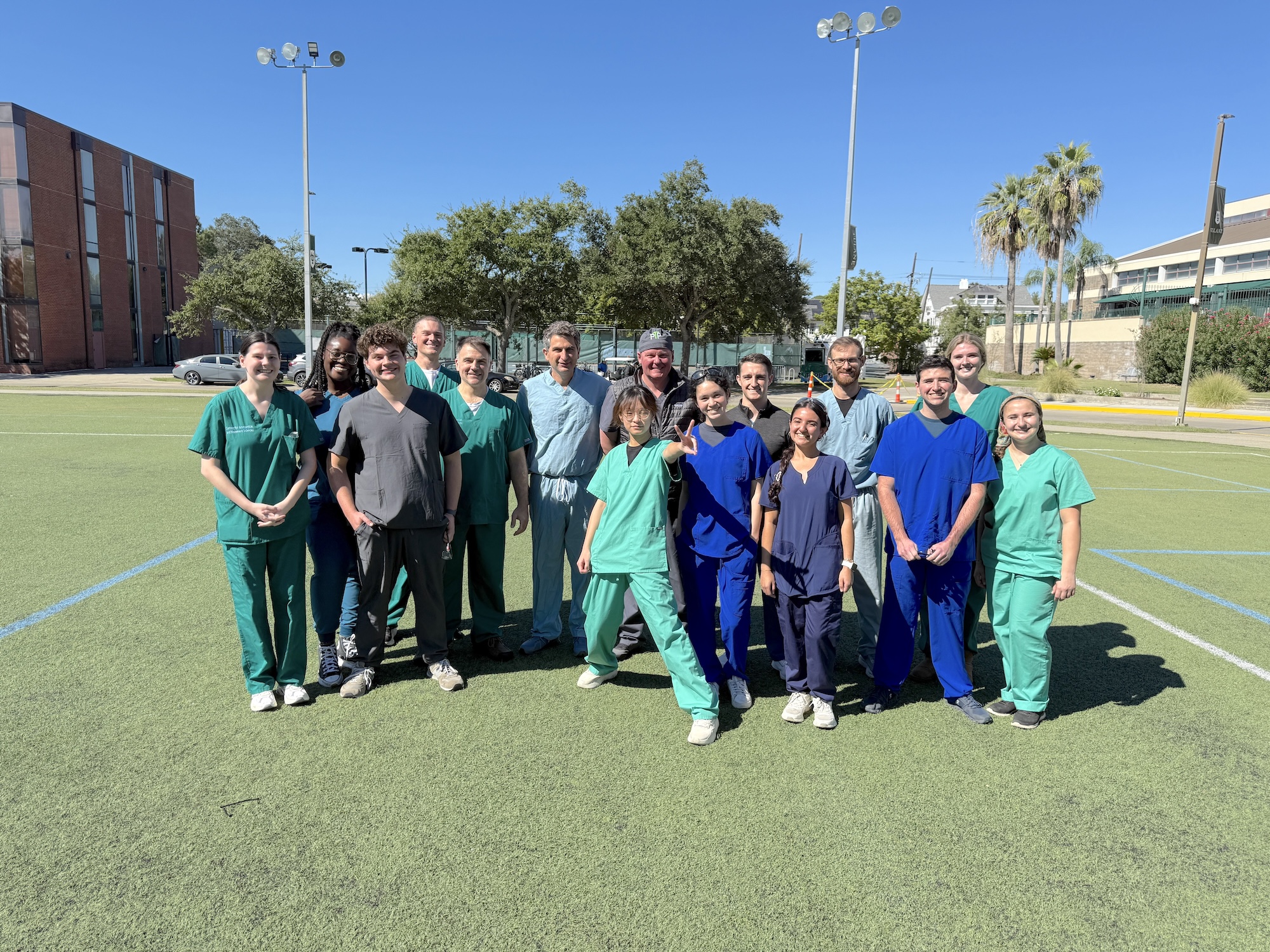
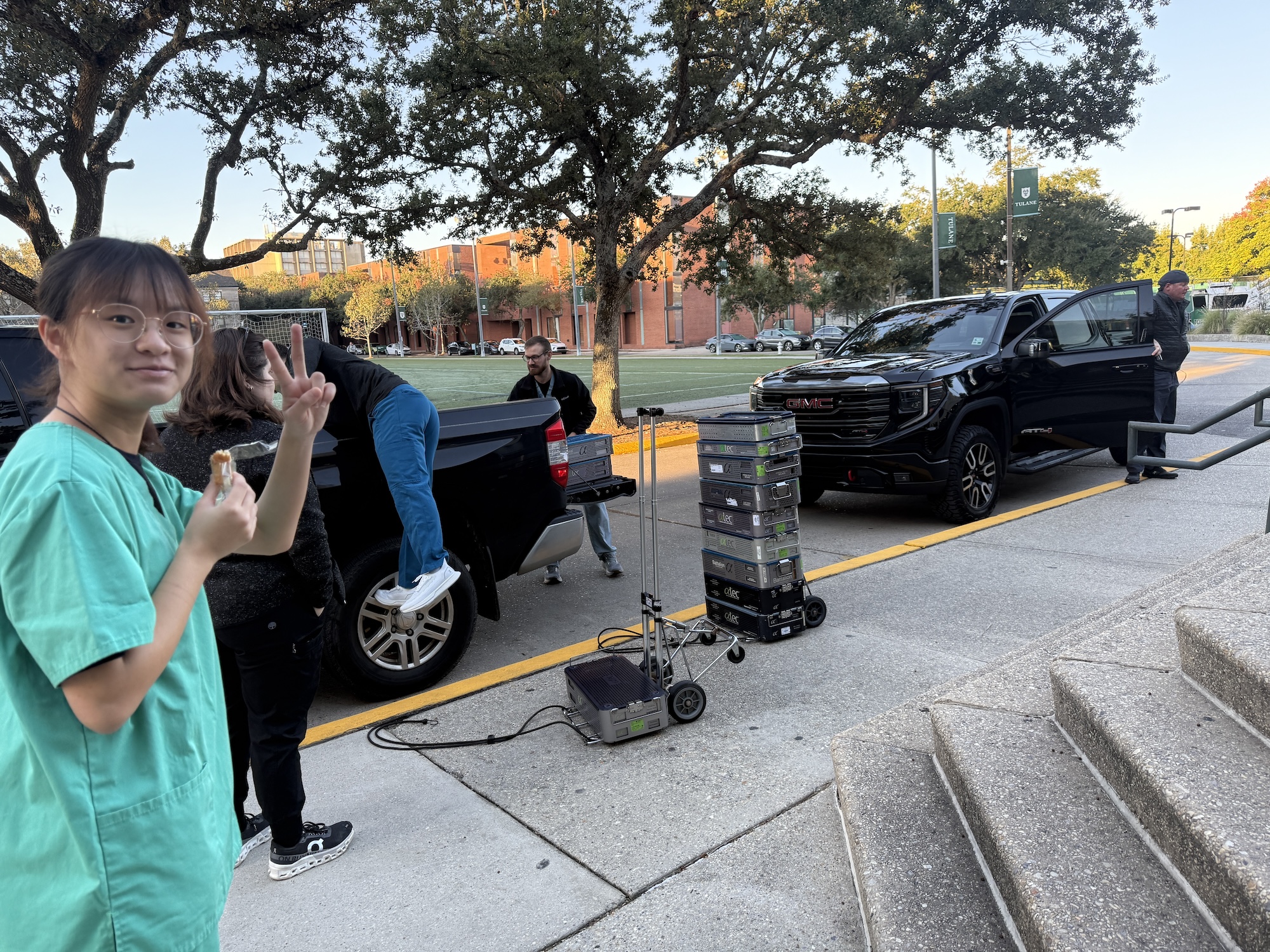
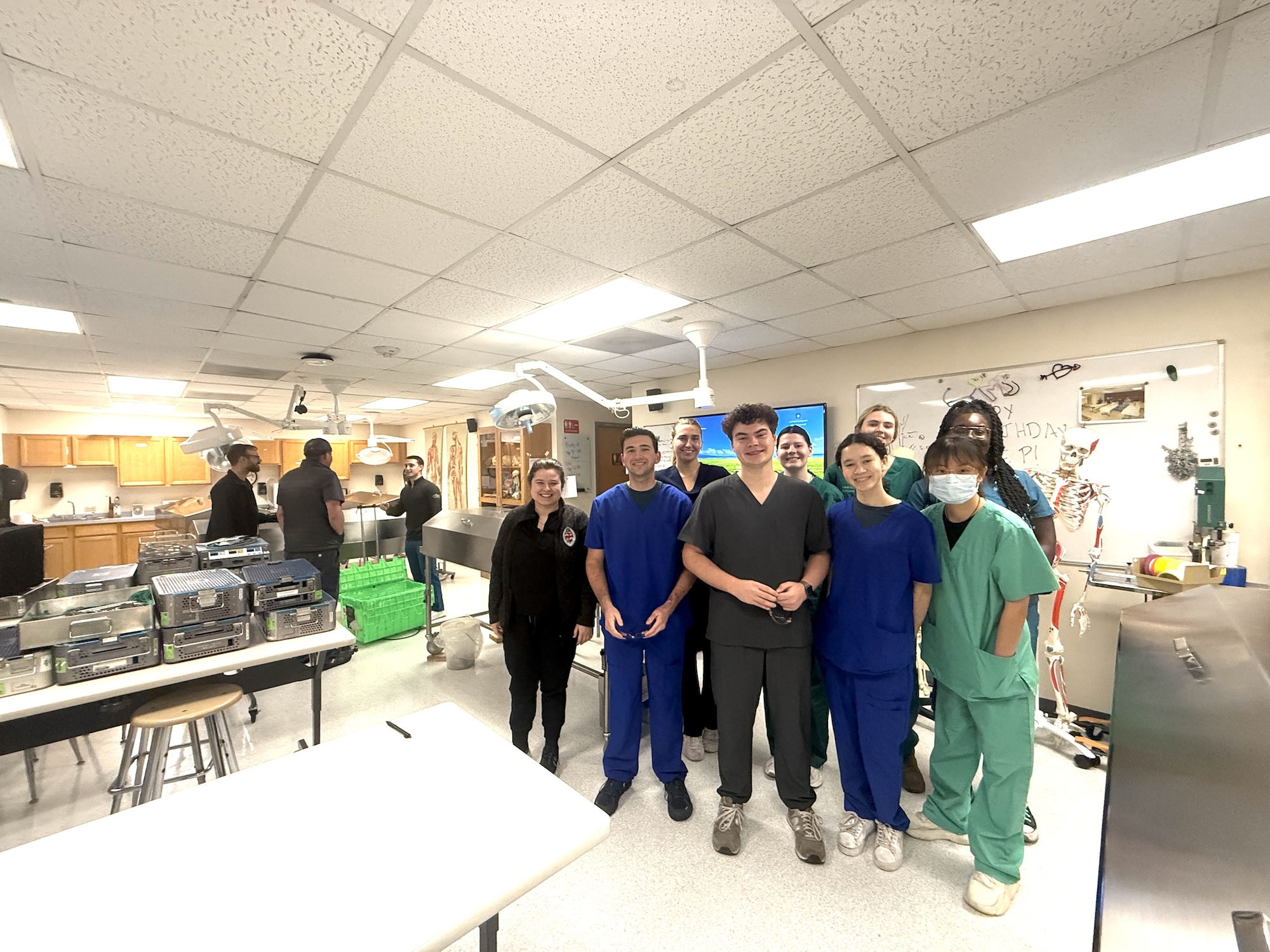
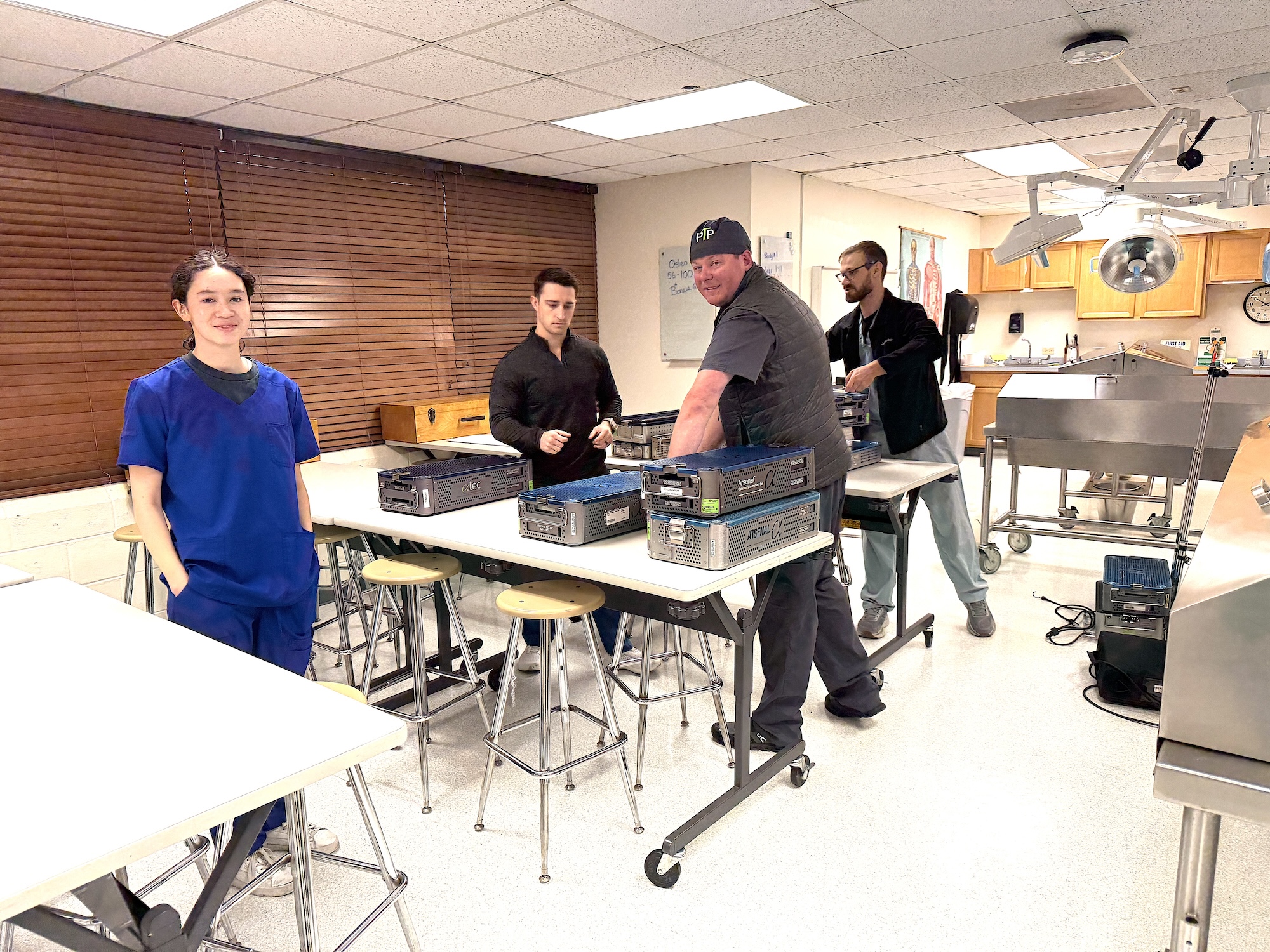
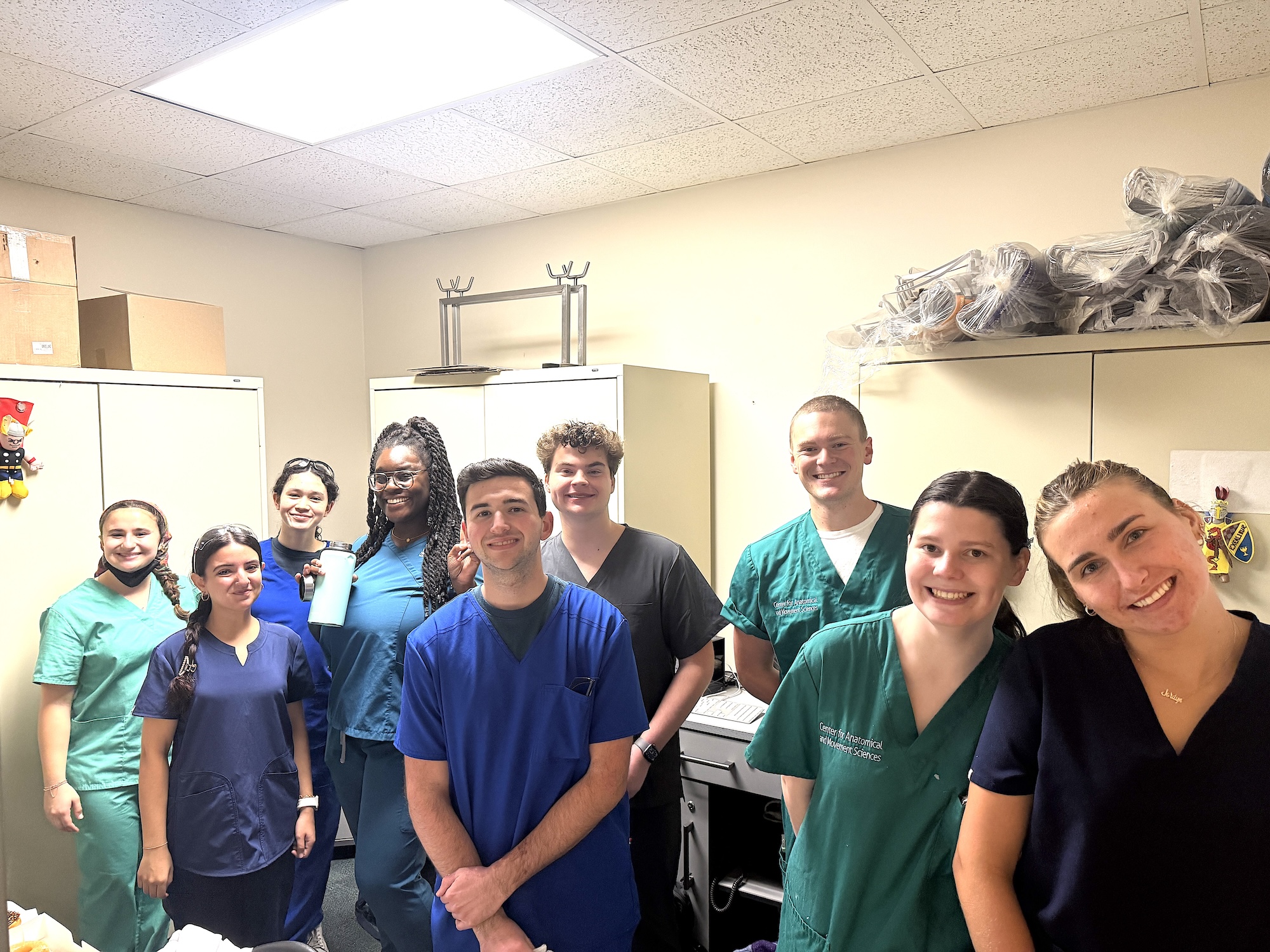
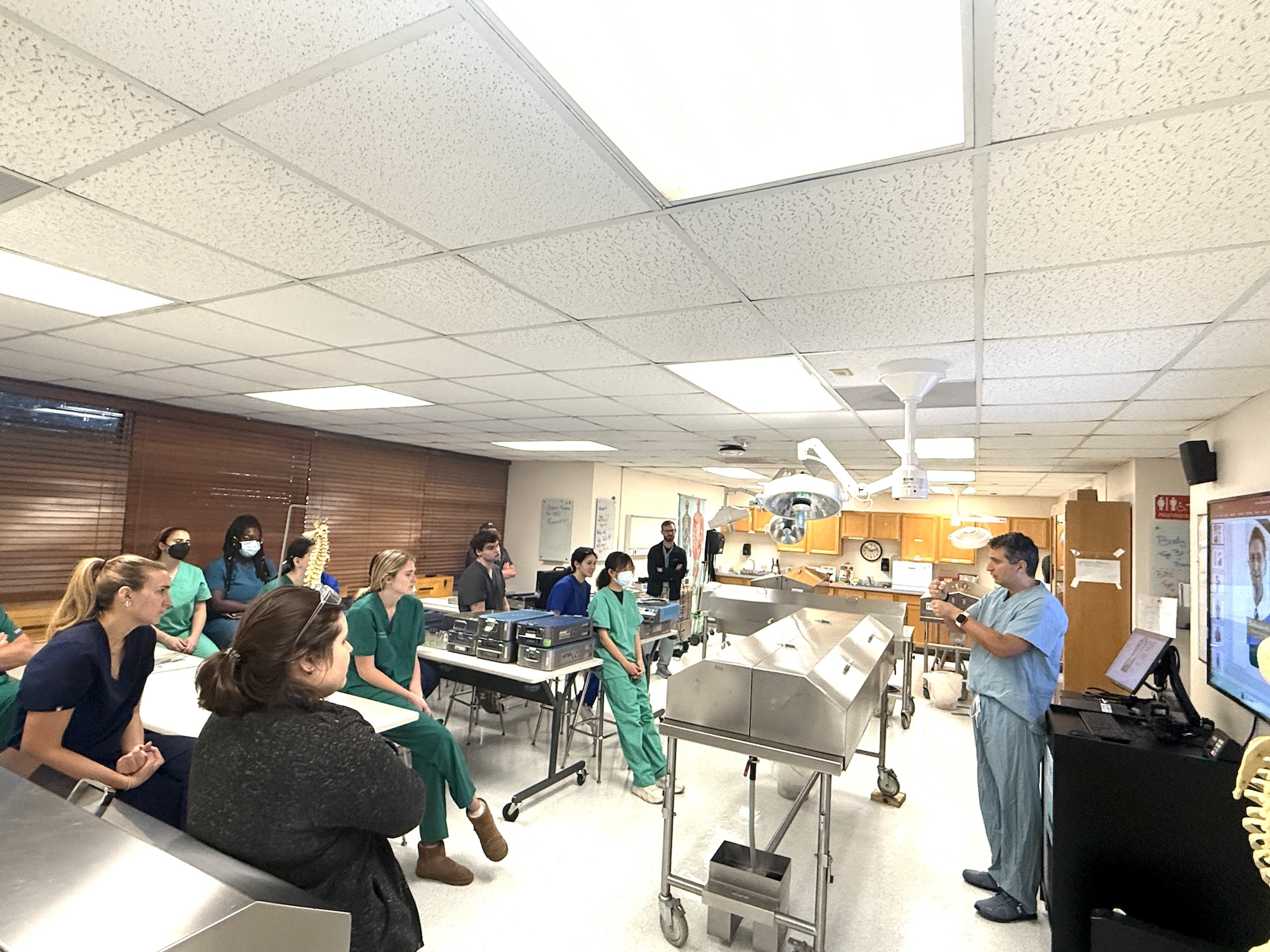
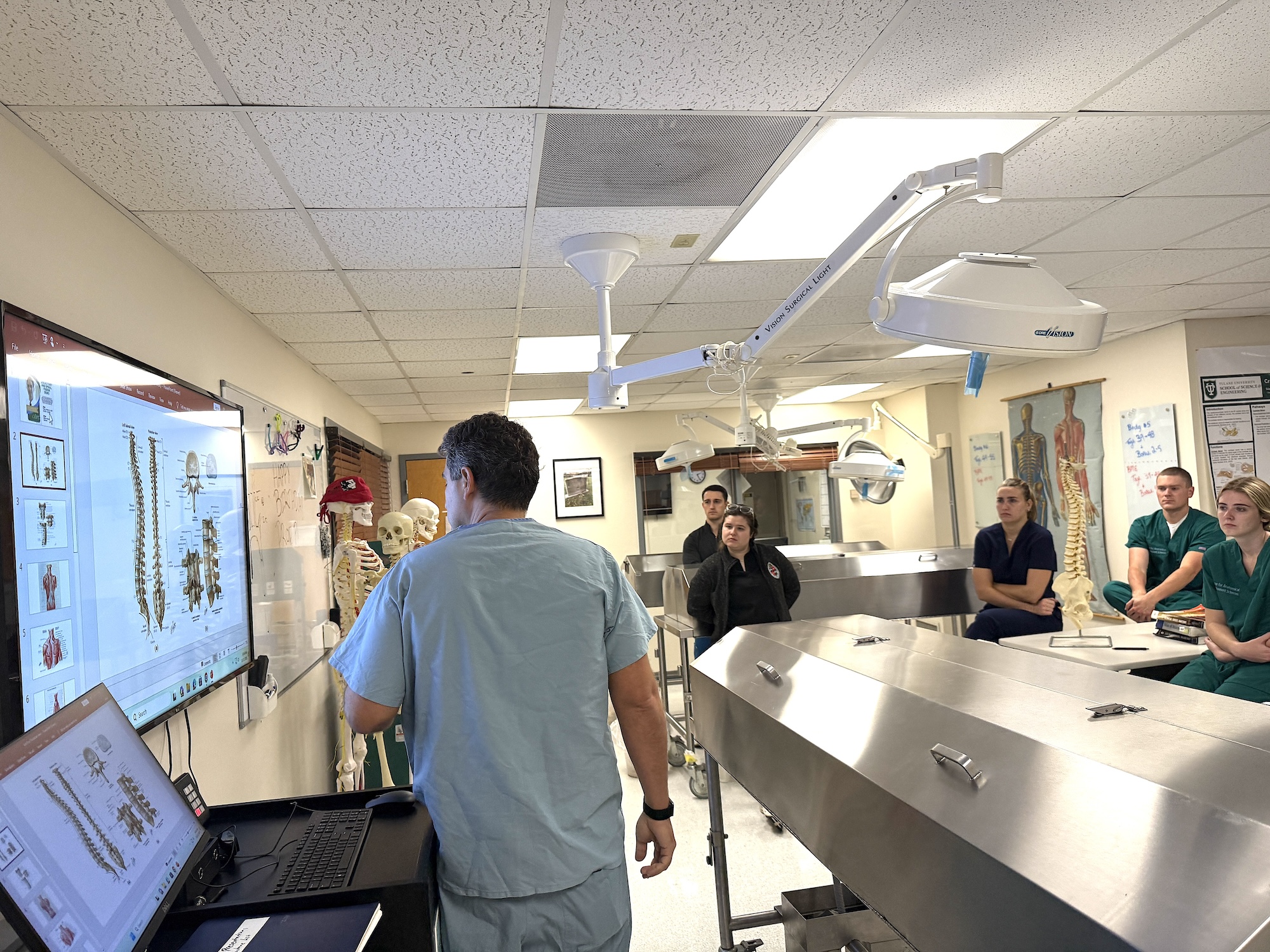
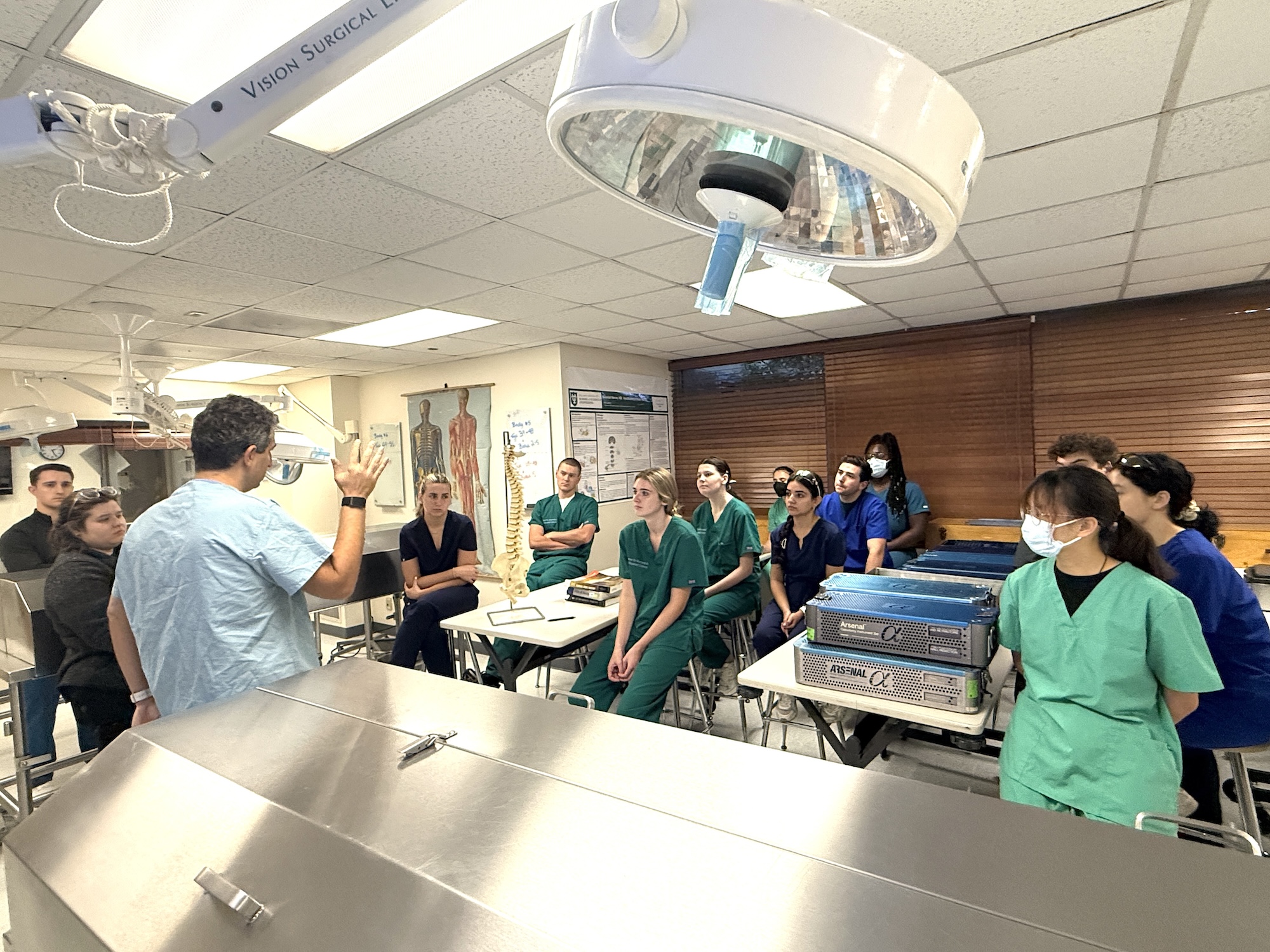
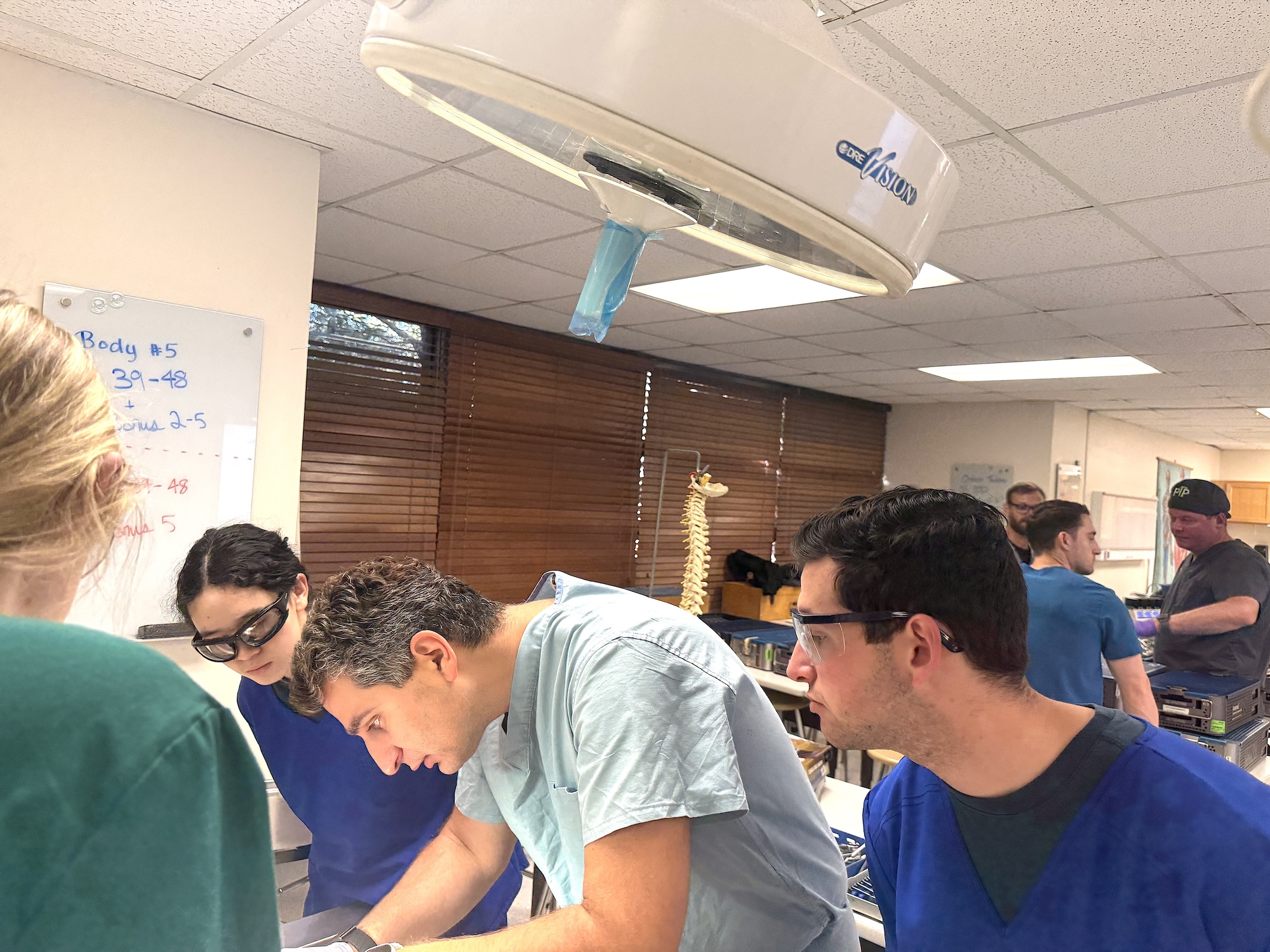
On October 31st of the fall 2025 semester, the Center for Anatomical and Movement Sciences (CAMS) hosted a visit from spine surgeon Dr. Sina Pourtaheri, who was accompanied by representatives from medical device company Atec Spine. Dr. Pourtaheri is a native of New Orleans. He attended medical school at Tulane University and has authored over 45 journal articles, 4 book chapters, and speaks regularly in the spine surgery circuit. Biomedical engineering students enrolled in Professor Dimitri Papadopoulos’ Anatomy and Physiology laboratory course quickly filled up the twelve allotted spots and were able to gain tremendous insight into how the anatomy that had been learned over the course of the semester is crucial in understanding how orthopedic surgeries are performed, as well as in understanding how the design of instrumentation and implants works. The CAMS lab and the BME department want to send our sincerest gratitude to Dr. Pourtaheri and the Atec representatives for the hours spent with our students, which will surely translate into them becoming more capable engineers and clinicians.


Tulane Anatomy Students Gather in Support of Cadaveric Dissection Courses
December 2023
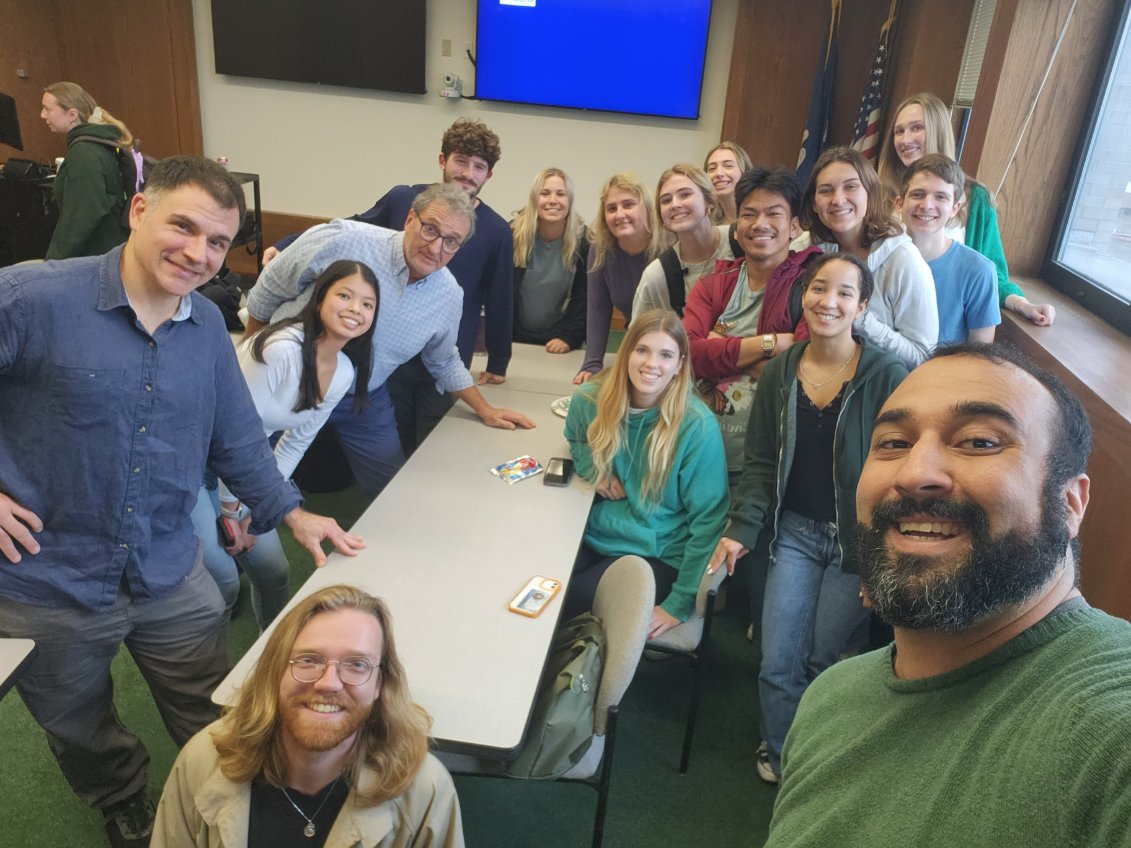
The Cadaveric Anatomy students from Biomedical Engineering, Cell and Molecular Biology, and Clinical Anatomy in the School of Science and Engineering gathered on the last day of classes to celebrate the successful semester and share their unique and, in some instances, life-changing experiences in the cadaver labs. Students were also offered the opportunity to take part in a short survey regarding cadaveric anatomy at Tulane.
At the gathering, students also bid farewell to the retiring senior professor of practice in the Biomedical Engineering department, Dr. Michael Dancisak. Professor Dancisak started the Center for Anatomical and Movement Sciences (CAMS) when he arrived at Tulane in 2001. Professors Sarah Garner and Dimitri Papadopoulos shared with those gathered that they were students of Dr. Dancisak. Building on that academic lineage after attending and teaching at other universities, Professor Garner directs the pathology assistant program in the Tulane School of Medicine, and Professor Papadopoulos is the Assistant Director of CAMS.
Along with celebrating the career of Dr. Dancisak and the successful semester, one of the primary reasons for the gathering was to allow professors Khaled Adjerid, Dancisak, Garner, and Papadopoulos to dispel rumors that cadaveric anatomy would not be offered on the Tulane uptown campus and assure students that cadaveric-based anatomy would, in fact, still be offered in the spring and future semesters. Each year, over one hundred and twenty students enroll in separate cadaveric anatomy courses where they learn detailed, hands-on cadaveric dissection skills. Clinical anatomy, engineering anatomy, as well as specialized head and neck anatomy, central nervous system, and cranial nerve dissection classes have been and will continue to be taught during fall, spring, and summer. The courses prepare students for discipline-specific professions including engineering, clinically oriented pre-medical, pre-nursing, pre-occupational therapy, and pre-physical therapy. Even students pursuing advanced degrees in dentistry and veterinary medicine take advantage of the cadaver-based anatomy offered within the departments based in the School of Science and Engineering.
Tulane University is one of the few institutions that offers cadaveric anatomy at the undergraduate level. Faculty, current students, as well as alumni who have participated in anatomy courses at Tulane have expressed the importance of ensuring that cadaveric anatomy remains at the uptown campus. The professors shared that there are ongoing discussions about enhancing the cadaveric anatomy offerings by consolidating the anatomy resources on campus. The students were very supportive of the potential for new and advanced anatomy offerings.

Tulane Anatomy Students
Front Row: Professors Khaled Adjerid, Michael Dancisak, Dimitri Papadopoulos, Sarah Garner
CAMS Students Visit Ochsner Pathology Lab
April 2023
On Monday, May 1st, 2023, the students of SCEN Anatomy and Physiology had the privilege of visiting Ochsner's Pathology Lab. The visit, organized in collaboration between Professor Dimitri Papadopoulos of Tulane University’s Biomedical Engineering Department and Dr. Courtney Jackson from Ochsner Medical Center, aimed to showcase the practical application of the students' knowledge in a hospital setting. This experience provided valuable insights into the real-world context of anatomical variations and pathologies they explored during their dissections.
During the visit, students observed histological slides being prepared by technicians in real time, while Dr. Jackson explained the process. The lab provided a range of organ specimens, including lung, heart, liver, ovarian, testicular, uterine, and splenic tissue. Dr. Jackson would present each organ and challenge the students to identify it. This task proved more challenging than anticipated, as several specimens exhibited tumors, altering their physical appearance.
The visit served as a remarkable conclusion to a year-long study of the human body. The course, consisting of two semesters of lectures and labs, required students to work collaboratively in groups and present on complex physiology and anatomical dissections throughout the year. This fostered a strong sense of camaraderie and cohesion among the students, essential for overcoming the challenges presented by the course. The Ochsner visit was not a graded exercise but provided the students with an opportunity to simply enjoy learning something new and appreciate the perspective gained from their hard work over the academic year.
We extend our sincere gratitude to Dr. Courtney Jackson and the Ochsner team for providing this valuable experience to our students. It was an exceptional opportunity for them to witness the practical application of their knowledge and deepen their understanding of pathology in a clinical setting.
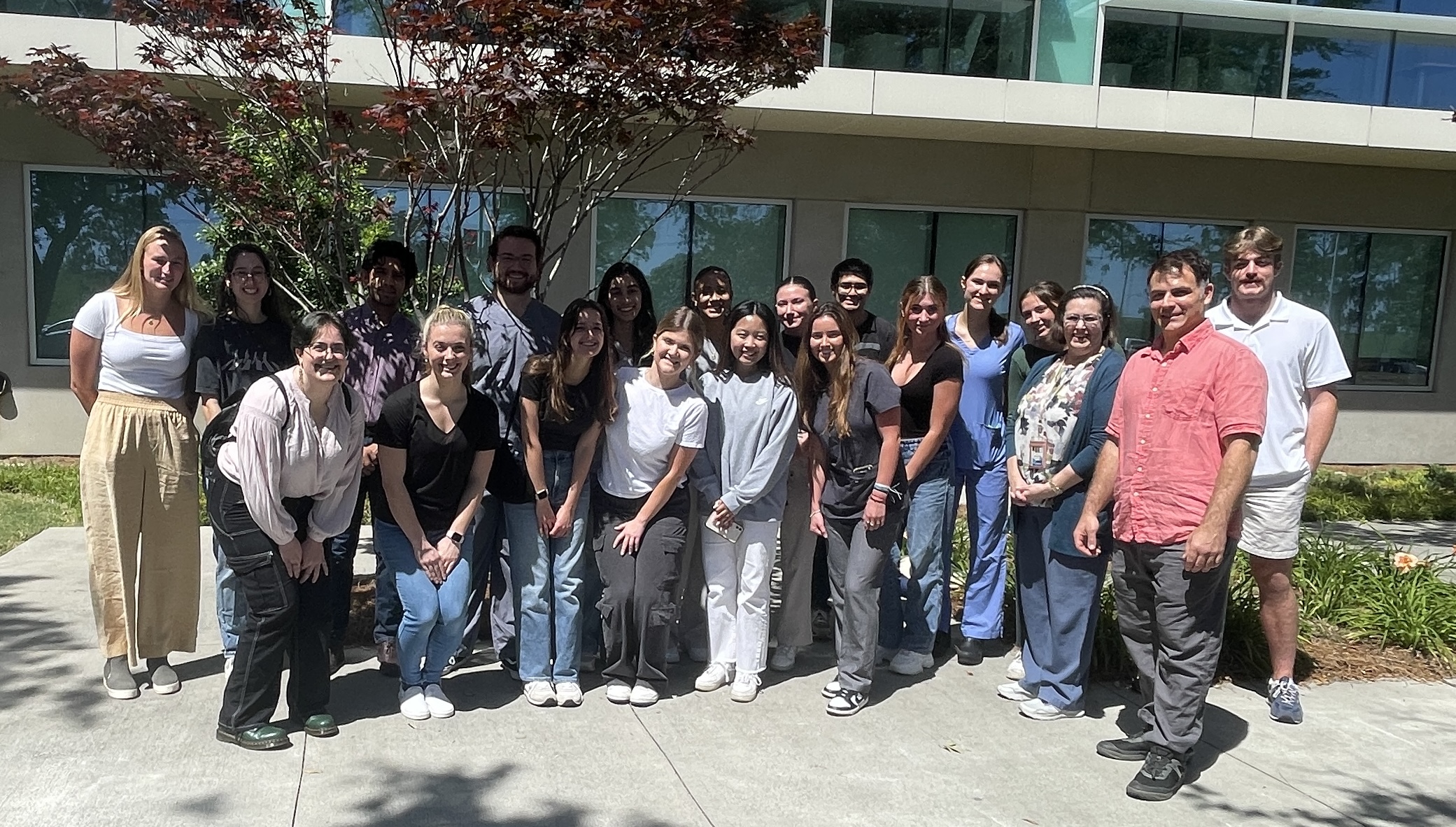
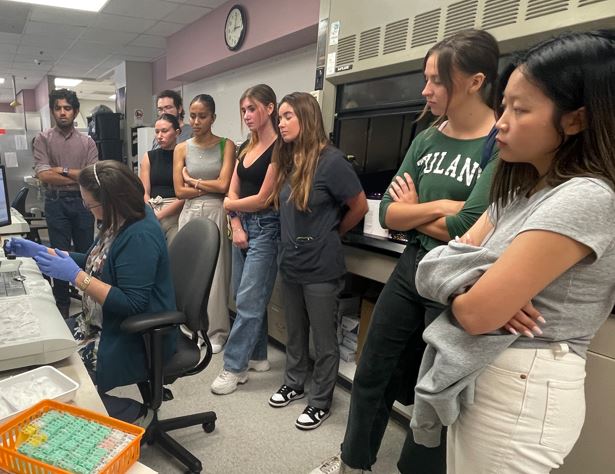
Ochsner Medical Center’s Pathology Lab
Professor Dimitri Papadopoulos and Dr. Courtney Jackson with Tulane BMEN and SCEN Anatomy students at Ochsner Medical Center’s Pathology Lab
Delgado Community College A&P Students Visit CAMS Lab
April 2023
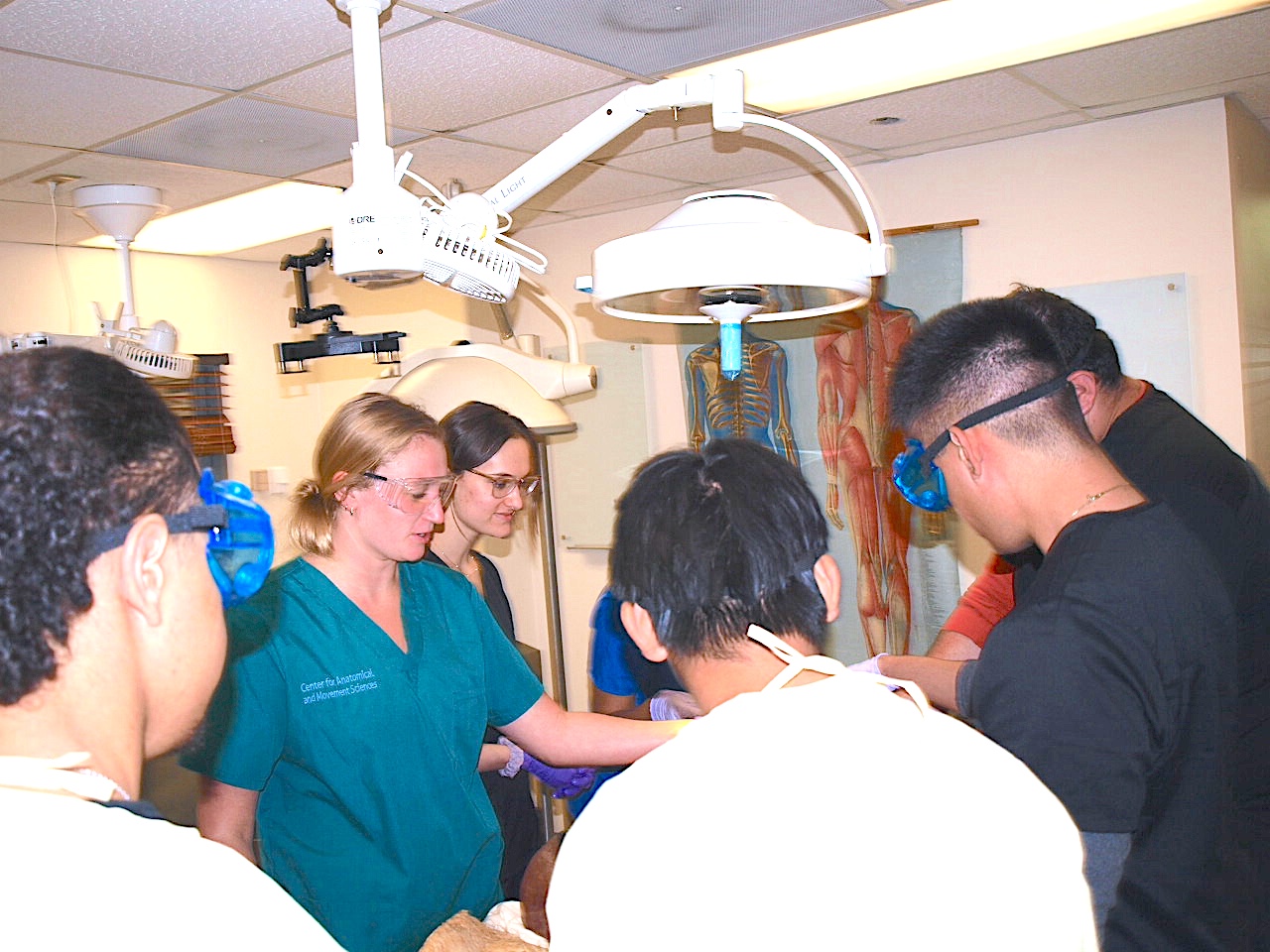
During the spring semester of 2024, Ms. Charlene Shunick, the Director of Biotechnology and Forensic Science at Delgado Community College, brought her Anatomy and Physiology students to visit the CAMS lab. This visit was part of the outreach provided by CAMS to students from institutions in the New Orleans area. Although there are multiple Louisiana programs offering A&P courses at the undergraduate level, Tulane University is the only institution that teaches anatomy using cadaveric dissection as its primary method of instruction.
Pre-clinical students taking A&P courses typically learn anatomy from plastic models, histological slides, animations, and animal dissections. Therefore, access to cadaveric specimens provides an invaluable experience for this particular cohort of students, who had been learning anatomy since August 2023, but in a very different format. The advantage of learning anatomy from cadaveric specimens is multifaceted and includes, but is not limited to, understanding the three-dimensionality and relationships of superficial and deep structures, recognizing anatomical variations among different individuals, and observing clinical correlates in the dissections related to pathologies or procedures that occurred during the person’s life.
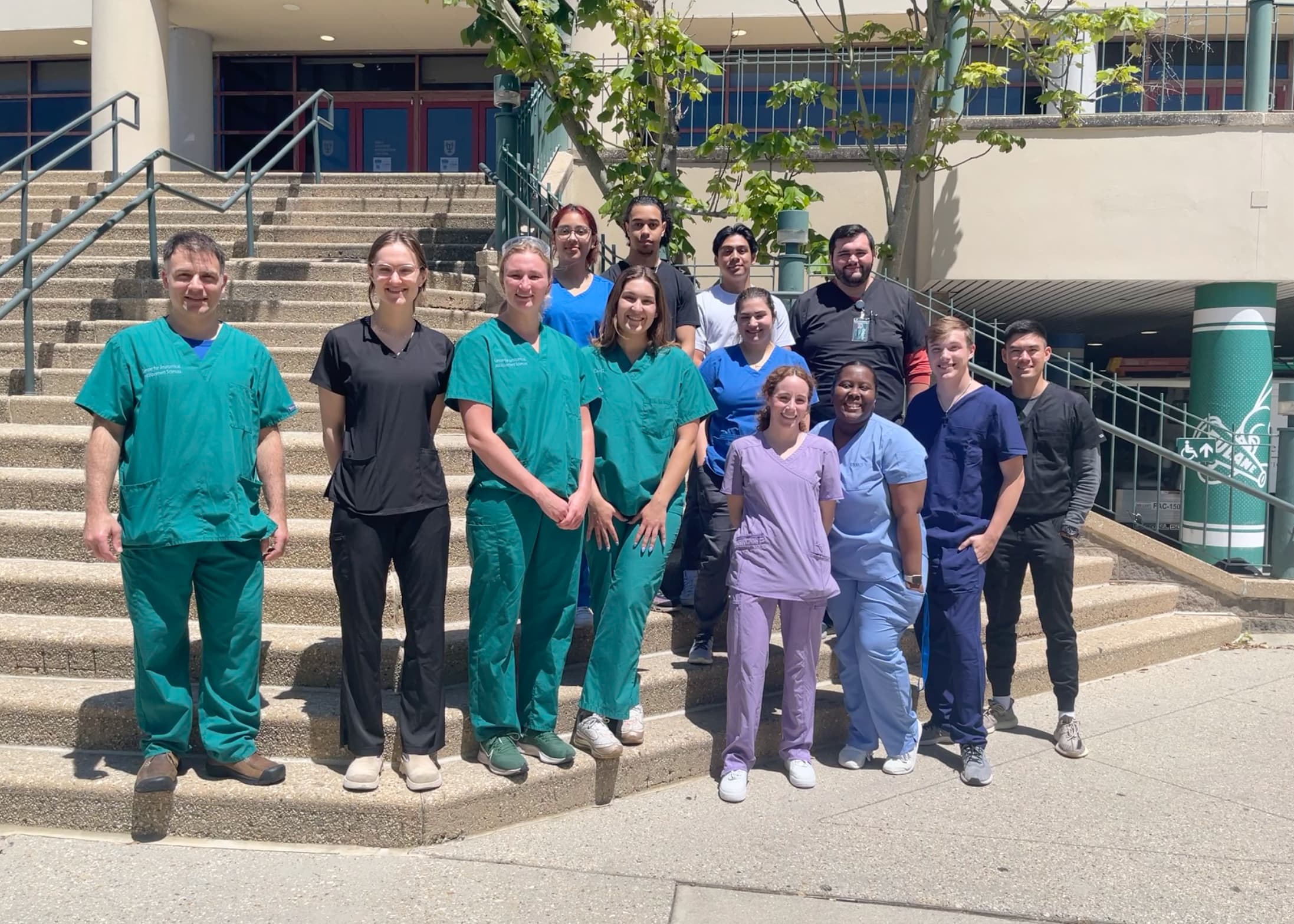
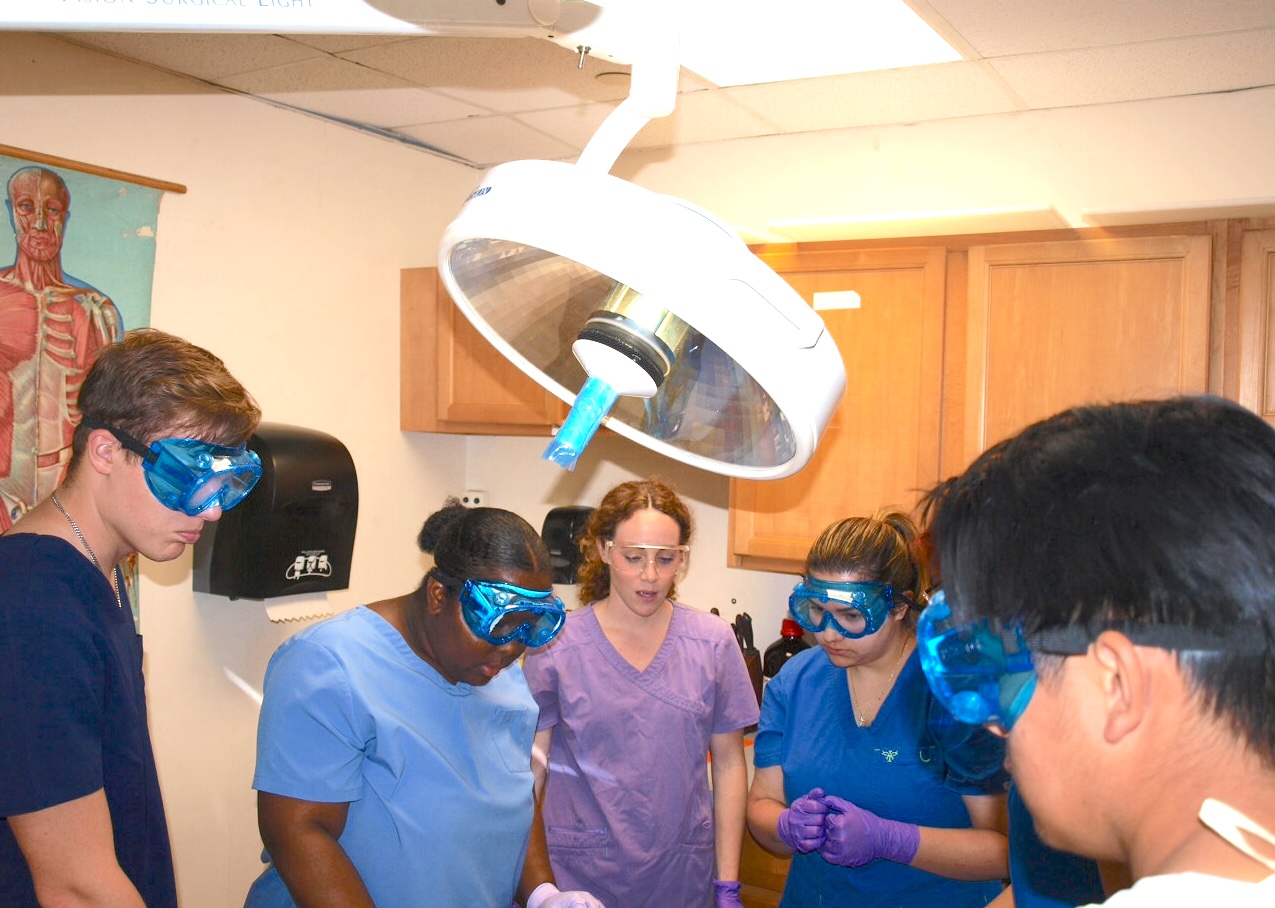
Tulane CAMS Team with Delgado Community College Cohort
Bottom row from left to right: Dimitri Papadopoulos, Isabel Kreher, Jennifer Gougelmann, Jane O'Donnell, Charlene Shunick