
Research
Research
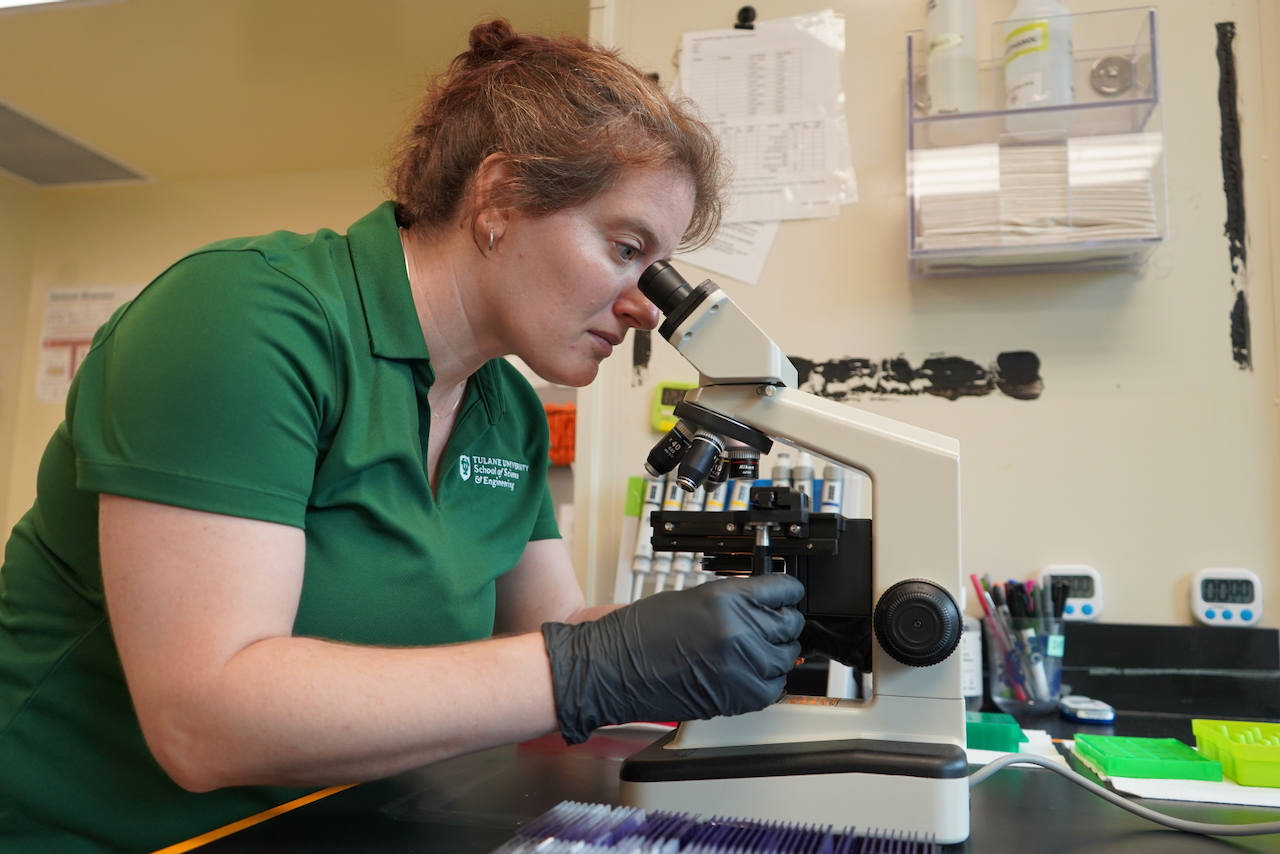
Research facilities and opportunities in the EEBIO Department are excellent. The department maintains and supports facilities and equipment that can be utilized by all PIs and their labs, including a molecular lab, greenhouses, reach-in growth chambers, drying ovens, and facilities for the culture of aquatic organisms. Students and faculty researchers have access to SSE's coordinated instrumentation facility that includes state-of-the-art transmission and scanning electron microscopes. The Center for Computational Sciences uses a high-speed InfiniBand network backbone that interconnects the various supercomputers and servers, all of which are available for use by EEB researchers.

PI Research Groups
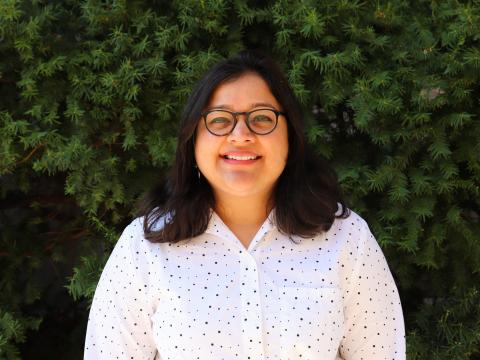
The Chaturvedi Lab
Using genomics approaches combining fieldwork, lab experiments, bioinformatics, and computational modeling to study the genetic basis of ecological adaptation and the causes and consequences of genetic variation in natural populations.
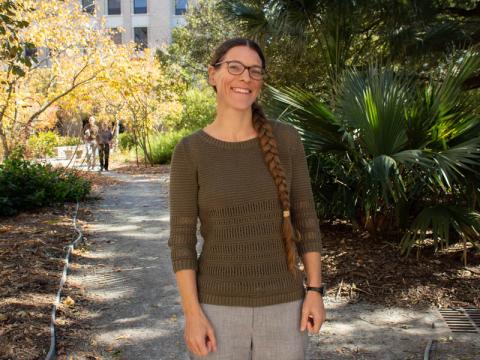
The Farrer Lab
Examining the interactions that structure plant and microbial communities in space and time, and how global change and land use patterns alter these interactions with consequences for biodiversity and ecosystem function.
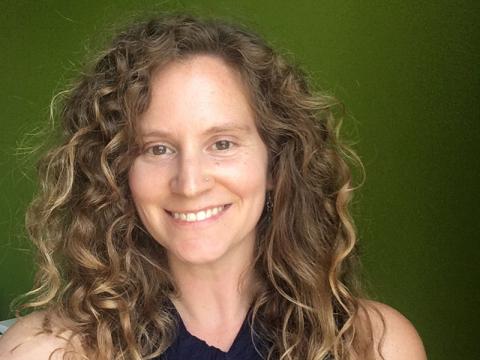
The Ferris Lab
Studying the genetic and phenotypic basis of adaptation and speciation in a closely related group of wildflowers, the Mimulus guttatus (syn Erythranthe guttata) species complex.
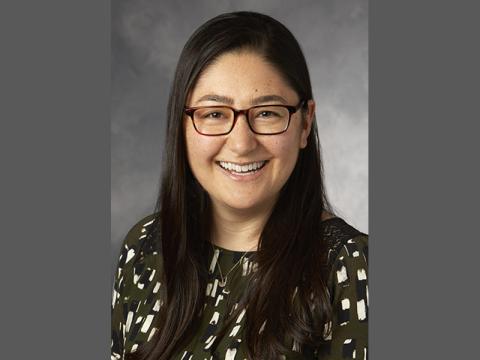
Bat Lab
Studying bats through the lenses of evolutionary ecology, molecular evolution, immunology, and disease ecology, with a focus on the evolution of bat immune systems and why bats can harbor viruses without getting sick.
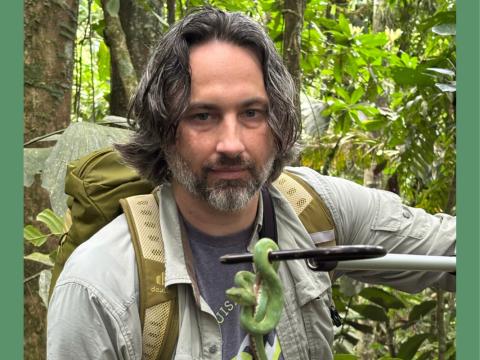
The Gunderson Lab
Studying thermal adaptation and responses to anthropogenic global change, with an emphasis on phenotypic plasticity; applying a variety of perspectives and approaches, including experimental physiology, behavior, field ecology, modeling, and comparative methods.
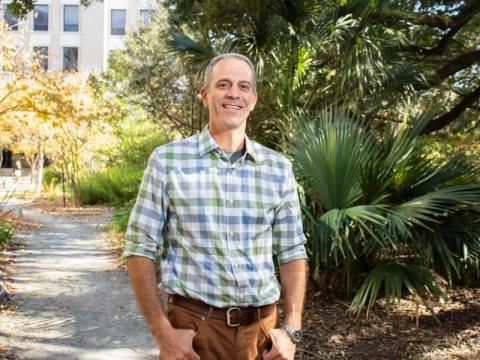
The Karubian Lab
Combining expertise in ecology, animal behavior, and evolutionary biology with cross-disciplinary collaboration to understand complex feedback loops between human and natural systems.
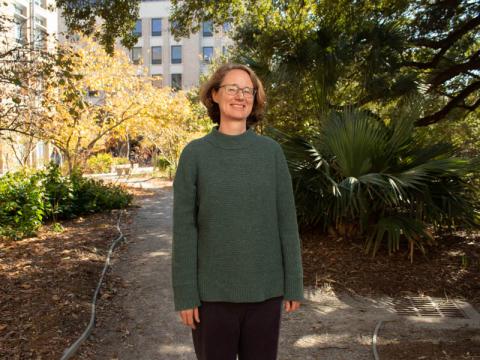
The Van Bael Lab
Studying how plants, animals, and microbes become involved in symbioses with other organisms to feed themselves and defend themselves from enemies/stressors.
Programs and Institutes

TUBRI contains two main divisions: the Royal D. Suttkus Fish Collection and Biodiversity Informatics. The former contains approximately eight million preserved specimens, enabling discovery and study of the ichthyological diversity of the Gulf South and beyond. The latter develops the cyberinfrastructure needed to document, synthesize, and analyze biodiversity knowledge from natural history collections worldwide. TUBRI is an administrative unit of the Tulane University School of Science and Engineering.
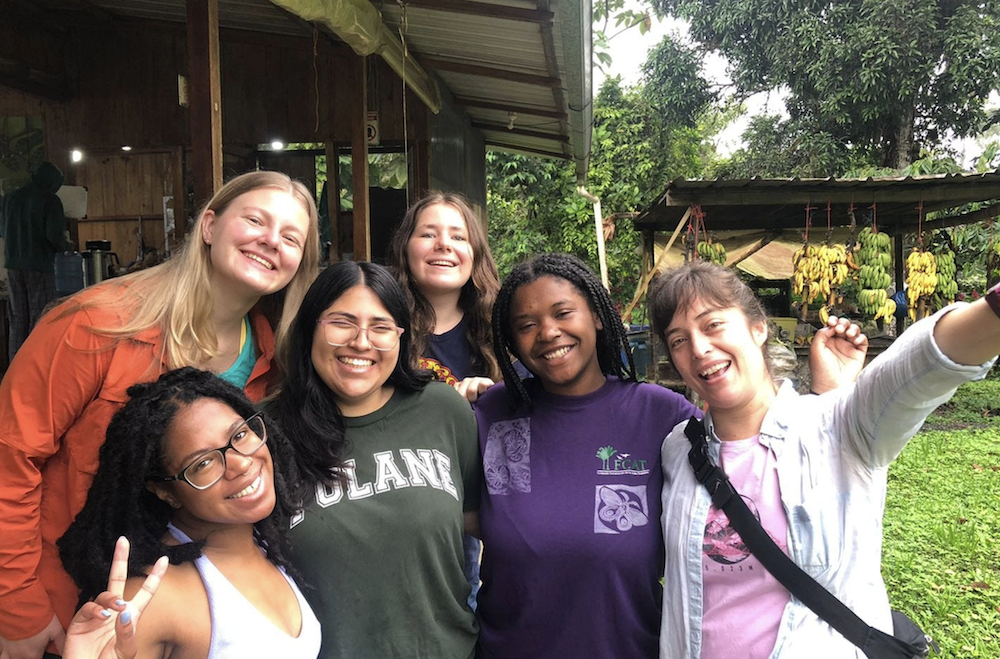
Immersing students in the real-world, grassroots research and conservation program of FCAT, an award-winning Ecuadorian NGO with over 20 years of experience. TIERA is open to people over the age of 18 who want to link learning and research with real-world impact in a biodiversity hotspot.

The Phyllis M. Taylor Center for Social Innovation and Design Thinking at Tulane University is a dynamic hub for anyone who is passionate about tackling complex social and environmental challenges. We offer the tools, knowledge, and support needed to transform ideas into lived realities. We focus on human-centered, systems-minded design for social impact, offering not just guidance, but a partnership in reimagining and reshaping the world.

The LUMCON (Louisiana University Marine Consortium) Marine Center, housed in Cocodrie, Louisiana, about 85 miles southwest of New Orleans, conducts educational and research programs with Louisiana universities. Here at Tulane, in the EEBIO Department, students take spring break and summer courses in Marine Science; our marine biology courses take field trips, and some of our faculty members carry out research at LUMCON. In addition, opportunities for research, both at the undergraduate and graduate level, exist there!
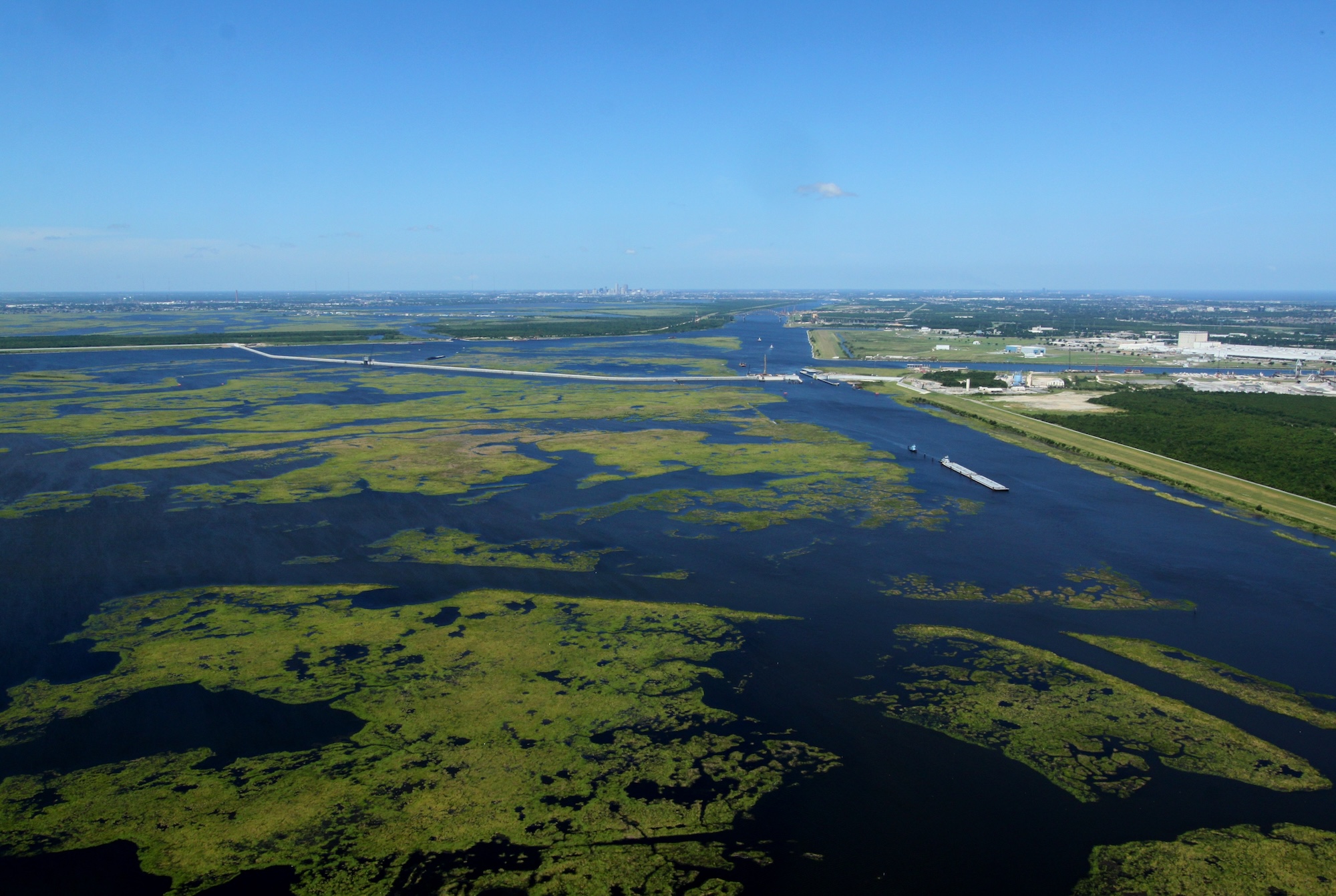
ByWater Institute brings together a diverse group of stakeholders, from community organizers and local governments to academic researchers and industry experts. Working together, it's creating convergence research that is rooted in community engagement to tackle the challenges of adapting to climate change head-on.
The Center hosts a wide range of conferences, symposia, film series, and other activities. It also coordinates a number of the university's many research and study programs in Latin America.
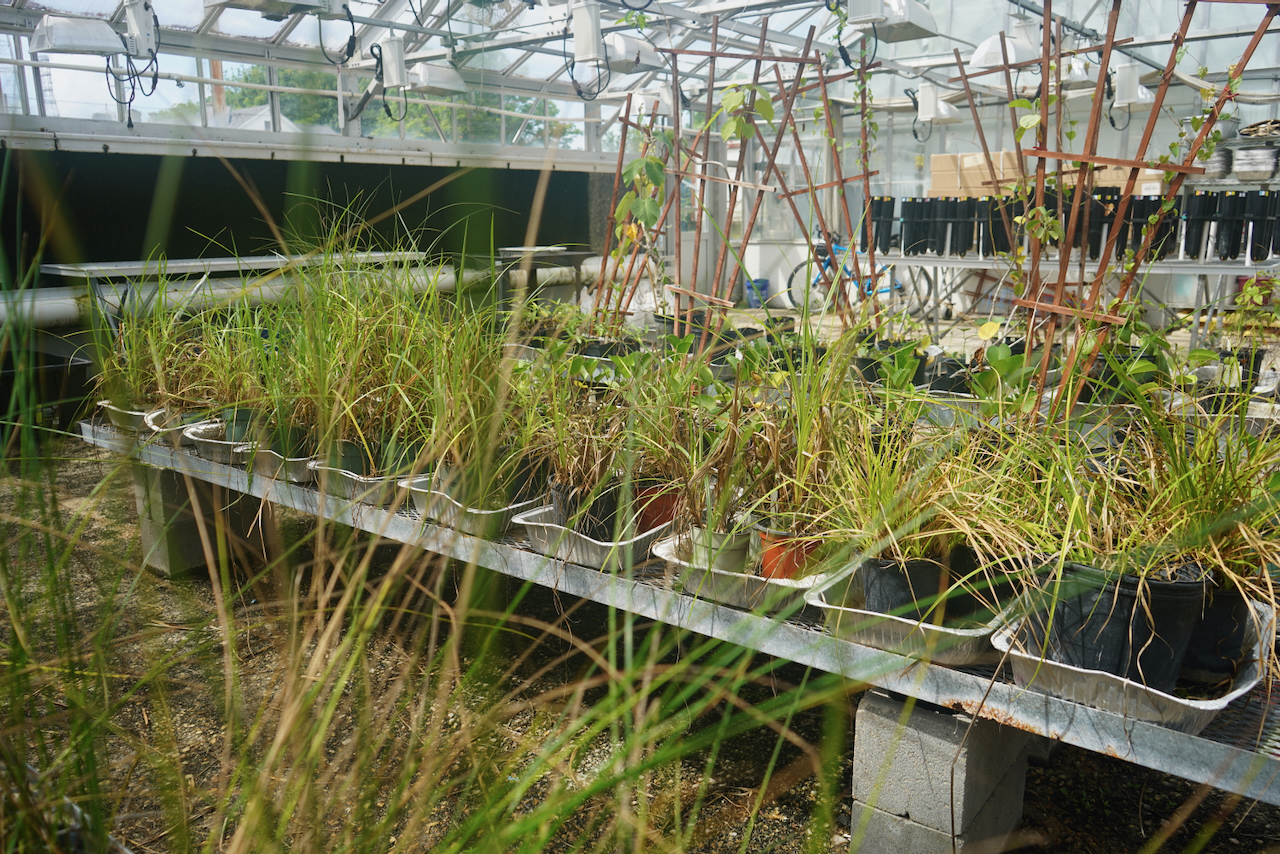
The greenhouse gives Tulane researchers a controlled space to study plant ecology and plant-microbe interactions, including work on how coastal plant communities respond to stress. Students and faculty can use it alongside the department's other resources to support research grounded in its strengths in coastal and tropical ecosystems.