
River-Coastal Science and Engineering
Research
The Department of River-Coastal Science and Engineering at Tulane University is an interdisciplinary hub dedicated to solving the complex environmental and engineering challenges of the 21st century. Our research initiatives integrate the study of hydrological processes, sediment dynamics, and coastal hazards with cutting-edge technology and sustainable engineering solutions. From the banks of the Mississippi River to deltaic systems worldwide, we are committed to advancing the science necessary to protect vulnerable coastal communities, restore vital ecosystems, and manage water resources in a changing climate.
Areas of Concentration
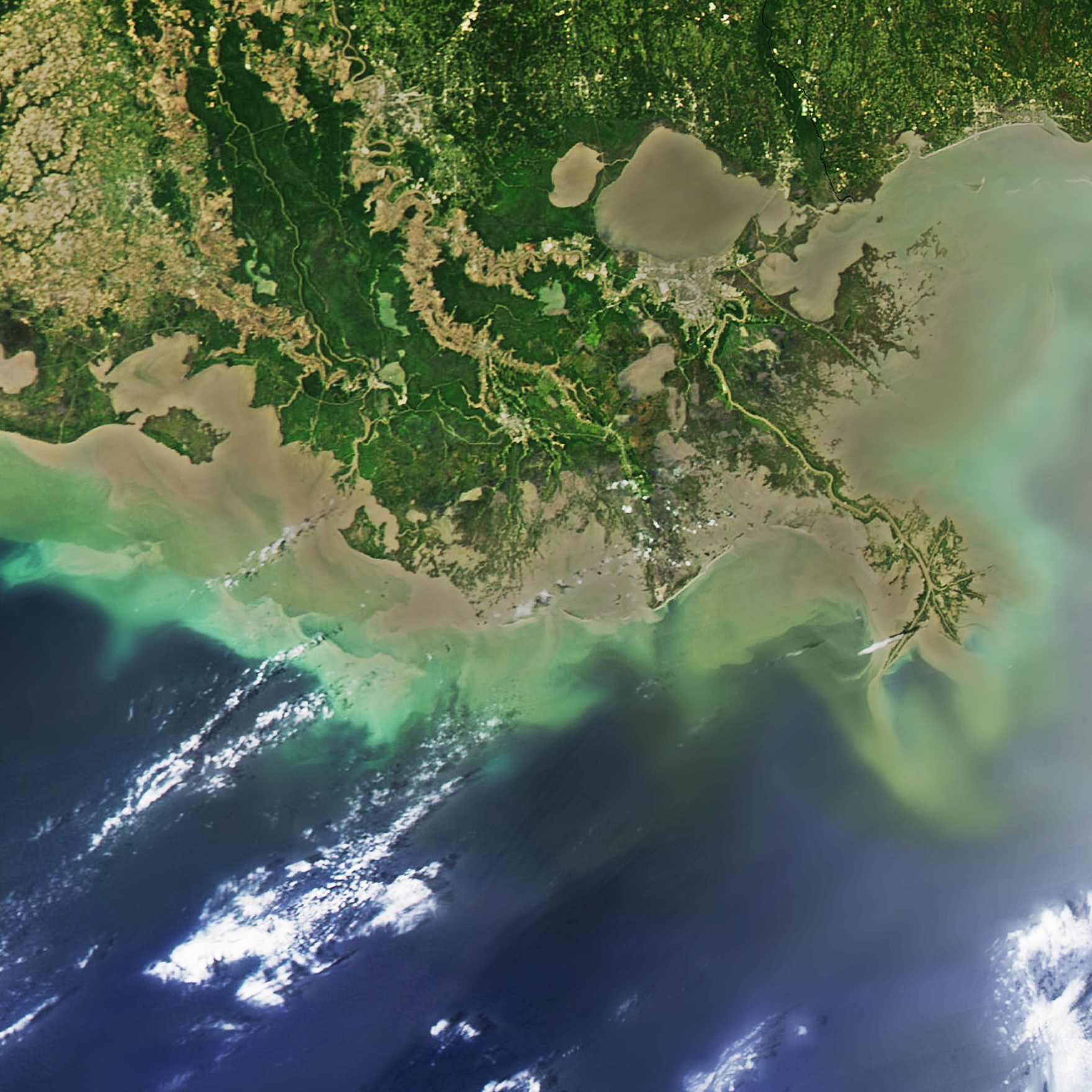
This research area focuses on the physical processes of coastal, estuarine, and deltaic systems. Faculty utilize advanced numerical modeling and field observations to study water circulation, sediment transport, and saltwater dynamics to support the sustainable management and restoration of deltas worldwide.
Faculty: Mead A. Allison, R. C. (Charlie) Berger, Kelin Hu, Jeff Melby, Ehab Meselhe, Brendan Yuill
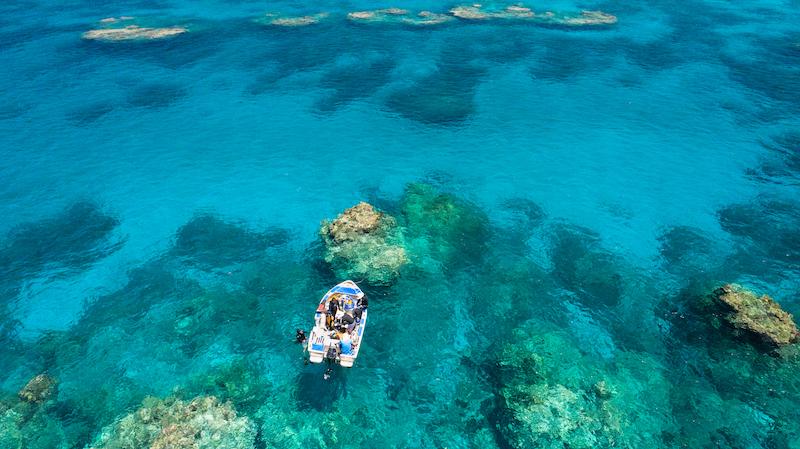
Researchers in this field investigate the drivers of global and regional sea-level rise, storm surges, and ocean tides. By reconstructing historical sea levels and modeling future projections, this group provides critical insights into coastal flooding risks and community vulnerability in a changing climate.
Faculty: Sönke Dangendorf, Kelin Hu, Ehab Meselhe
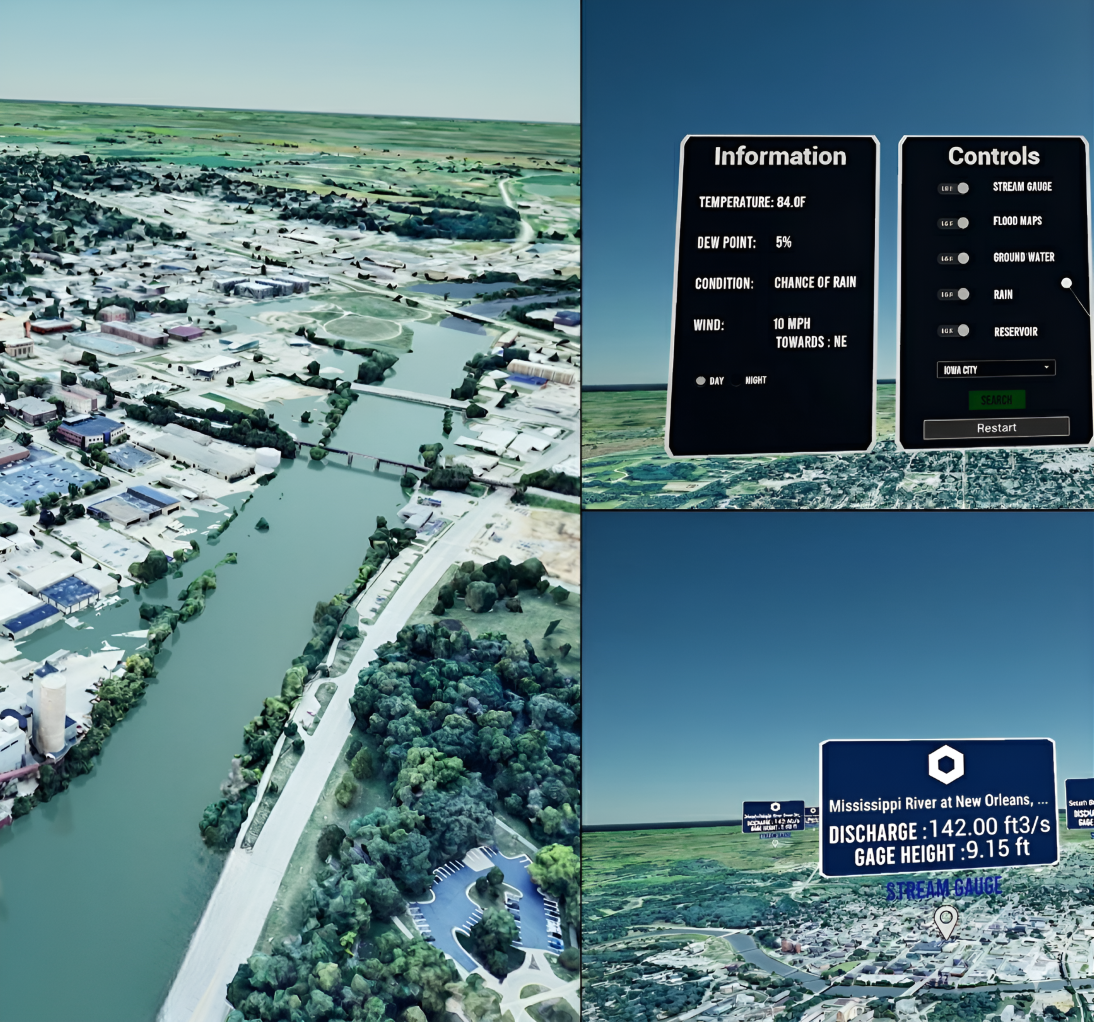
This area leverages cutting-edge artificial intelligence, big data analytics, and cyberinfrastructure to address complex environmental challenges. Research includes the development of digital twins for disaster simulation, intelligent information systems, and the application of machine learning to streamflow forecasting and environmental monitoring.
Faculty: Ibrahim Demir, Ehab Meselhe, Annalisa Molini

This group studies how water, sediment, and vegetation co-evolve to shape rivers, floodplains, and deltas. Using tools ranging from radiochemical geochronology to laboratory flume experiments, faculty explore landscape evolution and the "source-to-sink" dispersal of sediments in large river systems.
Faculty: Mead A. Allison, David S. Biedenharn, Matthew J. Czapiga, Barbara A. Kleiss, Ehab Meselhe
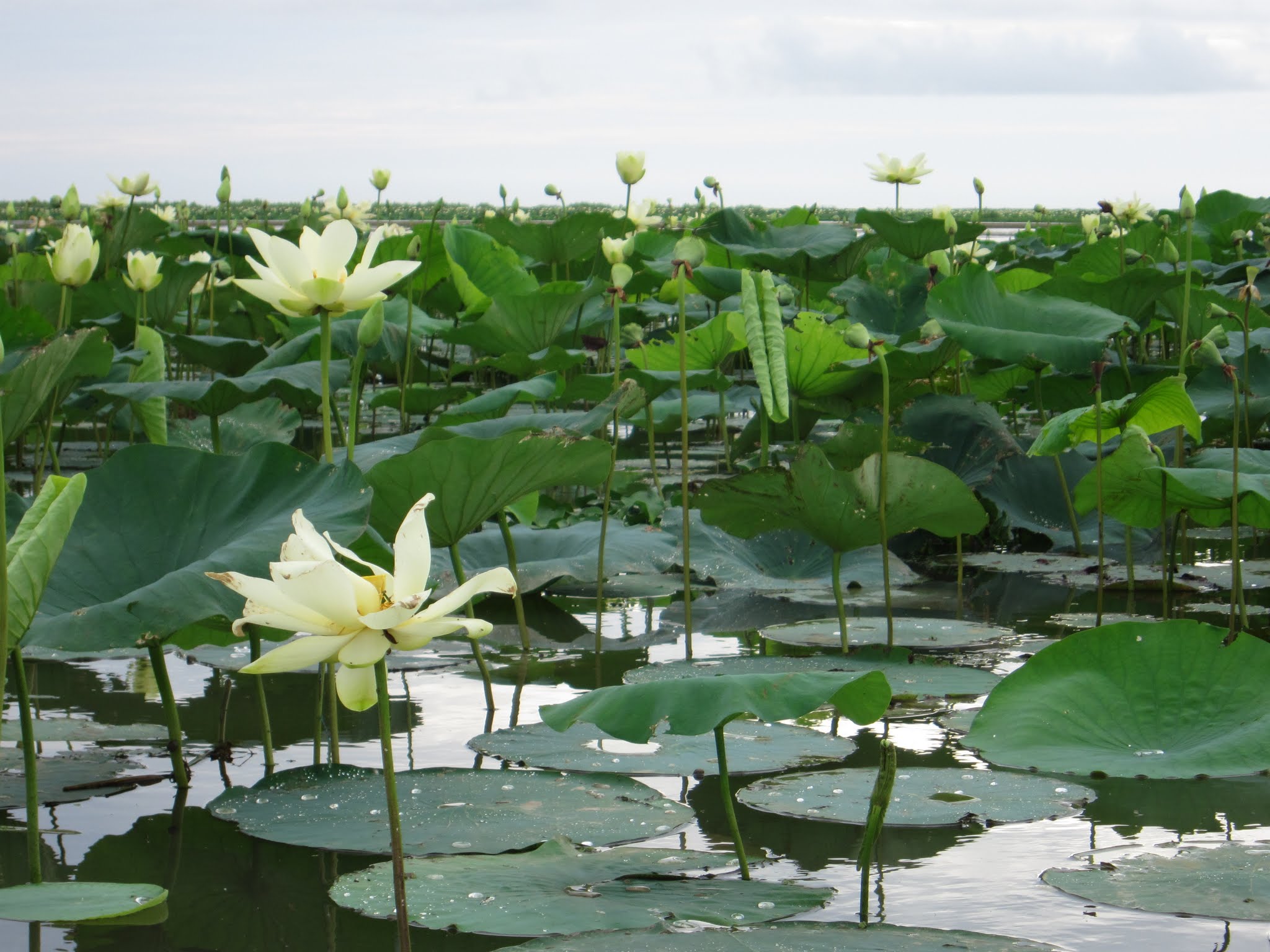
This research examines the vital connections between the hydrological cycle, vegetation, and aquatic food webs. Faculty work to understand energy flow in riverine ecosystems, the impact of hydrology on fisheries and biodiversity, and the physiological responses of plants to environmental stressors.
Faculty: K. Jack Killgore, Barbara A. Kleiss, Annalisa Molini, Jennifer C. Murphy, John L. Sabo
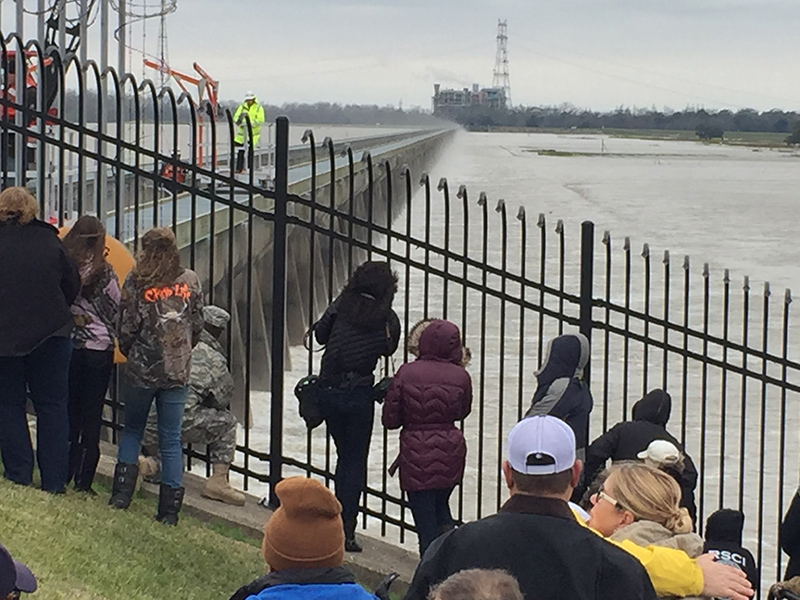
Focusing on nature-based solutions and sustainable infrastructure, this area applies engineering principles to river restoration, bank stabilization, and wetland creation. The research integrates physical and ecological processes to design resilient systems that mitigate the impacts of human activity and climate change.
Faculty: David S. Biedenharn, Matthew J. Czapiga, K. Jack Killgore, Barbara A. Kleiss, Ehab Meselhe
Faculty in this area analyze land-atmosphere interactions and the global water cycle to project the impacts of climate change on water resource availability. Research includes studying rainfall extremes, aridity, and the teleconnections between ocean circulation and regional hydrology.
Faculty: Sönke Dangendorf, Annalisa Molini, John L. Sabo
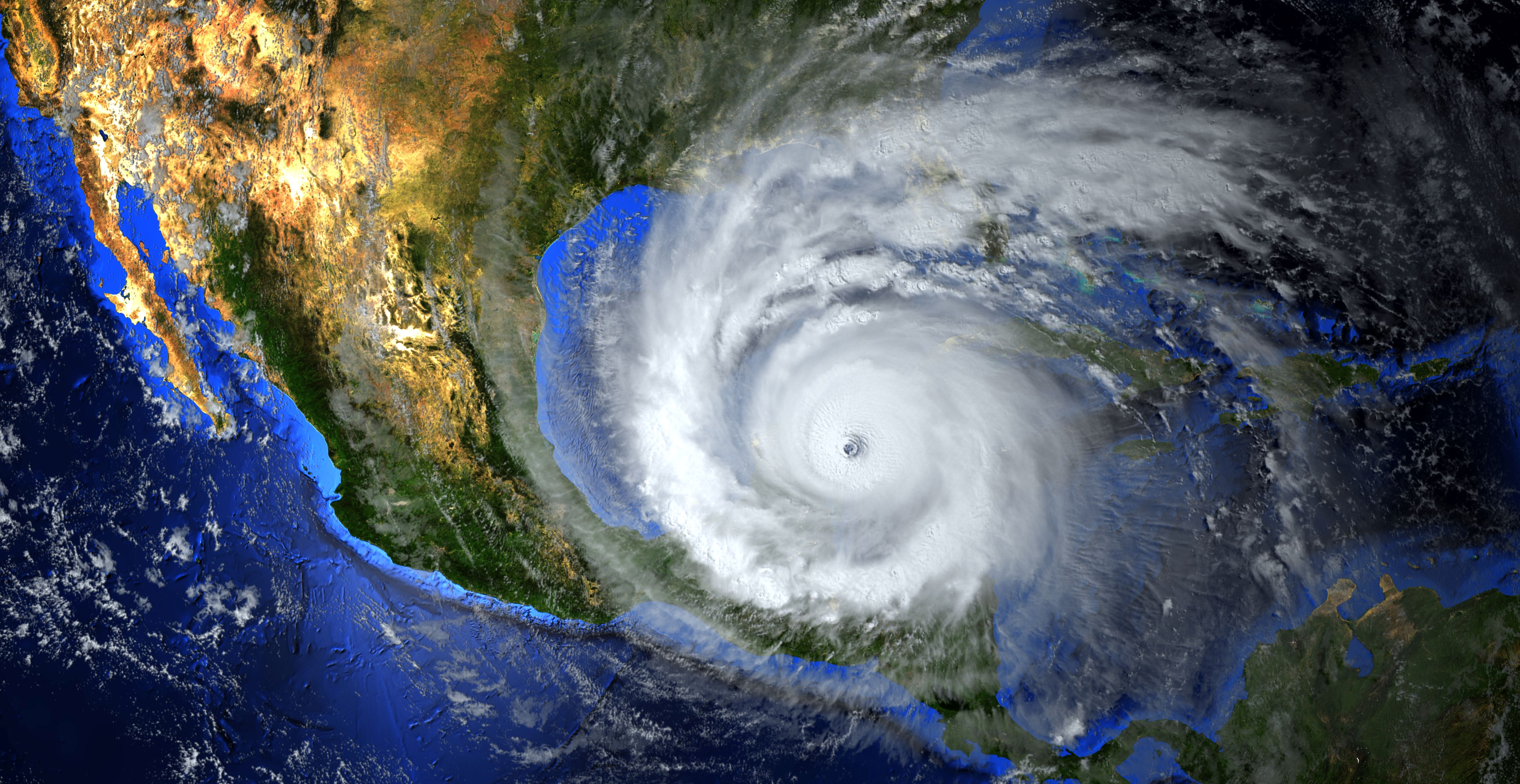
This interdisciplinary field develops predictive tools and real-time monitoring systems to enhance resilience against natural disasters. By integrating hydrodynamic models with AI-driven analytics, researchers create early warning platforms for floods, hurricanes, and other environmental hazards.
Faculty: Sönke Dangendorf, Ibrahim Demir, Charlie Hess, Kelin Hu, Ehab Meselhe
We are always on the lookout for talented and curious undergrads interested in researching our world.
Faculty contact: Ehab Meselhe