
Master's Degree in Cell and Molecular Biology
Master's Degree in Cell and Molecular Biology
The one-year master's program, established in 2000, is an excellent choice for students interested in postgraduate professional school. While many of our students go on to Medical School, others enter Law School, Business School, or opt to earn their Ph.D. By limiting enrollment in this program, we are able to provide a highly individualized degree plan for each student. Our students learn direct, practical application of their knowledge by choosing either a Service Learning or Research component to their studies.
ApplyRequest InformationDepartment of Cell and Molecular Biology
4+1 Accelerated Master's Program
Current Tulane undergraduate students can earn this M.S. degree with just one additional year of study. This accelerated program allows you to count graduate-level courses toward both your B.S. and M.S. degrees, providing a fast track to an advanced credential.

What You'll Learn
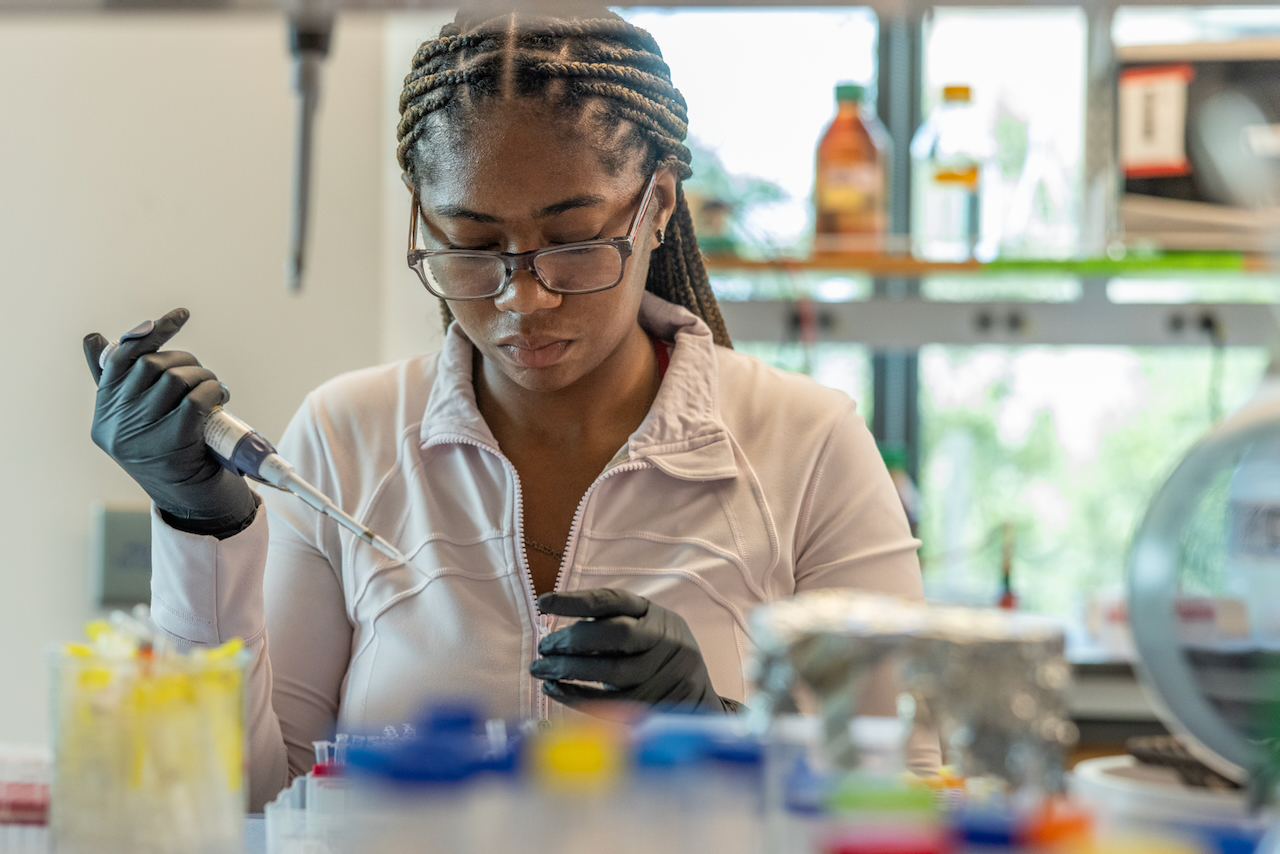
Students in Tulane's one-year Master's in Cell and Molecular Biology gain a strong foundation in biology while being introduced to clinically relevant topics like human anatomy, histology, embryology, biochemistry, physiology, and disease. The program pairs this coursework with structured professional development, including a Professional Speaker Series featuring healthcare professionals from across the field and communication training through research seminars and journal clubs. Students also complete 50 hours per semester of service learning and shadowing at local hospitals, clinics, and research labs, giving them direct, career-relevant experience alongside their academic training.
Research
While the one-year MS is built around professional and clinical preparation rather than a traditional thesis, students still gain direct exposure to real scientific and clinical environments through their required service learning and shadowing experience. Each semester, students spend 50 hours at hospitals, clinics, coroners' offices, or research labs around New Orleans, with placements tailored to their career interests, from laboratory research to patient-facing clinical settings. Students then present and reflect on this experience through research seminars and journal clubs, building the communication skills needed to convey scientific and clinical work to other professionals.
Meet Our Faculty
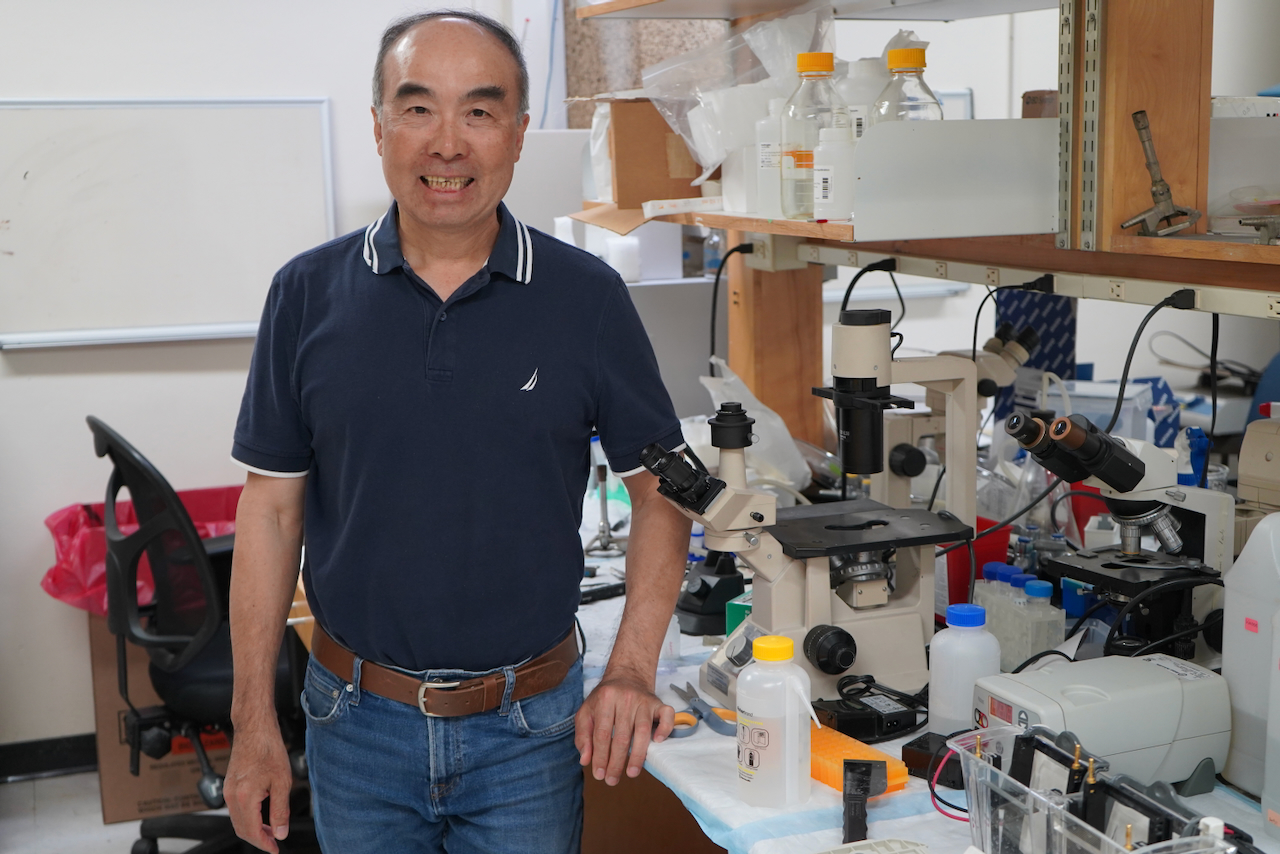
Faculty in the Cell and Molecular Biology master's program take an active role in student mentorship, with each student paired with a faculty advisor who monitors their progress throughout the year. This close relationship allows faculty to work with each student's individual strengths and goals, tailoring guidance to help them reach their specific career path, whether that leads to medical school, another professional program, or a PhD. Faculty also help connect students with the shadowing and service-learning placements that round out the program's hands-on approach.
Curriculum Requirements
The one-year MS requires 30 credit hours across two semesters, with a minimum cumulative GPA of 3.0. All students take a two-semester Seminars in CMB sequence totaling 6 credits, which combines on-site experiential work with formal classroom presentations, including 50 hours of service learning or shadowing each semester. The remaining 24 credits are fulfilled through elective lecture and lab courses spanning topics like cellular biochemistry, human anatomy, neuroscience, and molecular biology, with the option to take approved electives from other departments.

Career Benefits and Pathways
The Master's in Cell and Molecular Biology program is designed to enhance the competitiveness of students applying to postgraduate professional schools, especially Medical and Dental School, but also Veterinary School, Optometry School, Business School, Law School, and Ph.D. programs.
There are many Post-Bac and Master’s programs available, most with the goal of helping a student take the next step in their professional education. Tulane’s Cell & Molecular Biology MS program is more than just another year of classes, and offers many advantages over other programs.

Learn more about the admissions process or apply now!
Find full tuition information and the financial aid process.
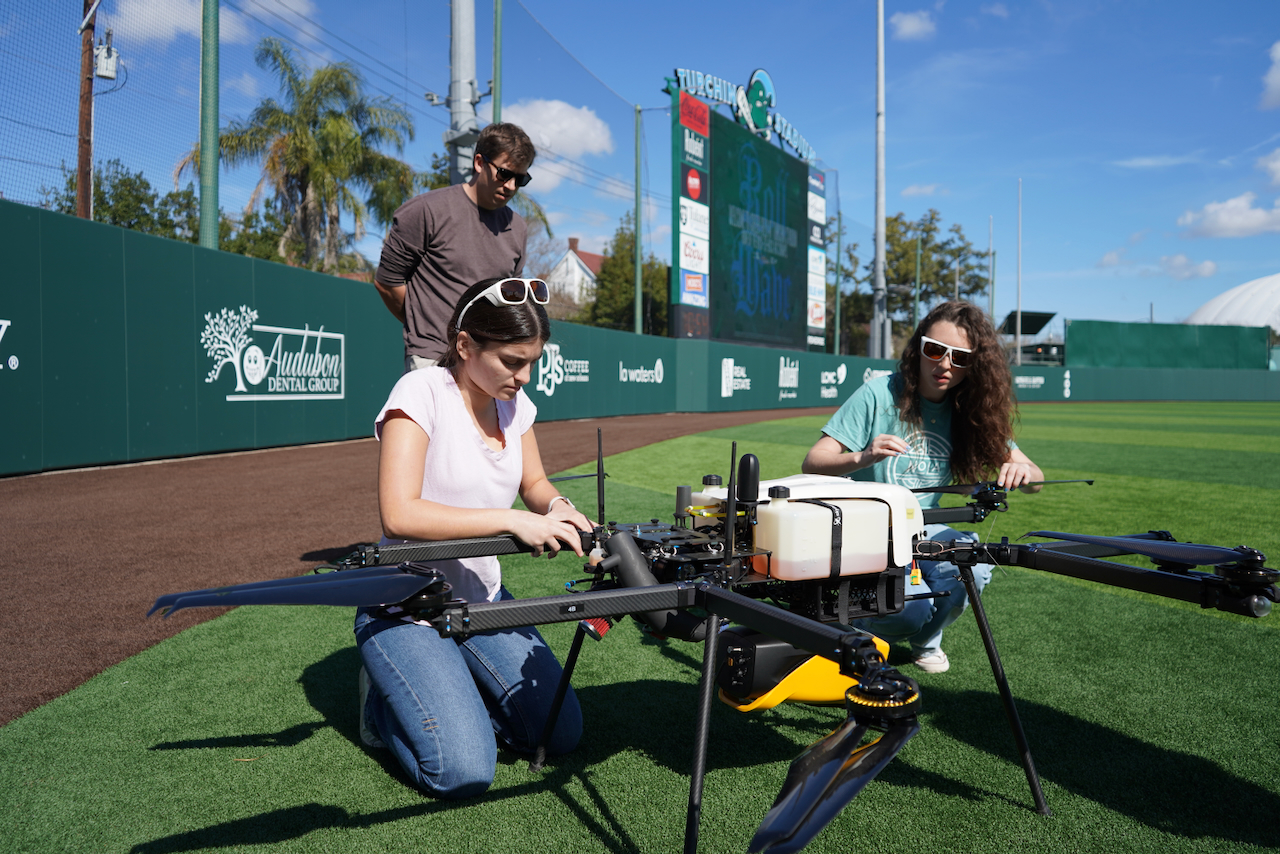
Get to know what makes this place a launchpad for the next generation of scientists and engineers.
FAQs
Cell and molecular biology is the study of how cells function at the molecular level, forming the foundation for understanding human health, development, and disease. It connects core biological principles to clinically relevant areas like anatomy, physiology, and pathology, making it central to fields ranging from laboratory research to medicine.
The program focuses on professional development.
- Professional Speaker Series: Healthcare is provided by a broad array of professionals. Representatives of these professions speak about education and training, their responsibilities, and the opportunities available in their profession. As examples, we discuss the training, responsibilities, income, and employment potential of physician assistants, physical therapists, and the whole array of opportunities in nursing.
-Cultivating Communication Skills: Clinicians and scientists both need to communicate effectively with other professionals as well as the general public. Communication skills will be cultivated through student presentations in research seminars and Journal Clubs.
-Mentoring and Advising: Each students communicates regularly with an assigned faculty member, who closely monitors their progress. Our faculty works with each student's unique strengths and weaknesses to assist them in meeting their career goals.
MCAT, DAT and GRE preparation classes, conducted by KAPLAN instructors, are incorporated into the curriculum.
-KAPLAN test preparation classes are held during the spring semester.
-The cost for the KAPLAN classes is included in the students' tuition.
Students will complete 50 hours of service learning and shadowing at local hospitals, clinics, coroners' offices, research labs, and other locations around New Orleans per semester.
-Locations are selected to provide experiences which will enhance career preparation and provide direct contact with patients and healthcare providers.
Emphasis is placed on foundational classes in Biology while introducing students to more clinically relevant topics such as human anatomy, histology, embryology, biochemistry, physiology and disease.
-Students take 30 credit hours over the course of two semesters.
Requirements for admission to our program are as follows:
-A Bachelor's Degree in any discipline
-Completed Chemistry and Biology or Cell Biology
-GPA of 3.0 or higher
-GRE, MCAT, DAT, or OAT scores are optional
-Two letters of recommendation; it is preferred that both be in the field of science
We accept students from a broad range of academic backgrounds; however, it is necessary for success in our program that students have taken general science courses and received a B or higher.
Applications must be submitted with all required documents using Tulane's School of Science and Engineering Graduate Application portal.
-All relevant documents must be uploaded with your application BEFORE clicking submit. The application system for Fall 2026 will open October 1, 2025. Applications are reviewed as they become complete. Students are therefore encouraged to apply as early as possible.
A complete application must include:
-Completed application, including statement of purpose.
-Two letters of recommendation, preferably both in the field of science. Students may also use their committee or individual letters for professional schools. We accept committee letters from all processing centers; Interfolio, University Pre-Health Professional Offices, etc.
-GRE, MCAT, DAT, or OAT scores are strongly encouraged but not required. You do not need to submit official scores. Copies are sufficient.
-Unofficial transcripts from all previous academic institutions. Official transcripts are only required if you are accepted into the program. Please upload the copies of your transcripts with your application.
-Resume or CV which will list all relevant experiences such as research, employment, volunteering, and shadowing.
Once we have received all the required information, your application will be complete and will be viewed by the department's Master's Program Admissions Committee.
Applicants accepted have a 3.0 or higher.
GRE Institution Code: 6173; GRE Department Code: 0206 (Cell and Molecular Biology).
TOEFL Institution Code: 6173; TOEFL Department Code: 35 (Biology).
There are no scholarships or teaching assistantships available for this program.
No, all students are encouraged to apply to our program. See Admission Requirements.
Yes, however, such students will be required to complete the necessary prerequisites on their own time, outside of our program. We do not encourage taking any of these prerequisites while in our program due to the rigorous schedule.
You can self-report your MCAT and/or GRE, DAT or OAT scores in the spaces provided on the application. Please upload a copy of your scores with your application before clicking submit.
Yes. When you receive our offer of admission, you will be required to respond by the deadline given. If we do not receive your response by the specified date, you will forfeit your spot in the program. This is necessary due to the high number of qualified applications we receive and the limited number of spots available in the program.
Yes. We accept committee letters from all processing centers (Interfolio, University Pre-Health Professional offices, etc).
No, there is no maximum. However, the committee recommends around two pages in length.
The committee will begin reviewing complete applications in early February. Acceptances will be made on a rolling basis, and applicants who are waitlisted may receive an offer as late as early August. Applicants who are waitlisted may continue to submit updated transcripts and/or standardized test results.
As soon as you formally accept our offer and are processed in the University system (receive a Tulane email account) you can register. You will be contacted via email regarding course requirements and options prior to the start of the fall semester. Advisors will be available via email and phone if you have any questions regarding your schedule. There will be two mandatory core courses per semester and you will receive information regarding these courses via email. We make sure there are adequate spaces in the required courses for our MS students.
Yes, an orientation is held in August each year for our new students. You will be contacted by the Department of Cell and Molecular Biology via email shortly after acceptance with more information.
No. At the beginning of each semester, you will meet individually with the Directors of the program to go over their transcripts and come up with a personalized course plan. Seats are reserved for MS students, so there is no need to register prior to your arrival. You will be contacted in August by the Cell and Molecular Biology Department with information regarding this meeting and other aspects of orientation.
The Master's program follows the same academic calendar as the undergraduates at Tulane. You can look over the calendar here.
Yes, it is strongly encouraged that you do apply while in the program.
No, students must start each fall semester.
Contact Us
Ilianna H. Kwaske, Ph.D.
Associate Dean for MS Programs & Professional Education
ikwaske@tulane.edu
Sarah Berry
Director of MS and Certificate Programs
smccarty@tulane.edu
Rosie Chavez
Director of Graduate Programs
rchavez@tulane.edu
By Phone
504-865-5546
By Email
Shana Johnson, Operations Manager: shana@tulane.edu
Laura Schrader, Department Chair: schrader@tulane.edu
Dr. James "Jim" Cronin, Program Director: cronin@tulane.edu