
Ph.D. in Cell and Molecular Biology
Ph.D. in Cell and Molecular Biology
The Department of Cell and Molecular Biology offers students the opportunity to earn Ph.D. degrees in a stimulating, dynamic research environment. Our small group of exceptional faculty performs cutting-edge research and provides hands-on training to students in areas such as cellular neurobiology, developmental biology, bacterial cell differentiation, and neuropharmacology. The Department's research is well-funded, with one of the highest per capita levels of external funding at Tulane University.
In our Ph.D. program, students choose from one of two research focus areas - neurobiology and developmental biology - in which they concentrate their coursework and research efforts. Emphasis is placed on basic research to enable students to develop into capable, independent research scientists. Our program offers students the opportunity to personalize their course of study and achieve success in an intimate and nurturing research setting.
ApplyRequest InformationDepartment of Cell and Molecular Biology


What You'll Learn
The PhD program in the Department of Cell and Molecular Biology is designed to prepare students for careers in research, academia, and/or professional service in the areas of Cell Biology, Molecular Biology, Developmental Biology, and Neurobiology. This involves 1) the acquisition of a basic body of knowledge and a conceptual understanding of the current problems in these fields; 2) gaining an in-depth understanding of and developing the capacity to conduct independent research or professional service in one or more of these areas; 3) developing the necessary research skills (including knowledge of instrumentation, specific laboratory techniques and the ability to evaluate experimental data) to pursue a career in the biomedical sciences; and 4) learning basic skills in the presentation of materials, including an ability to evaluate, synthesize and organize information into a coherent view of a particular problem, the ability to clearly present organized information to students and peers, and the ability to write scientific papers.
Research
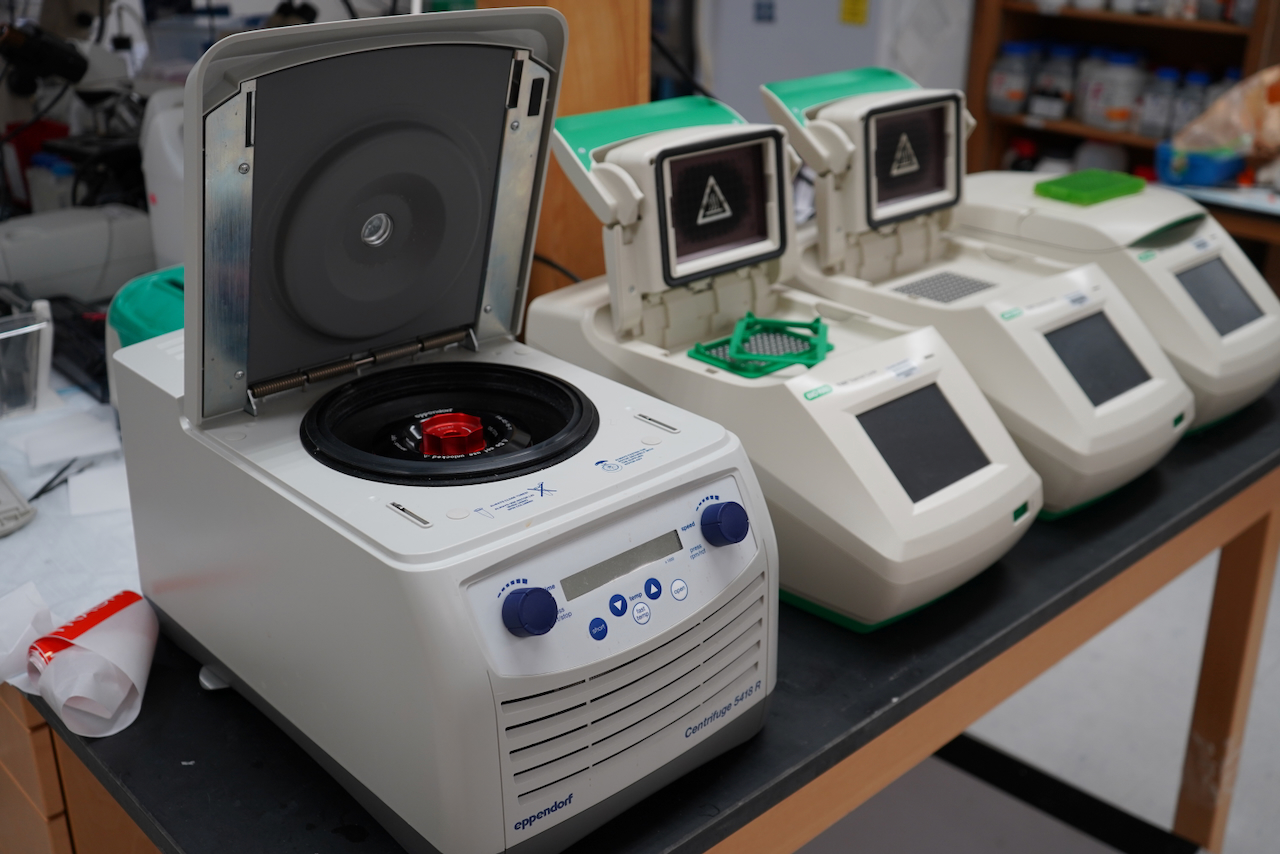
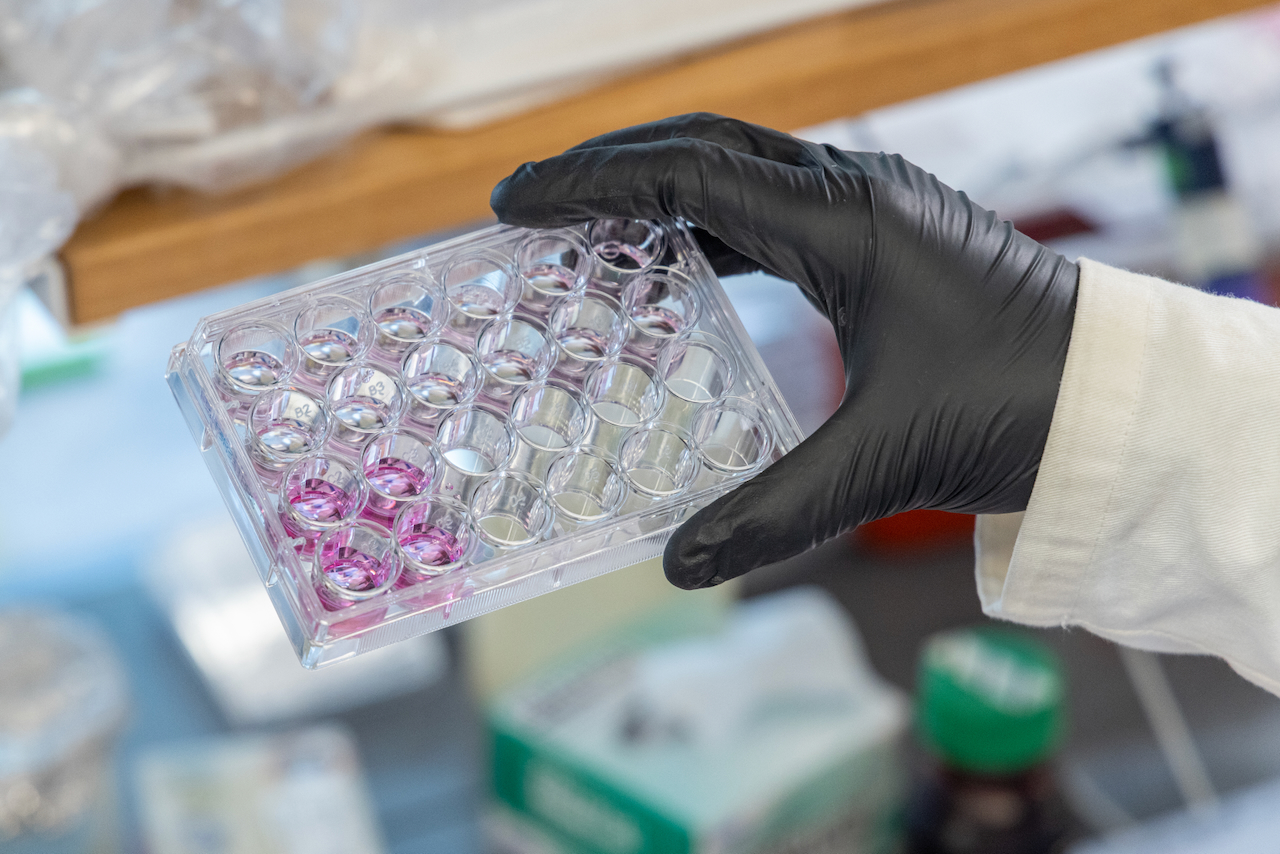
The laboratories of the Department of Cell and Molecular Biology are fully equipped for modern research in developmental biology, cell biology, microbiology, neurobiology and molecular biology. Major items include confocal and deconvolution microscopes, scanning and transmission electron microscopes, tissue culture facilities, a transgenic and knockout mouse core facility, and a state-of-the-art molecular neurobiology core laboratory. Students in the department also have access to facilities located at the Tulane National Primate Research Center and the Tulane University Health Sciences Center, including the Gene Therapy Center and the Center for Bioenvironmental Research. The University's nine libraries house approximately 2.2 million volumes and 14,000 currently received serial titles, many of which are located in the nearby Howard-Tilton Memorial Library. Additional library facilities are available at the Tulane Health Sciences Center.
Meet Our Faculty
The department's faculty are a small group of exceptional researchers performing cutting-edge work and providing hands-on training in areas such as cellular neurobiology, developmental biology, bacterial cell differentiation, and neuropharmacology. Students work closely with faculty from their first year onward, rotating through labs to find the right research fit before joining a lab full-time under a faculty mentor who becomes their dissertation advisor.
Curriculum Requirements
Over the course of their first two years, students will take classes aligned with their backgrounds and interests, attend seminars, and serve as teaching assistants. In their first year of the doctoral program specifically, students are expected to rotate through labs within the department and join a lab in which they will continue their dissertation research. Typically, students complete a prospectus in the third year and complete a dissertation in the fifth year.
Career Benefits and Pathways
The PhD program is designed to prepare graduates for careers in research, academics, and professional service across cell biology, molecular biology, developmental biology, and neurobiology. Along the way, students build the research skills, instrumentation expertise, and scientific communication abilities needed to pursue careers in the biomedical sciences, whether in academic research, industry, or related professional settings.
Learn more about the admissions process or apply now!
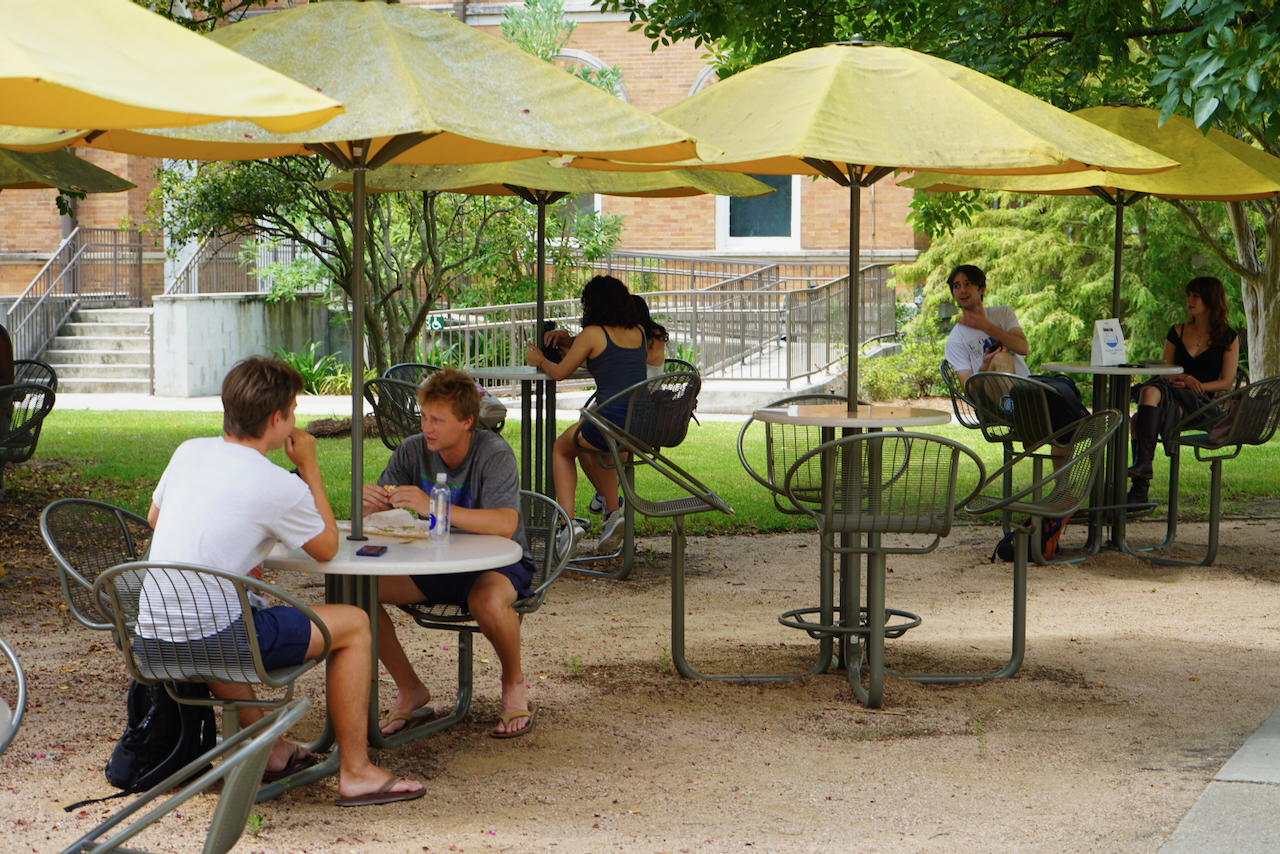
Find full tuition information and the financial aid process.
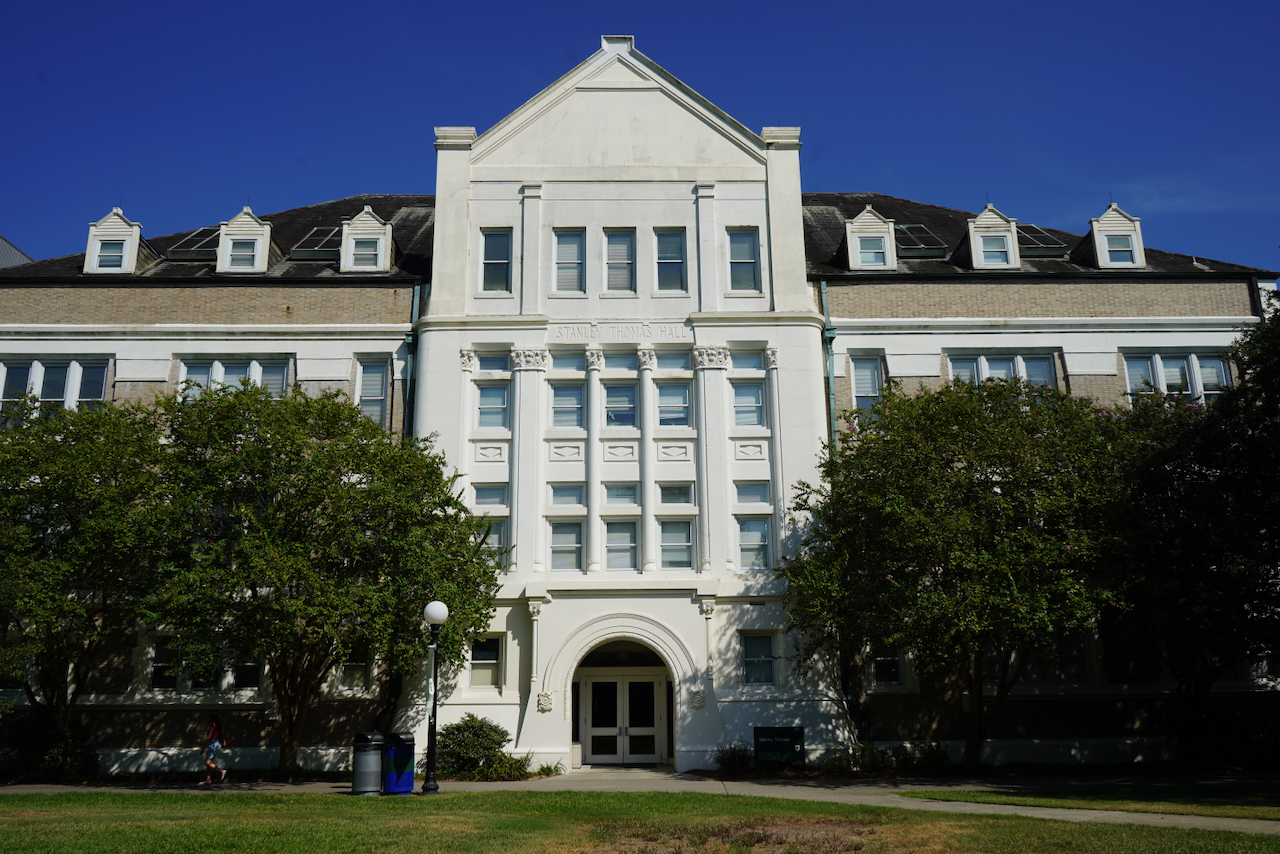
Get to know what makes this place a launchpad for the next generation of scientists and engineers.
FAQs
Cell and molecular biology is the study of living systems at the level of cells and the molecules that drive their function, covering areas like developmental biology, neurobiology, and molecular genetics. At Tulane, the field is explored through hands-on research training, with a concentrated strength in developmental biology and neuroscience.
Application Requirements
-Applications for Fall 2027 admission into the Cell and Molecular Biology Doctoral Program will be accepted from October 1, 2026 through January 1, 2027. Submit your application using Tulane’s School of Science and Engineering Graduate Application Portal. There is no application fee.
-Applicants should have a strong undergraduate background in the basic biological, chemical, and physical sciences and an enthusiasm for a research career in the biological sciences.
-TOEFL scores are required of students from countries in which English is not the official language. A minimum TOEFL score of 600 on the paper version, 250 on the computer version, or 100 on the Internet-based version is required. The TOEFL institution code for Tulane is 6173; the department code is 35 (Biology).
Cell Ph.D. students are typically admitted for the Fall semester; however, highly qualified applicants may be considered for Spring admission upon request, subject to program capacity and funding availability.
Prior to the start of the first semester in the program, each student meets with the program director to discuss the student's academic background and scientific interests. At this time, the director will make recommendations concerning course requirements, and students enrolled in the Ph.D. program will be assigned a temporary faculty advisor. The faculty advisor will be responsible for advising the student on academic matters such as course selection, laboratory rotations, exams, and teaching requirements, and will monitor the student's progress. The graduate director will also monitor all students’ progress during the first year in the program. Ph.D. students are required to take core courses in molecular biology, cell biology, developmental biology and/or neurobiology. They are expected to take additional elective courses tailored to their own interests, which can include courses offered by other departments at the uptown campus and the nearby Tulane Health Sciences Center. Ph.D. students will finish all course work by the end of the second year.
Each graduate student enrolled in the Ph.D. program will undertake two to three 3-month rotations in the laboratories of individual departmental faculty members. If the student and the faculty member agree, the length of the rotations can vary. The goal of these rotations is to allow students to become acquainted with different faculty members, their research problems and methodologies, and to get a feel for the general atmosphere of the different labs. Each student will make a commitment to a particular laboratory, with the approval of the head of the laboratory, by the end of the first year. Once the student selects a laboratory in which he/she will conduct his/her dissertation research, the faculty head of the laboratory will become the student's faculty advisor (dissertation advisor).
During their second year, Ph.D. students name a thesis committee consisting of their advisor and at least three faculty members with whom they will subsequently meet on a regular basis (at least once per year) to ensure that adequate research progress is made. After successful completion of their coursework, students focus exclusively on their research until the submission and defense of a Ph.D. dissertation, which typically occurs after their fourth or fifth year.
Adella Bartoletti, Meadows Lab
Undergraduate Studies: Nicholls State University (2021)
Dissertation topic: Assessing mosaicism and vascular integrity in HHT-AVM mouse models
Garrett Bartoletti, He Lab
Undergraduate Studies: Tulane University (2017), BS, Cell & Molecular Biology, Psychology
Dissertation topic: Investigating the role of Pdgfra in calvaria bone and cartilage development
Publications
Bartoletti G, Dong C, Umar M, He F. Pdgfra regulates multipotent cell differentiation towards chondrocytes via inhibiting Wnt9a/beta-catenin pathway during chondrocranial cartilage development. Dev Bio. 2020.
Dong C, Umar M, Bartoletti G, Gahankari A, Fidelak L, He F. Expression pattern of Kmt2d in murine craniofacial tissues. Gene Expr Patterns. 2019.
Gahankari A, Dong C, Bartoletti G, Galazo M, He F. Deregulated Rac1 activity in neural crest controls cell proliferation, migration and differentiation during midbrain development. Front Cell Dev Biol. 2021.
Shreya Bavishi, Meadows Lab
Undergraduate Studies: AMC MET Medical College, Ahmedabad, India (2018)
Publications
Bavishi, S., Chaudhary, D., Li, J., Naik, S., Abedi, V., & Zand, R. (2022). Long-term mortality in ischemic stroke patients with concomitant chronic obstructive pulmonary disease. Journal of Stroke and Cerebrovascular Diseases, 31(11), 106701. https://doi.org/10.1016/J.JSTROKECEREBROVASDIS.2022.106701
Chaudhary, D., Anyaehie, M., Demiraj, F., Bavishi, S., Shahjouei, S., Li, J., Abedi, V., & Zand, R. (2022). Comparison of Long-Term Outcomes and Associated Factors between Younger and Older Rural Ischemic Stroke Patients. Journal of Clinical Medicine 2022, Vol. 11, Page 1430, 11(5), 1430. https://doi.org/10.3390/JCM11051430
Abedi, V., Avula, V., Razavi, S.-M., Shreya, B., Chaudhary, D., Shahjouei, S., Wang, M., Griessenauer, C. J., Li, J., & Zand, R. (2021). Predicting short and long-term mortality after acute ischemic stroke using EHR. Journal of the Neurological Sciences, 427, 117560. https://doi.org/10.1016/j.jns.2021.117560
Abbas, K.; Lu, Y.; Bavishi, S.; Mishra, N.; TomThundyil, S.; Sawant, S.A.; Shahjouei, S.; Abedi, V.; Zand, R. A Simple Review of Small Vessel Disease Manifestation in the Brain, Retina, and Kidneys. J. Clin. Med. 2022, 11, 5546. https://doi.org/10.3390/jcm11195546
Dissertation topic: Developing targeted therapeutics in HHT by elucidating mechanism of AVM development
Kylie Browne, Meadows Lab
Undergraduate Studies: Johns Hopkins University (2018)
Dissertation topic: Characterizing venous malformation formation and behavior in a Pik3ca-mutant murine model; Assessing effects of Pik3ca mutation in arteries versus veins for mechanisms relating to vessel-specific malformation onset; Identifying alternative therapeutic targets for venous malformations.
Curie Chen, Fang Lab
Undergraduate Studies: University of California, Irvine (2022)
Kwame Darkwah (Year 1)
Md. Aminul Islam (Year 2)
Asal Jalal Abadi (Year 2)
Yisu Li, Chen Lab
Qilan Liang, Chen Lab
Undergraduate Studies: Harbin Medical University (2015)
Graduate Studies: Dalian Medical University, MS, 2020; Tulane University, MS 2022
Publications:
1. Oncogenic AURKA-enhanced N6-methyladenosine modification increases DROSHA mRNA stability to transactivate STC1 in breast cancer stem-like cells. Cell Res. 2021 Mar;31(3):345-361. Peng F*, Xu J*, Cui B*, Liang Q*, Zeng S*, He B, Zou H, Li M, Zhao H, Meng Y, Chen J, Liu B, Lv S, Chu P, An F, Wang Z, Huang J, Zhan Y, Liao Y, Lu J, Xu L, Zhang J, Sun Z, Li Z, Wang F, Lam EW, Liu Q.;
2. Estrogen receptor β upregulated by lncRNA-H19 to promote cancer stem-like properties in papillary thyroid carcinoma. Cell Death Dis. 2018 Nov 2; 9 (11):1120. Mei Li, Hui-Fang Chai, Fei Peng, Yu-Ting Meng, Li-Zhi Zhang, Lin Zhang, Hong Zou, Qi-Lan Liang, Man-Man Li, Kai-Ge Mao, Dong-Xu Sun, Meng-Ying Tong, Zi-Qian Deng, Zhi-Jie Hou, Yi Zhao, Jia Li, Xiao-Chao Wang, Sha-Sha Lv, Qing-Qing Zhang, Xiao Yu, Eric W.-F. Lam, Quentin Liu, Xiao-Nan Cui & Jie Xu
Edward Looker, Fang Lab
Sandra Offor, Schrader Lab
Undergraduate Studies: Federal University of Technology Owerri, Imo State, Nigeria (2019)
Belarsi Ouattara (Year 1)
Graduate Studies: Tulane University, MS, Cell & Molecular Biology (2025)
Anirban Ray, Meadows Lab
Zhaoyang Ren (Year 2)
Most Ayesha Siddika, Galazo Lab
Allie Stegall, Dalva Lab
Taylor Stephens (Year 2)
Saron Tadesse (Year 1)
Kapil Thapa, Fang Lab
Undergraduate Studies: Trichand Multiple Campus, Tribhuwan University, Kathmandu, Nepal (2021)
Chen-Chuan Wu (Year 2)
Tianhao Wu, Huang Lab
Undergraduate institution: Tulane University (2021)
Dissertation topic: Ion channel dysfunction in the auditory synapse of Fragile X mental Retardation
Tianyi Xiao, Huang Lab
Undergraduate institution: Shenzhen University (2017)
Dissertation topic: Changes in Properties of Auditory Synapses following Conductive Hearing Loss
Qi Zhou, Wang Lab
Undergraduate information: Henan Agriculture University (2014)
Graduate Studies: Tulane University, MS (2021)
Dissertation topics: Senescence and AMD disease.
The degree of Doctor of Philosophy is awarded to students based on an accumulation of course credits and on superior accomplishments in a field of cell biology, molecular biology, developmental biology and/or neurobiology. A minimum of one year of full-time study in residence at Tulane University is required. The Ph.D. degree must be completed within 7 years from the date of matriculation in the graduate school. Graduate students beyond their 5th year are no longer eligible to receive teaching assistant stipends. A minimum grade point average of 3.0 must be maintained. If a student receives 2 grades of B- or a single grade below a B-, then he/she is placed on probation and considered for dismissal by the Graduate Dean in consultation with the Department.
To be admitted to candidacy for the Ph.D., a student must have completed course requirements and passed a qualifying examination. The qualifying exam, which is taken prior to the end of the 5th semester. The qualifying exam may be postponed to the end of the 5th semester under certain circumstances with the approval of the student’s advisor and thesis committee. By the end of the third year, each student must submit to the graduate school a written research prospectus, which has been presented to and approved by the student's dissertation committee. The recommendation for admission to candidacy is made by the department and must bear the signatures of the department chair and the chair of the dissertation committee.
1. Remedial Courses
Prior to the beginning of the fall semester, every incoming graduate student will meet with the graduate director to discuss the appropriate coursework for the first year. Students are expected to have strong backgrounds in the basic sciences (physics, chemistry, biology, and mathematics) as well as in genetics, cell biology, and molecular biology. The Committee will determine if any weak areas exist and may require the student to take additional undergraduate courses to rectify any deficiencies. Such course credits will not count towards a higher degree. In addition, individual faculty advisors or the graduate director may recommend that students take other coursework. For foreign students, this may include an English language course.
2. Graduate Core
The graduate core is a group of 3 to 4 courses required of all graduate students. The aim is to provide a basic core of knowledge in the general areas of cell and molecular biology.
- Students will complete 48 credit hours of course work with at least a 3.0 GPA (FIRM). Credit hours should be complete by the end of second year (4th semester).
- Core required courses include: Cell Biology CELL 6750, CMB seminar CELL 7860 (Select Ph.D. section), Advanced Molecular Biology (CELL 6440), and a journal club course – either Trends in Neuroscience (NSCI 6040) or Current Topics in Developmental Biology. Students admitted before the fall of 2016 and working in labs of adjunct faculty may attend the seminar series of their PI's home department and a more appropriate journal club if one exists. Seminar summaries should be sent to the graduate program coordinator. Students admitted fall of 2018 and beyond must also take Graduate Communications (CELL 7260) to fulfill core requirements.
- Students should pass a qualifying exam by the end of the 5th semester. The qualifying exam should consist of an NIH-style R01 grant application up to 12 pages (http://grants.nih.gov/), and an oral defense of that grant. The purpose of the qualifying exam is to test the student's overall knowledge of the subject area and ability to develop hypotheses and design experiments to test the hypothesis. Failure to complete the qualifying exam by the end of the 5th semester or beginning of the 6th semester will result in the student being placed on probation status in the PhD program. Special exceptions will be granted with the approval of the departmental PhD program committee.
- An ethics course should be taken before the qualifying exam. Courses are offered downtown over the summer and during the school year.
- Admission to candidacy is granted when 48 credit hours have been completed, the qualifying exam has been passed and the prospectus is successfully completed.
- Students in their third year and beyond are required to present their research annually in the CMB Seminar Series.
- Students should pass a prospectus by the end of the student's 4th year (8th semester). The prospectus is the written proposal of the PhD project to be completed for the degree and will constitute an agreement between the student and the committee on the experiments required to obtain the PhD.
- Annual meetings of the committee to report research progress are required. Meetings should be completed by the end of the spring semester. Annual progress report forms (in CMB office) should be signed by the committee members and given to the CMB office.
- A formal oral dissertation defense is required to complete the PhD degree (no firm deadline, but before completion of the 7th year).
Neuroscience Track:
- Cellular Neuroscience (CELL 6310) or Graduate Neuroscience (must obtain approval from instructor)
- Developmental Biology Track:
- Developmental Biology (CELL 6160)
All first year students are required to take:
- Current Topics in Developmental Biology (CELL 6840)
- Seminars in Cell and Molecular Biology (CELL 7870)
- Research Rotations (CELL 7110)
Other required courses:
- Cell Biology (CELL 6750)
- Advanced Molecular Biology (CELL 6440)
- Graduate Communications (CELL 7260)
TOEFL Institution Code: 6173; TOEFL Department Code: 35 (Biology).
No, a GRE score is not required for the application, but it will be considered if submitted.
First- and second-year students will receive teaching assistantships. Students in their third year and above will generally be on research assistantships.
Ph.D. students are usually admitted in the Fall semester, although applications will be considered for the Spring semester upon request.
You do not need to submit test scores to be considered for the program. Specific GPA requirements are not established, as numerous factors are weighed when accepting applicants - GRE scores, undergraduate GPA, letters of recommendation, strength of application, etc. Prior laboratory research experience, although not required, is viewed favorably for admission to the Ph.D. program.
A minimum TOEFL score of 600 on the paper version, 250 on the computer version or 100 on the internet-based version is required. If a student attended an English-speaking school, that requirement may be waived.
Contact Us
Rosie Chavez
Director of Graduate Programs
rchavez@tulane.edu
Dan Shantz
Associate Dean for Research and Ph.D. Programs
dshantz@tulane.edu
Dr. Hai Huang
Program Director
hhuang5@tulane.edu
Shana Johnson
Operations Administrator
shana@tulane.edu