
Master's Degree in Cell and Molecular Biology
(Thesis Research)
Master's Degree in Cell and Molecular Biology
(Thesis Research)
The two-year MS program focuses on preparing students to enter the workforce by broadening students’ background in the biological sciences as well as training in research design and methods. Completing the program will improve the students’ competitiveness for employment in the biotechnology industry, academic research positions, and acceptance to PhD programs.
The two-year program focuses on providing the core biological coursework as well as research training and experience. Students can take relevant graduate-level courses in other departments or programs with Academic Advisor approval. Credit hours earned in non-CMB courses will apply to the total number of hours needed to complete the program. Over the course of two years, students will earn 24 credit hours in traditional classes and 12 credit hours doing research, for a total of 36 credit hours.
ApplyRequest InformationDepartment of Cell and Molecular Biology

What You'll Learn
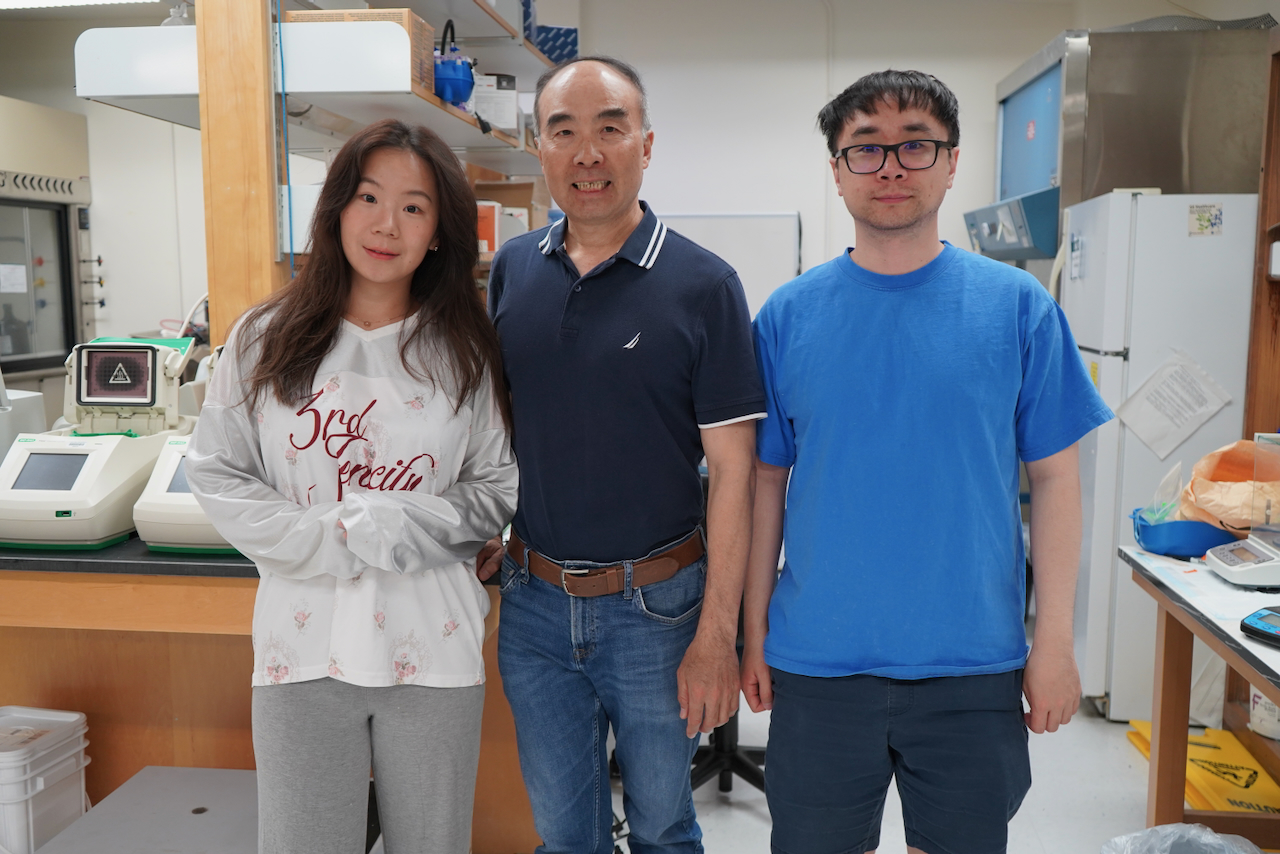
Students in the Cell and Molecular Biology MS program build a broad foundation in the biological sciences, with core coursework spanning areas like cell biology, molecular biology, physiology, and microbiology. Alongside this classroom training, students develop hands-on research design and methods skills through dedicated coursework in research methods and graduate communications. The program's emphasis on the cellular and molecular basis of life prepares students to apply these techniques to real medical, technological, and environmental challenges.
Research
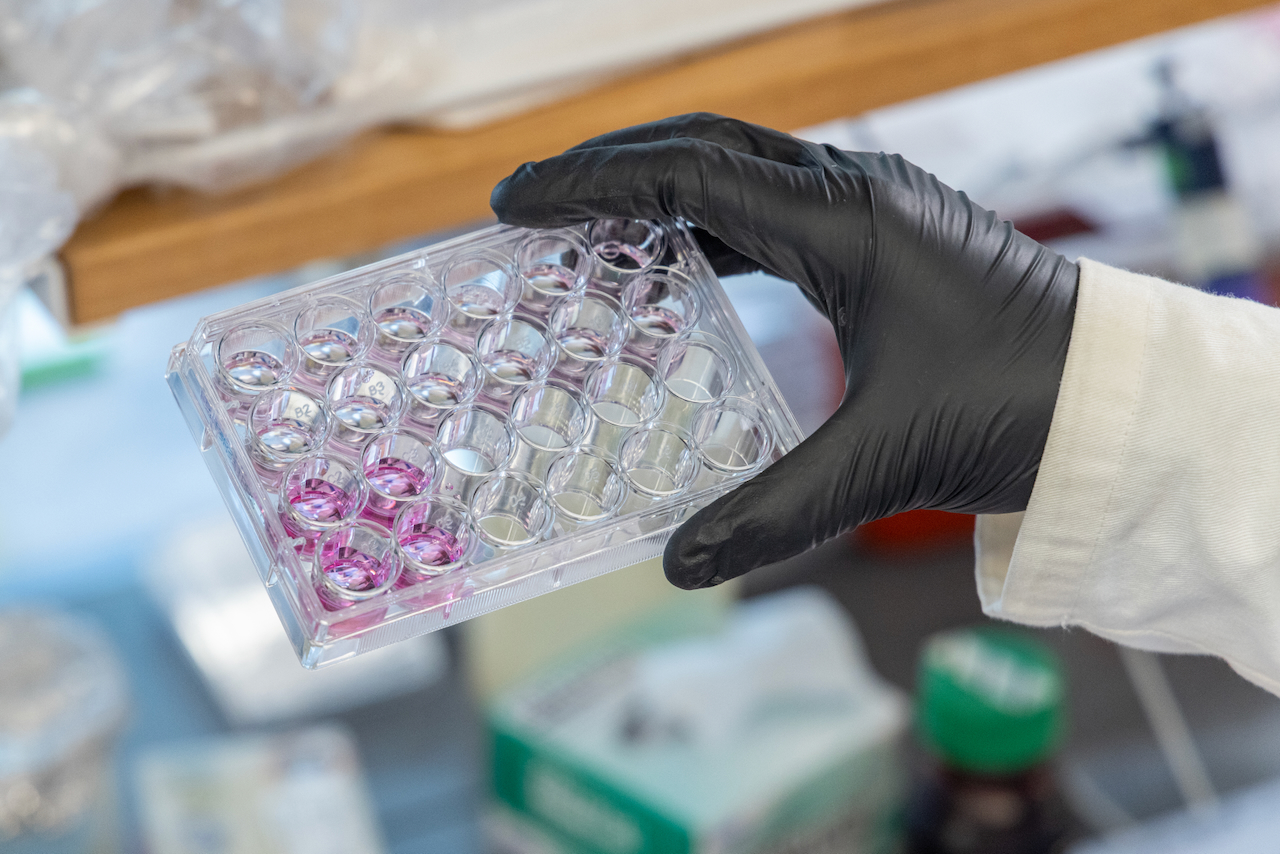
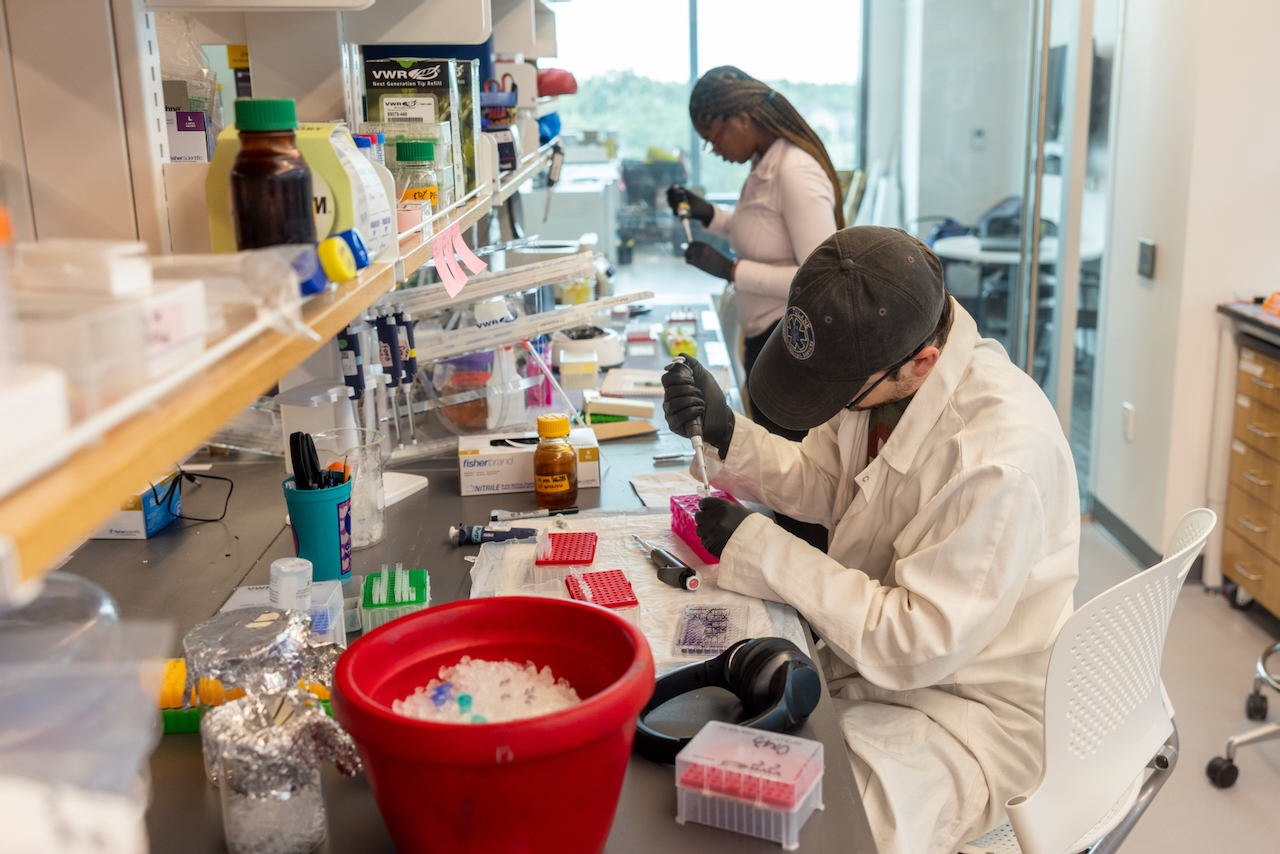
Research is central to the MS program, with students completing 12 credit hours of hands-on research training over the course of the two-year degree. The department has developed particular strengths in areas like developmental biology, regenerative medicine, and neuroscience, giving students the opportunity to work at the forefront of these fields. Students culminate their research experience with a written thesis in the format of a journal article, supported by a thesis committee, that reflects the program's emphasis on applying molecular techniques to real medical, technological, and environmental issues.
Meet Our Faculty
Faculty in the Cell and Molecular Biology department are deeply committed to research and teaching, with particular strengths in areas like developmental biology, regenerative medicine, and neuroscience. They create a learning environment that blends classroom instruction with hands-on laboratory experience, giving students in-depth exposure to the cellular and molecular basis of life. Through this close integration of teaching and research, faculty help prepare students for careers as future scientists and medical professionals in an ever-changing biomedical field.
Curriculum Requirements
The MS in Cell and Molecular Biology (Thesis Research) is a two-year, 36-credit-hour program with a minimum 3.0 cumulative GPA. Students complete 24 credit hours of coursework, including required courses in research methods and graduate communications plus a minimum of 6 core credits and 12 elective credits, alongside 12 credit hours of hands-on research. All students complete a written thesis in the format of a journal article, along with a seminar presentation, evaluated by a thesis committee.
Career Benefits and Pathways
Completing the MS program strengthens students' competitiveness for employment in the biotechnology industry, academic research positions, and acceptance to PhD programs. Graduates pursue roles such as research associate or laboratory scientist at biotech and pharmaceutical companies, research technician positions in academic or government labs, and further training in medical, dental, or other health professional programs. The strong grounding in research methods and hands-on lab experience also prepares graduates well for doctoral study in cell and molecular biology or related biomedical fields.

Learn more about the admissions process or apply now!
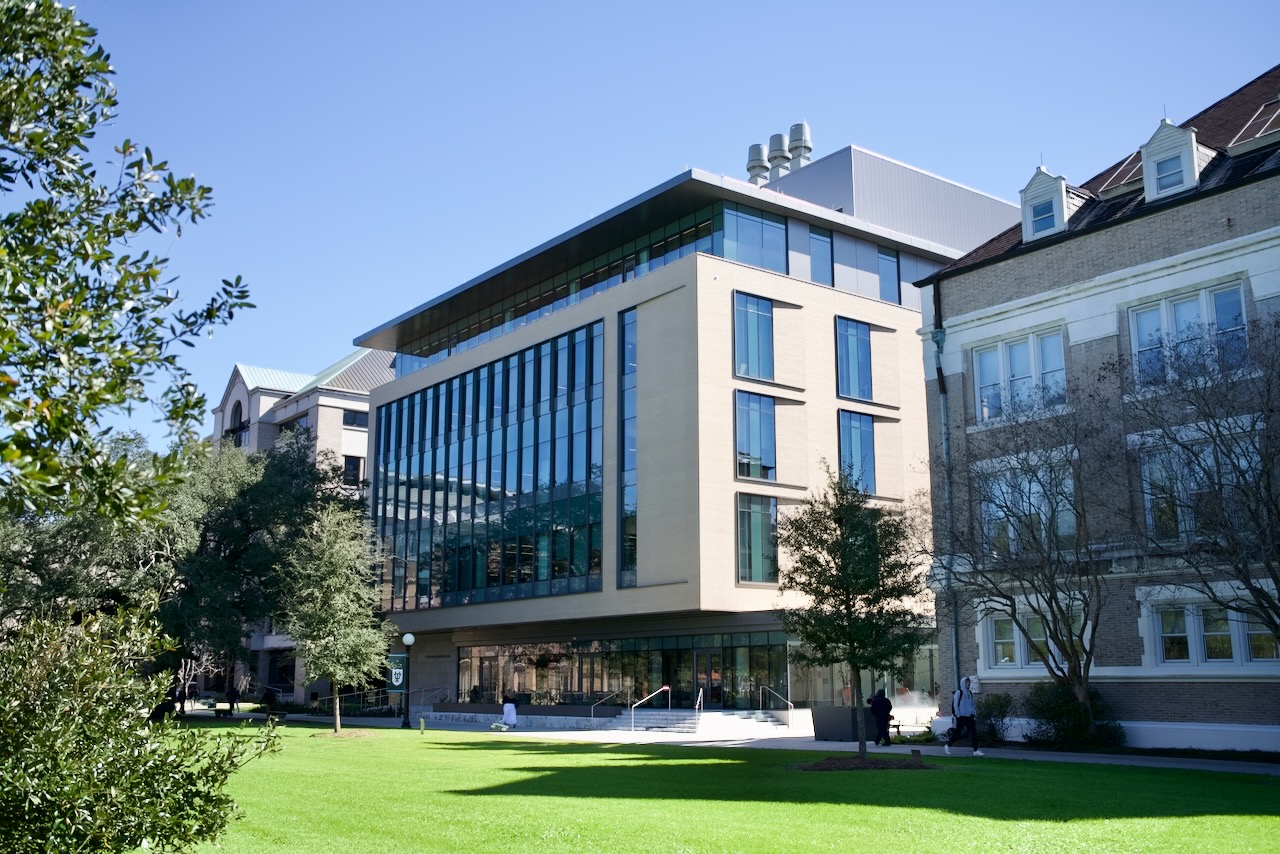
Find full tuition information and the financial aid process.
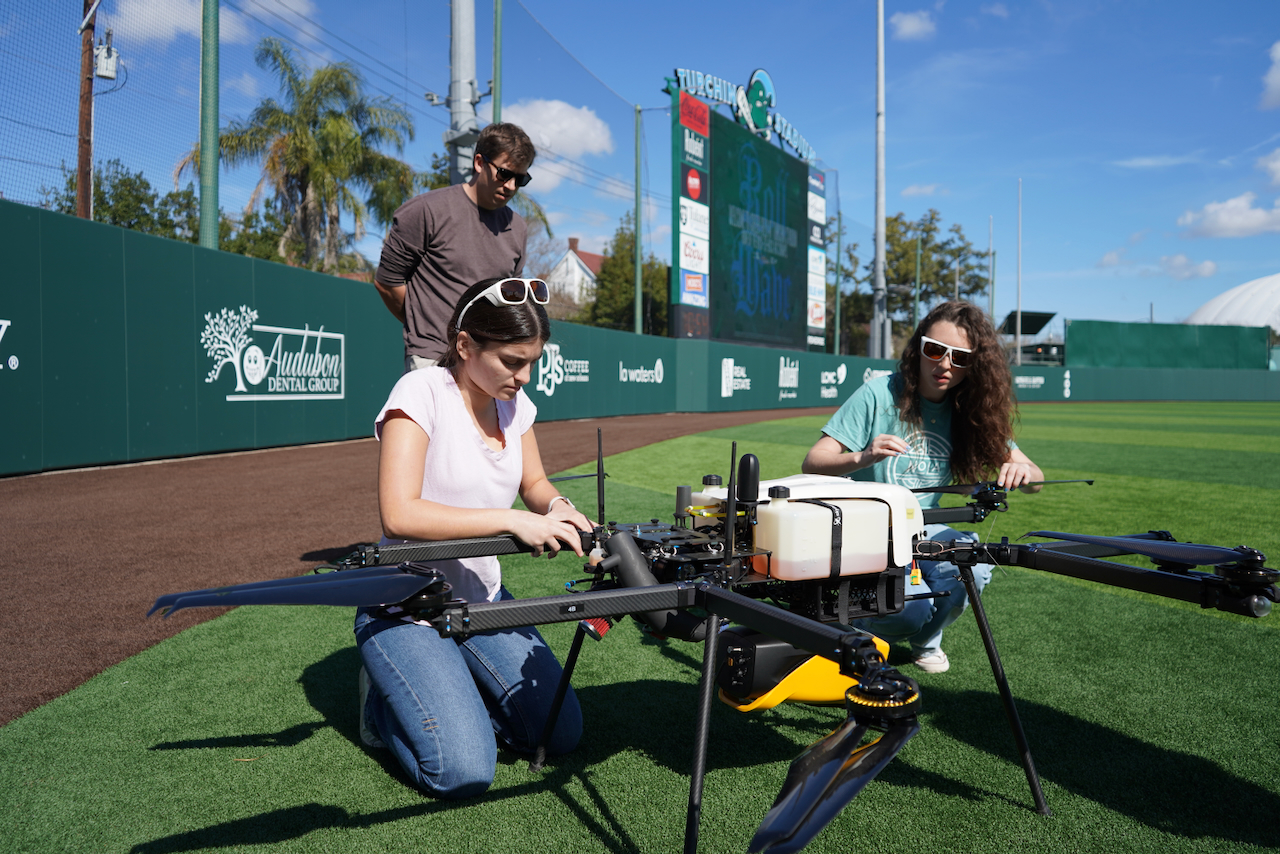
Get to know what makes this place a launchpad for the next generation of scientists and engineers.
FAQs
Cell and molecular biology is the study of the cellular and molecular basis of life, examining how cells function and interact at the molecular level. It applies this foundational knowledge to real-world medical, technological, and environmental challenges, from developmental biology and neuroscience to regenerative medicine.
Requirements for admission to our program are as follows:
-A Bachelor's Degree in any discipline
-Completed Chemistry and Biology or Cell Biology
-GPA of 3.0 or higher
-GRE, MCAT, DAT or OAT scores are optional
-Two letters of recommendation; it is preferred that both be in the field of science
-We accept students from a broad range of academic backgrounds; however, it is necessary for success in our program that students have taken general science courses and received a B or higher.
Applicants accepted have a 3.0 or higher.
GRE Institution Code: 6173; GRE Department Code: 0206 (Cell and Molecular Biology).
TOEFL Institution Code: 6173; TOEFL Department Code: 35 (Biology).
There are no scholarships or teaching assistantships available for this program.
No, all students are encouraged to apply to our program. See Admission Requirements.
Yes, however, such students will be required to complete the necessary prerequisites on their own time, outside of our program. We do not encourage taking any of these prerequisites while in our program due to the rigorous schedule.
You can self-report your MCAT and/or GRE, DAT or OAT scores in the spaces provided on the application. Please upload a copy of your scores with your application before clicking submit.
Yes. When you receive our offer of admission, you will be required to respond by the deadline given. If we do not receive your response by the specified date, you will forfeit your spot in the program. This is necessary due to the high number of qualified applications we receive and the limited number of spots available in the program.
Yes. We accept committee letters from all processing centers (Interfolio, University Pre-Health Professional offices, etc).
No, there is no maximum. However, the committee recommends around two pages in length.
The committee will begin reviewing complete applications in early February. Acceptances will be made on a rolling basis, and applicants who are waitlisted may receive an offer as late as early August. Applicants who are waitlisted may continue to submit updated transcripts and/or standardized test results.
As soon as you formally accept our offer and are processed in the University system (receive a Tulane email account) you can register. You will be contacted via email regarding course requirements and options prior to the start of the fall semester. Advisors will be available via email and phone if you have any questions regarding your schedule. There will be two mandatory core courses per semester and you will receive information regarding these courses via email. We make sure there are adequate spaces in the required courses for our MS students.
Yes, an orientation is held in August each year for our new students. You will be contacted by the Department of Cell and Molecular Biology via email shortly after acceptance with more information.
No. At the beginning of each semester, you will meet individually with the Directors of the program to go over their transcripts and come up with a personalized course plan. Seats are reserved for MS students so there is no need to register prior to your arrival. You will be contacted in August by the Cell and Molecular Biology Department with information regarding this meeting and other aspects of orientation.
The Master's program follows the same academic calendar as the undergraduates at Tulane. You can look over the calendar here.
Yes, it is strongly encouraged that you do apply while in the program.
No, students must start each fall semester.
Contact Us
Ilianna H. Kwaske, Ph.D.
Associate Dean for MS Programs & Professional Education
ikwaske@tulane.edu
Sarah Berry
Director of MS and Certificate Programs
smccarty@tulane.edu
Rosie Chavez
Director of Graduate Programs
rchavez@tulane.edu
By Phone
504-865-5546
By Email
Shana Johnson, Operations Manager: shana@tulane.edu
Laura Schrader, Department Chair: schrader@tulane.edu
Dr. James "Jim" Cronin, Program Director: cronin@tulane.edu