
Department of
Computer Science
Computing at the crossroads of science, society, and the humanities.
The Department of Computer Science at Tulane builds on a strong foundation in core computing while reaching into the sciences, engineering, health, the social sciences, and the humanities. Our faculty pursue nationally and internationally recognized research in areas such as artificial intelligence, machine learning, algorithms, computer vision, data science, and privacy and security, supported by agencies including NSF, NIH, DARPA, and DoD. Students learn alongside these researchers and carry that interdisciplinary perspective into industry and top PhD programs, with alumni earning honors that include Tulane’s Peery Medal and Google and Facebook PhD Fellowships. In New Orleans, we’re training the next generation of computer scientists to work wherever computing meets another field.


Computer Science in the Spotlight


FAQs
Computer science is the study of computational systems — spanning everything from computational thinking and algorithms to computer systems, networks, machine learning, and artificial intelligence. It's a field that shapes nearly every industry today, making CS training valuable both as a direct career path and as a foundation for graduate study.
You can pursue a Bachelor of Science in Computer Science, combine CS with another discipline through the interdisciplinary coordinate major, explore the Artificial Intelligence minor, or build foundational skills through the Computer Science certificate. Your path can reflect how deeply you want to study computing and how it connects with your other interests.
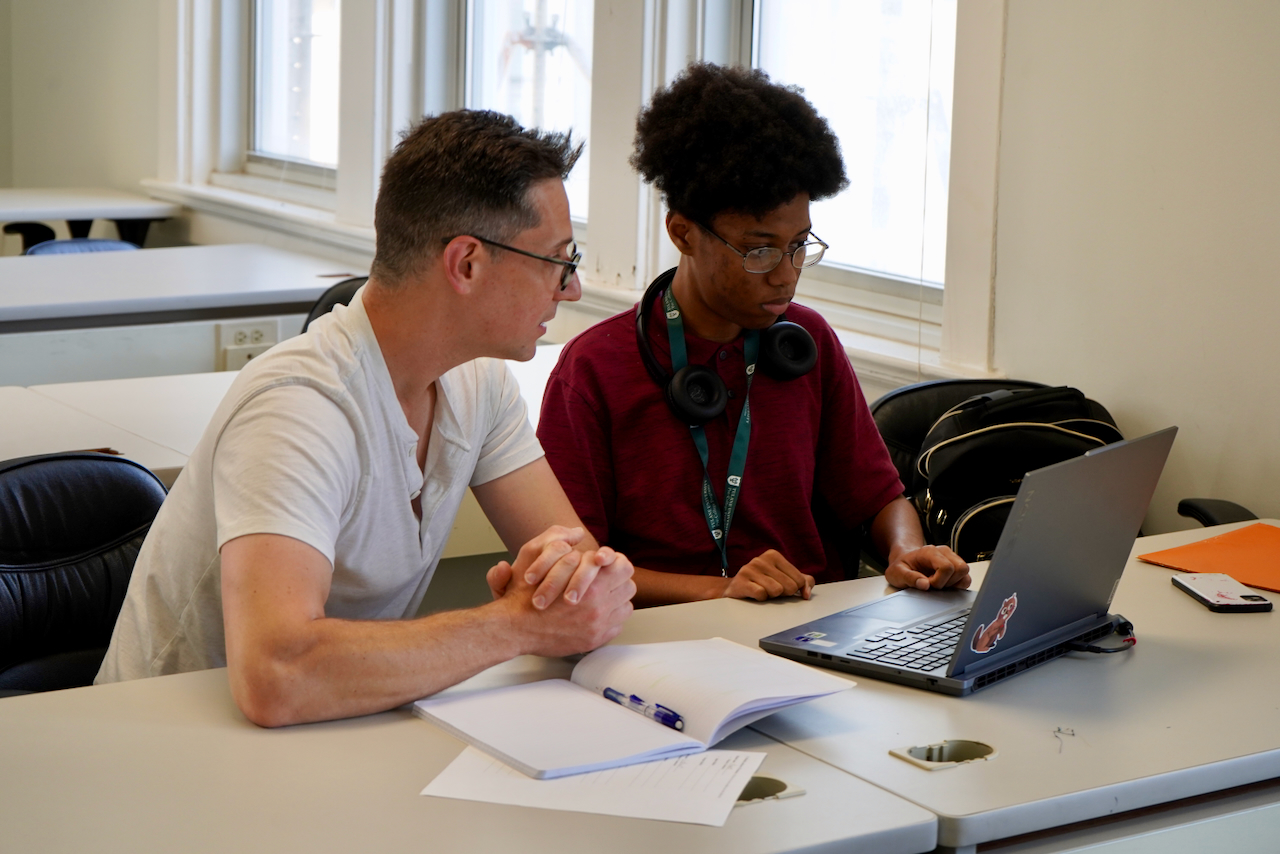
No previous computer science experience is required to begin the undergraduate major. Introductory courses build your foundation, and the department offers help sessions to support students as they learn.
Yes. The Computer Science Interdisciplinary Coordinate Major is designed to complement a primary major in any undergraduate discipline at Tulane. You’ll develop computing skills you can bring to questions in your chosen field, whether that’s business, the sciences, the liberal arts, or another area.
The Computer Science certificate offers a smaller starting point, with a minimum of four courses that introduce computing fundamentals and let you explore your interests. It complements your undergraduate degree and can help you decide whether to pursue a CS major.
Yes. Tulane’s Artificial Intelligence minor introduces the foundations of AI and machine learning, with electives in areas such as natural language processing, computer vision, and data visualization. You’ll build the technical understanding needed to design and implement AI systems, with prerequisite coursework preparing you for the minor.
You’ll explore how computers solve problems, how algorithms work, and how computer systems and networks operate. The Bachelor of Science also includes advanced electives and a capstone requirement, preparing students for computing careers and further study.
Tulane offers an on-campus MS in Computer Science, an online MS in Computer Science, and a PhD in Computer Science. The department also jointly offers an MS in Data Science with the Department of Mathematics, combining mathematical and statistical foundations with computing and applied analysis.
Yes. Tulane’s online MS in Computer Science combines live evening classes with coursework completed on your own schedule, allowing you to pursue graduate study without relocating. Classes of no more than 15 students encourage direct interaction with faculty and classmates, while seven electives let you shape your studies around your professional interests. You can focus on an area such as artificial intelligence or data science, or explore courses across specialties.
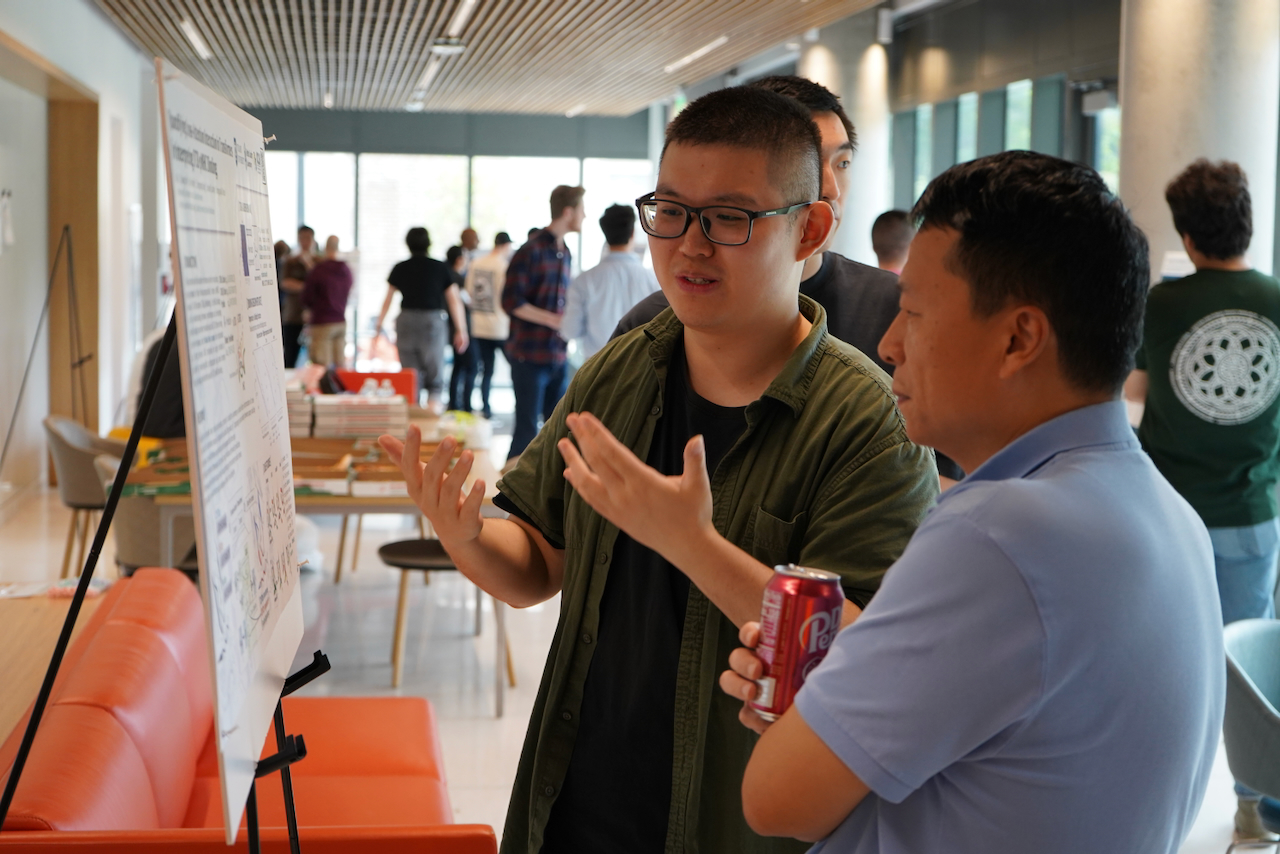
Graduate students have several research pathways. Computer Science MS students pursuing a thesis investigate a topic with a faculty advisor, while Data Science MS students can explore independent study and collaborative faculty projects. PhD students begin research early in the program and develop original work leading to a dissertation.
Yes. Eligible Tulane undergraduates can pursue a 4+1 pathway in Computer Science or Data Science, earning a master’s with one additional year of study. These pathways allow approved graduate courses to count toward both degrees, with program-specific admission and academic requirements.
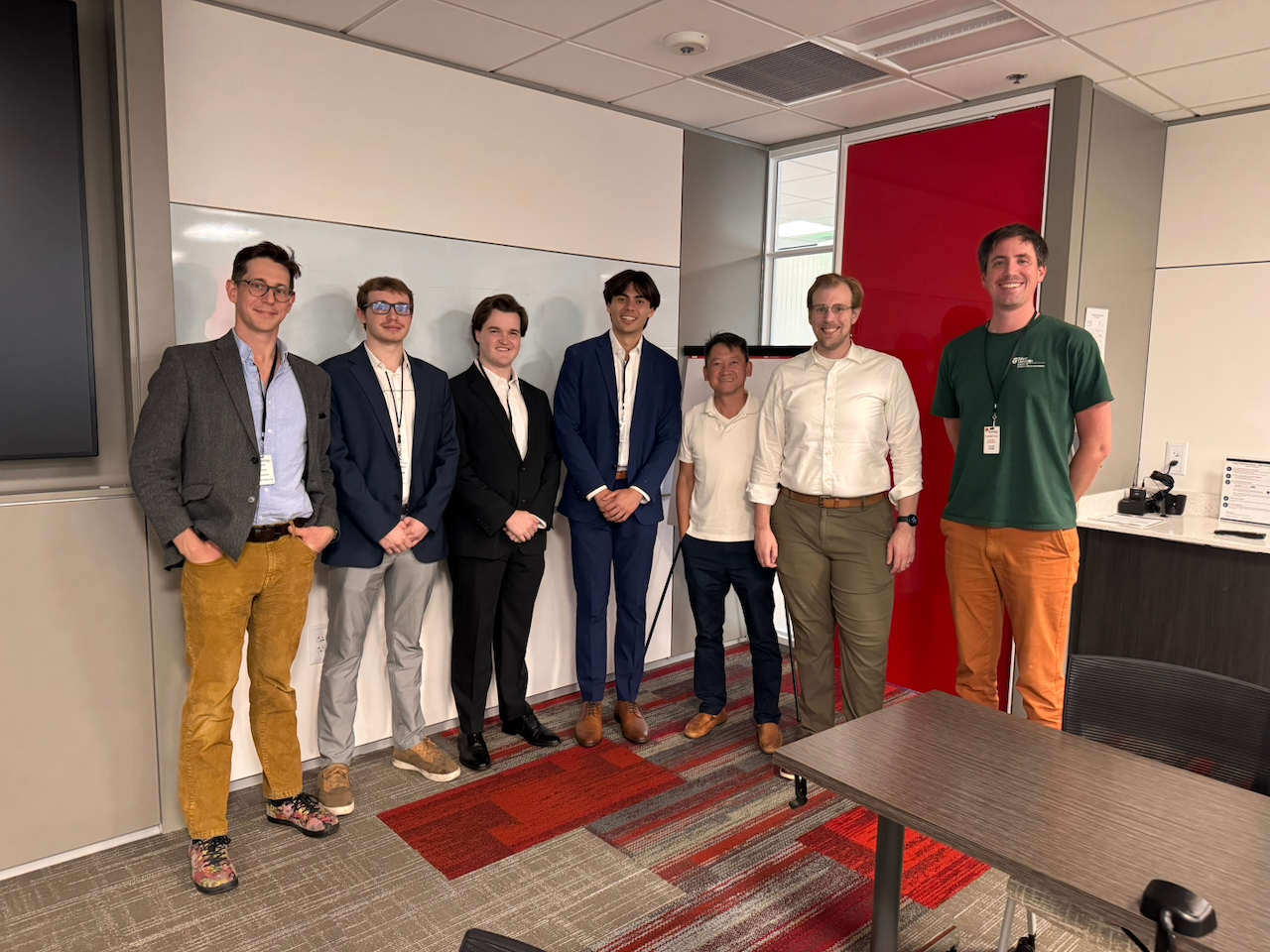
Student projects can move from classroom concepts to systems used in the community. Through a multiyear capstone effort, Tulane computer science and engineering students developed an environmental sensor network that collects soil moisture, temperature, humidity, and light data in New Orleans. Working with faculty and city partners, students refined the hardware, software, and live dashboard, while collaborators explored potential applications in rainforest restoration research in Ecuador. The project brings together programming, hardware integration, teamwork, and the challenge of making technology work reliably beyond campus.
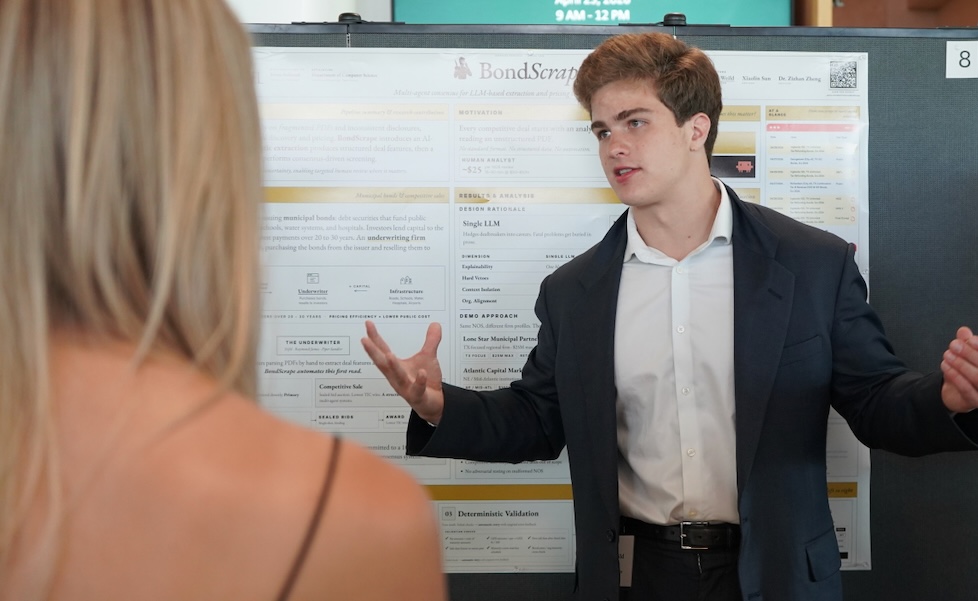
Projects give students something concrete to demonstrate to potential employers: how they identify a problem, develop a solution, and explain its value. Tulane computer science graduate Jack Zemke’s work on a team-built AI search tool helped him connect with a civil engineering firm while presenting at an engineering conference. That connection led to a job helping the firm adopt AI, followed by a position at an AI technology startup. His experience shows how computing skills can open opportunities across industries.
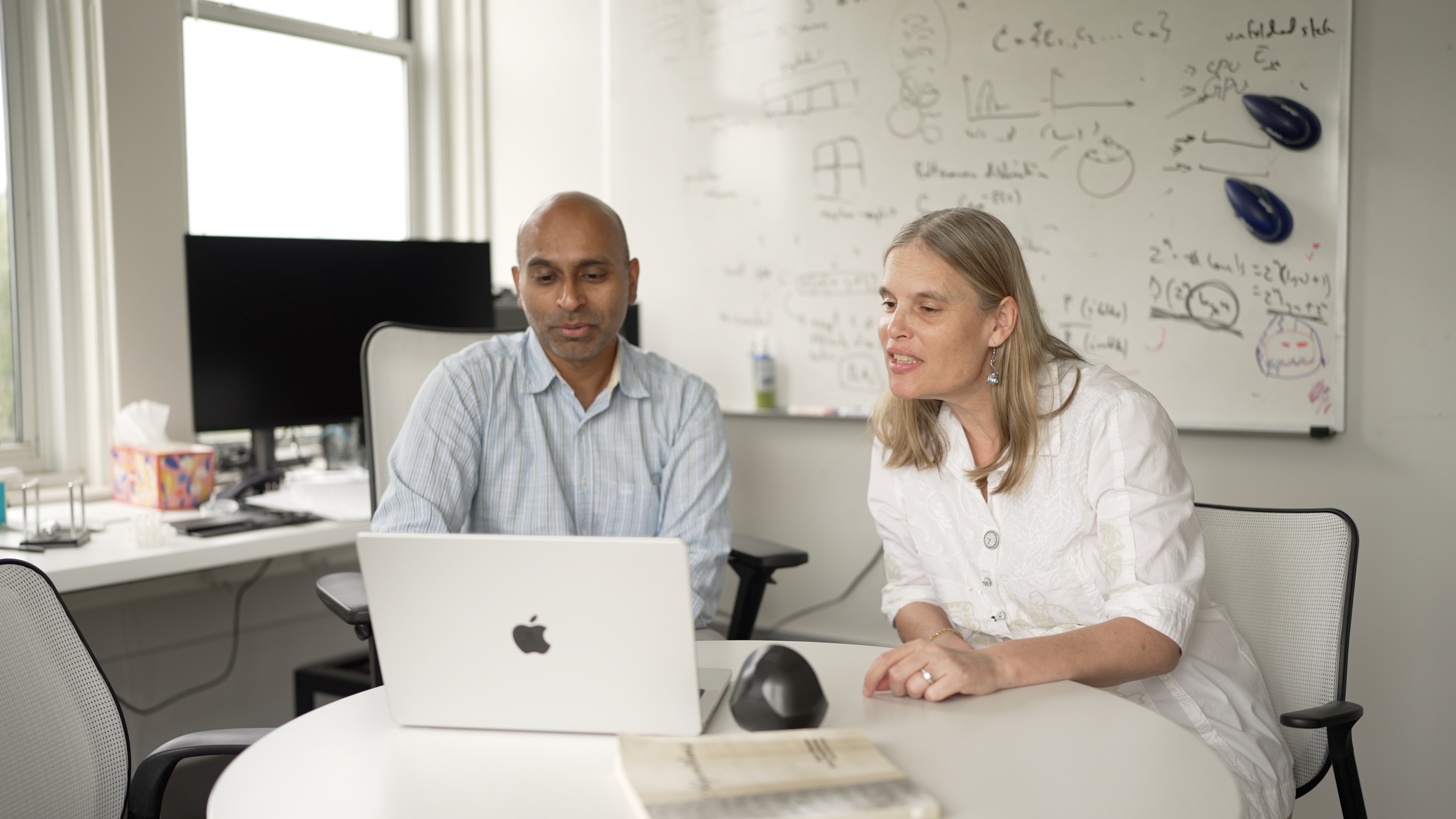
Faculty research spans artificial intelligence, quantum computing, and computing’s connections with other scientific disciplines. Jiyuan Wang is developing approaches to help multiple users share quantum hardware more efficiently, addressing long waits for access to scarce machines. Aron Culotta is collaborating with researchers in physics and chemistry on a federally funded project using AI to accelerate the discovery of new superconducting materials. These efforts address both how computing systems work and how they can help scientists investigate difficult questions.
Questions about how AI makes decisions, and how people can evaluate those decisions, are central to research at Tulane. Supported by two National Science Foundation awards, Zhengming Ding is developing methods to make AI more understandable and reliable, including applications in brain imaging. Nicholas Mattei’s NSF CAREER-supported research examines how AI can help people make group decisions, such as voting and allocating resources, while preserving human oversight. Together, these projects explore the technical and human dimensions of building AI people can use responsibly.
“I want to take what I’ve learned and actually use it to create value... You have to find your niche. It’s not about being the best. It’s about finding an area where your combination of skills is distinct and actually useful.”
Contact Us
Mailing Address
6823 St. Charles Ave.
Tulane University
Department of Computer Science
303 Stanley Thomas Hall
New Orleans, LA 70118
Telephone
504-865-5785
Lu Peng
Interim Chair of the Department of Computer Science
lpeng3@tulane.edu
Stanley Thomas Hall, Room 303F
Aaron Maus
Undergraduate Coordinator
amaus@tulane.edu
Stanley Thomas Hall, Room 305C
Ram Mettu
Graduate Program Director
cs-grad@tulane.edu
Stanley Thomas Hall, Room 303E
Maddie Nelson
Graduate Program Manager
mnelson10@tulane.edu
Stanley Thomas Hall, Room 305A
Monica Rougelot
Operations Manager
mrougelot@tulane.edu
Stanley Thomas Hall, Room 303
Debbie Ramil
Department Administrator II
dramil1@tulane.edu
Stanley Thomas Hall, Room 314