
Master's Degree in Ecology and Evolutionary Biology
Master's Degree in Ecology and Evolutionary Biology
The Department of Ecology and Evolutionary Biology offers the Master of Science degree in both a Thesis and Non-Thesis model (see degree requirements for detail.) The curriculum is designed to encourage maximum student choice and independence while maintaining a close student-advisor relationship. Students are encouraged to adopt a broad, integrative view of science and biological research. Course offerings cover such areas as animal and plant physiology, plant ecology, plant-animal interactions, population biology, structural and evolutionary biology, systematic biology, environmental toxicology, marine/estuarine ecology, and the biology of diverse groups of plants and animals. Students participate in an active departmental seminar program and informal research discussion groups.
Achieving our scientific mission is predicated on fostering an environment that provides opportunities for achieving academic excellence to all. We embrace proactive policies including ongoing training, communication about funding opportunities, and equal-opportunity hiring and recruiting practices. Our efforts are integral to the success of the EEB department, the School of Science and Engineering, and Tulane University, and to our various academic disciplines.
ApplyRequest InformationDepartment of Ecology and Evolutionary Biology
4+1 Accelerated Master's Program
Current Tulane undergraduate students can earn this M.S. degree with just one additional year of study. This accelerated program allows you to count graduate-level courses toward both your B.S. and M.S. degrees, providing a fast track to an advanced credential.

What You'll Learn
In this program, you'll develop expertise in ecology and evolutionary biology through a curriculum designed to foster broad, integrative understanding of biological research and natural systems. You'll explore diverse course offerings spanning animal and plant physiology, plant ecology, plant-animal interactions, population biology, structural and evolutionary biology, systematic biology, environmental toxicology, and marine/estuarine ecology. Beyond coursework, you'll gain hands-on research experience through access to world-class facilities including state-of-the-art electron microscopes, greenhouses, aquatic culture facilities, and museum collections of millions of specimens—among the most significant in the United States. Whether pursuing thesis or non-thesis tracks, you'll develop the analytical, field, and laboratory skills essential for careers in ecology, conservation, research, and environmental science, while participating in an active departmental seminar program and research discussion groups.
Research
Research is central to the Ecology and Evolutionary Biology MS program, with exceptional facilities and field opportunities supporting diverse investigations. Students have access to world-class research infrastructure including state-of-the-art transmission and scanning electron microscopes, greenhouses, aquatic culture facilities, and museum collections of millions of plant and animal specimens—among the most significant in the United States. Field study opportunities are excellent, with access to the Tulane University Biodiversity Research Institute (TUBRI), Jean Lafitte National Historical Park, the Crosby Arboretum, and marine research facilities at Cocodrie, Louisiana. Many students also participate in international research through the Organization for Tropical Studies in Costa Rica or the TIERA program in Ecuador, gaining hands-on experience in tropical ecology and conservation. Whether conducting systematic biology, functional morphology, population ecology, or conservation research, students develop the investigative skills and scientific knowledge essential for careers in ecological research and conservation.
Meet Our Faculty
Our ecology and evolutionary biology faculty are accomplished researchers and mentors dedicated to fostering scientific excellence and integrative thinking in biological research. With expertise spanning animal and plant physiology, population biology, systematic biology, marine ecology, evolutionary biology, and conservation science, faculty members are actively engaged in research addressing critical ecological and evolutionary questions. The department maintains a close student-advisor relationship while encouraging maximum student choice and independence in designing your research and coursework. Faculty provide mentorship through an active departmental seminar program, informal research discussion groups, and collaborative research projects, creating a supportive environment where you'll develop as a scientist while contributing to meaningful ecological and evolutionary research.
Curriculum Requirements
The Ecology and Evolutionary Biology MS program offers both thesis and non-thesis tracks, allowing you to tailor your degree to your career goals and interests. The curriculum is designed to encourage broad, integrative understanding of biological research while maintaining flexibility in course selection and research focus. Thesis students typically complete their degree in two years, conducting original research that contributes new knowledge to ecology and evolutionary biology. Non-thesis students complete their degree through coursework and may include applied projects or internships. All students participate in departmental seminars and research discussion groups, ensuring engagement with the broader scientific community. Your advisor will work closely with you to design a personalized plan of study aligned with your academic interests and career aspirations.
Career Benefits and Pathways
Graduates with a master's in ecology and evolutionary biology are prepared for diverse careers in conservation, research, environmental management, and related fields. Specific roles include conservation biologist, field ecologist, environmental consultant, wildlife biologist, research scientist, environmental educator, and sustainability specialist at government agencies, nonprofits, universities, consulting firms, and private industry. The program's emphasis on both field and laboratory research, combined with access to exceptional research facilities and field sites, prepares graduates for positions in biodiversity conservation, ecosystem management, environmental impact assessment, and ecological research. Many graduates pursue doctoral study or positions at research institutions, universities, and conservation organizations, contributing to our understanding of ecological systems and species conservation in an era of rapid environmental change.

Learn more about the admissions process or apply now!
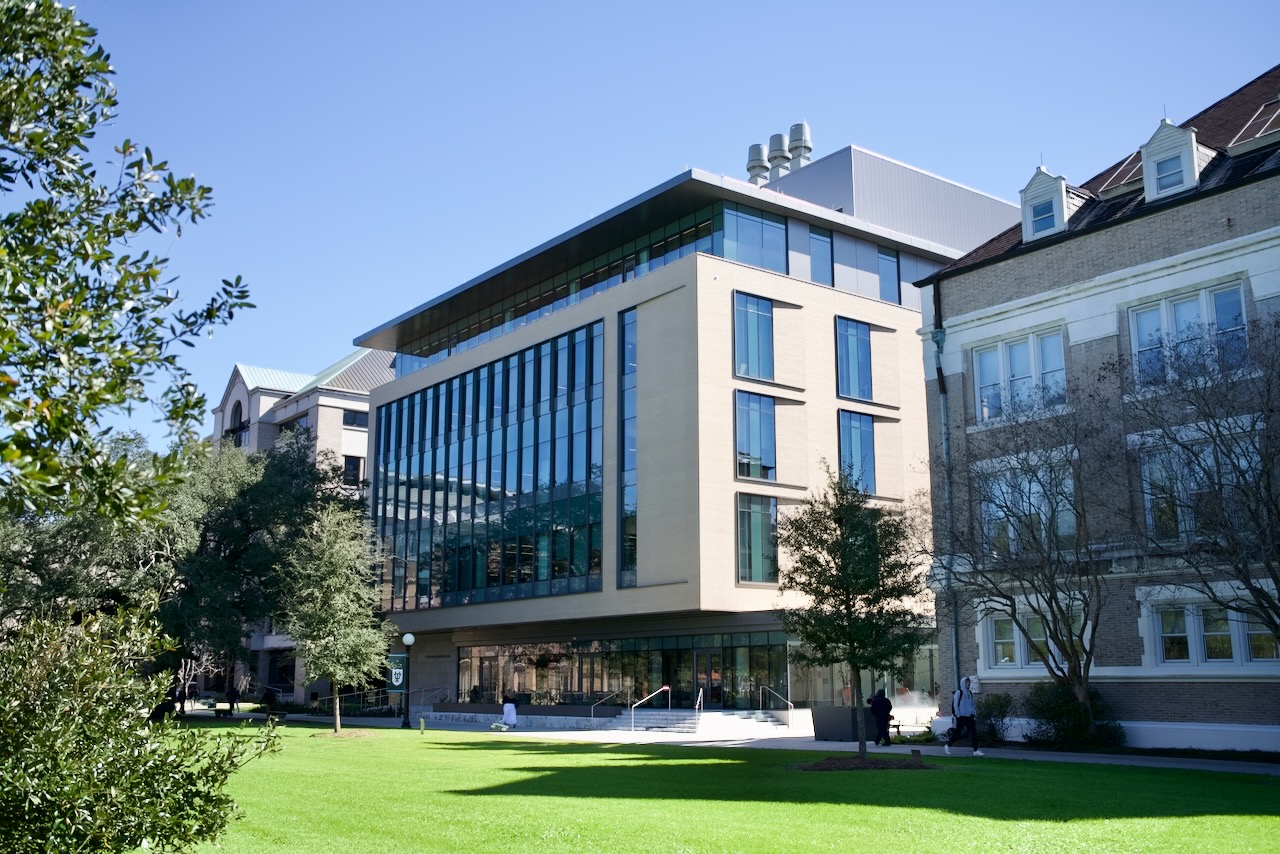
Find full tuition information and the financial aid process.
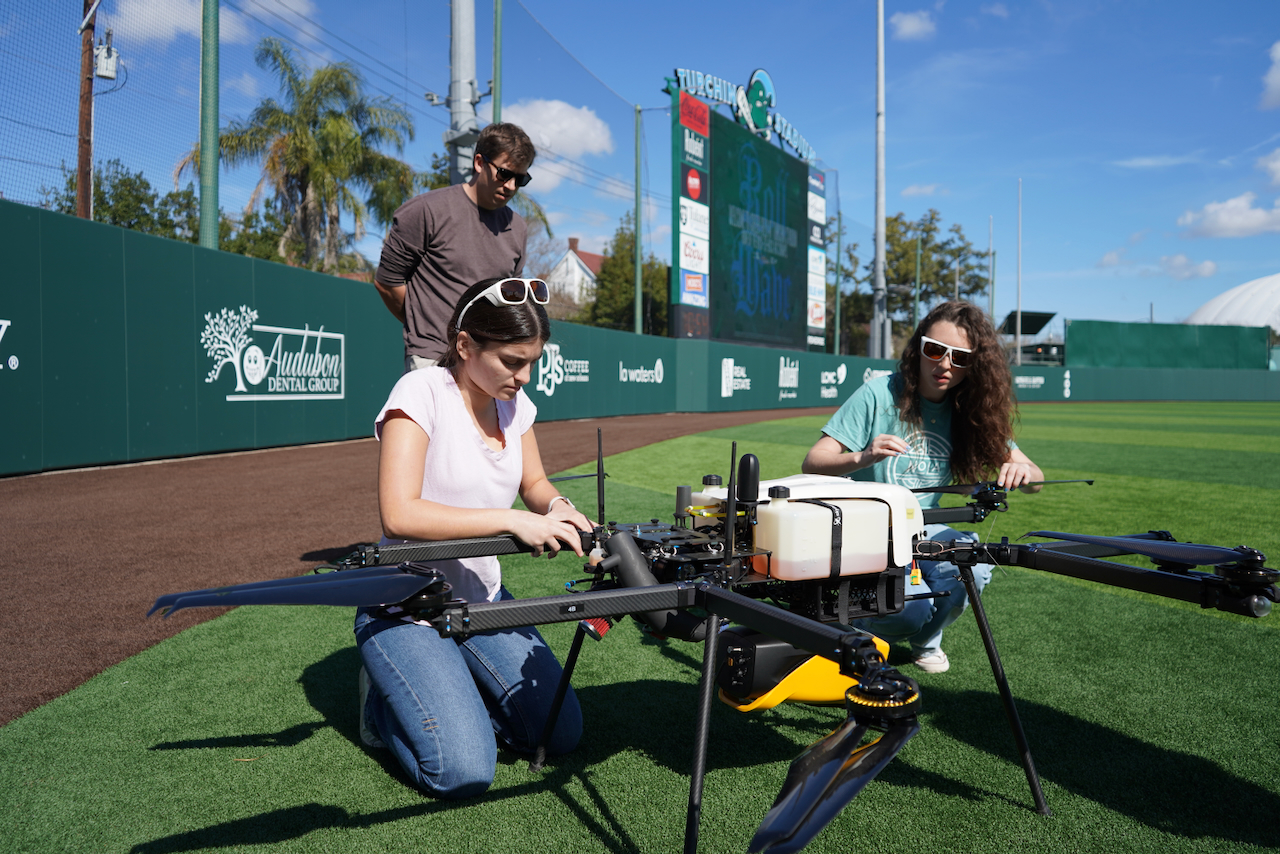
Get to know what makes this place a launchpad for the next generation of scientists and engineers.
FAQs
Ecology and evolutionary biology is the study of how organisms interact with each other and their environments, and how species change and adapt over time through evolutionary processes. It integrates understanding of population dynamics, community interactions, ecosystem functions, and the mechanisms of evolution to address fundamental questions about biodiversity, adaptation, and the sustainability of natural systems.
Most students are admitted without qualifications; however, provisional and probationary admissions are offered in some rare cases. Provisional admission may be granted to students who have not completed all application requirements. Probationary admission may be granted conditionally with requirements the applicant must fulfill in the first semester or year of graduate enrollment in order to have the probationary non-degree status changed to regular degree status.
Special (non-degree) students may take a maximum total of nine semester hours without planning to pursue a graduate degree. Special students may reapply to the Graduate Studies Program in the School of Science and Engineering for admission into a regular degree program.
The Department of Ecology and Evolutionary Biology (EEB) offers three advanced degrees: the Thesis Master of Science, the Non-thesis Master of Science, and the Doctor of Philosophy. Students admitted into the graduate program to pursue a Doctor of Philosophy degree ordinarily enter the program with financial support and a tuition waiver. Students admitted to pursue a Master of Science degree usually must obtain independent financial support for tuition.
Most students are admitted without qualifications; however, provisional and probationary admissions are offered in some rare cases. Provisional admission may be granted to students who have not completed all application requirements. Probationary admission may be granted conditionally with requirements the applicant must fulfill in the first semester or year of graduate enrollment in order to have the probationary non-degree status changed to regular degree status.
Special (non-degree) students may take a maximum total of nine semester hours without planning to pursue a graduate degree. Special students may reapply to the Graduate Studies Program in the School of Science and Engineering for admission into a regular degree program.
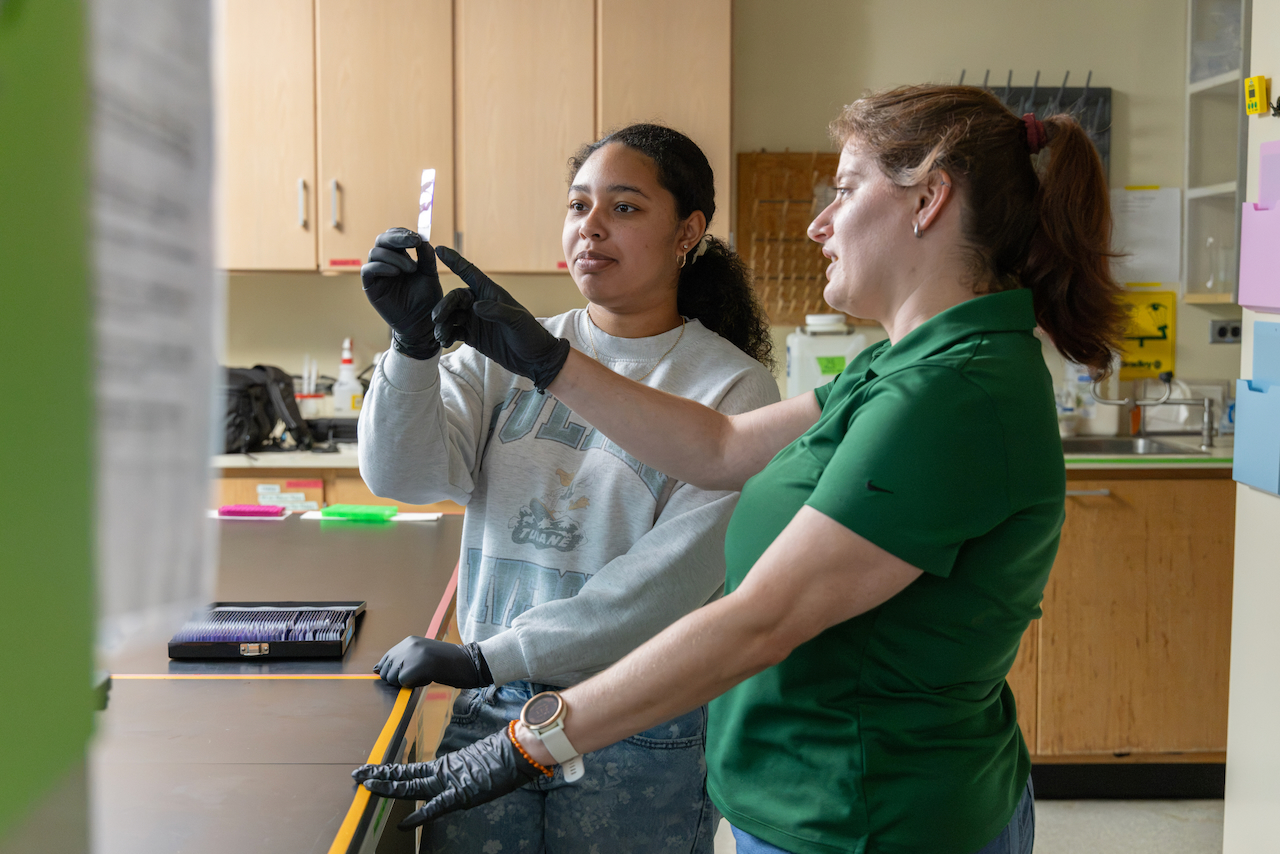
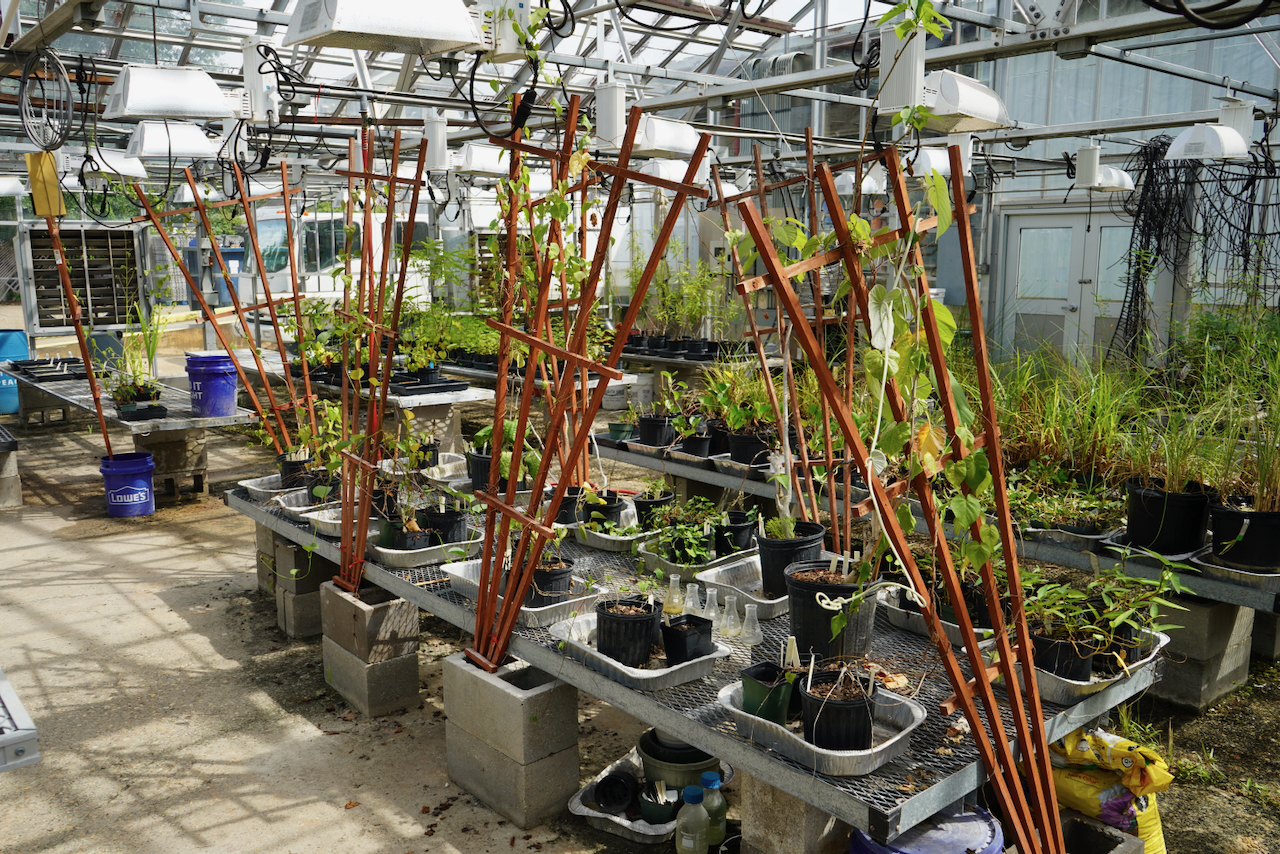
Research facilities and opportunities in the Department are excellent. Students and faculty researchers have access to a centralized instrumentation facility that includes state-of-the-art transmission and scanning electron microscopes and extensive facilities located in the adjacent Center for Bioenvironmental Research. Other facilities include a greenhouse, growth chambers, facilities for culture of aquatic organisms, and several field vehicles.
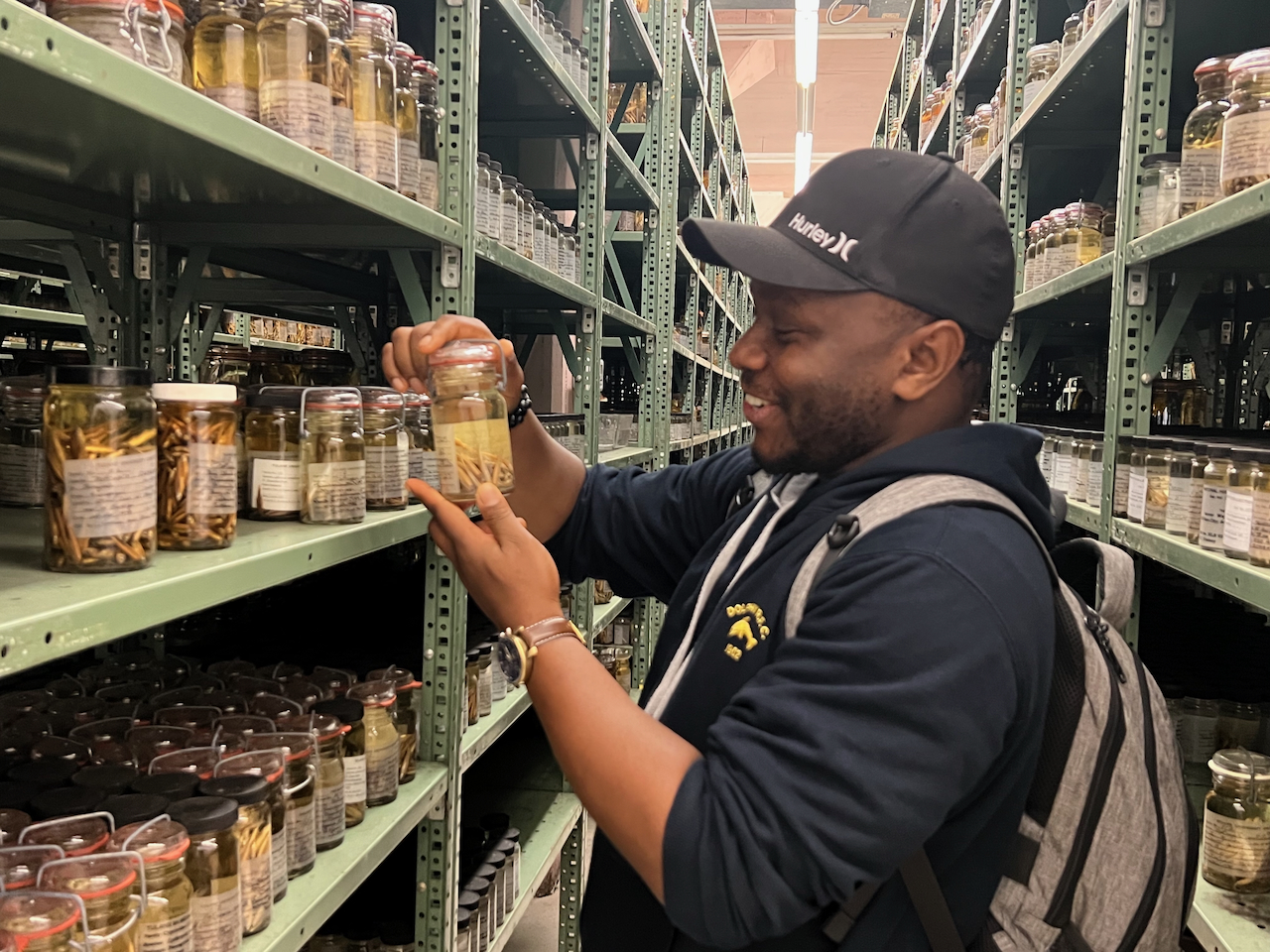
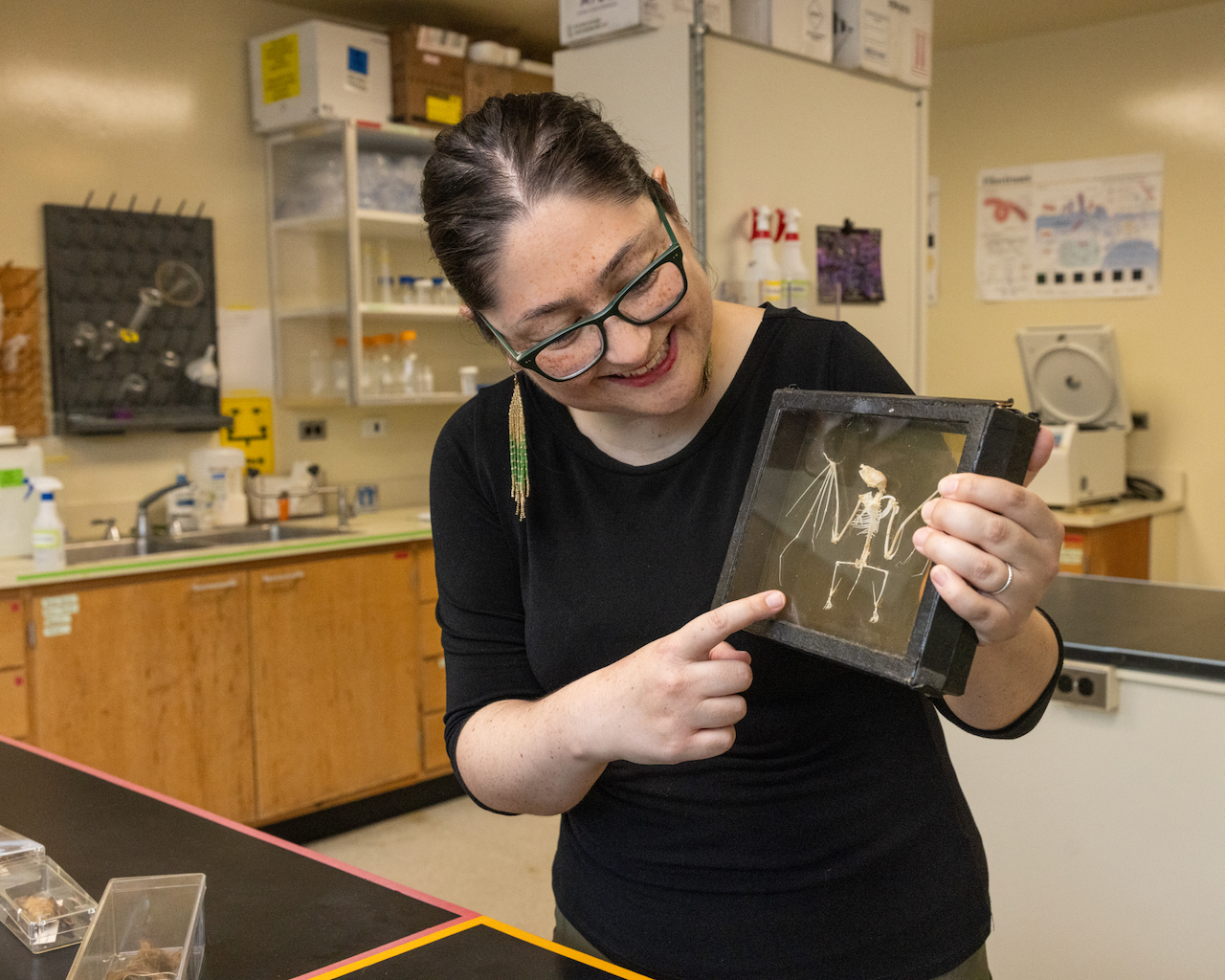
The university maintains large museum collections of plant and animal specimens, especially of fishes (six million specimens), mammals (6,300 specimens), amphibians and reptiles (60,000 specimens). These collections are recognized as among the most significant in the United States and form the basis of diverse research in systematic biology, functional morphology, and ecology. The university's nine libraries house roughly two million volumes and receive 15,000 serials, most of which are located in the Howard-Tilton Memorial Library. Additional local library resources include those of the Tulane Medical Center, the Southern Forest Experiment Station (USDA), Loyola University, and the University of New Orleans.
Opportunities for field study are excellent, both in the Gulf Coast area and in the tropics, and many graduate courses include a field component. The Tulane University Biodiversity Research Institute (TUBRI), located in Belle Chasse, just 10 miles from the main campus, are part of a 500-acre research station supporting ecological research and teaching. Other sites available for graduate research include the Jean Lafitte National Historical Park in Lafitte, Louisiana and the Crosby Arboretum in Picayune, Mississippi. Tulane is an associate member of the Louisiana Universities Marine Consortium, which operates a modern marine research laboratory at Cocodrie, Louisiana, where summer graduate-level courses are regularly offered. In addition, the University is a member of the Organization for Tropical Studies (OTS) and Tulane graduate students regularly participate in OTS courses in Costa Rica. Many students work in the Choco region of Ecuador as part of the TIERA program. TIERA is a collaboration between Tulane University and the Foundation for the Conservation of the Tropical Andes (FCAT), an Ecuadorian NGO. The program combines on-campus activities with immersion in an award-winning, community-engaged research experience at a safe, modern “learning laboratory” in Ecuador where students gain hands-on experience and develop environmental leadership skills.
Students in any Master's program must petition the Graduate Studies Committee for admission into the EEB doctoral program, and a member of the EEB faculty must be willing to serve as the student's doctoral dissertation advisor.
Annual Report and Progress
All graduate students who have been enrolled in the EEB Department for at least one semester must submit an annual report that briefly describes progress made during the previous calendar year (see Graduate Student Annual Report Form). Copies of this report must be submitted by April 15th to the student's thesis or dissertation advisor and to the departmental secretary for faculty review and placement in the student's departmental file. The Graduate Studies Committee and departmental faculty will review the annual reports to determine whether each student's progress has been satisfactory. Continued unsatisfactory progress is sufficient cause to revoke a teaching assistantship or terminate a student from the graduate program.
Continuing Registration
A student admitted to the Graduate Studies Program in the School of Science and Engineering in a degree program must maintain continuous registration until the degree is awarded. Graduate students must be continuously registered until the degree is awarded, including the semester in which the degree is awarded. For information on what constitutes continuous enrollment before and after candidacy, see the SSE Graduate Handbook (pg. 17). Students who have completed all required coursework or who must temporarily interrupt their program of study are required to register for Master's Research (EBIO 9980) or Dissertation Research (EBIO 9990) for no credit in order to maintain continuous registration. Students of both resident and nonresident status must register each semester, including the Summer Session. Students in residence who are not receiving a university stipend and who have not completed the minimum course requirement for the degree must enroll for a minimum of three semester hours each semester or alternatively for Master's or Dissertation Research in order to maintain continuous registration. Consult the Graduate Bulletin for regulations. The maximum tenure for Master's students is five years, and for doctoral students it is seven years. Students exceeding these limits must petition the Graduate Studies Committee for an extension in order to continue their enrollment in the program. The entire dissertation committee must ratify the extension.
Foreign Language
Ordinarily there is no foreign language requirement for the graduate degree programs, but a student's dissertation committee may require demonstration of proficiency in one or more languages. Any such language requirement must be fulfilled prior to the qualifying examination for the Ph.D. degree.
Exceptions
Students must petition the Graduate Studies Committee on an individual basis for exceptions to these procedures.
Contact Us
Ilianna H. Kwaske, Ph.D.
Associate Dean for MS Programs & Professional Education
ikwaske@tulane.edu
Sarah Berry
Director of MS and Certificate Programs
smccarty@tulane.edu
Rosie Chavez
Director of Graduate Programs
rchavez@tulane.edu
Department of Ecology & Evolutionary Biology
6823 St. Charles Avenue
Lindy Boggs Building, Room 400
Phone
(504) 865-5191
Email
eebiol@tulane.edu