
Electrical Engineering Undergraduate Major
Electrical Engineering Undergraduate Major
Available Fall 2027
The Bachelor of Science in Engineering (BSE) in Electrical Engineering at Tulane University provides students with a rigorous foundation in the analysis, design, testing, and development of electrical, electronic, optical, computational, and quantum systems. The program integrates engineering science, laboratory experimentation, computational methods, and sustained hands-on design experiences to prepare graduates for professional engineering practice, graduate study, and emerging technology fields.
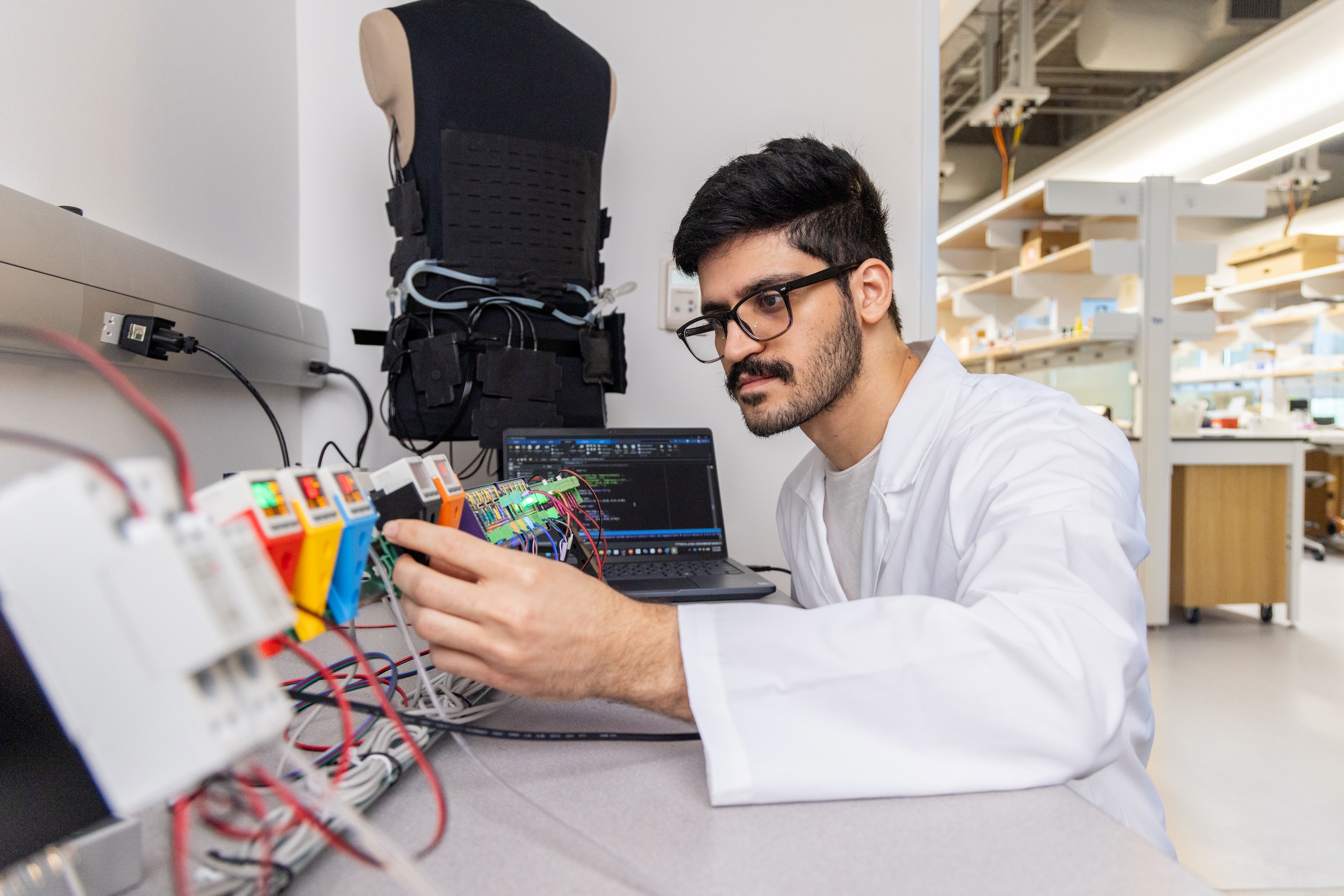
One Major, Four Depth Areas
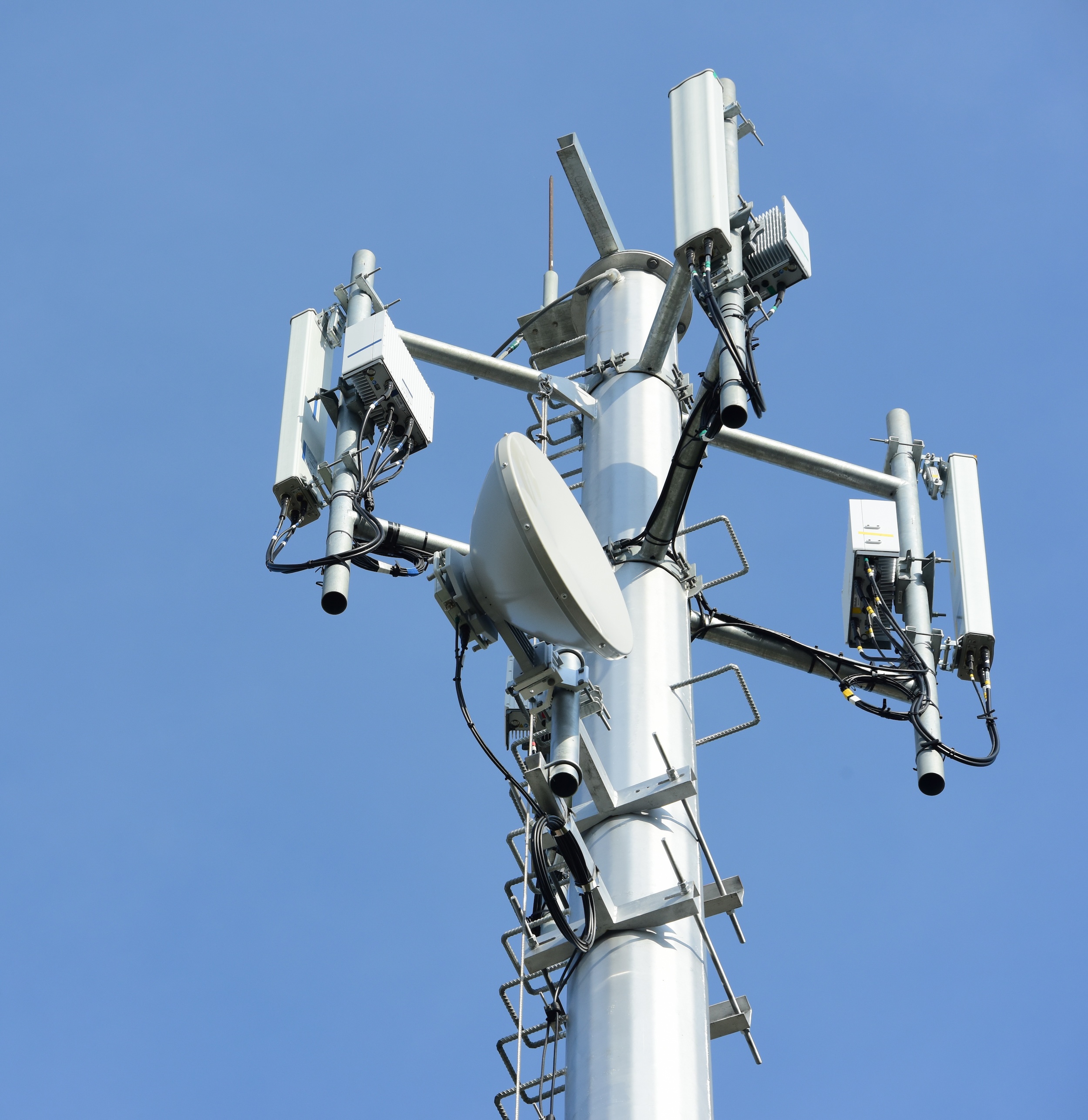
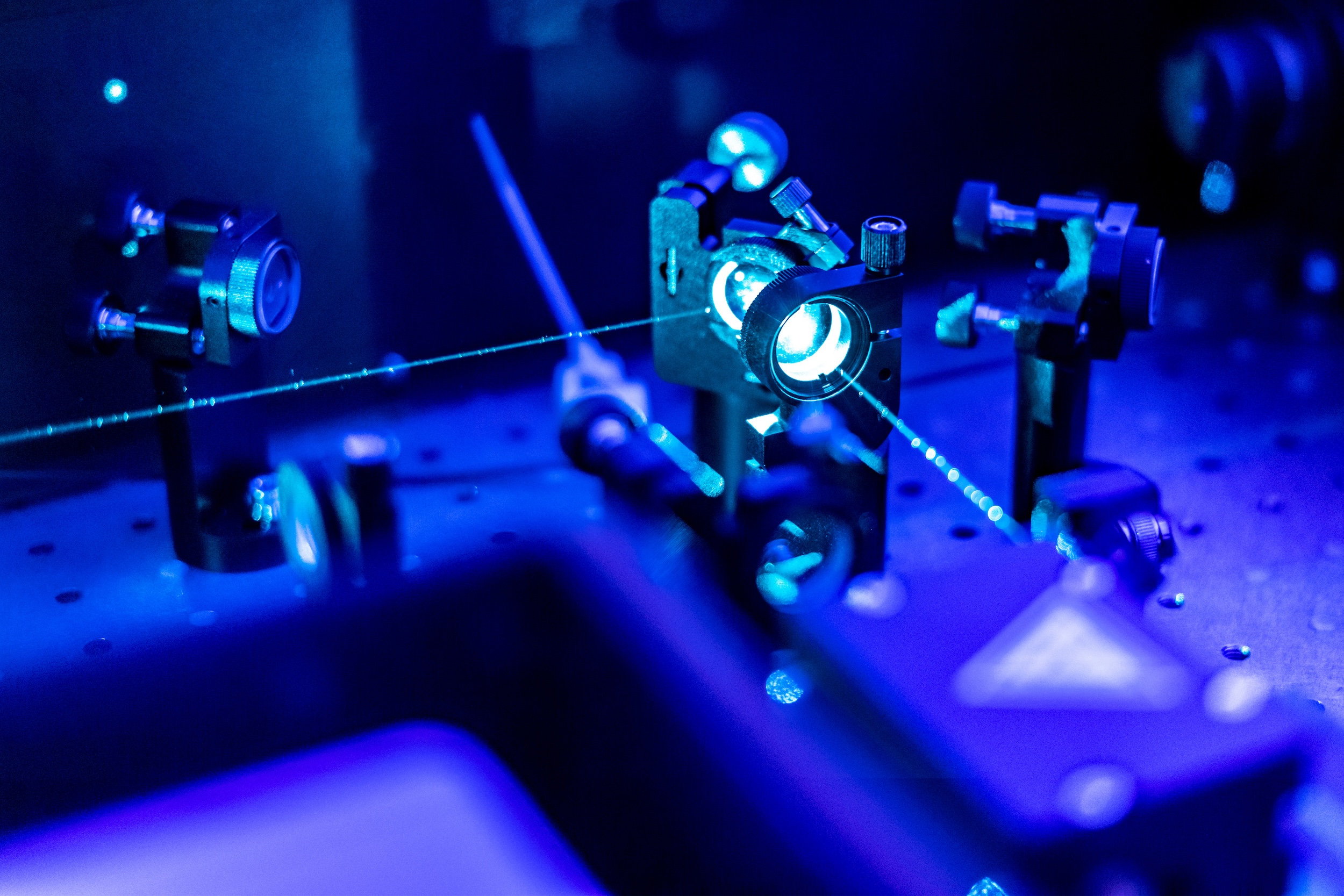
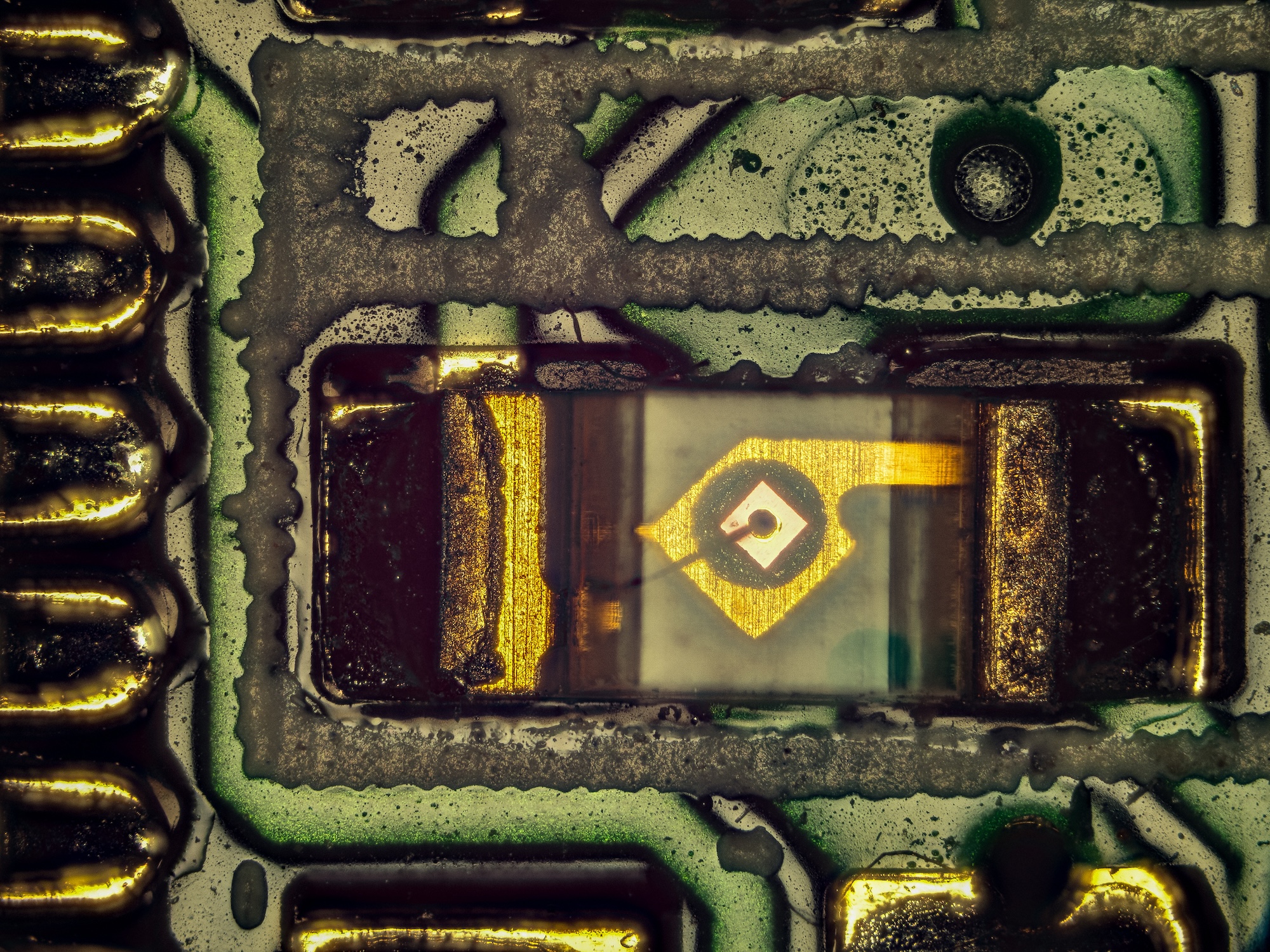


What You'll Learn
Students develop core competencies in circuits, electronics, signals and systems, embedded systems, electromagnetics, communications, controls, photonics, and computer engineering while gaining experience with modern engineering tools, including circuit simulation software, embedded microcontrollers, data acquisition systems, PCB design platforms, computational modeling environments, and laboratory instrumentation.
Career Outlook
Graduates of the program are prepared for a wide range of careers, including electronics and hardware design, robotics and automation, and embedded systems and computing. They are also equipped for roles in the semiconductor and photonics industries, communications and signal processing, controls and intelligent systems, and quantum technologies. Additional career paths include energy and instrumentation systems, consulting and engineering services, as well as graduate and professional study.
Meet Our Faculty
Electrical Engineering coursework is led by faculty with deep experience in engineering practice, bringing hands-on expertise across circuits, electronics, quantum systems, and design into the classroom and studio labs. Students work closely with a dedicated departmental advisor to build an individualized course plan suited to their interests within the program's requirements.
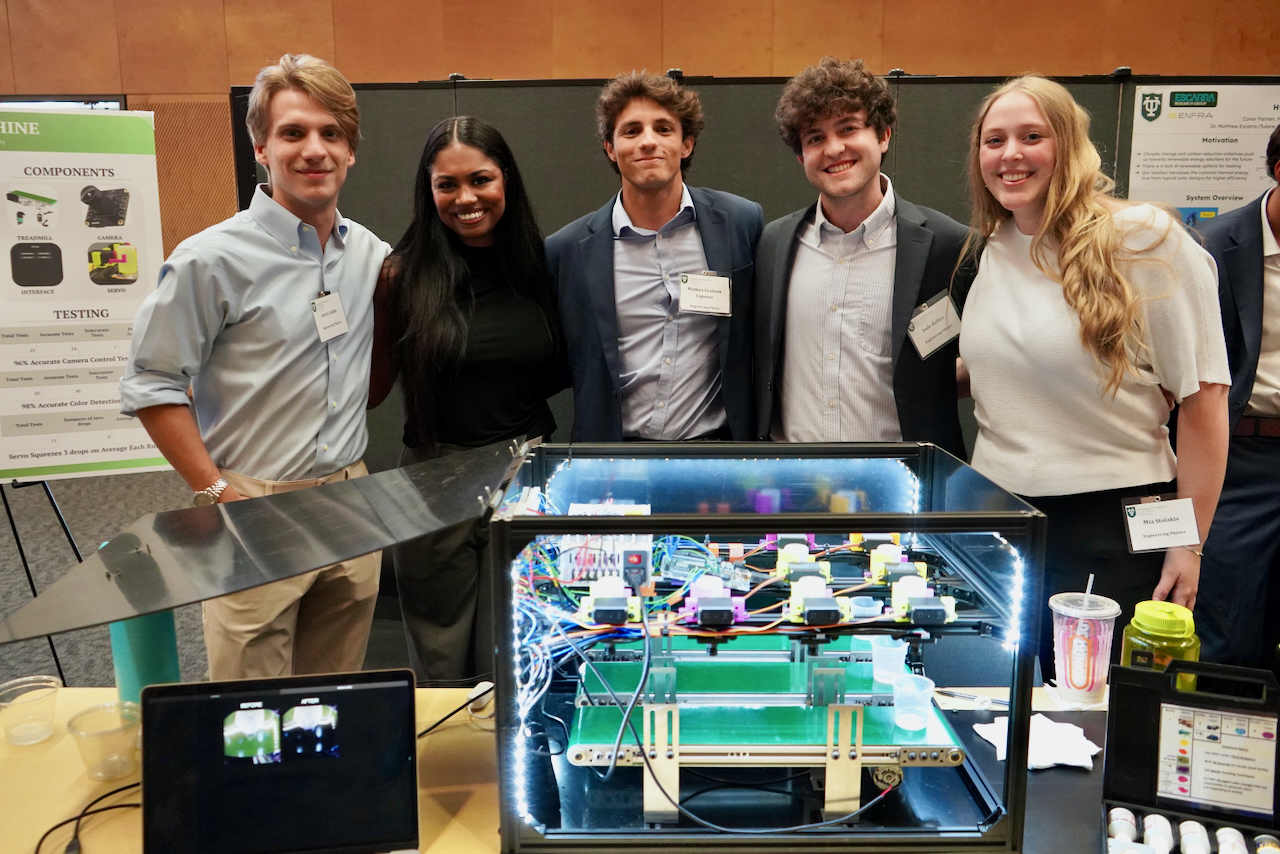

Electrical Engineering Design Studio
A year-long Electrical Engineering Design Studio sequence emphasizes experimentation, prototyping, technical communication, systems integration, and project-based engineering design through collaborative laboratory experiences. The sequence starts with the required Robotics and Automation Design Lab. For the second semester of this junior-year design sequence, students may choose from Robotics and Automation Design Lab II, Quantum Engineering Studio and Test Lab, Advanced Electronics Design Studio, or Microfabrication and Nanotechnology Lab.

Learn more about the admissions process or apply now!
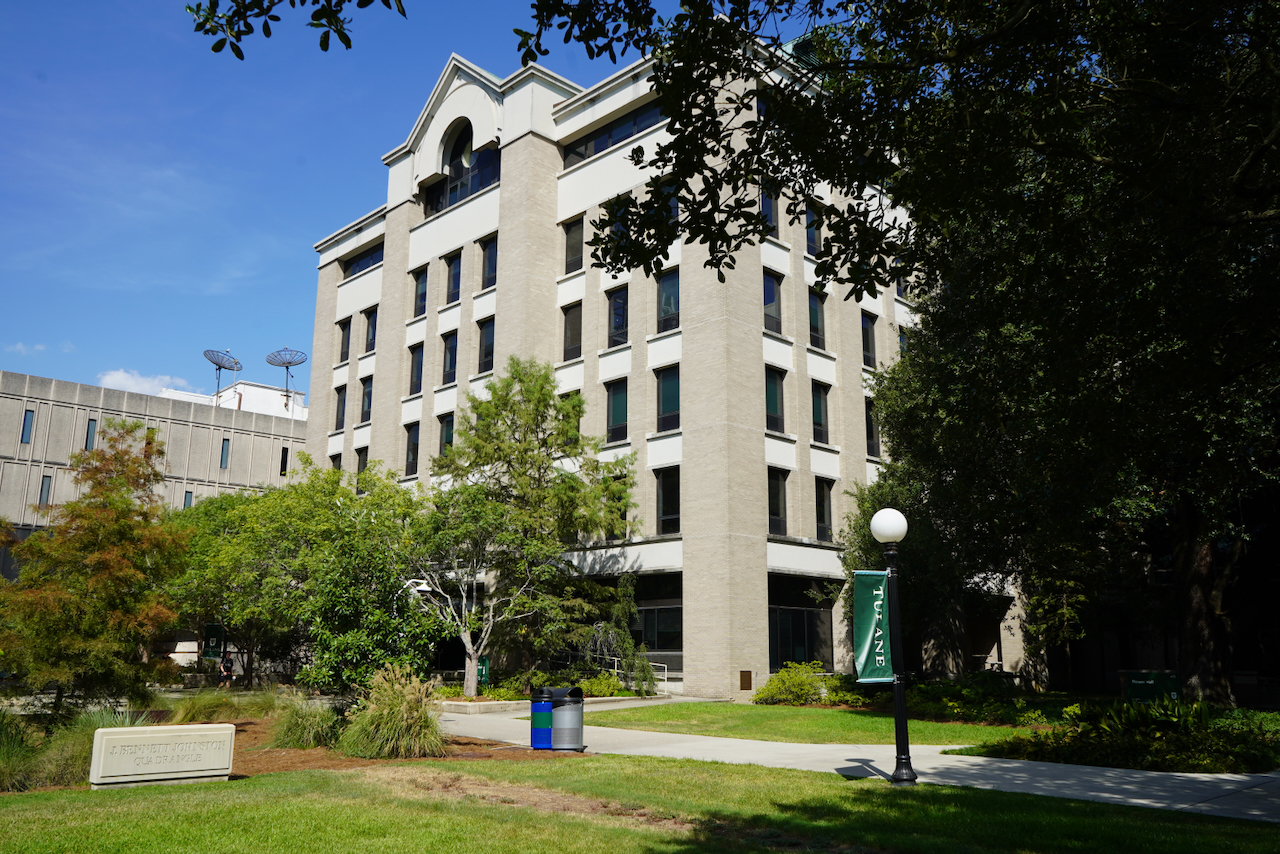
Find full tuition information and the financial aid process.
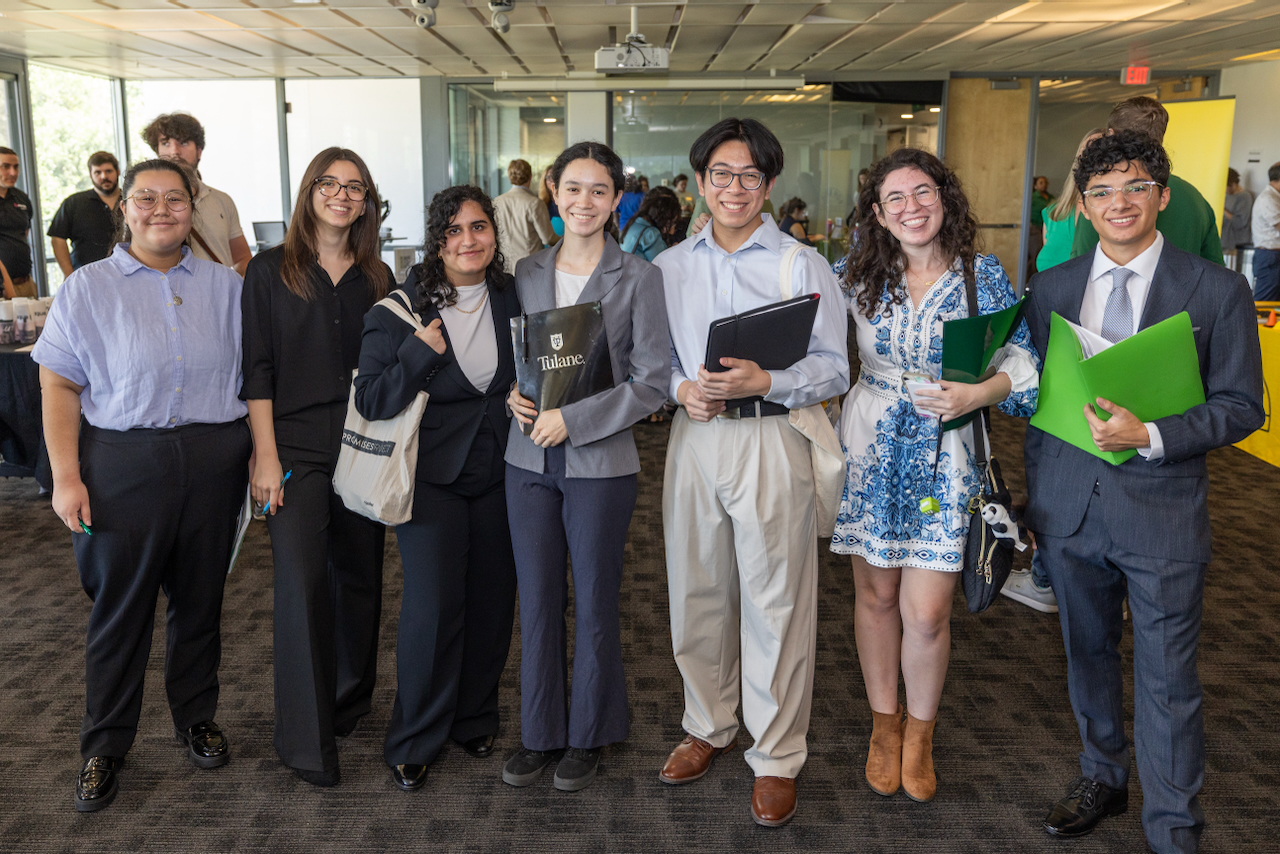
Get to know what makes this place a launchpad for the next generation of scientists and engineers.
FAQs
Electrical engineering is the discipline focused on analyzing, designing, testing, and developing electrical, electronic, optical, computational, and quantum systems. It underpins nearly every sector of modern life, from energy and communications to computing, semiconductors, healthcare, and aerospace.
Only students enrolling for Fall 2027 and beyond may declare this major.
Students pursuing the Bachelor of Science in Engineering degree with a major in Electrical Engineering must earn a minimum of 120 credit hours in their degree. Within this degree, students must complete a minimum of 30 credit hours in the Newcomb-Tulane College Core Curriculum.
Mathematics and Science Requirements:
MATH 1210/1211 Calculus I
MATH 1220/1221 Calculus II
MATH 2210/2211 Calculus III
MATH 2240/2241 Intro to Applied Math
CHEM 1070/1075 General Chemistry I + Laboratory
PHYS 1310/1311 General Physics I + Laboratory
PHYS 1320/1321 General Physics II + Laboratory
ELEC 2020 Probability, Data Science, and Machine Learning
ELEC 2310 Waves and Materials
Electrical Engineering Required Courses:
ENGP 2310/2311: Product and Experimental Design + Lab
CMPS 1500/1501: Intro to Computer Science I + Lab
ENGP 2010: Circuits
ENGP 2011: Circuits Lab
ENGP 2730/2731: Electronics + Lab
ENGP 3140: Digital Logic Systems
ENGP 3730: Signals and Systems
ELEC 3130: Robotics and Automation Design Lab I
ELEC 3310: Engineering Quantum Mechanics
Electrical Engineering Design Studio Elective (Choose one of four options)
ELEC 3140: Robotics and Automation Design Lab II
ELEC 3360: Quantum Engineering Studio and Test Lab
ELEC 3160: Advanced Electronics Design Studio
ENGP 3620: MicroFab and Nanotech
ENGP 3460: Tech Ethics: What is a Better Future?
ELEC 3910: Professional Development for Electrical Engineers
ENGP 4310: Team Capstone Design I
ENGP 4320: Team Capstone Design II
Engineering Electives (15 credits, minimum of five courses, with three required from one depth area and at least one from a different depth area):
Depth Area I: Controls, Communications, Signals and Systems
ELEC 3140: Robotics and Automation Design Lab II
ENGP 3180: Intro to Feedback Control and Control Theory
ENGP 3130: Introduction to Power Systems
ENGP 3160: Probabilistic Systems and Signal Processing
CMPS 3240: Introduction to Machine Learning
CMPS 3280: Information Theory
CMPS 3370: Digital Image Processing
Depth Area II: Quantum Engineering
ELEC 3360: Quantum Engineering Studio and Test Lab
ELEC 4340: Applied Quantum Systems
ELEC 4240: Quantum Devices and Electronics
ENGP 3230: Quantum Information Science and Engineering
PHYS 3310: Quantum Optics
CMPS 4660: Quantum Computing
Depth Area III: Electronics and Photonics
ELEC 3160: Advanced Electronics Design Studio
ENGP 3620: MicroFab and Nanotech
ENGP 3570: Semiconductor Devices
ENGP 3560: Photonic Materials and Devices
ENGP 3700: Electronic Properties of Materials
ENGP 3600: Nanoscience and Technology
ENGP 3380: Materials for Energy
ENGP 3390: Synthesis of Nanomaterials
ENGP 3290: Computational Materials Science and Engineering
BME 6170: Biomedical Optics
ELEC 3330: Optics
Depth Area IV: Computer Engineering
ELEC 3160: Advanced Electronics Design Studio
CMPS 2300: Introduction to Computer Systems and Networking
CMPS 2200: Introduction to Algorithims
CMPS 3510: Computer Organization
CMPS 4780: Computer Architecture
CMPS 3350: Computer Graphics
CMPS 3240: Introduction to Machine Learning
CMPS 4410: Information Security
CMPS 4830: Computer Vision
CMPS 4750: Computer Networks
CMPS 4660: Quantum Computing
Broader Technical Electives (6 credits, minimum of two courses)
A set of courses relevant to electrical engineering or to the student’s professional development offered at Tulane University within SSE, entrepreneurship, or economics. This requirement will be waived for students with an approved second degree at Tulane University (double major or minor).
The curriculum is designed to satisfy ABET accreditation requirements and prepare students for the Fundamentals of Engineering (FE) examination and eventual professional licensure. Students complete a two-semester capstone design experience that incorporates engineering standards, open-ended problem-solving, teamwork, and real-world engineering constraints. The ABET accreditation review will take place once the first class graduates in 2031.
Contact Us
Ryan Gelfand
Senior Professor of Practice
Director of Electrical Engineering Programs