
Cell and Molecular Biology Undergraduate Major
Cell and Molecular Biology Undergraduate Major
The major in Cell and Molecular Biology is designed for students interested in exploring the features and activities of cells, genes, and biomolecules, which are the most fundamental constituents of all living things. Some are attracted by a desire to elucidate new biological principles, whereas others are more interested in applying molecular principles and methods to solve practical problems facing medicine and biotechnology. Either way, the major attracts those who are curious about the mechanisms by which living systems function, develop, and interact with their environment. A love of and fascination with living systems is essential. Biology is especially appealing to those who derive pleasure from elucidating general principles that apply to all living systems through experimentation with relatively simple model systems. This requires a creative mind, the fortitude to conduct repetitive work, and the ability to analyze, distill, and interpret data.

What You'll Learn
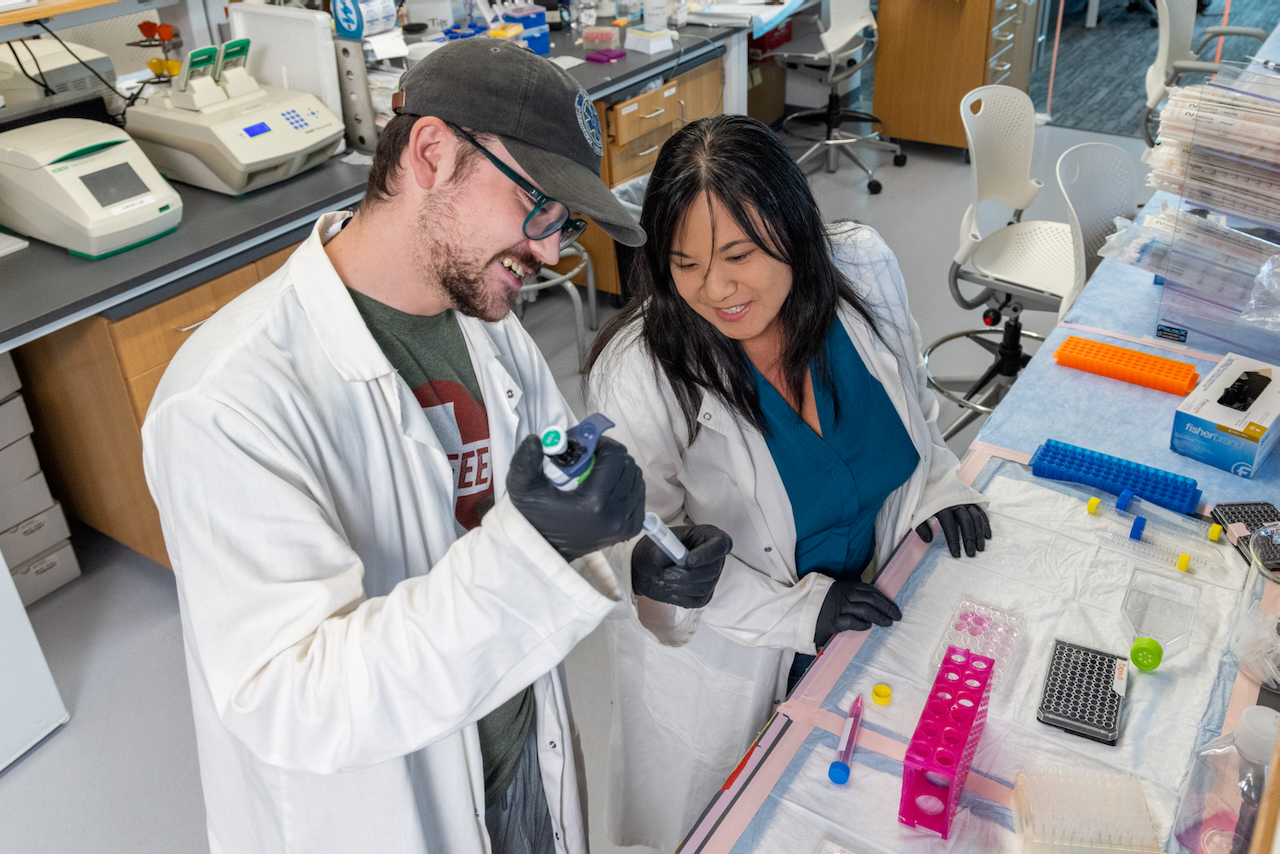
The major in Cell and Molecular Biology is focused on the mechanistic study of the life of the cell at the molecular level. The curriculum is interdisciplinary and includes courses in physics, chemistry, and genetics in addition to molecular and cellular biology. Training in these areas is beneficial for careers in biological research, several high-tech industries, medicine, and allied health professions. This challenging major requires creativity, rigor, and the ability to analyze, distill, and interpret data. A love of living systems and a level of comfort with complexity are both essential.
Career Outlook
The major in Cell and Molecular Biology prepares the student for a variety of careers which require a working knowledge of biological principles and the molecular and cellular approaches to solving basic problems or to improving the quality of human life. Students who wish no further formal training after their B.S. degree find positions in education, government and industry, especially in the expanding health-services, biotechnology and pharmaceutical industries. The B.S. in Cell and Molecular Biology is also ideal preparation for careers requiring additional study, such as medicine, dentistry, physical therapy, nursing and other health-related professions, environmental policy and law, and professions requiring a graduate degree in biology or the other biomedical sciences.
Meet Our Faculty
The faculty in Cell and Molecular Biology bring together deep research expertise and a genuine commitment to teaching, guiding students through hands-on lab work, cutting-edge research opportunities, and the kind of mentorship that helps them find their path — whether that's toward medical school, graduate research, or a career in industry. Their labs span everything from molecular genetics to neuroscience, giving students a front-row seat to real scientific discovery from their very first year on campus.
Curriculum Requirements
Students majoring in cell and molecular biology must complete a minimum of eleven courses in the biology components, totaling at least 23 credits; 16 credits in chemistry (one year of both general chemistry with laboratories 1070/1075; 1080/1085; or H1090/H1095; H1100/H1105 and organic chemistry with laboratories 2410/2415; 2420/2425; or H2450/H2470; H2460/H2480); and eight credits of physics with laboratories (1210, 1220 or 1310, 1320). Students must also complete Calculus I (MATH 1210 or 1310, or both MATH 1150 and 1160) and Statistics for Scientists (MATH 1230) to satisfy the major and B.S. requirements.
To fulfill the biology core component, students must complete CELL 1010, CELL 2050, CELL 3030, and CELL 3750 lectures. Students must take one biochemistry course, either CELL 4010 or CENG 4450 +CENG 4460 or CHEM 3830 + 3840. Students must also take either CELL 3755 or CELL 3035, and one additional 3 or 4 credit CELL lecture or lecture/lab course.
An additional three elective courses are required, and at least two of the three must be laboratory courses. Students may use approved courses from other departments to fulfill the elective component. One course involving independent laboratory research (4910, 4920, H4990 or H5000) may be used as a laboratory course.
Students must complete one approved capstone course within the biology components.
Research
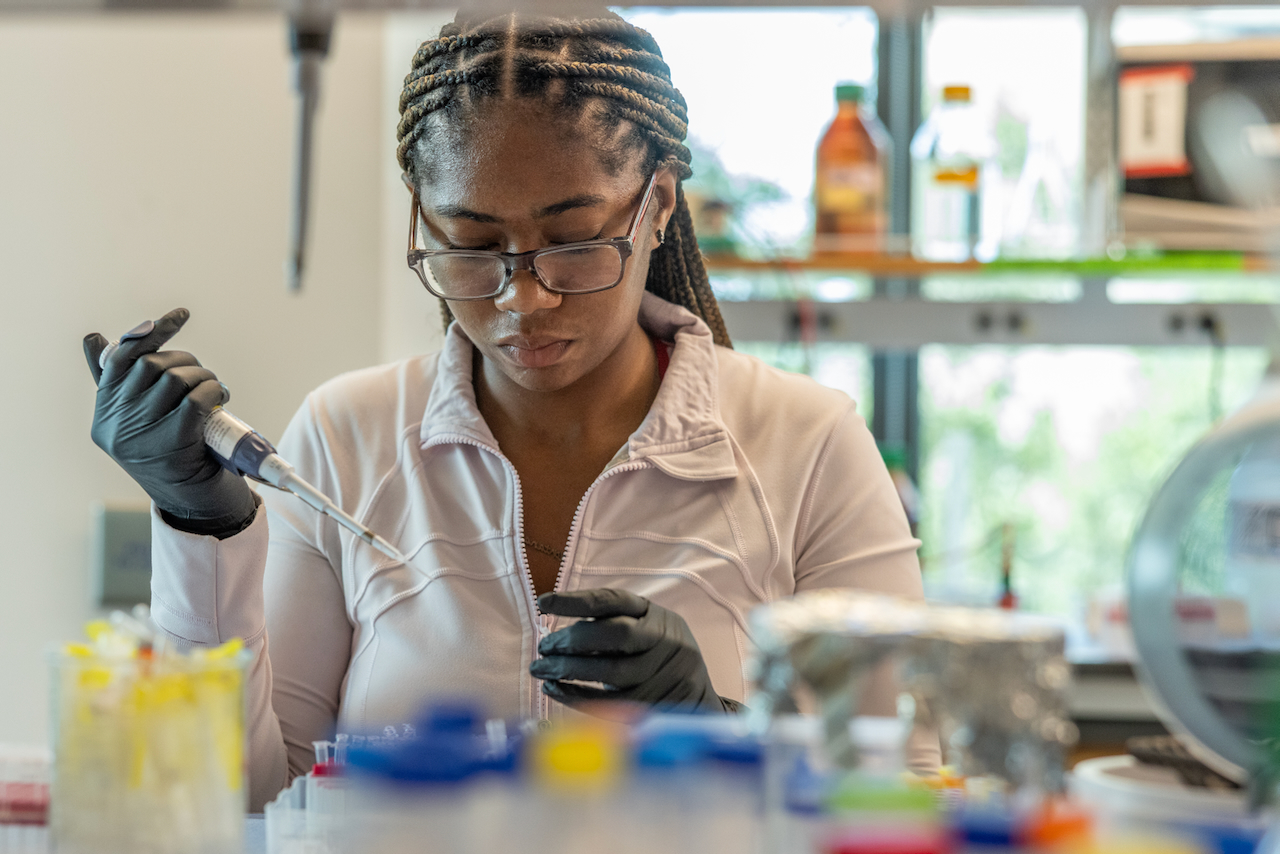
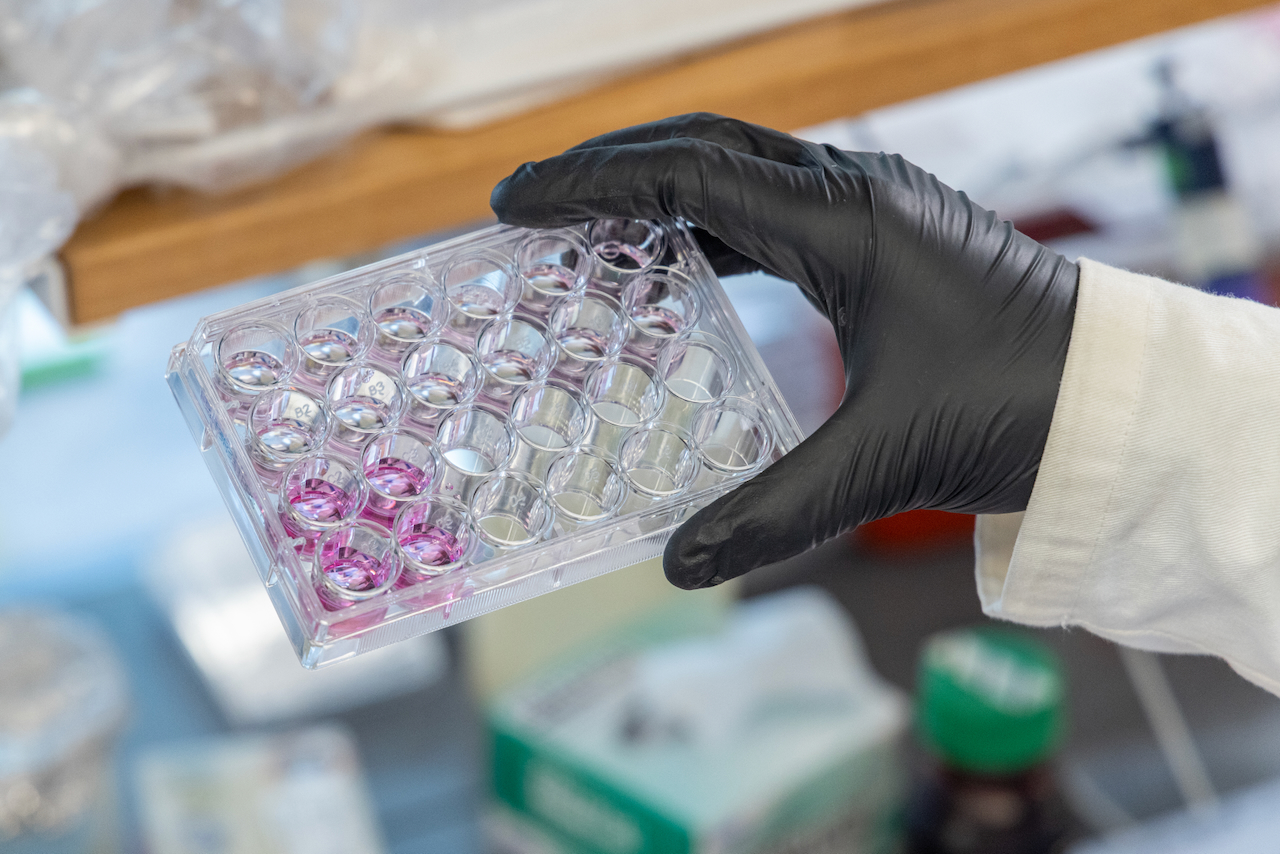
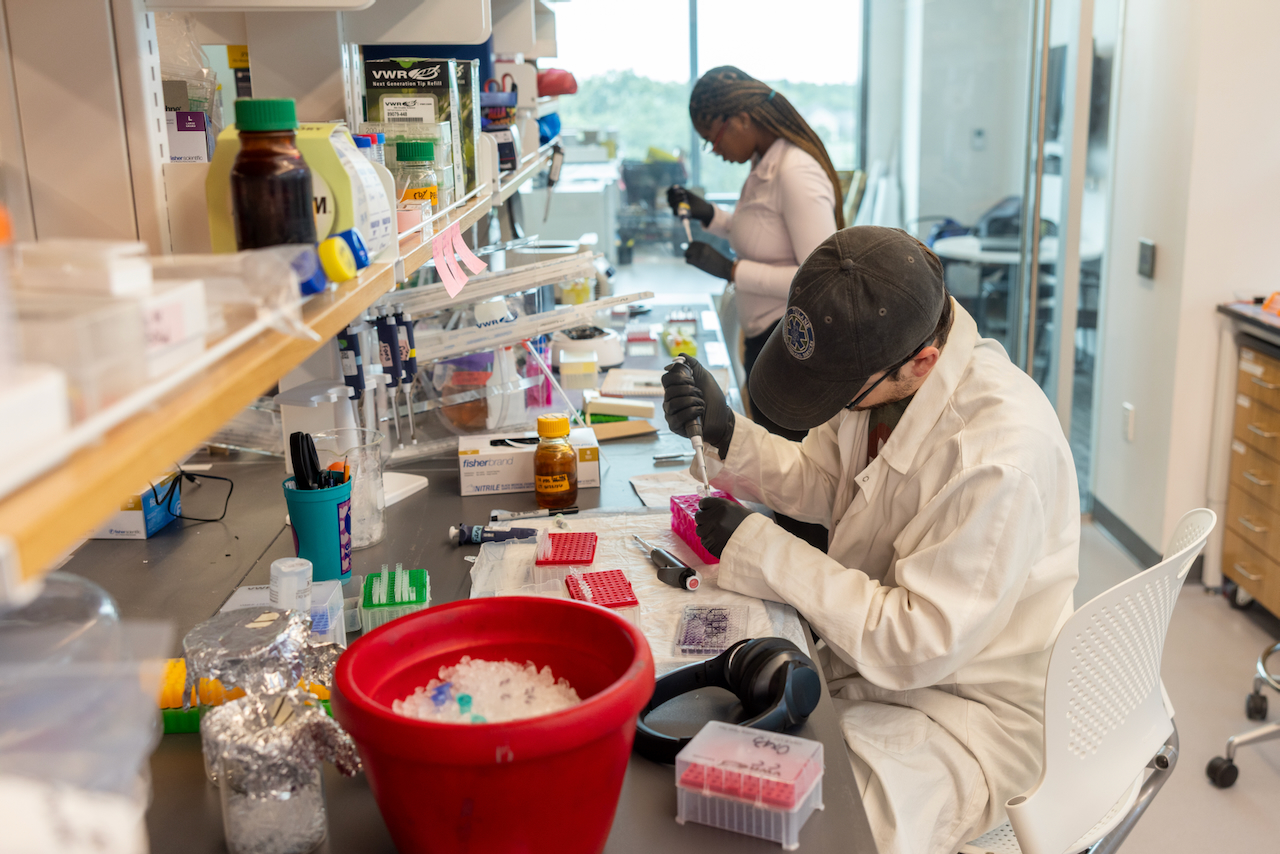
Research in Cell and Molecular Biology at Tulane centers on three core strengths: developmental biology, regenerative medicine, and neuroscience, with faculty labs also extending into areas like developmental biology (pattern formation, organogenesis, cell-cell signaling, and gene expression regulation), cellular neuroscience (neurophysiology, neuroendocrinology, and molecular and developmental neuroscience), and environmental biology (microbiology, carcinogenesis, and bioremediation). Undergraduates aren't just spectators to this work — students can join faculty labs directly, typically committing 8–12 hours a week over at least two semesters, gaining hands-on experience with real research questions well before graduation. Paired with access to core facilities for imaging, sequencing, and analysis, this gives CMB students a genuine head start on the kind of inquiry-driven science that defines careers in the field.
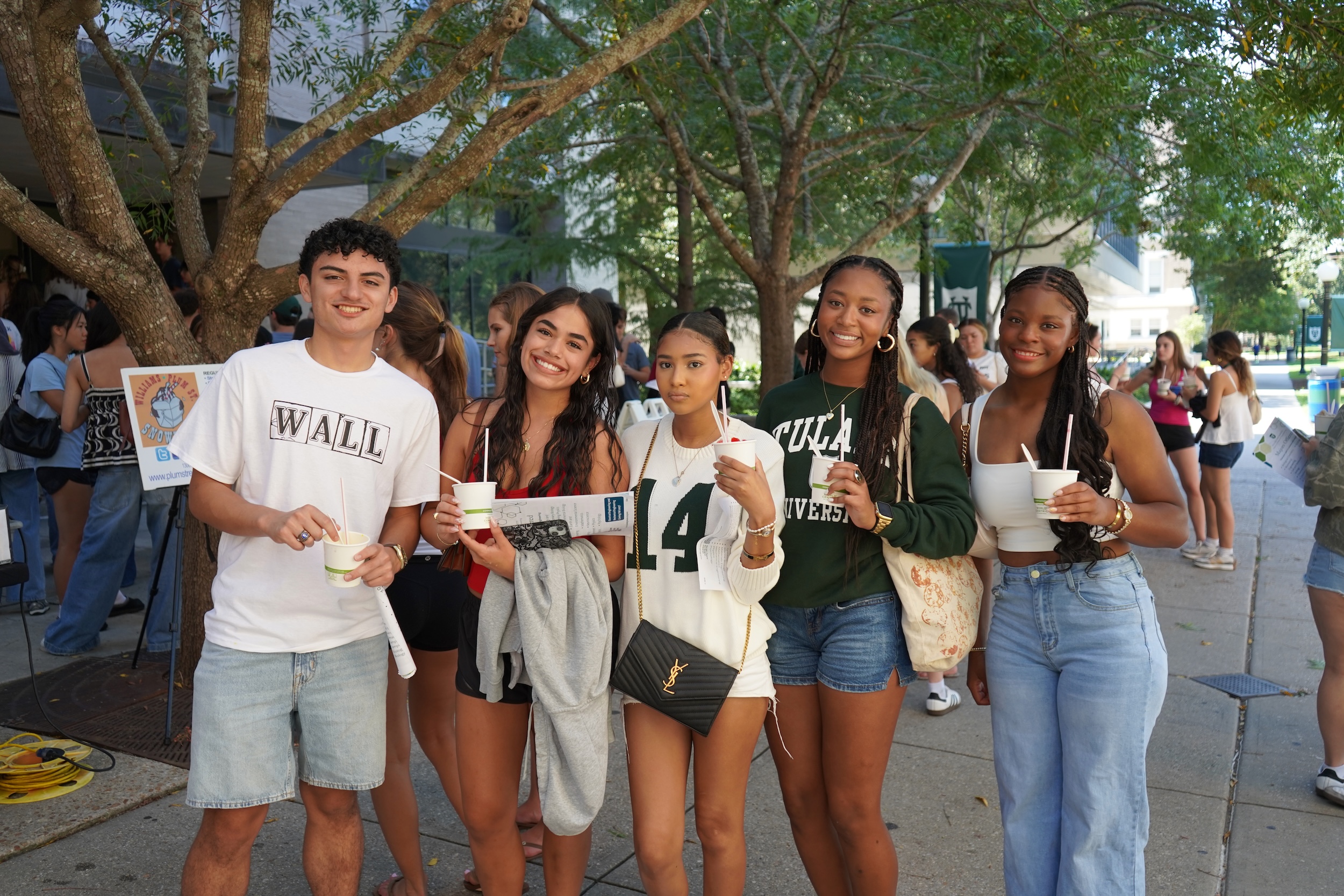
Learn more about the admissions process or apply now!
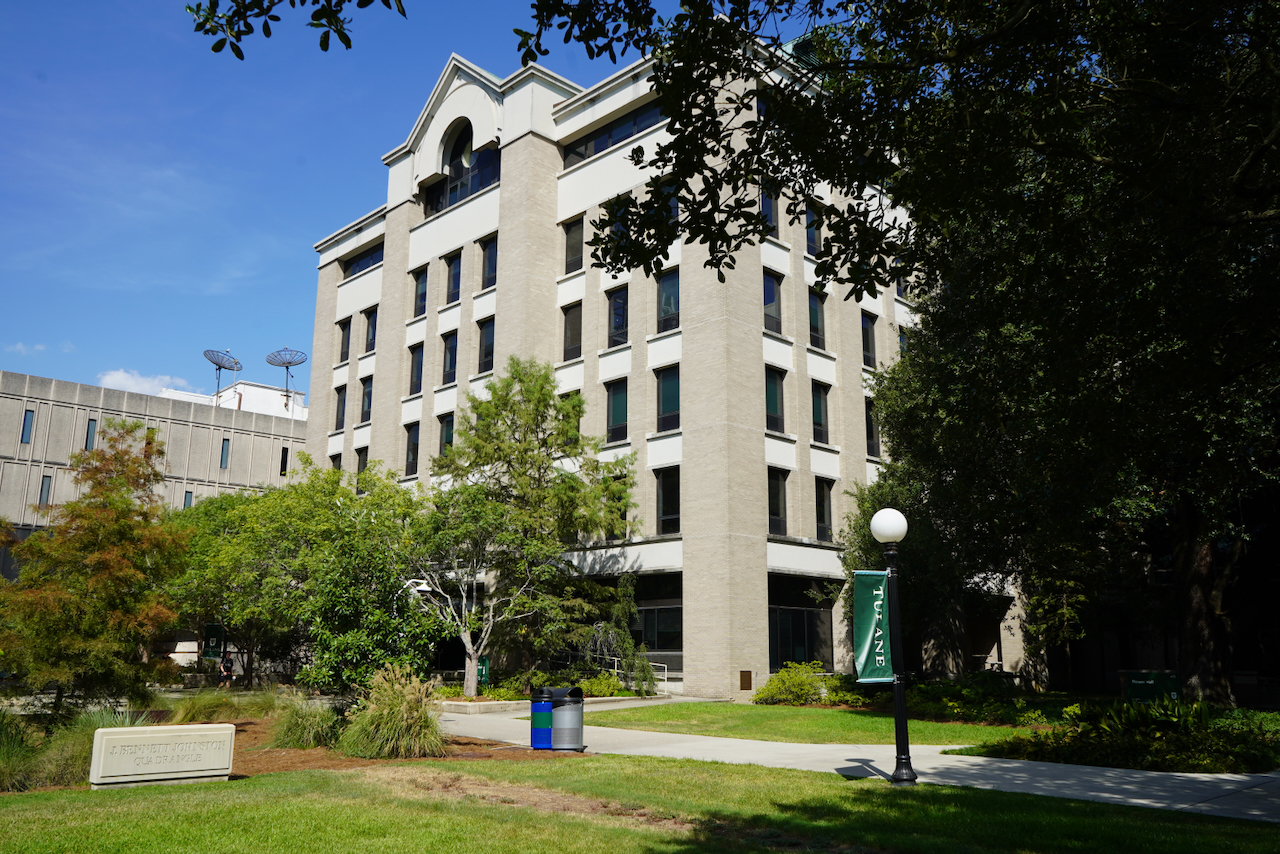
Find full tuition information and the financial aid process.
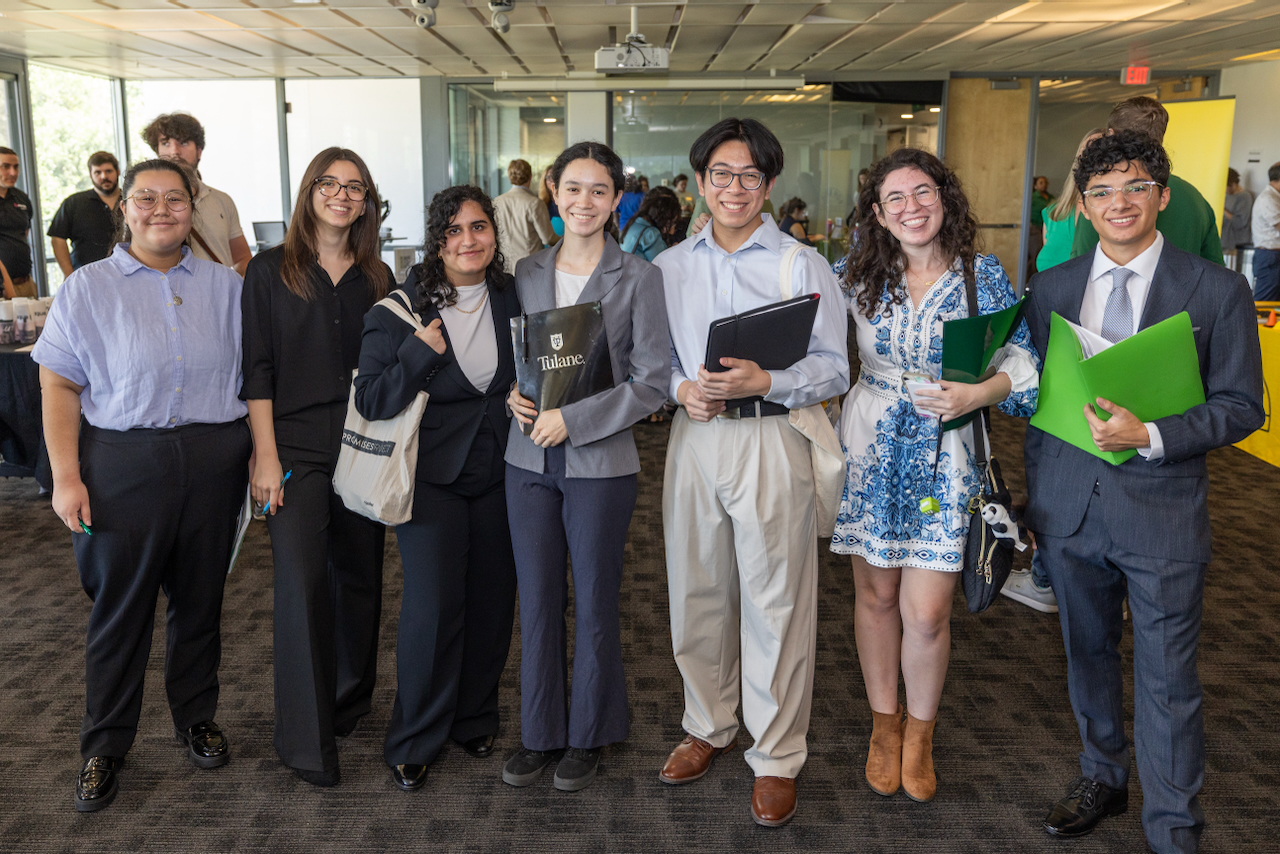
Get to know what makes this place a launchpad for the next generation of scientists and engineers.
FAQs
Cell and molecular biology is the study of living systems at their most fundamental level — the cells, genes, and biomolecules that make up all life — exploring how these components function, interact, and drive everything from basic biological processes to disease. It's a field that blends scientific curiosity with practical problem-solving, using molecular tools and techniques to both uncover new biological principles and address real challenges in medicine and biotechnology.
If you are an incoming/transfer student, contact NTC Academic Advising. If you are a current student, submit a detailed syllabus with course information to the department (Shana Johnson shana@tulane.edu) along with the Cell Transfer Credit Form. The course will be evaluated for transfer equivalency by a CELL faculty member, and you will submit the completed Transfer Credit Form to NTC Academic Advising to have the credits applied to your transcript. Please allow 3 to 5 days for equivalency assessment.
Summer School Transfer Credit for Matriculated Students
The following criteria must be met:
- The course must be taught in an accredited 4 year university.
- The course must last a minimum of five weeks.
- The course must be comparable in content to the Tulane course.
- The course must be offered on the semester system.
The following materials must be provided when requesting approval:
- Credit Form from the student's dean's office.
- Course description from the course catalog.
- Syllabus of the course that you wish to transfer.
- List of experiments done in any of the labs.
Only when the student has ALL the above material, please send that information to Shana Johnson (shana@tulane.edu).
If you are ready to declare a major in Cell and Molecular Biology, please fill out the form, and send the completed form to Shana Johnson at shana@tulane.edu . The form will be signed and returned to you, and you can send it along to NTC Advising. Please note that it is your responsibility to send this form to your NTC advisor.
You must send the completed form to your NTC academic advisor after meeting with your assigned advisor and obtaining their signature. You will not be a CELL major until your academic advisor receives the fully signed form.
As a general guideline, you should declare your major by the end of your sophomore year. Click here for more info on why you should prioritize declaring your major.
Students can double major in CELL and Neuroscience with approval from both departments as this particular double major is more restrictive. Due to the extensive degree of overlap between the Biological Chemistry major, students are not allowed to double major in CELL and Biological Chemistry.
See your CELL advisor (complete the CELL Major Declaration Form if you need to be assigned an advisor or email Shana Johnson (shana@tulane.edu). Major and minor requirements, course descriptions, and courses allowed from other departments are posted on our website. Questions about degree requirements (humanities, foreign language, etc.) should be addressed to your NTC Academic Advisor.
Detailed information about our curriculum, courses offered, faculty, and more can be found on our website. Most freshmen majoring in CELL take two semesters of General Chemistry with laboratory in their first year (CHEM 1070/1075, 1080/1085). Freshmen should also take CELL 1010 during their freshman year, either in the fall or in the spring semester. The NTC First-Year Advising Team can also guide in choosing your classes for your first and second semester.
Job opportunities in CMB labs are very limited. It is best to check for available positions at the beginning of the fall semester. Enquire within the CMB office, 2000 Percival Stern Hall, or Handshake.
The Office of Service Learning sometimes has such opportunities; visit their website.
AP Biology Exam score: 4
IB Biology S.L. Exam score: 7
IB Biology H.L. Exam score: 5
FB Biology Exam score: 14
Cambridge AS grade: A
Cambridge A-level grade: C
Cell and Molecular Biology credit granted: Three hours of credit for CELL 1500; does not count toward CELL major or minor.
AP Biology Exam score: 5
IB Biology S.L. Exam score: N/A
IB Biology H.L. Exam score: 7
FB Biology Exam score: 17
Cambridge AS grade: N/A
Cambridge A-level grade: _____
Cell and Molecular Biology credit granted: Student’s choice: Three hours credit of CELL 1010 or four hours credit for CELL 1500/1505. CELL 1500 and 1505 count towards the Scientific Inquiry Core Requirement. Note that CELL 1500/1505 credit does not count toward CELL major or minor, but pre-med students are still strongly encouraged to accept the CELL 1500/1505 credit, as many professional schools require that all prerequisites, such as CELL 1010, be taken on a college campus.
YES! The deadline to register for Cell Independent Study is the Tuesday before the University's Undergraduate Academic Calendar for the last day to drop without record. For Fall 2026, that date will be September 15, 2026.
If you want your Independent Study to count for your Capstone, the deadline is the Tuesday before the last day to Register/Add. For Fall 2026, that date is August 25, 2026.
An independent study project provides undergraduate students with the opportunity to participate in scientific research in a faculty laboratory. Such projects give students an opportunity to gain valuable “graduate level” experience; thus, undergraduates who plan to pursue graduate school are encouraged to participate in independent study.
The student will participate in laboratory research under direction of a faculty member. Students may perform their independent study in a laboratory outside of the CMB department or even at another institution; the student will still need a departmental sponsor to act as the instructor of record, and the grade for the project will be submitted by the CMB faculty sponsor in consultation with the host laboratory supervisor. The student may sign up for 1, 2, or 3 hours of independent study, depending on the time that can be devoted to the project. 1 credit can be earned for 3 - 4 hr/wk during the semester or 45-60 total hours over the summer. 2 credits can be earned for 6 - 8 hr/wk during the semester or 90-120 total hours over the summer. 3 credits can be earned for 9 - 12 hr/wk during the semester or 135-180 total hours over the summer. Independent study may be used once to fulfill a laboratory elective requirement for the major. Independent study can fulfill the capstone requirement for the major if the student learns how to read the scientific literature under supervision and presents the project before the end of the semester. The format can be a written paper, a poster defense, or an oral presentation, but it must include the rationale for the project, the materials and methods, the experimental results, and an interpretation of those data. Course may be repeated up to unlimited credit hours.
- Employment in a laboratory for which you receive compensation.
- Routine repetitive analysis, to benefit or support other laboratory members.
- Lab maintenance, such as washing glassware, preparing media, or running errands.
It is the student’s responsibility to find a faculty member who will sponsor you. You might begin by approaching one of your instructors, or your CELL major advisor.
You can also review the list of faculty to see if you are interested in a particular area of research currently being performed; however, you should be aware that space in faculty laboratories is limited. It is therefore strongly suggested that the student approach the faculty member well before the start of the semester, or in the prior semester.
Students who wish to perform an independent study project at another institution must have two faculty sponsors: One at the host institution, and one in the Cell and Molecular Biology department (preferably the student’s CELL advisor). The student must obtain prior approval from the CMB sponsor for the project. The CMB sponsor will communicate with the host institution sponsor to make sure that the work being performed meets our departmental requirements for independent study projects. Also, the grade for the project will be submitted by the CMB faculty sponsor, in consultation with the host institution sponsor.
At the beginning of the project, your host institution sponsor must submit, by letter or e-mail, a description of the project to your CMB sponsor. It is essential that your CMB sponsor and your host institution sponsor communicate with one another to evaluate your final work; otherwise, an incomplete grade may result.
Complete the CMB Independent Study/Honors Thesis Registration Form. You and your faculty sponsor will decide on a title for your project (except for first semester Honors Thesis, which has the title, "Honors Thesis" by default); be sure to include the title on your form. Have your faculty sponsor sign the form; leave the section number blank. Send the form to Shana Johnson (shana@tulane.edu).
To register for Independent Study with a non-CMB laboratory or supervisor, the student follows the same process as they would with a CMB faculty member - either the student's Cell Major Advisor or a CMB faculty member whose research closely aligns with the topic. However, the student must obtain approval from both faculty sponsors, and both must sign the form.
All Cell and Molecular Biology majors who wish to graduate with Departmental Honors must complete an Honors Thesis. An Honors Thesis is a year-long research project conducted during the student’s senior year. Students should select a thesis director and register for Honors Thesis at the beginning of the first semester of their senior year. By mid-semester, the student must submit a prospectus that has been approved and signed by the thesis director and a second reader. A first progress report, approved and signed by the thesis director and the second reader at the end of the first semester, indicates whether the thesis is to be continued or terminated. A second progress report is due in the middle of the second semester and a complete draft of the thesis is due a month before the projected date of graduation. Two weeks before graduation the thesis must be completed; the oral examination is held after all other requirements have been met.
Yes, however, students must adhere to the same guidelines as those given above for Independent Study projects.
Use the same registration procedures as above, for Independent Study. CELL 4990 is the first semester of Honors Thesis, and CELL 5000 is the second semester. The first semester title will be “Honors Thesis”. The second semester title will be determined by you and your faculty sponsor.
The Capstone Experience is a requirement for every Tulane senior related to the student’s major. The capstone experience allows a student to demonstrate the capacity to bring information, skills and ideas acquired from the major to bear on one significant project.
The capstone requirement can be fulfilled by CELL 3400, Regenerative Biology; CELL 4250, Principles in Immunology; CELL 4260, Principles of Biomedical Writing; CELL 4440, Advanced Molecular Biology; CELL 4450 Genome Biology; CELL 4910/4920, Independent Studies, with departmental approval; or CELL 4990/5000, Honors Thesis.
The Cell and Molecular Biology Major as Preparation for Medical and Other Allied Health Programs
The major overwhelmingly attracts students who have interests in the health professions, but the philosophy in this department is similar to that which prevails in most departments within the Liberal Arts and Sciences: that our purpose is to educate students with respect to the discipline and not to serve as a premedical program. This is also consistent with medical school publications which emphasize the importance of majoring in any discipline which interests the student; the medical schools will assume responsibility for teaching medical science courses. The nature of our discipline is, however, such that there is nevertheless considerable overlap in our courses and those in the medical school curriculum. Such overlap will do nothing but increase in the future as medicine itself becomes increasingly dependent on an understanding of physiology, molecular biology, development, and genetics to explain and diagnose human diseases and syndromes and to implement new methods of therapy.
Cell and Molecular Biology majors have an excellent rate of acceptance into medical programs. In addition to medical school, CMB majors also apply to veterinary, dental and optometry programs. The PreHealth Advisor can provide guidance to students regarding the requirements for medical school and other health professions, and can assist the student with interviewing skills and other aspects of the application process.
Pre-Health Advising within the NTC Academic Advising Center is an excellent resource for pre-health students. Their website contains information about required courses, suggested courses to take each year, detailed information about what medical schools look for, and more. In particular, the sections on Scheduling Premedical Courses and Registration Questions and Answers are very helpful. Remember that the timelines shown are suggestions; there is some flexibility in scheduling courses.
No. CELL 2115, General Biology Laboratory, is designed for science majors and/or premedical students who already have completed the lecture course in General Biology (CELL 1010) and fulfilled one year of general chemistry (CHEM 1070/1075 and CHEM 1080/1085).
Not necessarily, however CELL 2115 is a requirement for Cell Majors. Review "Scheduling Pre-medical Courses" on the Pre-Health Advising website for detailed pre-health recommendations. Students majoring in Cell and Molecular Biology may satisfy their pre-health requirements by taking upper-level biology courses with labs.
No. According to the Pre-health Advisor, “introductory courses are not required to meet major requirements in Biological Chemistry or Cell and Molecular Biology. Students in these areas will take two upper-level biology courses with labs to meet their major requirements.” Please see the Pre-Health Advisor for additional information. However, CELL majors can use the EBIO 1010/1015 set to satisfy one lecture elective towards the CELL major.
Generally, upperclassmen (juniors and seniors) are given preference in upper-level laboratories. Please try to sign up for another lab section if the desired section is closed or remain on the waitlist for the desired section.
Most laboratory classes begin the 2nd week of the semester. An announcement may be made in the lecture portion of the course as to when labs will start. Also, information is sometimes posted at the beginning of the semester on Canvas, on the syllabus on our website, and on the laboratory classroom doors. If you are unsure when your laboratory starts, check with the instructor.
You do not have to be enrolled in the Honors program in order to receive Departmental Honors. For specific information about the requirements for graduating with Honors, please contact the Honors Program, 119 Norman Meyer Hall, 865-5517.
Contact Us
On the Uptown Campus
2000 Percival Stern Hall
By Mail
Cell & Molecular Biology
6400 Freret Street MB 1380
New Orleans, LA 70118
By Phone
504-865-5546
By Email
shana@tulane.edu (Shana Johnson, Operations Manager)
schrader@tulane.edu (Laura Schrader, Department Chair)