
Mechanical Engineering Undergraduate Major
Mechanical Engineering Undergraduate Major
Available Fall 2027
The Bachelor of Science in Engineering (BSE) in Mechanical Engineering provides students with a rigorous foundation in the analysis, design, testing, and development of mechanical and thermal systems. The program integrates engineering science, laboratory experimentation, computational analysis, and hands-on design experiences to prepare graduates for professional engineering practice, graduate study, and emerging technology fields.
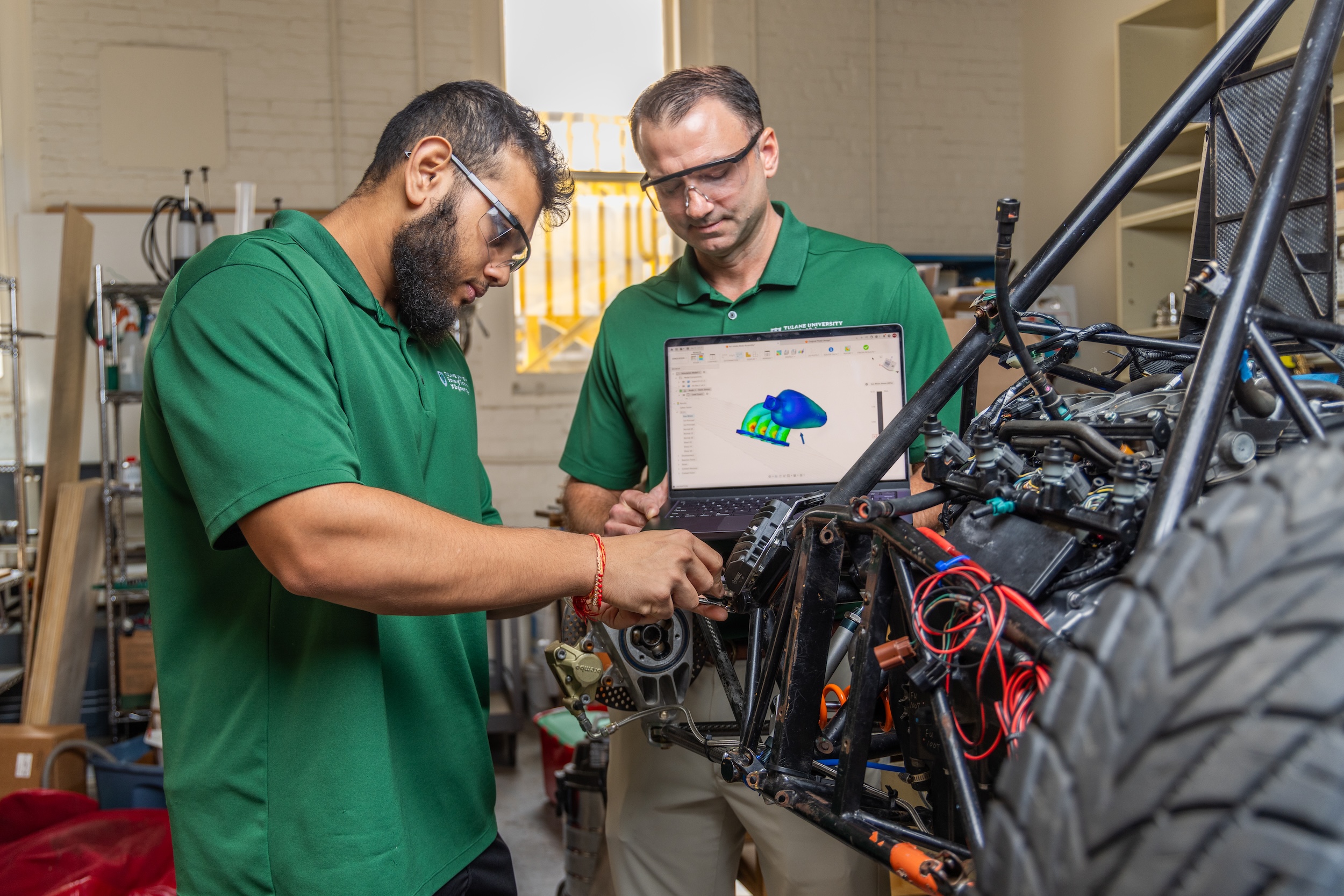
Students develop core competencies in mechanics, materials, thermodynamics, fluid mechanics, manufacturing, dynamics, controls, and engineering design while gaining experience with modern engineering tools including computer-aided design (CAD), finite element analysis (FEA), data acquisition systems, and artificial intelligence. A three-course Mechanical Engineering Studio sequence emphasizes experimentation, instrumentation, technical communication, data analysis, and validation of engineering models through integrated laboratory and project-based experiences.

What You'll Learn
You'll build core competencies in mechanics, materials, thermodynamics, fluid mechanics, manufacturing, dynamics, and controls, while learning to work fluently with industry-standard tools like CAD, finite element analysis, and data acquisition systems. Coursework moves from foundational engineering science into a three-course Mechanical Engineering Studio sequence, where you'll apply what you've learned through hands-on experimentation, instrumentation, and technical communication, culminating in a two-semester capstone design experience built around real-world engineering constraints.
Career Outlook
Mechanical engineering underpins critical sectors including energy, advanced manufacturing, aerospace, robotics, and sustainability, and graduates leave prepared to step directly into that range of industries. The curriculum is designed to satisfy ABET accreditation requirements and prepare students for the FE exam and eventual PE licensure, opening paths into mechanical system design, energy and thermal systems, manufacturing and automation, materials and product development, engineering consulting, or graduate and professional study.
Meet Our Faculty
Mechanical Engineering coursework is taught by faculty with deep experience in engineering practice and instruction, bringing hands-on expertise in design, systems thinking, and real-world applications directly into the classroom and studio sequence. Students work closely with a dedicated departmental advisor to build an individualized course plan that fits their interests within the program's requirements.
Mechanical Engineering Studio Sequence
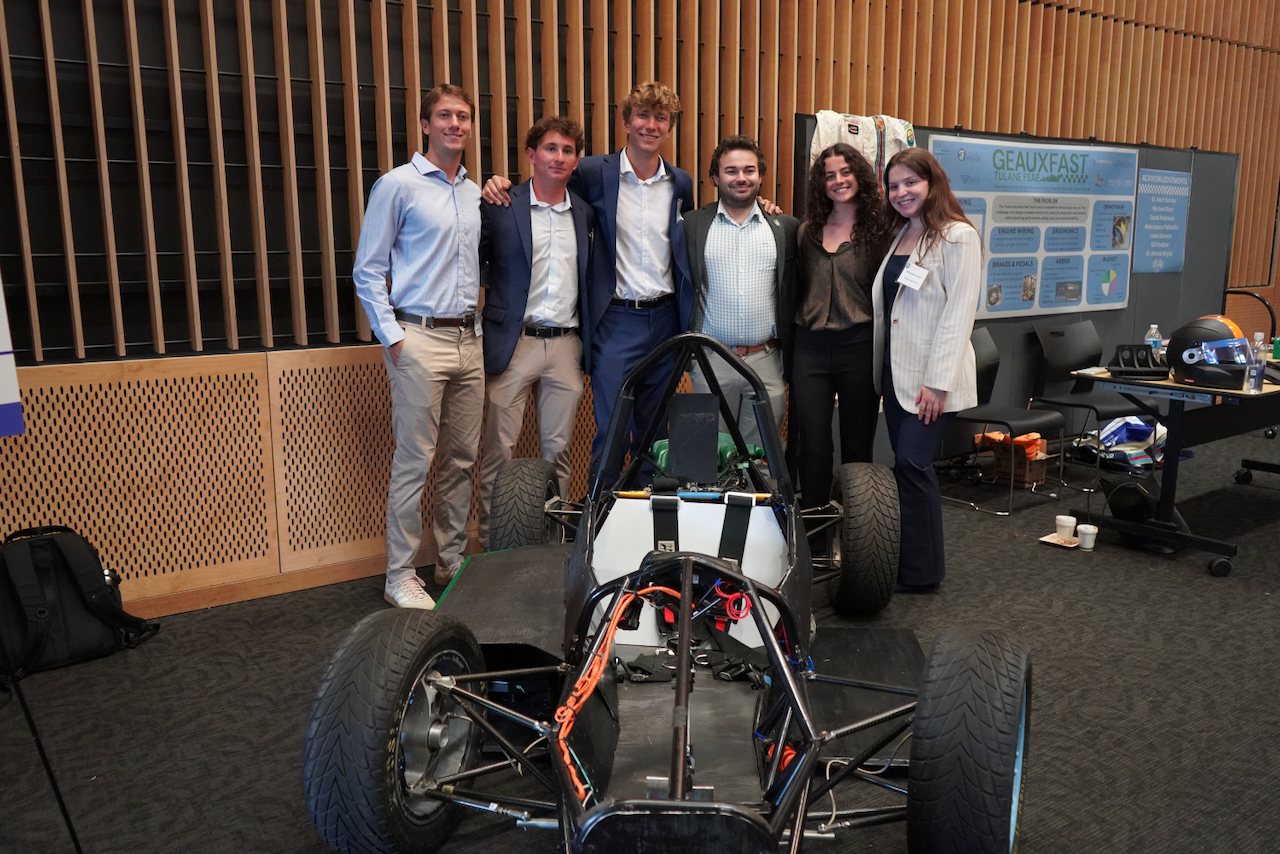
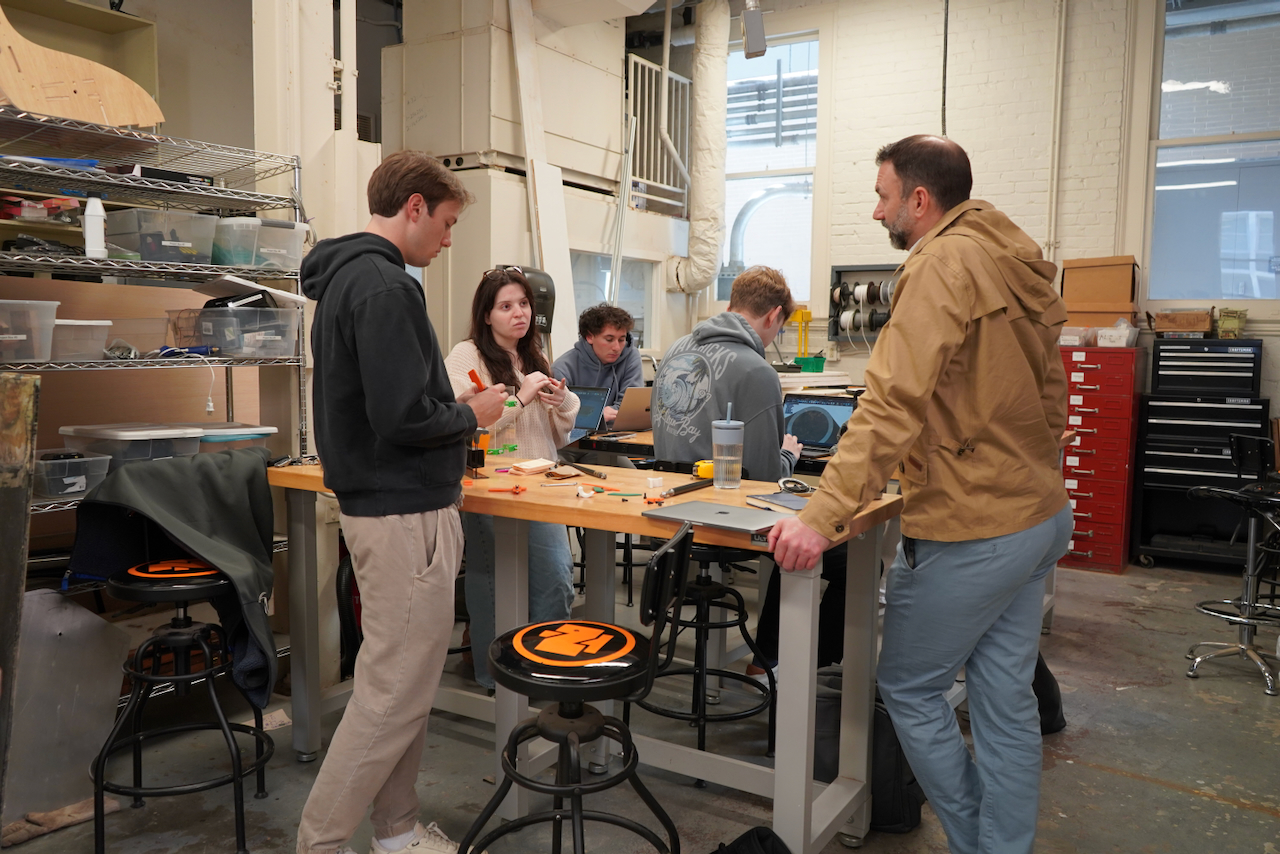
After completing core requirements, students must take a three-course Mechanical Engineering Studio sequence and a two-semester capstone design experience. Students round out the program with four engineering electives, at least two chosen from either the Thermal Systems or Mechanical Systems tracks, allowing further specialization in areas like advanced fluid mechanics, vibrations, advanced manufacturing, or materials selection. The studio sequence and capstone design experience culminate in a final Engineering Capstone Design Expo, where students present their projects to faculty and peers.

Learn more about the admissions process or apply now!
Find full tuition information and the financial aid process.
Get to know what makes this place a launchpad for the next generation of scientists and engineers.
FAQs
Mechanical engineering is the discipline focused on analyzing, designing, testing, and developing mechanical and thermal systems, drawing on mechanics, materials, thermodynamics, fluid dynamics, and controls. It underpins critical sectors including energy, advanced manufacturing, aerospace, robotics, and sustainability.
Only students enrolling for Fall 2027 and beyond may declare this major.
Mathematics and science requirements:
MATH 1210/1211: Calculus I
MATH 1220/1221: Calculus II
MATH 2210/2211: Calculus III
MATH 2240/2241: Introduction to Applied Mathematics (Differential Equations)
CHEM 1070/1075: Chemistry I + Laboratory
PHYS 1310/1311: General Physics I + Laboratory
PHYS 1320/1321: General Physics II + Laboratory
ENGP 3120: Materials Science and Engineering
Mechanical Engineering Required Courses:
CMPS 1500/1501: Intro to Computer Science I + Laboratory
ENGP 1410: Statics
ENGP 2310: Product and Exp Design
ENGP 2430: Mechanics of Materials
ENGP 2120: Thermodynamics I
CENG 2320: Transport Phenomena I (Fluid Mechanics) or BMEN 3440: Biofluid Mechanics
ENGP 2010: Circuits
ENGP 2011: Circuits Lab
MECH 2710: Mechanical Engineering Studio I: Tools
ENGP 3430: Professional Development for Engineers I
ENGP 3440: Professional Development for Engineers II
MECH 3110: Machine Design
CENG 3390: Transport Phenomena II (Heat Transfer)
MECH 3410: Manufacturing Processes
ENGP 2420: Dynamics
ENGP 3180: Intro to Feedback Control and Control Theory or CENG 4500: Chemical Process Control
MECH 3710: Mechanical Engineering Studio II: Systems
MECH 3720: Mechanical Engineering Studio III: Practice
ENGP 4310: Team Capstone Design I
ENGP 4320: Team Capstone Design II
Four engineering electives (min 3 credits each) are required. Two must be from EITHER Thermal Systems or Mechanical Systems:
Thermal Systems Electives:
MECH 4250: Thermal Energy Systems Design
MECH 4220: Advanced Fluid Mechanics
MECH 4240: Compressible Flow
CENG 3110: Thermodynamics II
Mechanical Systems Electives:
MECH 4420: Advanced Manufacturing
MECH 4430: Materials and Process Selection
MECH 4510: Vibrations
PHYS 3740: Classical Mechanics
ENGP 3720: Mechanical Behavior of Materials
ENGP 3620: Microfabrication and Nanotechnology
Other Suggested Engineering Electives (others as approved by MECH advisor):
MECH 4010: Mechanical Finite Element Analysis
BMEN 3650: Biomechanics and Biotransport
ENGP 3380: Materials for Energy
ENGP 3390: Synthesis of Nanomaterials
ENGP 3760: Thermodynamics of Materials
MATH 4440: Analytical Methods for Applied Math
The curriculum is designed to satisfy ABET accreditation requirements and prepare students for the Fundamentals of Engineering (FE) examination and eventual professional licensure. Students complete a two-semester capstone design experience that incorporates engineering standards, open-ended problem-solving, teamwork, and real-world engineering constraints. The ABET accreditation review will take place once the first class graduates in 2031.
Contact Us
Matt Barrios
Senior Professor of Practice
Director of Mechanical Engineering Programs