
Master's Degree in Bioinnovation
Master's Degree in Bioinnovation
The Master of Science in Bioinnovation is designed for aspiring leaders in the biotechnology sector. This innovative program leverages the success of Tulane's PhD Program in Bioinnovation, established in 2012, and meets the growing demand for advanced training in technology commercialization. With a focus on cultivating a talent pipeline to sustain the biotechnology enterprise in the region, this program is poised to become a cornerstone of Tulane’s commitment to innovation and entrepreneurship.
The Department of Biomedical Engineering offers courses of study leading to the Master of Science (MS) in Bioinnovation through the Graduate Division of the School of Science and Engineering. This is a professional, non-thesis degree that represents the intersection of biological science, technology, and business as it relates to the commercialization of new biological technologies.
ApplyRequest InformationDepartment of Biomedical Engineering
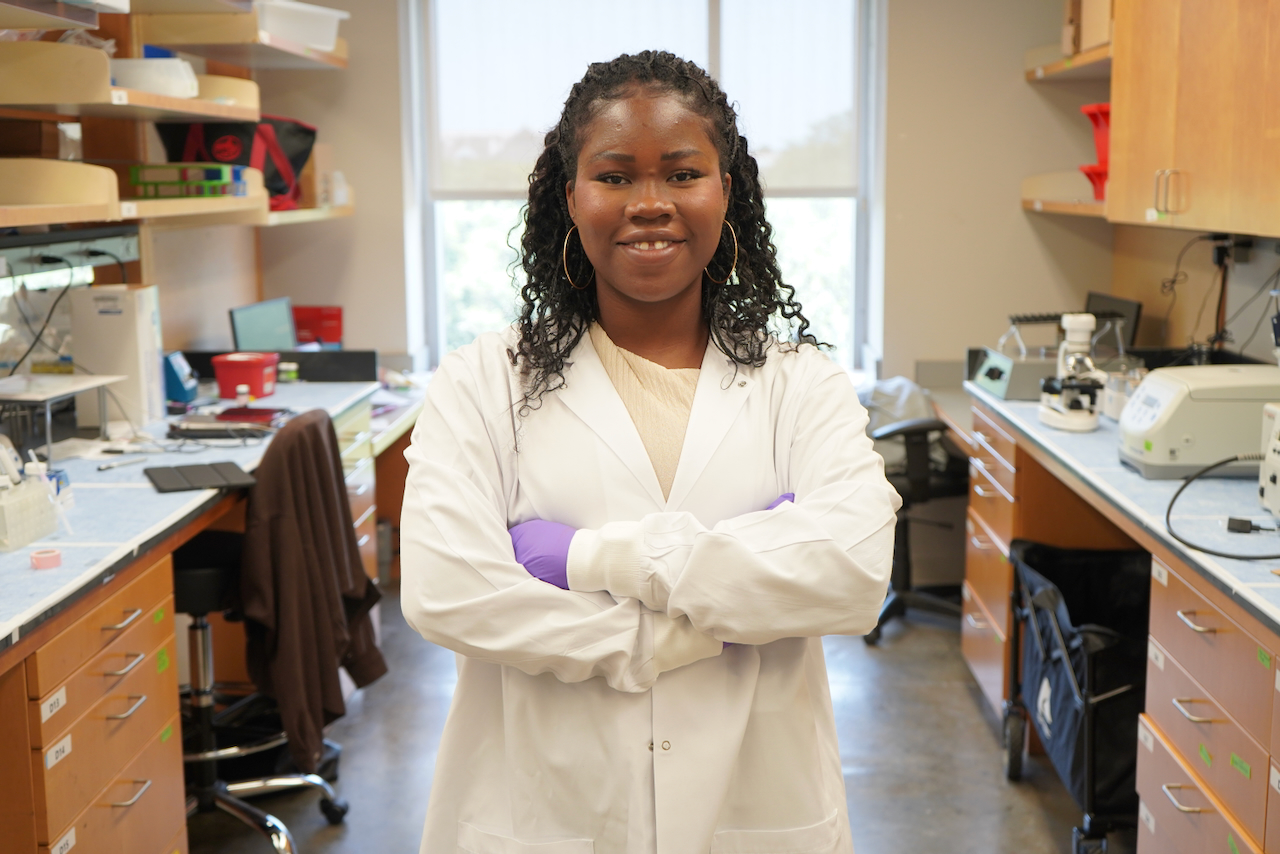
4+1 Accelerated Master's Program
Current Tulane undergraduate students can earn this M.S. degree with just one additional year of study. This accelerated program allows you to count graduate-level courses toward both your B.S. and M.S. degrees, providing a fast track to an advanced credential.

What You'll Learn
The MS in Bioinnovation targets students with BS or BSE degrees in STEM fields and will give them advanced education in biology, technology, and technology commercialization, while providing real-world experiences in the form of internships. This is provided through a series of internships that are focused on early-stage commercialization of new technology, such as investigating the intellectual property landscape, performing market research, conducting customer discovery, or navigating regulatory affairs. The combination of concrete internships with advanced education will make graduates of the program highly marketable to startup companies as well as established companies and will contribute to the pipeline of talent needed to sustain biotechnology enterprise in the region and beyond.
Research
While the MS in Bioinnovation centers on commercialization rather than traditional research and development, the program is deeply rooted in Tulane's research ecosystem. Students draw on advanced coursework in areas like molecular biology, genomics, and biomedical imaging, then apply that scientific foundation to real commercialization challenges through their capstone internship. Rather than generating new lab research, students learn to evaluate and advance existing biological technologies, conducting intellectual property landscape analysis, market research, and customer discovery that bridge scientific innovation with practical application.
Meet Our Faculty
Faculty in the Bioinnovation program bring together expertise from biomedical engineering, cell and molecular biology, business, and health policy, reflecting the program's interdisciplinary design. Many are directly involved in technology commercialization themselves, giving students insight into how scientific discoveries move from the lab toward market. Beyond the classroom, faculty help connect students with capstone internship opportunities at commercial partners, guiding them as they apply academic training to real industry challenges.
Curriculum Requirements
The MS in Bioinnovation is a professional, non-thesis degree requiring a minimum of 30 credit hours and a 3.0 cumulative GPA. Students complete 24 hours of coursework spanning biological foundations, commercialization and entrepreneurship, technology and design, and policy and regulatory affairs, taking at least two courses in biology, commercialization, and applied science, and at least one in policy. The remaining 6 hours are fulfilled through a two-course capstone internship sequence, and the flexible curriculum can be tailored to accommodate different academic backgrounds and career goals.
Career Benefits and Pathways
Graduates of the MS in Bioinnovation are trained for the business side of biotechnology rather than traditional lab-based R&D, making them highly marketable to both startups and established biotech, pharmaceutical, and medical device companies. Career paths include roles like technology transfer associate, business development manager, regulatory affairs specialist, market research analyst, and venture capital or private equity analyst focused on life sciences. Because the program builds a talent pipeline for the region's biotechnology enterprise, graduates are also well positioned for roles at incubators, innovation institutes, and university tech-transfer offices working to commercialize new biological technologies.
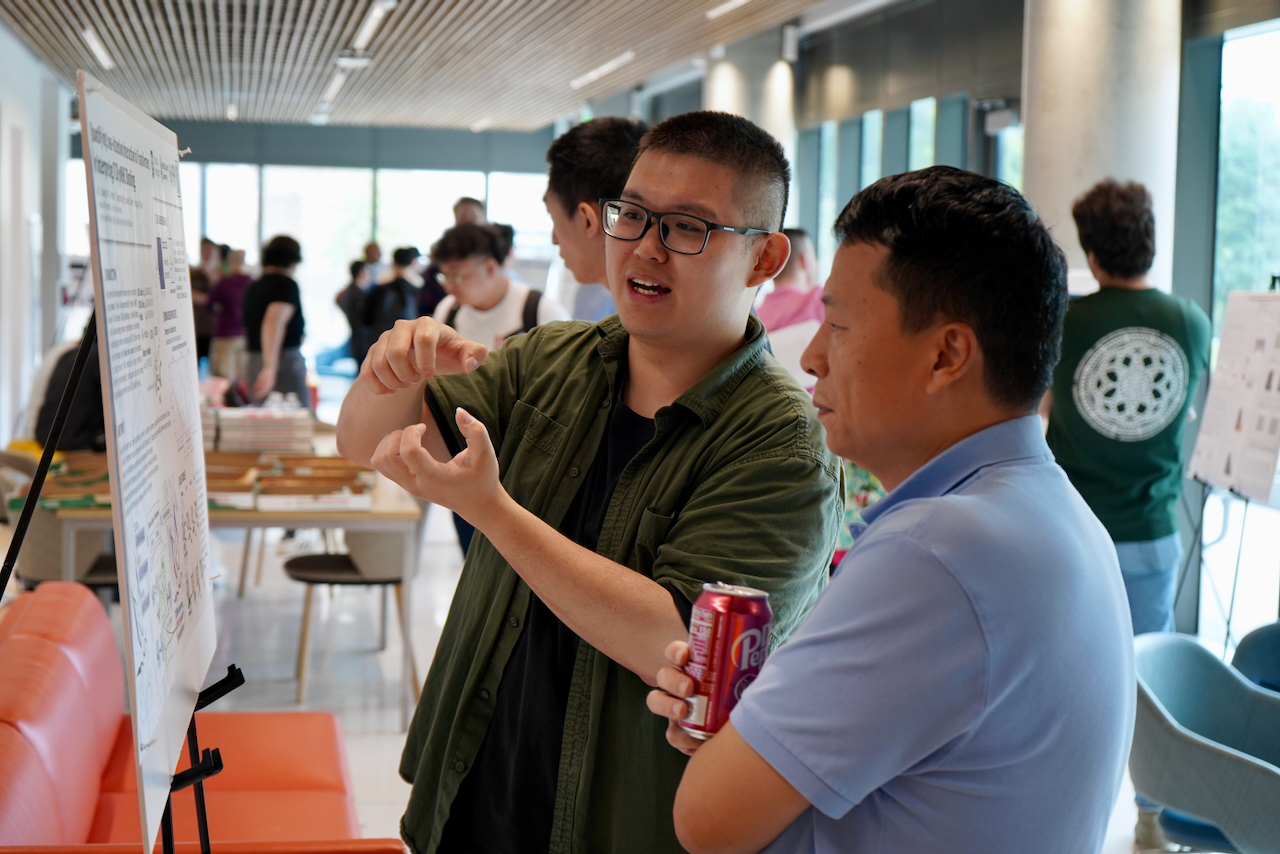
Learn more about the admissions process or apply now!
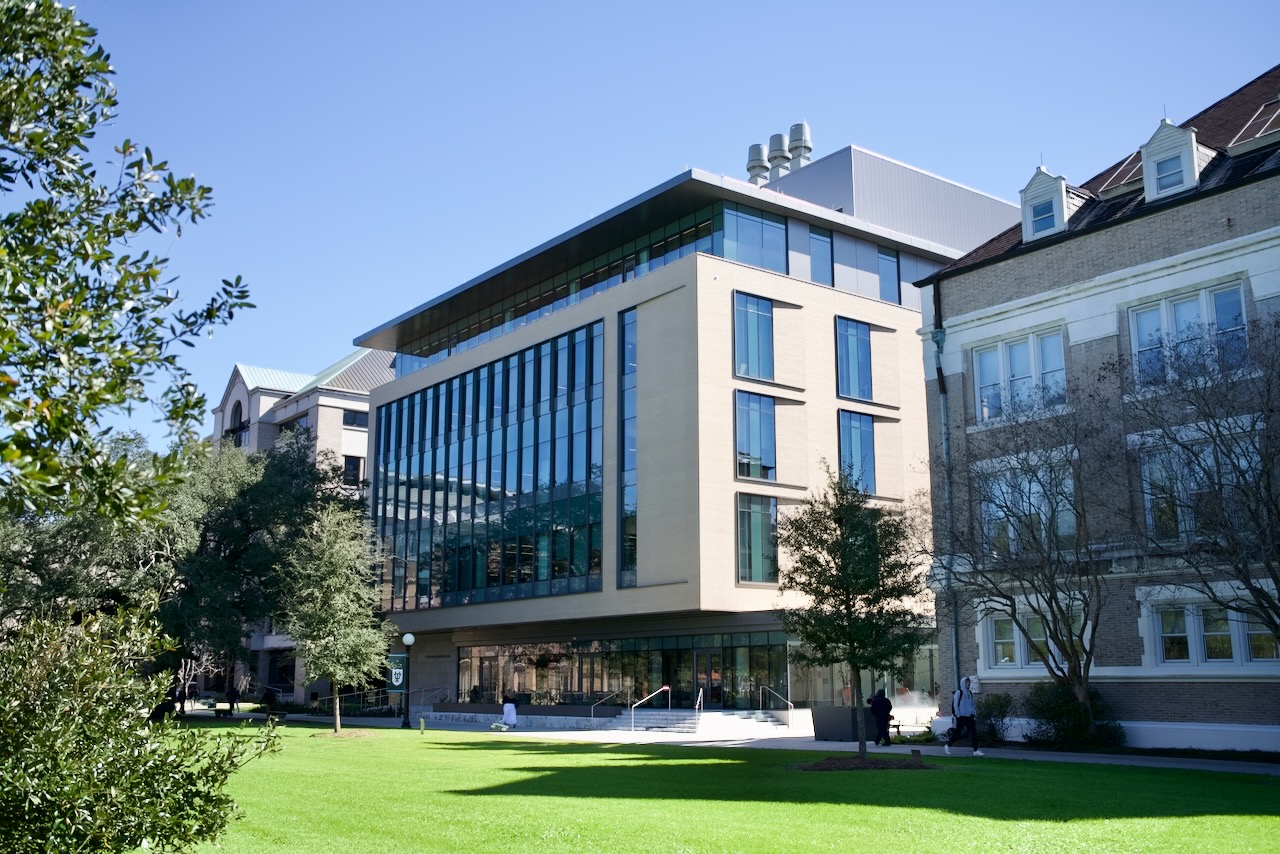
Find full tuition information and the financial aid process.
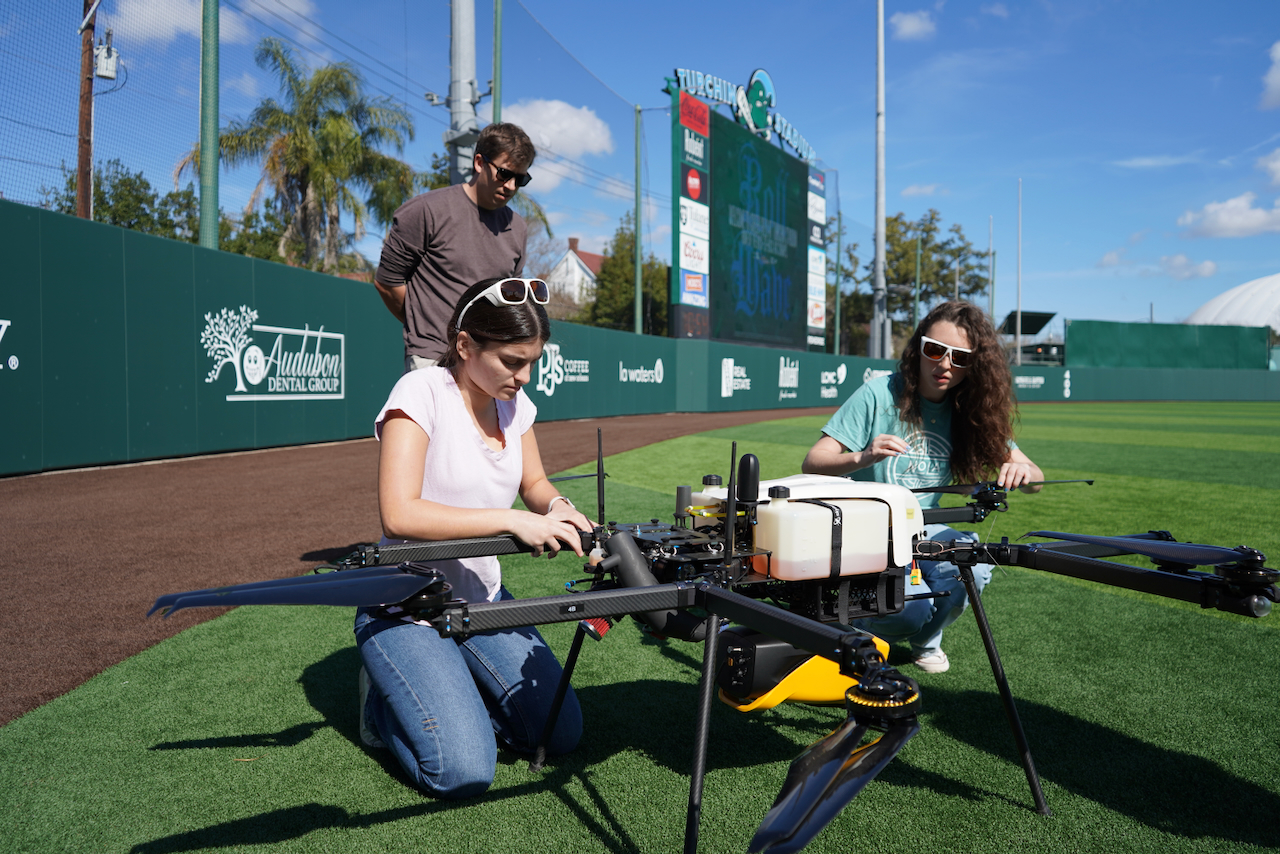
Get to know what makes this place a launchpad for the next generation of scientists and engineers.
FAQs
Bioinnovation is the intersection of biological science, technology, and business as it relates to commercializing new biological technologies. Rather than focusing on research and development, it centers on the process of bringing scientific discoveries to market, from intellectual property and regulatory affairs to market research and customer discovery.
Meeting Market Demand: The MS in Bioinnovation is uniquely crafted to address the increasing need for specialized education in biotechnology commercialization. It is designed to prepare students for the dynamic and ever-evolving demands of the biotech industry.
Built on Proven Success: Building on the success of our PhD Program in Bioinnovation, this master’s program continues Tulane's tradition of excellence in training the next generation of innovators.
Regional Impact: By fostering a talent pipeline, this program supports the growth and sustainability of the biotechnology sector in the region, contributing to the local economy and the advancement of science and technology.
Synergy with Tulane Innovation Institute: The program aligns with the goals of the newly formed Tulane Innovation Institute, offering students unparalleled resources and opportunities to bring their ideas to life.
Interdisciplinary Curriculum: Our program offers comprehensive training in advanced biology (e.g., Molecular Biology, Genomics, Microbiology, Anatomy, Organ Physiology), cutting-edge technology (e.g., Design Principles, Biomaterials, Signals & Systems, Biomedical Imaging, Data Science), and essential business skills (e.g., Business, Finance, Entrepreneurship).
Regulatory Affairs Training: Gain expertise in navigating the regulatory landscape, including FDA processes, clinical trials, and testing standards.
Capstone Internship: Engage in a hands-on “Capstone” internship focused on technology commercialization. Students will work directly with a commercial entity or university faculty to tackle real-world challenges in customer discovery, market research, and more.
STEM graduates who are passionate about biotechnology and looking to transition into commercialization roles.
Professionals seeking to advance their careers or pivot into the biotechnology sector with specialized training in technology commercialization.
- Bachelor’s of Science degree (or its equivalent) in a STEM discipline from an accredited college or university
- GPA of 3.0 (or justification for GPA below this threshold)
- Online application to include:
- CV or Resume
- Transcript(s)
- Personal statement describing applicant’s prior qualifying experiences, motivation for entering the program, future career goals, and desire to study at Tulane
- At least 2 letters of recommendation
International applicants must submit TOEFL scores unless they have received a degree from an English-speaking institution.
Priority Consideration Deadline is December 15. After December 15 applications are reviewed on a rolling basis with a deadline of May 1 for the Fall Semester.
Hands-On Experience in Biotechnology Commercialization: The capstone internship is a cornerstone of the MS in Bioinnovation program, providing students with invaluable real-world experience. Interns can choose to work with a commercial entity or collaborate with Tulane faculty pursuing commercialization efforts. The internship projects focus on technology commercialization, customer discovery, market research, and other relevant areas, distinctly different from traditional R&D roles.
Structured Internships: Each internship is guided by a Memorandum of Understanding (MOU) between the student, the sponsor, and Tulane with clearly outlined expectations and deliverables.
Pilot Program Success: Our pilot program with Bioceptive, a local startup, has already set a strong precedent, providing valuable insights and experience to our first cohort of students.
Students will receive course credit for their effort, so they will not be able to receive payment during the credited internship. If external companies desire to retain students before or after the semester in a paid role, that is their discretion.
At the end of the internship, students will deliver a final report to the sponsor and the program, showing their ability to apply classroom knowledge to practical industry challenges. The internship courses will be graded S/U, and feedback will be solicited from each sponsor toward the end of each semester in order to assign the grade.
Contact Us
Ilianna H. Kwaske, Ph.D.
Associate Dean for MS Programs & Professional Education
ikwaske@tulane.edu
Sarah Berry
Director of MS and Certificate Programs
smccarty@tulane.edu
Rosie Chavez
Director of Graduate Programs
rchavez@tulane.edu