
Research
Research
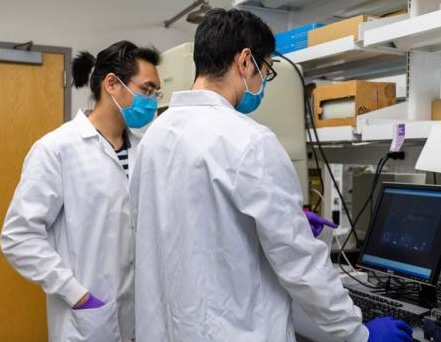
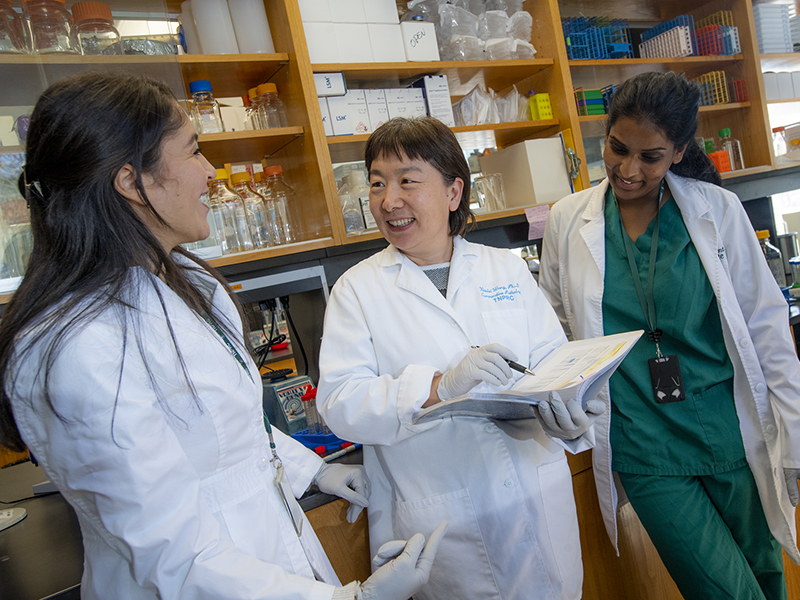
Tulane’s Department of Biomedical Engineering has a long history of studying a wide variety of research problems using traditional engineering expertise to analyze and solve problems in biology and medicine. Our program has expertise in the following biomedical engineering domains: Biomaterials, Biomechanics, Bioimaging, Biotransport, Tissue Engineering, and Design.

PI Research Groups
Biofluid Mechanics Laboratory
The Biofluid Mechanics Laboratory at Tulane University studies the interrelationships between fluid mechanical and physicochemical phenomena and the associated biological behavior of physiological systems. The main thrust of this research involves investigations of the pulmonary system, with the goal of developing improved therapies for pulmonary disease, ARDS, and the prevention of ventilator-induced lung injury (VILI). In addition, we investigate the design of optimized microfluidic devices for biosensor technology. These integrated studies bring together basic and applied scientists (including computational scientists), device developers, and physicians to study problems of high clinical importance.
Biomedical Acoustics and Cellular Biomechanics & Biotransport Laboratory
In the Biomedical Acoustics Laboratory, we investigate how living cells, tissues, and biological polymers respond to mechanical stresses induced by acoustic waves. The current focus is on the development of ultrasound-based noninvasive or minimally invasive therapies for cancer, spinal cord injury, and neurodegenerative diseases, as well as on the use of our patented acoustic tweezing method for low-volume non-contact blood coagulation analysis in pediatric and coagulopathic patients.
In the Cellular Biomechanics & Biotransport Laboratory, using endothelium-lined microfluidic systems and state-of-the-art computational models, we study the migration, deformation, and adhesion of circulating cells under the conditions of cancer metastasis, inflammation, and cardiovascular disease.

Biomolecular and Functional Imaging Laboratory
The research in the Biomolecular and Functional Imaging Laboratory develops novel medical imaging methods to study the dynamics of molecular expression and physiological function. Most existing medical imaging systems produce images of anatomical features. However, anatomical information alone is insufficient for optimal treatment of a disease condition. Imaging the physiological (functional) and biochemical (molecular) properties of the system could provide key information to halt disease progression and growth. In our work, we integrate ultrasound and contrast-enhanced photoacoustic imaging systems, including the development of algorithms for functional and molecular photoacoustic imaging and the evaluation of photoacoustic and ultrasound contrast agents. A key focus of our imaging technology is the functional and molecular environment during compromised pregnancies such as preeclampsia. We search for new methods to treat these conditions through the knowledge gained through our functional and molecular imaging technologies.
Microphysiology and Magnetic Resonance Lab
The Microphysiology and Magnetic Resonance Lab is dedicated to advancing imaging diagnostics by developing innovative methods and applications of low-field Magnetic Resonance Imaging (MRI) technology. We focus on creating accessible, cost-effective diagnostic tools to improve healthcare outcomes, particularly in underrepresented and high-risk populations. Emphasizing a quantitative approach, we integrate MRI with microphysiological systems that model complex pathologies. Using a bottom-up methodology, we directly connect MRI physics to tissue morphological properties, enabling precise and insightful imaging that enhances our understanding of disease progression. We aim to make advanced diagnostics more widely available and affordable, contributing to more equitable healthcare solutions.
Regenerative Engineering and Equity Lab
The Regenerative Engineering and Equity Lab (REEL) focuses on developing biomaterial-based approaches to enhance hematopoietic stem cell (HSC) transplantation, with a primary emphasis on treating sickle cell disease. We explore how various factors such as pathology, sex, and age influence HSC functionality through sophisticated in vitro and in vivo models. These insights are pivotal in tailoring our biomaterial designs to mimic and exploit bone marrow physiology effectively, aiming to augment stem cell transplantation engraftment and recovery processes.
In tandem with our biomedical research, our educational initiatives integrate healthcare equity into engineering curricula to enhance student retention, success, and overall experience. By combining advanced technical education with an understanding of ethical and human-centered aspects of engineering, we foster a more inclusive and equitable learning environment. This approach ensures that students are not only technically proficient but also socially conscious, preparing them to tackle complex healthcare challenges and contribute meaningfully to health equity.

Tissue Engineering and Microphysiological Systems Laboratory
The Tissue Engineering and Microphysiological Systems (TEMPS) laboratory engineers biologically-inspired microphysiological systems to model human tissues and organs, including lungs, skeletal muscle, visceral organ interstitium, and cancer. We utilize high-resolution imaging, biochemical assays, and next-generation sequencing analysis to study states of homeostasis and disease in these models, with a strong emphasis on hypothesis-driven discovery of pathophysiological mechanisms and identification of novel therapeutic paradigms. Currently, we are working to build models of respiratory exposure injury (i.e., smoking, vaping, environmental exposures), inflammation and fibrotic disorders of the interstitium, muscle tissue injury, tumor microenvironment, and systemic effects of malignancy (Cachexia). Our affiliations with the Tulane Cancer Center, the Center for Translational Research in Infection and Inflammation, and other entities at the Tulane University School of Medicine create rich opportunities to collaborate with top scientists and physicians.
Multiscale Bioimaging and Bioinformatics Laboratory
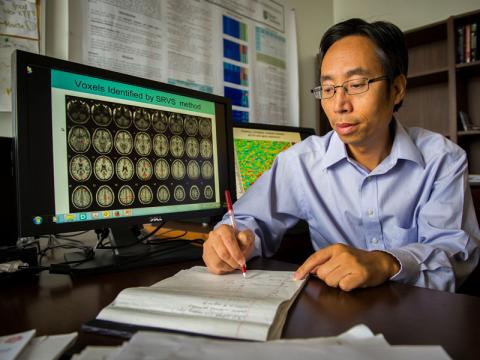
The Multiscale Bioimaging and Bioinformatics Laboratory at Tulane University has three research themes:
- Fundamental research on multiscale signal/image representation and analysis;
- Multiscale bioimaging analysis from organ and tissue levels to molecular and cellular levels; and
- Bioinformatics in human genomics.
Currently, we are focusing on information extraction and integration from multiscale and multimodal genomic imaging data, with applications to the diagnosis of diseases and cancers such as mental disorders and osteoporosis. One goal is to bring the biomedical technique into commercial use. We are using a multidisciplinary approach and working closely with computational scientists, biostatisticians, medical geneticists, clinicians, and industrial engineers at Tulane and all over the world.
Neural Microengineering Laboratory
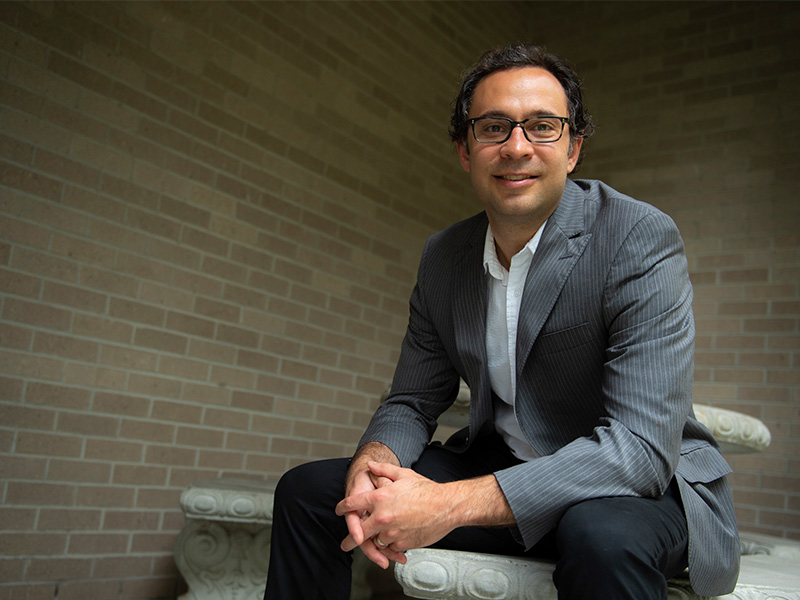
The focus of the Neural Microengineering Laboratory is to develop in vitro models of neural growth, physiology, and disease by manipulating the chemical and physical extracellular microenvironment. Toward this end, we employ a number of microengineering technologies such as microscale tissue engineering, novel nanomaterials, microfabrication, digital light projection microscopy, and optical modes of electrophysiological stimulation and recording. Projects include a “nerve-on-a-chip” for drug development, neural axon growth & guidance, biomimetic in vitro models of inflammatory demyelinating disorders, and models of afferent sensory synaptic transmission.

Translational Biophotonics Laboratory
Research in the Translational Biophotonics Laboratory focuses on the application and clinical translation of quantitative optical spectroscopy and imaging tools for the improvement of cancer management. We develop translatable optical methods to directly address gaps in clinical care, and carry those through to clinical validation in humans alongside our interdisciplinary collaborators. A major theme in this work is the use of novel imaging devices (and computational analysis tools) to improve patient outcomes in surgical tumor removal in organs such as the breast, prostate, and kidney. To achieve these goals, we leverage new and existing technologies across multiple spatial scales, such as quantitative diffuse reflectance spectroscopy and imaging (DRS, DRI), fluorescence lifetime imaging, structured-illumination microscopy (SIM), and light sheet microscopy (LSM). Ongoing and emerging projects include a strong focus on computational sciences in microscopy.
Research & Training Facilities
The Department of Biomedical Engineering is located in the Boggs Center for Energy and Biotechnology on the Tulane Uptown Campus and includes more than 16,000 square feet of Biomedical Engineering offices, classroom space, and laboratories.

TI2EHM is an interdisciplinary research institute that is designed to foster collaborations between faculty and students in the schools of Science and Engineering (SSE), Medicine (SoM), and Public Health and Tropical Medicine (SPHTM). TI2EHM was developed by Tulane’s Departments of Biomedical Engineering (BME) and Chemical and Biomolecular Engineering (CBE) to enhance collaborations between SSE and Health Sciences. The strategy is to bring engineering and biomedical science research together through shared facilities and interactions. This stimulates intellectual activity, research and graduate/post-doctoral training opportunities leading to the development of transformational medical technologies and devices.

The Vevo F2 is a high-resolution ultrasound system designed for preclinical in vivo research across oncology, cardiovascular, neurobiology, and other fields. It supports small- to large-animal models and can also be used in acoustics engineering applications. With an intuitive touchscreen interface and ergonomic design, it allows efficient imaging with quick transducer switching via three active ports. Additional features include contrast-enhanced ultrasound (CEUS) and 3D imaging, expanding the system’s versatility for a wide range of experimental needs.
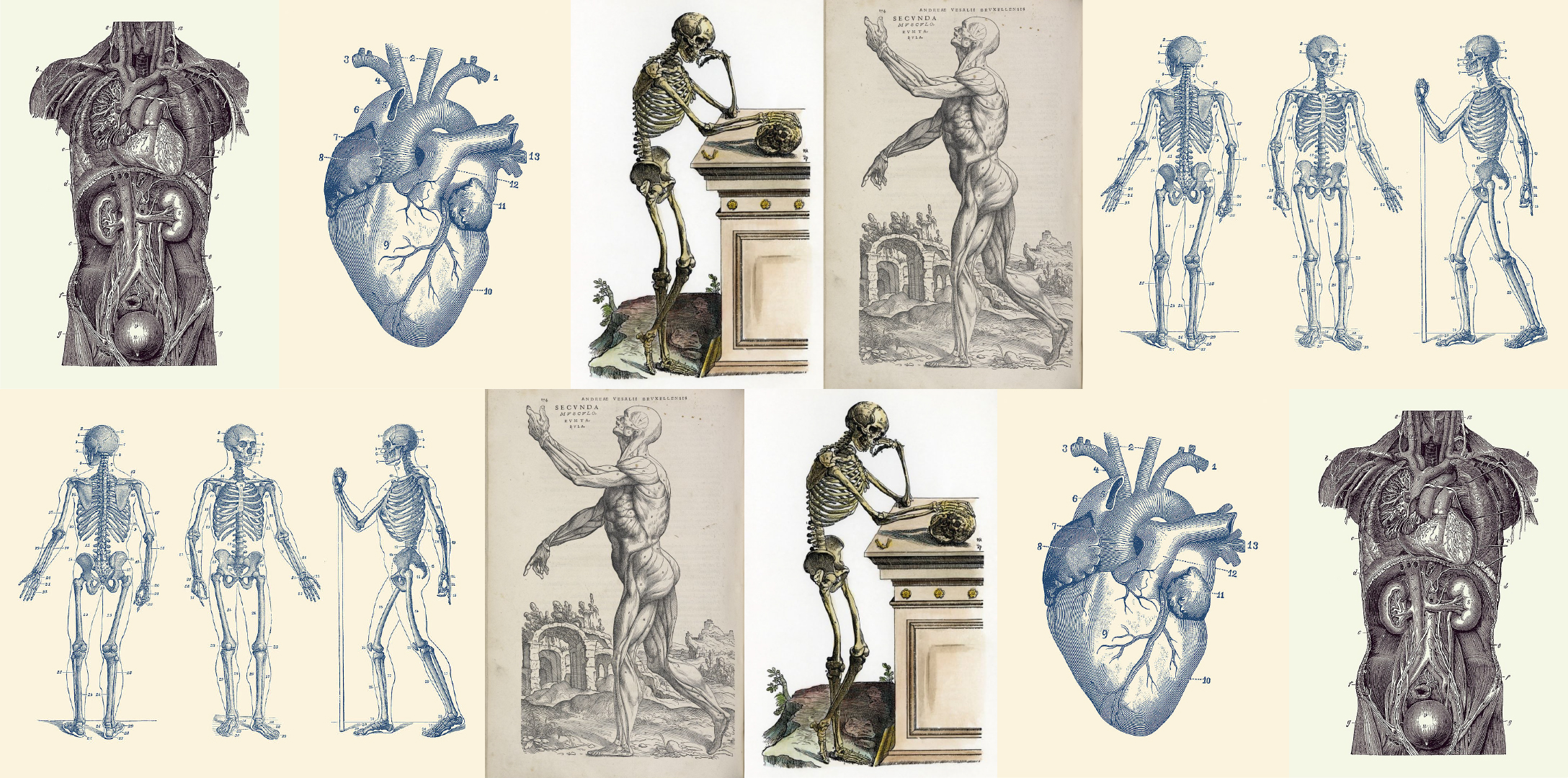
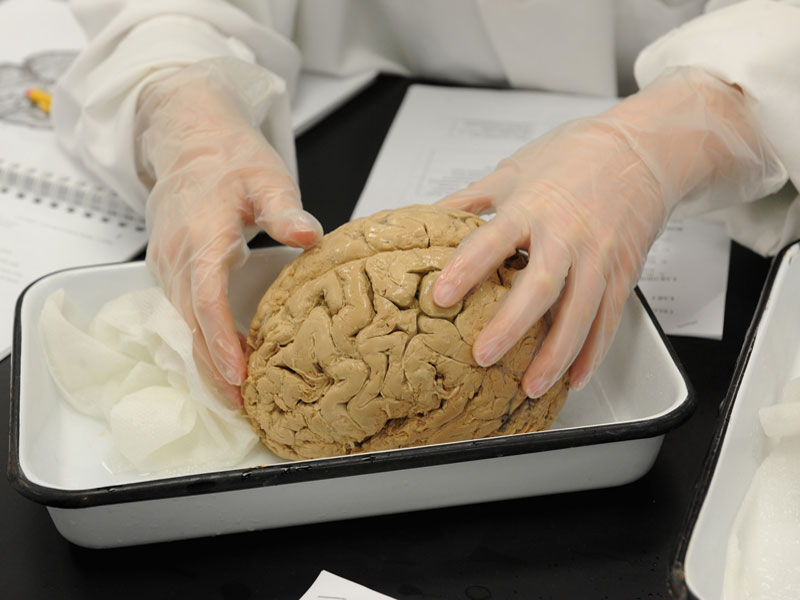
The Center for Anatomical Movement Sciences (CAMS) is one of eight specialized centers associated with the School of Science and Engineering (SSE). It utilizes an aggregate and central resource geared toward interdepartmental relationships. CAMS originated from the remodeling and expansion of the former Human Anatomy Lab housed in the Department of Exercise and Sport Sciences. CAMS also provides a specialized facility for professional continuing medical education that partners industry and practicing clinicians with Tulane engineering and preclinical students. The center has developed a significant outreach program that offers instructional events to community colleges and high schools from around the state of Louisiana. The center also includes smaller associated labs that provide hands-on experience with accelerometry, electromyography, metabolic assessment, spirometry, and other movement-related physiology.
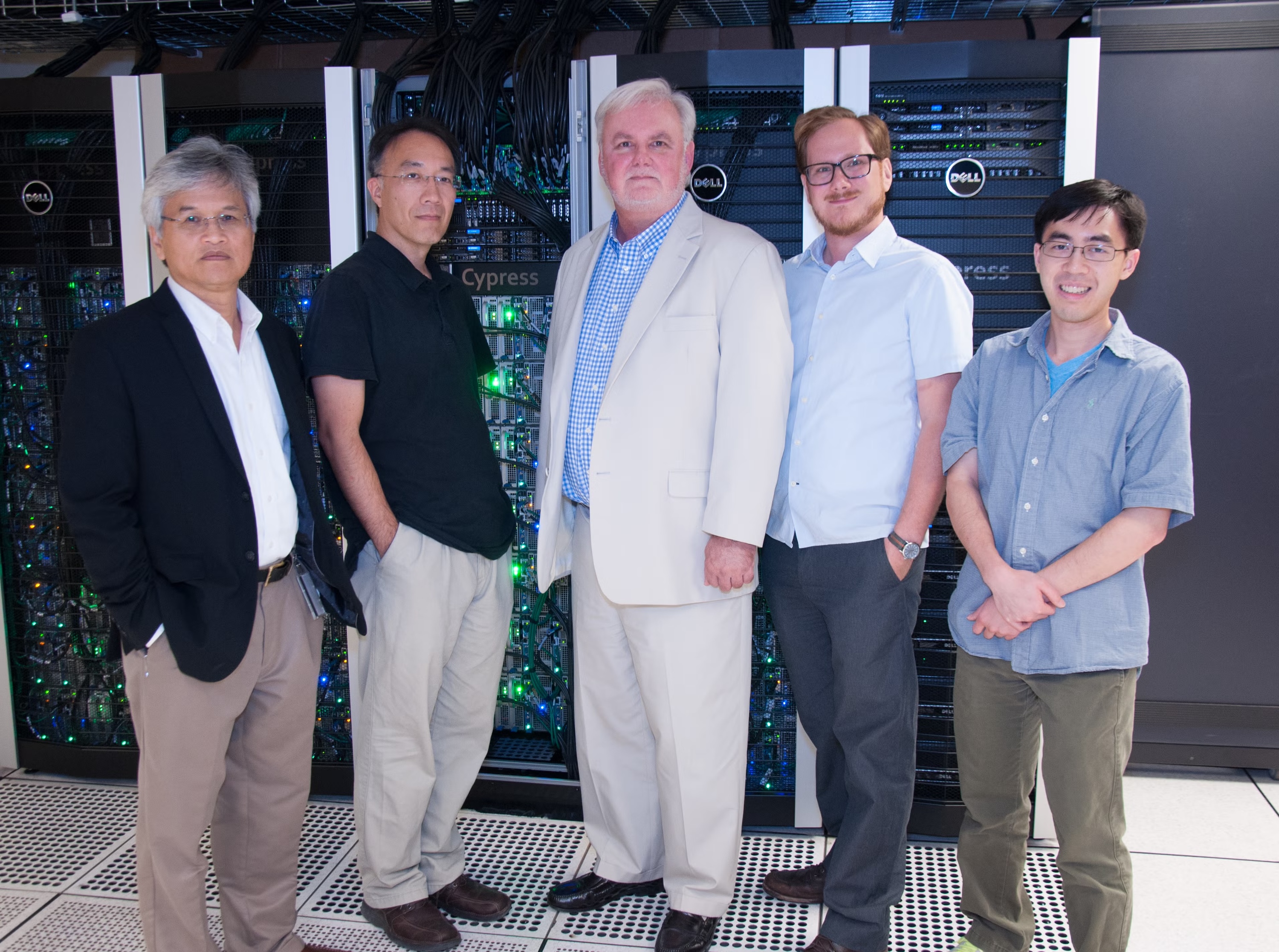
The Tulane University High Performance Computing system, Cypress, is composed of Dell state-of-the-art technology, using Intel Ivy Bridge CPUs, Intel Xeon Phi coprocessors, and the Lustre file system running on Dell storage with Intel Enterprise Edition for Lustre (IEEL) technology. The components of Cypress were carefully selected to provide consistent performance over a wide range of scientific applications. Cypress will deliver a peak general capability of 668.75TF and will incorporate 7.936 TB of fast main memory with 1 Petabyte (1PB) of high-performance storage. Cypress is designed to provide a powerful but flexible design, suited to the computing resource demands of computational scientists and researchers.
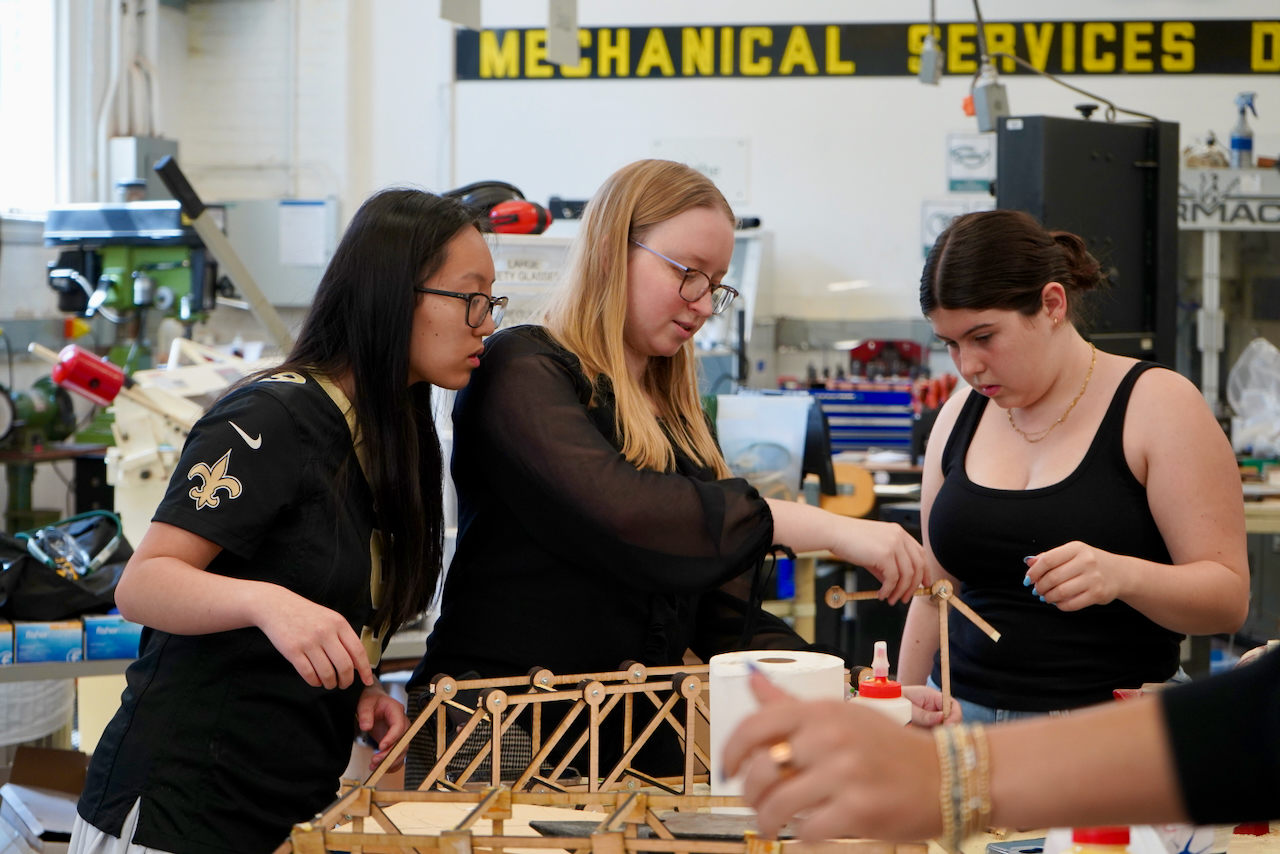
A Maker Space has been described as a new amalgam of art, craft, and technology. The Tulane Maker Space is located on Engineering Road, in one of the original campus buildings constructed in 1894 and designed by architects Benjamin Morgan Harrod and Paul Andry. It occupies 4100 ft2 of design and construction space. Formerly a centralized machine shop, it offers direct vehicle access, high ceilings, a separate design and ideation space, and an embedded controller development center. It includes multiple modern prototyping tools like laser cutters, a 4-axis CNC milling machine, a CNC lathe, and 3D printers, along with traditional hand tools and power tools. Access to power is tied to an RFID key card system and will require completion of safety training. Some equipment with high danger potential will only be used with qualified faculty or staff supervision.
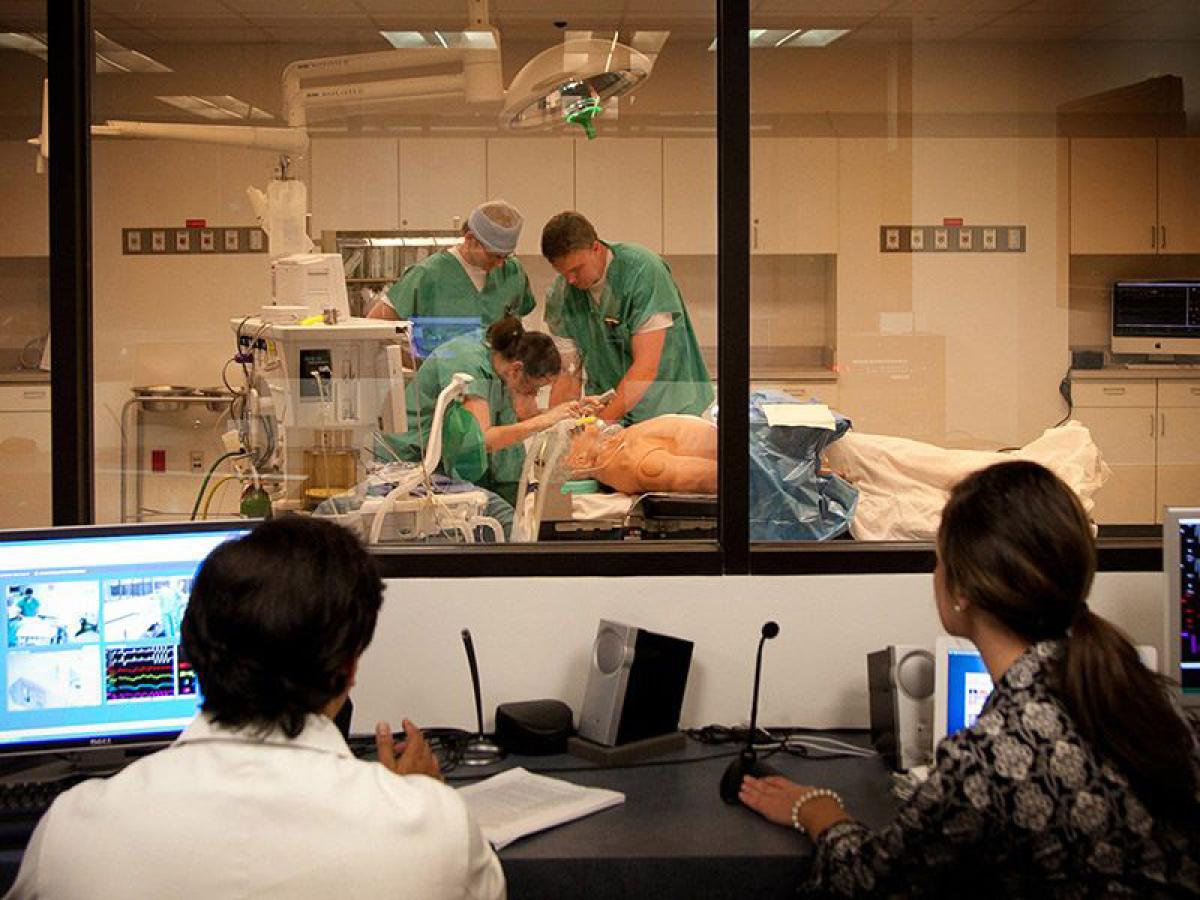
The Tulane Center for Advanced Medical Simulation and Team Training offers a multidisciplinary approach to education and research that includes surgical and non-surgical simulations and skills/task training. It features 14,000 square feet of real-life environments and meeting space on the Tulane Health Sciences Campus in downtown New Orleans.
Venues & Collaborations
The Biomedical Engineering department collaborates extensively with the other departments and schools at Tulane, as well as the following Centers and Programs:



Undergraduate Research & Design Conference
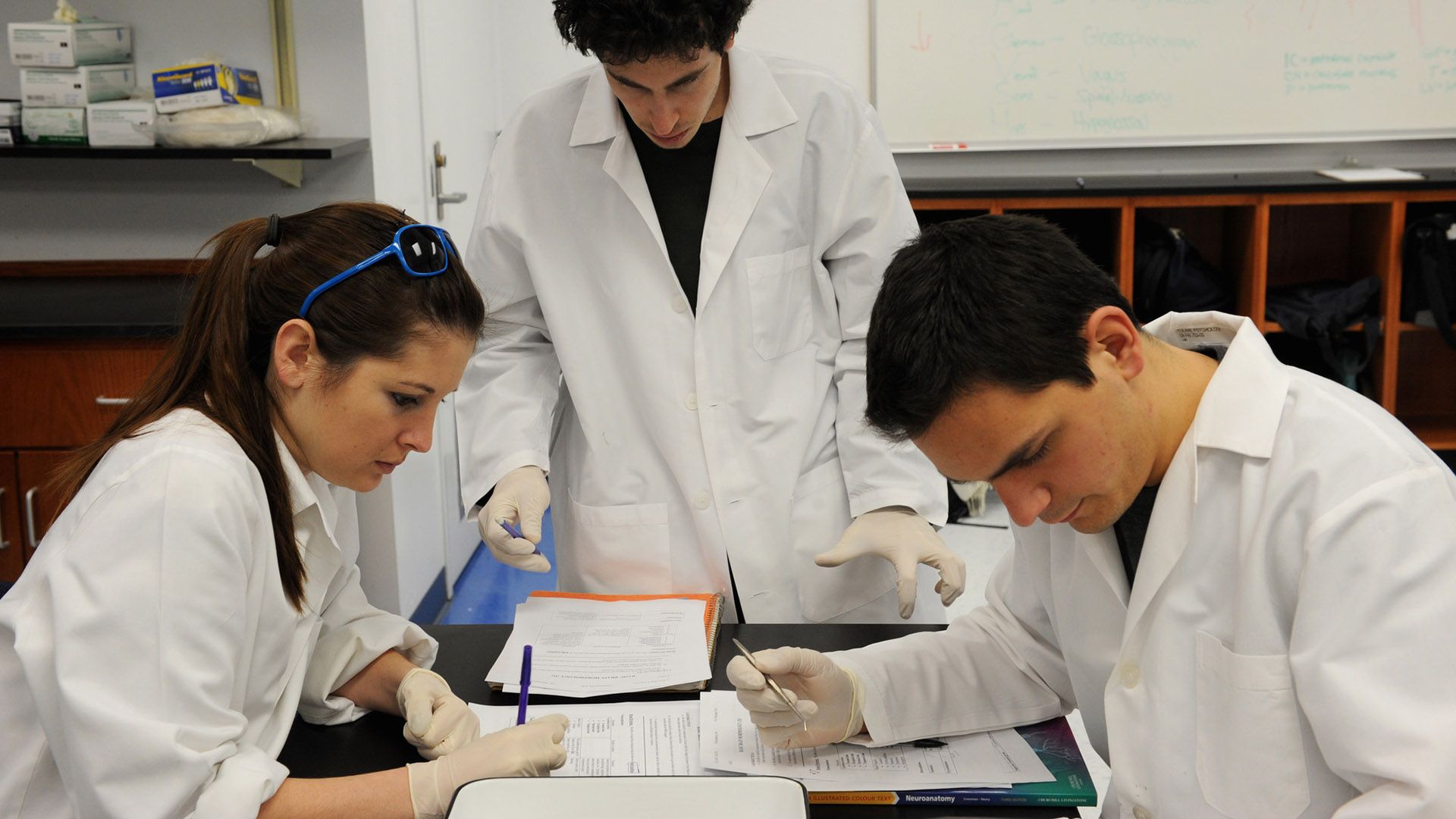
One of the distinctive features of Tulane’s undergraduate program is the requirement that all students participate in a year-long individual research project (in addition to the team design projects).
Although individual research projects, including an undergraduate thesis and public oral presentation, have been a part of Tulane's undergraduate curriculum in Biomedical Engineering since 1977, we have only recently made the conference abstracts available (since 2001). Beginning in 2003, we have hosted an Undergraduate Research and Design Conference with an abstract booklet. The links below open PDF files with abstracts and conference proceedings.
Team Design Projects
Team design projects enable Biomedical Engineering students to use the knowledge and skills acquired in earlier coursework. Teams incorporate appropriate engineering standards and realistic constraints while they produce designs that address healthcare-related needs. Each spring, the teams present their designs in a show that the public is invited to attend.
2024 Tulane Engineering Capstone Design Expo Video
2023 Tulane Engineering Capstone Design Expo Video
2022 Tulane Engineering Capstone Design Expo Video
Virtual 2021 Tulane Engineering Capstone Design Expo
Virtual 2020 Tulane Engineering Capstone Design Expo
Tulane Design Engineering Expo 2019 video