
Ph.D. in Bioinnovation
Ph.D. in Bioinnovation
Graduate education in the sciences and engineering rarely offers the training and experiences that fully prepare graduates to enter directly into non-academic research and leadership positions. The Interdisciplinary PhD Program in Bioinnovation at Tulane University challenges this paradigm by cultivating in its students the ability to develop clinically relevant biomedical technologies that have the potential to evolve into marketable products. Participating fellows benefit from and expand upon an environment of translational research at Tulane that spans the School of Science & Engineering (SSE), School of Medicine (SOM), and School of Public Health and Tropical Medicine (SPHTM). Simultaneous collaborations with the Business and Law Schools, industry partners, and the FDA provide fellows with a strong foundation in entrepreneurship and regulation. This program was initiated in 2012 by an NSF Integrative Graduate Education and Research Traineeship (IGERT) award.
Training within this program emphasizes bioinnovation, which we define as the development and progression to the marketplace of clinically relevant biomedical technologies and devices.
ApplyRequest InformationDepartment of Biomedical EngineeringTulane Bioinnovation
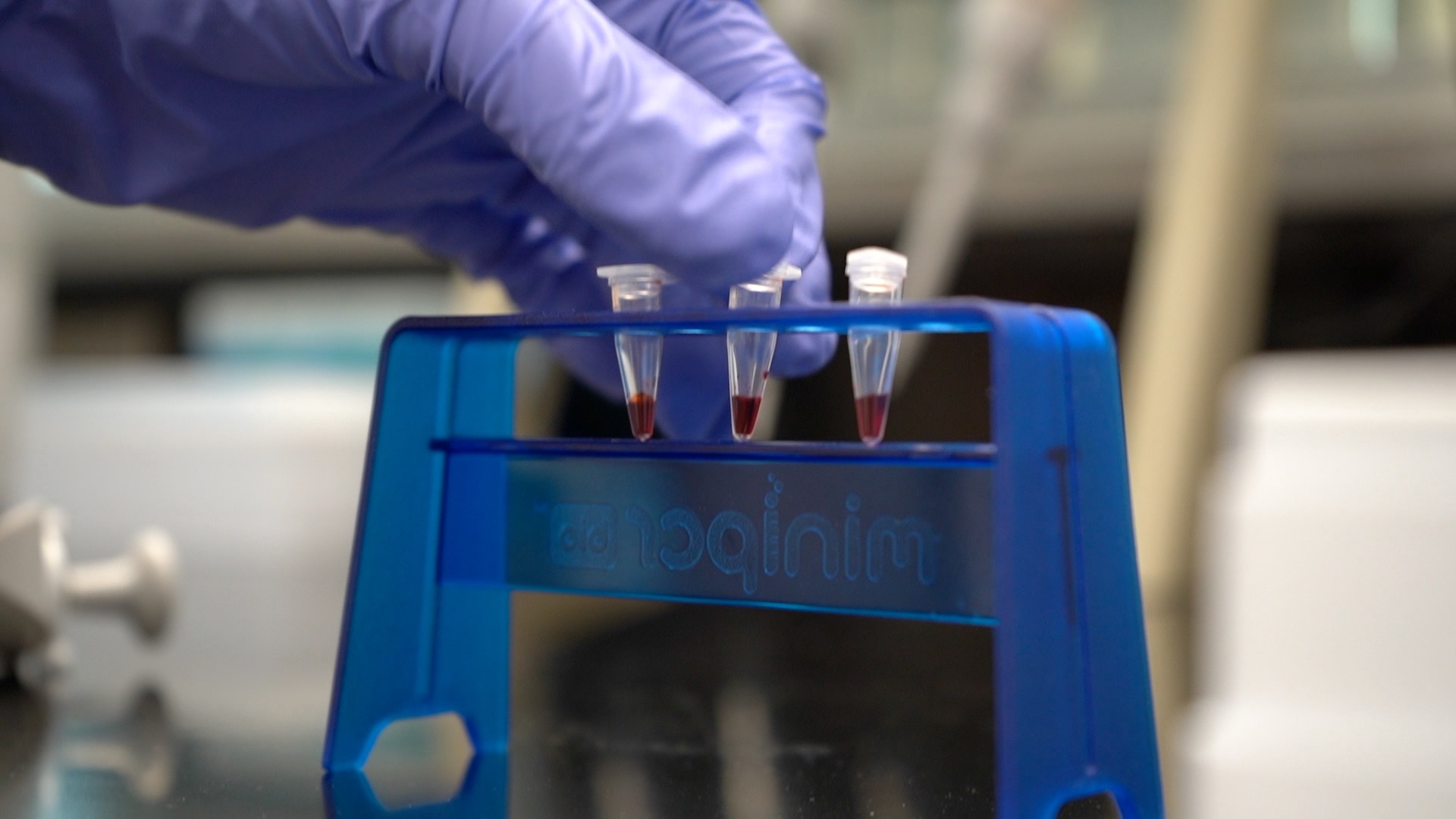

What You'll Learn
Tulane’s Bioinnovation Program fosters the design and development of innovative biomedical technologies and products through a balanced educational approach that combines strong foundations in science and engineering and direct collaboration with healthcare professionals and business and regulatory partners.
Our students participate in transformative biotechnology development that leverages Tulane’s state-of-the-art facilities, resources in a revitalized healthcare industry and New Orleans’ burgeoning entrepreneurial spirit to accelerate the translation of research from the laboratory to the marketplace and patient bedside.
Research
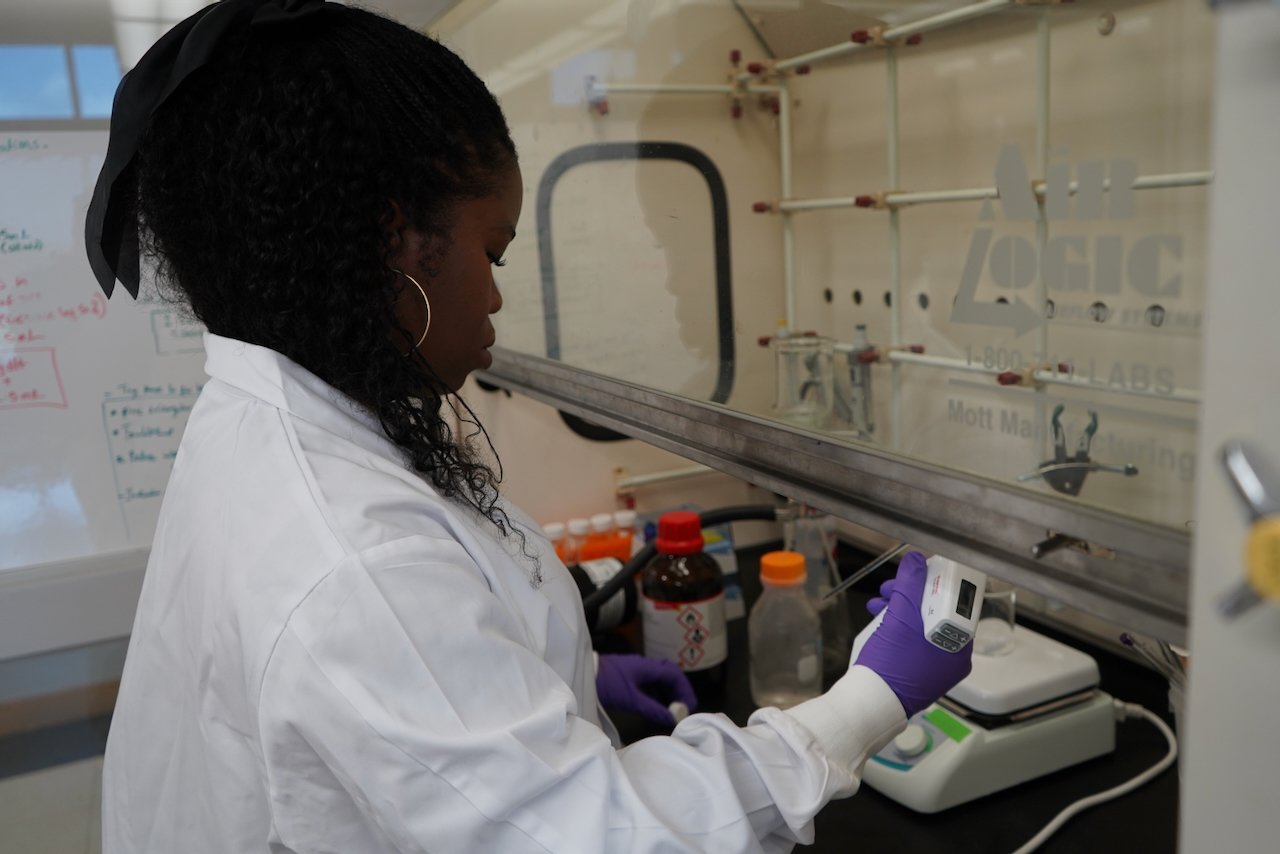
Bioinnovation research centers on the theme of biological delivery — the transport of energy, mass, and momentum that shapes how biomedical devices interact with living systems, from the molecular scale up to full organs and organisms. Fellows pursue this focus across three domains: regenerative medicine, biosensors for real-world application, and advanced therapeutic materials, combining quantitative analysis, modeling, and simulation to better understand physiologic and pathophysiologic processes and translate that understanding into new biomedical technologies.
Meet Our Faculty
Bioinnovation graduate students train under the collaborative leadership of mentors and colleagues across Tulane’s Schools of Science & Engineering, Medicine, Public Health & Tropical Medicine, Law, and Business. To date, students have partnered with the United States FDA and New Orleans Bioinnovation Center to gain additional real-world business and regulatory experience critical for pushing biomedical technologies out of the laboratory and into the healthcare environment.
Curriculum Requirements
The pathway to biomedical innovation is marked by four cornerstones: observation, conceptualization, experimentation, and implementation. At Tulane University, the interdisciplinary Bioinnovation PhD Program fast-tracks students through this process. Here, an entrepreneurial bend to the traditional academic research enterprise generates practical biomedical breakthroughs geared for the medical marketplace.
Career Benefits and Pathways
The program is built specifically to prepare graduates for roles that traditional science and engineering training often doesn't reach: non-academic research and leadership positions in the biomedical field. Through partnerships spanning Tulane's Schools of Medicine and Public Health alongside its Business and Law Schools, industry partners, and the FDA, fellows graduate with hands-on entrepreneurship and regulatory experience, positioning them for careers pushing biomedical technologies from the lab into the marketplace.
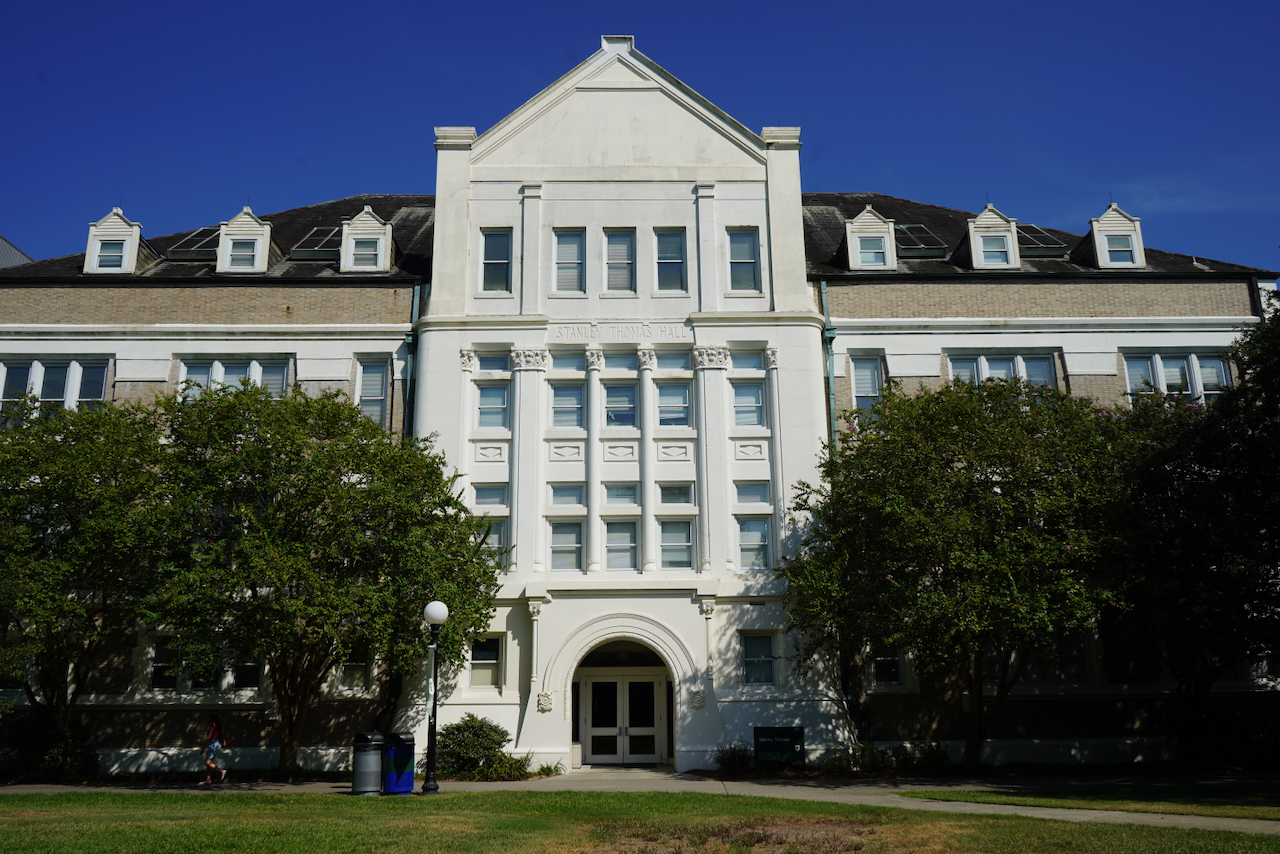
Learn more about the admissions process or apply now!
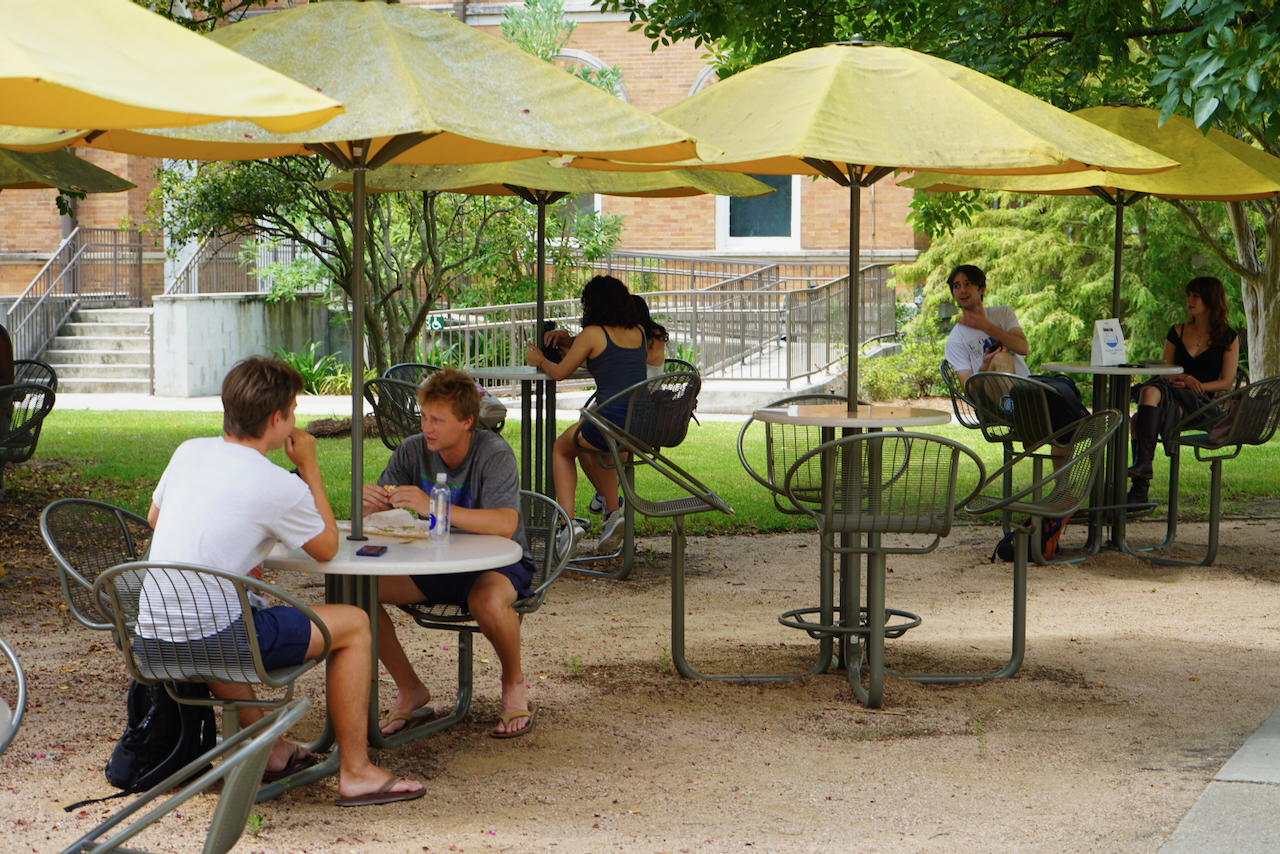
Find full tuition information and the financial aid process.
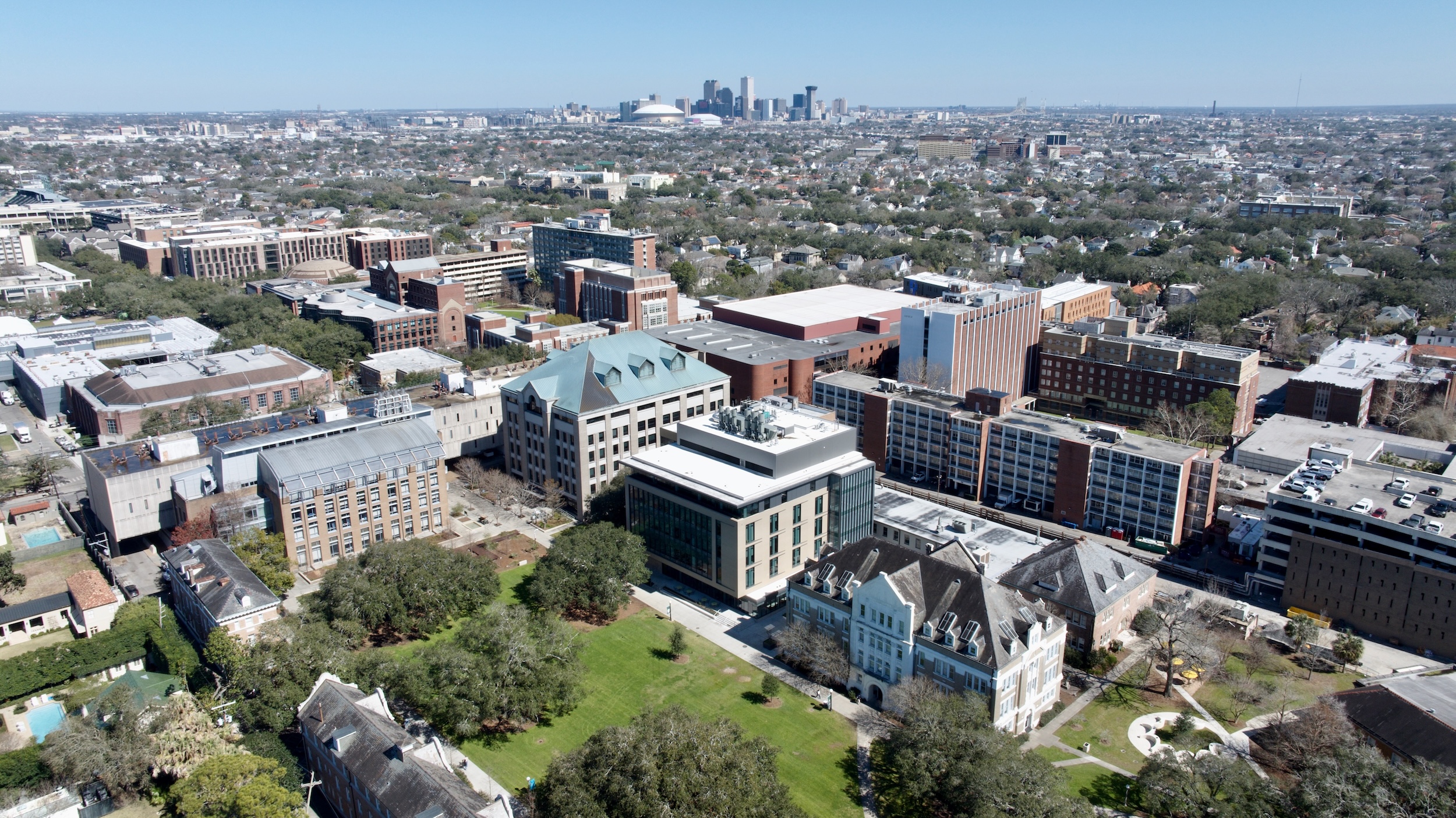
Get to know what makes this place a launchpad for the next generation of scientists and engineers.
FAQs
Bioinnovation is the development and progression to the marketplace of clinically relevant biomedical technologies and devices. At Tulane, it's pursued through an interdisciplinary PhD program that combines translational research across science, engineering, and medicine with training in entrepreneurship and regulatory affairs to move discoveries from the lab toward real-world healthcare use.
Our students are members of collaborative teams that link partners from the:
School of Science & Engineering
School of Medicine
Levy-Rosenblum Institute for Entrepreneurship
School of Law
United States FDA
New Orleans BioInnovation Center (NOBIC)
These relationships cultivate an open and industrious environment for Bioinnovation fellows to gain critical and relevant scientific experience and the business and legal acumen to advance their careers as leaders at the interface of academia and industry.
Contact Us
Rosie Chavez
Director of Graduate Programs
rchavez@tulane.edu
Dan Shantz
Associate Dean for Research and Ph.D. Programs
dshantz@tulane.edu
Department of Biomedical Engineering
Email: bmen-info@tulane.edu
Phone: 504-865-5897
Fax: 504-862-8779