
Ph.D. in Biomedical Engineering
Ph.D. in Biomedical Engineering
We enhance the academic preparation of our graduate students in engineering, mathematics, and the life and basic sciences. Our graduate students are our junior colleagues, and we furnish them with the advanced and current coursework, professional guidance, and equipment/facilities that are critical to their participation in biomedical engineering research and scholarship. We coach our students as they conduct independent research and pursue careers related to one of the major themes of biomedical engineering.
ApplyRequest InformationDepartment of Biomedical Engineering

What You'll Learn
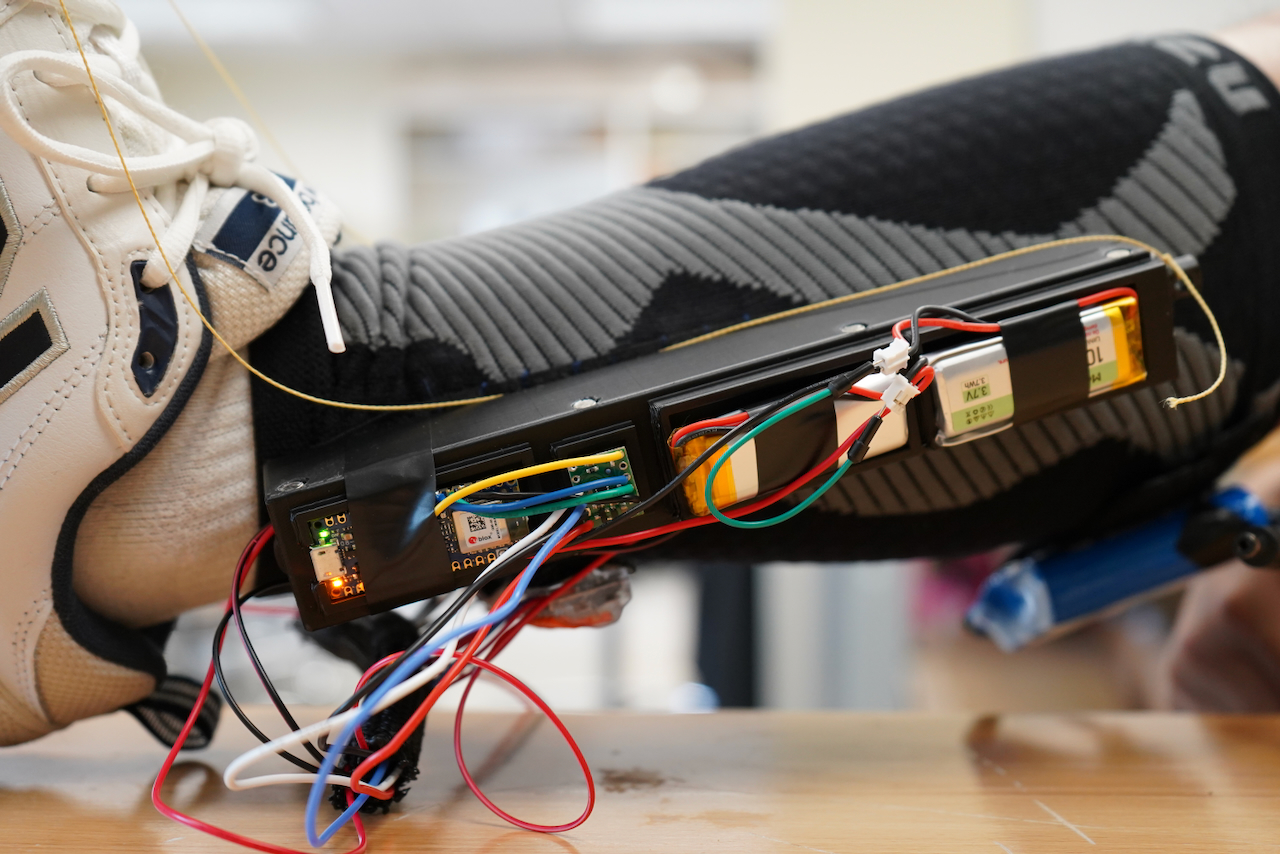
The PhD program provides advanced training in engineering, mathematics, and the life and basic sciences, treating graduate students as junior colleagues rather than just students. Students gain current coursework, professional mentorship, and access to the equipment and facilities needed to participate fully in biomedical engineering research and scholarship, and are coached along the way as they pursue independent research tied to one of the field's major themes.
Research
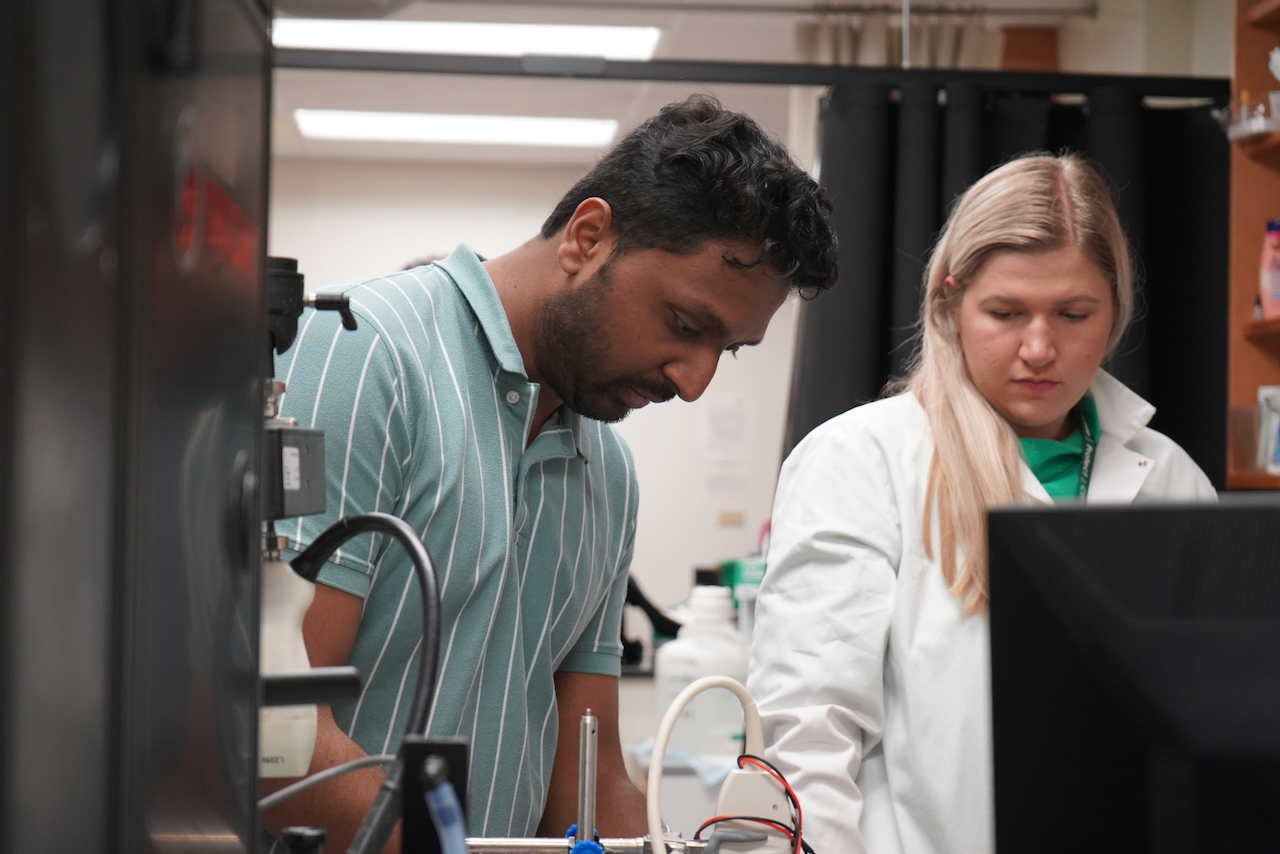
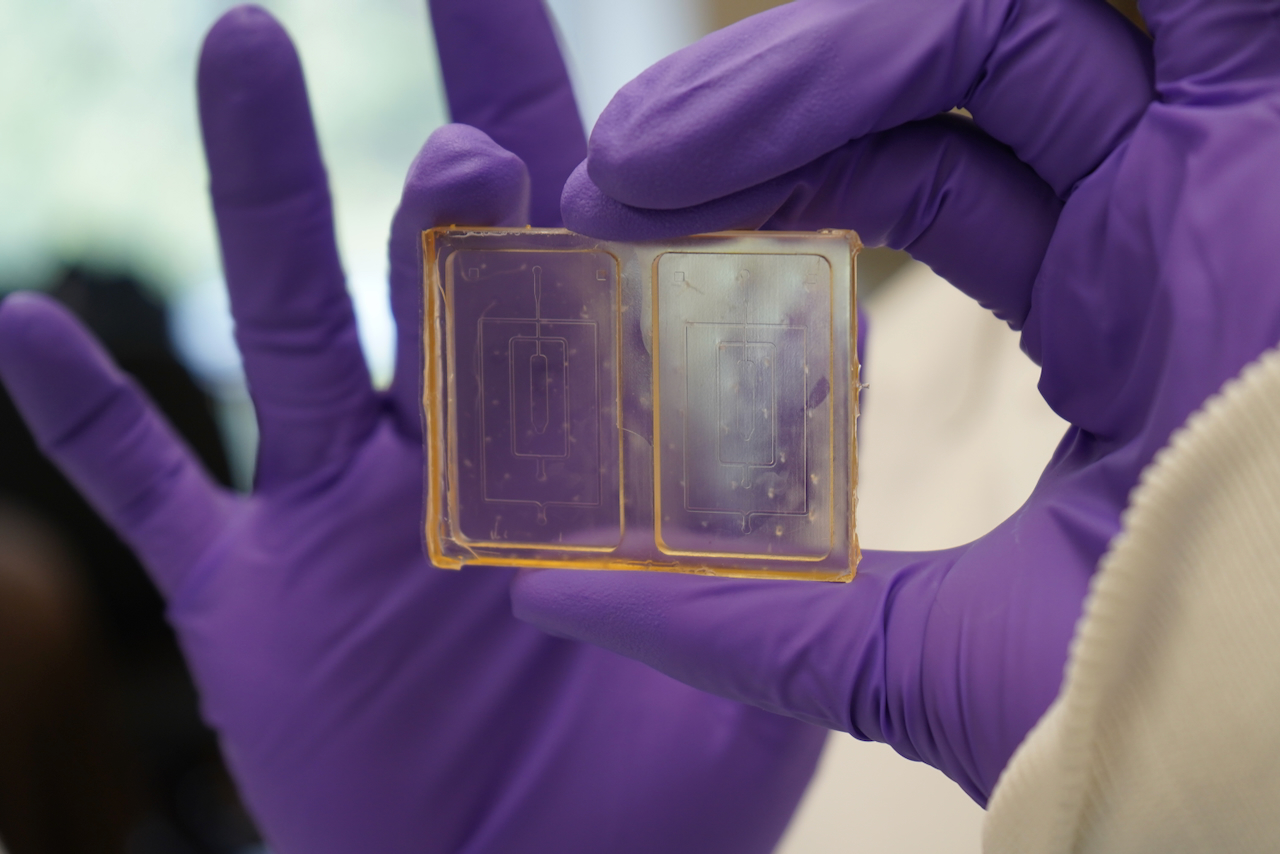
Doctoral students conduct independent research within one of the department's core biomedical engineering domains, working alongside faculty as junior colleagues on projects that combine engineering, physiology, and advanced mathematics. Coursework in anatomy and physiology, quantitative methods, and domain electives lays the groundwork for original research and scholarship that carries through the qualifying exam and dissertation.
Meet Our Faculty
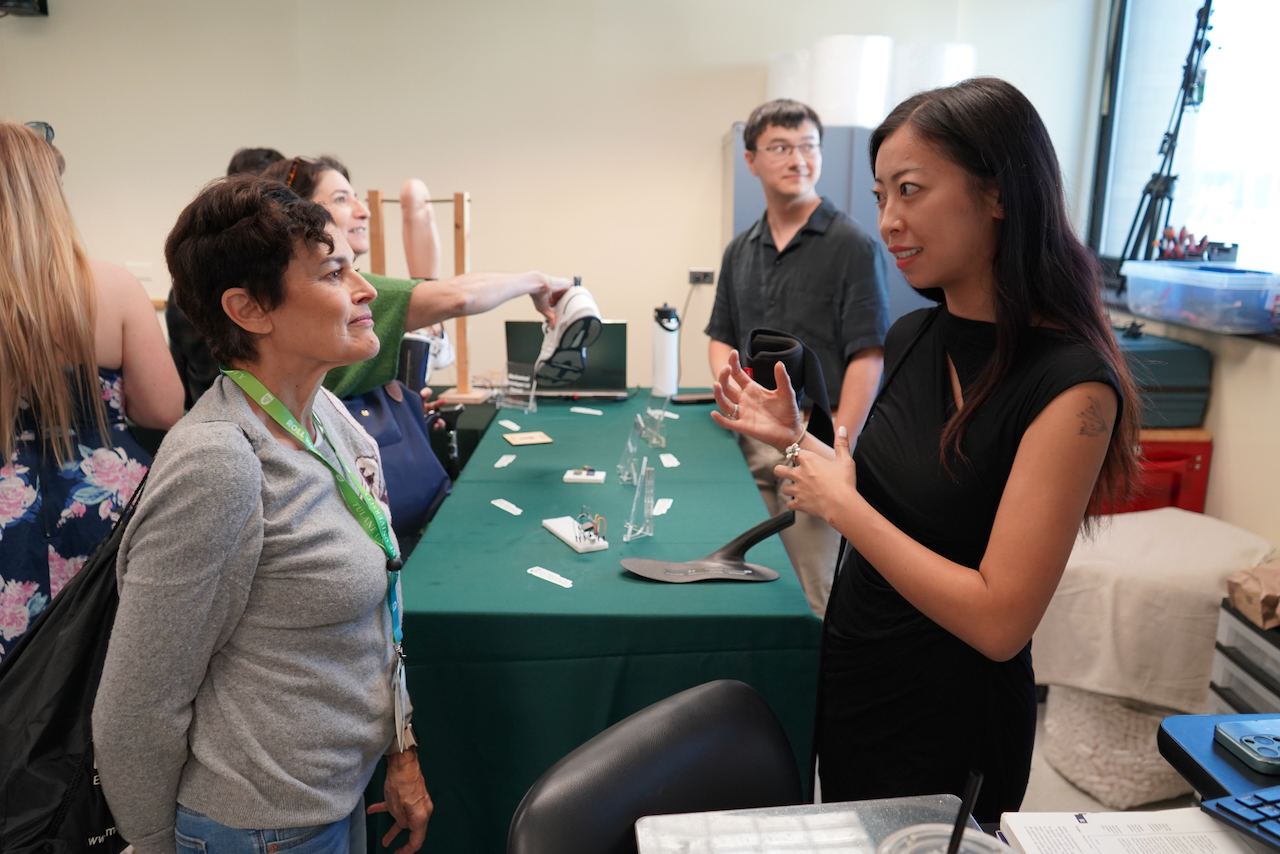
The BME PhD program draws on a faculty whose specialties span biomechanics, biofluid mechanics, tissue engineering, computational biology, and biomaterials, alongside additional research and emeritus faculty contributing decades of expertise in areas like optical diagnostics, cardiopulmonary mechanics, and neural stimulation. Students work closely with these faculty as junior colleagues, gaining mentorship and access to research programs that span the breadth of modern biomedical engineering.
Curriculum Requirements
The 48-credit-hour PhD includes distribution requirements in anatomy and physiology, one course in three of four biomedical engineering domains, and a course in advanced mathematics, followed by graduate coursework encompassing nine in-class didactic classes. Students typically enter with an undergraduate foundation in physics, chemistry, biology, calculus, differential equations, and core engineering courses, and those with gaps work with the Director of Graduate Studies to fill them before starting; 20 credits are required before sitting the PhD qualifying exam.
Career Benefits and Pathways
The PhD is built as an academic degree, preparing graduates for careers in teaching and research — training that also equips students for research-driven roles across biomedical industry, government, and healthcare technology sectors, given the program's emphasis on original scholarship and hands-on lab work in engineering and physiology.
Learn more about the admissions process or apply now!

Find full tuition information and the financial aid process.

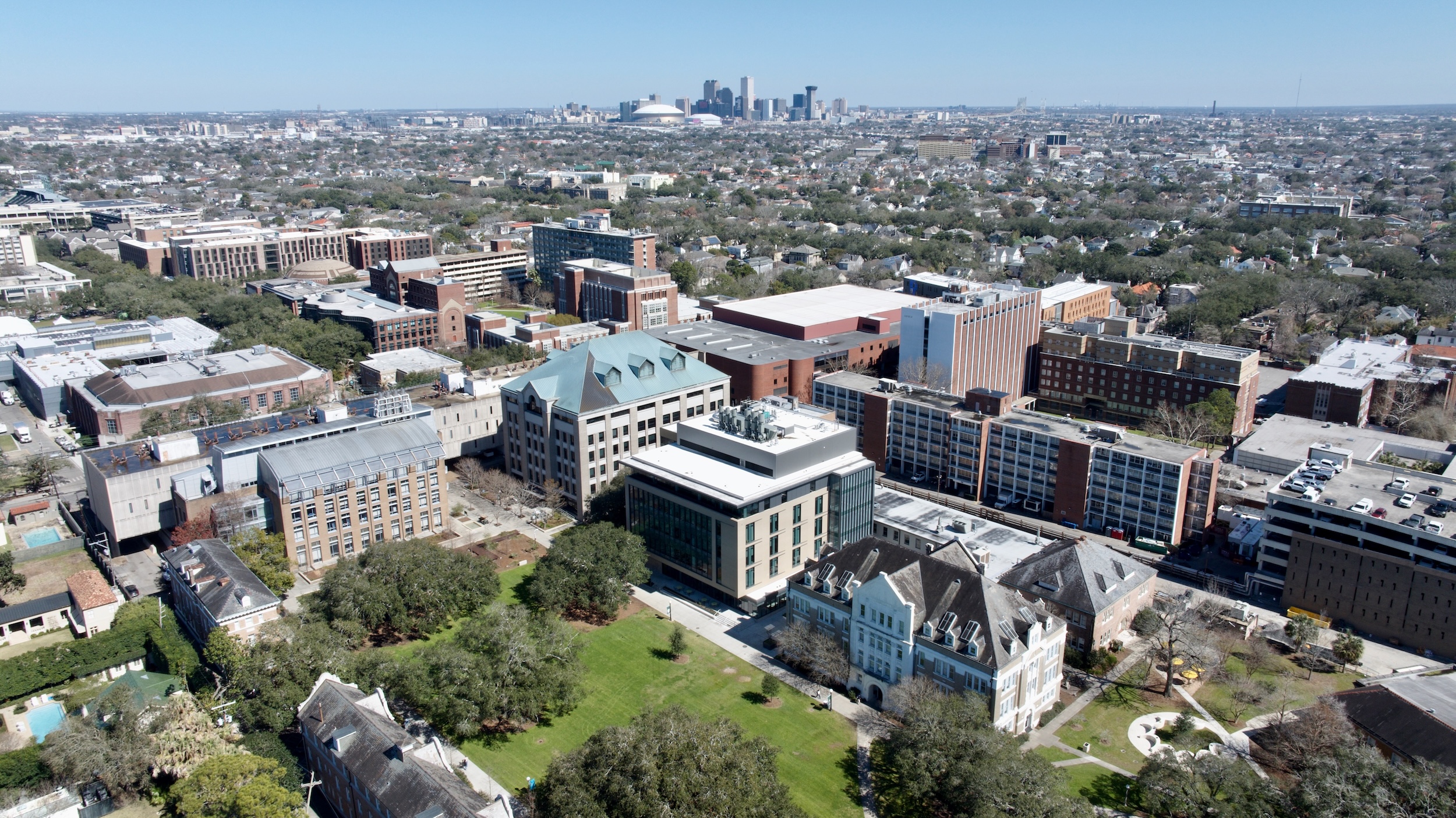
Get to know what makes this place a launchpad for the next generation of scientists and engineers.
FAQs
Biomedical engineering applies principles of engineering, mathematics, and biology to understand living systems and develop new medical technologies and devices. At Tulane, the field is studied through advanced coursework, hands-on lab research, and mentored scholarship spanning engineering, mathematics, and the life and basic sciences.
-Complete applications will require transcripts and a personal statement indicating motivation, research experience, research interests, interest in the program, and career aspirations.
-International applicants must submit TOEFL scores unless they have received a degree from an English-speaking institution
-Priority Consideration deadline is December 15. To be considered for full funding, applications are due by January 5th for the following fall semester. Admission in the Spring semester generally requires an approved prior arrangement, and so applications are accepted on a case-by-case basis.
The following curriculum is generally taken as an undergraduate prior to matriculation to Tulane’s BME graduate program (course numbers are equivalent Tulane courses satisfying each requirement).
-1 year of college physics (PHYS 1310-1320)
-1 year of college chemistry (CHEM 1070-1080)
-1 semester of biology with lab (CELL 1010)
-1 course in computer programming (BMEN 2020)
-3 semesters of calculus (MATH 1210-1220, MATH 2210)
-1 semester of differential equations (MATH 2240)
-1 semester of statics (ENGP 1410)
-1 semester of mechanics of materials (ENGP 2430)
-1 semester of fluid mechanics (BMEN 3440)
-1 semester of materials engineering (ENGP 3120)
-1 semester of circuits (ENGP 2010)
-1 semester of electronics (BMEN 2730)
Prior to commencing coursework at Tulane, an entering graduate student who is deficient in this preparation will prepare a proposed curriculum in conjunction with the Director of Graduate Studies.
(Numbers in parentheses are Tulane courses satisfying each requirement)
Anatomy and Physiology (BMEN 6030)
3 credits
Quantitative Physiology (BMEN 6070)
3 credits
Anatomy and Physiology Lab (BMEN 6035) or Quantitative Physiology Lab (BMEN 6075)
1 lab credit
Advanced Mathematics
3 Credits
*Introductory Biostatistics (BIOS 6030) will not count towards the Advanced Mathematics requirement
Biomedical Engineering Domain Credits
9 credits
*Maximum of 1 3xxx/6xxx cross-listed course
Elective courses
9 credits
Research Seminar (BMEN 6710 – register every fall)
4 credits (Maximum allowed)
Remaining credits may be satisfied by BMEN 7310-7320 Research in BME (graded), Directed Readings, or didactic courses
15 credits
20 credits required to take the Ph.D. qualifying exam
48 credits required for graduation
The Department of Biomedical Engineering provides aid to support our graduate students in paying for the cost of graduate education. All PhD students are supported with full tuition waivers and a competitive monthly stipend in the form of teaching assistantships, research assistantships, or 3rd party fellowships. In addition to the stipend, students receive a credit toward the Tulane-sponsored health insurance plan. We are careful not to admit students to the PhD program unless we intend for them to be fully supported.
Contact Us
Rosie Chavez
Director of Graduate Programs
rchavez@tulane.edu
Dan Shantz
Associate Dean for Research and Ph.D. Programs
dshantz@tulane.edu
Department of Biomedical Engineering
Email: bmen-info@tulane.edu
Phone: 504-865-5897
Fax: 504-862-8779