
Master's Degree in Biomedical Engineering
Master's Degree in Biomedical Engineering
Pursuing a master’s degree in biomedical engineering at the Tulane School of Science and Engineering gives you access to a rigorous, interdisciplinary curriculum and state-of-the-art research opportunities that prepare you to tackle real-world healthcare challenges through innovation and applied engineering. The program is grounded in decades of expertise and collaboration across engineering, medicine, and science, allowing you to learn from and work with faculty at the forefront of fields like biomaterials, biomechanics, and tissue engineering. Graduates from Tulane’s BME master’s are well-positioned for careers in industry, research, and advanced doctoral or professional studies due to the strong technical foundation and professional network you build during the degree.
The Department of Biomedical Engineering offers courses of study leading to the Biomedical Engineering Master of Science (MS) through the Graduate Division of the School of Science and Engineering. A conventional non-thesis MS is available to students with bachelor’s degrees outside of Tulane BME. The thesis MS is typically available only by special arrangement.
ApplyRequest InformationDepartment of Biomedical Engineering
4+1 Accelerated Master's Program
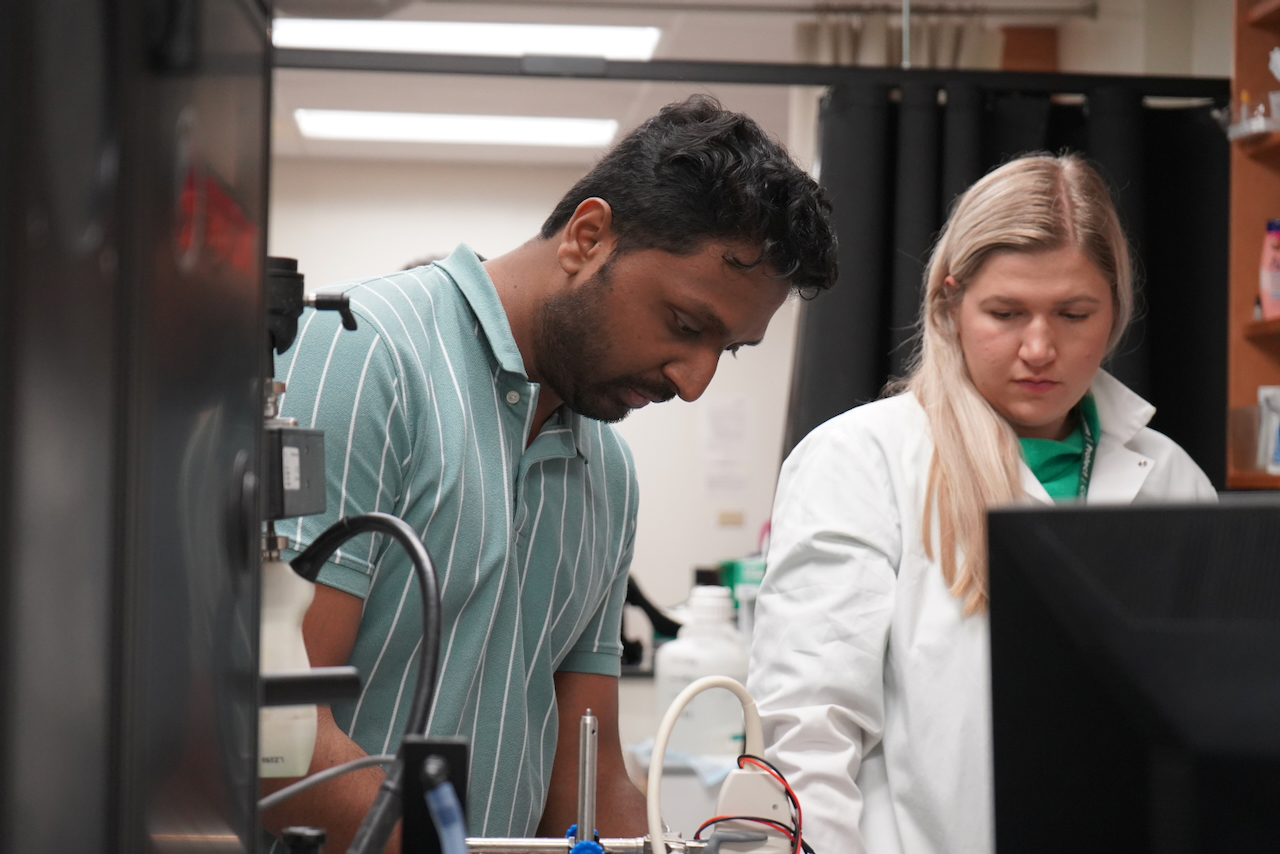
Current Tulane undergraduate students can earn this M.S. degree with just one additional year of study. This accelerated program allows you to count graduate-level courses toward both your B.S. and M.S. degrees, providing a fast track to an advanced credential.

What You'll Learn
Students in the BME master's program build a strong technical foundation across anatomy and physiology, advanced mathematics, and core biomedical engineering domains such as biomaterials, biomechanics, and tissue engineering. The curriculum blends coursework with a required research seminar, giving students both classroom knowledge and exposure to ongoing research in the field. By combining rigorous engineering fundamentals with applied electives, students graduate equipped to approach real-world healthcare challenges through innovation and applied engineering.
Research
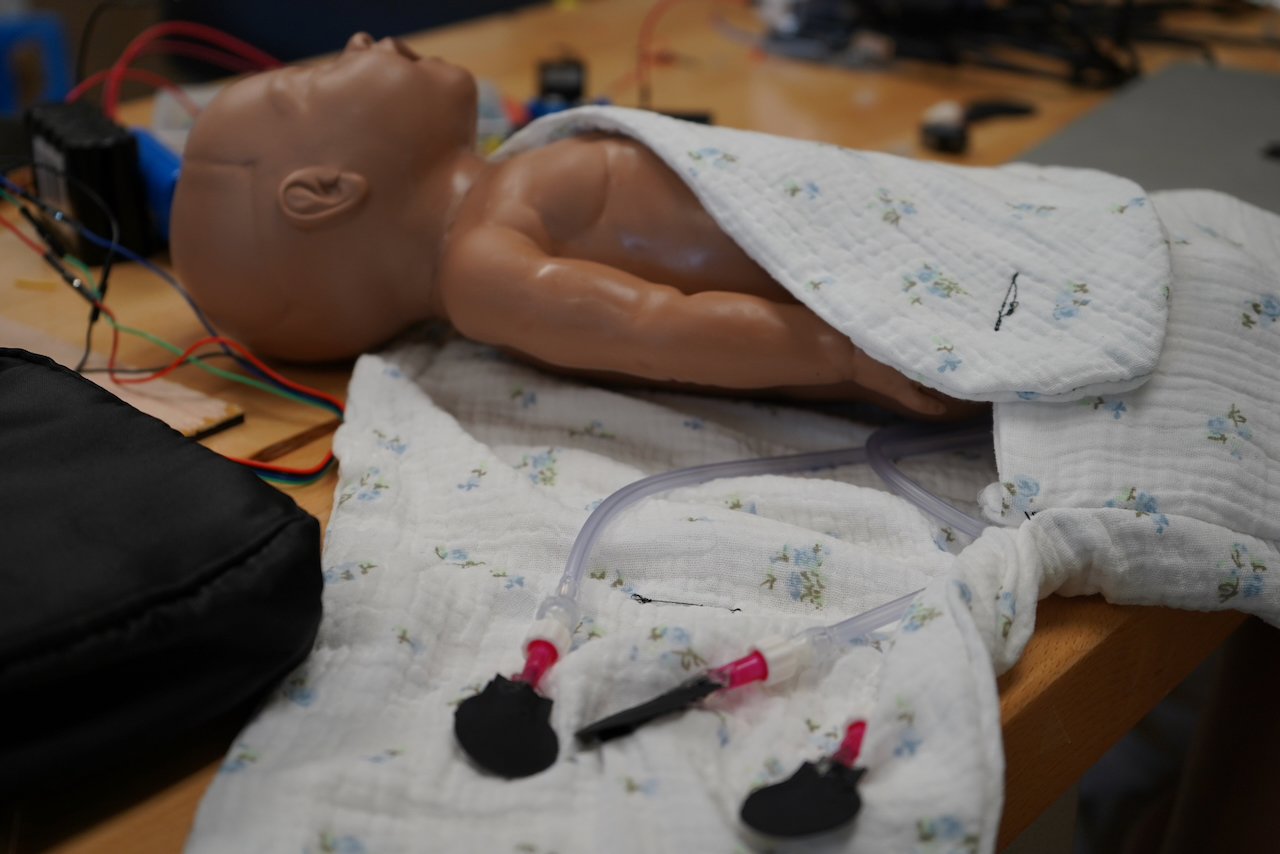
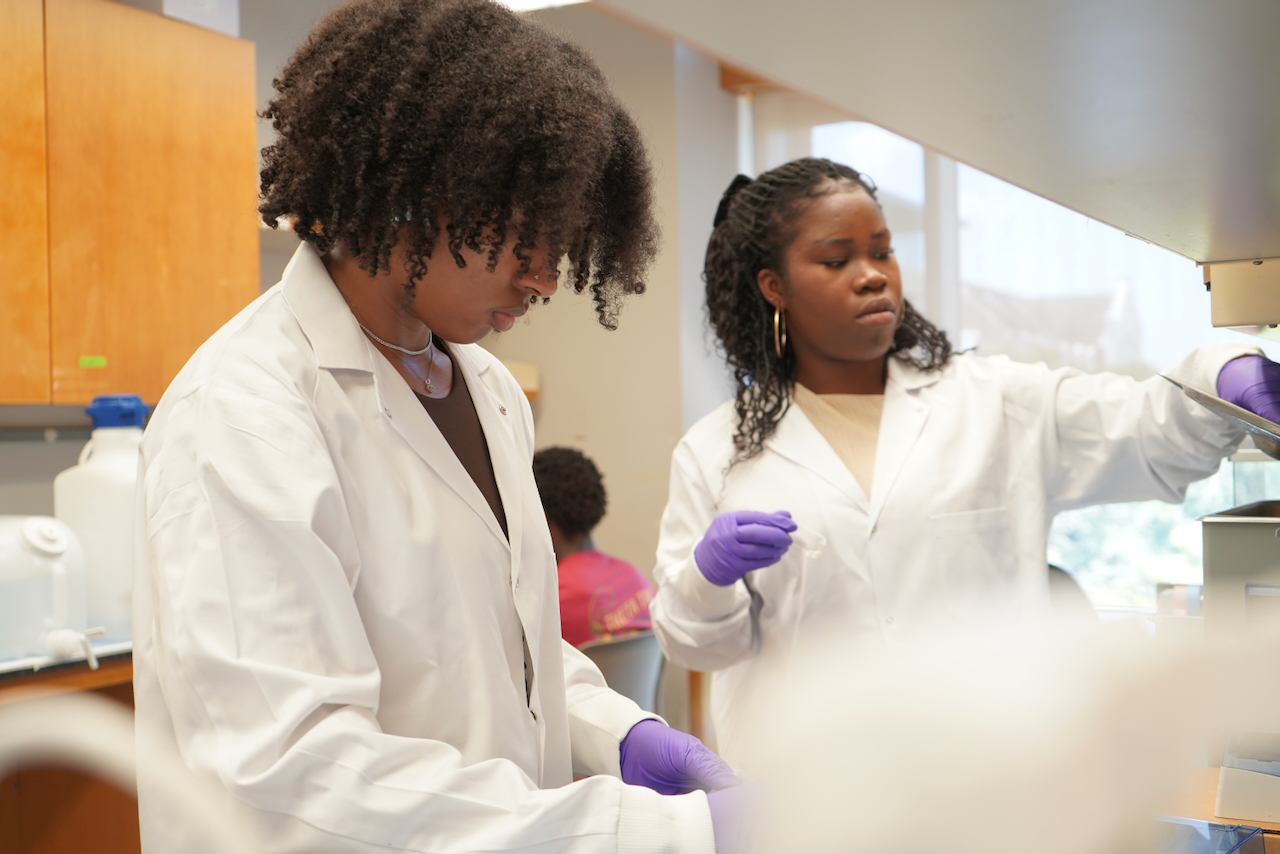
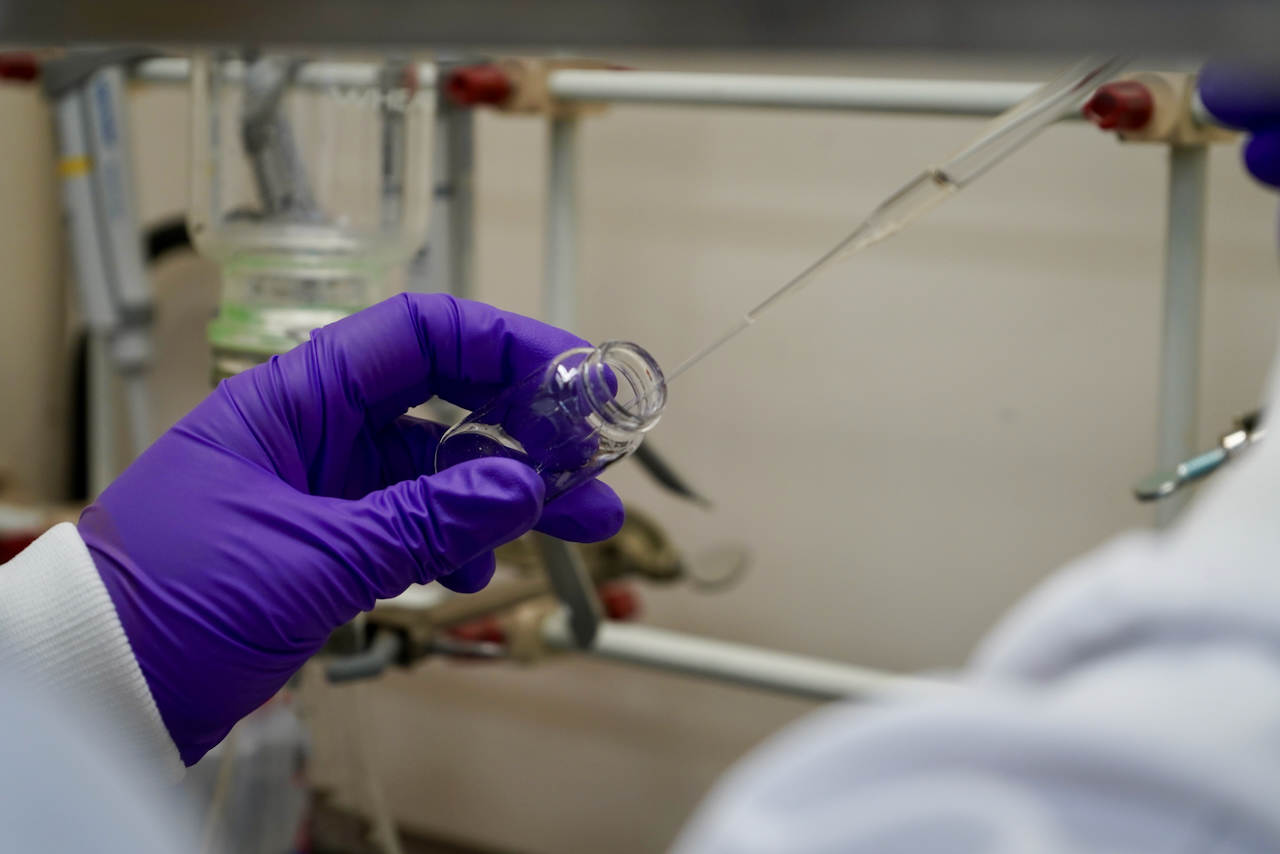
Research is central to the BME master's experience, with students engaging in ongoing work across areas like biomaterials, biomechanics, and tissue engineering alongside faculty at the forefront of these fields. A required Research Seminar exposes students to research happening across the department, and students can further build on this through BME Research courses or directed readings that count toward their degree. This hands-on exposure to state-of-the-art research prepares students to apply engineering innovation to real-world healthcare challenges.
Meet Our Faculty
The BME master's program is grounded in decades of expertise and collaboration across engineering, medicine, and science, with faculty working at the forefront of fields like biomaterials, biomechanics, and tissue engineering. Students learn directly from and work alongside these faculty, gaining exposure to cutting-edge research as part of their graduate training. This close engagement with active researchers helps students build both the technical skills and professional network that support their next career or academic step.
Curriculum Requirements
The BME master's degree requires a minimum of 30 hours of graded coursework, or 24 hours of coursework plus 6 hours of thesis credit for students on the thesis track. Required courses include Anatomy and Physiology, Quantitative Physiology, an associated lab, and an Advanced Mathematics course, alongside 9 credits in the biomedical engineering domain and 9 credits of electives (3 for thesis students). Students also register for a Research Seminar each fall, and remaining credits can be fulfilled through research, directed readings, or additional coursework.
Career Benefits and Pathways
Graduates of Tulane's BME master's program are well-positioned for careers in industry, research, and advanced doctoral or professional study. The strong technical foundation and professional network built during the program open doors to roles such as biomedical design engineer, research and development engineer, clinical engineer, biomaterials specialist, and regulatory or quality engineer at medical device and healthcare technology companies. Others pursue R&D positions in academic or industry research labs, or use the degree as a springboard into PhD or professional programs in engineering and medicine.
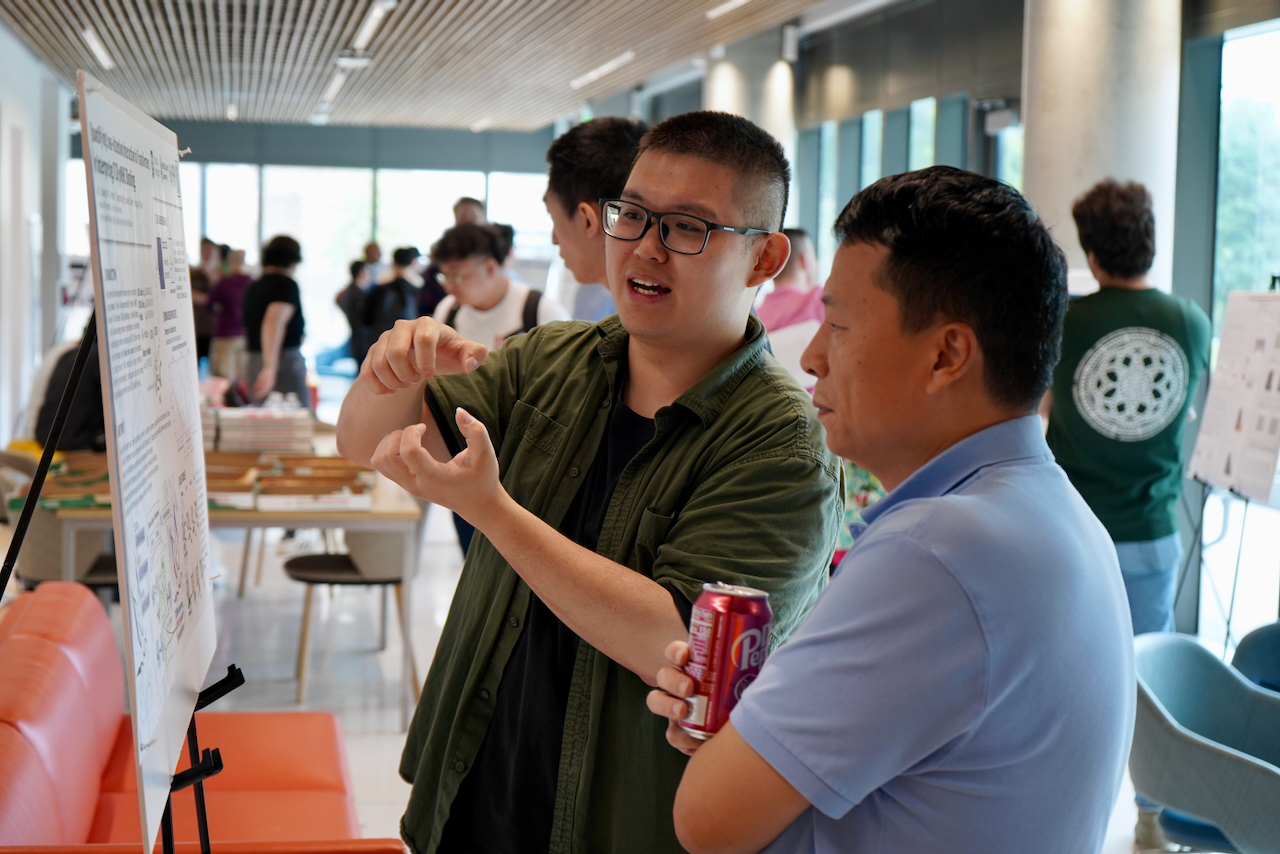
Learn more about the admissions process or apply now!
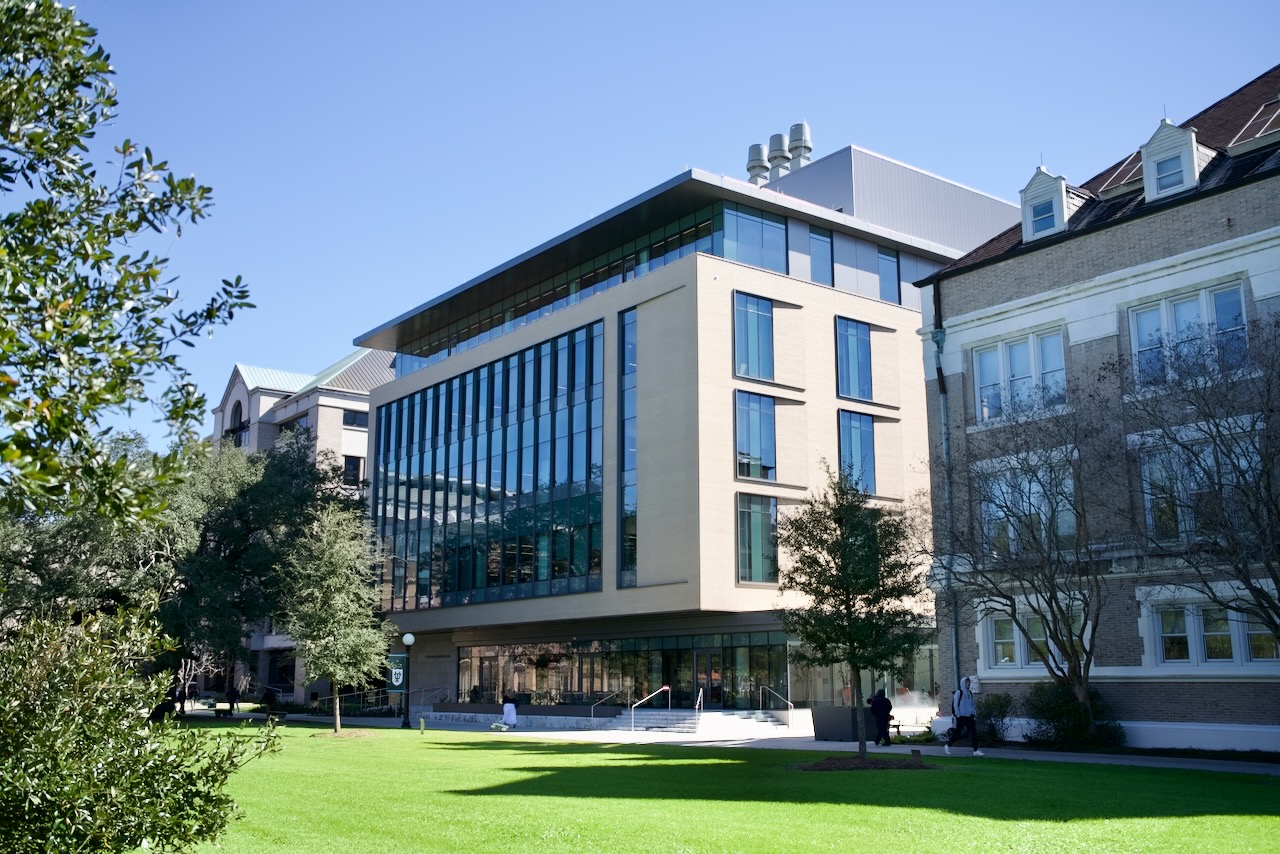
Find full tuition information and the financial aid process.
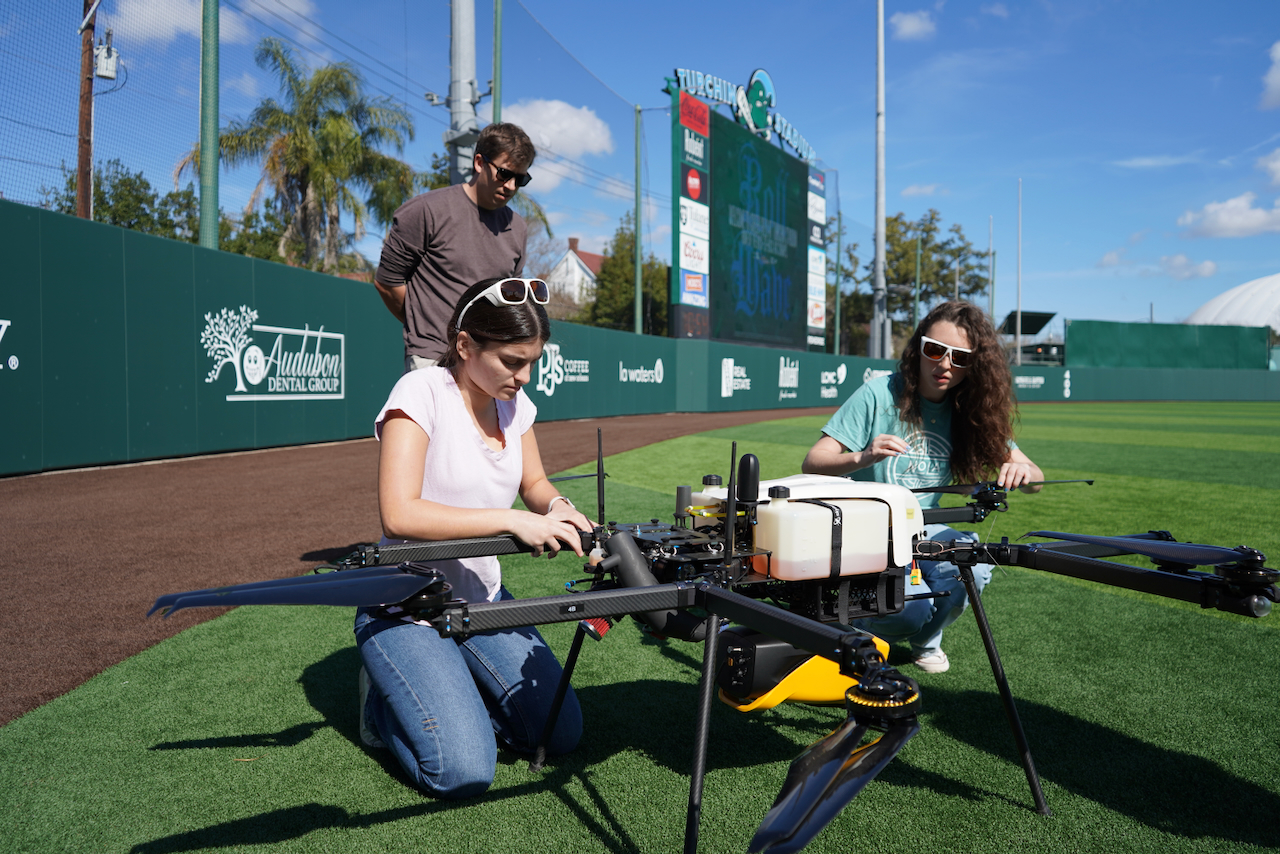
Get to know what makes this place a launchpad for the next generation of scientists and engineers.
"You will feel challenged, but that's when you'll learn and grow the most!"

FAQs
Biomedical engineering is an interdisciplinary field that applies engineering principles to healthcare challenges, drawing on collaboration across engineering, medicine, and science. It spans areas like biomaterials, biomechanics, and tissue engineering to develop innovative solutions to real-world medical problems.
Complete applications will require transcripts; a personal statement indicating background, motivation, and interest in the program, and career aspirations; and three academic and/or professional recommendations.
International applicants must submit TOEFL scores unless they have received a degree from an English-speaking institution.
Priority Consideration deadline is December 15. Applications are reviewed on a rolling basis with a deadline of May 1 for the Fall Semester and September 1 for the Spring Semester.
The following curriculum is generally taken as an undergraduate prior to matriculation to Tulane’s BME graduate program (course numbers are equivalent to Tulane courses satisfying each requirement).
-1 year of college physics (PHYS 1310-1320)
-1 year of college chemistry (CHEM 1070-1080)
-1 semester of biology with lab (CELL 1010)
-1 course in computer programming (BMEN 2020)
-3 semesters of calculus (MATH 1210-1220, MATH 2210)
-1 semester of differential equations (MATH 2240)
-1 semester of statics (ENGP 1410)
-1 semester of mechanics of materials (ENGP 2430)
-1 semester of fluid mechanics (BMEN 3440)
-1 semester of materials engineering (ENGP 3120)
-1 semester of circuits (ENGP 2010)
-1 semester of electronics (BMEN 2730)
Prior to commencing coursework at Tulane, an entering graduate student who is deficient in this preparation will prepare a proposed curriculum in conjunction with the Director of Graduate Studies.
Yes. A master’s degree in biomedical engineering changes which jobs you can apply for on day one. Without it, a bachelor’s grad typically spends 10 to 20 years building toward roles in R&D, technical consulting, or advanced engineering. With an MS, you reach those roles one to two years after graduation. The degree does not just add knowledge. It moves you into a higher job tier immediately.
Employers sort candidates differently depending on their degree level. A BS in biomedical engineering qualifies you for entry-level lab roles, quality assurance, and manufacturing positions. An MS qualifies you for roles that require independent judgment, project leadership, and technical depth.
That tier difference shows up in hiring. Many R&D positions, regulatory affairs roles, and technical consulting jobs list an MS as a minimum requirement, not a preference. You can have five years of industry experience and still be screened out because the job requires a graduate degree.
Salary data reflects the same gap. MS graduates enter higher pay bands at the start of their careers and reach senior-level compensation faster than BS-only graduates in comparable roles.
With a master’s degree, you become eligible for a different set of roles across the biomedical sector. These include:
- R&D engineer at a medical device or biotech company
- Regulatory affairs specialist at the FDA or in industry
- Clinical applications engineer working directly with healthcare providers
- Technical consultant for healthcare technology firms
- Product development lead at a startup or established manufacturer
- Biomedical scientist at a government research agency
- Program or project manager for clinical trials or product launches
These roles are not typically accessible to BS graduates without years of demonstrated advancement. An MS compresses that timeline significantly.
A common objection to pursuing a master’s degree is that work experience can substitute for it over time. In some fields, that is true. In biomedical engineering, it largely is not.
The R&D and consulting roles that pay the most and offer the most autonomy are structured around degree tiers. Companies use degree requirements as a first filter, especially in regulated industries like medical devices and pharmaceuticals where technical credentials carry legal and compliance weight.
Spending a decade building experience without the degree means competing for senior roles against candidates who have both. The degree removes that barrier at the start of your career rather than requiring you to overcome it later.
A traditional MS in biomedical engineering prepares you to go deeper into engineering and research. That is valuable, but it points you toward a specific set of roles, primarily in labs, academia, and technical engineering positions.
The MS in Bioinnovation at Tulane is built for a different outcome. The program focuses on moving biomedical technologies from research into commercial use. You learn engineering and biology alongside entrepreneurship, regulatory strategy, and market analysis.
The program includes a built-in commercialization internship where you work directly with a startup, industry partner, or faculty-developed technology. You conduct customer discovery, market research, and a full commercialization analysis, then deliver a final report that documents your applied work. Graduates leave with a project they can point to, not just coursework.
That focus opens roles that a traditional BME master’s does not. Product development and commercialization roles at biotech companies, startup founding or early-stage team positions, technology transfer and licensing roles at universities and hospitals, and venture development within healthcare organizations are all pathways that align with what the Bioinnovation MS prepares you for.
Tulane BME graduates work across the biomedical sector. Alumni go on to roles at medical device companies, biotech startups, healthcare technology firms, consulting organizations, and research institutions. The Bioinnovation program specifically attracts students interested in the commercial side of the industry, and graduates pursue paths in product development, technology licensing, and early-stage company building.
The program draws on Tulane’s connections to the New Orleans startup ecosystem and to the Tulane Innovation Institute, which means students are working with real technologies and real commercialization challenges during the program itself.
Request information about the Tulane MS in Bioinnovation or start your application today.
The terms are often used interchangeably, but there is a meaningful distinction. Biomedical engineering focuses specifically on applications in human health and medicine. The goal is to develop and improve technologies that directly affect patients and clinical care.
Bioengineering is broader. It includes applications in agriculture, environmental science, food production, and industrial biotechnology in addition to medicine. A bioengineer might work on crop yield optimization or biofuel production. A biomedical engineer is focused on the human body and healthcare.
Some universities use the terms differently based on departmental structure rather than a strict technical distinction. When evaluating programs, look at the curriculum and faculty research areas rather than the program name alone.
Contact Us
Ilianna H. Kwaske, Ph.D.
Associate Dean for MS Programs & Professional Education
ikwaske@tulane.edu
Sarah Berry
Director of MS and Certificate Programs
smccarty@tulane.edu
Rosie Chavez
Director of Graduate Programs
rchavez@tulane.edu