
Research
Research
Research in our department spans the full arc from fundamental theory to hands-on experiment. Faculty and students investigate how matter and energy behave at their smallest scales, develop new materials, and build the computational and optical tools that turn discoveries into technology, with a growing focus on quantum science and engineering. Theorists and experimentalists work side by side, supported by shared laboratory facilities, so ideas move quickly from the whiteboard to the bench. Whatever the question, our researchers pursue it with the rigor of physics and the practicality of engineering.
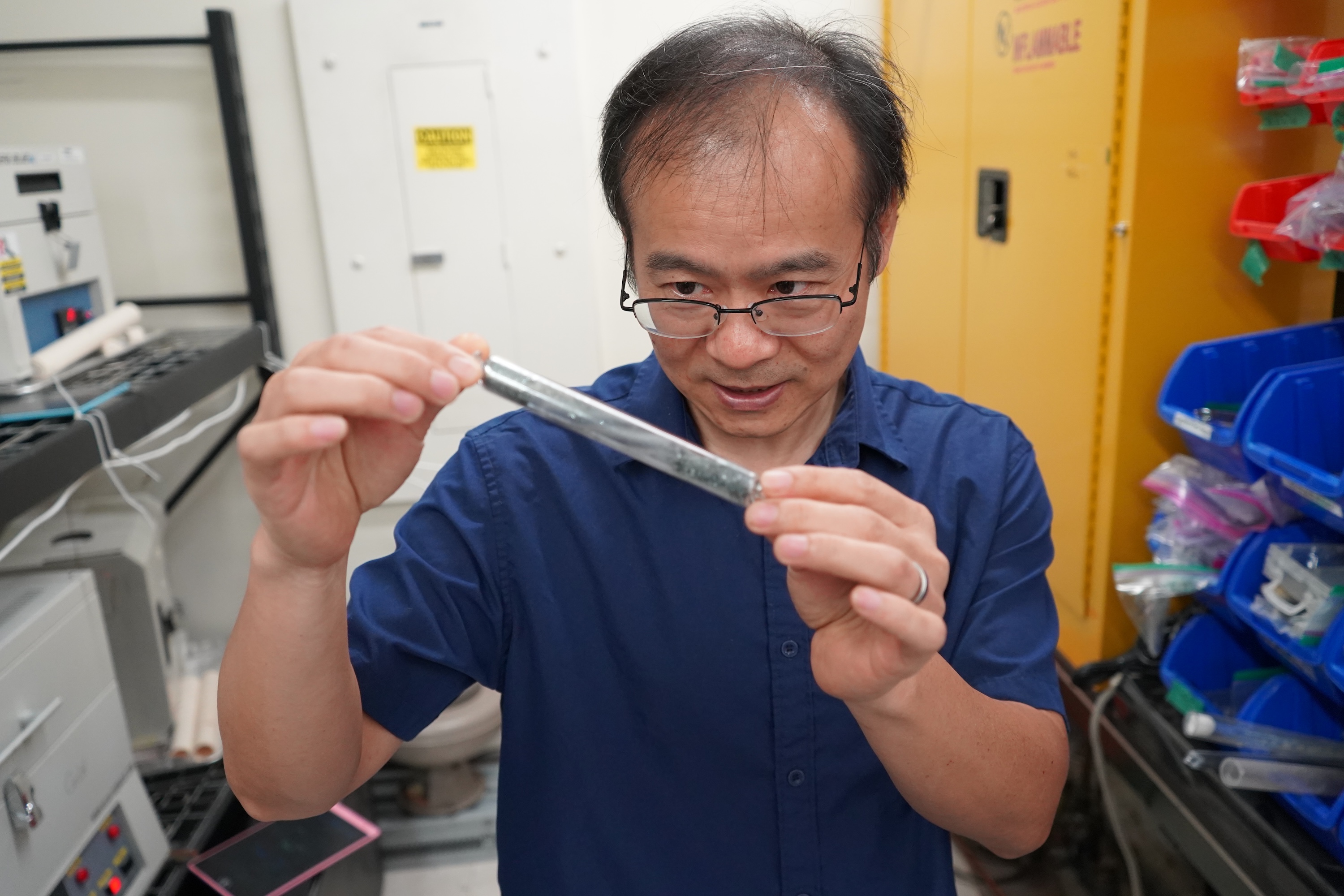

PI Research Groups

Tulane Quantum Dynamics Group
Conducts theoretical and computational research at the boundary of quantum technology and ultrafast nonlinear optics.

Chrisey Research Group
Research interests are wide-ranging and include the novel laser fabrication of thin films and coatings of advanced materials for electronics, sensors, biomaterials, and energy storage.

Escarra Research Group
Explores alternative solar energy harvesting schemes that seek to maximize the use of the full solar spectrum, enabling significant increases in efficiency with the potential for lower cost.

Tulane Quantum Information and Nonlinear Optics Group
Research includes several projects surrounding the fields of quantum information technologies, machine learning, and optical communications.

Quantum and Wave Chaos Group
Addresses fundamental questions about quantum-classical correspondence and semi-classical methods for generic quantum systems.

Nano-Optics in 2D Materials Group
Explores the optical properties of low-dimensional nanomaterials, including excitonic properties, lattice vibrational modes, and exciton-phonon coupling.
Novel Energy Materials at Tulane University
Focuses on innovative 2D materials for advanced energy storage and conversion technologies.

Perdew Research Group
Research interests include Solid State Theory/Density Functional Theory.

Fluids and Soft Technologies Lab
Works at the interface of fluids and soft materials to develop wearable technologies for human health, assistance, and rehabilitation.

Polymer Physics & Biophysics Group
Research centers on fundamental and applied aspects of Polymer Science, with an increasing emphasis on private-sector liaison.

Ruzsinszky Research Group
Interested in method development and computational simulations. Focuses on DFT, self-interaction-corrected DFT, and nonlocal frequency-dependent kernels for linear-response TDDFT.
Condensed Matter and Materials Theory and Computation/Density Functional Theory
Develops more accurate density functional theory methods and uses them to computationally design advanced materials.

Femtosecond & Terahertz Spectroscopy Group
Interested in the optical and electrical properties of complex materials, including materials with strong electronic correlations, multiferroic materials that combine ferroelectricity with magnetism, and artificial THz plasmonic structures.

Quantum Materials & Nanodevices Laboratory
Explores the frontiers of condensed matter physics — from one-dimensional van der Waals crystals to high-temperature superconductors.

Experimental Neutron Physics Group
Engaged in experimental nuclear physics research using cold and ultracold neutrons.
Research Facilities
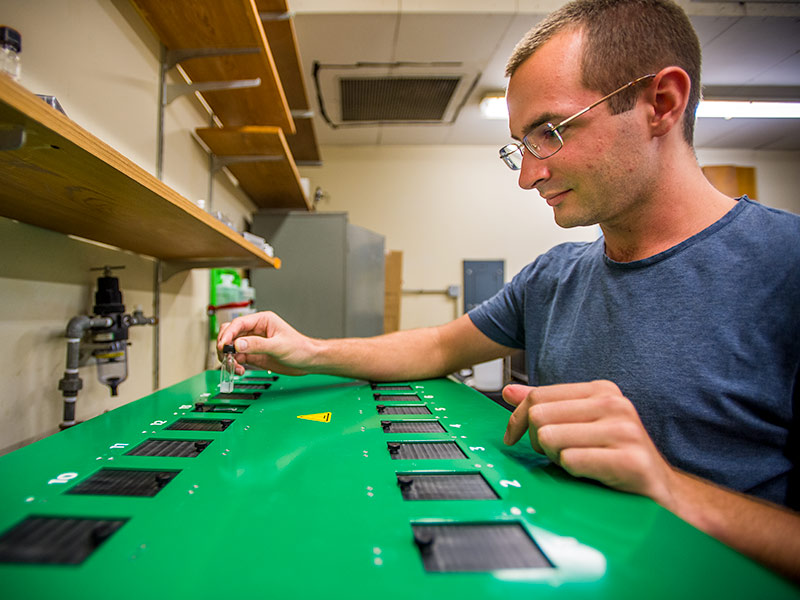
PolyRMC has developed unique instrumentation and methods for comprehensive monitoring of polymerization reactions, allowing process optimization, accelerating R&D of new polymeric materials, and potentially enabling full-scale reactor control. This work is complemented by their research advances in the area of macromolecular characterization.
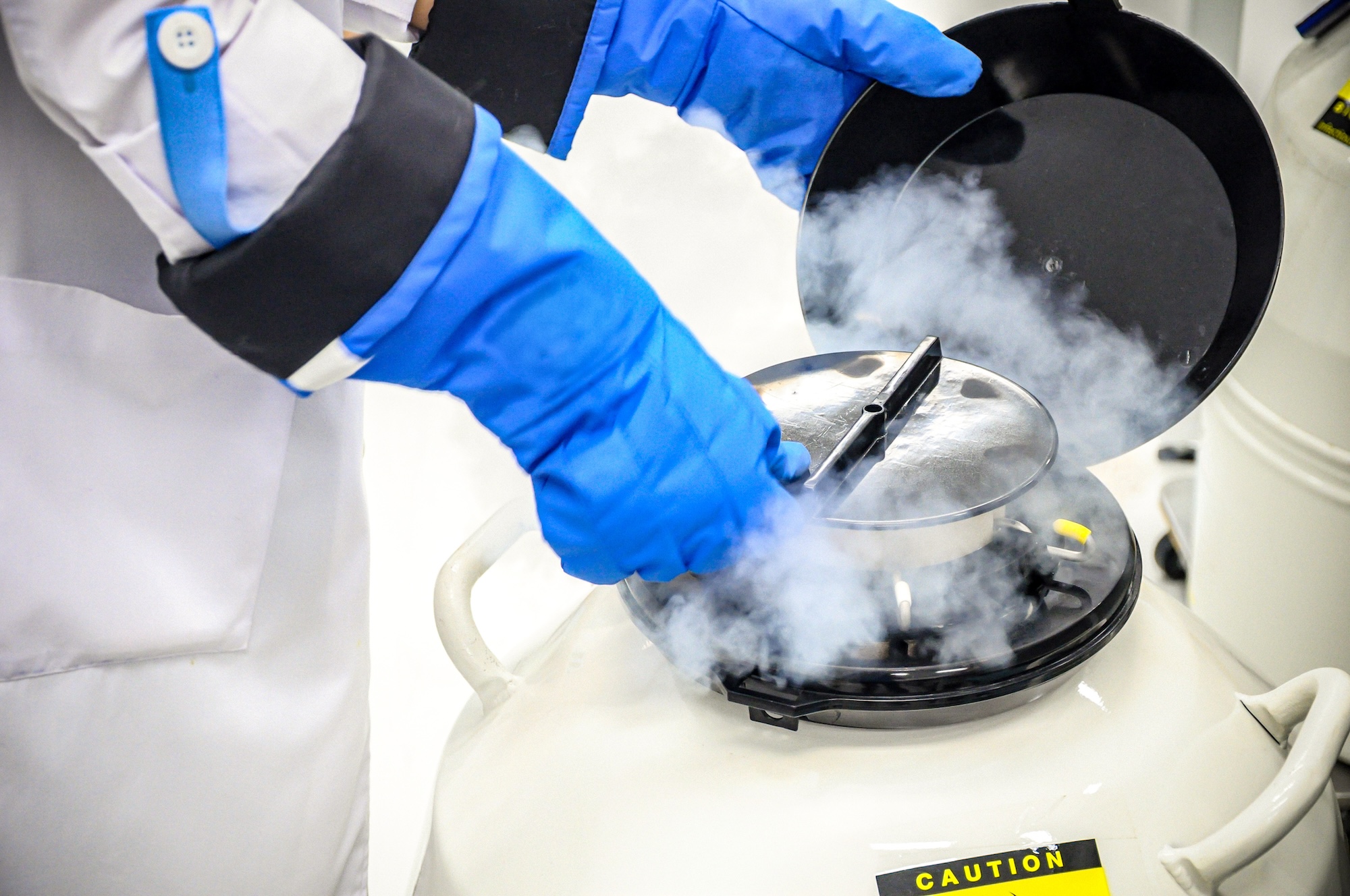
The Low-Temperature Condensed Matter Lab equips researchers to study materials at extreme temperatures and magnetic fields. The facility houses a floating-zone furnace, a powder X-ray diffractometer, a Physical Property Measurement System (PPMS), a Magnetic Property Measurement System (MPMS), and a 3He cryostat.
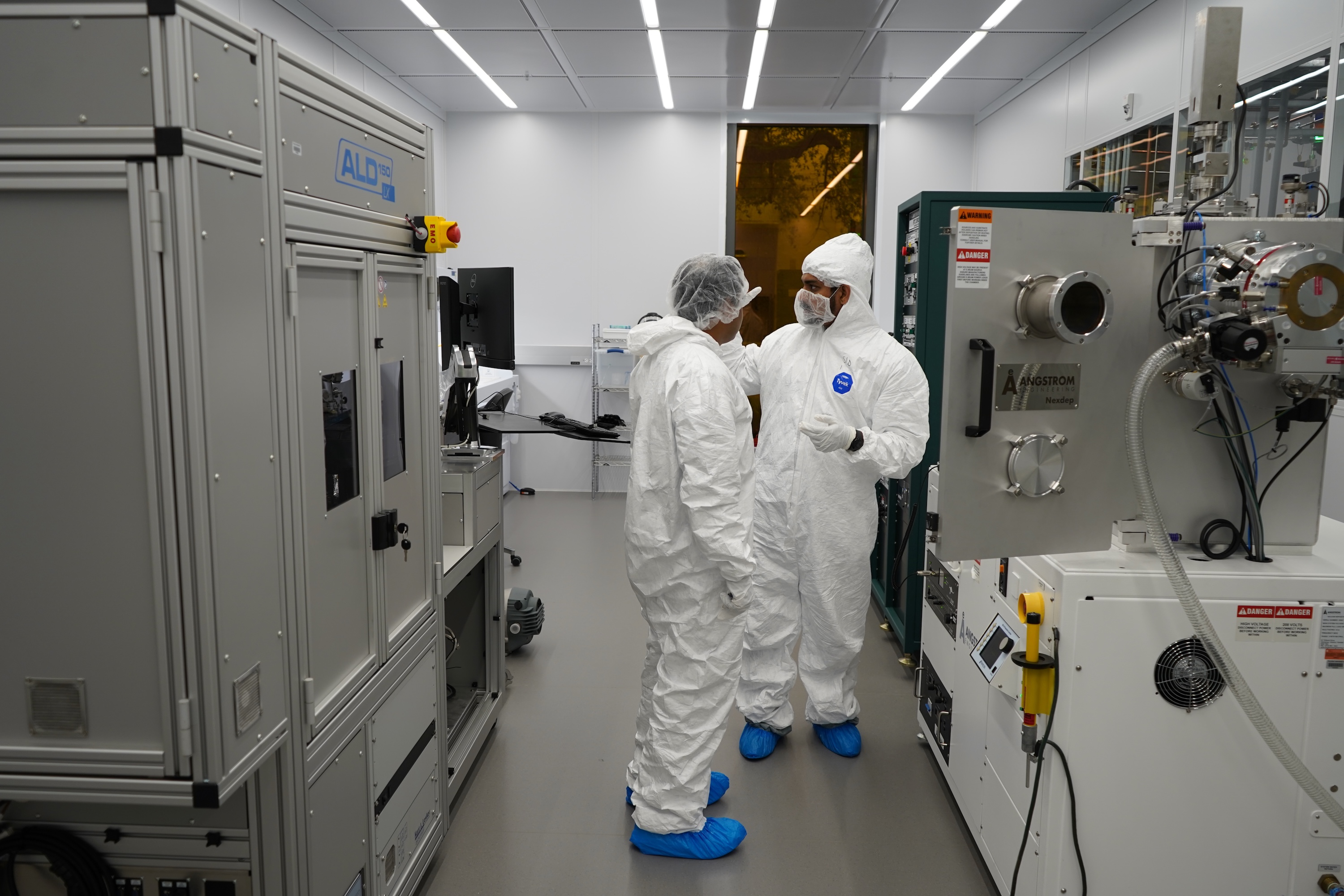
Tulane Instrumentation for Nanoscience & Innovation (TINI) is a university-wide department operating within the School of Science and Engineering for the management of shared research equipment. The TINI laboratory personnel maintain the equipment and assist researchers with method development and data collection. They also train students and researchers in the use of the shared equipment.
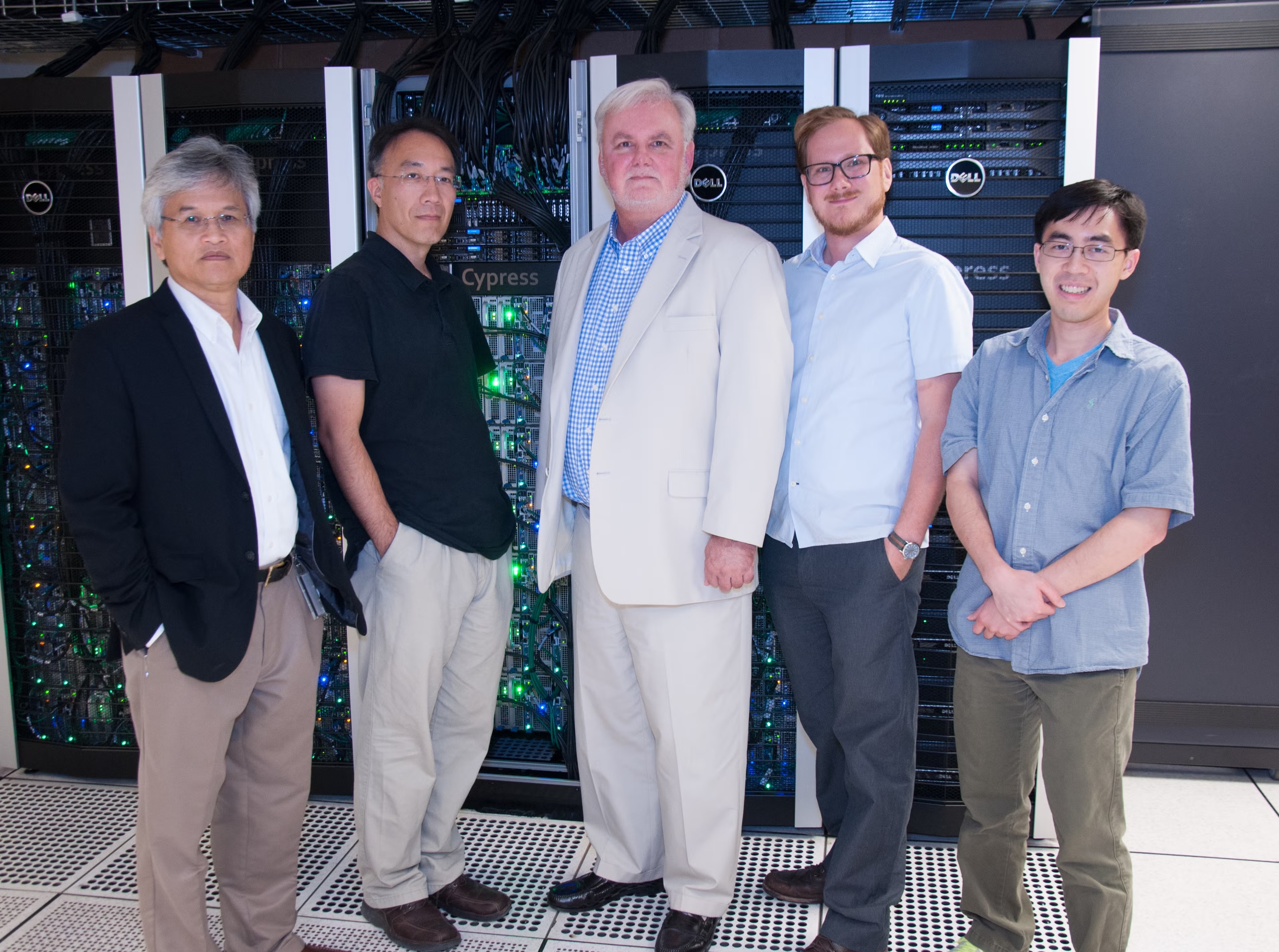
Cypress is composed of Dell state-of-the-art technology, using Intel Ivy Bridge CPU, Intel Xeon Phi Coprocessor, and Luster file system running on Dell’s Terascala storage technology. Cypress will deliver a peak general capability of 668.75TF and will incorporate 7.936TB of fast main memory with 1 Petabyte (1PB) of high-performance storage. Cypress is designed to provide a powerful but flexible design, suited to the computing resource demands of computational scientists and researchers.