
Interdisciplinary Master of Science
An interdisciplinary Master of Science degree is a degree granted for a curriculum of graduate study on a coherent and definable field of science and/or engineering. Such fields of study may exist at Tulane at the doctoral level, exist at the MS-level at other major universities, or reflect an emerging discipline.
The M.S. is NOT awarded simply for an accumulation of credits, but for a distinct and definable program of study.

4+1 Accelerated Master's Program
Current Tulane undergraduate students can earn this M.S. degree with just one additional year of study. This accelerated program allows you to count graduate-level courses toward both your B.S. and M.S. degrees, providing a fast track to an advanced credential.

What You'll Learn
An Interdisciplinary Master of Science at the Tulane School of Science and Engineering empowers students to tailor their degree across multiple scientific and engineering disciplines, gaining a versatile skill set that addresses complex, real-world challenges. Through close faculty mentorship and hands-on research opportunities, graduates are prepared for innovative careers or advanced study in an increasingly interconnected scientific landscape.
Research
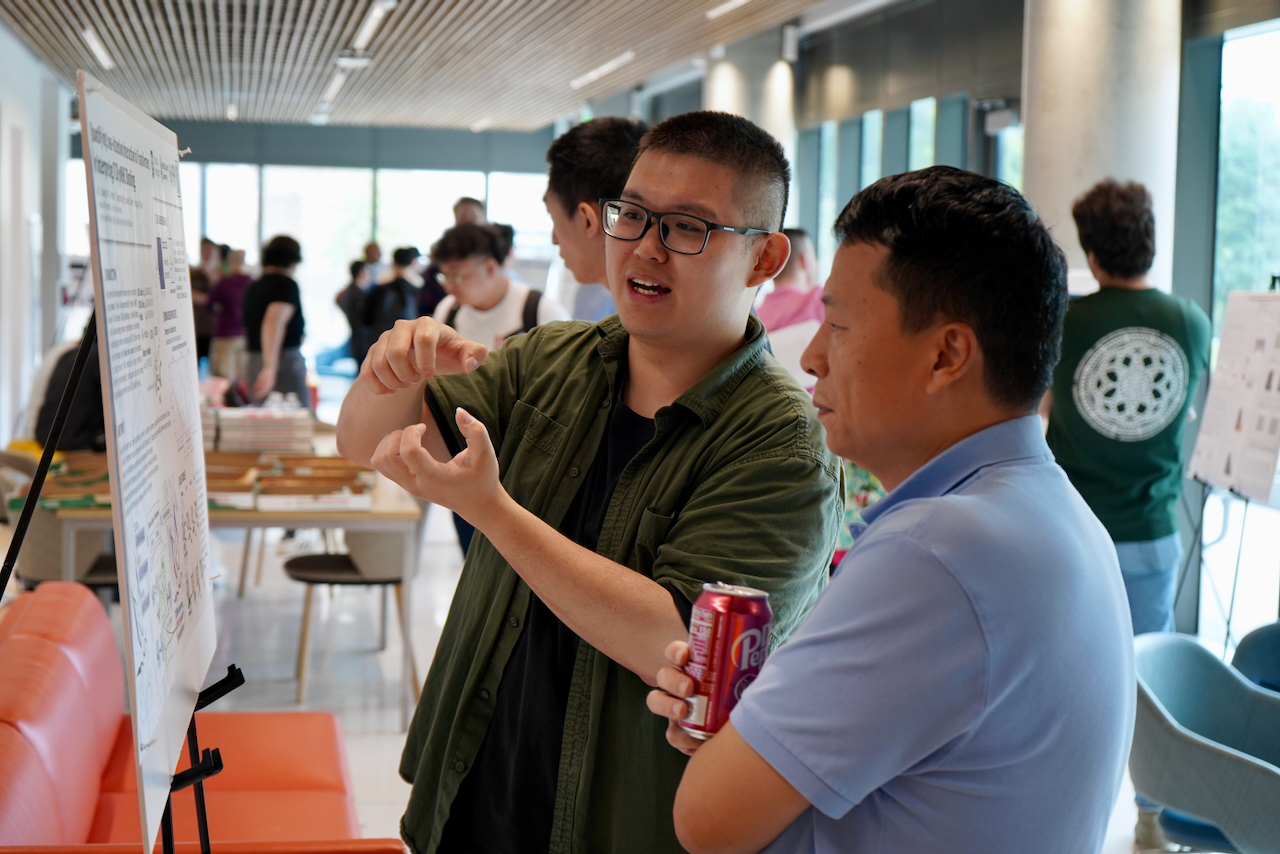
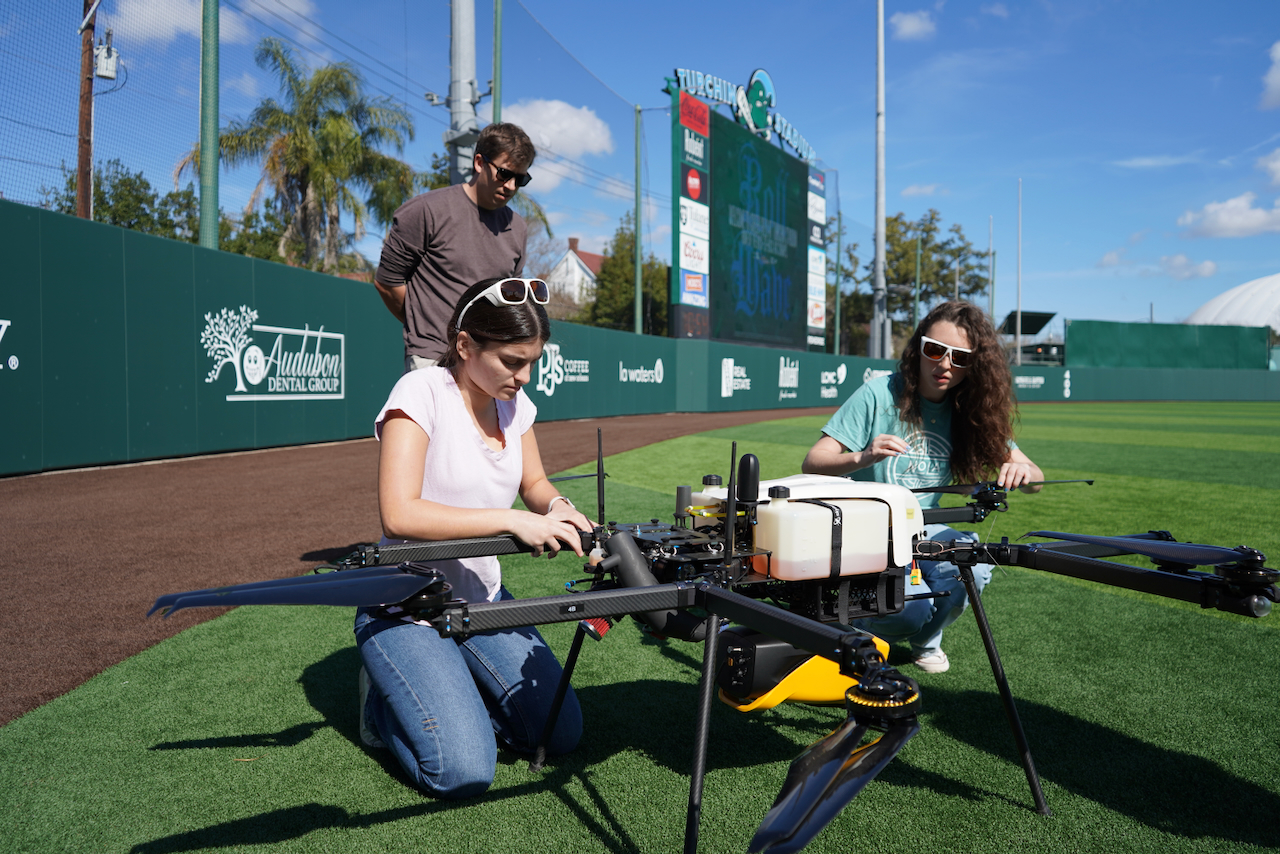
Research opportunities in the Interdisciplinary MS program allow you to pursue original investigations that span traditional disciplinary boundaries. Students pursuing the thesis track conduct empirical research in their defined discipline under the direction of an interdisciplinary committee comprising faculty from at least two departments or programs, contributing new knowledge to emerging or integrated fields of study. The program's flexibility enables you to design research that addresses complex problems requiring integrated expertise—whether in bioinnovation, environmental science, computational biology, or other emerging disciplines. Faculty mentors guide your research while supporting your vision of bridging multiple fields, creating opportunities to develop innovative solutions to challenges that don't fit neatly within traditional disciplinary silos. Through thesis research or coursework-based projects, you'll gain experience conducting investigations that reflect the integrated, cross-disciplinary nature of modern scientific challenges.
Meet Our Faculty
Our interdisciplinary program brings together faculty from across the School of Science and Engineering, each bringing specialized expertise from their respective disciplines. Faculty mentors are committed to supporting your unique interdisciplinary vision, providing guidance as you design a coherent program of study that bridges multiple fields. Your plan of study is endorsed by two faculty members from different departments or programs, ensuring you receive mentorship that reflects the breadth of your academic interests. Faculty create a collaborative environment where you'll develop expertise at the intersection of disciplines, working with advisors who understand both the depth of their own field and the value of integrating knowledge across traditional boundaries.
Curriculum Requirements
The 30-credit-hour Interdisciplinary Master of Science degree is designed around a coherent and definable field of study that may span multiple disciplines within science and engineering. You'll work with faculty advisors to develop a personalized plan of study that includes a 25-50 word description of your chosen discipline, a list of intended courses, and endorsement from two regular Tulane SSE faculty members representing different departments or programs. At least 24 of your 30 credit hours must be earned in the School of Science and Engineering, with the option to apply up to 6 relevant graduate credits from other Tulane schools or up to 6 transferred credits from other universities with prior approval. Students may also complete an empirical master's thesis in their defined discipline, typically with an interdisciplinary committee comprising faculty from at least two departments or programs, earning 6 thesis credits and 24 coursework credits.


Career Benefits and Pathways
Research opportunities in the Interdisciplinary MS program allow you to pursue original investigations that span traditional disciplinary boundaries. Students pursuing the thesis track conduct empirical research in their defined discipline under the direction of an interdisciplinary committee comprising faculty from at least two departments or programs, contributing new knowledge to emerging or integrated fields of study. The program's flexibility enables you to design research that addresses complex problems requiring integrated expertise—whether in bioinnovation, environmental science, computational biology, or other emerging disciplines. Faculty mentors guide your research while supporting your vision of bridging multiple fields, creating opportunities to develop innovative solutions to challenges that don't fit neatly within traditional disciplinary silos. Through thesis research or coursework-based projects, you'll gain experience conducting investigations that reflect the integrated, cross-disciplinary nature of modern scientific challenges.
Learn more about the admissions process or apply now!
Find full tuition information and the financial aid process.
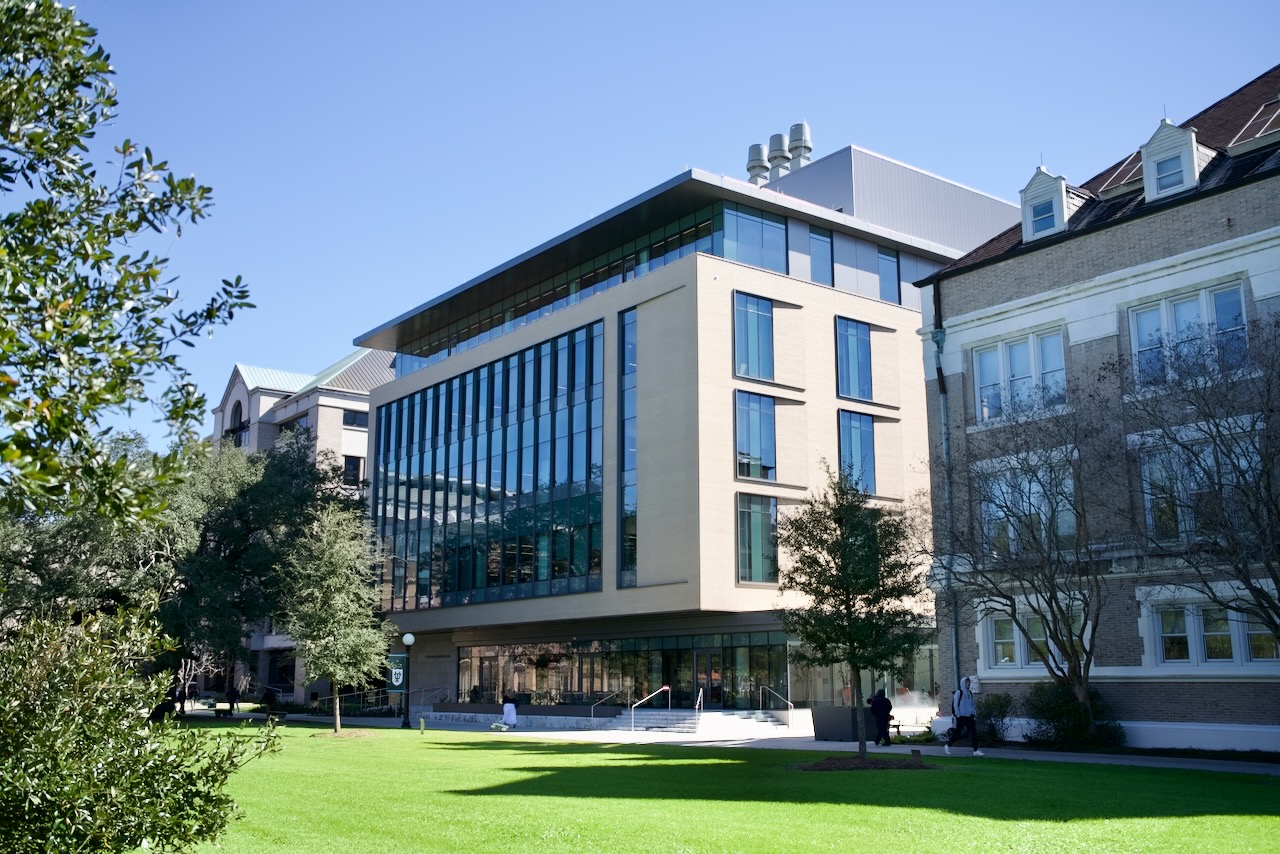
Get to know what makes this place a launchpad for the next generation of scientists and engineers.
FAQs
1. Plan of study including:
-A 25-50 word description of the coherent discipline, which may cite similar programs of study at other universities.
-List of intended courses.
-Endorsement from two regular Tulane SSE faculty members who together represent the interdisciplinary expertise from different departments/programs; for students already enrolled in a PhD program, the dissertation research advisor must approve the plan. One department must agree to monitor the student's progress.
2. A minimum of 30 credit hours of graduate-level course work.
-At least 24 credit hours must be earned in the Tulane School of Science and Engineering (SSE).
With prior approval, up to 6 relevant graduate credit hours from other Schools of Tulane University may be applied toward the M.S. degree.
-With prior approval, no more than 6 graduate credit hours may be transferred from another university; such credits cannot have been applied to another Masters-level degree.
-With prior approval, students may complete an empirical master's thesis in the defined discipline under the direction of an SSE faculty member. Students who successfully complete a master's thesis may elect to complete only 24 credit hours of graduate-level course work (i.e., the master's thesis substitutes for 6 of the 30 credit hours for the M.S.). In most cases, an interdisciplinary thesis committee will comprise faculty from at least 2 departments or programs.
1. Enrolled doctoral students: Application no later than the 4th semester of study (i.e., the plan should be prospective rather than after-the-fact).
2. New applicants for interdisciplinary MS: Students should apply to the department or program closest to their field of study. They should note in their Statement of Interest that they are interested in an interdisciplinary MS (and should reference the potentially contributing departments/programs). For programs cutting across more than 2 disciplines, students should contact the Associate Dean for Graduate Programs.
Contact Us
Ilianna H. Kwaske, Ph.D.
Associate Dean for MS Programs & Professional Education
ikwaske@tulane.edu
Sarah Berry
Director of MS and Certificate Programs
smccarty@tulane.edu
Rosie Chavez
Director of Graduate Programs
rchavez@tulane.edu
Dan Shantz
Associate Dean for Research and Ph.D. Programs
dshantz@tulane.edu