Research Centers, Institutes, and Facilities
All regular faculty members in the School of Science and Engineering at Tulane University have earned doctoral degrees from major research universities and conduct research at the forefront of their disciplines. For a complete list of regular faculty and their research interests, please click here.
Further information can be found by referring to the websites of the academic departments in which faculty members are appointed.
Research funding opportunities, proposal preparation, federal regulations, and other information on research activity can be found on the Tulane University Office of Research website.
Many faculty members and their students are affiliated with one or more of the following research centers, institutes, and core facilities:
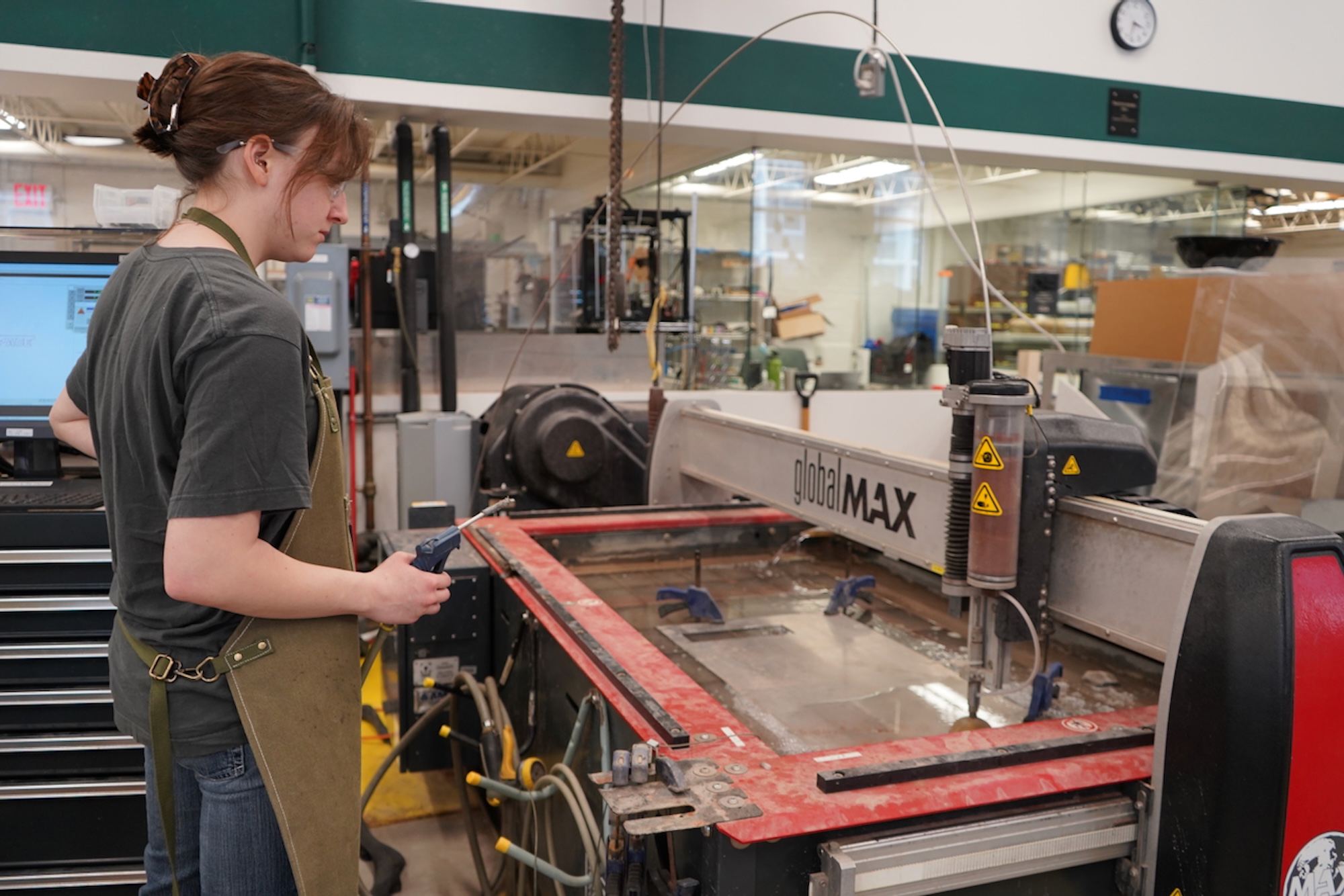

Explore interdisciplinary centers, institutes, and facilities that drive discovery and collaboration across Tulane’s School of Science and Engineering.
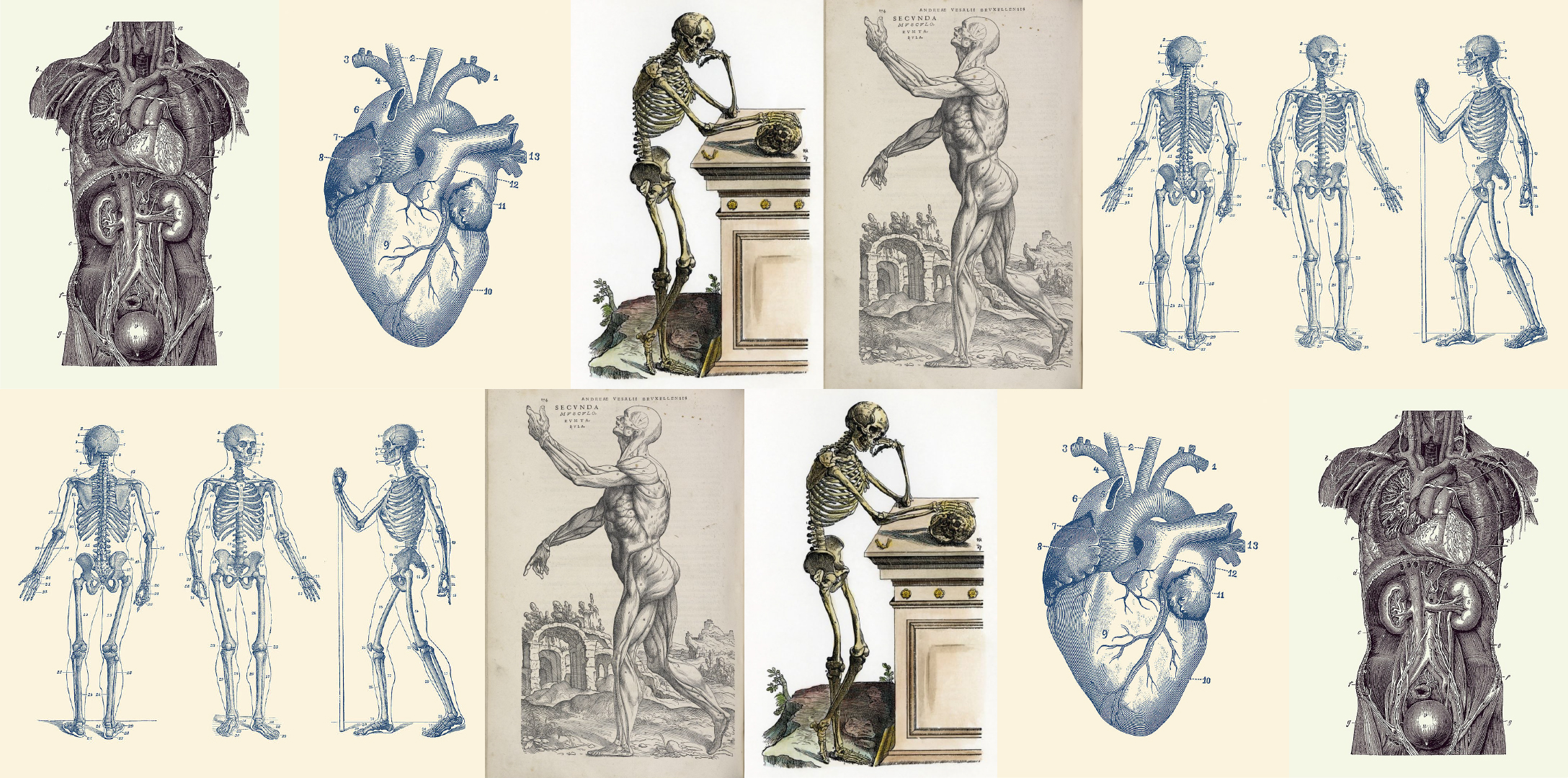
Providing graduate and undergraduate instruction that allows students and faculty to study from anatomical specimens.
Advancing data-driven discovery in genomics, biomedical informatics, and precision medicine.
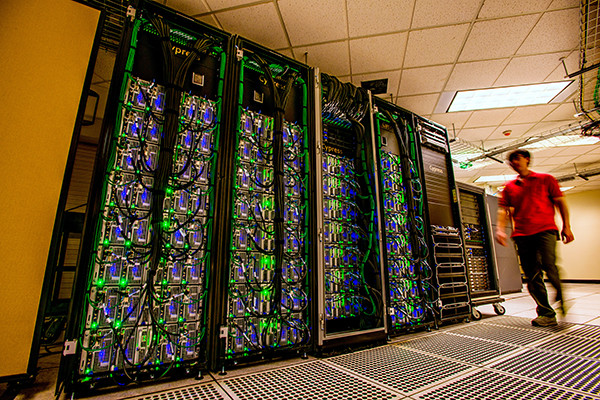
Supporting high-performance computing and computational research across disciplines.
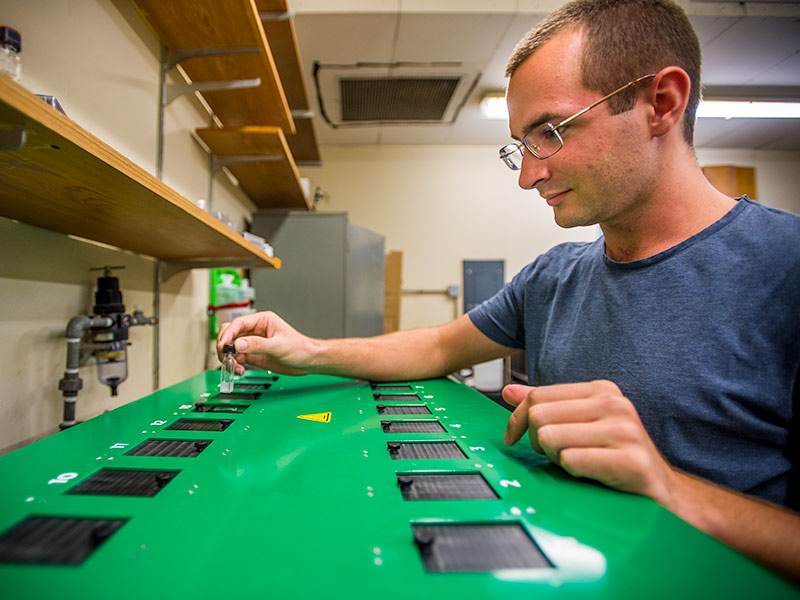
Specializing in advanced polymer analysis, monitoring, and materials characterization.
Advancing research on sex differences to improve health outcomes.
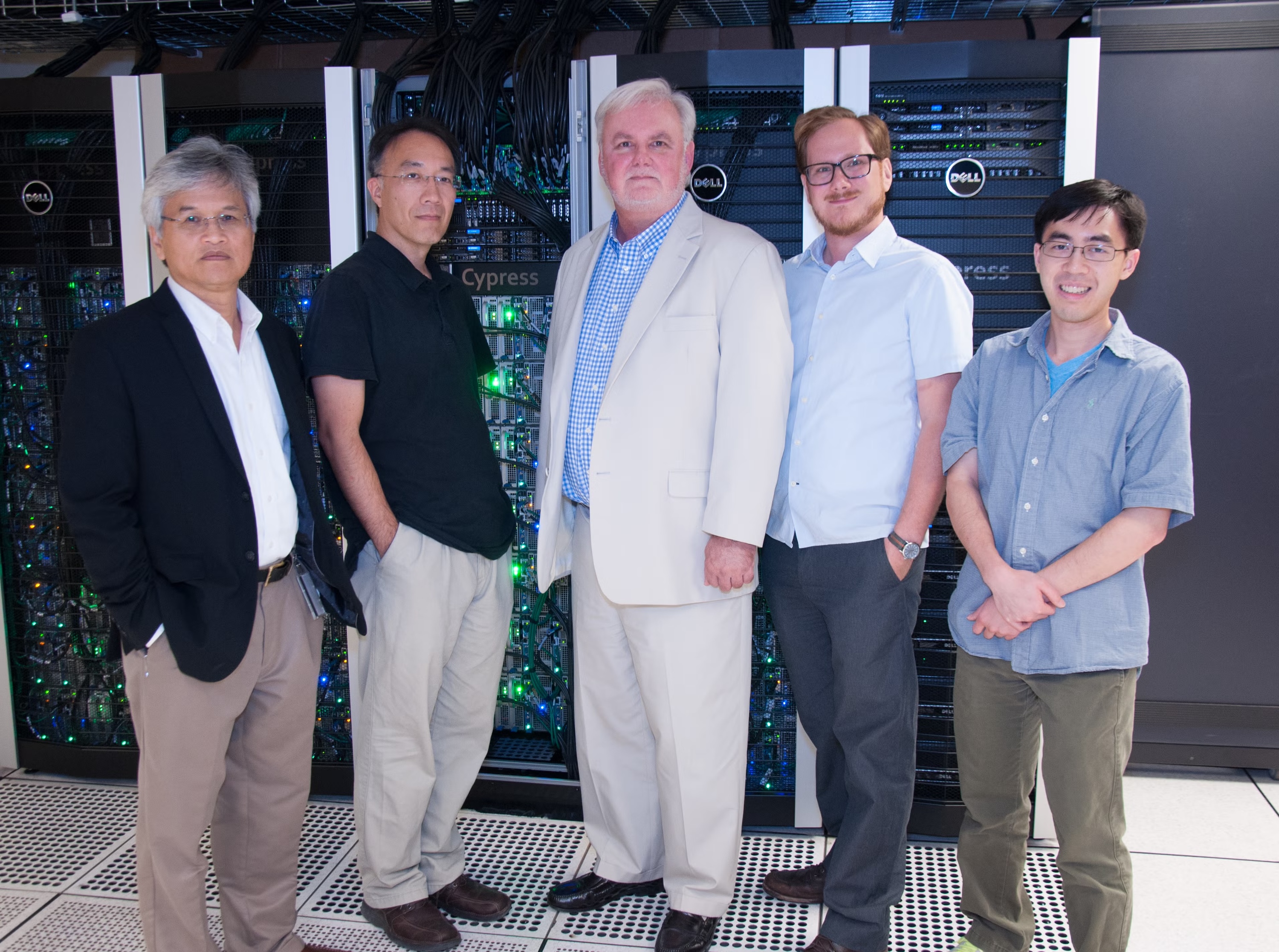
Composed of Dell state-of-the-art technology, using Intel Ivy Bridge CPU, Intel Xeon Phi Coprocessor, and Lustre file system running on Dell storage with Intel Enterprise Edition for Lustre (IEEL) technology.
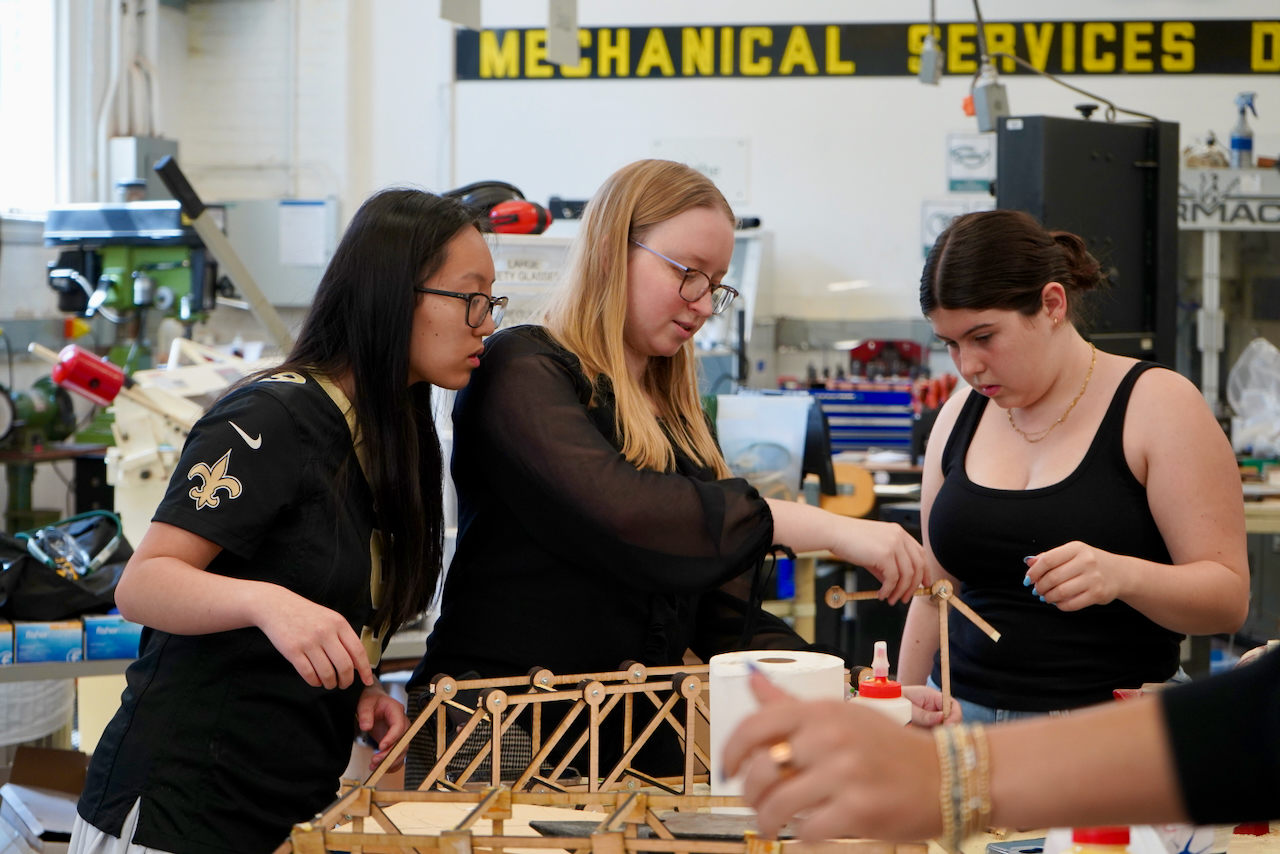
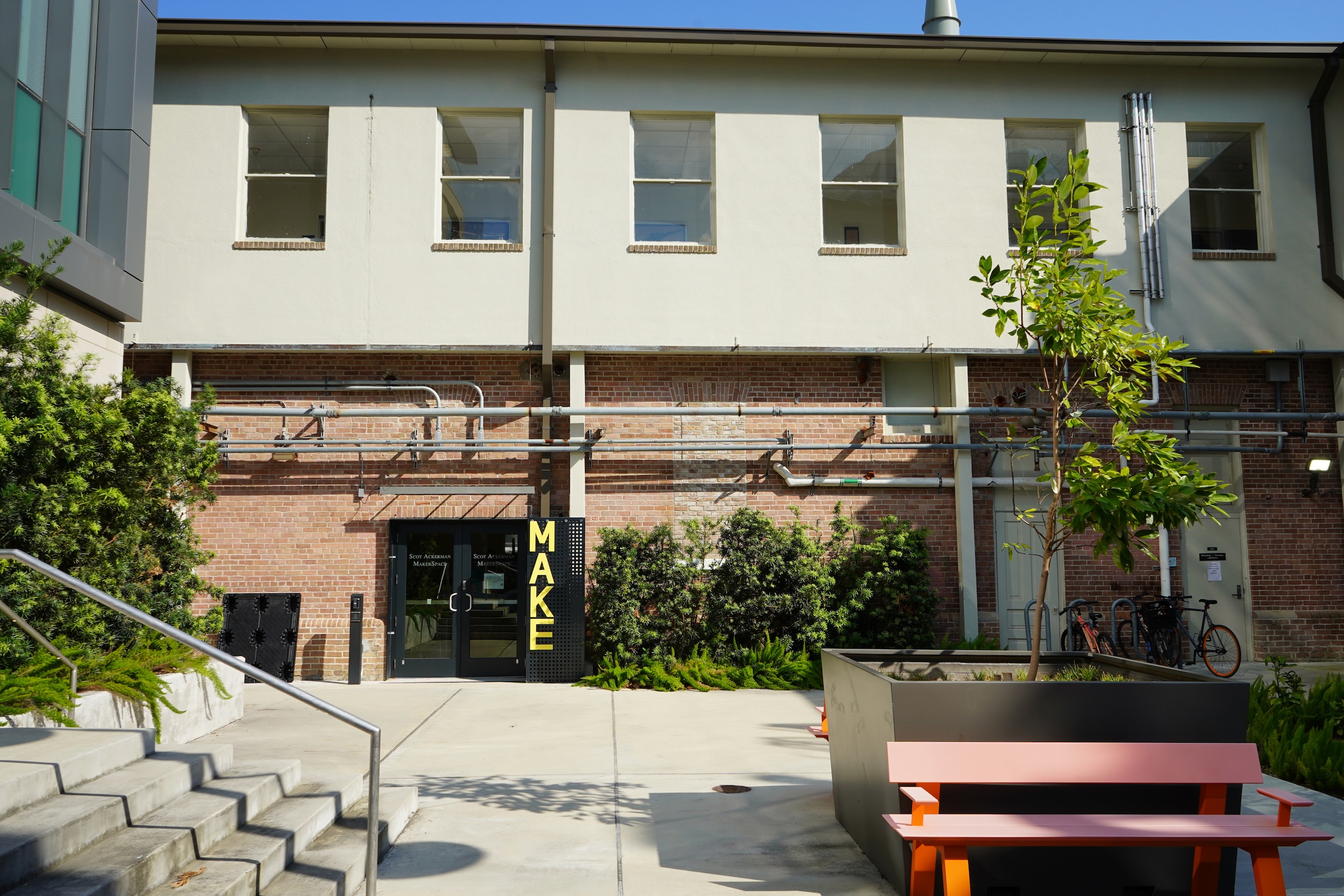
Serving all makers in the Tulane Community by providing tools, assistance, and ideas.

Supporting small to large animal models and used in acoustics engineering applications.
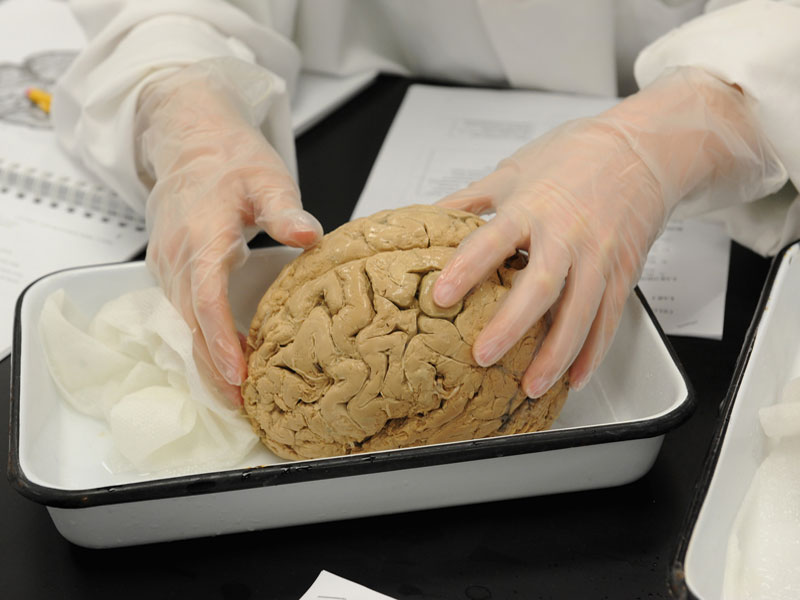
Advancing neuroscience research through interdisciplinary collaboration and innovation.
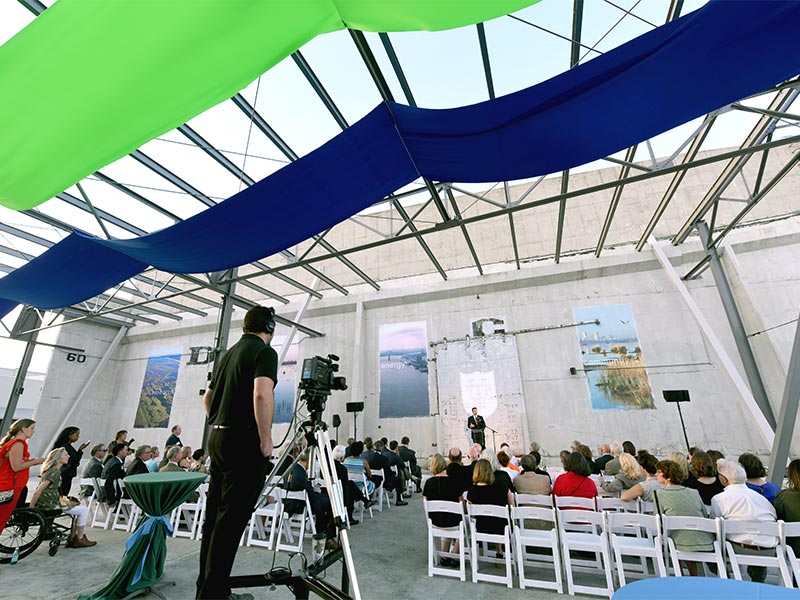
Addressing water-related challenges in coastal systems, infrastructure, and resilience.
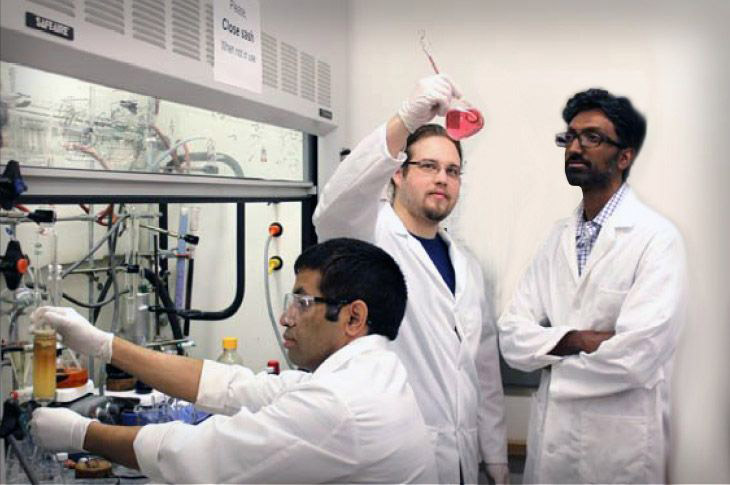
Integrating basic, clinical, and population-based cancer research.
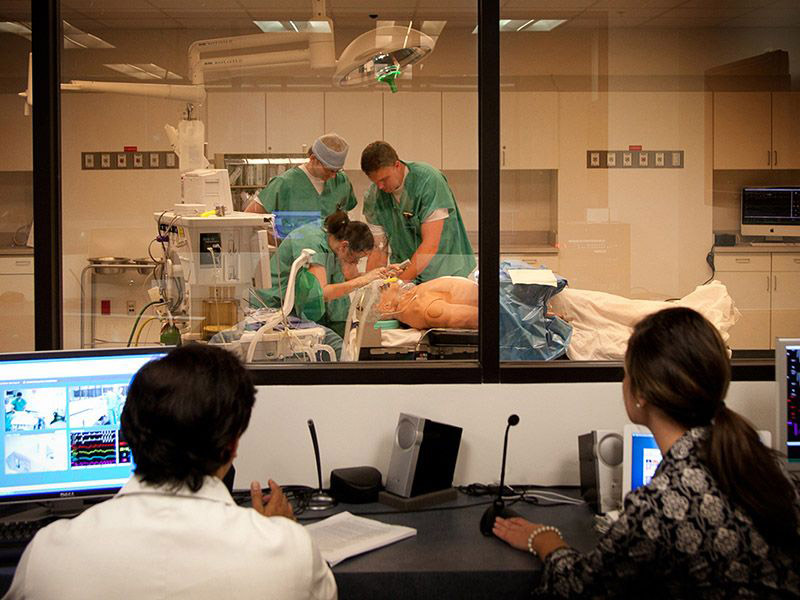
Giving healthcare providers the opportunity to learn and perfect the latest techniques.

Fosters and supports the development of research programs across a broad spectrum of disciplines that will provide solutions to the problems associated with aging.

Dedicated to accelerating the development, standardization, and commercialization of microphysiological systems (MPS).
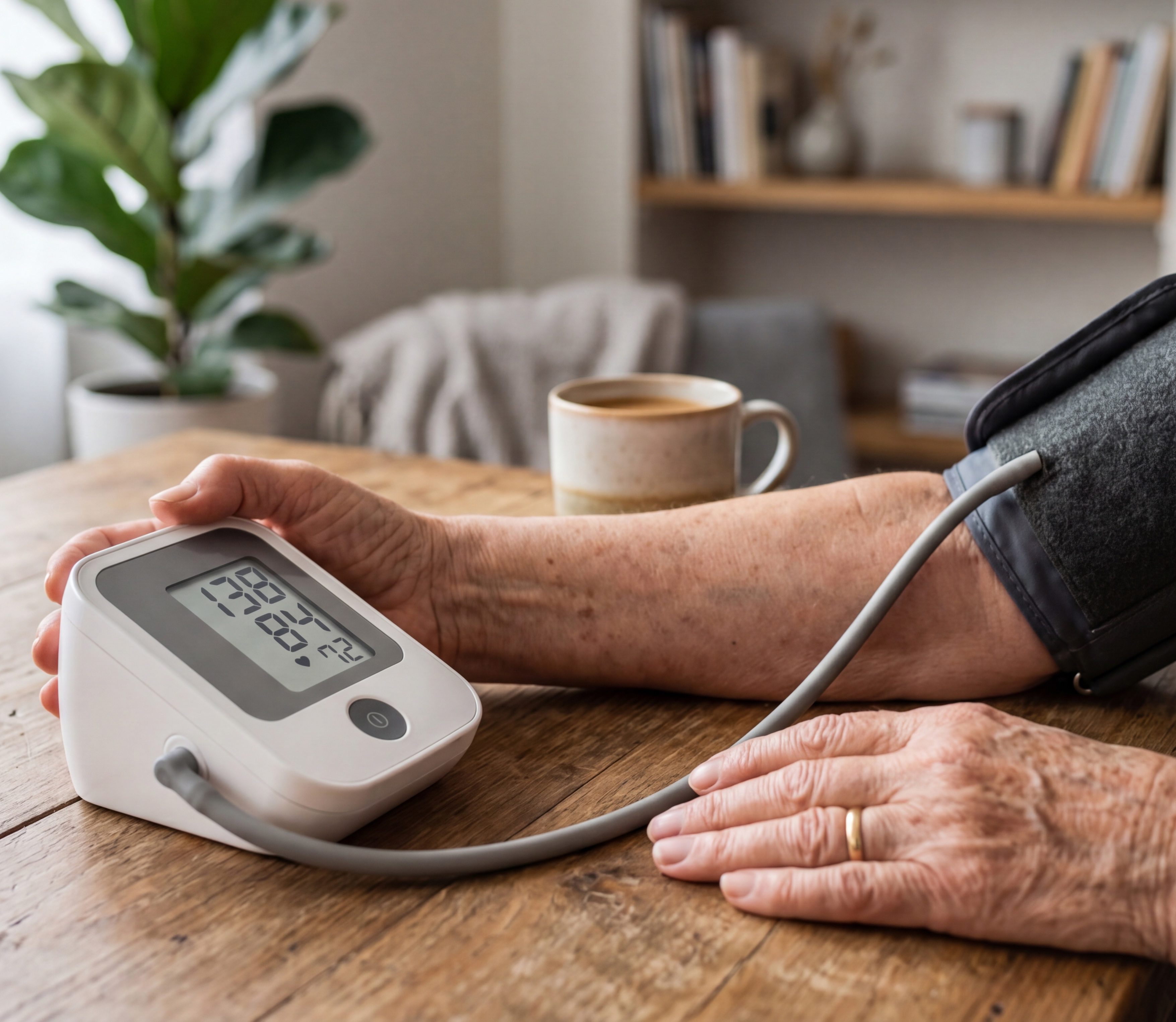
Focused on cardiovascular, renal, and hypertension-related research.

Bridging engineering and medicine to address complex health challenges.
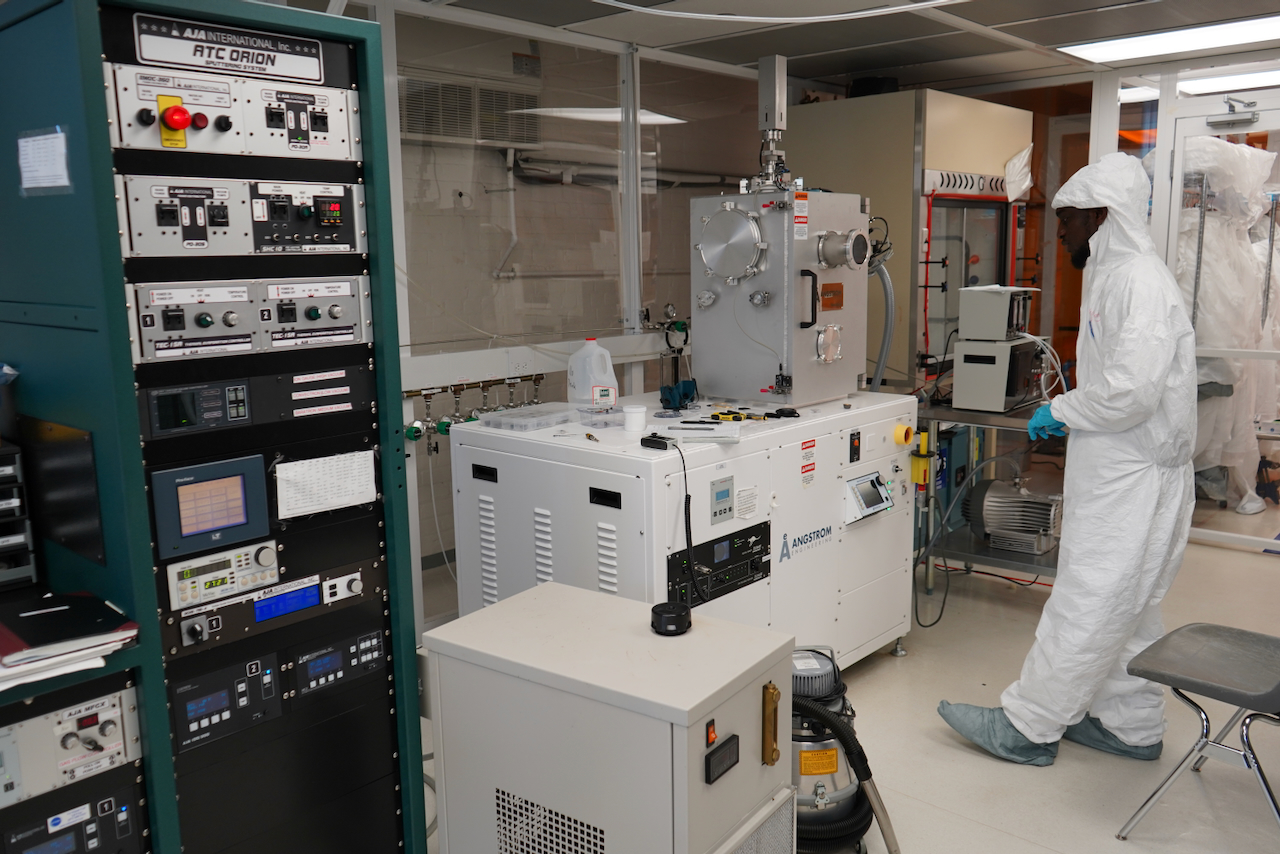
Providing access to sophisticated research equipment, application support, and service support.
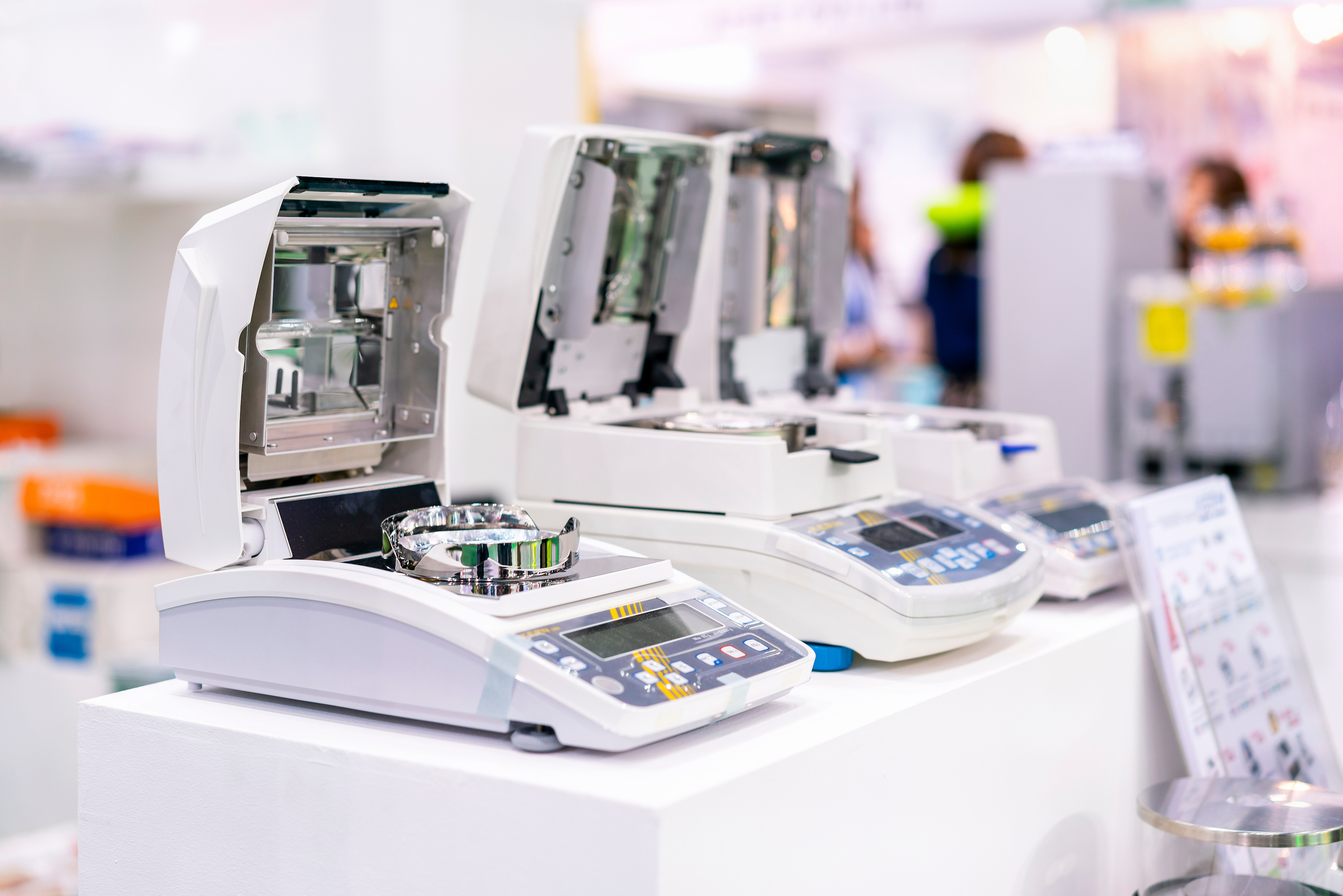
Providing shared instrumentation and technical resources for cutting-edge research.
Remaining a leading and nationally recognized medical institution throughout the 21st century.
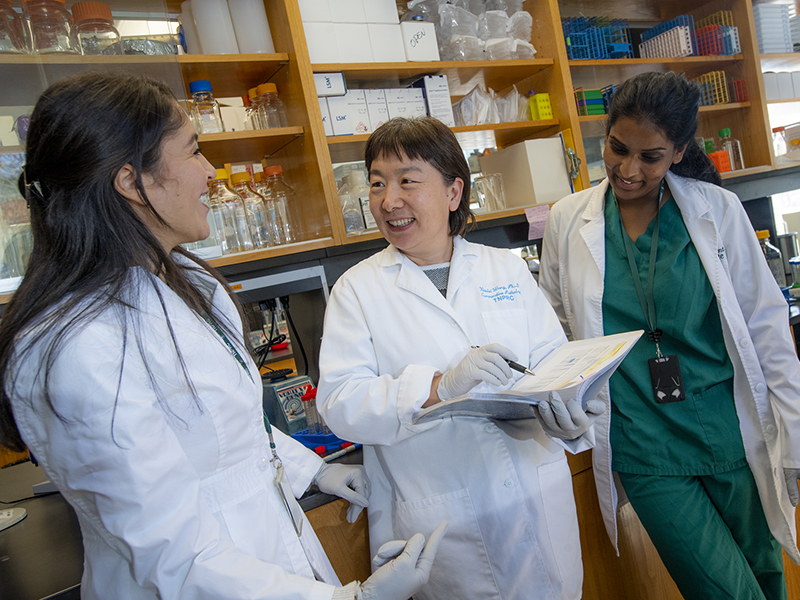
Combining world-class science, expert veterinary care, and specialized facilities to carry discovery from concept to cure.
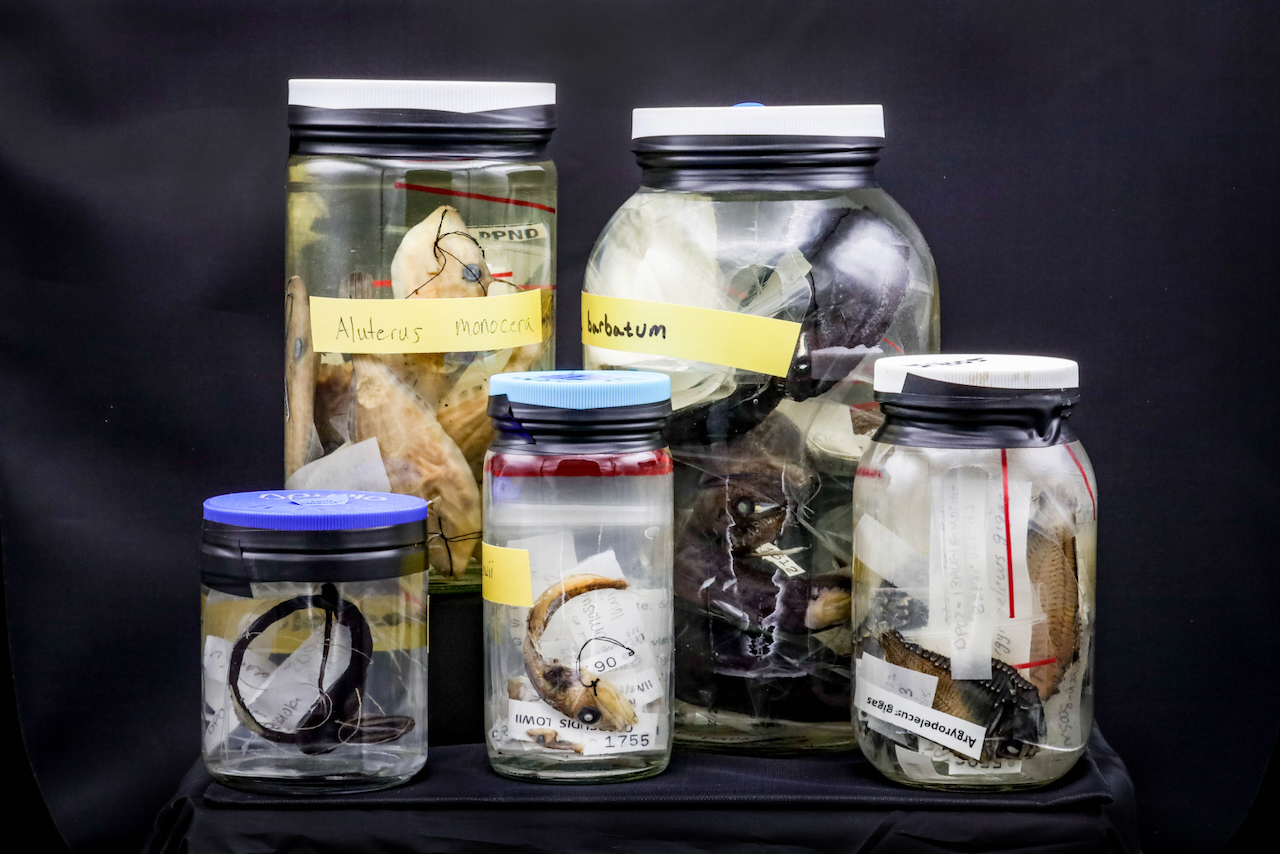
Conducting biodiversity research from local ecosystems to global environments.

Studying mosquito- and vector-borne diseases that impact global health.
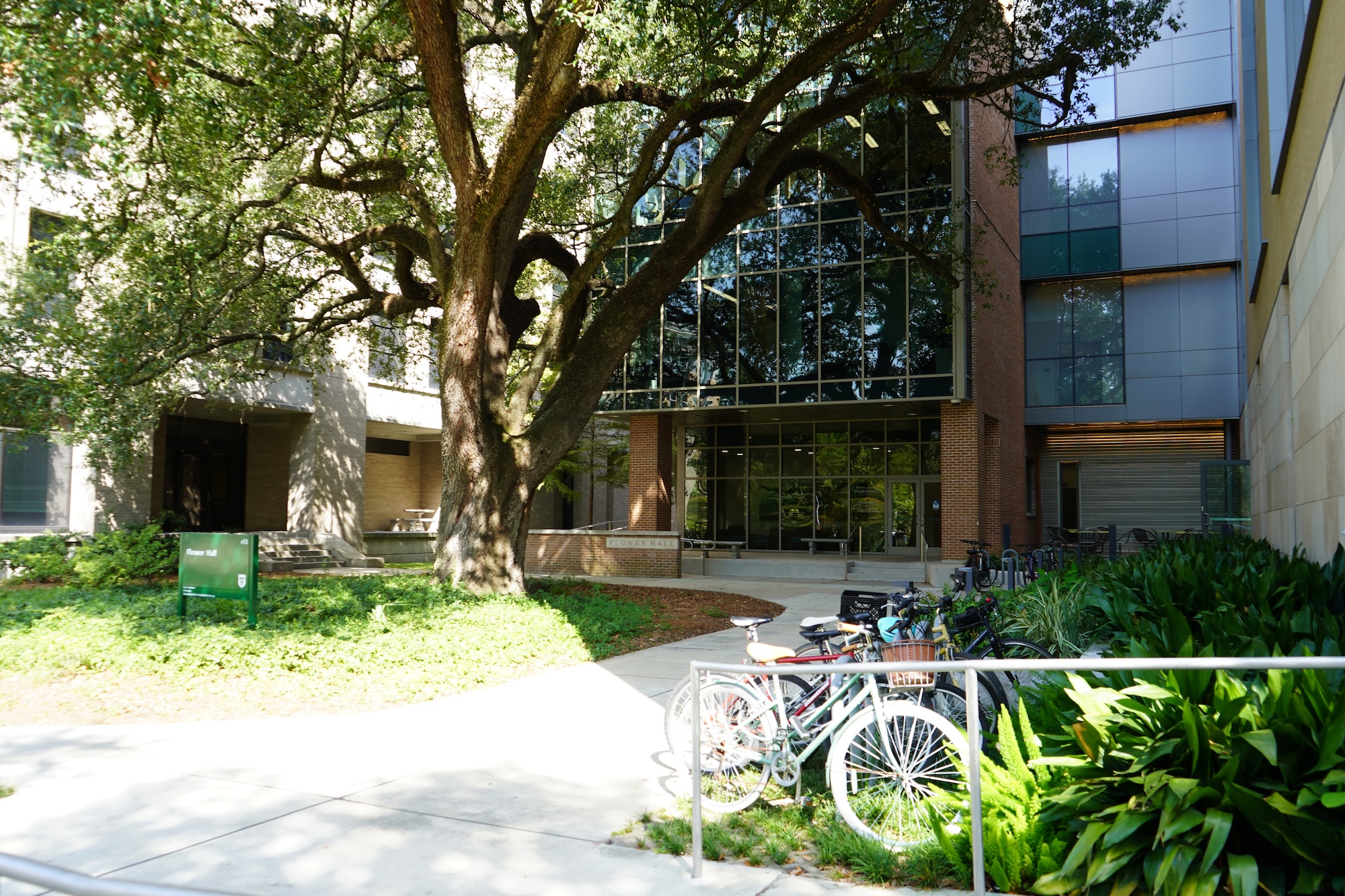
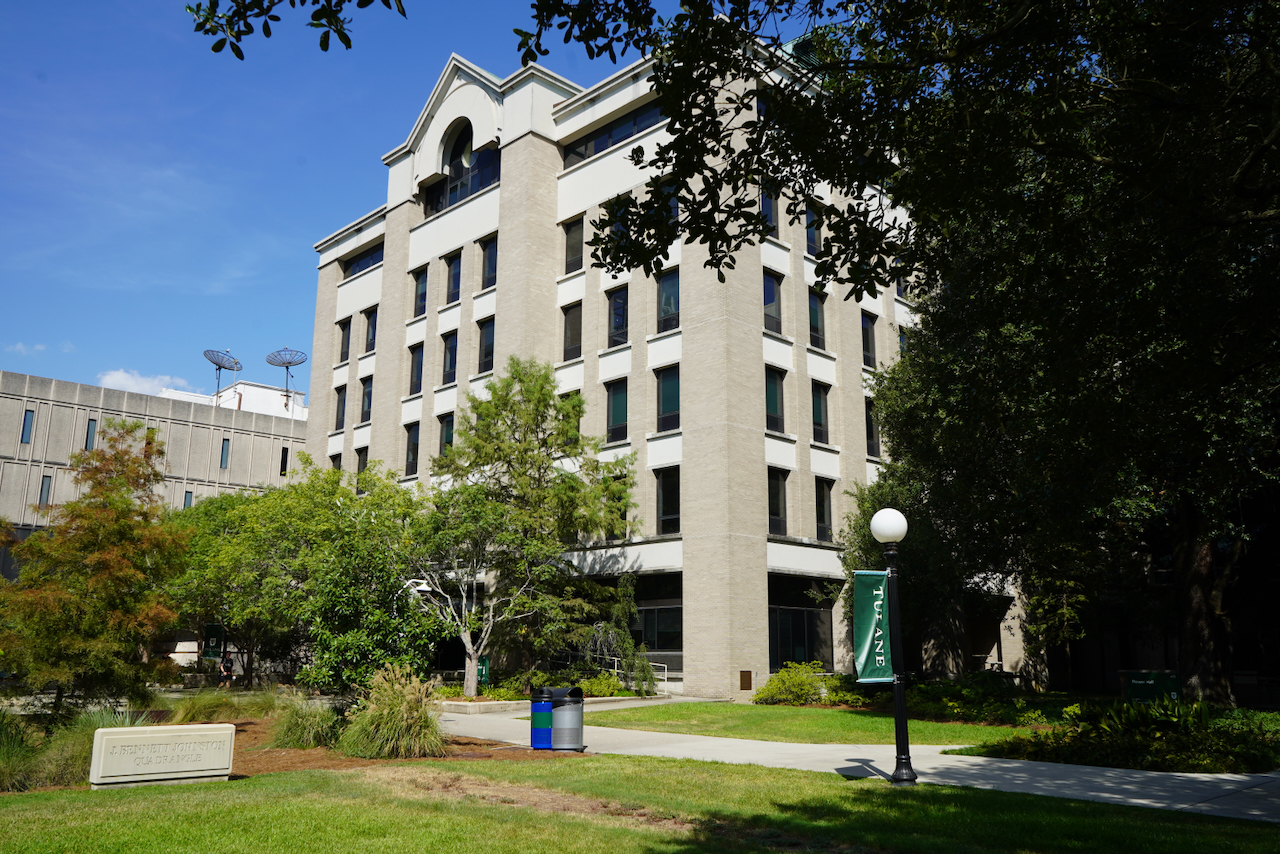
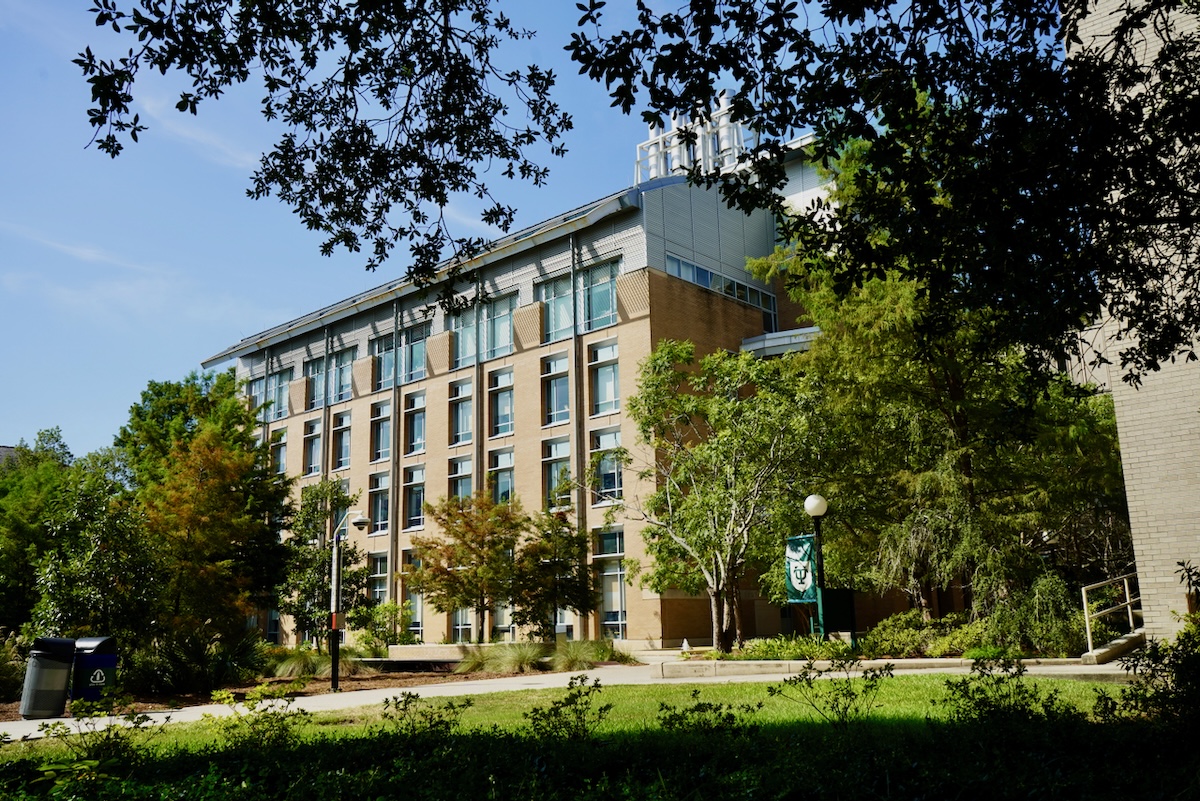
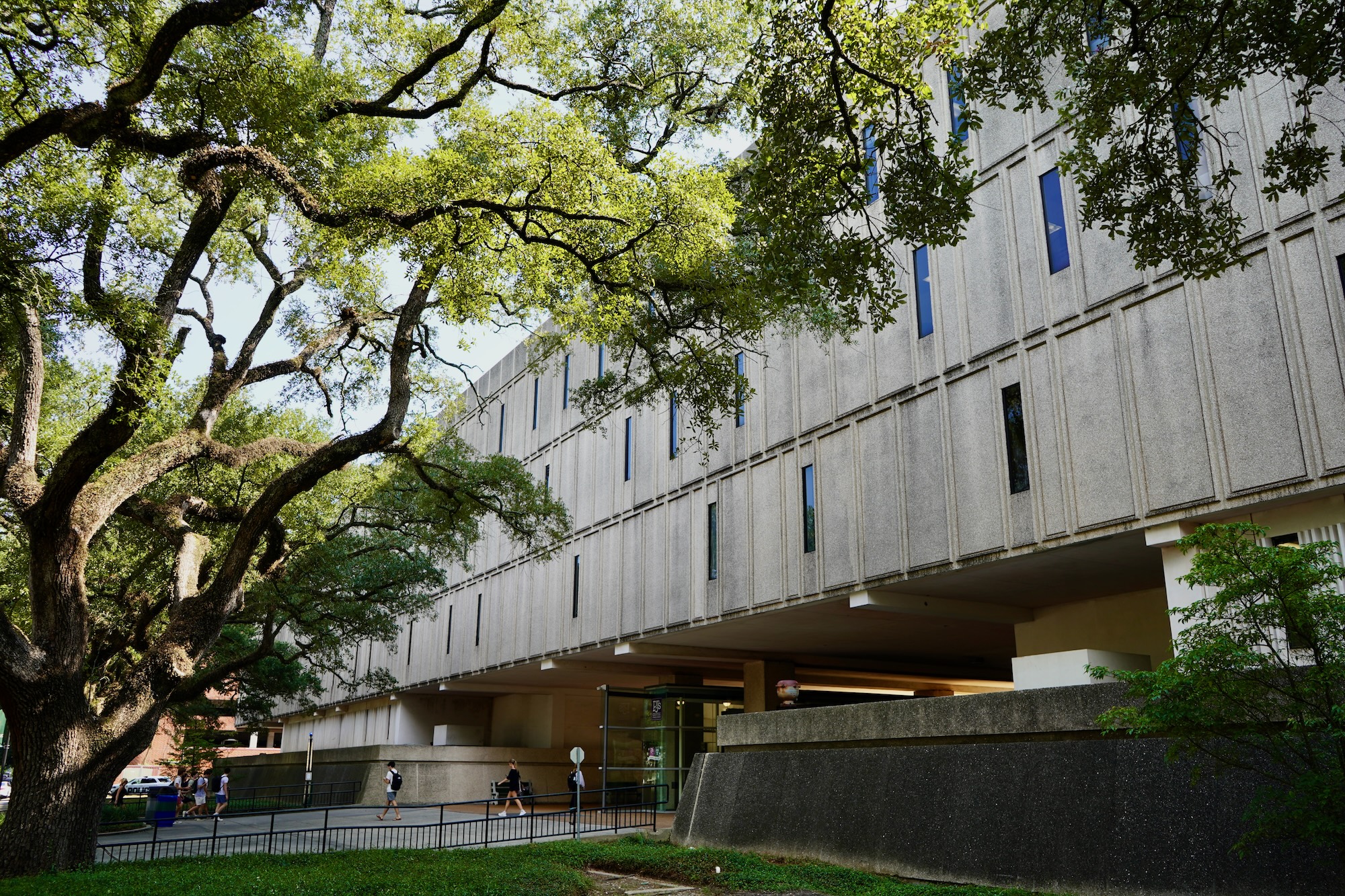
SSE Buildings