
Master's Degree in Earth and Environmental Science
Master's Degree in Earth and Environmental Science
A Master’s degree in Earth and Environmental Sciences at the Tulane School of Science and Engineering prepares students to address pressing challenges such as climate change, coastal resilience, and environmental sustainability through interdisciplinary study and hands-on research. Located in New Orleans, Tulane offers a unique living laboratory and close faculty mentorship that equip graduates for impactful careers in environmental science, policy, and research.
ApplyRequest InformationDepartment of Earth and Environmental Science

What You'll Learn
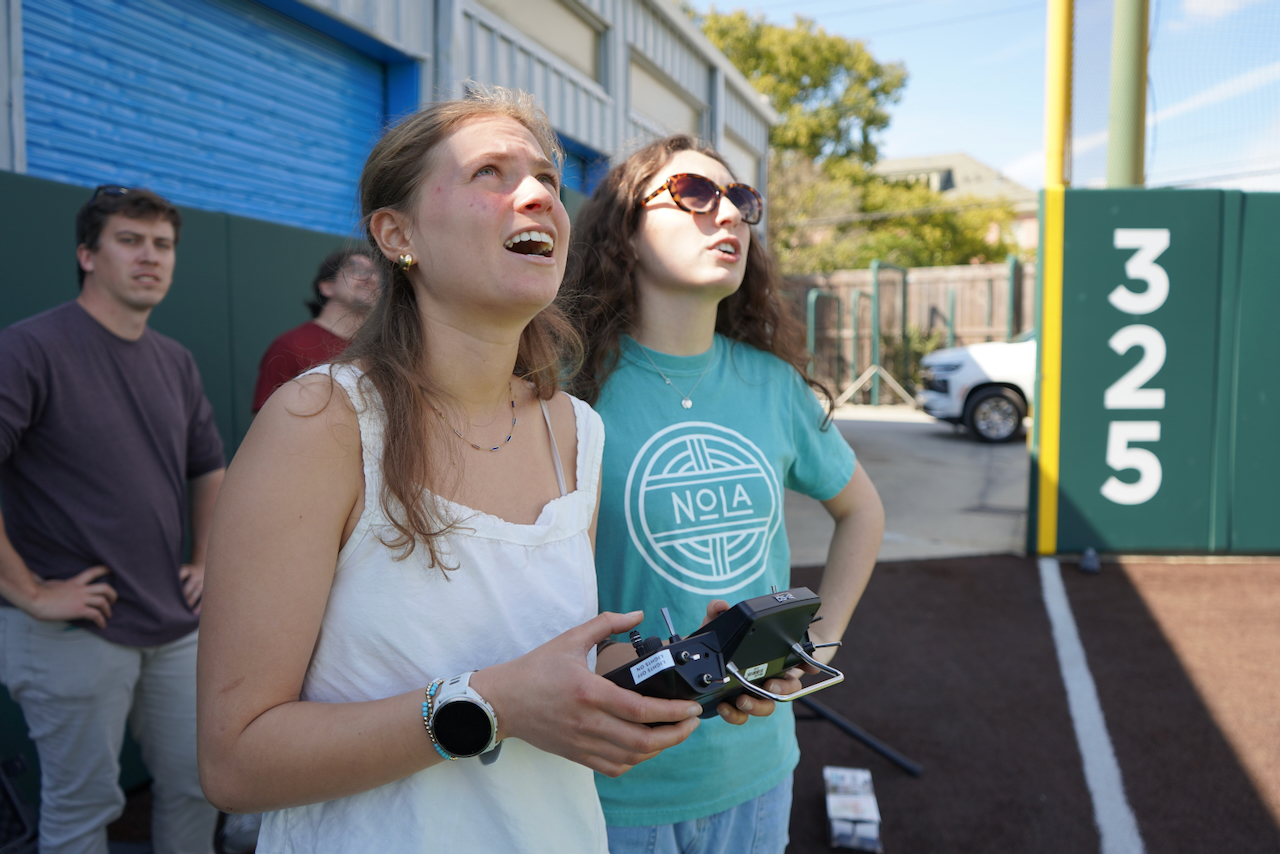
In this program, you'll develop comprehensive expertise in earth and environmental sciences through a flexible, interdisciplinary curriculum designed to be completed in just 12 months. You'll gain foundational knowledge across four key pillars—Solid Earth and Planetary Science, Surface and Sedimentary Processes, Climate and Environment, and GIS, Geospatial, and Quantitative Methods—ensuring you understand the full spectrum of earth science disciplines. Beyond coursework, you'll develop professional skills through internships and independent study projects that connect classroom learning to real-world environmental challenges. The program's flexibility allows you to tailor your remaining coursework to your specific interests, with opportunities to take courses in complementary fields like computer science, physics, or ecology, preparing you for specialized careers in environmental science, sustainability, and research.
Research
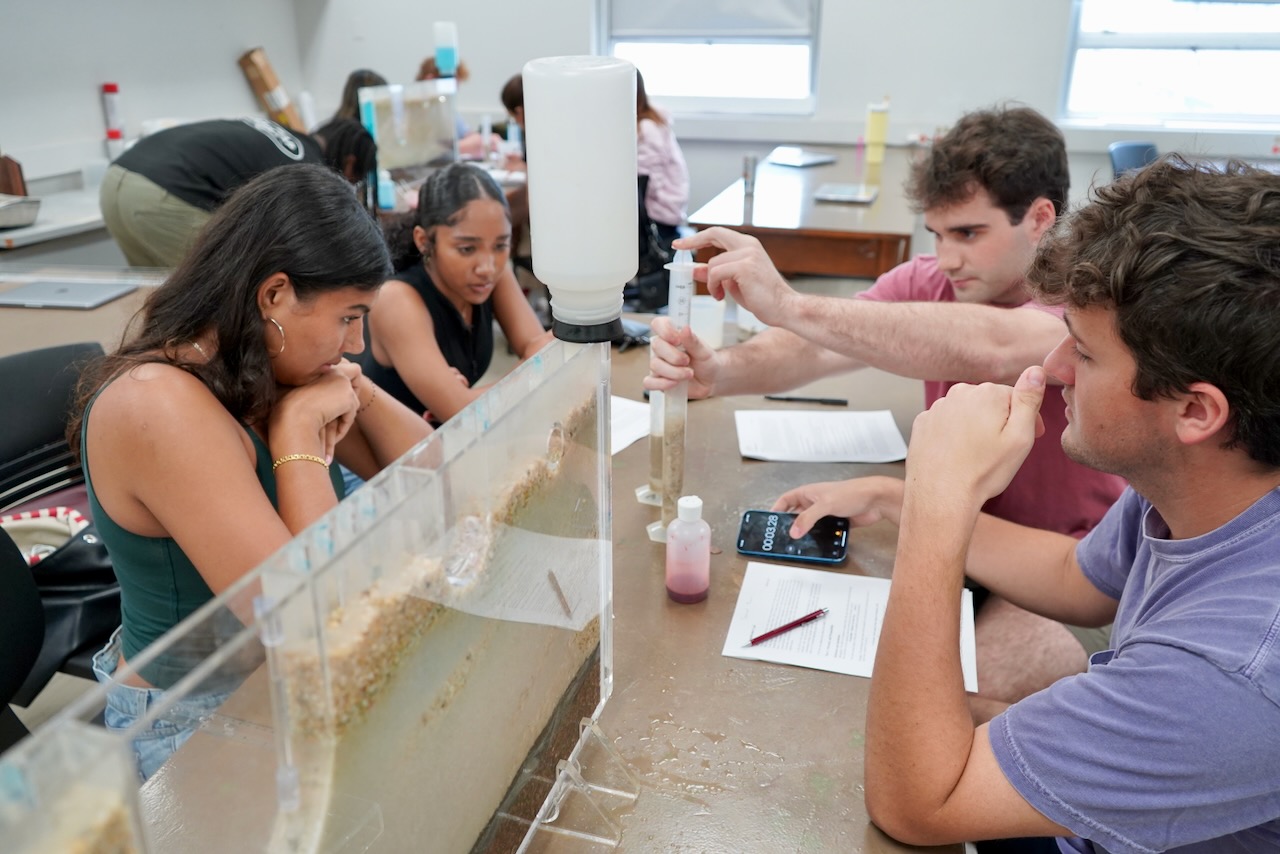
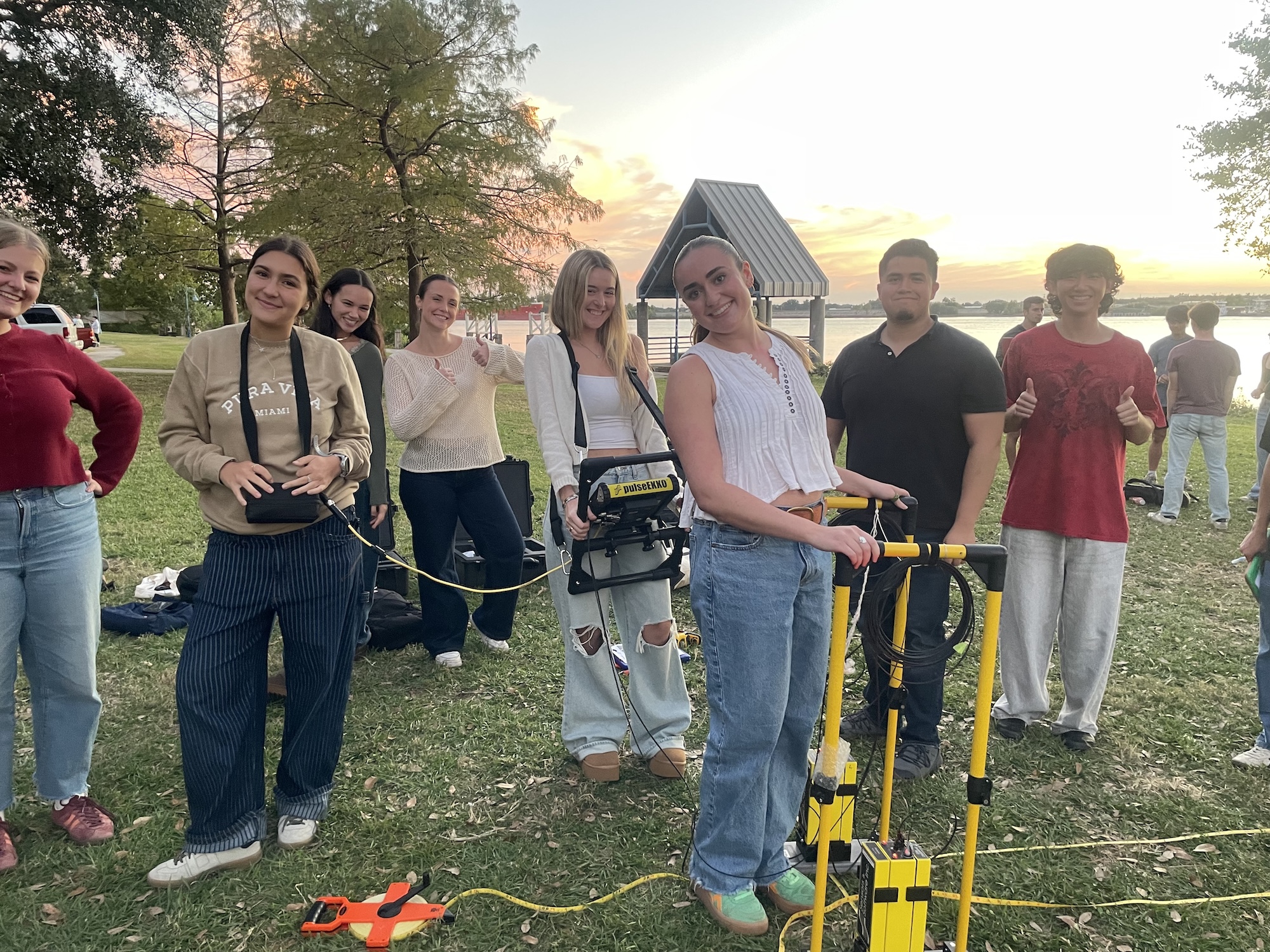
Research and professional experience are integral to the Earth and Environmental Sciences MS program, with all students engaging in internships and independent study projects that connect theory to practice. Students work on investigations addressing real-world environmental challenges, from climate adaptation and coastal resilience to water resources and sustainability, under the guidance of faculty mentors. The department provides a comprehensive database of internship opportunities, connecting students with organizations working on pressing environmental issues in government, nonprofits, consulting, and industry. Whether through field-based research, data analysis, or applied projects, students develop the investigative and analytical skills essential for careers in environmental science, policy, and research, while contributing to solutions for critical environmental challenges.
Meet Our Faculty
Our earth and environmental sciences faculty are dedicated researchers and mentors with expertise spanning solid earth science, surface processes, climate science, geospatial analysis, and environmental sustainability. Faculty members are actively engaged in research addressing real-world environmental challenges, from coastal resilience to climate change, and are committed to providing personalized academic guidance to each student. With access to a comprehensive database of internship opportunities and close mentorship throughout your studies, you'll benefit from faculty expertise that bridges academic rigor and practical application. Our faculty create a collaborative learning environment where students engage with cutting-edge research while developing the skills and knowledge needed for impactful careers in environmental science.
Curriculum Requirements
The course-based MS program in Earth and Environmental Sciences consists of 30 credit hours of graduate-level coursework that advances beyond the undergraduate curriculum in this field. The program offers breadth by requiring a set of courses from different subdisciplines. Subsequently, students can choose to focus on one of four pillars (Solid Earth and Planetary Science; Surface and Sedimentary Processes; Climate and Environment; GIS, Geospatial, and Quantitative Methods). Six credit hours are filled by means of research or an internship.

Career Benefits and Pathways
Graduates with a master's in earth and environmental sciences are prepared for careers addressing critical environmental challenges across diverse sectors. Specific roles include environmental scientist, climate analyst, environmental consultant, GIS specialist, water resource manager, sustainability analyst, coastal resilience specialist, and environmental policy advisor at government agencies like the EPA and USGS, consulting firms, nonprofits, energy companies, and private industry. The program's emphasis on geospatial methods and quantitative analysis makes graduates particularly competitive for positions in environmental monitoring, climate adaptation, natural resource management, and environmental impact assessment. Many graduates also pursue doctoral study or positions in research institutions, contributing to scientific understanding of pressing environmental issues.

Learn more about the admissions process or apply now!
Find full tuition information and the financial aid process.
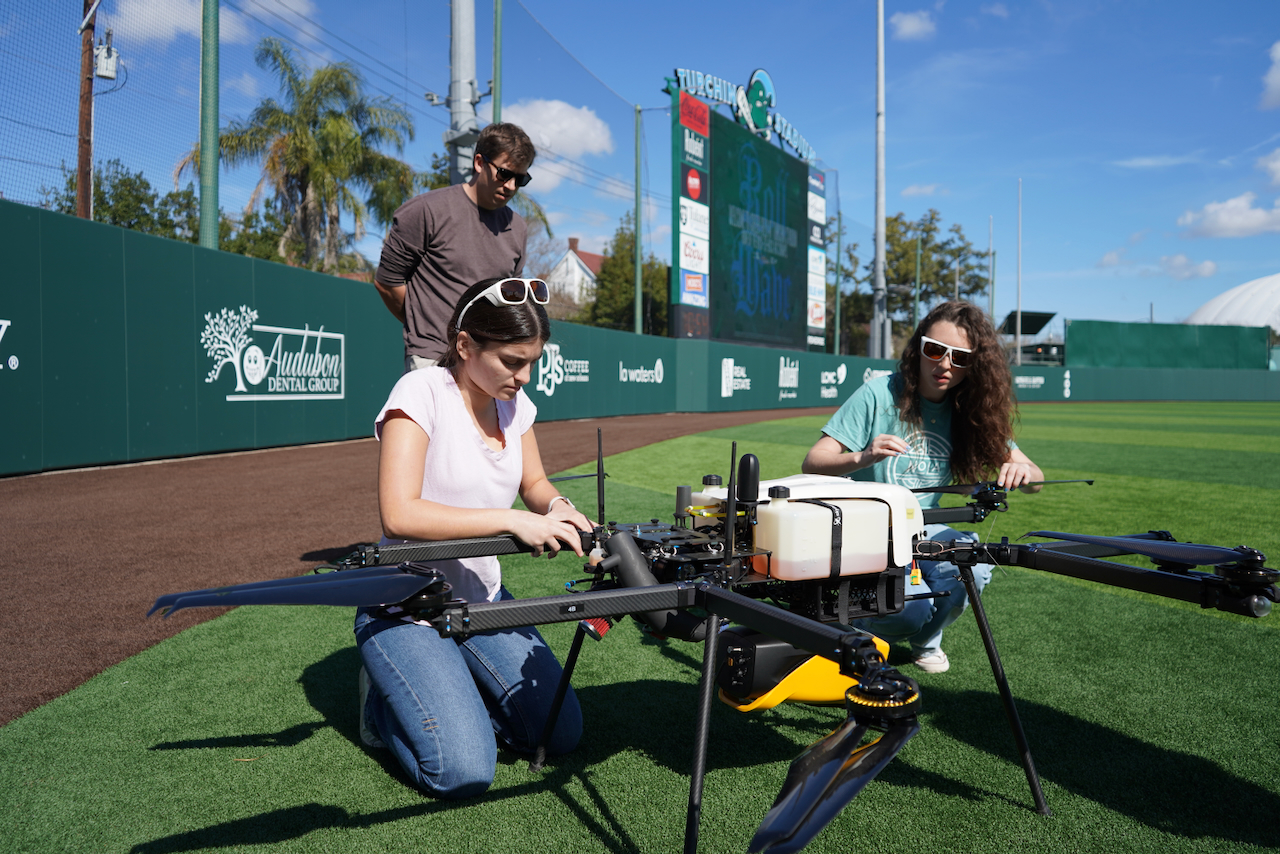
Get to know what makes this place a launchpad for the next generation of scientists and engineers.
FAQs
Earth and environmental science is the interdisciplinary study of Earth's physical systems, processes, and environments, and how human activities interact with and impact natural systems. It combines geology, atmospheric science, ecology, oceanography, and quantitative methods to understand and address challenges like climate change, pollution, resource management, and environmental sustainability.
We consider the following factors when reviewing applications:
-Academic performance (GPAs from previous degree programs). Unofficial transcripts may be submitted initially, but official transcripts are required for admitted students.
-Three letters of recommendation, ideally including at least one from a former professor.
-Personal Statement addressing the following three prompts (each ~350 words):
-What are your research goals, and which faculty member would you like to work with if admitted?
-Describe a significant project you initiated and completed (e.g., class project, research, internship, or job). What did you learn and what skills did you gain?
-Describe a major academic challenge you faced and how you overcame it. What did you learn and what skills did you gain?
-Faculty mentorship: Applicants are strongly encouraged to contact potential research advisors prior to applying to explore available opportunities. Current research projects are listed [here].
-TOEFL score (if applicable), with a minimum score of 90.TOEFL Institution Code: 6173
-GRE scores are not required and are not considered in our admissions process.
Conference Travel Grants
- Tulane Office of Graduate & Postdoctoral Studies
- Geological Society of America
- SEPM - Society for Sedimentary Geology
Research Grants
- American Association of Petroleum Geologists’ Grants in Aid Program
- Geological Society of America
-- Graduate Student Research Grants
-- GSA Division Grants
-- Farouk El-Baz Student Research Award
- Gulf Coast Association of Geological Societies’ Student Grant Program
- Mineralogical Society of America’s Grant for Student Research in Mineralogy & Petrology
- SEPM - Society for Sedimentary Geology’s Student Assistance Grants
- Sigma Xi’s Grants in Aid of Research Program
Fellowships
- NASA’s Earth and Space Science Fellowship Program
- National Science Foundation’s Graduate Research Fellowship Program
- The National Academies – Graduate and Postdoctoral Fellowships
- Department Graduate Handbook (see this for EES MS and PhD program requirements, milestones and policies)
- Qualifying Exam Preparation Tips
- Graduate Annual Report Form
- Graduate Student Goals
- Ph.D. Qualifying Exam Form
- Ph.D. Qualifying Exam Outcome Form
- Dissertation Prospectus Approval Form
- Masters Thesis Committee Approval Form
- Graduate Housing
- Emergency loans through Tulane
- Independent Study/Research Form
- SSE Graduate Forms, Policies and Procedures
Contact Us
Ilianna H. Kwaske, Ph.D.
Associate Dean for MS Programs & Professional Education
ikwaske@tulane.edu
Sarah Berry
Director of MS and Certificate Programs
smccarty@tulane.edu
Rosie Chavez
Director of Graduate Programs
rchavez@tulane.edu
Department of Environmental Science
Email: ees@tulane.edu
Phone: 504-247-1798
Fax: 504-865-5199
Graduate Committee Chair
Dr. Torbjörn Törnqvist: tor@tulane.edu