
Ph.D. in Earth and Environmental Sciences
Ph.D. in Earth and Environmental Sciences
Earth and Environmental Sciences aim to increase our understanding of the composition and evolution of the Earth, including its fundamental role in creating the natural environment that humans inhabit. As such, this broad field addresses problems that will likely constitute some of the premier challenges for humankind in the 21st century, given the need to feed a rapidly growing world population, the continuously increasing per capita demand for natural resources, and the associated impacts such as climate change and the vast spectrum of regional environmental impacts.
ApplyRequest InformationDepartment of Earth and Environmental Sciences


What You'll Learn
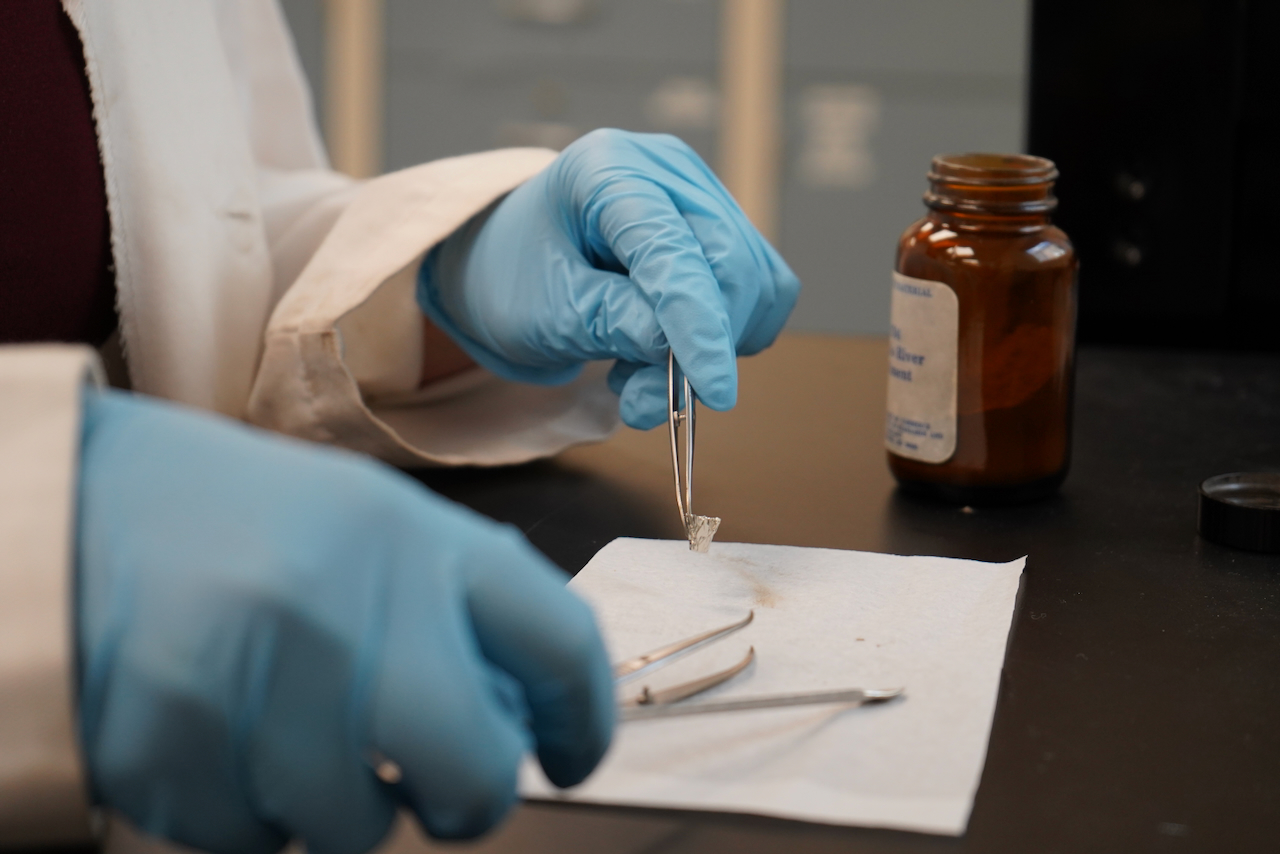
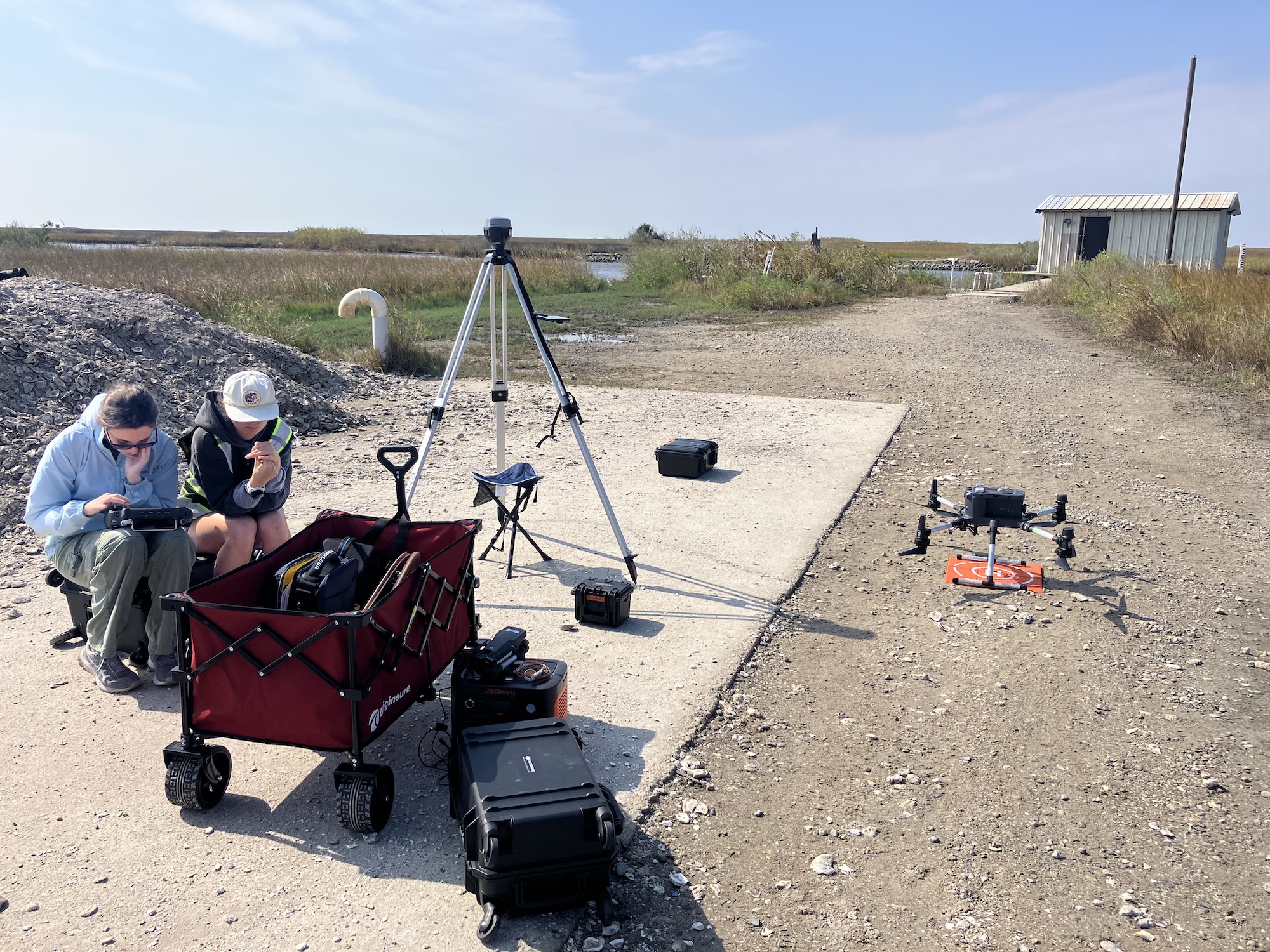
You'll develop expertise in understanding Earth's systems—from coastal evolution and sediment dynamics to environmental biogeochemistry and climate change. Through advanced coursework, field research, and laboratory work, you'll gain both theoretical knowledge and practical skills to investigate pressing environmental challenges, analyze complex geological and ecological processes, and contribute solutions to real-world sustainability problems.
Research
Our faculty conduct cutting-edge research across diverse areas, including submarine channel dynamics, Quaternary coastal evolution, sea-level change, delta systems, coastal wetland sustainability, and environmental biogeochemistry. Research projects combine fieldwork, laboratory experiments, and computational modeling—including machine learning approaches—allowing you to tackle problems ranging from sediment transport to persistent pollutants like mercury, plastics, and PFAS.
Meet Our Faculty
Tulane's Earth & Environmental Sciences faculty are accomplished researchers and mentors committed to student success. With 13 faculty members spanning specializations in sediment dynamics, Quaternary research, and environmental biogeochemistry, our professors actively involve PhD students in their research from day one, providing guidance through coursework, fieldwork, and dissertation development.
Curriculum Requirements
The PhD requires at least 48 semester hours of coursework at the 6000-9000 level, approved by your graduate advisor. You'll pass a qualifying examination by your fourth semester, form a dissertation committee, present a dissertation prospectus, and complete original research suitable for publication in peer-reviewed journals. The program culminates in a written dissertation and public oral defense.

Career Benefits and Pathways
Tulane Earth & Environmental Sciences PhD graduates pursue careers in academia, government agencies, environmental consulting, and industry. Your research expertise in coastal systems, climate change, environmental modeling, and sustainability positions you for leadership roles in addressing global environmental challenges, whether in university research, policy development, or private-sector innovation.
Learn more about the admissions process or apply now!
Find full tuition information and the financial aid process.
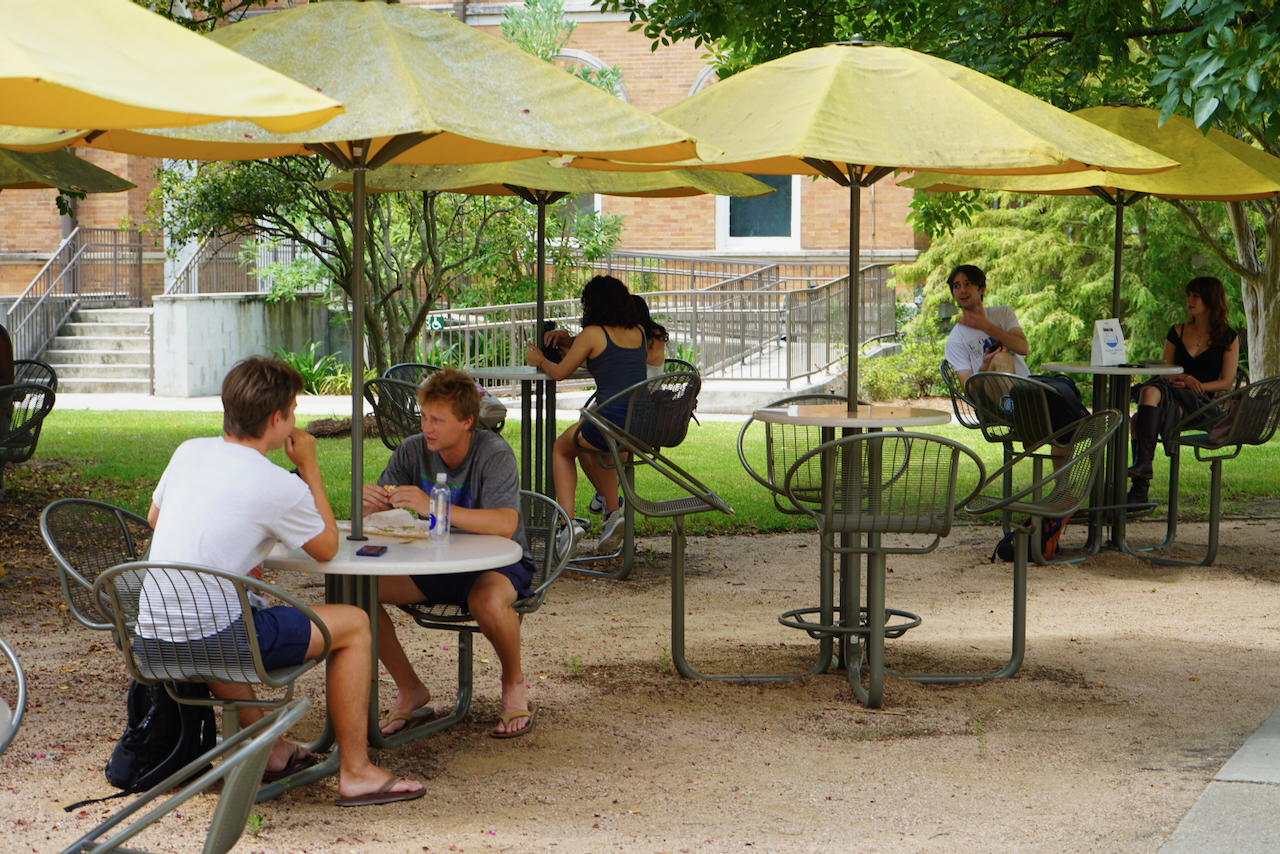
Get to know what makes this place a launchpad for the next generation of scientists and engineers.
FAQs
Earth and Environmental Science is the interdisciplinary study of how the Earth formed and continues to evolve — using chemistry, biology, and physics to understand the workings of Earth and planetary systems, from climate and water to earthquakes, volcanoes, and the deep history of life on the planet. It's a field grounded in understanding how natural processes shape the world, and increasingly, how human activity is reshaping it in turn.
We consider the following factors when reviewing applications:
-Academic performance (GPAs from previous degree programs). Unofficial transcripts may be submitted initially, but official transcripts are required for admitted students.
-Three letters of recommendation, ideally including at least one from a former professor.
-Personal Statement addressing the following three prompts (each ~350 words): What are your research goals, and which faculty member would you like to work with if admitted?
-Describe a significant project you initiated and completed (e.g., class project, research, internship, or job). What did you learn, and what skills did you gain?
-Describe a major academic challenge you faced and how you overcame it. What did you learn and what skills did you gain?
-Faculty mentorship: Applicants are strongly encouraged to contact potential research advisors prior to applying to explore available opportunities. Current research projects are listed [here].
-TOEFL score (if applicable), with a minimum score of 90.TOEFL Institution Code: 6173
-GRE scores are not required and are not considered in our admissions process.
For more information about our programs, please visit sse.tulane.edu/eens or contact the Graduate Committee Chair, Dr. Torbjörn Törnqvist.
Computer Laboratory and Software
The department’s computer lab is used for computer-based courses, both at the undergraduate and graduate levels, and it is used by graduate students for research purposes. It is an important resource for teaching GIS, remote sensing, and subsurface interpretation, particularly 3D structural geology and 3D stratigraphy, and makes important software programs available to students, including (but not limited to) MathWorks MATLAB, Generic Mapping Tools, Harris Geospatial Solutions ENVI, and IHS Kingdom Suite. The lab features 15 quad-core PC workstations, with dual monitors. We have a large-format color printer and general-purpose printers. The room is equipped with a computer projection system, and a GeoWall is available for 3D visualization.
Tulane
-Tulane Instrumentation for Nanoscience & Innovation (TINI)
-Micropalaeontology Sample Collection
-Cypress Supercomputer
National
-Earth and Environmental Sciences is an active member of CSDMS, EarthScope, and Computational Infrastructure for Geodynamics and students have opportunities to participate in training sessions, workshops, and conferences.
Regional
Below is a brief description of currently available research projects. Interested applicants should contact the listed professor for more details on the research. For general questions about the graduate program, contact Dr. Torbjorn Tornqvist (tor@tulane.edu), director of graduate studies in EES.
-The Sediment Dynamics and Stratigraphy Lab is searching for a PhD student to work on projects tied to 1) initiation of submarine channels, 2) dynamics of dunes on the continental slope, and 3) propagation of environmental signals across landscapes and into strata. Projects couple lab, numerical, and field work. Please contact Dr. Kyle Straub (kmstraub@tulane.edu) for further details or visit https://www2.tulane.edu/~kmstraub/index.html
-The Quaternary Research Group offers graduate student opportunities for those interested in late Quaternary, present-day, and future coastal evolution. Research focuses on topics like sea-level change, subsidence, delta evolution, and coastal wetland sustainability. Please contact Dr. Torbjörn Törnqvist (tor@tulane.edu) for further details, or visit https://qrg.wp.tulane.edu/.
-The Environmental Biogeochemistry Modeling Group is hiring a PhD student. Possible research directions include: 1) Earth system model development and application for persistent pollutants such as mercury, plastics, and PFAS; 2) Machine learning and AI–driven approaches for environmental modeling and data analysis. Please contact Dr. Yanxu Zhang (yzhang127@tulane.edu) for further details, or visit https://ebmg.tulane.edu/.
If you are interested in working with another professor in our department who isn't listed above, feel free to contact them directly. Other mechanisms for funding may arise later. All of our faculty can be found here.
- Department Graduate Handbook (see this for EES MS and PhD program requirements, milestones and policies)
- Qualifying Exam Preparation Tips
- Graduate Student Goals
- Ph.D. Qualifying Exam Form
- Ph.D. Qualifying Exam Outcome Form
- Dissertation Prospectus Approval Form
- Masters Thesis Committee Approval Form
- Graduate Housing
- Emergency loans through Tulane
- Independent Study/Research Form
Conference Travel Grants
-Tulane Office of Graduate & Postdoctoral Studies
-American Geophysical Union
-Geological Society of America
-SEPM - Society for Sedimentary Geology
Research Grants
-American Association of Petroleum Geologists’ Grants in Aid Program
-Geological Society of America
--Graduate Student Research Grants
--GSA Division Grants
--Farouk El-Baz Student Research Award
-Gulf Coast Association of Geological Societies’ Student Grant Program
-Mineralogical Society of America’s Grant for Student Research in Mineralogy & Petrology
-SEPM - Society for Sedimentary Geology’s Student Assistance Grants
-Sigma Xi’s Grants in Aid of Research Program
Fellowships
-NASA’s Earth and Space Science Fellowship Program
-National Science Foundation’s Graduate Research Fellowship Program
-The National Academies – Graduate and Postdoctoral Fellowships
Contact Us
Rosie Chavez
Director of Graduate Programs
rchavez@tulane.edu
Dan Shantz
Associate Dean for Research and Ph.D. Programs
dshantz@tulane.edu
Department of Environmental Science
Email: ees@tulane.edu
Phone: 504-247-1798
Fax: 504-865-5199
Graduate Committee Chair
Dr. Torbjörn Törnqvist: tor@tulane.edu