
Master's Degree in Earth and Environmental Science (Thesis Research)
Master's Degree in Earth and Environmental Science (Thesis Research)
The geosciences aim to increase our understanding of the composition and evolution of the Earth, including its fundamental role in creating the natural environment that humans inhabit. As such, this broad field addresses problems that will likely constitute some of the premier challenges for humankind in the 21st century, given the need to feed a rapidly growing world population, the continuously increasing per capita demand for natural resources, and the associated impacts such as climate change and the vast spectrum of more regional environmental impacts.
ApplyRequest InformationDepartment of Earth and Environmental Science

What You'll Learn
A Master’s degree in Earth and Environmental Sciences at the Tulane School of Science and Engineering prepares students to address pressing challenges such as climate change, coastal resilience, and environmental sustainability through interdisciplinary study and hands-on research. Located in New Orleans, Tulane offers a unique living laboratory and close faculty mentorship that equip graduates for impactful careers in environmental science, policy, and research.
Research
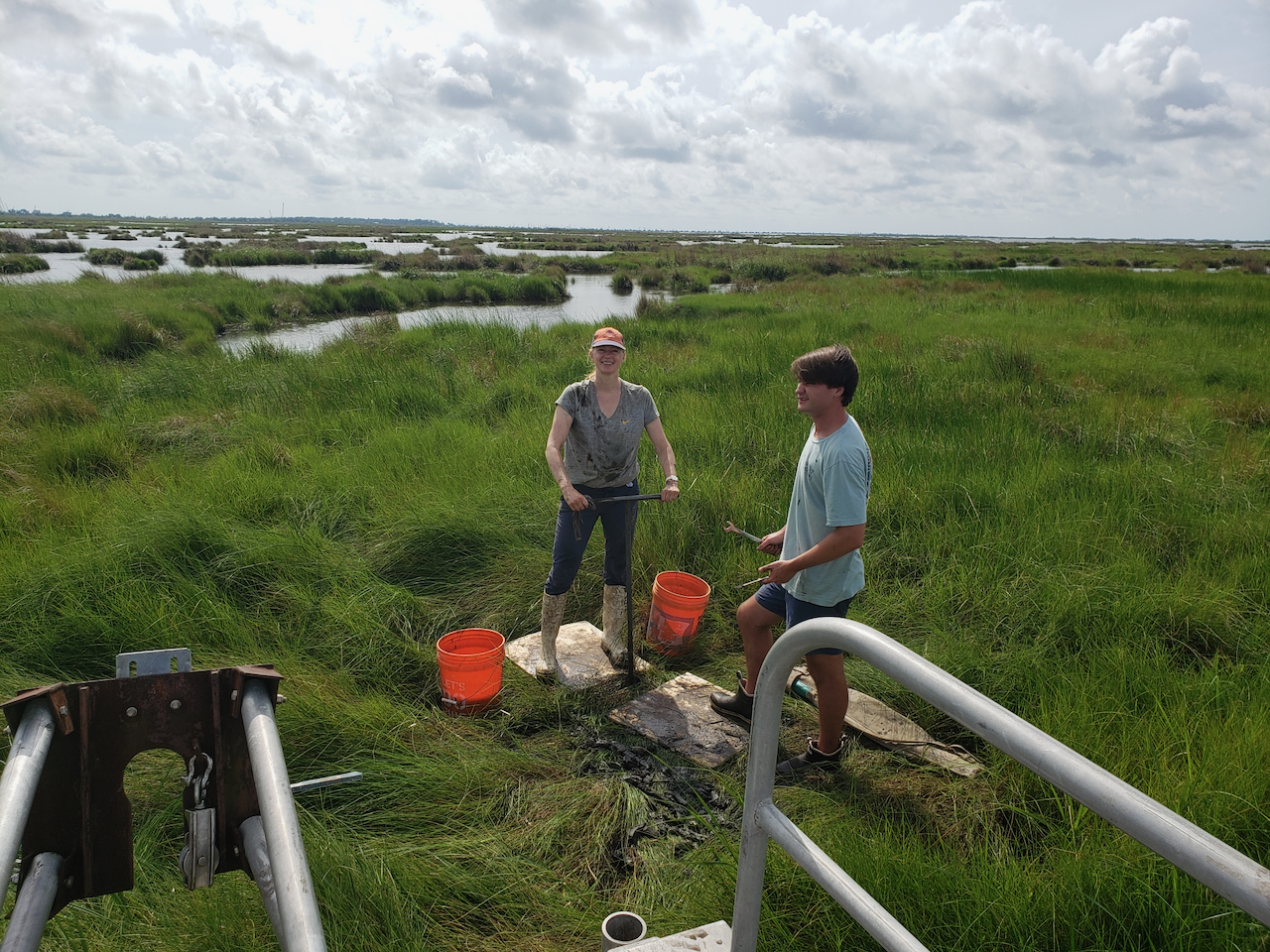
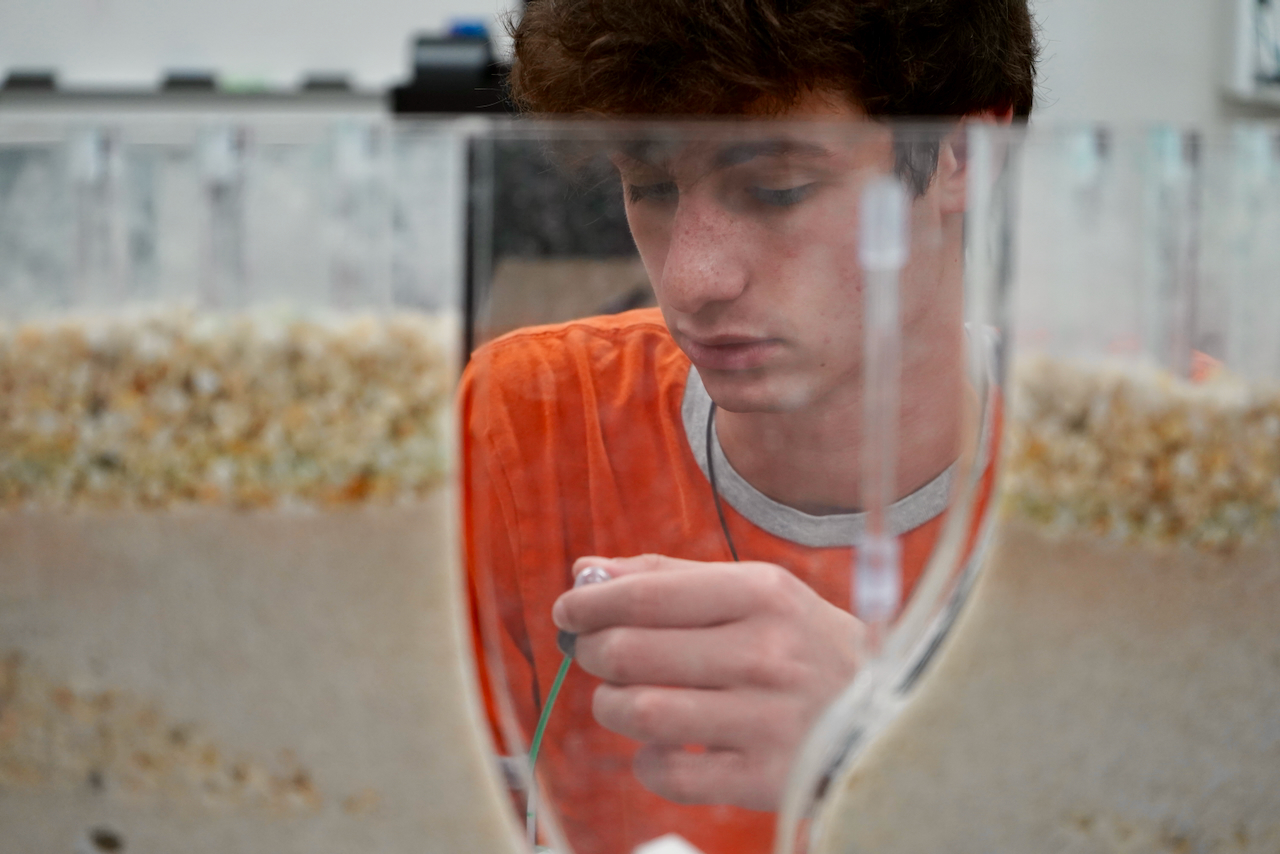
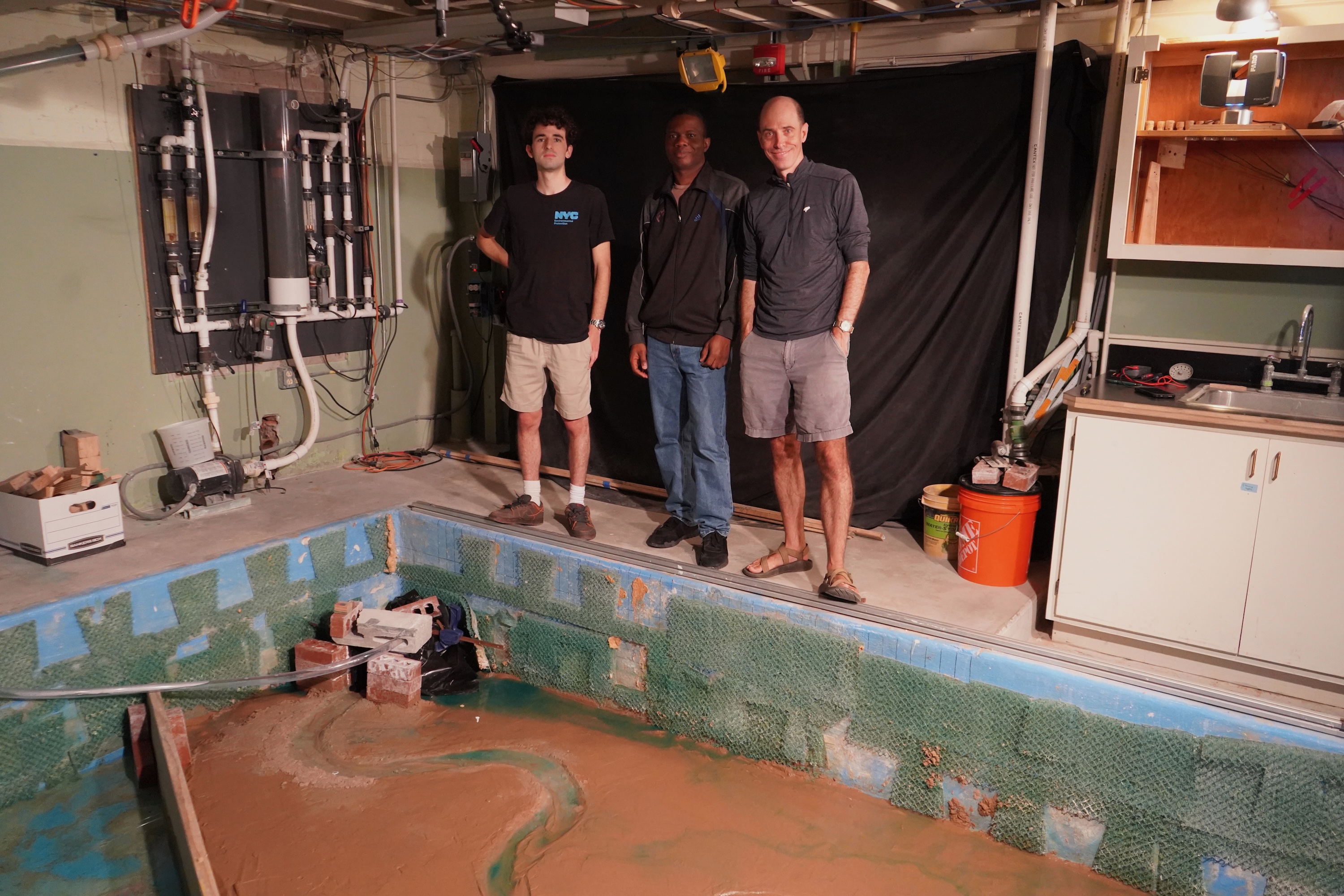
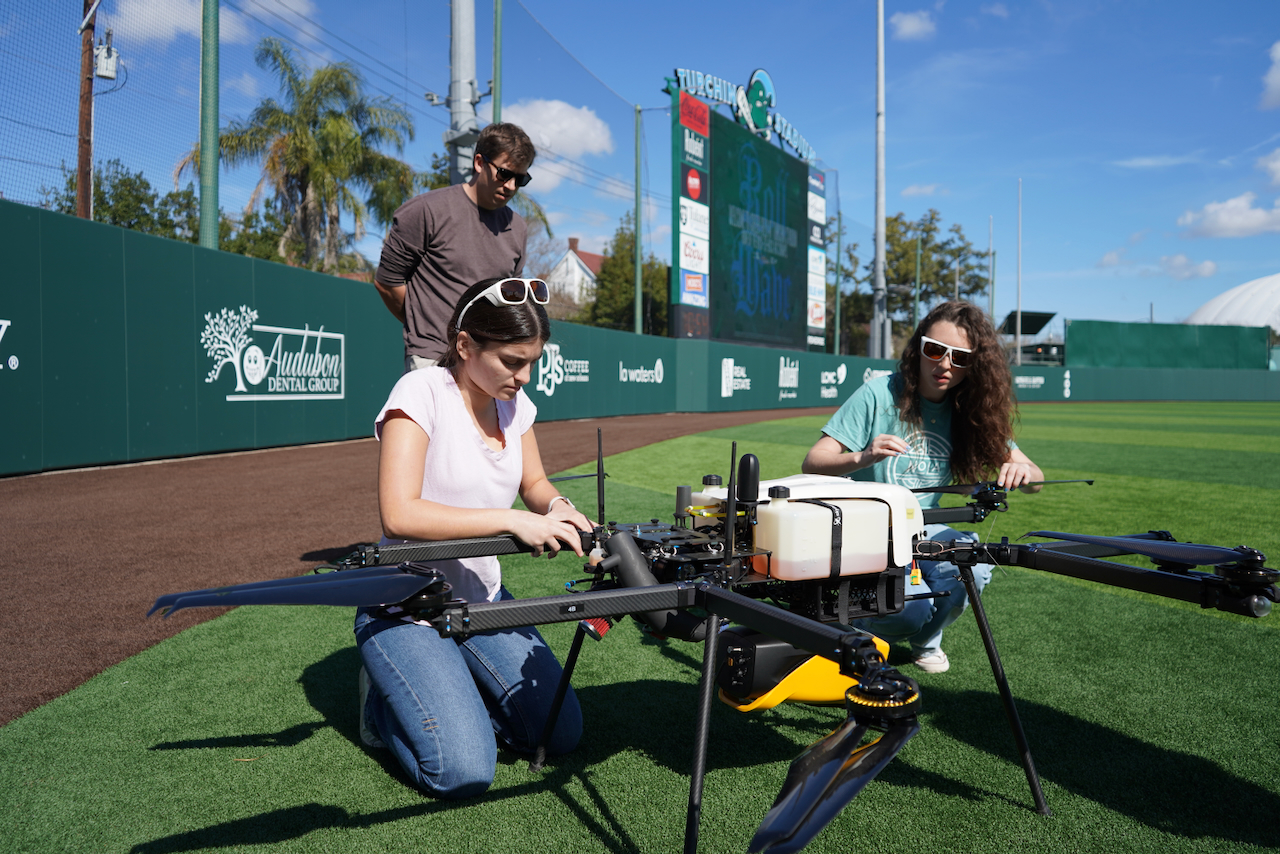
Thesis-based students work closely with faculty advisors on research projects addressing critical topics such as climate change, coastal resilience, water resources, and environmental sustainability. The program's location in New Orleans provides exceptional opportunities for field-based research and hands-on investigation of real-world environmental challenges. Even course-based students can engage in research through summer projects or internships, gaining practical experience in environmental science methods and applications. Faculty research spans diverse areas, providing students with opportunities to investigate problems that matter globally while developing the analytical and investigative skills essential for careers in environmental science and policy.
Meet Our Faculty
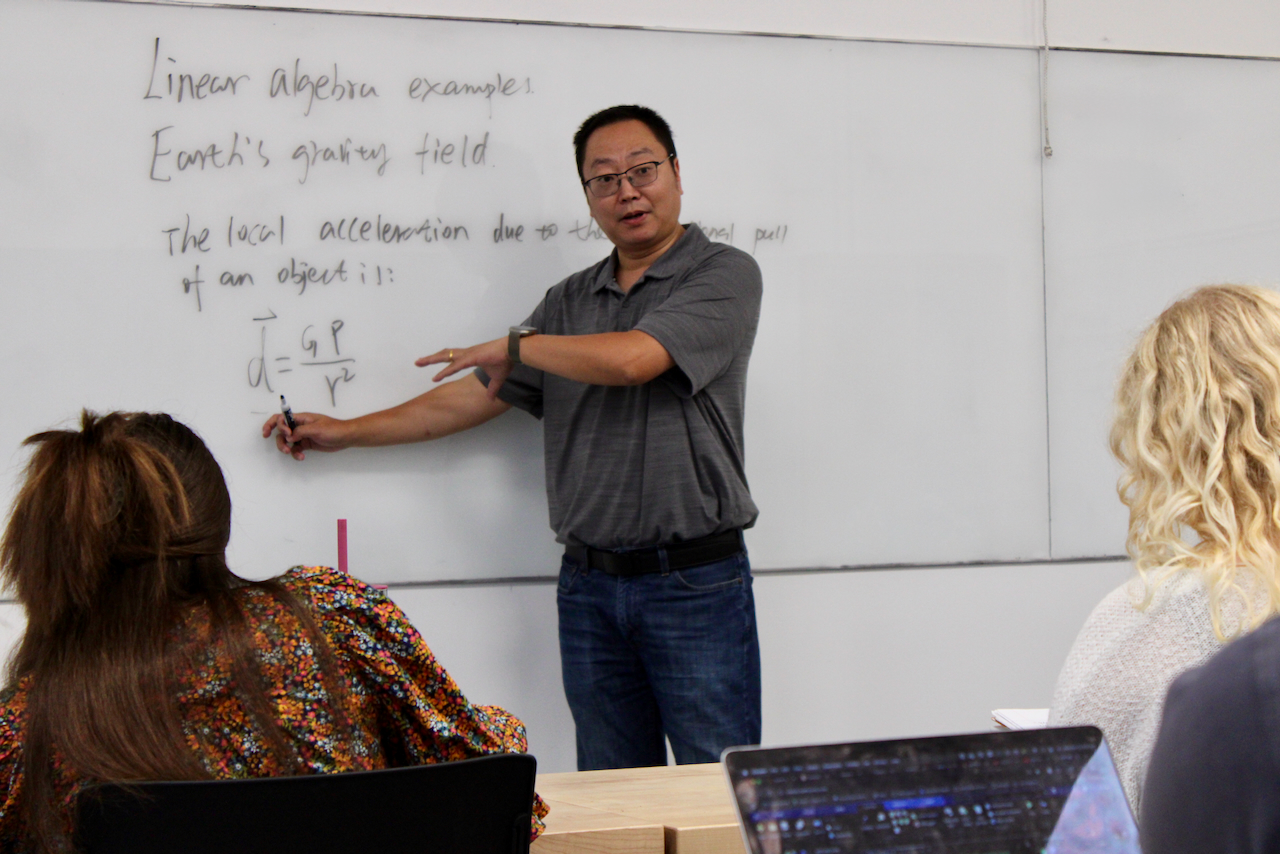
Our earth and environmental sciences faculty are accomplished researchers and educators dedicated to addressing pressing environmental challenges through innovative research and mentorship. With expertise spanning climate science, coastal processes, water resources, environmental sustainability, and related disciplines, faculty members are actively engaged in research that informs policy and practice. They provide close mentorship to graduate students, guiding thesis research and coursework that combines rigorous scientific training with real-world problem-solving. Located in New Orleans—a unique living laboratory for studying coastal resilience and environmental change—our faculty leverage the region's distinctive environmental challenges and opportunities to create transformative learning experiences.
Curriculum Requirements
For the two-year program, the MS thesis must contain an original contribution to knowledge and be in form and of literary quality worthy of publication. In addition to the thesis, 24 credit hours of coursework are required. Those expecting to continue into a PhD program can either finish their MS degree or pass a PhD qualifying exam after their fourth semester. A detailed description of the Master of Science curriculum and requirements can be found in the SSE Graduate Handbook.
Career Benefits and Pathways
Graduates with a master's in earth and environmental sciences are prepared for diverse careers addressing critical global challenges in environmental sustainability, climate change, and coastal resilience. Specific roles include environmental scientist, climate analyst, environmental consultant, sustainability specialist, coastal engineer, water resource manager, environmental policy analyst, and research scientist at government agencies, nonprofits, consulting firms, and private industry. The program's interdisciplinary approach and hands-on research experience prepare students for positions with organizations like the EPA, NOAA, U.S. Geological Survey, environmental consulting firms, energy companies, and international development organizations. Graduates are also well-positioned for further doctoral study, with many continuing to PhD programs in earth sciences, environmental science, or related fields.

Learn more about the admissions process or apply now!
Find full tuition information and the financial aid process.
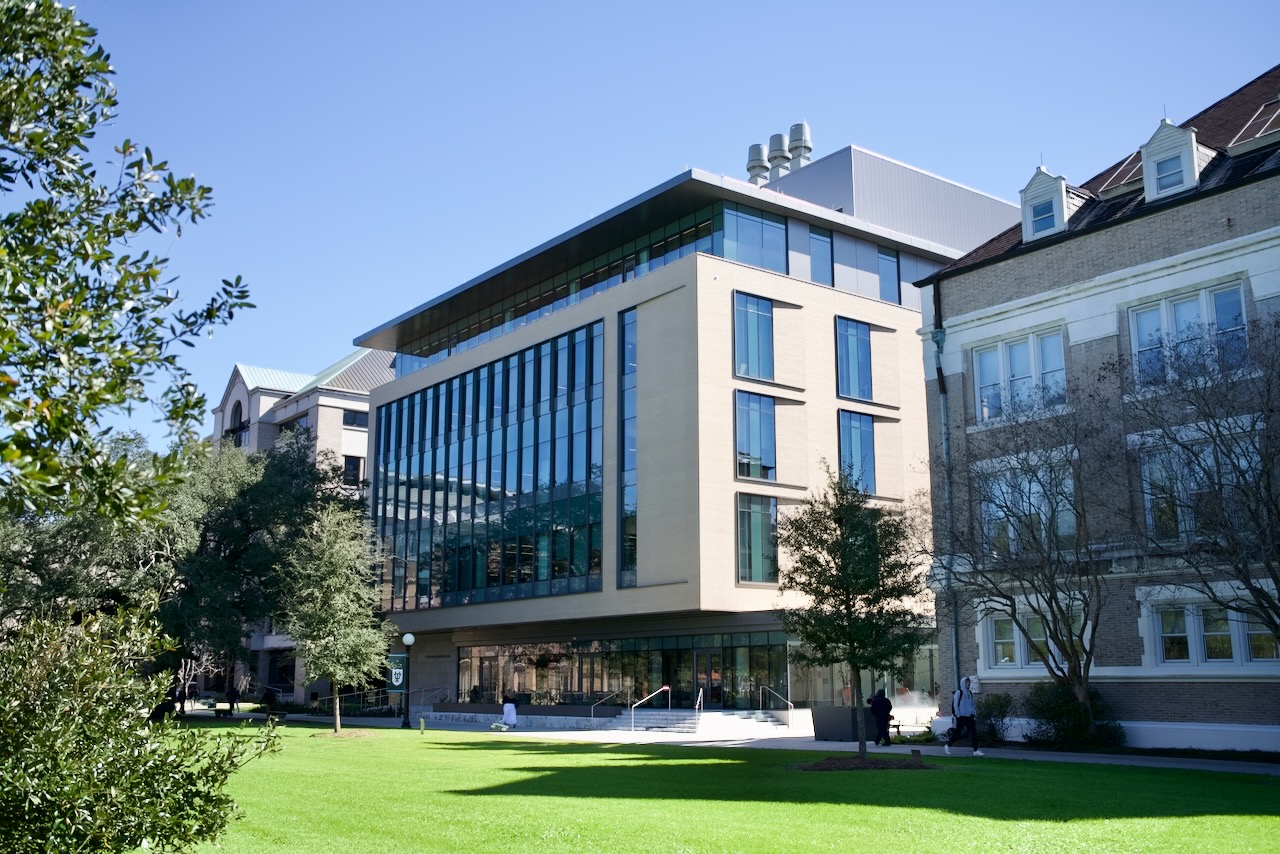
Get to know what makes this place a launchpad for the next generation of scientists and engineers.
FAQs
Earth and environmental science is the interdisciplinary study of Earth's physical systems, processes, and environments, and how human activities interact with and impact natural systems. It combines geology, atmospheric science, ecology, oceanography, and other disciplines to understand and address challenges like climate change, pollution, resource management, and environmental sustainability.
We consider the following factors when reviewing applications:
-Academic performance (GPAs from previous degree programs). Unofficial transcripts may be submitted initially, but official transcripts are required for admitted students.
-Three letters of recommendation, ideally including at least one from a former professor.
-Personal Statement addressing the following three prompts (each ~350 words):
-What are your research goals, and which faculty member would you like to work with if admitted?
-Describe a significant project you initiated and completed (e.g., class project, research, internship, or job). What did you learn and what skills did you gain?
-Describe a major academic challenge you faced and how you overcame it. What did you learn and what skills did you gain?
-Faculty mentorship: Applicants are strongly encouraged to contact potential research advisors prior to applying to explore available opportunities. Current research projects are listed [here].
-TOEFL score (if applicable), with a minimum score of 90.TOEFL Institution Code: 6173
-GRE scores are not required and are not considered in our admissions process.
Applicants pursue a thesis program for a Master of Science degree. To be acceptable, the thesis must contain an original contribution to knowledge and be in form and of literary quality worthy of publication. Students must form a thesis committee and present a prospectus that will serve as a guideline for their thesis before the start of their fourth semester. In addition to the thesis, 24 semester hours of coursework at the 6000-9000 level are required. Those expecting to continue into a Ph.D. program can either finish their master's degree or pass a Ph.D. qualifying exam before their fifth semester.
Conference Travel Grants
- Tulane Office of Graduate & Postdoctoral Studies
- Geological Society of America
- SEPM - Society for Sedimentary Geology
Research Grants
- American Association of Petroleum Geologists’ Grants in Aid Program
- Geological Society of America
-- Graduate Student Research Grants
-- GSA Division Grants
-- Farouk El-Baz Student Research Award
- Gulf Coast Association of Geological Societies’ Student Grant Program
- Mineralogical Society of America’s Grant for Student Research in Mineralogy & Petrology
- SEPM - Society for Sedimentary Geology’s Student Assistance Grants
- Sigma Xi’s Grants in Aid of Research Program
Fellowships
- NASA’s Earth and Space Science Fellowship Program
- National Science Foundation’s Graduate Research Fellowship Program
- The National Academies – Graduate and Postdoctoral Fellowships
- Department Graduate Handbook (see this for EES MS and PhD program requirements, milestones and policies)
- Qualifying Exam Preparation Tips
- Graduate Annual Report Form
- Graduate Student Goals
- Ph.D. Qualifying Exam Form
- Ph.D. Qualifying Exam Outcome Form
- Dissertation Prospectus Approval Form
- Masters Thesis Committee Approval Form
- Graduate Housing
- Emergency loans through Tulane
- Independent Study/Research Form
- SSE Graduate Forms, Policies and Procedures
Contact Us
Ilianna H. Kwaske, Ph.D.
Associate Dean for MS Programs & Professional Education
ikwaske@tulane.edu
Sarah Berry
Director of MS and Certificate Programs
smccarty@tulane.edu
Rosie Chavez
Director of Graduate Programs
rchavez@tulane.edu
Department of Environmental Science
Email: ees@tulane.edu
Phone: 504-247-1798
Fax: 504-865-5199
Graduate Committee Chair
Dr. Torbjörn Törnqvist: tor@tulane.edu