
Earth and Environmental Sciences Undergraduate Major
Earth and Environmental Sciences Undergraduate Major
We live on a continually evolving planet that is changing faster than ever. People have altered Earth's atmosphere, oceans, land surface, and even the subsurface. Moving forward, we must find ways to live sustainably and preserve natural resources.
Earth and environmental scientists tackle these challenges every day. We study ocean chemistry and environments, freshwater distribution and use, landscape change, earthquakes, prehistoric life, and natural resource availability. Armed with this knowledge, we can better prepare for disasters, wisely use resources, locate mineral deposits, and understand how the Earth will change into the future. Come join us, because now, more than ever, we need Earth scientists to keep our planet healthy and habitable into the future.

What You'll Learn
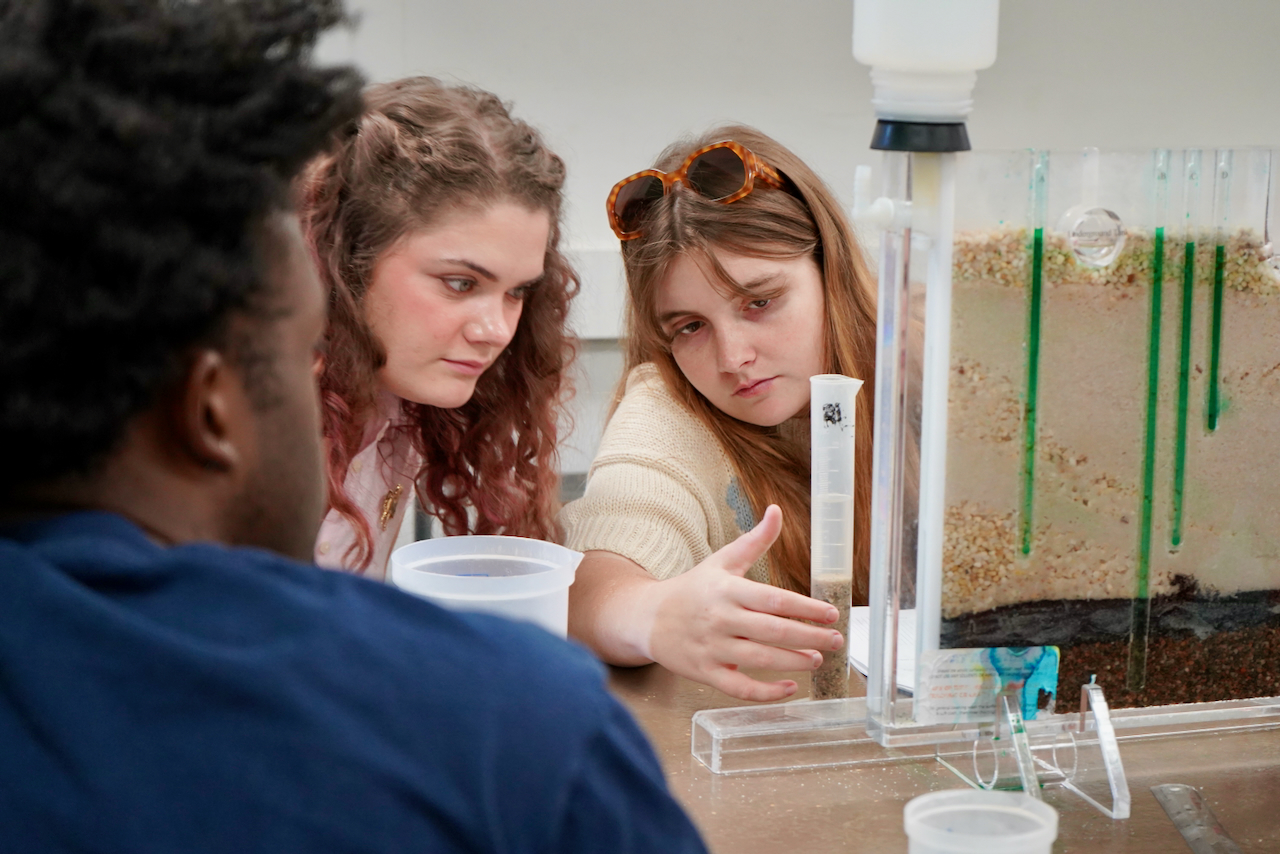
You'll build a deep understanding of Earth's materials and the processes that shaped our planet across its history — from climate and water systems to landscapes, earthquakes, volcanoes, and prehistoric life. You'll also have access to hands-on lab, computer, and field equipment. By graduation, you'll be equipped to tackle pressing environmental and geoscience challenges.
Career Outlook
The major's field trips, research opportunities, and study-abroad coursework give students real-world experience that translates into direct opportunities for students. Graduates leave prepared to enter the workforce directly, with paths into industry, technology, consulting, nonprofits, government, education, and law. Our graduates also enroll in MS, PhD, or professional programs across the world.
Meet Our Faculty
EENS faculty provide a wide array of multidisciplinary educational opportunities for our students. Our classes include demonstrations and experiential learning, and research opportunities are available outside of the classroom. We individually mentor our students, so they are prepared for their chosen career path. Many of our faculty have received mentoring, education, and/or research awards from National and International organizations, as well as from Tulane.
Curriculum Requirements
The Earth and Environmental Sciences major offers a curriculum that emphasizes active and collaborative learning and provides ample opportunities for research, field trips, and study abroad coursework around the world.
The major builds from a foundational introductory course into core coursework covering Earth's surface processes, plate dynamics, habitability, and climate and extinction, each paired with a lab, then rounds out with six electives (three at the 3000-level or above) plus supporting coursework in math, chemistry, physics, and biology. The major culminates in a senior experiential learning requirement — a field-based course, an internship, or an honors thesis — giving students hands-on, real-world application of what they've learned.
Students pursuing this bachelor’s degree must earn a minimum of 30 credit hours in the Newcomb-Tulane College core curriculum, 120 credit hours in their degree and a minimum cumulative grade point average of 2.000.

Research
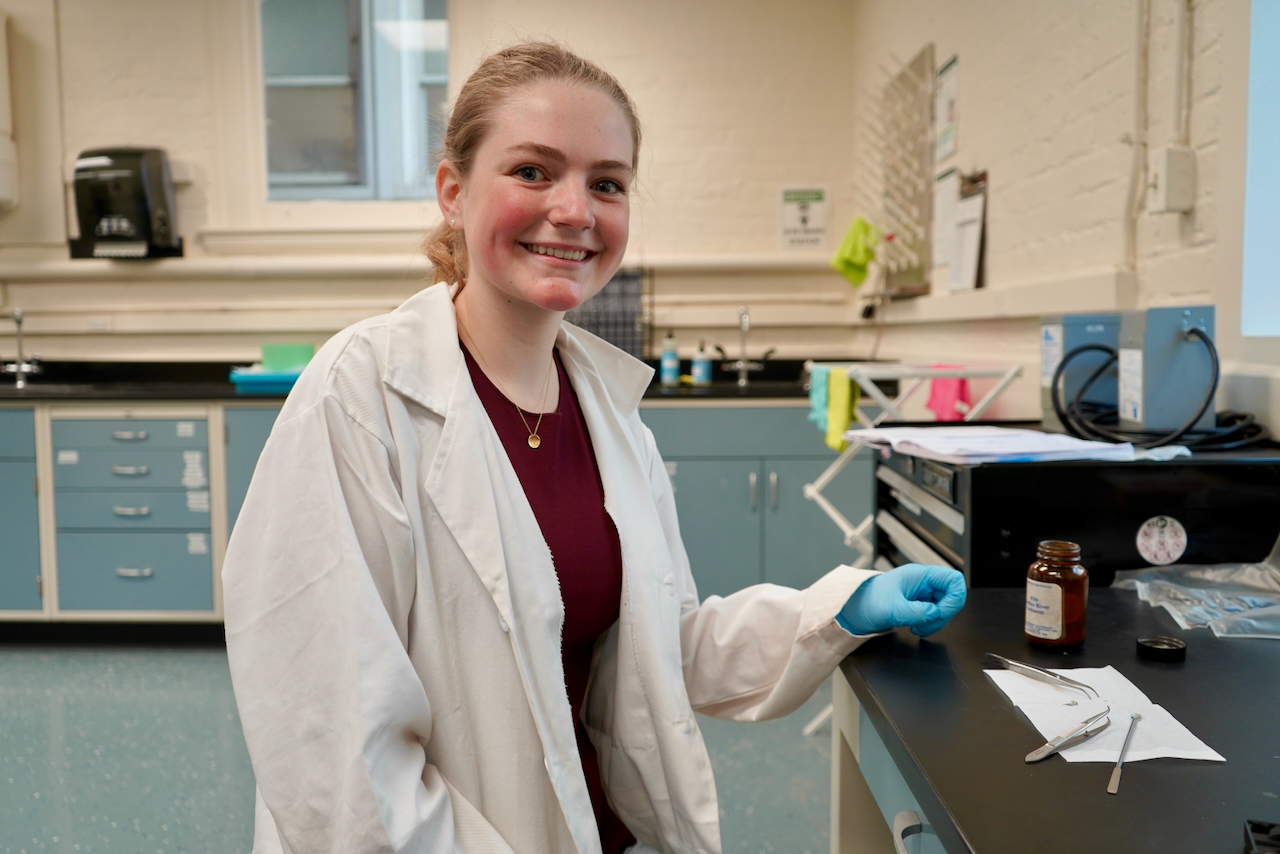
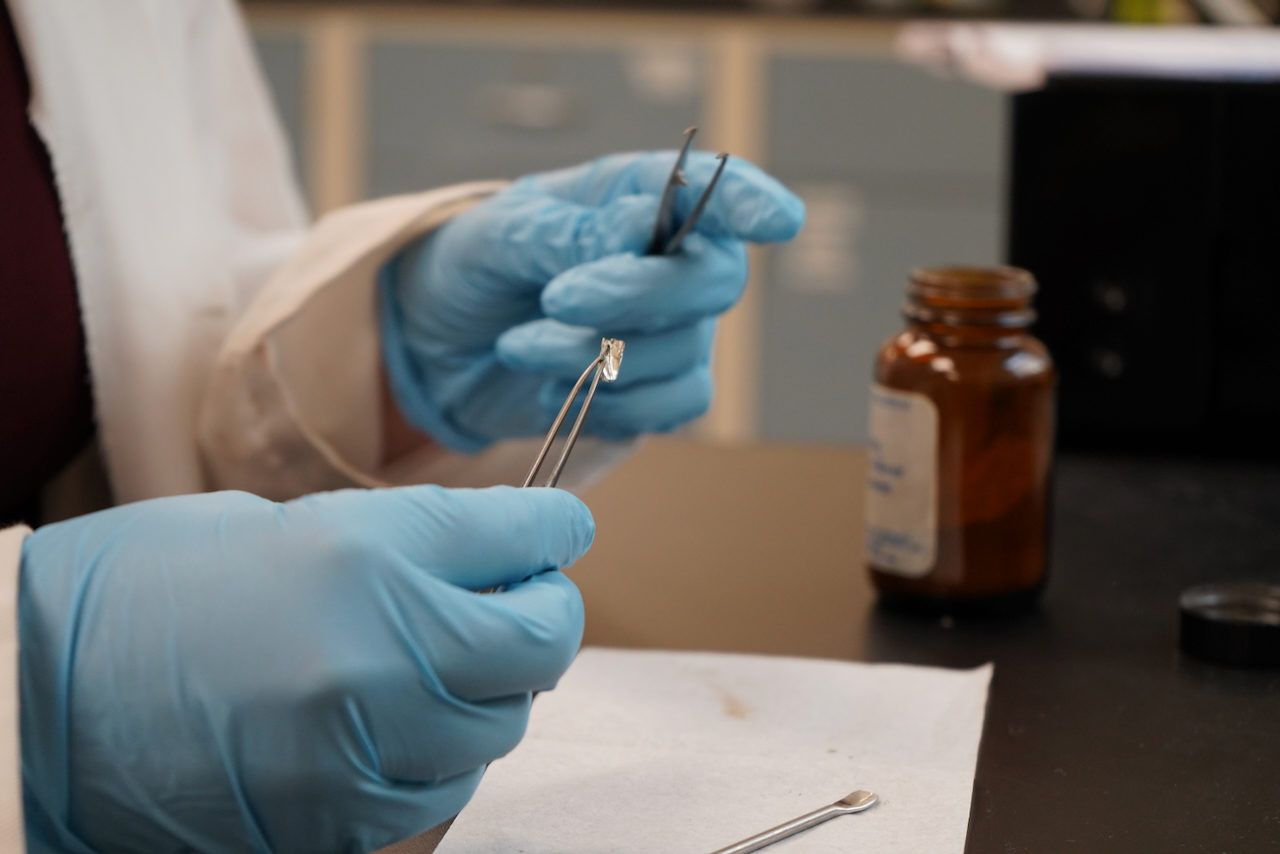
Research in Earth and Environmental Sciences tackles some of the planet's most pressing questions, from the cycling of water from land to oceans and human interactions and hazards, to magmatism and faulting at plate boundaries, and ice sheet retreat and sea level rise. This work directly informs water, mineral, and energy resource evaluation and management, natural hazard mitigation, air and water quality, coastal restoration, and site remediation and engineering — giving students the chance to contribute to research with tangible, real-world stakes.

Learn more about the admissions process or apply now!
Find full tuition information and the financial aid process.
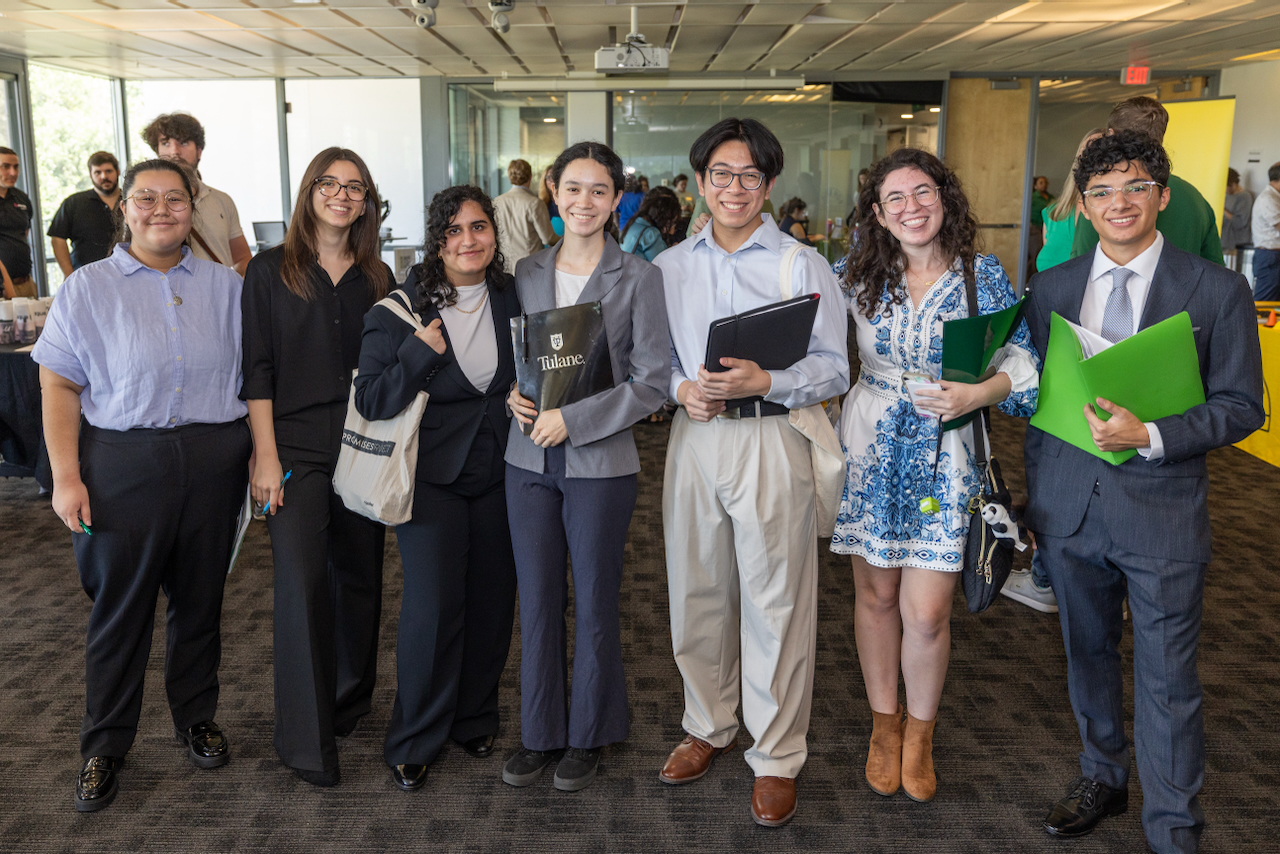
Get to know what makes this place a launchpad for the next generation of scientists and engineers.
FAQs
Earth and Environmental Science is the interdisciplinary study of how the Earth formed and continues to evolve — using chemistry, biology, and physics to understand the workings of Earth and planetary systems, from climate and water to earthquakes, volcanoes, and the deep history of life on the planet. It's a field grounded in understanding how natural processes shape the world, and increasingly, how human activity is reshaping it in turn.
If you are planning to declare a major (or minor) in the Department of Earth & Environmental Sciences, please fill out this form and return it to the department office (101 Blessey Hall), or email ees@tulane.edu. We will match you with a faculty advisor based on your responses.
Contact Us
In Person
Tulane University
101 Blessey Hall
New Orleans, LA 70118