
Biomedical Engineering Undergraduate Minor (For Non-Engineering Majors)
Students who are not majoring in Chemical and Biomolecular Engineering or Engineering Physics can still earn a Minor in Biomedical Engineering by completing a dedicated sequence of math, science, and engineering courses. It's built to bring students from outside engineering into the department's broader mission of preparing graduates for research, health and medical sciences, or industry practice in biomedical engineering.
ApplyDepartment of Biomedical EngineeringMore Undergraduate Programs
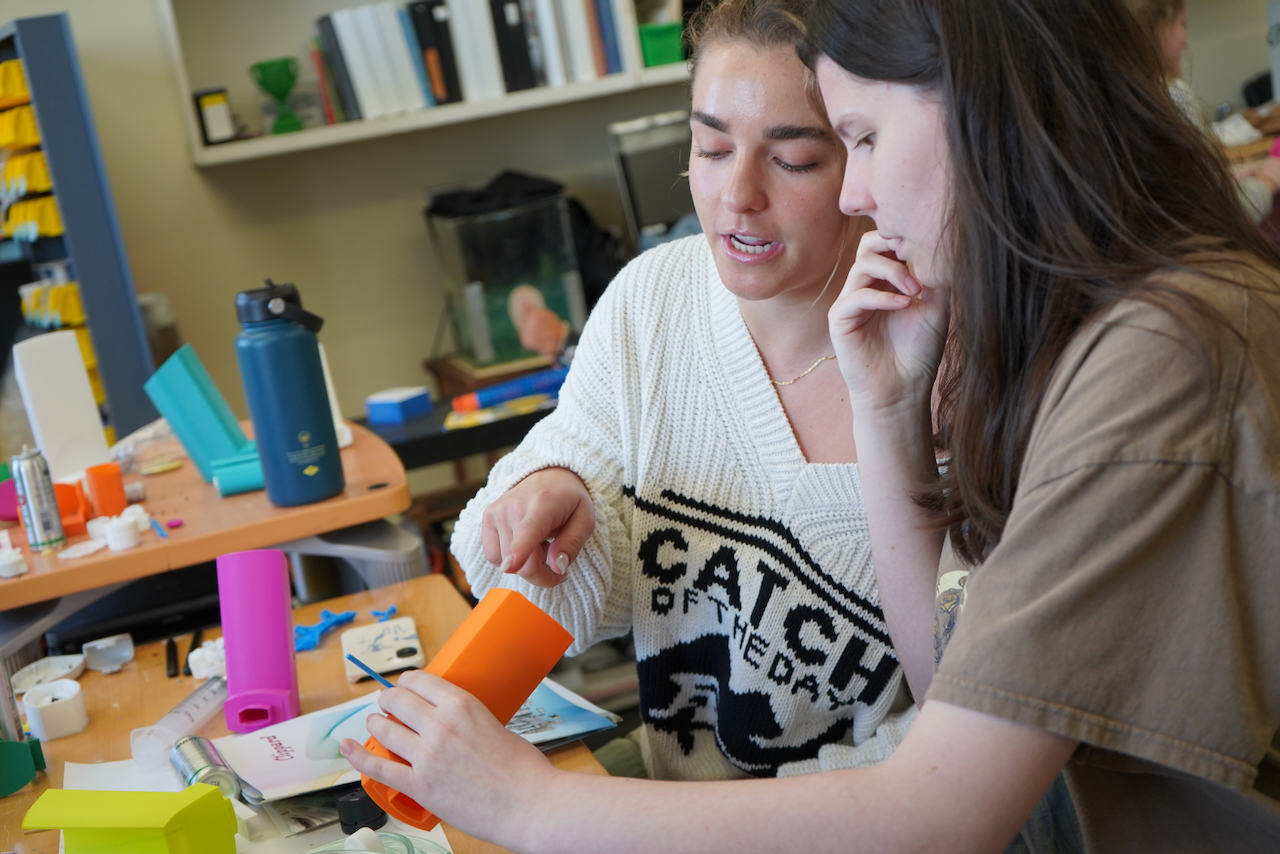

Curriculum Requirements
The minor totals 18 credit hours and starts with prerequisite coursework in calculus (through applied math), cell and molecular biology, and general physics, before moving into required engineering courses in statics and product and experimental design, three electives from a list spanning circuits, mechanics of materials, materials science, computing, biomedical electronics, or biofluid mechanics, and one 3000-level BME "domain course" such as biomaterials, biomechanics, or biomedical signals and systems.
FAQs
This minor lets students from any major build real engineering skills — math, physics, and hands-on BME coursework — without switching into an engineering degree. It's a strong fit for students in the sciences or pre-health tracks who want to pair their primary field with a technical, health-oriented skill set.
If you are ready to declare a major/minor in Biomedical Engineering, please fill out this form, and submit it to the Department of Biomedical Engineering by email or in-person. The form will be signed and returned to you, and you can send it along to NTC Advising. Please note that it is your responsibility to send this form to your NTC advisor.
You and your major advisor will be copied on an email to connect. If your major advisor does not reach out, you may want to contact them to introduce yourself or to set up a meeting.