
Master's Degree in Chemical and Biomolecular Engineering
Master's Degree in Chemical and Biomolecular Engineering
A master’s degree in chemical and biomolecular engineering at the Tulane School of Science and Engineering equips students with advanced technical training and hands-on research experience to solve complex challenges in energy, materials, pharmaceuticals, and biotechnology. The program emphasizes close faculty mentorship and interdisciplinary collaboration, allowing students to apply engineering principles to real-world problems with global impact. Graduates gain strong analytical, laboratory, and professional skills that prepare them for leadership roles in industry, research, or further doctoral study.
ApplyRequest InformationDepartment of Chemical and Biomolecular Engineering
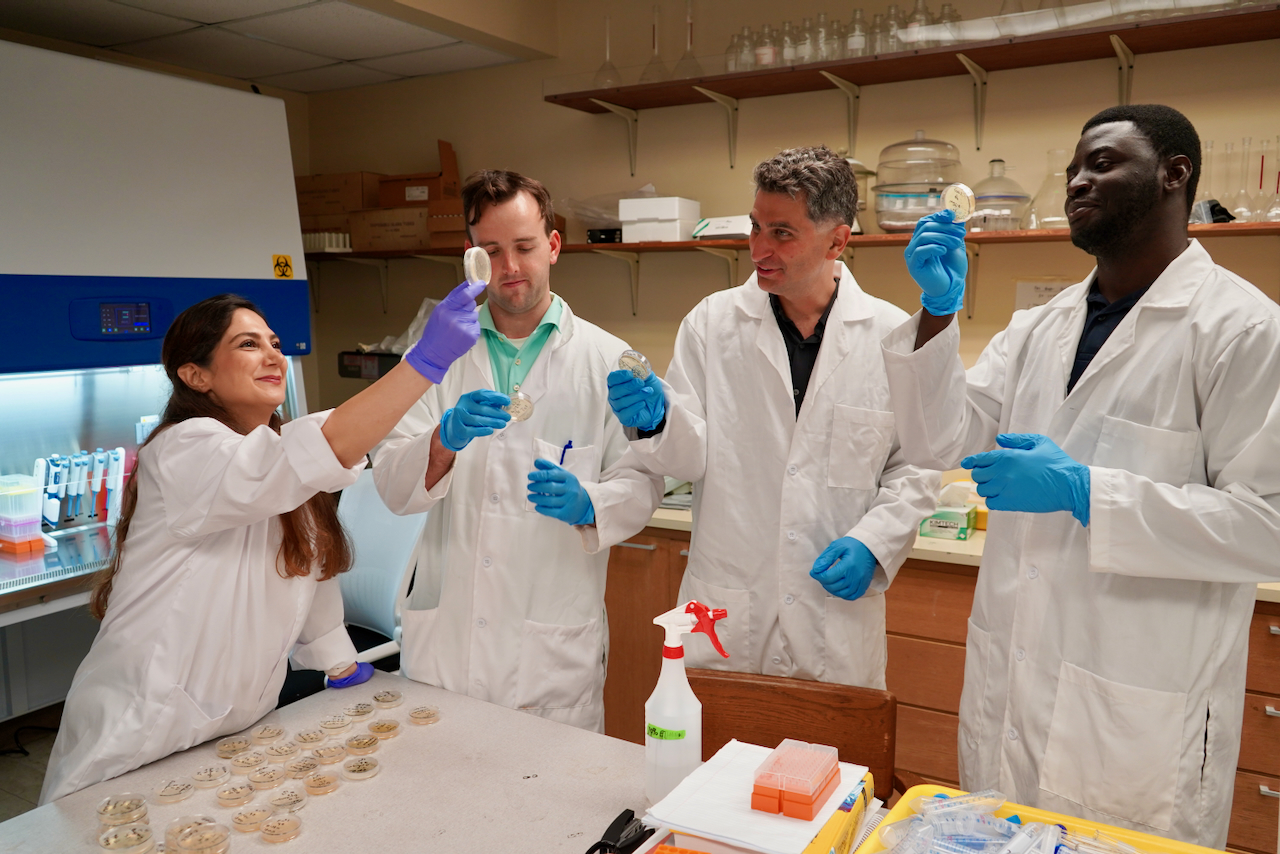
4+1 Accelerated Master's Program
Current Tulane undergraduate students can earn this M.S. degree with just one additional year of study. This accelerated program allows you to count graduate-level courses toward both your B.S. and M.S. degrees, providing a fast track to an advanced credential.

What You'll Learn
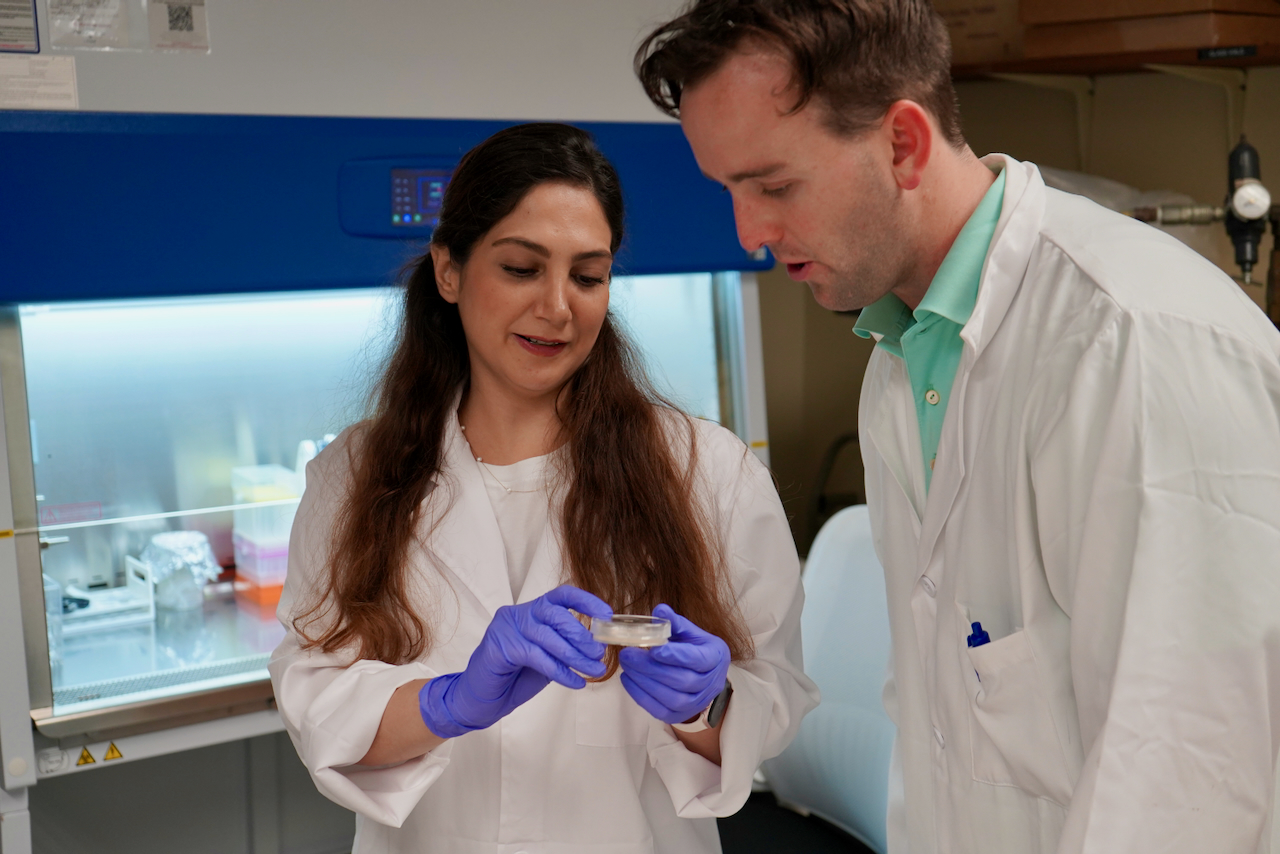
Students in the Chemical and Biomolecular Engineering master's program gain advanced technical training in core areas like thermodynamics, transport phenomena, and reactor design or biomolecular and cellular engineering, paired with hands-on research experience. The program emphasizes applying these engineering principles to real-world challenges in energy, materials, pharmaceuticals, and biotechnology, with the option to pursue a concentration in Bioengineering, Data Science, or Materials and Energy. Close faculty mentorship and interdisciplinary collaboration throughout the program help students build strong analytical, laboratory, and professional skills.
Research
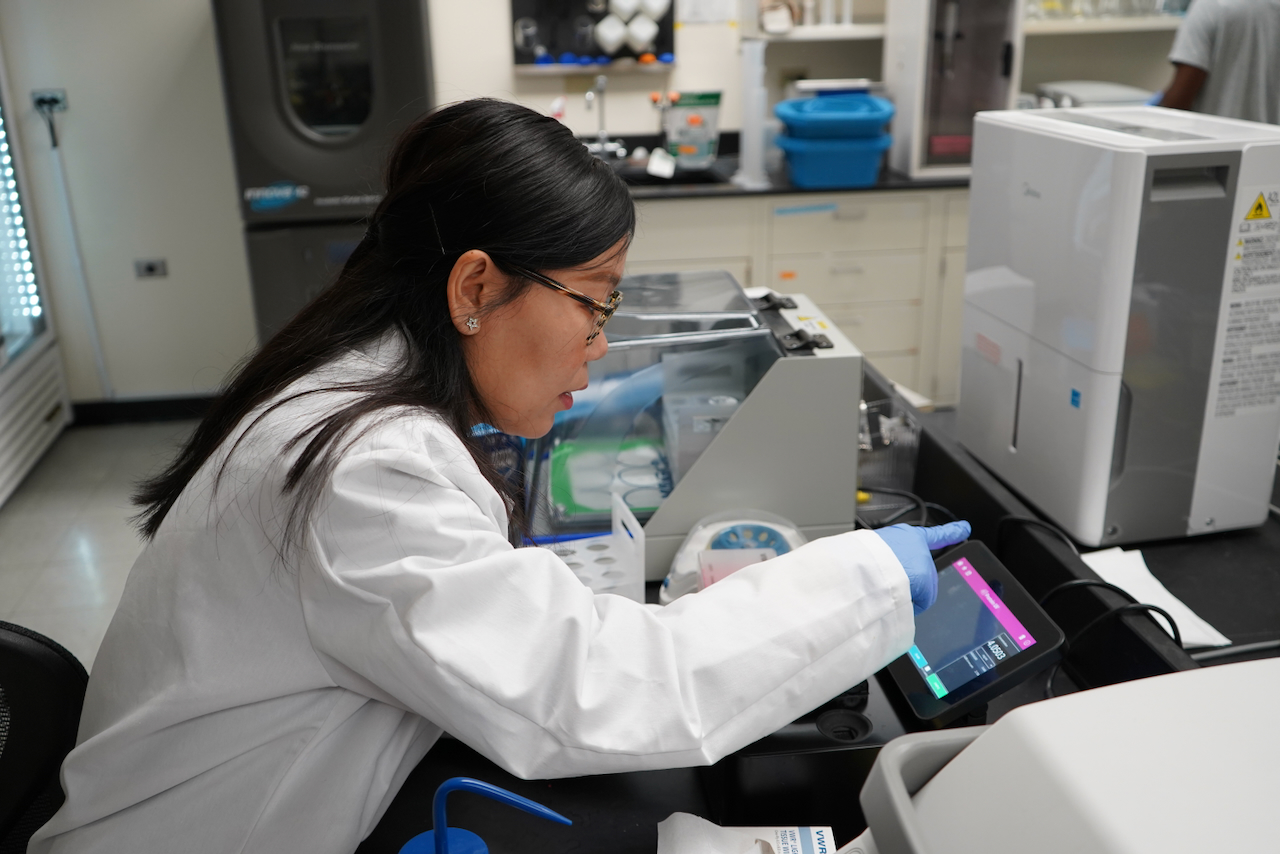
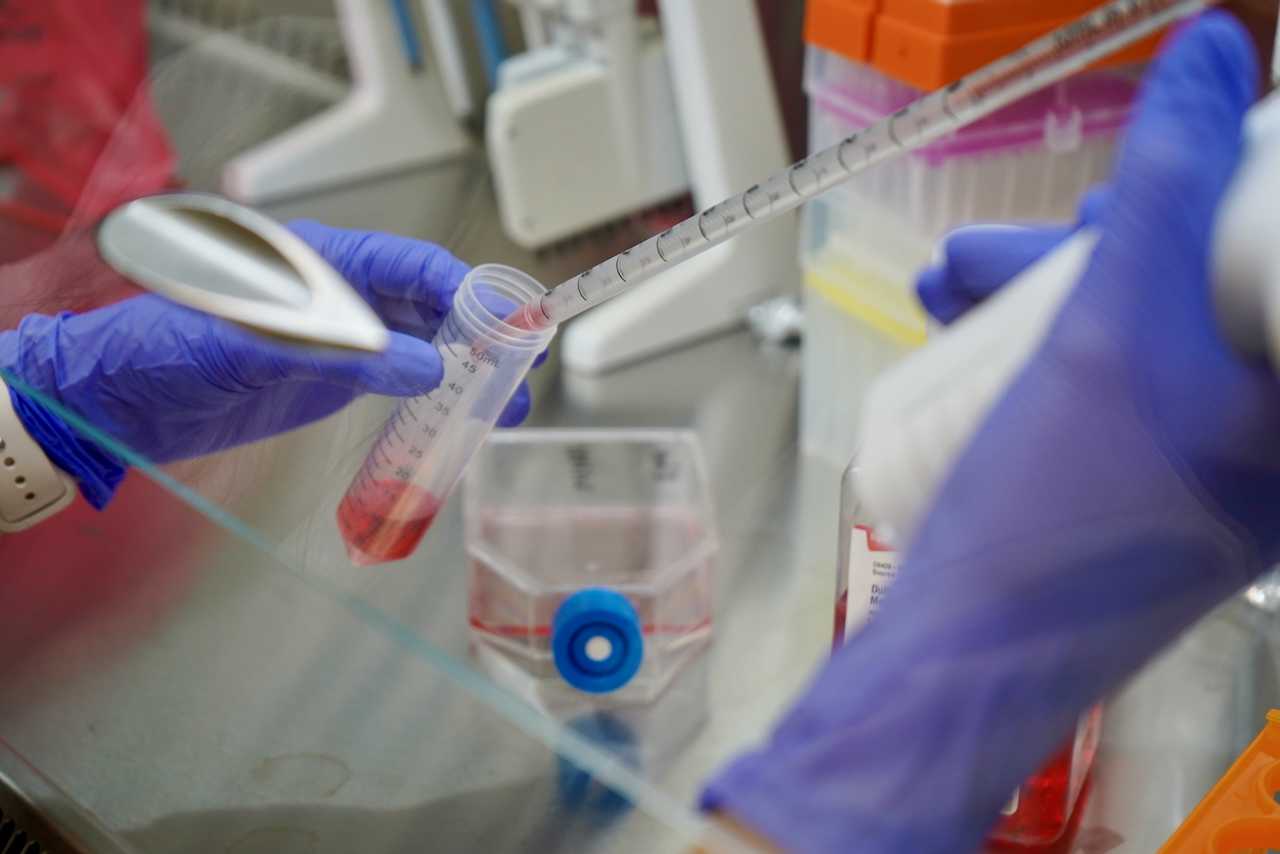
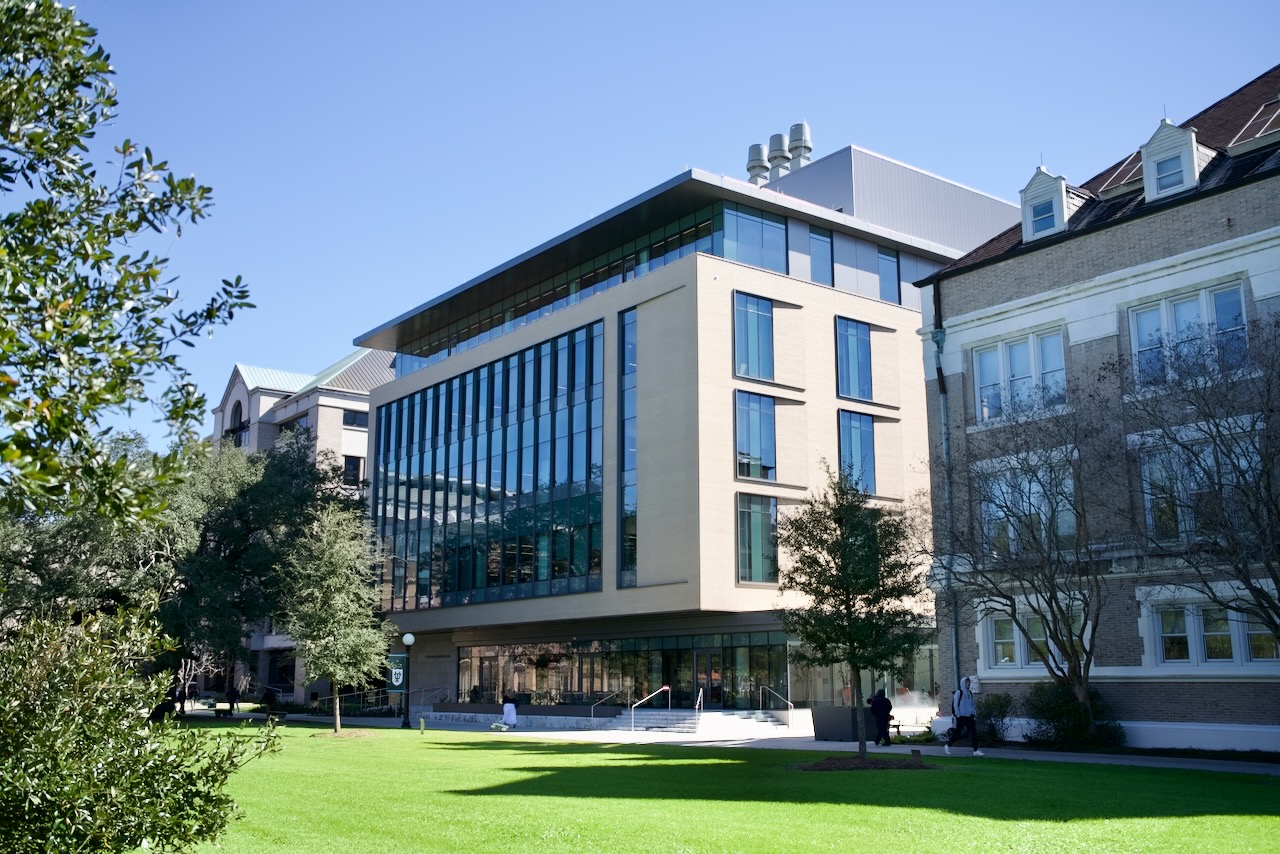
The faculty labs are based in the Boggs Center for Energy and Biotechnology as well as the Donna and Paul Flower Hall for Research and Innovation. These state-of-the-art facilities serve as outstanding training grounds for our graduate students, where they can perform cutting-edge experimental or computational research. Some of the facilities available to students include the coordinated instrumentation facilities under whose umbrella there are outstanding electron microscopy resources. There is also an advanced clean room facility accessible to CBE students and many analytical capabilities located in the Department of Chemistry and other programs within the School of Science and Engineering.
Meet Our Faculty
The faculty in Chemical and Biomolecular Engineering has a diverse range of research interests. A hallmark of the department is relatively small research groups, allowing us to focus on the individual development of every student. The faculty is also known through their academic communities as high-quality scholars, based on publications in premier journals, awards won, and funding sources.
The department consists of 13 tenure-track faculty members with unique backgrounds and research interests ranging from statistical mechanics and thermodynamics to molecular simulations, energy, the environment, and cellular engineering. Our graduate students come from around the world. The current faculty-to-graduate student ratio of approximately 3 allows for individualized attention to the progress of each student, leading to a personalized experience here at Tulane.
Curriculum Requirements
The Chemical and Biomolecular Engineering Department offers both a thesis and non-thesis option for obtaining a master’s degree.
For the thesis option, the student must complete 30 credits, 6 of which originate from independent study under the guidance of a faculty member. Typically, two years are required to finish the thesis option. Upon completion of the thesis option, the student must defend a thesis before a faculty committee.
For the non-thesis option, the student may choose to either complete 30 credits of coursework, or alternatively, a minimum of 24 credits of coursework plus independent study credits. The student may choose to pursue a concentration in either Bioengineering, Data Science, or Materials and Energy. Typically, a minimum of 1 year is required to finish the non-thesis option.
For both degree options, three core graduate chemical engineering courses (3 credits each) are required. These courses must include:
1. Modern Thermodynamics (CENG 7110);
2. Advanced Transport Phenomena (CENG 7320);
3. Either Advanced Reactor Design (CENG 7150) or Biomolecular and Cellular Engineering (CENG 6870)
Career Benefits and Pathways
A master's in Chemical and Biomolecular Engineering from Tulane prepares graduates for leadership roles across energy, materials, pharmaceuticals, and biotechnology industries. Depending on their concentration, graduates pursue positions such as process engineer, research and development engineer, bioprocess engineer, materials scientist, or data scientist within chemical, biotech, and energy companies. The program's strong technical and research foundation also positions graduates well for further doctoral study in chemical or biomolecular engineering.
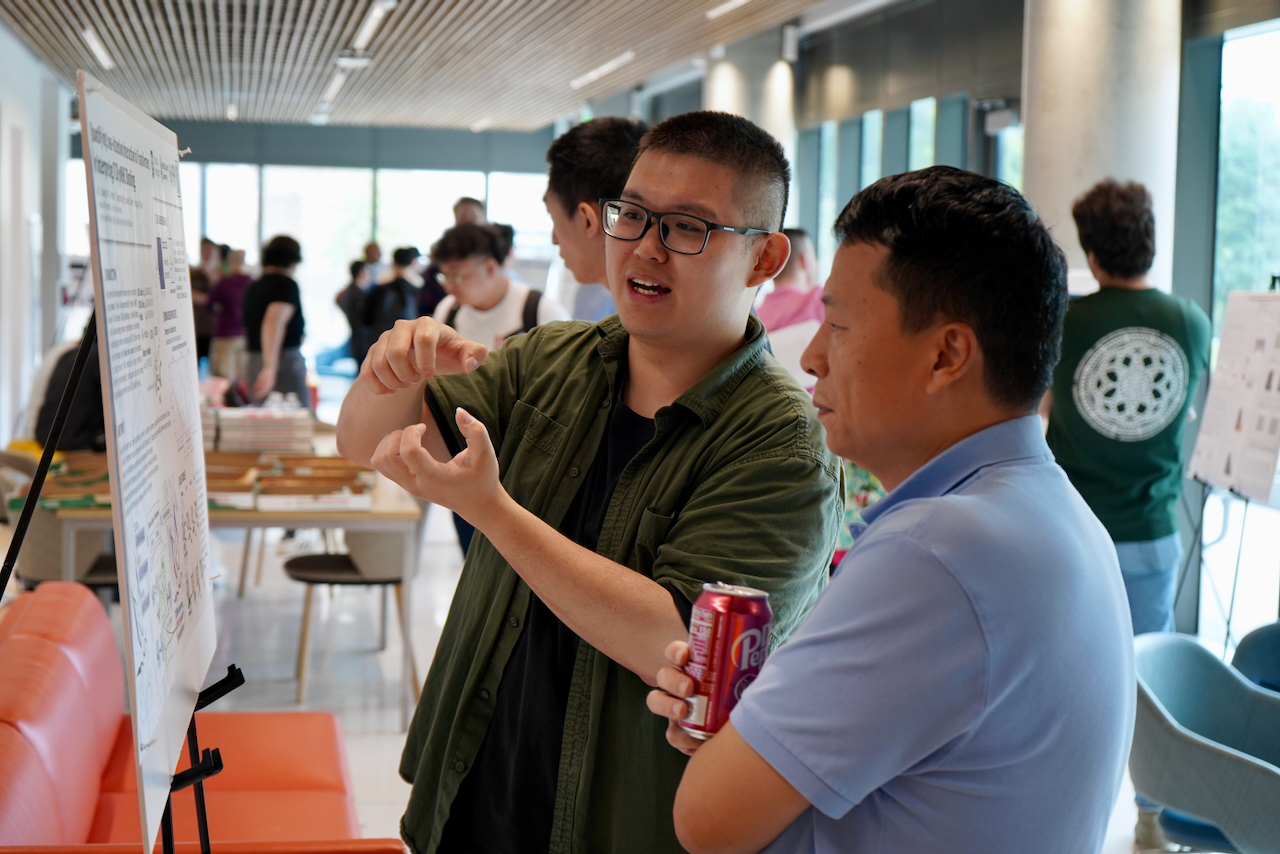
Learn more about the admissions process or apply now!
Find full tuition information and the financial aid process.
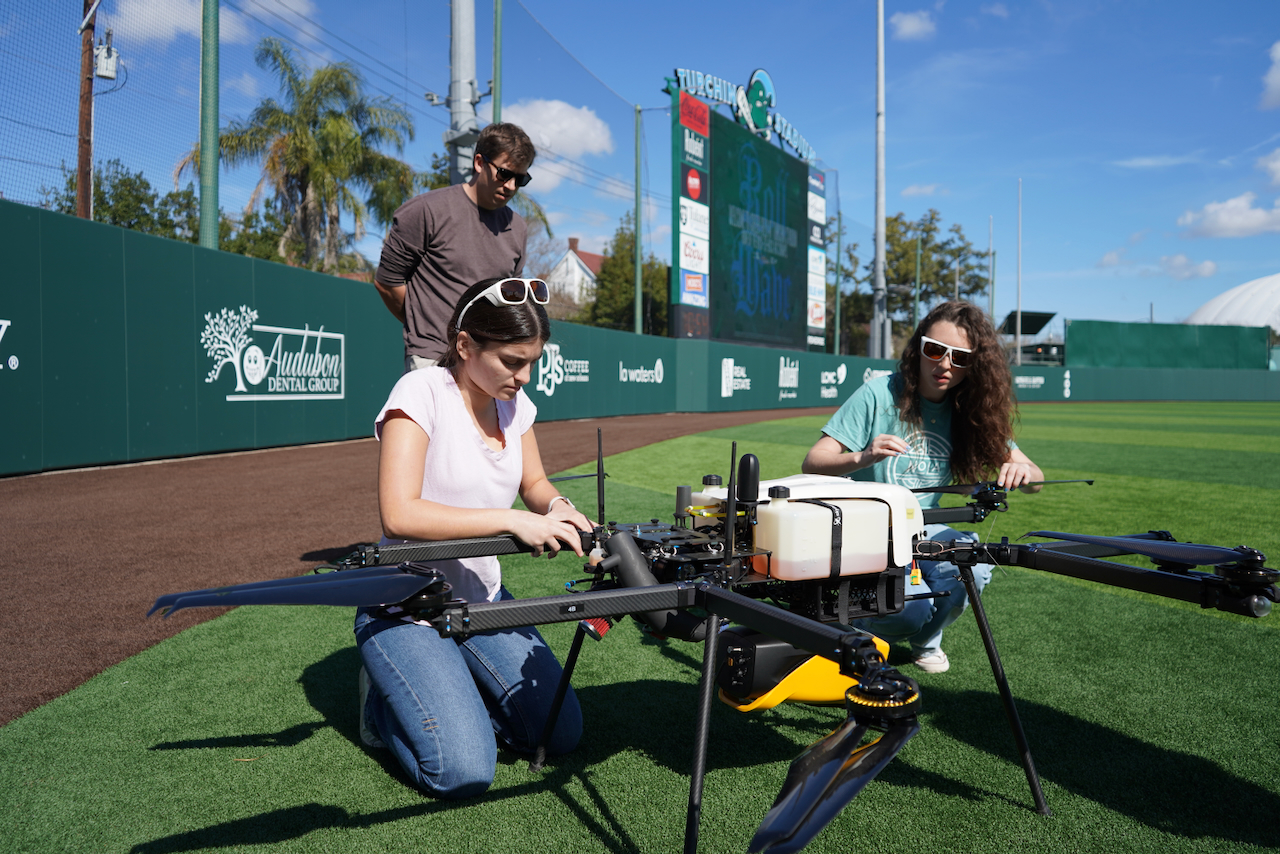
Get to know what makes this place a launchpad for the next generation of scientists and engineers.
If you want to build your skills and achieve your goals while being surrounded by a vibrant, beautiful culture, Tulane University is the perfect choice!
FAQs
Chemical and biomolecular engineering applies engineering principles to solve complex challenges in energy, materials, pharmaceuticals, and biotechnology. It combines core chemical engineering fundamentals with biomolecular and cellular systems to develop real-world solutions with global impact.
GRE Institution Code: 6173; GRE Department Code: 1004 (Chemical and Biomolecular Engineering).
TOEFL Institution Code: 6173; TOEFL Department Code: 64 (Chemical Engineering).
While residency duration is dependent on many factors, five years is a typical residency for doctoral students.
Frequently, students without an undergraduate chemical engineering degree will enroll in the M.S. graduate program. To ensure that all students are familiar with the fundamental principles required of chemical engineers, students entering the graduate program with a bachelor's degree in an area other than chemical engineering will be required to take remedial courses. On the recommendation of the Graduate Committee, these requirements can be modified based on each student's specific background. These undergraduate courses do not count toward the total graduate-level credit requirement for the advanced degree. Graduate students may take these courses out of sequence and/or concurrently in order to expedite completion of this requirement.
Typically students are not admitted for the spring term.
The Department does not have "minimum" scores, as the admission process is based on a variety of inputs including GPA, standardized test scores, faculty endorsements, and prior research experience. The process is very competitive, however. Historically incoming class GPAs are well above 3.5 and combined GRE scores are well above 1200 (verbal + quantitative, old format), or well above 305 (new format).
The GRE subject test is not required.
The School of Science and Engineering requires a minimum score of 80. Historically, average TOEFL scores for the incoming graduate class tend to exceed this number by a fairly large margin. TOEFL and IELTS are required if English is not your native language. You may waive these if you achieve a 600+ on the SAT verbal or a 27+ on the ACT English Section.
The Department of Chemical and Biomolecular Engineering does not require the GRE General Test; however, applicants are strongly encouraged to take the GRE General Test and report the scores if available. There is no minimum GRE required to apply. You may submit unofficial scores with your application.
TOEFL or IELTS scores are required for all international applicants regardless of the language of instruction for your bachelor’s degree. There is no minimum score required to apply. You may submit unofficial scores with your application, but we will require official scores if an offer of admission is made.
We will review your application with unofficial transcripts, but we will require official transcripts if an offer of admission is made.
Decisions on graduate admission are made by the Graduate Admissions Committee in the department. The committee is made up of three to four faculty members in the department, with one serving as chair.
Contact Us
Ilianna H. Kwaske, Ph.D.
Associate Dean for MS Programs & Professional Education
ikwaske@tulane.edu
Sarah Berry
Director of MS and Certificate Programs
smccarty@tulane.edu
Rosie Chavez
Director of Graduate Programs
rchavez@tulane.edu
Department of Chemical and Biomolecular Engineering
Lindy Boggs Center for Energy and Biotechnology
Suite 300
6823 St. Charles Avenue
Phone: (504) 314-2914
Fax: (504) 865-6744
Email: chemeng@tulane.edu