
Ph.D. in Chemical and Biomolecular Engineering
Ph.D. in Chemical and Biomolecular Engineering
The Chemical and Biomolecular Engineering Department offers a Doctor of Philosophy degree, in which students perform cutting-edge research in advanced engineering topics. Graduate students pursuing PhD studies are supported as research or teaching assistants. The PhD degree culminates in an open defense of a written dissertation based on the original research performed by the student.
A master’s degree is not a prerequisite to the beginning of study for the Doctor of Philosophy degree. Completing the PhD requirements normally requires five years of full-time study beyond the Bachelor of Science degree.
ApplyRequest InformationDepartment of Chemical and Biomolecular Engineering

What You'll Learn
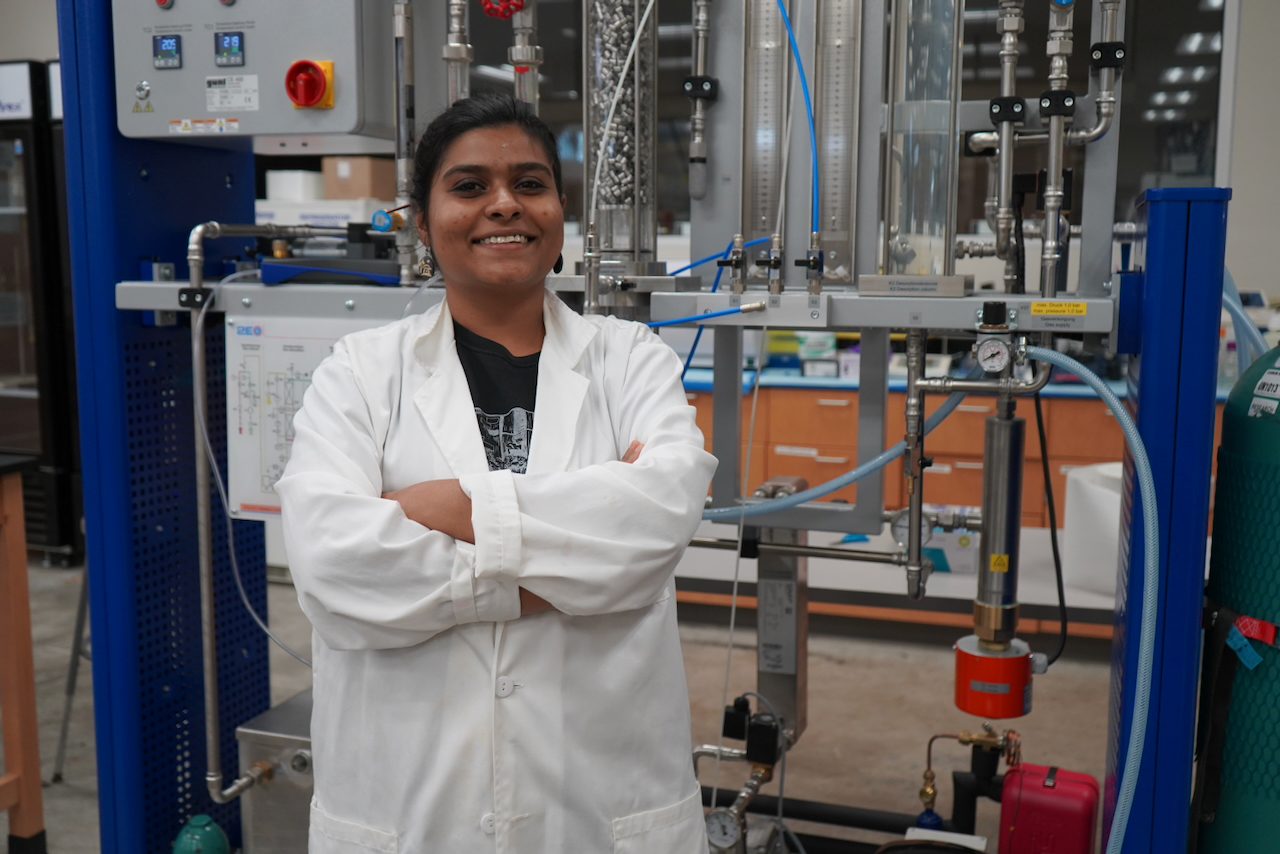
The Ph.D. degree requires a student to reach a critical understanding of the basic scientific and engineering principles underlying their field of interest. In addition, the student must demonstrate the ability to conduct an intensive research project independently and document their results in the form of refereed publications, presentations, and a final thesis or dissertation.
Research
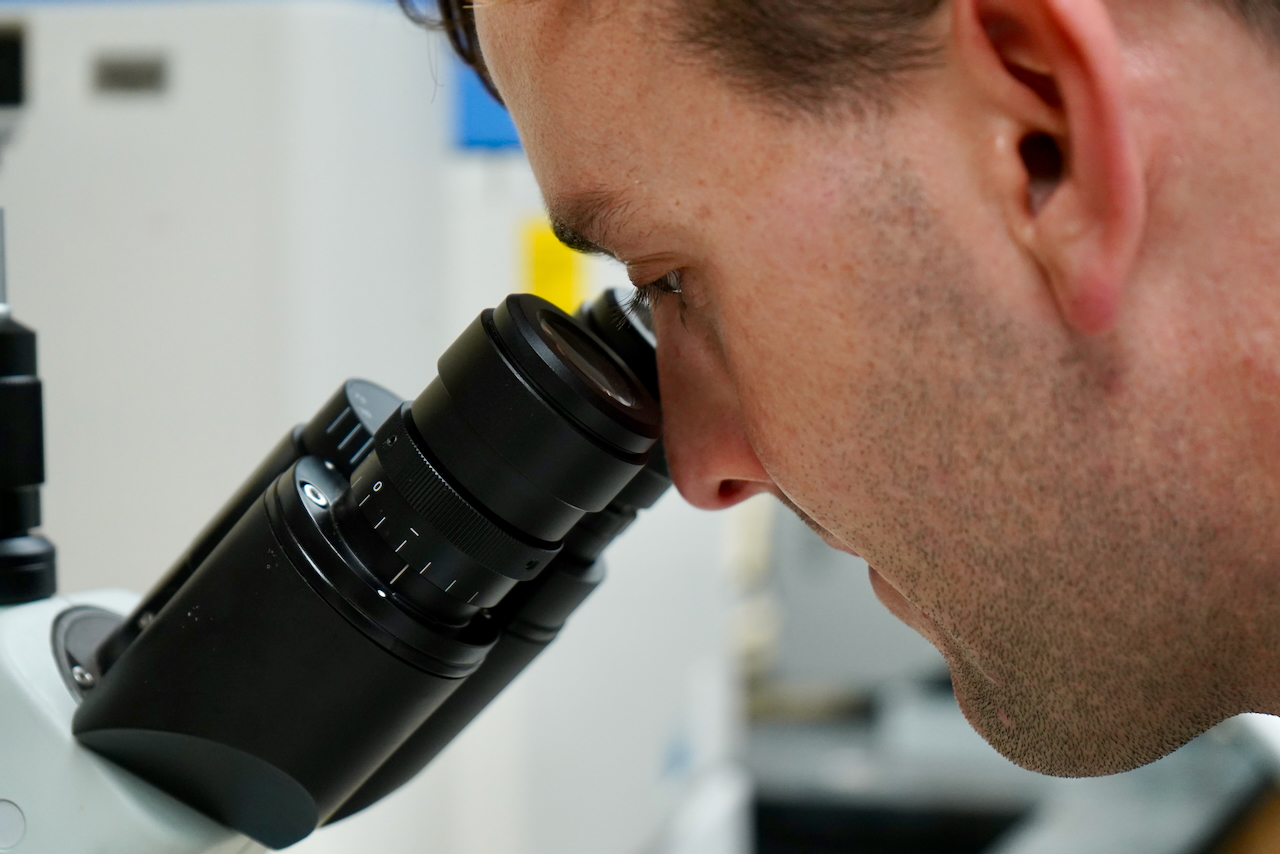
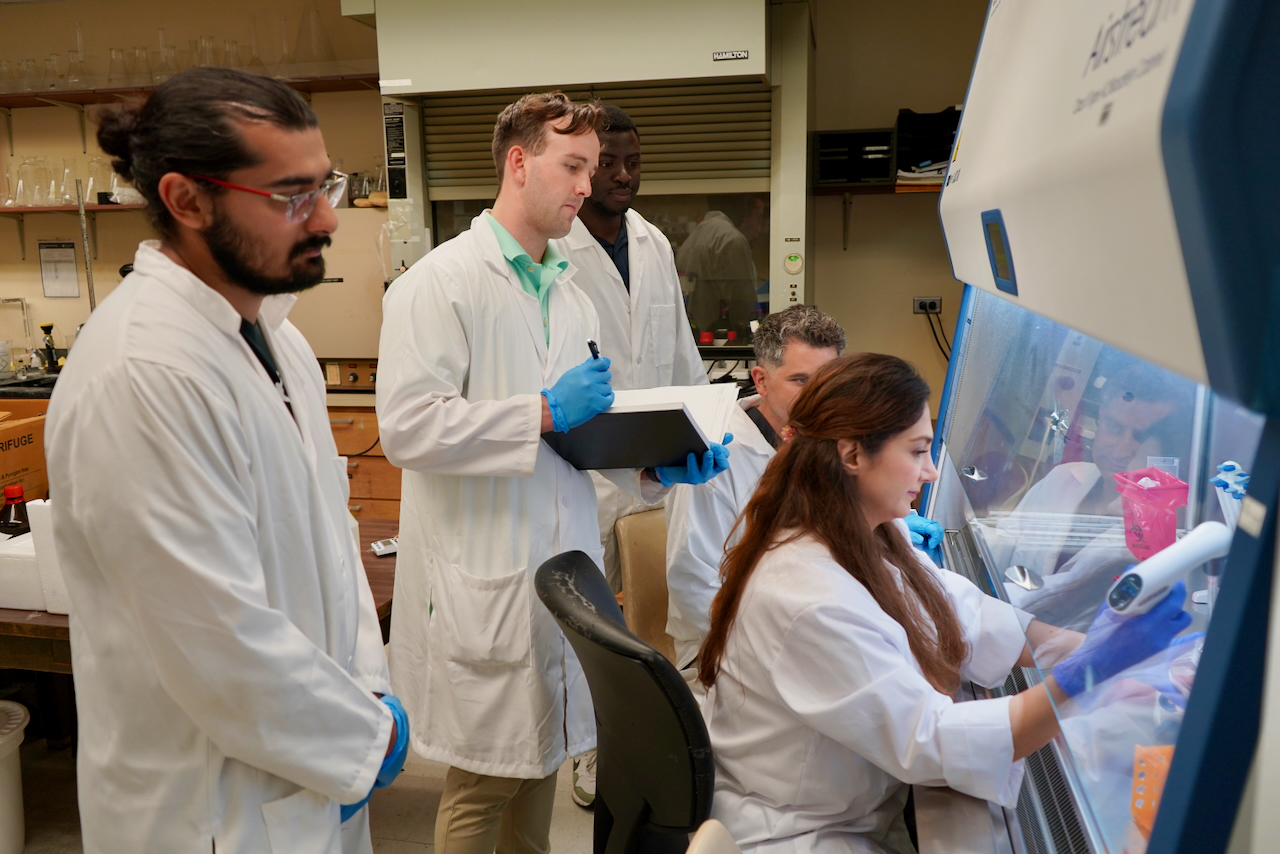
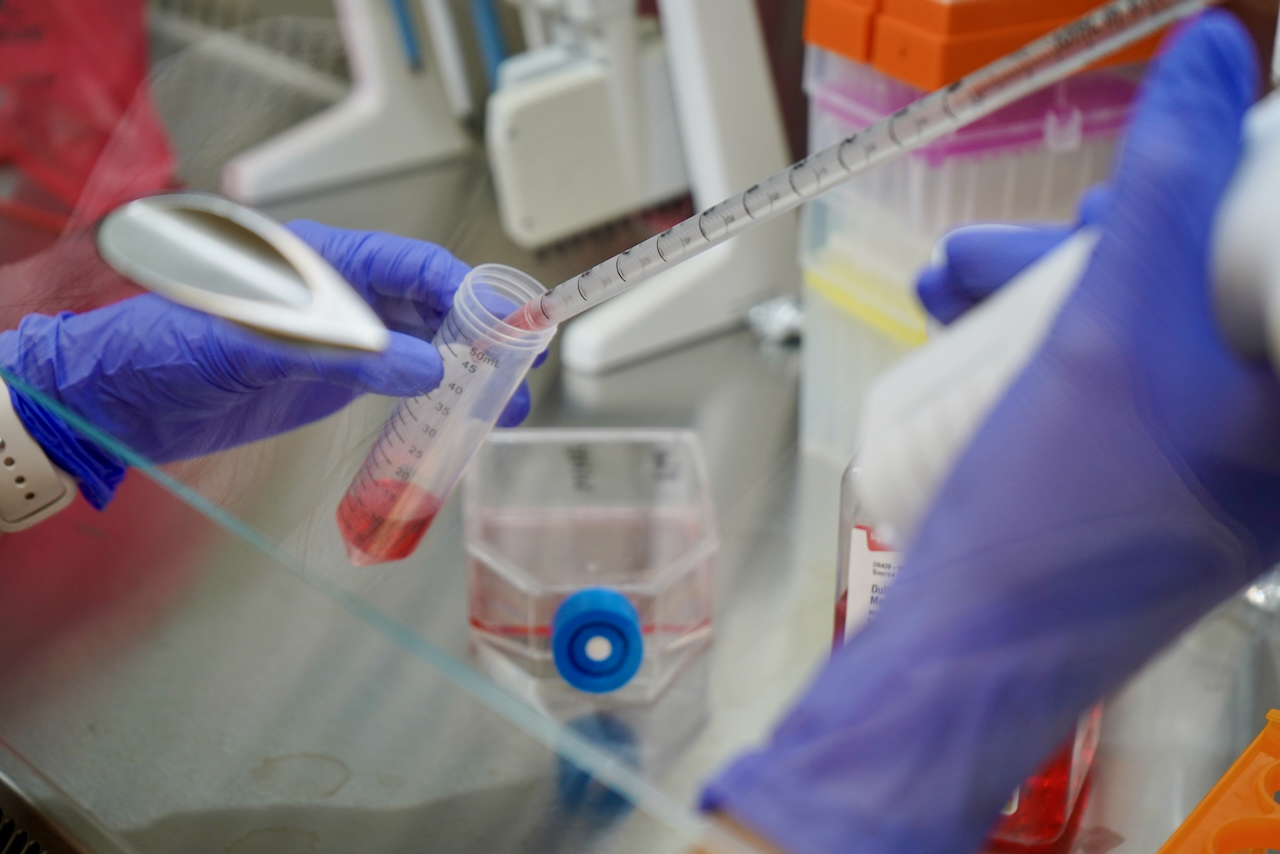
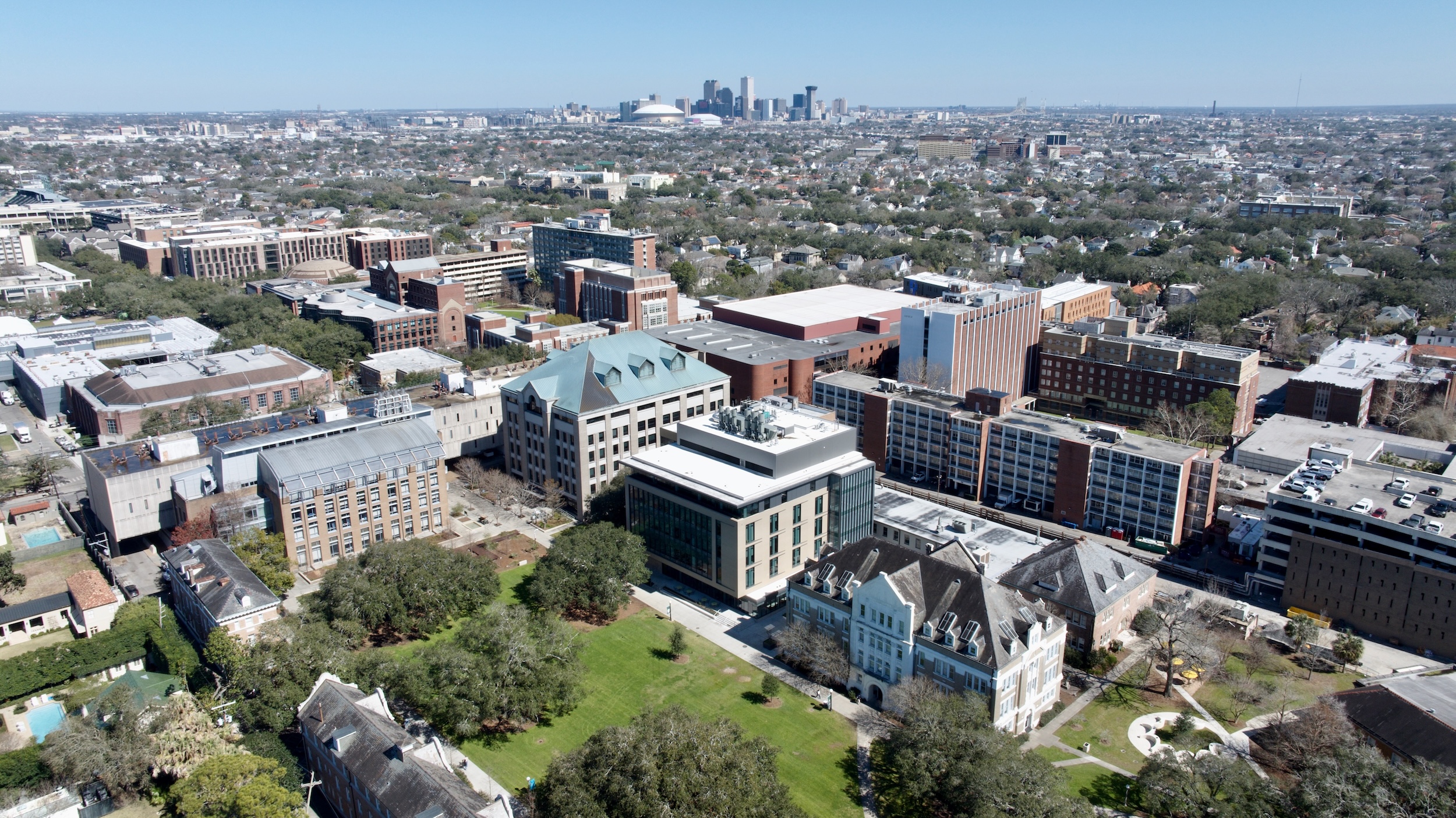
The faculty labs are based in the Boggs Center for Energy and Biotechnology as well as the Donna and Paul Flower Hall for Research and Innovation. These state-of-the-art facilities serve as outstanding training grounds for our graduate students, where they can perform cutting-edge experimental or computational research. Some of the facilities available to students include the coordinated instrumentation facilities, under whose umbrella there are outstanding electron microscopy resources. There is also an advanced clean room facility accessible to CBE students and many analytical capabilities located in the Department of Chemistry and other programs within the School of Science and Engineering.
Meet Our Faculty
The department consists of 13 tenure-track faculty members with unique backgrounds and research interests ranging from statistical mechanics and thermodynamics to molecular simulations, energy, the environment, and cellular engineering. Our graduate students come from around the world. The current faculty-to-graduate-student ratio of approximately 3 allows for individualized attention to the progress of each student, leading to a personalized experience here at Tulane.
Curriculum Requirements
Candidates for the Ph.D. degree must complete a minimum of 48 credit hours of approved coursework, pass a qualifying examination, present an acceptable dissertation prospectus to a dissertation committee, make an original contribution to the field of chemical engineering in the form of a dissertation suitable for publication, and defend the dissertation during a public presentation. Of the 48 required hours, three core graduate chemical engineering courses are mandatory: Modern Thermodynamics (CENG 7110), Advanced Transport Phenomena (CENG 7320), and either Advanced Reactor Design (CENG 7150) or Biomolecular and Cellular Engineering (CENG 6870). Ph.D. candidates are also allowed up to 25 independent study credits toward the 48-credit requirement, and those who have completed an M.S. at another institution may be permitted to transfer a small number of credit hours toward the Ph.D.
Career Benefits and Pathways
The PhD is built to prepare graduates for research-driven careers by developing a critical understanding of core engineering and scientific principles alongside the ability to conduct independent, original research. Students carry that training — from qualifying exams through dissertation defense — into roles across academia, industry, and advanced engineering research.
Learn more about the admissions process or apply now!
Find full tuition information and the financial aid process.
Get to know what makes this place a launchpad for the next generation of scientists and engineers.
FAQs
Chemical and biomolecular engineering applies chemical engineering principles—thermodynamics, transport phenomena, and reactor design—to both traditional industrial processes and biomolecular and cellular systems. At Tulane, the PhD trains students to conduct original research in advanced engineering topics, culminating in a dissertation representing a genuine contribution to the field.
Frequently, students without an undergraduate chemical engineering degree will enroll in the graduate program. To ensure that all students are familiar with the fundamental principles required of chemical engineers, students entering the graduate program with a bachelor's degree in an area other than chemical engineering will be required to take four undergraduate courses—Unit Operations I, II, and III, and one of either Reactor Design, Process Control or Process Design. On the recommendation of the Graduate Committee, these requirements can be modified based on each student's specific background. These undergraduate courses do not count toward the total graduate-level credit requirement for the advanced degree. Graduate students may take these courses out of sequence and/or concurrently in order to expedite completion of this requirement.
Completing the Ph.D. requirements normally requires four to five years of full-time study beyond the B.S. degree. Students already possessing an M.S. degree in chemical engineering typically require one year less time. Financial aid is given to all full-time graduate students working towards the Doctoral degree.
GRE Institution Code: 6173; GRE Department Code: 1004 (Chemical and Biomolecular Engineering).
TOEFL Institution Code: 6173; TOEFL Department Code: 64 (Chemical Engineering).
While residency duration is dependent on many factors, five years is a typical residency for doctoral students.
Typically, students are not admitted for the spring term.
The Department does not have "minimum" scores, as the admission process is based on a variety of inputs including GPA, standardized test scores, faculty endorsements, and prior research experience. The process is very competitive, however. Historically, incoming class GPAs are well above 3.5, and combined GRE scores are well above 1200 (verbal + quantitative, old format), or well above 305 (new format).
Prior laboratory research experience, although not required, is viewed favorably for admission to the Ph.D. program.
The GRE subject test is not required.
The School of Science and Engineering requires a minimum score of 80. Historically, average TOEFL scores for the incoming graduate class tends to exceed this number by a fairly large margin. TOEFL and IELTS are required if English is not your native language. You may waive these if you achieve a 600+ on the SAT verbal or a 27+ on the ACT English Section.
There is no fee to apply to the PhD program.
The Department of Chemical and Biomolecular Engineering does not require the GRE General Test; however, applicants are strongly encouraged to take the GRE General Test and report the scores if available. There is no minimum GRE required to apply. You may submit unofficial scores with your application.
TOEFL or IELTS scores are required for all international applicants, regardless of the language of instruction for your bachelor’s degree. There is no minimum score required to apply. You may submit unofficial scores with your application, but we will require official scores if an offer of admission is made.
We will review your application with unofficial transcripts, but we will require official transcripts if an offer of admission is made.
Decisions on graduate admission are made by the Graduate Admissions Committee in the department. The committee is made up of three to four faculty members in the department, with one serving as chair.
You may also wish to consult the School of Science and Engineering Applications for Admissions page for additional information: https://sse.tulane.edu/academics/graduate/admissions
Departmental requirements for the application take precedence over those required by the School of Science and Engineering.
Full financial aid (tuition + stipend) is given to all students admitted to the Doctoral Program.
International students applying to the Ph.D. program are eligible for financial aid. If admitted, the student will receive a teaching or research assistantship, a tuition waiver, and a health insurance supplement as described above.
Graduate School Survival Guide
Tips on getting the most out of your graduate study, your relationships with other academics, and on perfecting your research techniques.
Graduate Handbook
This handbook is a collection of guidelines and other useful information especially designed for graduate students in the Chemical and Biomolecular Engineering Department. Its purpose is to provide the student with a clear description of the academic regulations that the student is expected to follow during graduate study, to describe the facilities and support available to the student within the Department and University, and to aid the student in getting settled and adjusting to life at Tulane and in New Orleans.
Reimbursement Protocols
When requesting reimbursements, please refer to this document to guide you through the process. Below are the possible links that you will need, along with two examples of reimbursement requests:
--Travel Reimbursement Checklist
--Travel Expense Itemization Form
--Example of Travel Reimbursement
--Example of Non-Travel Reimbursement
Other References:
--GSSA Travel Fund Page
--GSSA Expense Itemization Form
--GSSA Travel Reimbursement Checklist
--SSE Dean's Office Reimbursement Form
-Ph.D. candidates receive a competitive yearly stipend that increases following successful completion of candidacy
-Tuition fees are waived for students supported as research or teaching assistants
-Health insurance is subsidized by the department
-Ph.D. candidates are matched to a research advisor at the end of their first semester
-Ph.D. candidates take courses and carry out research during the duration of their studies, which varies between 4 to 5 years.
-Relatively small research groups with individualized attention to the progress of each student
-Exposure to a wide range of experimental and simulation techniques
-Opportunities for interdisciplinary work
-Opportunities to publish and present research results at national meetings
-Collaborations with national labs and industry
Contact Us
Rosie Chavez
Director of Graduate Programs
rchavez@tulane.edu
Dan Shantz
Associate Dean for Research and Ph.D. Programs
dshantz@tulane.edu
Department of Chemical and Biomolecular Engineering
Lindy Boggs Center, Suite 300
6823 St. Charles Avenue
Phone: (504) 314-2914
Fax: (504) 865-6744
Email: chemeng@tulane.edu