
Master's Degree in Computational Science
Master's Degree in Computational Science
A master’s degree in computational science at the Tulane School of Science and Engineering prepares students to tackle complex problems using advanced modeling, simulation, and data-driven methods across science and engineering disciplines. With an interdisciplinary curriculum and close faculty mentorship, the program equips graduates with highly sought-after computational skills for careers in industry, research, and advanced study.
A Master's degree in Computational Science in combination with a B.S. in any science or engineering discipline will make you more competitive for jobs, give you practical experience, and provide valuable research opportunities.
4+1 Accelerated Master's Program
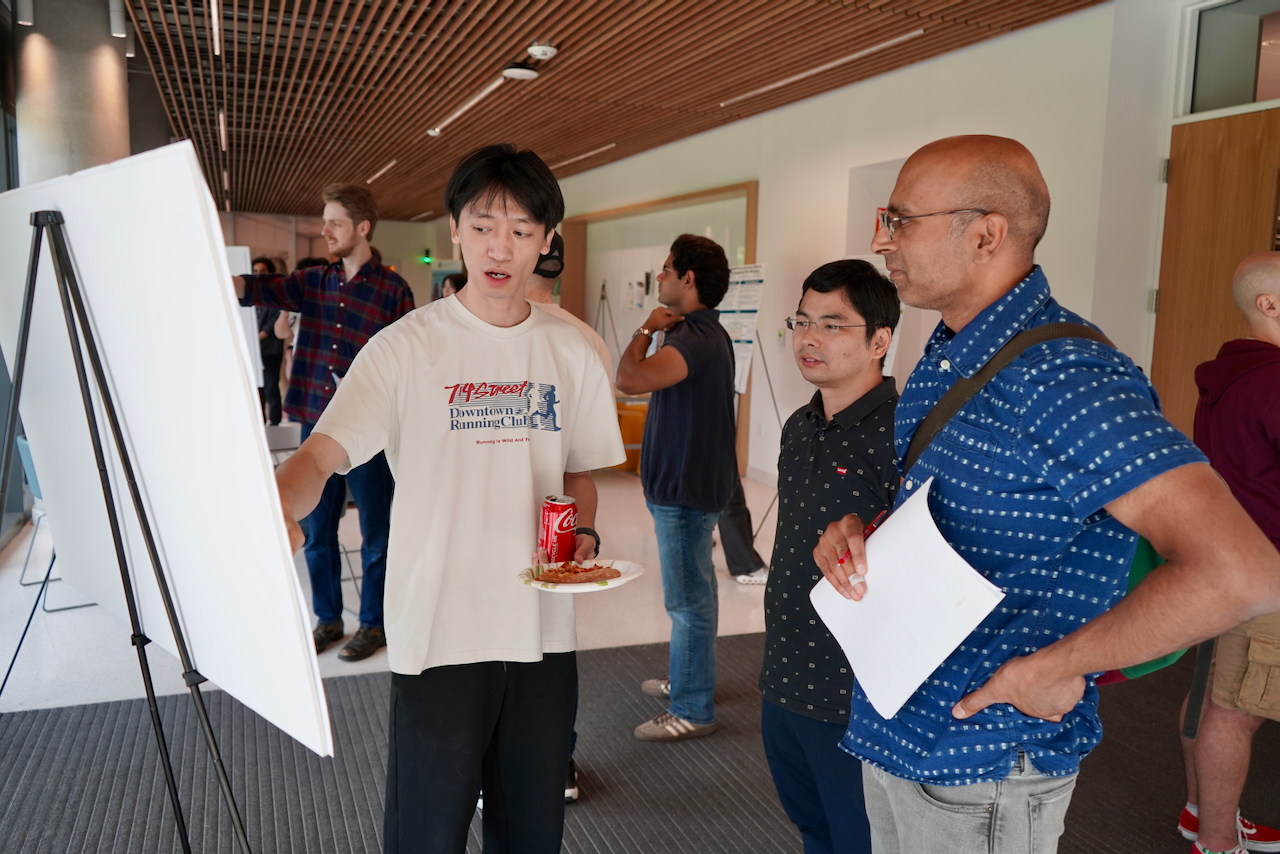
Current Tulane undergraduate students can earn this M.S. degree with just one additional year of study. This accelerated program allows you to count graduate-level courses toward both your B.S. and M.S. degrees, providing a fast track to an advanced credential.

What You'll Learn
In this program, you'll master the computational tools and techniques needed to solve complex scientific and engineering problems. Through hands-on coursework in C++ programming, large-scale computation, and scientific computing methods, you'll develop expertise in advanced modeling, simulation, and data-driven analysis. You'll gain practical experience applying computational methods to real-world challenges in your chosen discipline—from biomedical engineering to quantum chemistry—while learning to communicate your findings through clear, professional technical writing. The program's interdisciplinary approach ensures you'll be equipped with both theoretical foundations and the practical computational skills that employers value most.
Research
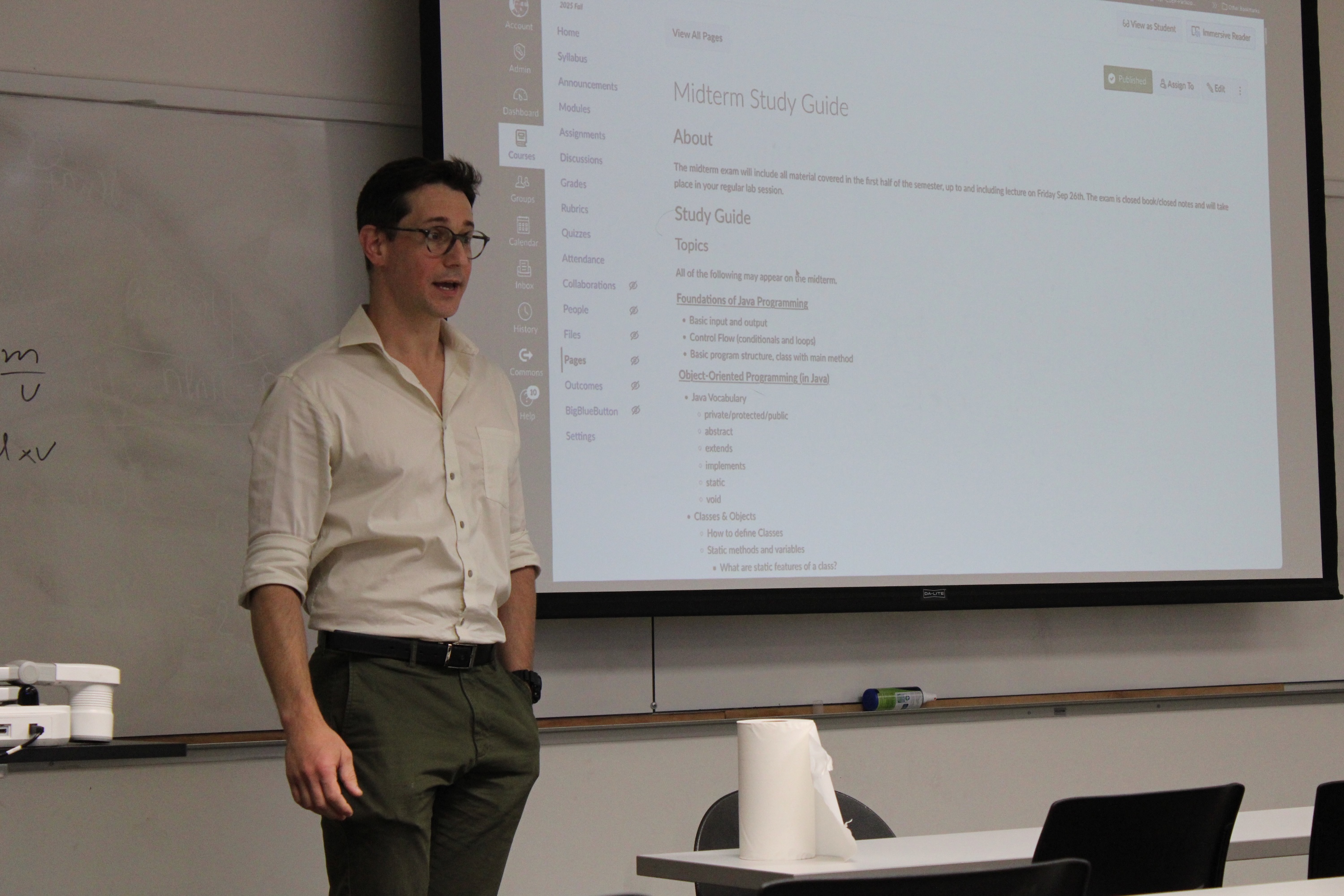
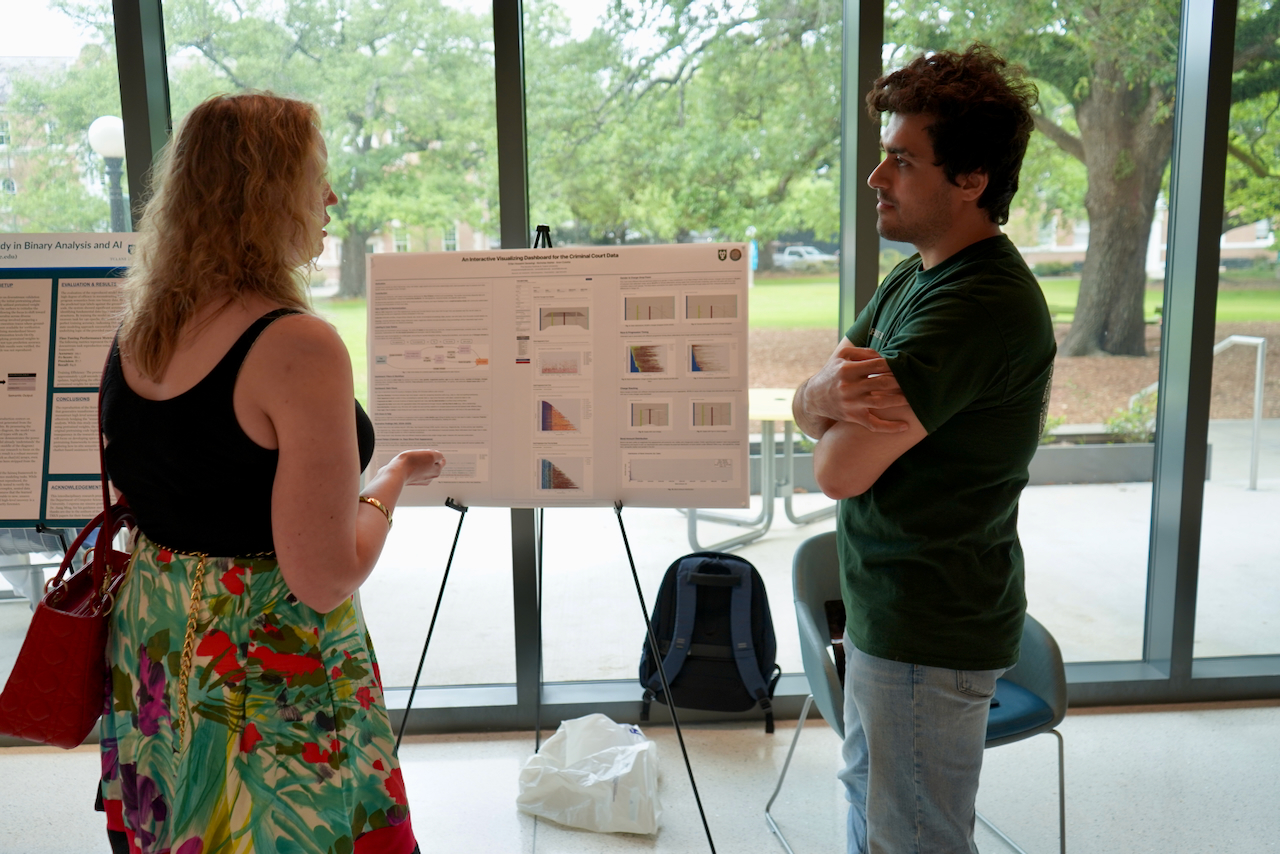
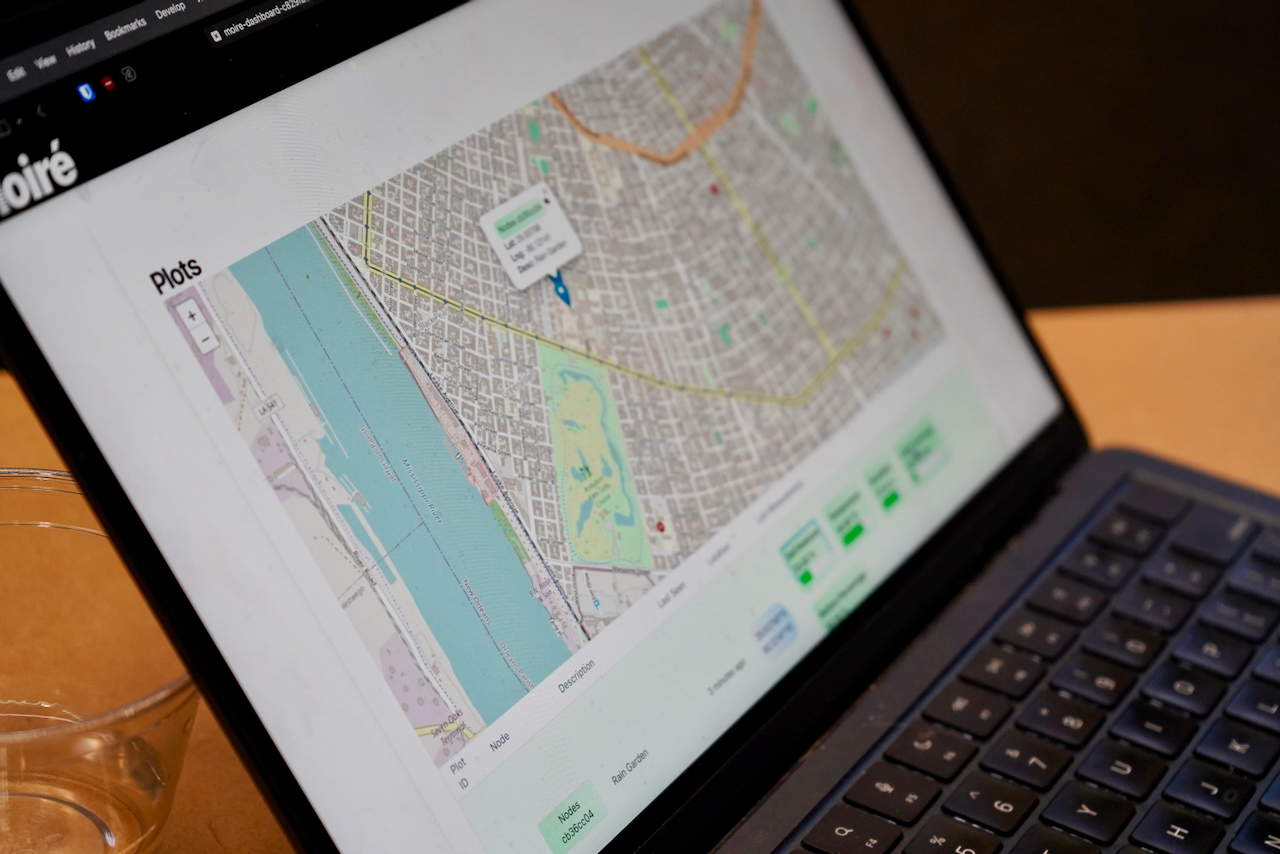
Research is at the heart of the computational science master's program, with every student completing an original thesis project that applies computational methods to real scientific or engineering challenges. Students join active research teams within the Center for Computational Science, working on projects that span disciplines from computational biology and materials science to climate modeling and quantum chemistry. Through your thesis work, you'll gain hands-on experience with advanced computational tools, contribute to ongoing research initiatives, and develop the problem-solving skills that distinguish computational scientists in both academic and industry settings. The collaborative research environment, supported by regular seminars and computational workshops, ensures you're connected to the broader computational science community throughout your studies.
Meet Our Faculty
Our faculty bring together expertise from across the sciences and engineering, united by their commitment to advancing computational methods in their respective fields. As members of the Center for Computational Science, they are active researchers who collaborate across disciplinary boundaries, working on cutting-edge projects that range from biomedical simulations to quantum chemistry calculations. Each student benefits from a dual-advisor model, pairing domain expertise in your chosen scientific discipline with deep computational guidance, ensuring you receive mentorship that bridges theory and application. Our faculty are dedicated to creating a collaborative research environment where students engage in meaningful projects, attend seminars, and participate in computational workshops that prepare them for leadership in computational science.
Curriculum Requirements
The 30-credit-hour master's degree combines rigorous coursework with original research, structured to build both computational expertise and disciplinary depth. You'll complete 12 credits of required courses covering C++ programming for scientific applications, large-scale computation, and advanced scientific computing methods. An additional 12 credits are divided between Group A courses (theory and applications in fields like applied mathematics, biofluid mechanics, or quantum mechanics) and Group B courses (computational methods including data science, artificial intelligence, or computational geometry), allowing you to tailor your studies to your career goals. The program culminates in 6 credits of master's thesis research, where you'll tackle a significant computational problem in your chosen discipline under the guidance of your thesis committee.
Career Benefits and Pathways
Graduates with a master's in computational science are positioned for high-demand careers across diverse industries including biotechnology, pharmaceuticals, aerospace, energy, finance, and technology. Specific roles include computational scientist, data scientist, scientific software developer, machine learning engineer, quantitative analyst, and research scientist at organizations ranging from national laboratories and research institutions to tech companies and consulting firms. The program's emphasis on practical computational experience and research makes graduates particularly competitive for positions requiring advanced modeling and simulation capabilities, with many alumni pursuing careers in artificial intelligence, computational biology, climate modeling, materials science, and financial modeling. The interdisciplinary nature of the degree opens doors to both industry positions and further doctoral study in computational fields.
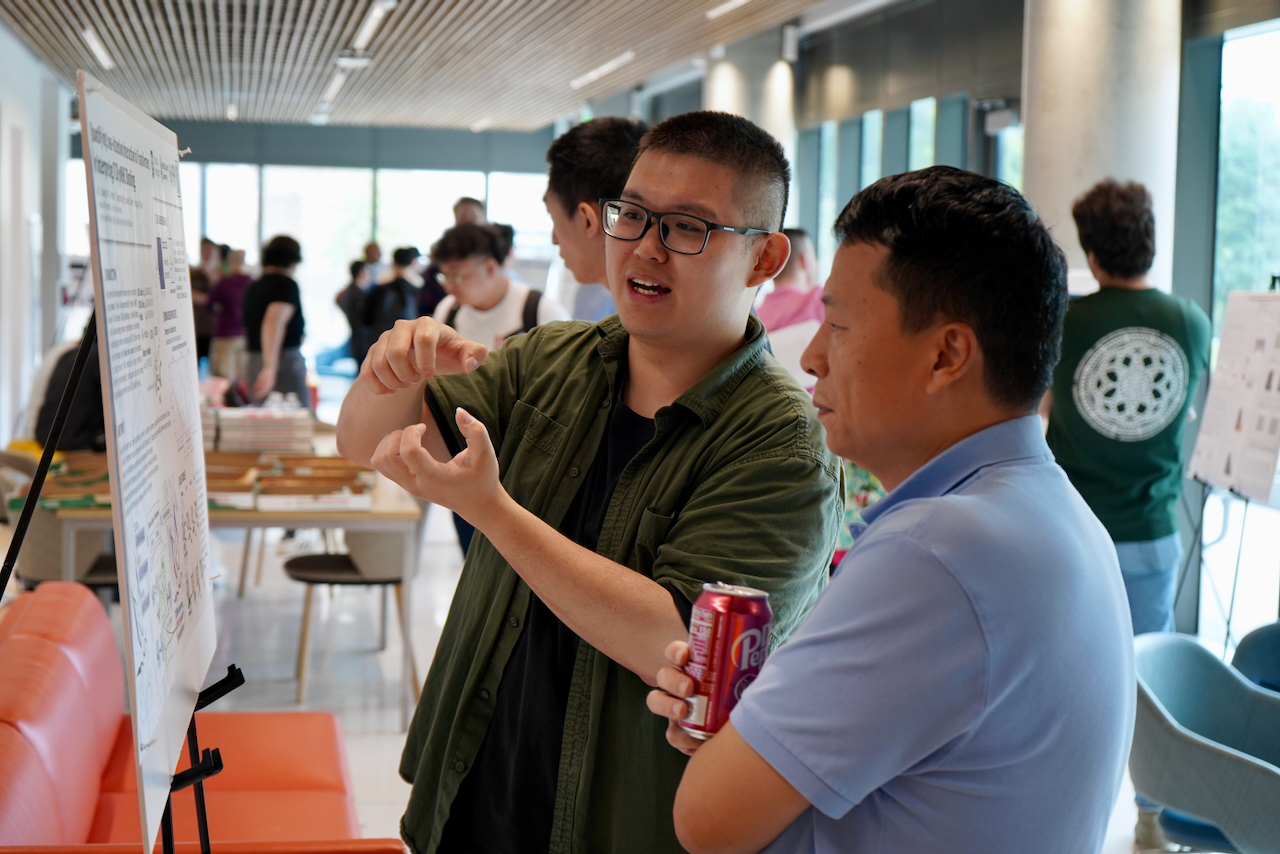
Learn more about the admissions process or apply now!
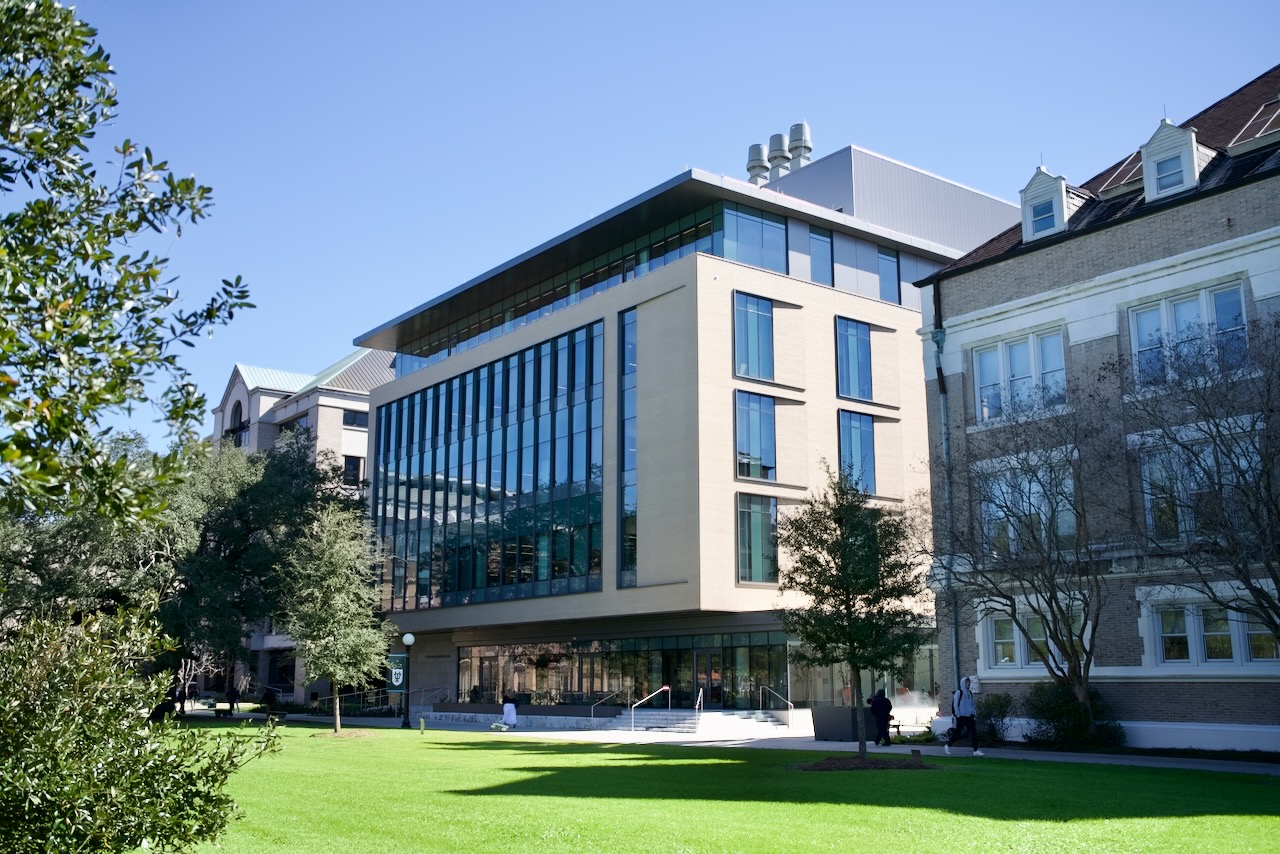
Find full tuition information and the financial aid process.
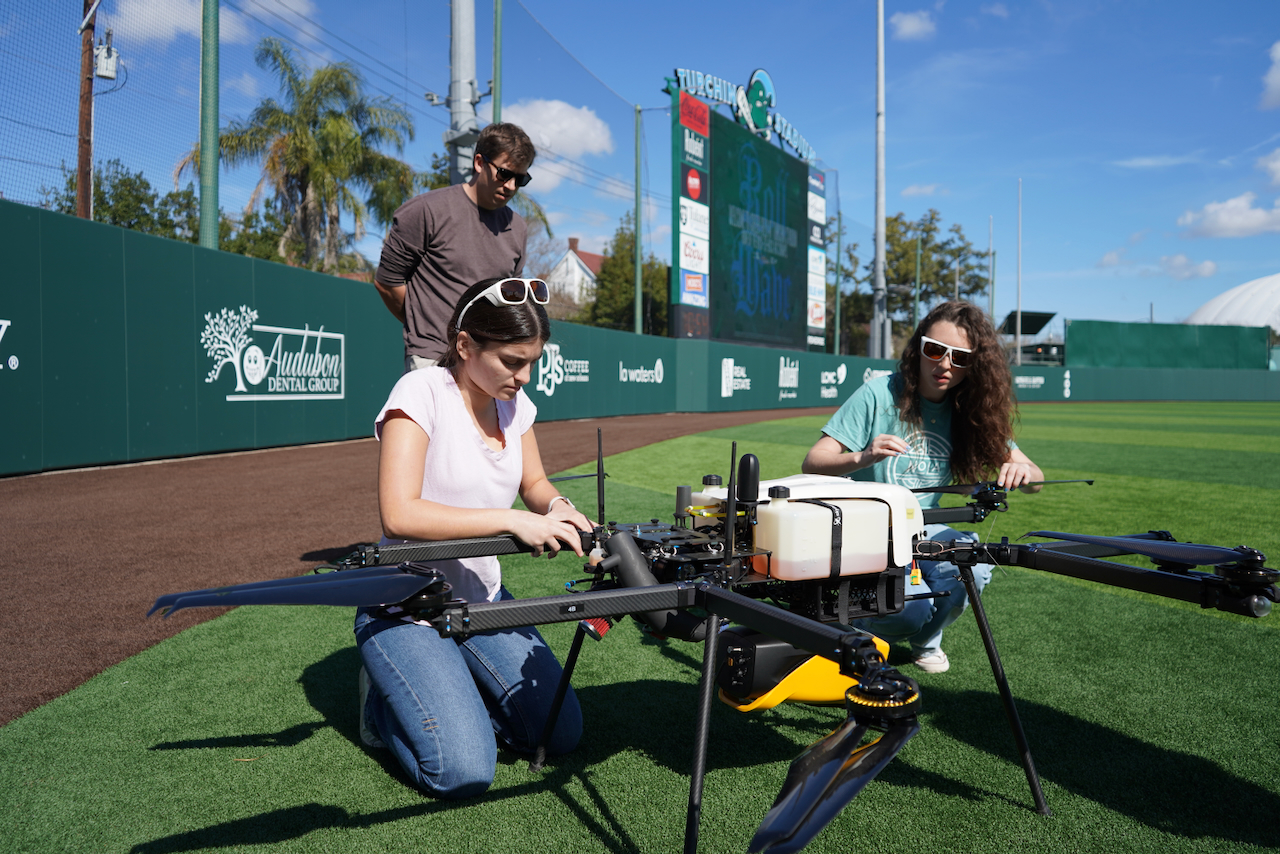
Get to know what makes this place a launchpad for the next generation of scientists and engineers.
FAQs
Computational Science is a discipline dedicated to the coding of algorithms for the solution of mathematical equations that describe scientific problems over a wide variety of fields. Its aim is to obtain new scientific information and technical practices. The phenomena approached by Computational Science can range from modeling blood flow and the interaction of microorganisms, to geophysical events, biomolecular processes, turbulence in the motion of liquids and gases, the trajectory of spacecraft, statistics, epidemiology, and more.
Investigators with computational science expertise provide ways of approaching important problems that complement and improve experimental and theoretical approaches by performing simulations outside the ranges of what may be viable by other methods. In this way, computational science informs other studies, generating synergy with scientific and engineering disciplines.
The Center for Computational Science at Tulane University is one of the first Centers established in the Gulf region to focus on multidisciplinary computational science research projects.
The Center provides an infrastructure for investigators interested in computational science to exchange ideas and establish new collaborations that combine theoretical and experimental work with computation. The initial phase to establish the Center was made possible through funds from the U.S. Department of Energy and Tulane University.
The Center, with 2 permanent staff members and 4 postdoctoral researchers, began operations at Tulane University in June 2001. Since then, it has grown to 3 permanent staff members and 7-8 postdoctoral researchers annually. Many Tulane faculty members from several departments are involved in Center projects. The CCS also runs a seminar series with local and outside speakers.
Contact Us
Ilianna H. Kwaske, Ph.D.
Associate Dean for MS Programs & Professional Education
ikwaske@tulane.edu
Sarah Berry
Director of MS and Certificate Programs
smccarty@tulane.edu
Rosie Chavez
Director of Graduate Programs
rchavez@tulane.edu
Ricardo Cortez | Director of CCS
(504) 862-3378
Lisa Fauci | Associate Director of CSS | Professor
(504) 862-3431
Donald P. Gaver | Associate Director of CSS | Professor
(504) 862-5150