
Research
Research
Research in Earth and Environmental Sciences begins with big questions about a dynamic and interconnected planet. Tulane researchers study the forces operating deep within Earth, the processes reshaping its surface, and the relationships among water, climate, landscapes, ecosystems, and human activity. Their work takes them from Louisiana’s wetlands and barrier islands to mountain ranges, rainforests, ice sheets, and coastal environments around the world. By combining field observations with laboratory analysis, satellite data, GIS, computational models, and emerging technologies, our faculty and students advance fundamental understanding while generating insights that can strengthen coastal resilience, improve environmental stewardship, anticipate natural hazards, and help communities prepare for a changing planet.

PI Research Groups
Geoscience Education, Paleobiology, and Paleoecology
Advancing geoscience education through studies applying machine learning to fossil identification.

Structural Geology and Tectonics
Decoding how faults grow, move, and shape landscapes, from Louisiana's coast to the surface of Mars.
The Reef Lab
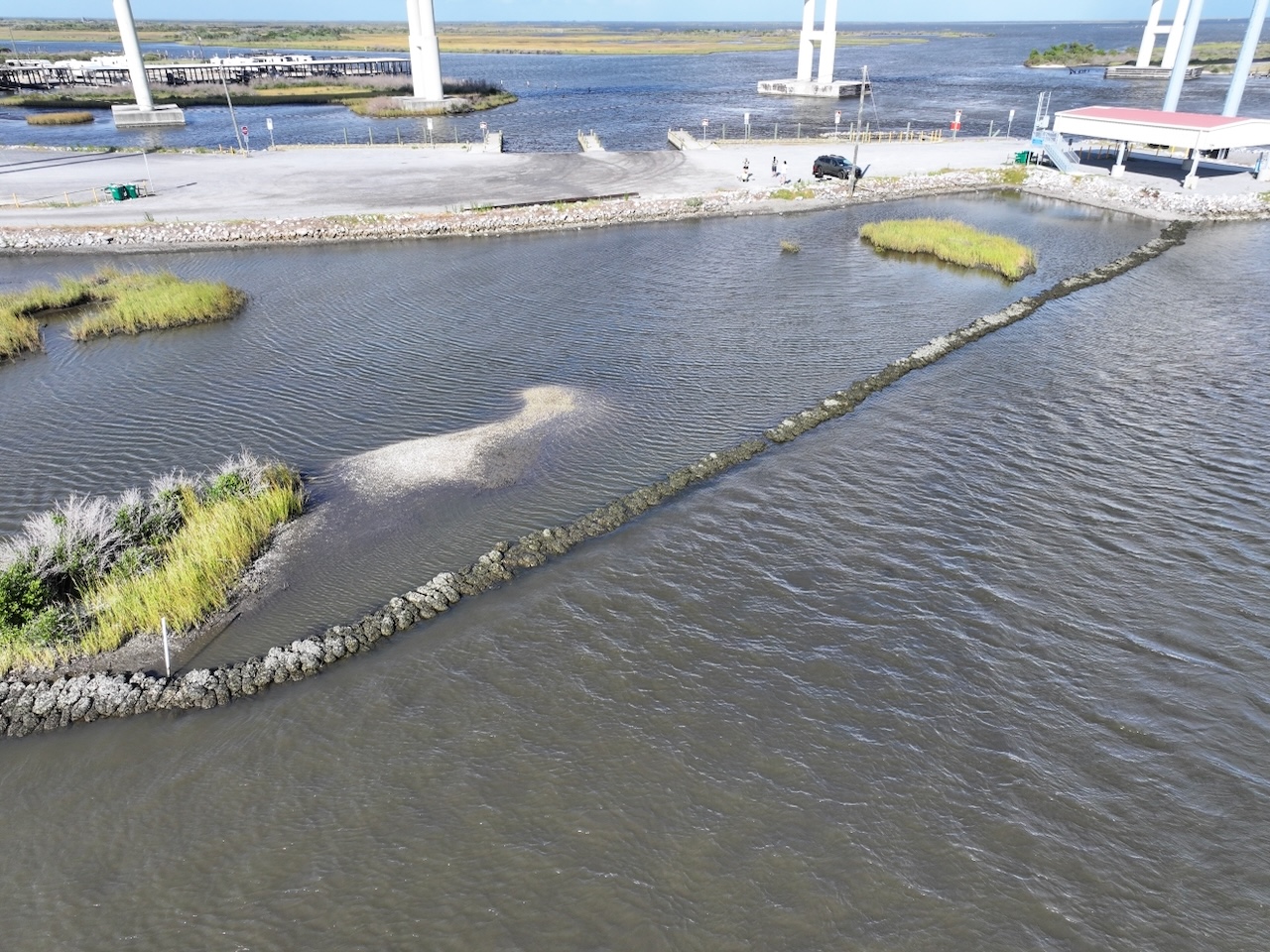
Focusing on coastal environments, including coral reefs and restored oyster reefs, to better understand their responses to environmental change and their role in coastal resilience.
Geophysics, Analytics, Tectonics, and Rift (GATR) Lab
Using seismic and potential field methods, signal processing, and geospatial tools to probe fundamental Earth processes.
The Mangrove Lab
Providing the evidence base for effective mangrove and blue carbon conservation and restoration in a changing climate.

Geomorphology and Landscape Evolution
Exploring why the surface of the Earth is as it is, and how it is changing.
Seismology at Tulane
Deciphering seismic records to understand how fluids, such as H2 and CO2, and molten rocks behave in Earth's interior.
Sediment Dynamics and Stratigraphy (TSDS)
Focusing on the transport of sediment from land through the ocean and into the stratigraphic record.
Quaternary Research Laboratory
Studying the past few million years of Earth's history, primarily focusing on the coastal zone, where dramatic changes have already commenced due to accelerated sea-level rise.
Geochemistry and Paleoceanography Research Group
Studying redox reconstruction (oxygenation) shifts in Earth's history to better understand underlying natural vs. anthropogenic forcing.
Environmental Biogeochemistry Modeling Group
Understanding the fate and transport of persistent contaminants in the regional and global environment.
Tulane Resources
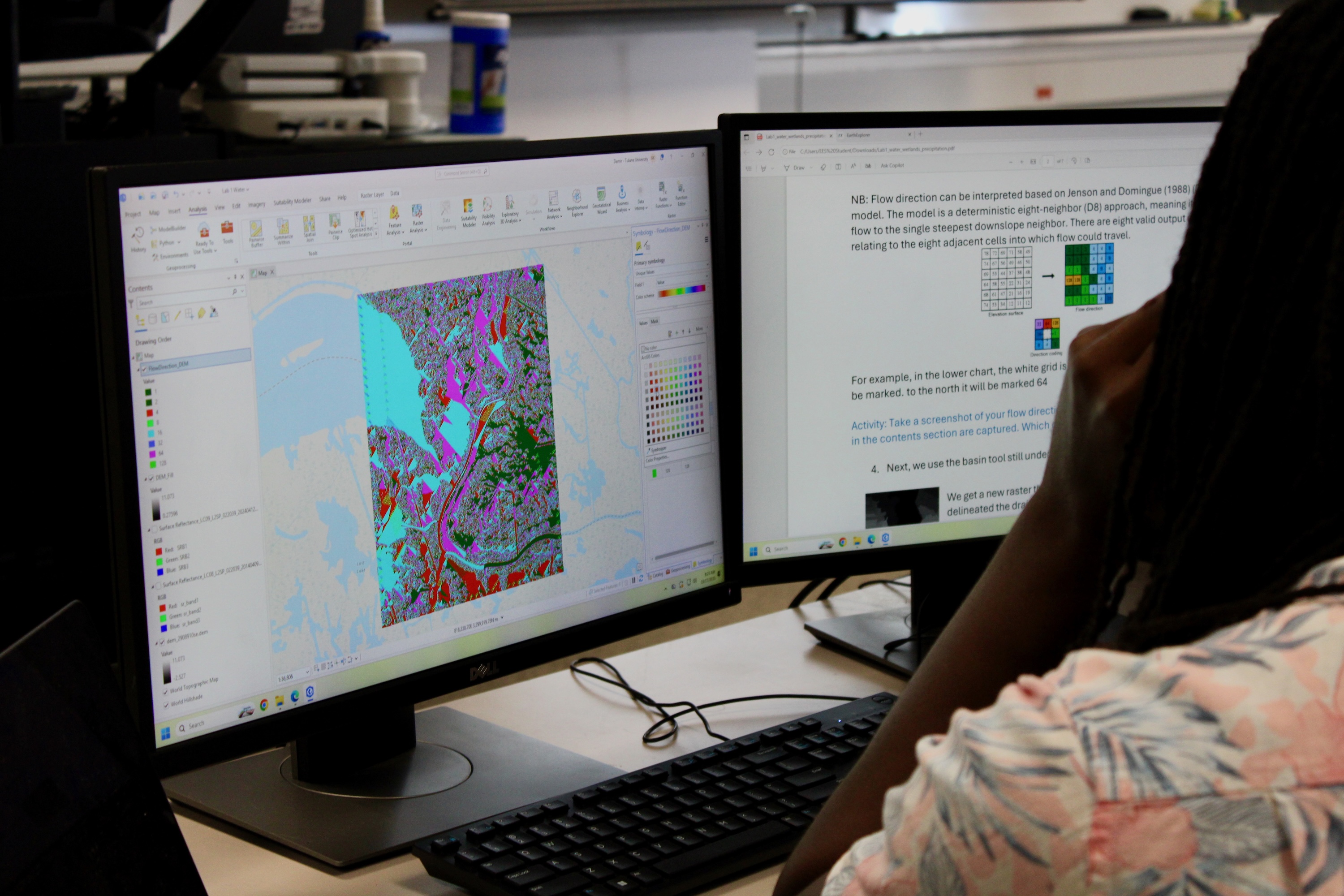
The department’s computer lab is used for computer-based courses, both at the undergraduate and graduate levels, and it is used by graduate students for research purposes. It is an important resource for teaching GIS, remote sensing, and subsurface interpretation, particularly 3D structural geology and 3D stratigraphy, and makes important software programs available to students, including (but not limited to) MathWorks MATLAB, Generic Mapping Tools, Harris Geospatial Solutions ENVI, and IHS Kingdom Suite. The lab features 15 quad-core PC workstations, with dual monitors. We have a large-format color printer and general-purpose printers. The room is equipped with a computer projection system, and a GeoWall is available for 3D visualization.
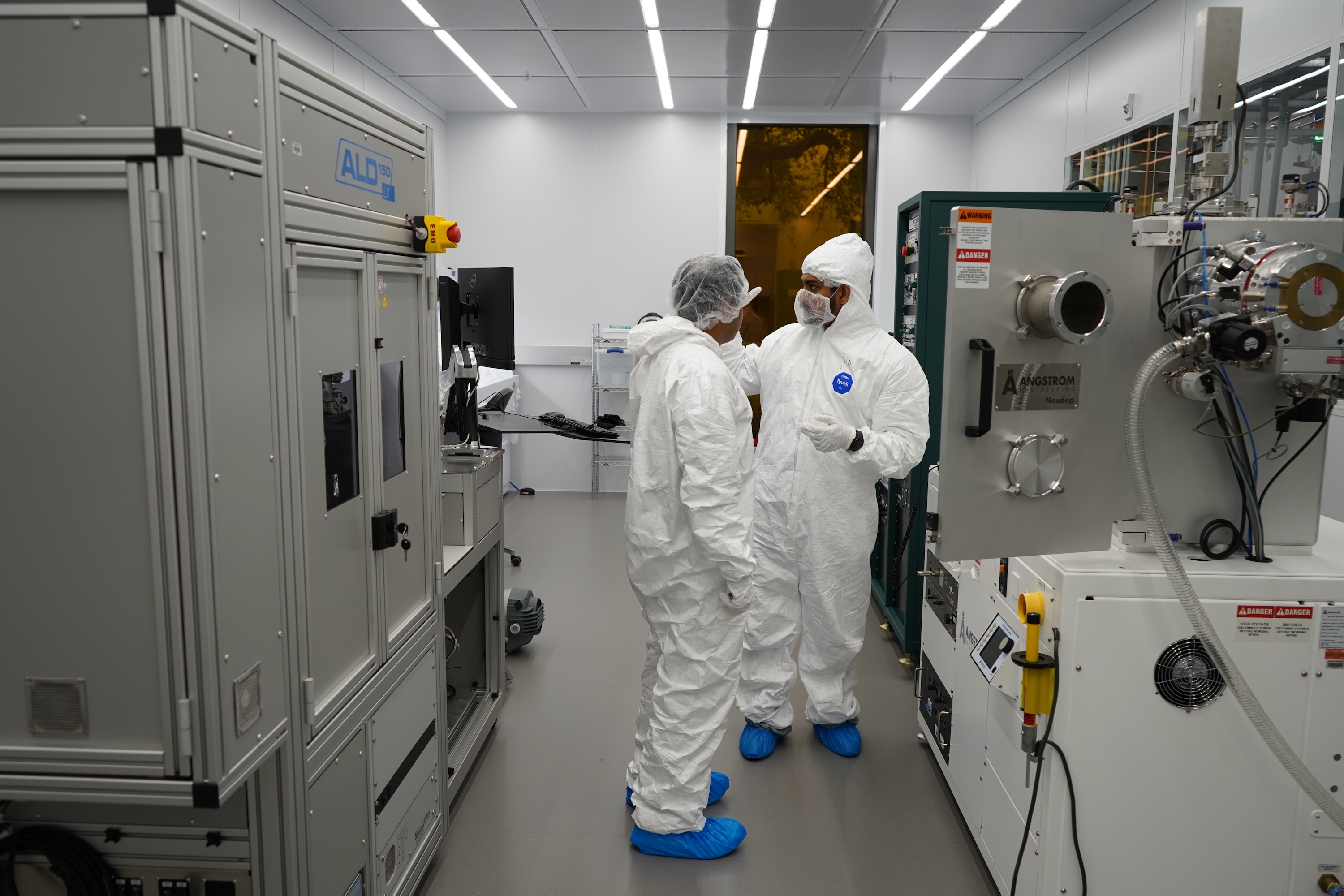
Tulane Instrumentation for Nanoscience & Innovation (TINI) is a university-wide department operating within the School of Science and Engineering for the management of shared research equipment. The TINI laboratory personnel maintain the equipment and assist researchers with method development and data collection. They also train students and researchers in the use of the shared equipment. By having trained professionals who are responsible for its day-to-day operation, the TINI and end-users are assured that instrumentation is being well maintained, necessary supplies are on hand, and consistently reliable data are being generated.
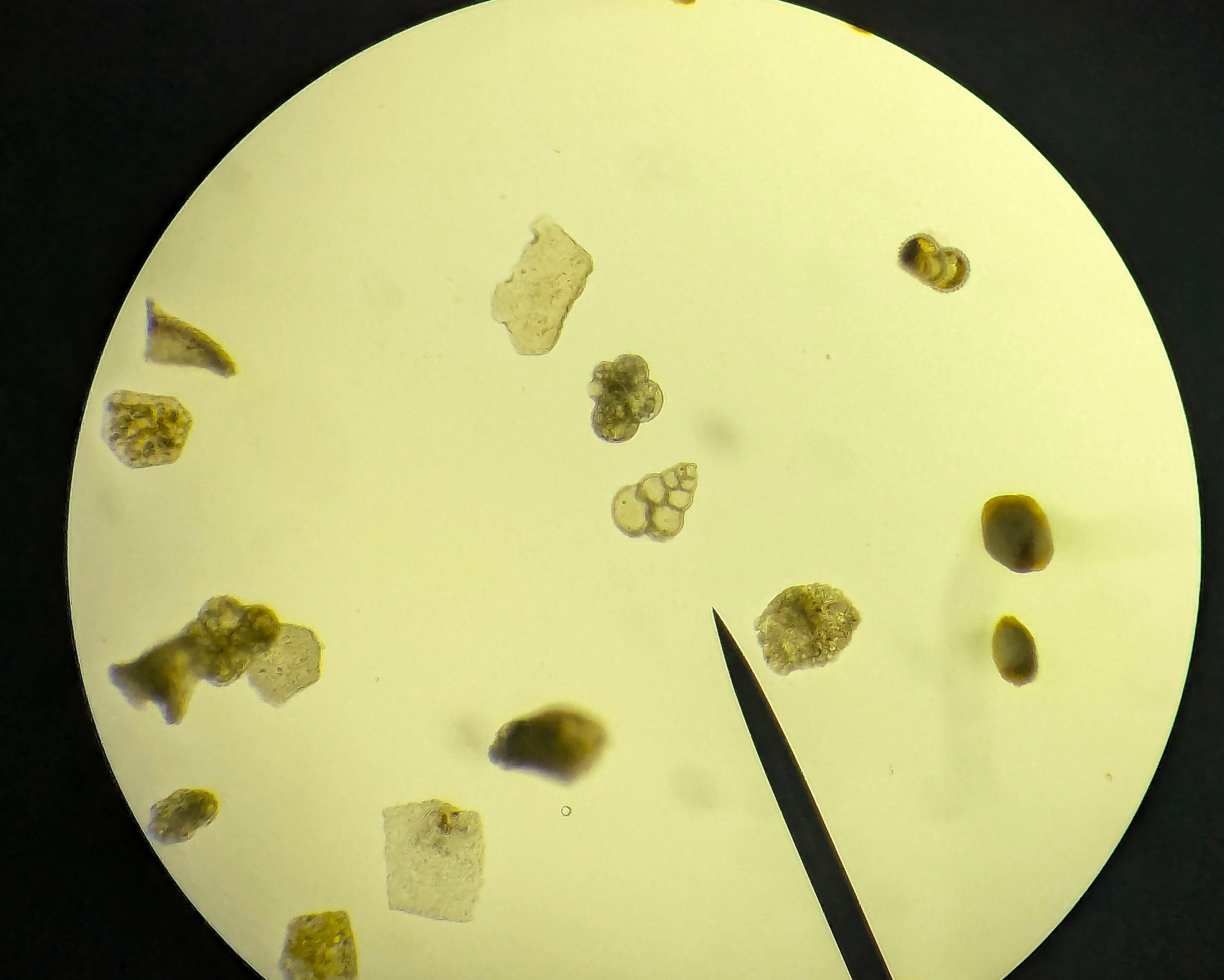
This facility houses a 50-year collection of samples for use in micropaleontology research. Adjunct professor Barry Kohl and Emeritus professor Emily Vokes have undertaken the huge task of identifying, sorting, and organizing these microfossil samples, which are now recorded in the Tulane Fossil Localities Index. The samples from Mexico intrigued Dr. Kohl so much that he decided to do his Ph.D. dissertation on early Pliocene Benthic Foraminifers and traveled to the Salina Basin in Mexico many times to collect outcrop material for his research. Emily and her husband, Harold, collected outcrop samples worldwide and published extensively on mollusks.
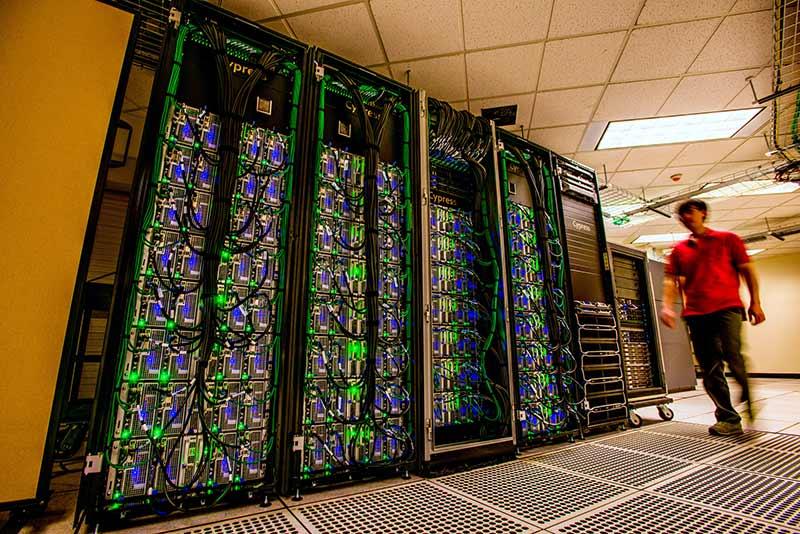
Cypress is Tulane University’s supercomputer that is capable of processing massive quantities of data for faculty and their research groups. According to Carl Baribault, a computational scientist in Information Technology and a Cypress user, a supercomputer offers high-performance computing (HPC) using parallel processing, which allows it to process calculations much faster than a traditional computer. Baribault and his colleague, Hideki Fujioka, have hosted Cypress workshops for interested researchers. Cypress accounts are available to any Tulanian, but they must be associated with a Tulane faculty member who is the principal investigator of a research group. Some knowledge of basic Linux commands is required in order to create and manipulate files and directories.
Local and National Resources
Research Opportunities
A wide range of opportunities exist for undergraduate research. All of our faculty have supervised undergrad research projects, including recent Honors theses and Independent Studies. Topics spanning all of our faculty’s research are worked on by undergraduate researchers. Many of our students present their research at local, regional and national conferences, as well as participate in field work. Contact any faculty member about research opportunities they may have and consult with your major advisor about potential coursework credit.
The department is able to supply limited funds to support undergraduate research projects. Students apply for these funds by submitting a short proposal to the Chair (kmstraub@tulane.edu) detailing what the research encompasses, why the funding is needed, and how it will be used.
The Earth and Environmental Sciences (EES) department at Tulane University is recruiting graduate students for Fall 2027 for a range of projects. All accepted PhD students will be supported with a tuition waiver and stipend associated with a combination of research or teaching assistantships and fellowships. The deadline to submit graduate applications is January 10, 2027. We do not use the GRE for admissions.
The department has 13 faculty members and 20 graduate students. Tulane is in New Orleans – a city with tremendous diversity of cultures and community. Rarely a weekend goes by without a festival, and events like Mardi Gras, Jazz Fest, and French Quarter Fest draw tourists from around the world.
Below is a brief description of currently available research projects. Interested applicants should contact the listed professor for more details on the research. For general questions about the graduate program, contact Dr. Torbjorn Tornqvist (tor@tulane.edu), director of graduate studies in EES.
- Sediment Dynamics and Stratigraphy Lab is searching for a PhD student to work on projects tied to 1) initiation of submarine channels, 2) dynamics of dunes on the continental slope, and 3) propagation of environmental signals across landscapes and into strata. Projects couple lab, numerical, and field work. Please contact Dr. Kyle Straub (kmstraub@tulane.edu) for further details or visit https://www2.tulane.edu/~kmstraub/index.html
- The Quaternary Research Group offers graduate student opportunities for those interested in late Quaternary, present-day, and future coastal evolution. Research focuses on topics like sea-level change, subsidence, delta evolution, and coastal wetland sustainability. Please contact Dr. Torbjörn Törnqvist (tor@tulane.edu) for further details, or visit https://qrg.wp.tulane.edu/.
- The Environmental Biogeochemistry Modeling Group is hiring a PhD student. Possible research directions include: 1) Earth system model development and application for persistent pollutants such as mercury, plastics, and PFAS; 2) Machine learning and AI–driven approaches for environmental modeling and data analysis. Please contact Dr. Yanxu Zhang (yzhang127@tulane.edu) for further details, or visit https://ebmg.tulane.edu/.
If you are interested in working with another professor in our department who isn't listed above, feel free to contact them directly. Other mechanisms for funding may arise later.