
Chemistry Undergraduate Major
Chemistry Undergraduate Major
The Chemistry program at Tulane prepares students for future graduate and professional education with an up-to-date curriculum and a wide variety of research opportunities.
Chemistry can provide the foundation for interesting careers in medicine and the allied health sciences. It is one of a small number of college majors directly associated with industry; the chemical industry is a significant contributor to the US economy. Chemistry provides a strong background for people working in research and development in a broad range of areas—from plastics to foodstuffs to modern materials used in housing, transportation, and computer technology. The science of chemistry is highly interdisciplinary; virtually all the sciences, from geology to environmental science to cellular biology, are taught at the molecular level.
The Chemistry curriculum combines broad-based training in the major areas of chemistry (biochemistry, inorganic, organic, and physical) with a firm foundation in mathematics and physics.

What You'll Learn
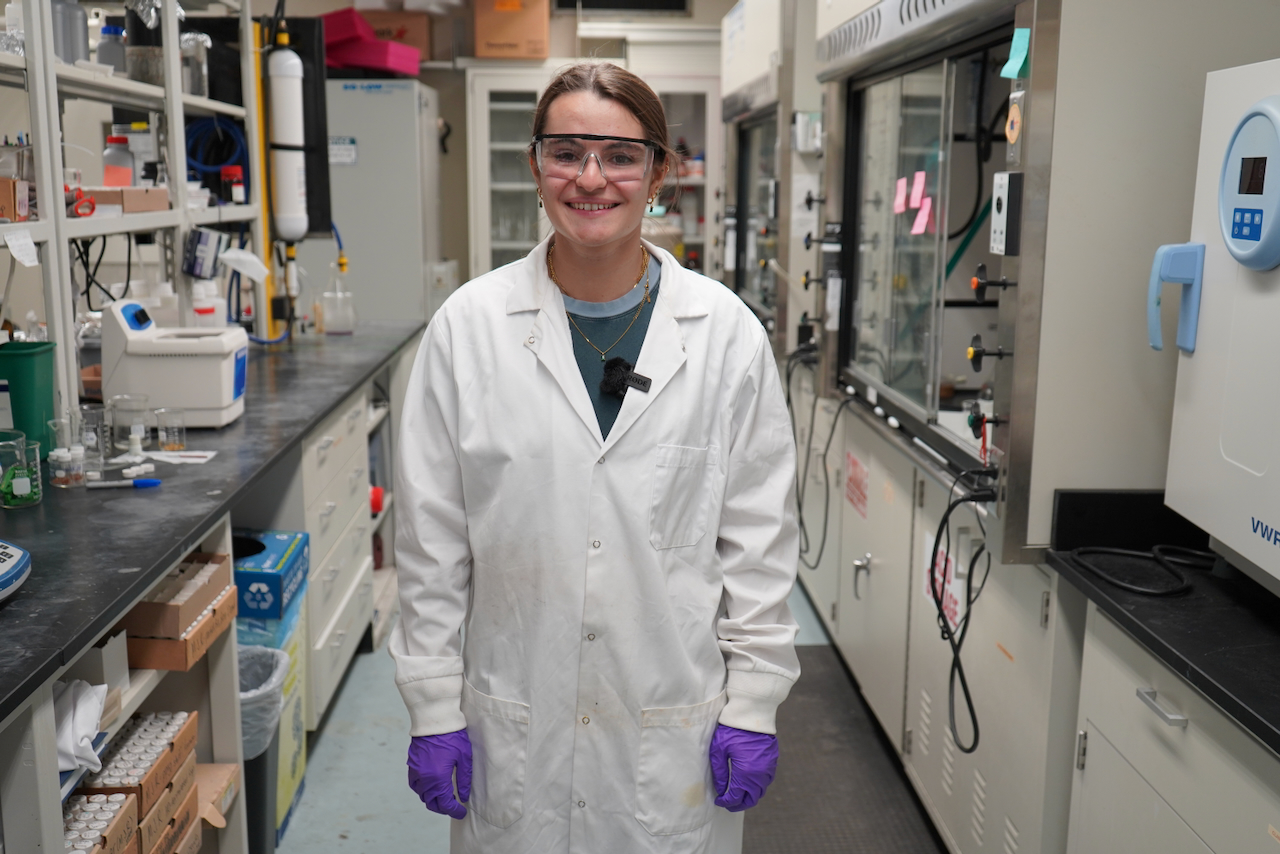
Tulane's Chemistry curriculum builds broad, rigorous training across the four core areas of the field — biochemistry, inorganic, organic, and physical chemistry — on top of a solid foundation in math and physics. Coursework spans everything from general and organic chemistry through physical chemistry, inorganic chemistry, and instrumental analysis, giving students both the theoretical grounding and the hands-on lab skills to work at the molecular level across disciplines.
Career Outlook
A chemistry degree opens doors across a striking range of fields. It provides a strong foundation for careers in medicine and the allied health sciences, and as one of the few majors tied directly to industry, connects graduates to a chemical sector that plays a major role in the US economy. Beyond direct industry roles, the degree also prepares graduates for research and development work spanning plastics, food science, and the materials used in housing, transportation, and computer technology — reflecting how deeply chemistry's molecular-level thinking cuts across other sciences.
Meet Our Faculty
Chemistry faculty bring active, hands-on research programs into the classroom, mentoring students through rigorous coursework while opening doors to real lab experience. Their expertise spans the full breadth of the discipline — from enzymology and organic synthesis to quantum chemistry and photochemistry — giving students direct exposure to cutting-edge research well before graduate school.
Curriculum Requirements
Students majoring in chemistry must satisfy the general requirements of the B.S. curriculum as well as the required courses in Chemistry. Elective courses may be selected from the list of Chemistry courses above the 1000-level. Alternatively, students may petition the Chemistry Department for approval of other (non-Chemistry) courses. If the course is not from Chemistry, it must be a course where the methods or concepts are relevant to chemistry. Students intending to pursue graduate work in chemistry or in an allied interdisciplinary graduate program are advised to select advanced chemistry courses, including 4010 and/or 4020. Close consultation with their department advisors will help to assure development of a program that can be recommended for graduate work.
Students pursuing this bachelor’s degree must earn a minimum of 30 credit hours in the Newcomb-Tulane College core curriculum, 120 credit hours in their degree and a minimum cumulative grade point average of 2.000.
Research
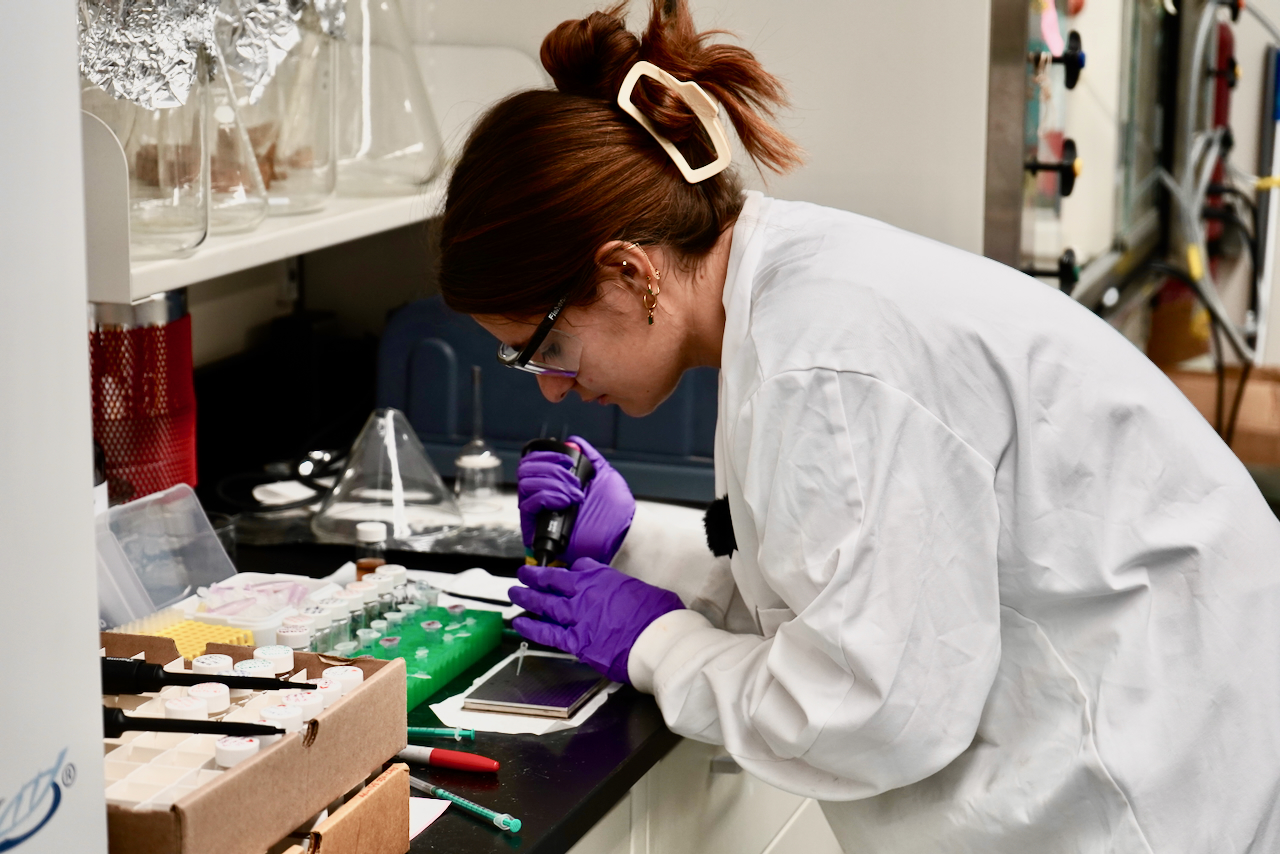
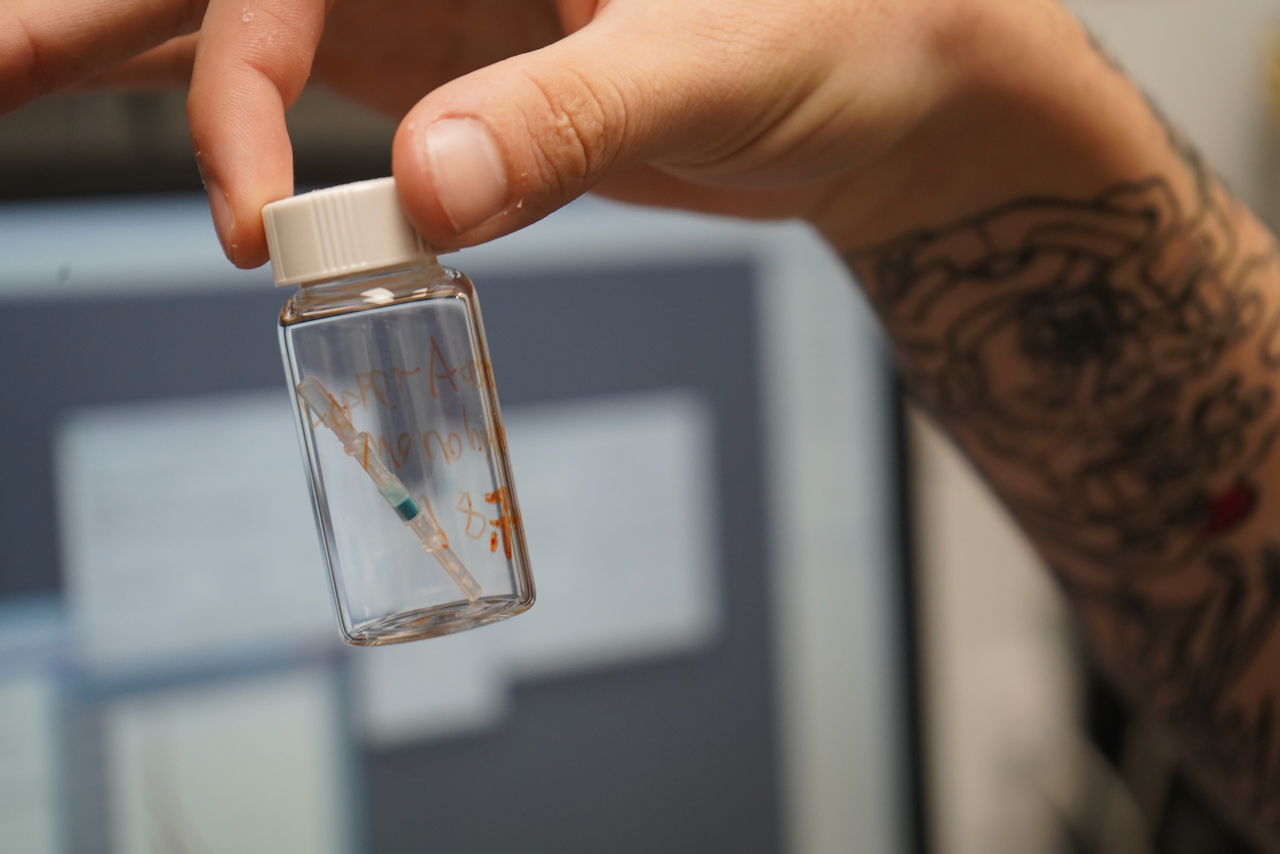
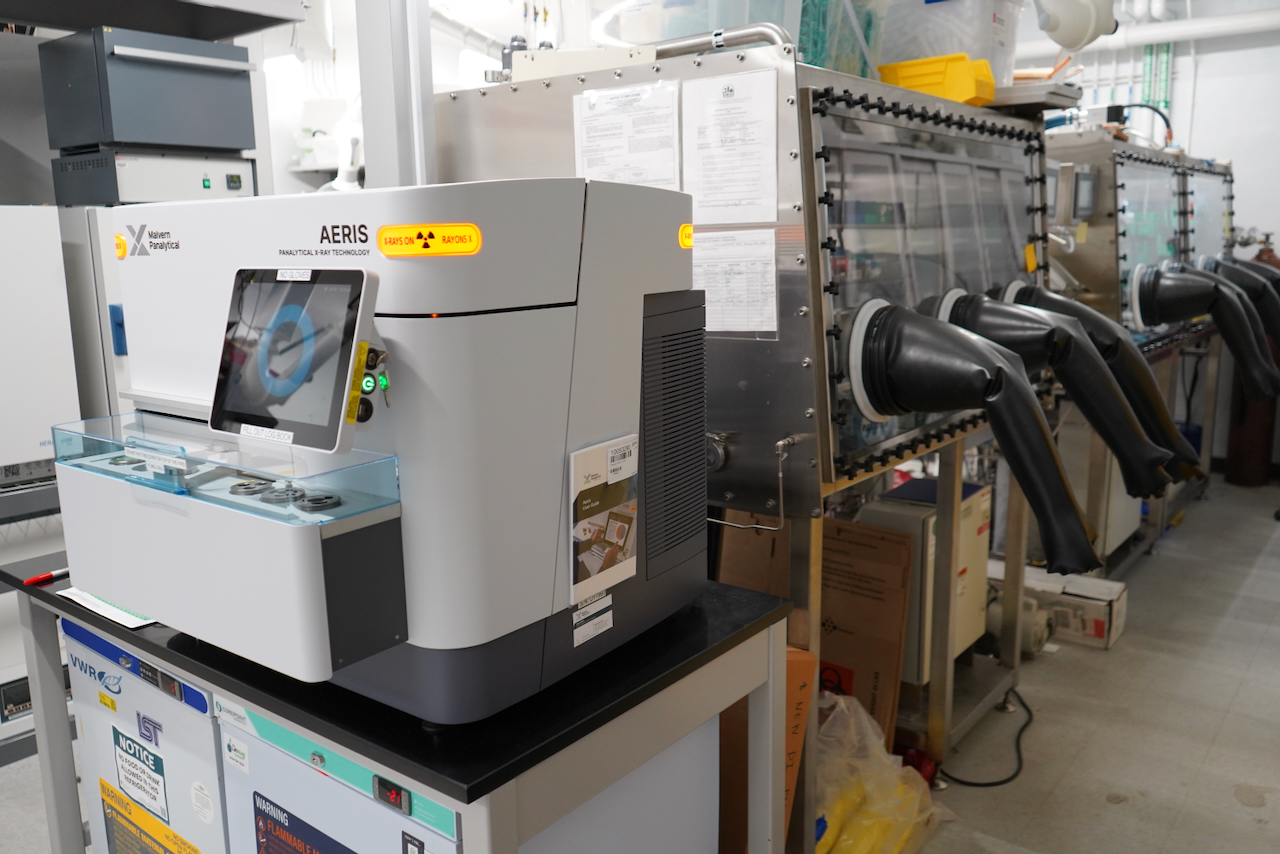
Whether you intend to go to medical school, graduate school, or begin your career without further training, undergraduate research has multiple benefits. You will find it to be highly rewarding and enriching. You will learn about yourself, and learn a wide range of skills necessary for performing cutting-edge research; including practical, literature searching, and writing and communication skills. You’ll also make new friends, both in the form of fellow undergraduate researchers, as well as graduate students and post-doctoral researchers. Importantly, undergraduate research will also strengthen your CV for the next chapter of your life. Irrespective of whether you intend to go to medical school, graduate school, or move directly into industry, search/hiring committees are always enthusiastic about a candidate’s undergraduate research experience, and with it, the possibility of your work being published in the chemical literature.
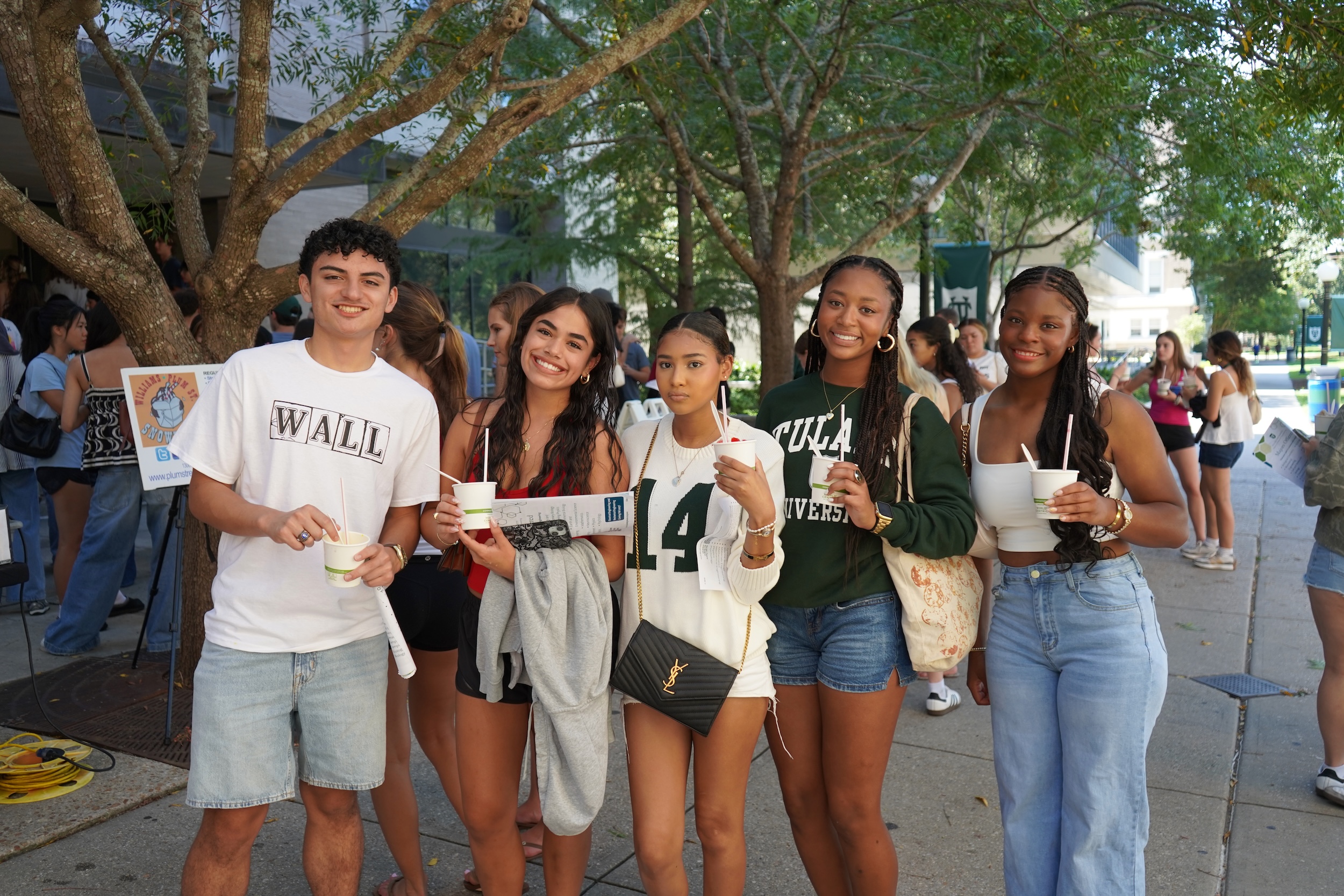
Learn more about the admissions process or apply now!
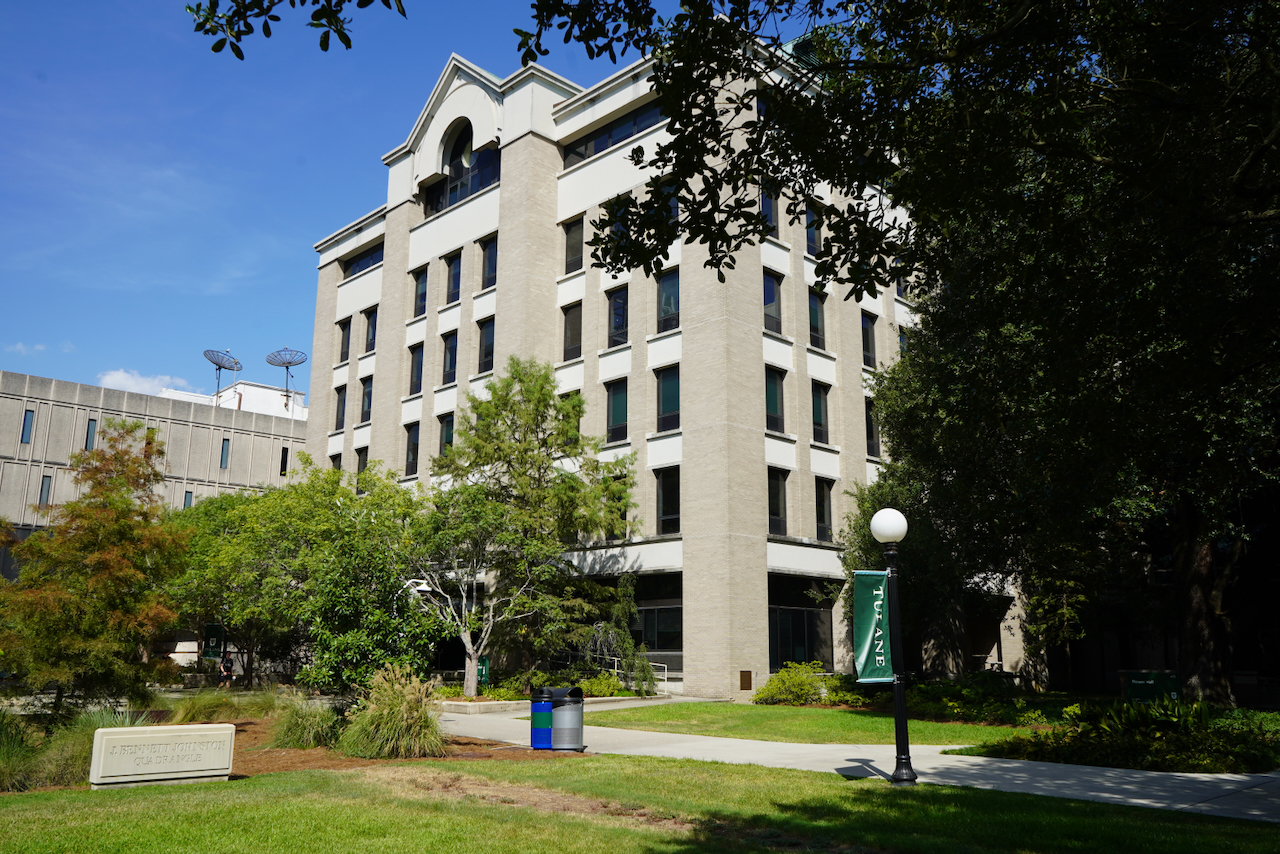
Find full tuition information and the financial aid process.
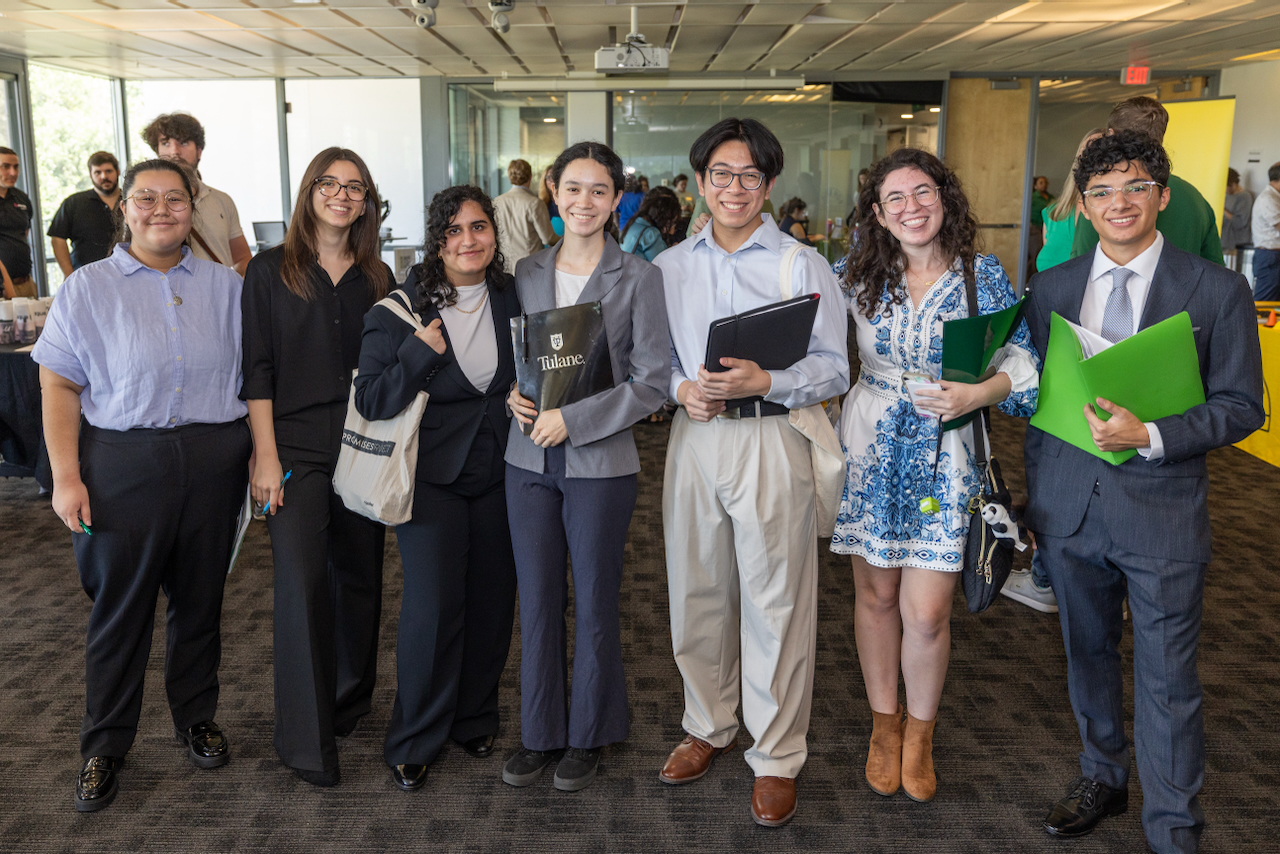
Get to know what makes this place a launchpad for the next generation of scientists and engineers.
FAQs
Chemistry is the study of matter at the molecular and atomic level — how substances are structured, how they interact, and how they transform into new materials and compounds. It's a deeply interdisciplinary science that underpins fields from medicine and materials engineering to environmental science and biology, making it one of the few majors directly tied to a major segment of the global economy.
Requesting Transfer Credit
To be considered for credit, the following criteria must be met:
- The department must be ACS certified. (ACS List of Approved Schools)
- The course must last a minimum of five weeks at the host institution.
- The course must be comparable in content to the Tulane course.
- The course must be offered on the semester system.
- Labs must meet in person.
The following materials must be provided when requesting approval:
- Completed Transfer Request Checklist
- Transfer Credit Form from the Academic Advising Center - Complete "Course Information as it will appear on official transcript" section
- Course description from the course catalog
- Current summer school syllabus (Must show dates of course)
- List of experiments done in the labs (If requesting lab credit)
- Documentation of the actual summer dates of the course (if not listed elsewhere)
Transfer Request Checklist
All transfer credit requests must be emailed to chemrequests@tulane.edu*
This cover sheet MUST be completed and submitted with all transfer credit requests before they will be reviewed. Incomplete requests with missing materials will not be reviewed.
Download Transfer Request Check List
For further information or transfer credit approvals, contact Professor Mark Sulkes.
*It is the responsibility of the student to check on the status of transfer credit requests.
Credit By Exam
The Department of Chemistry offers the option for students to take a standardized test in order to receive credit for chemistry. Tests are offered for General Chemistry and Organic Chemistry. Students must score in the 70th percentile or greater to qualify for credit.
This option is available for students wishing to receive credit for the General Chemistry sequence (CHEM 1070/1075 and CHEM 1080/1085) or the Organic Chemistry sequence (CHEM 2410/2415 and CHEM 2420/2415).
For more information about this option, please contact Jessica Stephenson.
To declare a major or minor in Chemistry, please fill out a major/minor declaration form. Once completed, please email the form to chemistry@tulane.edu.
For more information on how to declare a major or minor, please click here.
There are many opportunities for highly motivated undergraduates to perform research in the Department of Chemistry. The two main mechanisms for undergraduate research are: 1) Independent Studies, completed for course credit, and; 2) funded, non-credit, based research. More details are given below.
To find research opportunities, you should begin by reviewing the current research projects of the Chemistry faculty . Subsequently, make direct inquiries with the faculty member(s) whose research most closely matches yours. Note that a singular email is not always effective in reaching out to faculty, so do not hesitate to send a follow-up email, or better still, knock on doors and ask if you can make an appointment to talk about the possibilities.
The most common mechanism by which undergraduates gain research experience is through earning Independent Study credit. Students register for Independent Study in the Chemistry Department after discussing the details of the research, time commitment, responsibilities, etc. with the faculty member. Scheduling with the faculty member and the group member you’ll be working with are key here. Independent study can be taken for up to 6 A-F graded credits. Additional credits can also be earned by signing up for S/U graded credits.
Level of effort: Each credit awarded represents:
1 credit – Study/Research time must be an average of 3 to 5 hours a week.
2 credits – Study/Research time must be an average of 6 to 9 hours a week.
3 credits – Study/Research time must be an average of 10 to 12 hours a week.
For the Biological Chemistry major, the independent study can count to fulfill major credit. Check with your major advisor if you are not sure. The Department of Chemistry may give credit for research performed with other faculty (e.g., at the medical school), so check with your major advisor to see what your options are.
Chemistry Major Advisor: Dr. Mark Sulkes
Biological Chemistry Major Advisor: Dr. Mallory Cortez
Registration for Independent Study
Fill out the independent study form with your faculty research advisor. If you are working in a non-Tulane laboratory, you will need to have your Biological Chemistry major advisor sign on as your instructor of record, who will be in contact with your research supervisor about your progress. The title of the independent study is limited to 30 characters (including spaces). This will be the name that appears on your official transcript and should be descriptive of your research project. Once the form is completed and signed by both you and your supervisor (and major advisor, if needed), email it to the Chemistry Department Administrator, Jessica Stephenson.
Once emailed, you will be registered for the course by the department. When you are registered for the course, you will receive an email from the department, notifying you that your independent study research has been added to your schedule.
In addition to the Independent Study mechanism, a variety of funding opportunities may allow a student to carry our paid undergraduate research. Paid research — either an hourly wage or a stipend — can be carried out during the semester, but is more typically secured for the summer months; allowing the student to stay in New Orleans during that time. The most common funding source is the faculty member themselves. However, this is dependent on whether, at the time of asking, a faculty member has secured appropriate external support. Beyond faculty supported research, Tulane and the State of Louisiana offer a number of mechanisms by which a student can secure funds for research. Click on the following links for more information:
Tulane Internal Student Research Funding
Newcomb Tulane College Grant Funding
Center for Engaged Learning & Teaching Research Funding
Table of Student Grant Opportunities
External Research Funding
Contact Us
In Person
The Chemistry departmental office is located in 2015 Percival Stern Hall, and the research labs and faculty offices on the 5th and 4th floors of Stern Hall.
By Mail
2015 Percival Stern Hall
6400 Freret St.
Tulane University
New Orleans, LA 70118
By Phone
Phone: (504) 865-5573
Fax: (504) 865-5596
By Email
For financial, personnel, payroll, undergraduate registration, website updates contact Jessica Stephenson, jsteph3@tulane.edu