
Master's Degree in Psychological Science
The Department of Psychology offers an accelerated terminal Master of Science (MS) degree in Psychological Science, with both non-thesis (course-based) and thesis tracks. The thesis track is only available as a 4+1 program for students who earned their baccalaureate degree at Tulane.
The terminal MS program in Psychological Science provides qualified students with graduate training in psychology. The goal of the program is to prepare students for their next step of graduate training (e.g., doctoral program, medical school, law school) or entry into the workforce. Most students who apply to the terminal MS program in Psychological Science are interested in obtaining a broad background in psychology at the graduate level (or they may be interested in a specific area such as social psychology or developmental psychology).

4+1 Accelerated Master's Program
Current Tulane undergraduate students can earn this M.S. degree with just one additional year of study. This accelerated program allows you to count graduate-level courses toward both your B.S. and M.S. degrees, providing a fast track to an advanced credential.

What You'll Learn
In this program, you'll develop comprehensive expertise in psychological science through rigorous graduate-level coursework in research methods, statistics, and core areas of psychology. You'll gain deep understanding of the biological underpinnings of behavior, social and cultural psychology, and developmental psychology, learning to apply scientific methods to understand human behavior and mental processes. The program emphasizes both theoretical knowledge and practical research skills, preparing you to critically evaluate psychological research, design empirical investigations, and communicate findings to professional audiences. Whether pursuing the thesis or non-thesis track, you'll develop the analytical, methodological, and professional skills essential for advanced careers in research, clinical practice, academia, or applied psychology.
Research
Research opportunities in the Psychological Science MS program allow you to engage in original investigations under faculty mentorship. Students pursuing the thesis track conduct empirical research in their chosen area of psychology, working closely with faculty advisors to design and execute investigations that contribute new knowledge to the field. Faculty research spans diverse areas of psychological science, including cognitive neuroscience, social psychology, developmental psychology, behavioral endocrinology, and psychopharmacology. Even students in the non-thesis track can engage in research through coursework and independent projects, gaining hands-on experience in research design and methodology. Through thesis research or coursework-based investigations, you'll develop the critical thinking, methodological rigor, and communication skills essential for advanced careers in psychological research, clinical practice, and applied psychology.
Meet Our Faculty
Our psychology faculty are accomplished researchers and educators with expertise spanning cognitive neuroscience, social psychology, developmental psychology, behavioral endocrinology, and other core areas of psychological science. Faculty members are actively engaged in research investigating fundamental questions about human behavior, cognition, and development, and are committed to mentoring graduate students through personalized course planning and research guidance. They foster an environment that emphasizes scientific rigor, critical thinking, and professional development, providing close mentorship whether you're pursuing coursework or conducting original research. Our faculty create opportunities for students to engage in meaningful research while developing the professional skills—including scientific communication, collaboration, and ethical practice—essential for success in psychology.
Curriculum Requirements
The 30-credit-hour Psychological Science MS program offers three flexible tracks tailored to different student backgrounds and career goals. The Thesis Track (for Tulane alumni) combines 24 credits of coursework with 6 credits of empirical master's thesis research, allowing you to conduct original investigations under faculty supervision. The Non-Thesis Track for 4+1 students (Tulane and Xavier alumni) consists of 30 credits of coursework across 10 graduate courses, with an average completion time of 9 months for coursework-only students. The Accelerated 1.5-Year Non-Thesis Track for external applicants requires a bachelor's degree in psychology and a 3.4+ undergraduate GPA. All tracks require foundational coursework in statistics and research methods, at least 3 credits each in biological underpinnings of behavior and social/cultural/developmental psychology, and the Professional Issues for MS Students seminar. All courses must be completed with a B- or higher grade, and the cumulative GPA must exceed 3.0.



Career Benefits and Pathways
Since its inception in 2002, 79 students have graduated from the MS program in Psychological Science: 46 students (58%) completed the non-thesis track, and 33 students (42%) completed the thesis track. Forty-seven percent of graduates in Psychological Science entered the workforce following completion of the MS degree; 29% entered doctoral programs (e.g., in clinical, counseling, developmental, industrial/organizational, quantitative, school, and social psychology); 10% entered medical school; 8% pursued an additional master’s degree (e.g., counseling, I/O, social work); and 6% entered law school. Our graduates and career trajectories after the MS degree are detailed in the “Program Alumni” section at the bottom of this webpage.
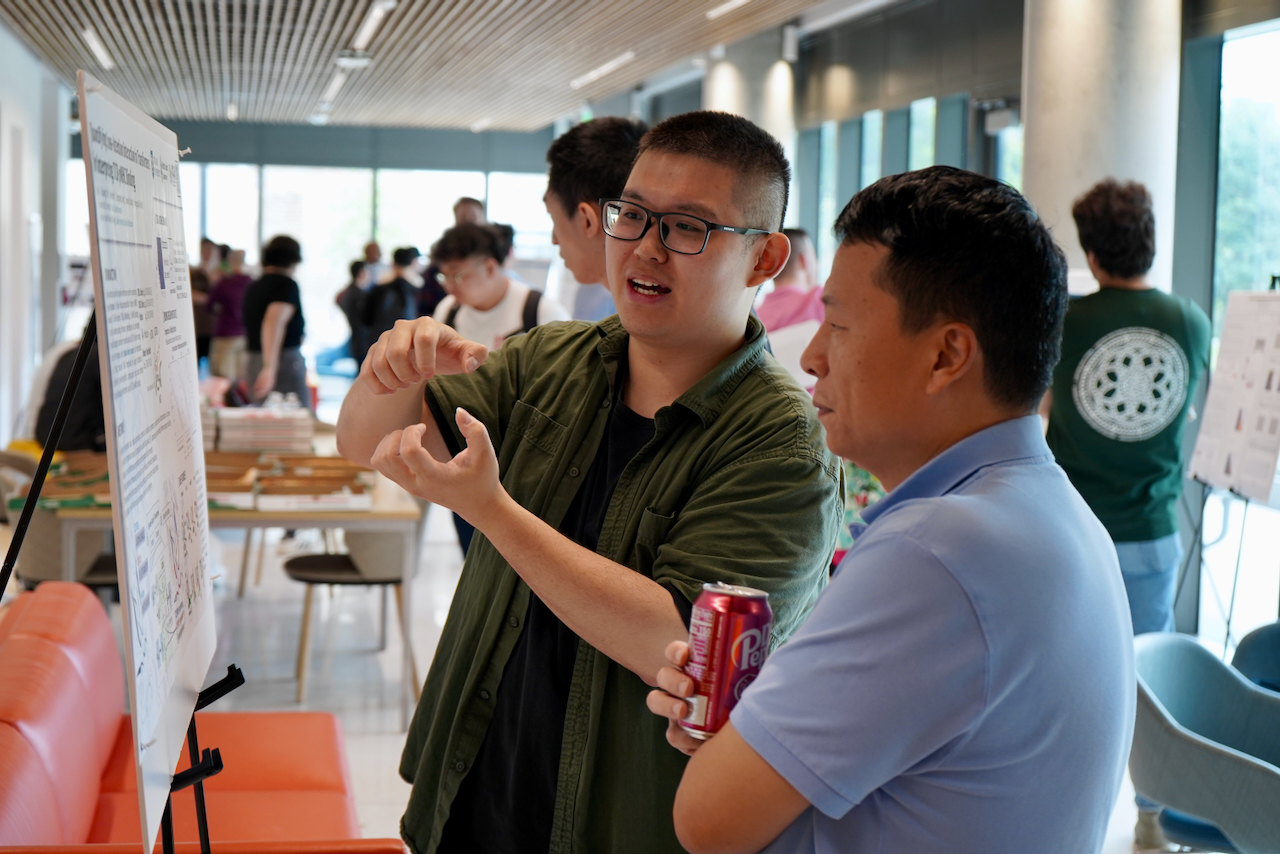
Learn more about the admissions process or apply now!
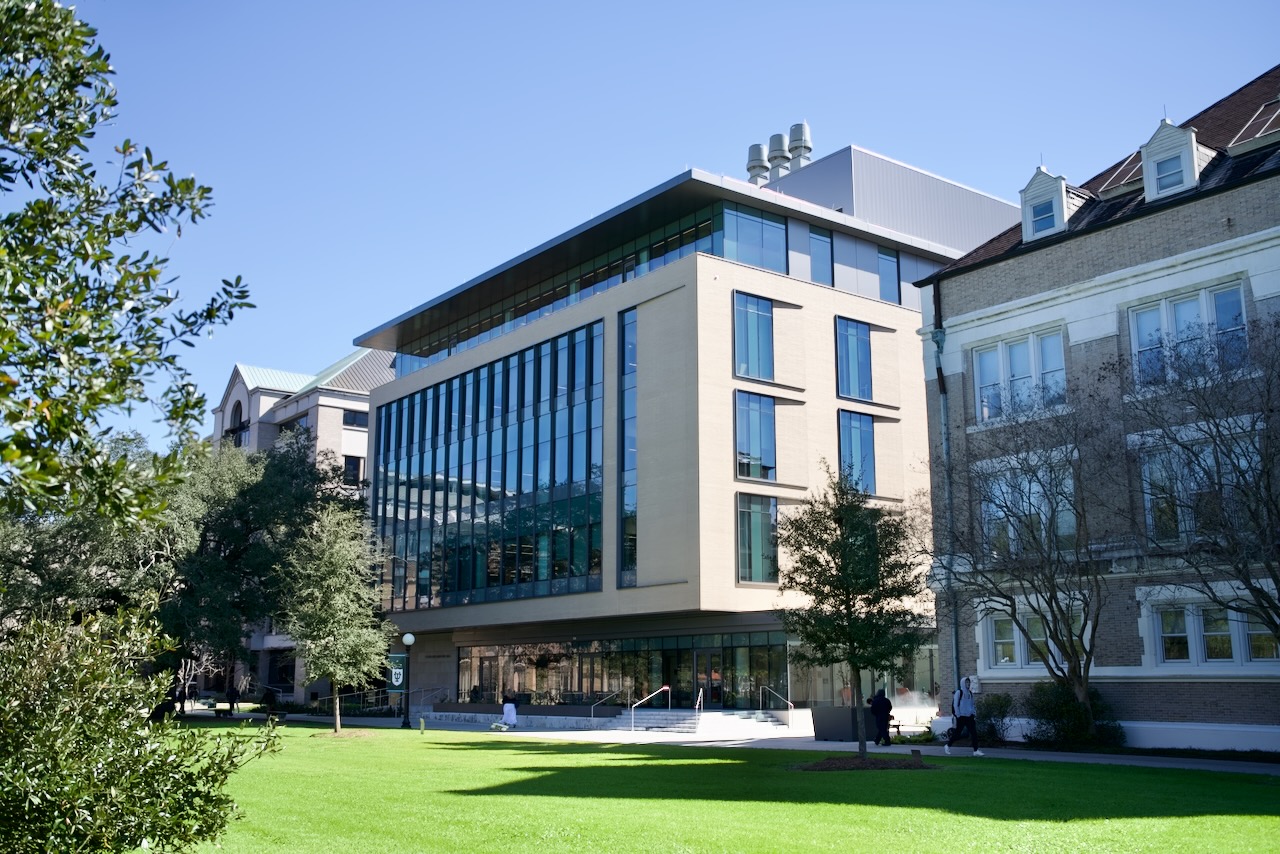
Find full tuition information and the financial aid process.
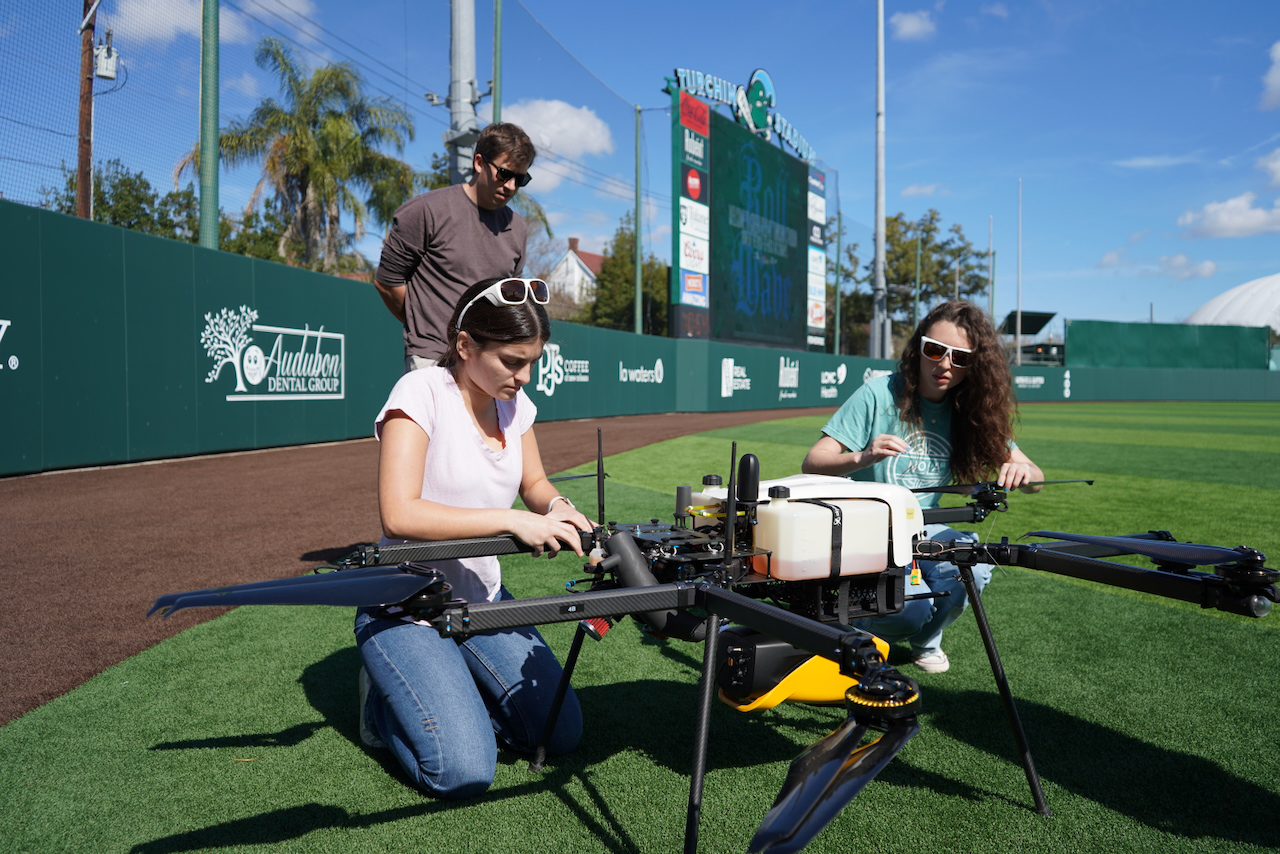
Get to know what makes this place a launchpad for the next generation of scientists and engineers.
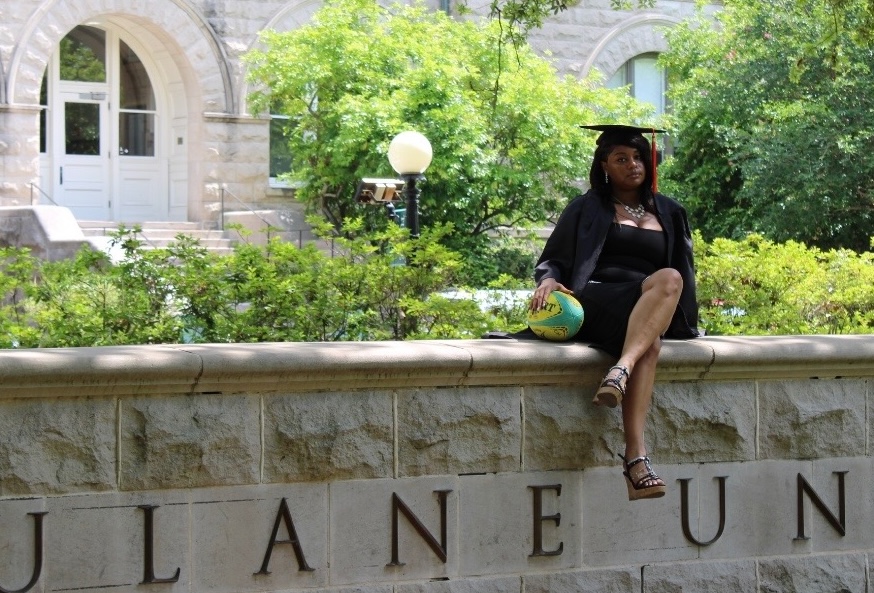
"The 4+1 Master’s program is both challenging and rewarding, and if you are passionate about your field, it will help you hone your skills while introducing you to concepts that will be useful in whatever step you take next."
FAQs
Psychological science is the empirical study of human behavior and mental processes, using rigorous scientific methods to understand how people think, feel, and act across the lifespan and in diverse contexts. It integrates knowledge from biology, neuroscience, social science, and other disciplines to investigate fundamental questions about cognition, emotion, development, and behavior, with applications ranging from clinical treatment to organizational effectiveness and public policy.
All students admitted to the terminal MS Program in Psychological Science will be assigned an advisor to ensure that each student’s uniquely tailored curriculum satisfies degree requirements, as well as the student’s own academic goals. Students admitted to the Non-Thesis track will be advised by the Director of Master's Programs, Dr. Janet Ruscher. Students admitted to the Thesis Track will be advised by their thesis director. The thesis advisor will provide guidance in the selection of courses appropriate to your interests and in all aspects of the master’s thesis research. The checklists included in the “Resources” sections above, which highlight the requirements of each track, should be helpful in planning your curriculum with your advisor.
The MS degree 30 graduate credit hours and provides a broad background in the theories and methods of Psychology at the graduate level. The average completion time for a coursework-only MS is 9 months (i.e., almost all students can finish the coursework in two semesters if they complete two graduate courses during their senior year). On occasion, Tulane alumni with significant undergraduate psychology research experience may complete an empirical thesis in lieu of two electives.
Note: The requirements for the MS degree must be completed within two years after entering the master’s program. Students who fail to meet the two-year deadline will be recommended for dismissal.
Courses must include:
-PSYC 6090 Univariate Statistics I
-An additional 3-credit course in statistics or methodology (eligible courses include: PSYC 6110 Univariate Statistics II, PSYC 6100 Research Methods in Behavioral Health, Psychometrics, or Qualitative Research Methods in Behavioral Health)
-3 credits in each of the distribution areas (i.e., 3 credits in the biological underpinnings of behavior and 3 credits in social, cultural, and developmental psychology)
-PSYC 6230 Professional Issues for MS Students
-No more than 3 credits of independent study in Psychology or special topics graduate course
-No more than one graduate course outside psychology (which must be approved by the Department of Psychology’s MS Education Committee)
Additional Information:
-Up to 6 graduate credit hours (6000-level or higher; grade of B or higher) may count toward the bachelor’s degree and the master’s degree. Students must complete the School of Science and Engineering (SSE) 4+1 MS Dual Credit Approval Form during the first semester of their +1 year: https://sse.tulane.edu/academics/graduate/forms-policies. The form cannot be processed until after the student's bachelor's degree has posted to their academic record and they have officially started the first semester of the MS program.
-Up to 6 additional graduate credit hours taken as an overload during undergraduate study (i.e., above the minimum 120 credit hours required to graduate) may be applied toward the MS degree. If students opt to take more than 6 graduate credits in psychology during undergraduate study for the purpose of applying these additional graduate credits to a future MS degree, they must notify the Psychology Senior Program Coordinator
(Email: psych@tulane.edu) PRIOR to the conferral of their undergraduate degree.
It is expected that applicants to the non-thesis track will complete some coursework toward the MS (typically two graduate courses) during their senior year.
Overview
On occasion, Tulane alumni may conduct an empirical MS thesis under the direction of a full-time tenure-stream faculty member in psychology. (In some instances, adjunct faculty, professors of practice, or research faculty may serve as co-directors). Admission to this track requires the agreement of the faculty member at the time of application; students pursuing a thesis have conducted an honors thesis with that faculty member and/or conducted research with that faculty member for at least 2 semesters.
The thesis track requires 30 graduate credit hours consisting of eight graduate courses (24 credits) plus the thesis (3 credits of graded PSYC 6610 Independent Study first semester of +1 year and 3 credits of graded PSYC 9980 Master’s Thesis Research second semester of +1 year). The Independent Study and Master's Thesis Research credits are in lieu of elective courses; students must complete the other curricular requirements of their degree.
The average completion time for the thesis track is 12 months (i.e., students often defend their theses during the summer for the August degree). Students who pursue the thesis track are strongly encouraged to defend and submit the master’s thesis to the School of Science and Engineering (SSE) within one year after entering the program. However, the master’s thesis must be defended and submitted in final form to SSE within two years after entering the program. Students who fail to meet the two-year deadline will be recommended for dismissal from the program.
The curriculum is flexible and specific to each individual student. The thesis advisor will provide guidance in the selection of courses appropriate to each student's unique interests and in all aspects of the master’s thesis.
Required Courses Include:
-PSYC 6090 Univariate Statistics I
-An additional 3-credit course in statistics or methodology (eligible courses include: PSYC 6110 Univariate Statistics II, PSYC 6100 Research Methods in Behavioral Health, Psychometrics, or Qualitative Research Methods in Behavioral Health)
-3 credits in each of the distribution areas (i.e., 3 credits in the biological underpinnings of behavior and 3 credits in social, cultural, and developmental psychology)
-PSYC 6230 Professional Issues for MS Students
Additional Information:
-Up to 6 graduate credit hours (6000-level or higher; grade of B or higher) may count toward the bachelor’s degree and the master’s degree. Students must complete the School of Science and Engineering (SSE) 4+1 MS Dual Credit Approval Form during the first semester of their +1 year: https://sse.tulane.edu/academics/graduate/forms-policies. The form cannot be processed until after the student's bachelor's degree has posted to their academic record and they have officially started the first semester of the MS program.
-Also, up to 6 additional graduate credit hours taken as an overload during undergraduate study (i.e., above the minimum 120 credit hours required to graduate) may be applied toward the MS degree. If students opt to take more than 6 graduate credits in psychology during undergraduate study for the purpose of applying these additional graduate credits to a future MS degree, they must notify the Psychology Senior Program Coordinator (Email: psych@tulane.edu) PRIOR to the conferral of their undergraduate degree.
-It is expected that applicants to the thesis track will complete some coursework toward the MS (typically two graduate courses) during their senior year at Tulane.
Thesis Committee and Prospectus
Master’s thesis research is the central element of the terminal MS Thesis Track. The thesis is an extension of research conducted at the undergraduate level and tied closely to the research advisor’s interests and expertise. A student conducting a thesis in partial fulfillment of the terminal MS degree in General Psychology will assemble a thesis committee of three faculty members, two of whom must be full-time faculty members in Tulane’s Department of Psychology. The student will prepare a written thesis prospectus for the committee, not to exceed 5 pages.
The prospectus should describe the specific hypotheses, most relevant literature, proposed methodology and data analysis, and expected outcomes and significance of the project. Within one week after submission of the prospectus to the committee, the student will meet with the full committee for comments and guidance. The prospectus meeting with the thesis committee must occur prior to October 1 of the "+1" year for students entering in August and prior to February 15 of the "+1" year for students entering in January.
Upon completion of the thesis, the committee will read and review the final thesis document and evaluate student performance at a formal thesis defense. The master’s thesis oral defense meeting must be held before: (a) April 15 for May degree, (b) August 5 for August degree, and (c) December 5 for December degree. The final document must be submitted to the School of Science and Engineering (SSE) by the deadlines posted on their website (the exact dates vary from year to year).
The thesis must be defended and submitted in final form to SSE within two years after entering the master’s program. Students who fail to meet the two-year deadline will be recommended for dismissal.
To be competitive for admission, students should meet the following criteria:
-Baccalaureate degree from Tulane or Xavier University of Louisiana, pending successful completion of requirements
-Undergraduate grade point average of 3.4 or higher
-A letter grade of B or higher earned in PSYC 3090 Univariate Statistics I (Note: the Department of Psychology’s MS Education Committee generally does not offer admission to students who earn less than an A- in 3090)
-The GRE is NOT required for applicants to the 4+1 MS Program in General Psychology
-References: You should obtain two recommendations to provide an assessment of your qualifications for graduate study.
-One of the recommendations must be written by a regular full-time faculty member in Tulane University’s Department of Psychology (refer to the following website for a list of the full-time faculty: https://sse.tulane.edu/psyc/full-time-faculty). The full-time faculty member in Tulane’s Department of Psychology must meet at least one of the following two requirements:
-(a) For applicants to the thesis track (Tulane alumni only), the recommendation must contain a commitment from an assistant, associate, or full professor in Tulane’s Department of Psychology to supervise the thesis research;
-or (b) For applicants to the non-thesis track who completed a psychology graduate course (6000-level or above) during their junior or senior year, the letter must be written by the Tulane faculty member who taught the graduate course.
-The second recommendation may be submitted by a faculty member outside the Department of Psychology, a research supervisor, or a clinical supervisor.
For applicants to the thesis track:
-At least 3 credits of independent empirical research in psychology must have been earned as an undergraduate.
-An assistant, associate, or full professor in Tulane’s Department of Psychology must commit to thesis supervision prior to submitting your application. Note: The thesis track is available only to Tulane alumni.
[Note to referees: in lieu of submitting a letter, you may complete the following one-page terminal MS recommendation form].
This terminal MS program, comprising 30 graduate credit hours, provides a broad background in the theories and methods of Psychology at the graduate level. No thesis is required. External applicants to the accelerated (1.5-year) non-thesis track in General Psychology are expected to complete the 30 graduate credit hours (10 graduate courses) in 3 semesters. [Note: The requirements for the MS degree must be completed within two years after entering the master’s program. Students who fail to meet the two-year deadline will be recommended for dismissal.]
Courses must include:
-PSYC 6090 Univariate Statistics I
-An additional 3-credit course in statistics or methodology (eligible courses include: PSYC 6110 Univariate Statistics II, PSYC 6100 Research Methods in Behavioral Health, Psychometrics, or Qualitative Research Methods in Behavioral Health)
-3 credits in each of the distribution areas (i.e., 3 credits in the biological underpinnings of behavior and 3 credits in social, cultural, and developmental psychology)
-PSYC 6230 Professional Issues for MS Students
-No more than 3 credits from graduate courses outside of Psychology (must be approved by the Department of Psychology’s MS Education Committee)
-No more than 3 credits in a Psychology independent study or special topics graduate course
Additional Information:
-All courses counting towards the 30 credits must have a B- or higher grade. Grades below a B- do not count towards the degree.
-The minimum grade point average calculated over the 30 credits counted toward the degree must be greater than 3.0.
-Completion of the Department of Psychology MS Program Exit Survey is required.
Application for degree and submission of fees to the School of Science and Engineering is required
Applications for the terminal accelerated MS programs are accepted from students who complete a baccalaureate degree in psychology from an accredited university.
To be considered for admission, students must meet the following criteria:
-Undergraduate grade point average of 3.4 or higher
-A letter grade of B or higher earned in an undergraduate psychology statistics course
-Baccalaureate degree from an accredited university
-The GRE is NOT required
-References: External applicants should obtain two letters of recommendation to provide an assessment of their qualifications for graduate study in psychology. One of the two recommendations must be written by a regular full-time faculty member in psychology. The other recommendation may be submitted by a faculty member outside psychology, a research supervisor, or a clinical supervisor.
-English Language Proficiency: All graduate applicants are required to demonstrate English proficiency for admission consideration. This requirement applies to U.S. citizens and Permanent Residents as well as international applicants. If you are admitted, you may also be required to confirm your proficiency upon arrival. There are two ways to meet this English language proficiency requirement: (1) Prior Education – A bachelor’s degree or higher from an accredited university located in the U.S. or another country in which English is both the primary spoken language of daily life and the language of instruction, or at least two years of full-time study at such an institution. If you meet either of these criteria, you are exempt from submitting English proficiency test scores. Please be sure to include such information and transcripts in your application. (2) Exam Score – If you do not meet the criteria in 1, you must certify proficiency in English when you apply. Tulane University accepts the Internet-based Test of English as a Foreign Language (TOEFL iBT) and International English Language Testing System (IELTS) Academic exams. Minimum overall score on TOEFL iBT: 87. Minimum overall band score on IELTS Academic: 7.0.
Note: For students who completed the Thesis Track, the titles of their master’s theses may be found at the following website: https://sse.tulane.edu/psyc/masters-thesis-titles
Jonathan Abrams, MS, Non-Thesis Track, May 2015
User Experience Researcher at Google in San Francisco, CA
Maira Ansari, May 2026
Jonathan Becker, MS, Thesis Track, May 2004
Medical Director, Neuroscience & TMS Treatment Center, Brentwood, TN
Sophia Belay, MS, Thesis Track, May 2004
PhD, Clinical Psychology, University of Connecticut
Ryan Bigelsen, MS, Non-Thesis Track, May 2013
Rheumatology Fellow, Lehigh Valley Health Network, Allentown, PA
Jennifer Braaten, MS, Non-Thesis Track, May 2007
MD, LSUHSC
Ryan Brennan, MS, Non-Thesis Track, May 2018
Senior Research Worker, Columbia University Irving Medical Center, New York, NY
Haley Broughton, MS, Non-Thesis Track, May 2021
Senior Procurement Analyst, Spencer Stuart, Chicago, IL
Christopher Burchett, MS, Thesis Track, December 2012
Quality Assurance Specialist, Epic Systems, Madison, WI
Elizabeth Carey, MS, Thesis Track, May 2008
PhD, School Psychology, Tulane University
Lee Ann Carnes, MS, Thesis Track, 2007
PhD, School Psychology, University of Maryland
Kyla Chenier, MS, Non-Thesis Track, May 2021
MA in Counseling, Northwestern University
Samantha Couch, MS, Non-Thesis Track, May 2014
Employed in Industry, New Orleans LA
Maya Cohen, MS, Thesis Track, August 2020
Student Service Specialist, College of Lake County, Waukegan, IL
Max Daigh, MS, Thesis Track, May 2010
Founder & Chief Educational Consultant, The Harrison Group, New Orleans, LA
Joshua Dillon, MS, Non-Thesis Track, May 2015
MSW, Rutgers University
Lauren Dumont, May 2026
PsyD Adler University
Walden (Mary) Ferrell, MS, Non-Thesis Track, December 2023
Intern and Volunteer Coordinator, Metro Nashville Office of Family Safety, Nashville, TN
Jacob Firestone, MS, Non-Thesis Track, May 2012
PsyD in Clinical Psychology, La Salle University
Riana Gaudet, MS, Thesis Track, May 2021
English Language Assistant, TAPIF - Teaching Assistant Program in France
Phillip Glotser, MS, Non-Thesis Track, May 2007
MD, Louisiana State University School of Medicine in Shreveport
Dhruv Gupta, MS, Non-Thesis Track, May 2013
MD, St George's University School of Medicine
Galen (Jones) Hale, MA, Non-Thesis Track, 2006
Senior Clinical Trial Manager at Jazz Pharmaceuticals
Brooke Hansen, MS, Non-Thesis Track, May 2010
PhD, School Psychology, Oklahoma State University
Briana Hedman, MA, Non-Thesis Track, 2006
PhD, Counseling Psychology, University of Denver
Trenesha Hill, MS, Thesis Track, December 2013
PhD, School Psychology, Tulane University
Lauren Hitt, MS, Thesis Track, August 2008
Partner, Grand Isle Group, New Orleans, LA
Kelly Holmes, MS, Thesis Track, August 2009
PhD, School Psychology, Loyola University Chicago School of Education
Kyle Hucke, MS, Thesis Track, May 2008
PhD, Psychology, Tulane University
Dalisia Hughes, May 2026
Audrey Hwang, MS, Thesis Track, December 2023
Research Coordinator, Switch off Get Active, New Orleans, LA
Ellierose Jackson, MS, Non-Thesis Track, May 2025
Residential Program Coordinator, Glass Half Full
Timothy Jackson, MS, Non-Thesis Track, May 2007
JD, The Ohio State University Moritz College of Law
Yipeng (Lavine) Jin, MS, Non-Thesis Track, May 2024
Justin Kordys, MS, Non-Thesis Track, August 2014
JD, Loyola University Chicago School of Law
Jennifer Kuhn, MS, Thesis Track, August 2008
PhD, Clinical Psychology, Western Michigan University
Sarah Kurash, MS, Non-Thesis Track, May 2015
Human Resources Generalist at Benefit Street Partners in New York, NY
Sahim (Samia) Lalani, MS, Thesis Track, December 2015
Co-Founder and Operations Director, Transform Gender Collective
Alexandra (Roselli) Lamb, MS, Thesis Track, December 2013
JD, Loyola University New Orleans College of Law
Erika Larson, MS, Non-Thesis Track, May 2015
Senior Program Manager III at Aya Healthcare
Emma Lewis, MS, Thesis Track, December 2017
PhD, Human Nutrition/International Health, Johns Hopkins University Bloomberg School of Public Health, Baltimore, MD
Caley Lowe, MS, Thesis Track, December 2023
Acquisition Associate, DevelopNOLA
Meagan Magaldi, MS, Thesis Track, August 2017
JD, University of Florida College of Law
Idan Mark, MS, Thesis Track, December 2014
School Psychology Intern, Tel Aviv
Steven McAfee, MS, Non-Thesis Track, May 2021
Behavior Technician, Reach for the Stars Learning Center, Brooklyn
Luke Mears, MS, Non-Thesis Track, December 2022
Research Associate, Child Mind Institute, New York, NY
Marina Mery, MS, Non-Thesis Track, December 2014
PhD, Industrial/Organizational Psychology, University of Oklahoma
Yamile Molina, MS, Thesis Track, May 2005
PhD, Animal Behavior, University of Washington
Anise Muir, MS, Non-Thesis Track, May 2020
HR with the Federal Government
Matthew Nonnamaker, MS, Non-Thesis Track, May 2015
Team Lead Solutions Consultant, Optimizely, Boston, MA
Irina Parau, MS, General Psychology, May 2024
The Fascia Institute and Treatment Center, Metairie, LA
Cathrine Paul, MS, Non-Thesis Track, May 2021
Melanoma Coordinator, Dermatology Consultants, Newton-Wellesley, Newton Lower Falls, MA
Alexandra Payne, MS, Non-Thesis Track, December 2016
Research Assistant, University of Cape Town, South Africa
Isaac Perkins, MS, Thesis Track, August 2003
MS, Organizational Development and Leadership, Philadelphia College of Osteopathic Medicine
Lauren Peterson, MS, Thesis Track, May 2012
Community Relations Coordinator in Houston, TX
Sarah Podesta, MS, Non-Thesis Track, August 2016
Mathematics Teacher, Discovery Health Sciences Schools, Kenner, LA
Lily Rabinow, MS, Thesis Track, December 2013
MD, UMass Chan Medical School, Worcester, MA
Emily Ramier, MS, Non-Thesis Track, May 2020
Culture & Behavior Consultant, Human Capital Consulting, Deloitte, Canada
Brooke Rappaport, MS, Thesis Track, May 2013
PhD, Counseling Psychology, University of Georgia
Ramal Rauf, MS, Thesis Track, December 2023
School Psychology PhD Program, Tulane University
Elizabeth (Ellie) Rauschmayer, MS, Non-Thesis Track, May 2025
Jacquelyn (Jackie) Reeb, MS, Non-Thesis Track, May 2021
Medical Student, Tulane School of Medicine
Annabelle Reese, MS, Thesis Track, December 2022
Quantitative Psychology PhD Program, University of South Carolina
Nicole Renke, MS, Non-Thesis Track, May 2017
Product Manager, Illumina, San Diego, CA
Nicole (Simoes) Repp, MA, Non-Thesis Track, 2006
Senior Director of College and Career Counseling, Excel Academy Charter School, Boston, MA
Anisah Sahibul, MS, Non-Thesis Track, May 2022
Laboratory Research Technician, Tulane University
Erica Salutric, MS, Non-Thesis Track, December 2022
Interior Design, Philadelphia, PA
Christine Sassane, MS, Thesis Track, 2010
JD, Temple University
Iina Savolainen, MS, Non-Thesis Track, December 2016
Doctor of Social Science, Social Psychology, Tampere University, Finland
Samantha Siegel, MS, Thesis Track, May 2004
Licensed Professional Counselor, Masters of Education in Counseling from the University of North Texas in Denton, TX
Brad Silk, MS, Non-Thesis Track, May 2019
Reporting Analyst, Headspace, Boston, MA
Carly Silvers, MS, Non-Thesis Track, May 2019
Certified Child Life Specialist, Ann & Robert H. Lurie Children's Hospital of Chicago
Evan Smith, MS, Non-Thesis Track, May 2009
PhD in Clinical Psychology, Nova Southeastern University
Ariel Blue Stevenson, MS, Non-Thesis Track, May 2020
MSW Graduate Student, Chicago, IL
Lindsay Stewart, MA, Non-Thesis Track, 2005
PhD in Clinical Psychology, Nova Southeastern University
Kady (Bourgeois) Van Hook, MS, Non-Thesis Track, May 2007
HR Professional, Key Energy Services, Houston, TX
Juliana Vanderburg, MS, Thesis Track, 2017
PhD in School Psychology, UNC Chapel Hill
Cristina Weeks, MS, Thesis Track, August 2004
PhD in School Psychology, Georgia State University
Kaitlyn White, MS, Non-Thesis Track, May 2023
MEd Candidate in Mental Health Counseling at Teachers College, Columbia University
Gretchen Williams, MA, Non-Thesis Track, 2006
Doctor of Osteopathic Medicine
J’Lyn Wilson, MS, Thesis Track, August 2025
PhD Program in Developmental Psychology, Clark University, Worcester, MA
Claire Yanta-O’Mahoney, MS, Thesis Track, May 2011
Founder and Trainer at Fleur de Lis Fitness in Virginia Beach, VA
Contact Us
Ilianna H. Kwaske, Ph.D.
Associate Dean for MS Programs & Professional Education
ikwaske@tulane.edu
Sarah Berry
Director of MS and Certificate Programs
smccarty@tulane.edu
Rosie Chavez
Director of Graduate Programs
rchavez@tulane.edu
Dr. Janet Ruscher
Director of Master's Programs, Department of Psychology
ruscher@tulane.edu