
Master's Degree in Data Science
Master's Degree in Data Science
The Master of Science in Data Science program is jointly offered by the Mathematics and Computer Science departments. This program benefits from its interdisciplinary nature and provides students with flexibility to balance theory and practice. By combining traditional training in statistics and mathematics with hands-on experience in machine learning and artificial intelligence, students will be well-prepared for careers in data science.
ApplyRequest InformationDepartment of MathematicsDepartment of Computer Science

4+1 Accelerated Master's Program
Current Tulane undergraduate students can earn this M.S. degree with just one additional year of study. This accelerated program allows you to count graduate-level courses toward both your B.S. and M.S. degrees, providing a fast track to an advanced credential.

What You'll Learn
Students are trained in probability, statistical modeling, algorithms, data management, machine learning, and scientific computing, developing both theoretical foundations and hands-on expertise. The MSDS program emphasizes a rigorous quantitative core combined with flexible electives that allow students to specialize in advanced computational and applied areas.
The MS graduate advisors in Data Science (see the contact below) work closely with each student to design a personalized plan of study aligned with academic preparation and career goals.
Research
Research in the Data Science MS program spans the full spectrum of data-driven methodology, from theoretical foundations in statistics and algorithms to applied work in machine learning and analytics. Students have opportunities to engage in research through independent study courses and collaborative projects with faculty who are actively investigating problems in statistical modeling, computational methods, machine learning applications, and data analysis across diverse domains. The interdisciplinary nature of the program, jointly offered by Mathematics and Computer Science, provides access to research expertise and ongoing projects in both departments. Whether exploring novel machine learning techniques, developing new statistical methods, or applying data science approaches to real-world problems in healthcare, finance, or scientific research, students gain valuable experience conducting original investigations that prepare them for advanced careers in industry, government, or further doctoral study.
Meet Our Faculty
Our data science faculty bring together expertise from mathematics, statistics, and computer science, creating a truly interdisciplinary learning environment. As active researchers in areas spanning statistical modeling, machine learning, algorithms, scientific computing, and data-driven methodology, they are at the forefront of developments in data science and analytics. Faculty members are committed to personalized mentorship, working closely with each student to design a plan of study aligned with individual academic preparation and career goals. Whether through coursework, independent study, or research projects, our faculty provide the guidance and expertise needed to help you develop both rigorous theoretical foundations and practical hands-on skills that distinguish successful data scientists.
Curriculum Requirements
The 33-credit-hour master's degree combines a rigorous quantitative core with flexible electives that allow you to specialize in advanced computational and applied areas. The program integrates essential foundations in probability, statistical modeling, algorithms, data management, machine learning, and scientific computing, ensuring you develop both theoretical depth and practical expertise. Core coursework provides the mathematical and computational framework necessary for modern data science, while the elective requirement of four full-semester courses allows you to tailor your studies to specific interests and career goals. Students can choose from advanced topics in machine learning, computational methods, statistical analysis, and applied data science, with opportunities for independent study upon approval. Graduate advisors work closely with each student to design a personalized curriculum that aligns with your academic background and professional aspirations.



Career Benefits and Pathways
Graduates of the MSDS program are well prepared for data scientist and machine learning engineer roles in technology, finance, healthcare, and industry, as well as positions involving statistical modeling, predictive analytics, and large-scale data processing. The program also prepares students for graduate study in data science, computer science, statistics, applied mathematics, or related fields, and for technical careers in artificial intelligence, software engineering, computational science, and research.
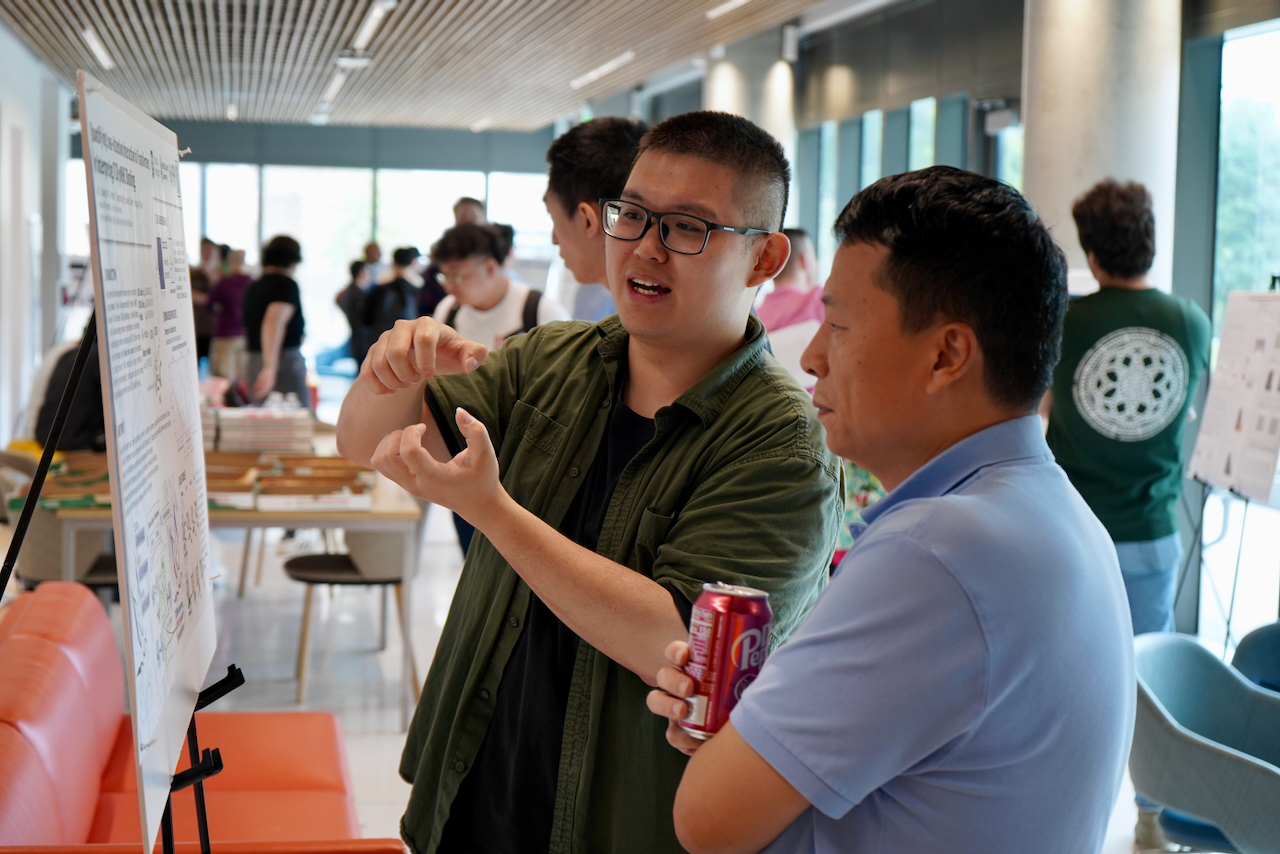
Learn more about the admissions process or apply now!
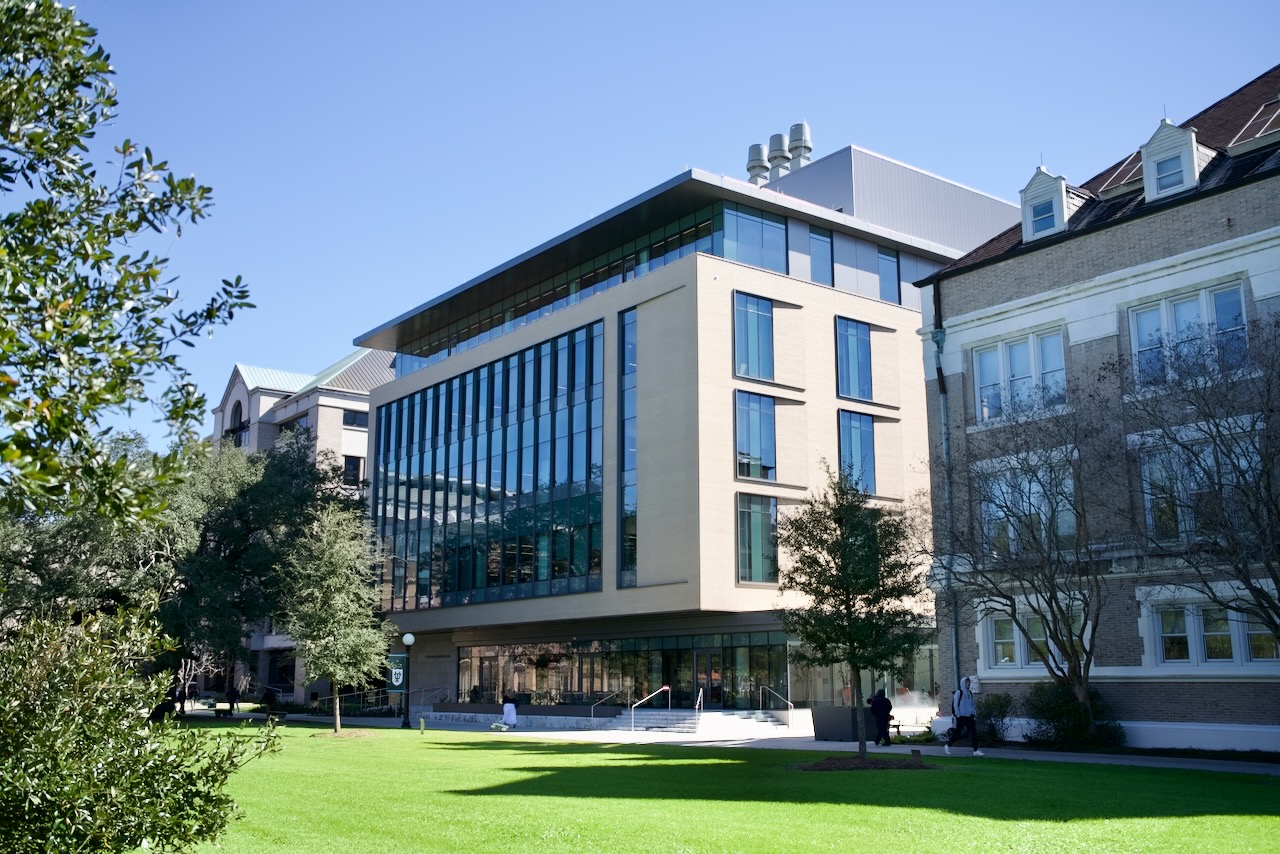
Find full tuition information and the financial aid process.
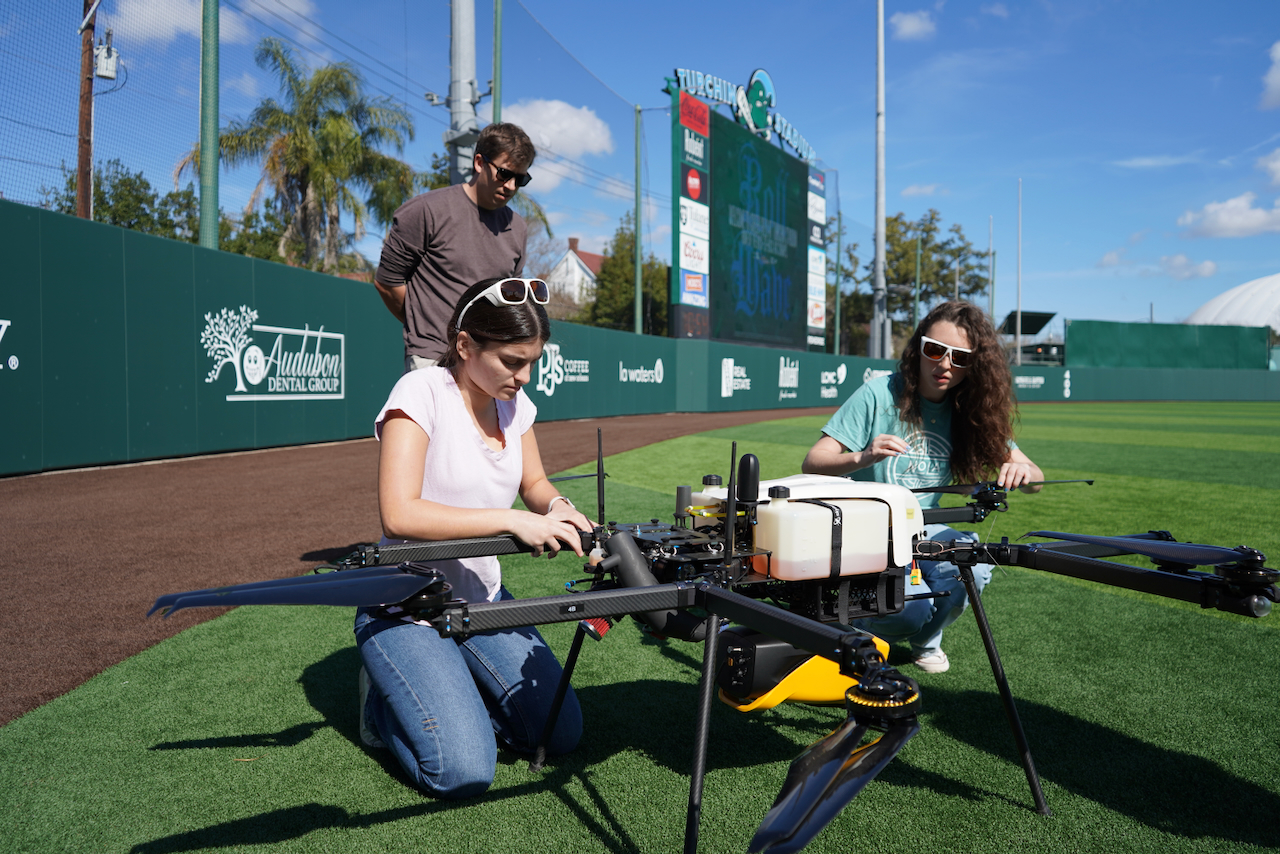
Get to know what makes this place a launchpad for the next generation of scientists and engineers.
FAQs
Data science is an interdisciplinary field that combines mathematics, statistics, and computer science to extract meaningful insights and knowledge from data using computational and analytical methods. It encompasses the entire data lifecycle—from collection and management to analysis, modeling, and visualization—enabling evidence-based decision-making and predictive capabilities across virtually every domain of modern society.
-Following SSE policy, all graduate students must maintain a minimum 3.0 (B) GPA.
-Grades: One B– triggers probation consideration; two B– grades or one grade below B– result in probation and possible dismissal. No course with a grade below B– counts toward the degree.
-Up to 6 transfer credit hours may be applied toward the MSDS degree with GSC approval.
-Students must maintain continuous registration until the degree is conferred.
-Students must adhere to the Unified Code of Graduate Student Academic Conduct.
Applicants must hold a bachelor’s degree in mathematics, statistics, computer science, engineering, or a closely related discipline. Admission is competitive and based on academic preparation in both quantitative reasoning and computation.
Minimum Requirements:
1. GPA of 3.0 or higher (on a 4.0 scale).
2. Evidence of preparation in:
- Calculus and Multivariable Calculus
- Linear Algebra
- Probability or Statistics
- At least one programming course (recommended: Python, C++, Java)
- Additional background in algorithms or data structures is recommended
Application Materials:
-Transcripts from all colleges/universities attended
-Personal statement describing academic interests and goals
-At least one letter of recommendation (optional but recommended)
4+1 Tulane Applicants:
-Minimum 3.5 GPA and adequate preparation in mathematics, statistics, and computer science coursework
Applications are submitted online through the Tulane Graduate Application System. For questions regarding admission, applicants should contact Ilianna H. Kwaske, ikwaske@tulane.edu; for academic inquiries regarding the M.S. Programs in Data Science, please contact Prof. Rafal Komendarczyk, rako@tulane.edu.
Contact Us
Ilianna H. Kwaske, Ph.D.
Associate Dean for MS Programs & Professional Education
ikwaske@tulane.edu
Sarah Berry
Director of MS and Certificate Programs
smccarty@tulane.edu
Rosie Chavez
Director of Graduate Programs
rchavez@tulane.edu
Prof. Rafal Komendarczyk
Director of Master's Programs (Mathematics)
rako@tulane.edu
Maddie Nelson
Graduate Program Manager (Computer Science)
mnelson10@tulane.edu