
Civil Engineering - Water and Environment Undergraduate Major
Civil Engineering - Water and Environment Undergraduate Major
Tulane’s schools play an important role in water nexus issues and sustainability of the Gulf Coast area – a setting experiencing rapidly changing environmental conditions and risks. Prior to 2006, the university had civil engineering programs that had been in place for more than a century. To resurrect the civil engineering discipline and address key needs for the region and the globe, this water-focused program allows students to immediately apply the concepts to their places of employment in the fields of water resources planning, design, operation and construction. Students will gain skills which will allow them to participate in the management, preservation and enhancement of river, watershed, and coastal environments, design and construct water control facilities, and join efforts to conserve and restore water-linked ecosystems and human systems. Students will receive a broad education in complex, interdisciplinary water resources issues that will give them an advantage should they choose to undertake graduate work in the field.
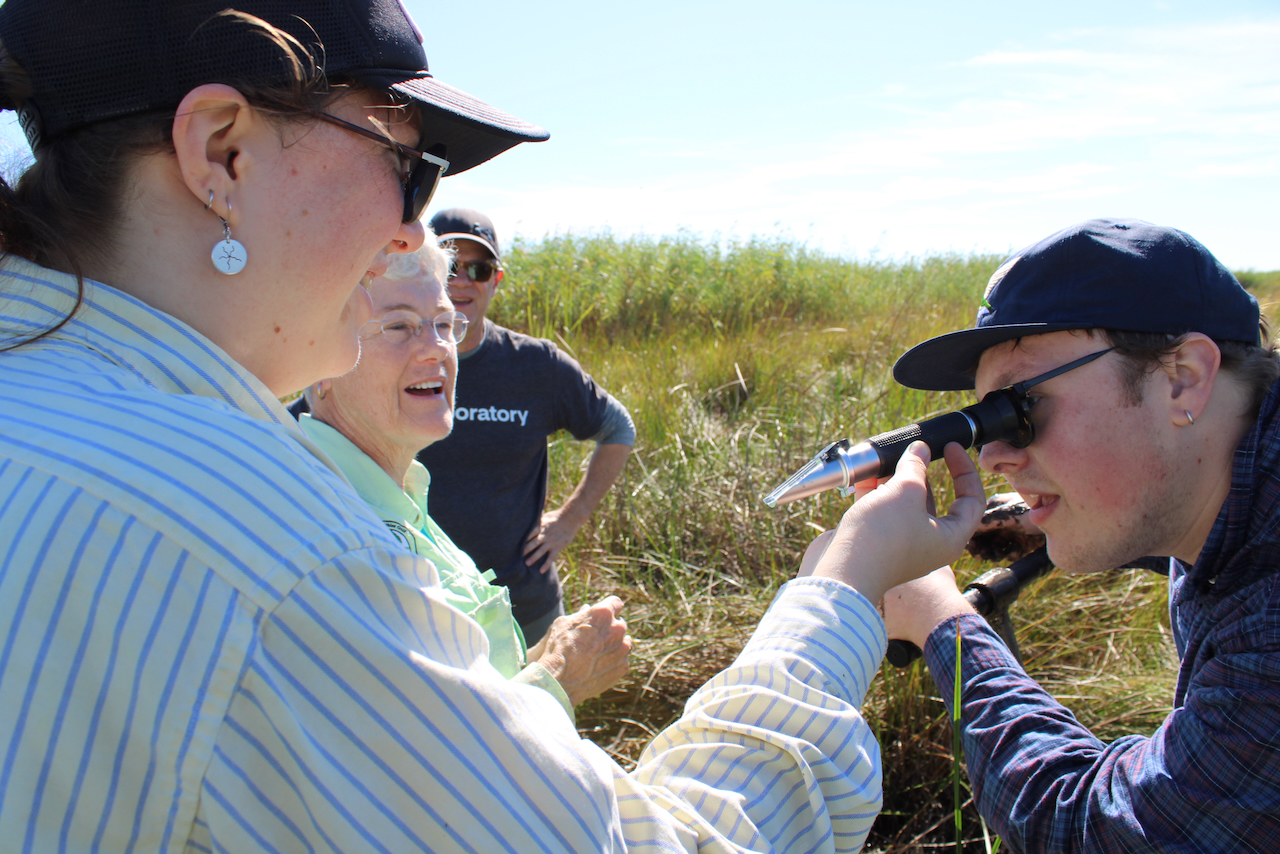

What You'll Learn
The Civil Engineering - Water and Environment major gives students a hands-on, interdisciplinary foundation in water resources — skills that let them participate in the management, preservation, and enhancement of river, watershed, and coastal environments, design and construct water control facilities, and work to conserve and restore water-linked ecosystems and human systems. Grounded in math, physics, and engineering fundamentals, the curriculum builds toward specialized coursework in fluid mechanics, hydraulics, hydrology, and river and coastal structures.
Career Outlook
This program prepares students to step directly into the workforce, since the water-focused curriculum lets students immediately apply what they learn to jobs in water resources planning, design, operation, and construction. The degree also keeps professional licensure in view — it's structured to allow students to pursue a professional engineering license in the category of Civil Engineering - Water Resources — while its interdisciplinary approach to complex water issues gives graduates a strong springboard into graduate study as well.
Meet Our Faculty
Faculty in River-Coastal Science and Engineering bring deep, hands-on expertise in the systems shaping the Gulf Coast and river deltas worldwide, working at the intersection of science and engineering to tackle real environmental challenges. Students learn directly from researchers actively engaged in fieldwork, modeling, and restoration projects — bringing a genuinely applied perspective into the classroom.
Curriculum Requirements
We have designed a curriculum for the major that meets ABET engineering requirements. The degree is not a broad, general civil engineering major as is offered by many other US universities. Rather, it focuses on those civil engineering elements related to water and the environment, utilizing the overall expertise of the Department of River-Coastal Science and Engineering and its strategic mission. However, the curriculum is also designed to allow students to pursue a professional engineering license in the category of Civil Engineering - Water Resources.
The degree requires 45 hours of coursework from within the Department of River-Coastal Science and Engineering, 48 hours of additional engineering, math, chemistry, biology, and physics coursework, completion of the university-required Newcomb-Tulane Core Curriculum coursework, and 9 hours of student-selected electives for a total of a minimum of 125 credit hours.
Research
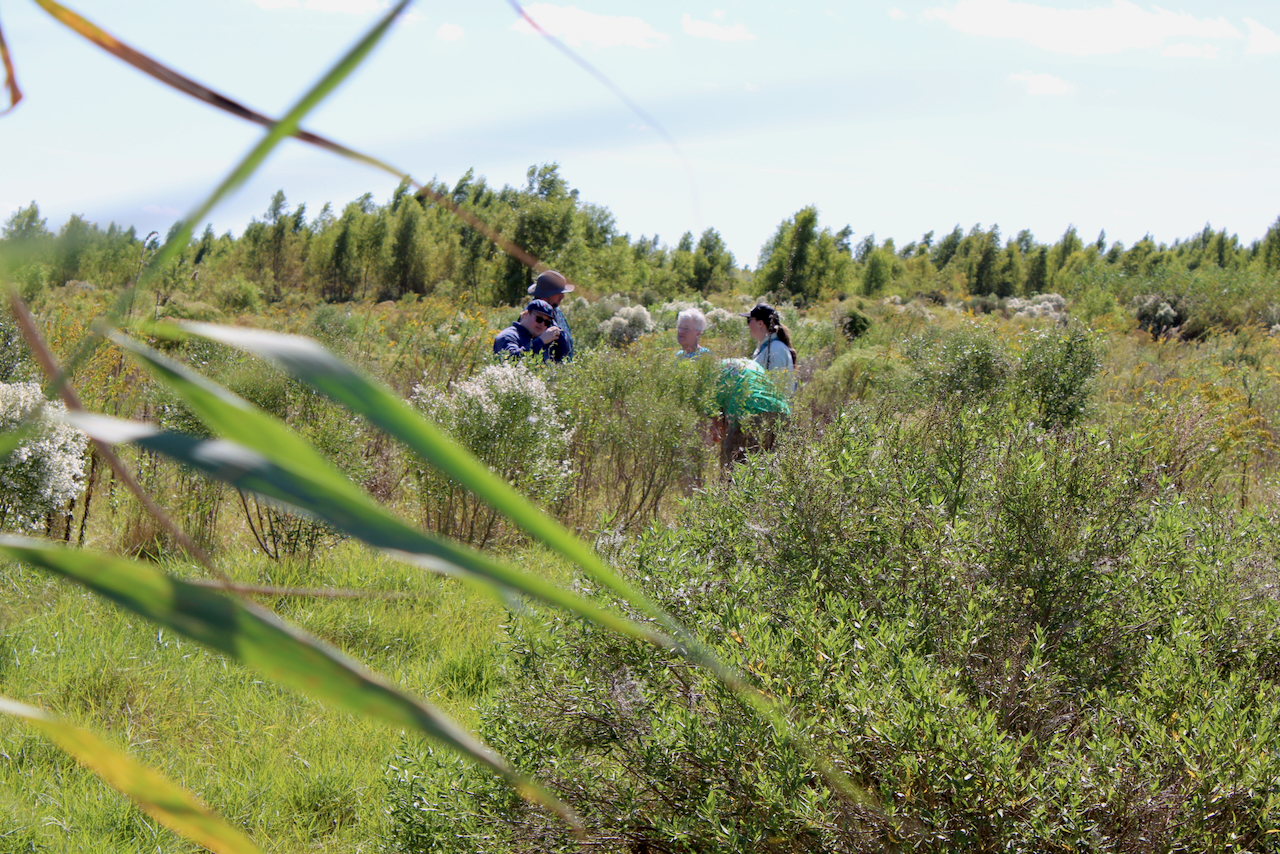
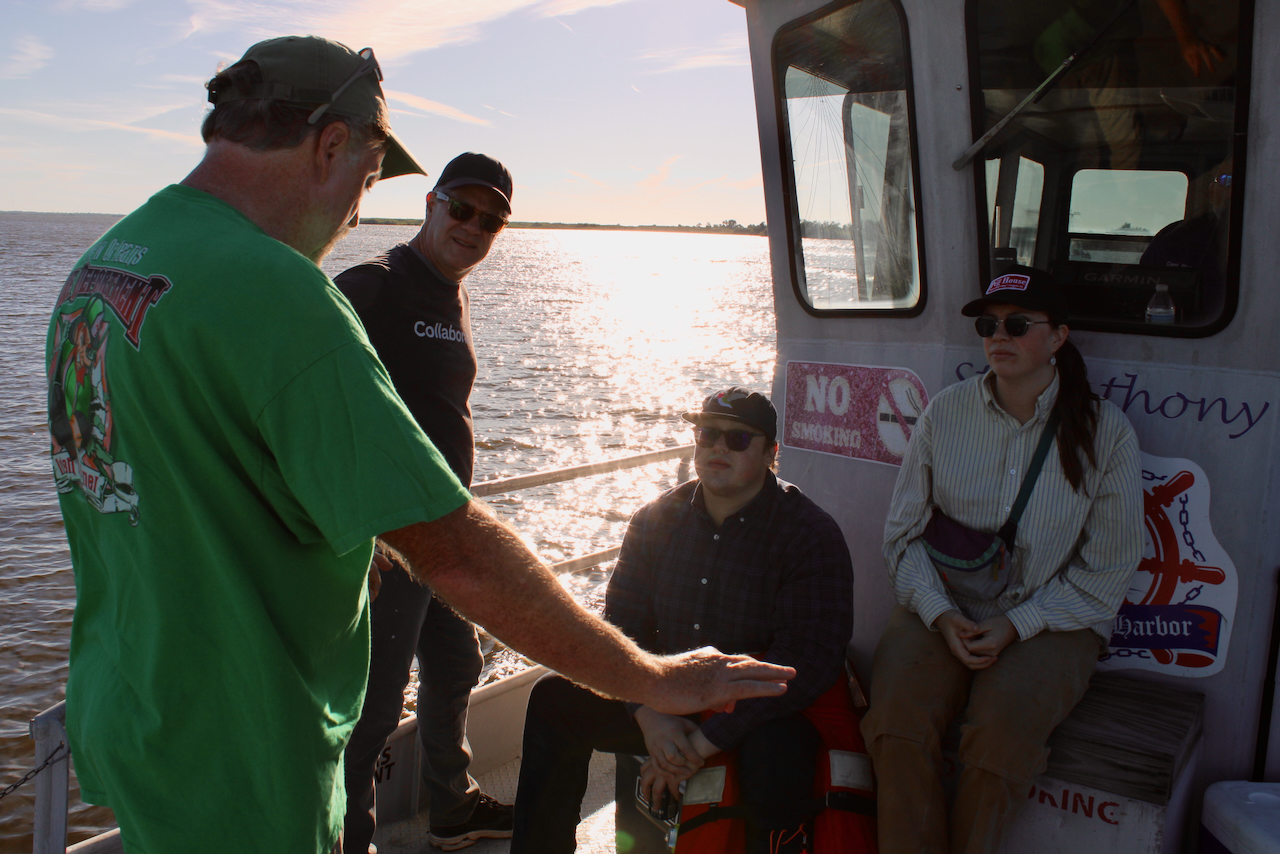
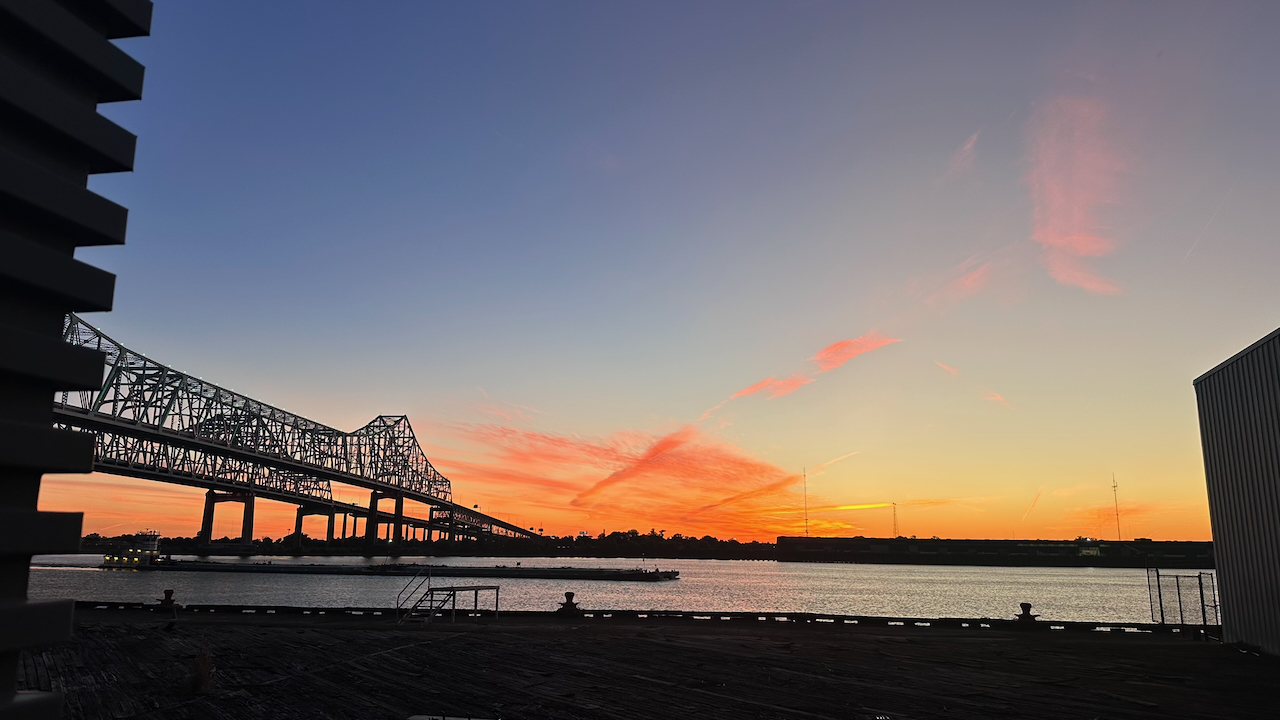
Research in River-Coastal Science and Engineering spans a wide range of pressing environmental challenges, integrating hydrological processes, sediment dynamics, and coastal hazards with cutting-edge technology and sustainable engineering solutions to protect coastal communities and manage water resources in a changing climate. Faculty concentrations range from coastal hydrodynamics and sea-level science to hydroinformatics, fluvial geomorphology, river ecology, and disaster resilience — with dedicated opportunities for undergraduates to get involved in hands-on research alongside faculty.

Learn more about the admissions process or apply now!
Find full tuition information and the financial aid process.
Get to know what makes this place a launchpad for the next generation of scientists and engineers.
FAQs
Civil engineering is the discipline of designing, building, and maintaining the infrastructure that supports how people live and interact with their environment — from water systems and coastal defenses to the structures that keep communities safe. At Tulane, this takes a distinctive water-focused form, applying engineering principles specifically to river, watershed, and coastal systems rather than general infrastructure.
If you are ready to declare a major inCivil Engineering, please fill out this form, and submit it to the Department of River-Coastal Engineering. The form will be signed and returned to you, and you can send it along to NTC Advising. Please note that it is your responsibility to send this form to your NTC advisor.
If your major advisor does not reach out, you may want to contact them to introduce yourself or to set up a meeting.
Contact Us
Undergraduate Major, Minor, and All Other Administrative Matters
Ehab Meselhe | Department Chair
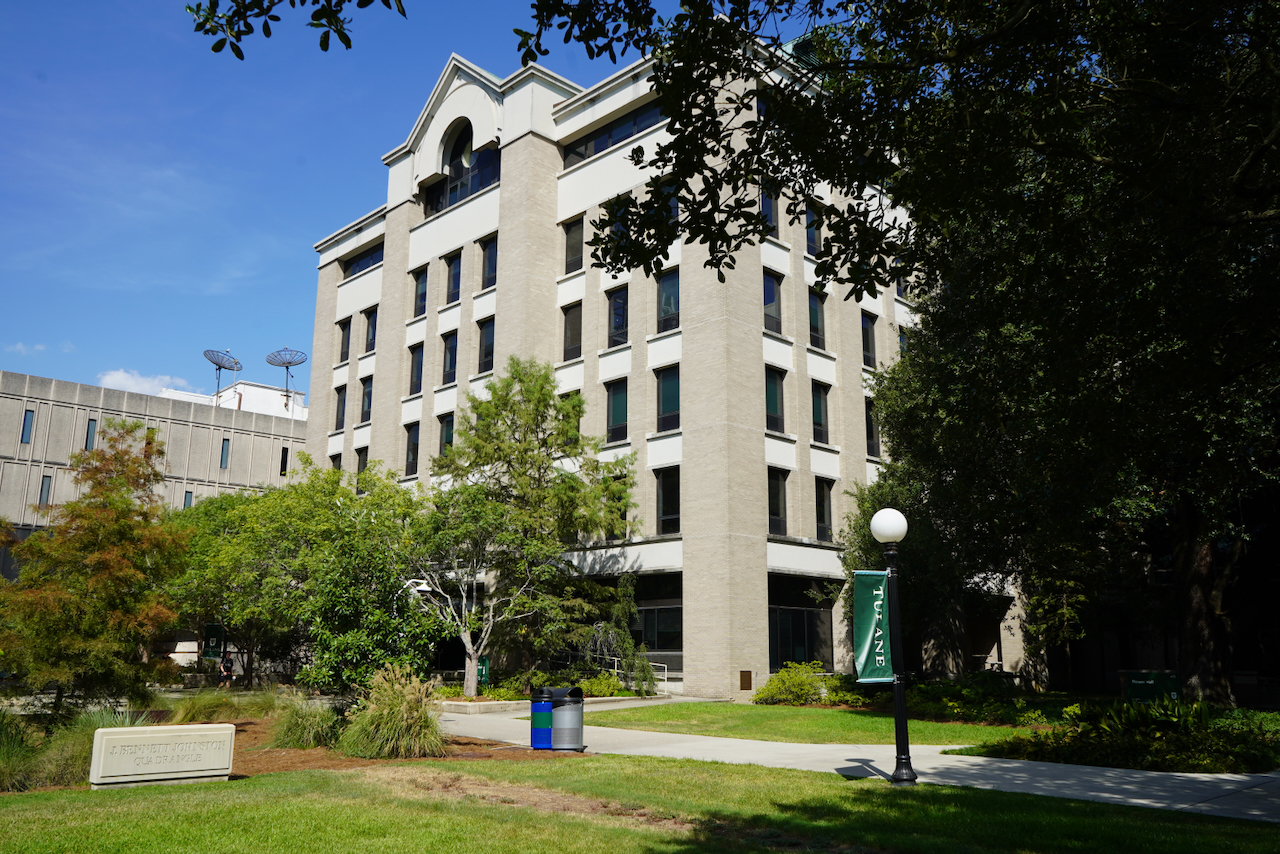
629 Lindy Boggs Center for Energy and Biotechnology
Email: emeselhe@tulane.edu
Fiscal Matters
Michelle Boudreaux Smith| Department Administrator
632 Lindy Boggs Center for Energy and Biotechnology
Email: msmith77@tulane.edu
Phone: (504) 247-1541