
Ph.D. in River-Coastal Science and Engineering
Ph.D. in River-Coastal Science and Engineering
The River-Coastal Science and Engineering program is an effort by faculty and students to understand a key component of the Earth system—the linked environments of river basins, deltaic river mouths, and coastal ocean systems. Much of our focus surrounds the nexus issue of water: water exerts a strong control over landform evolution and ecosystem health, and is a priority human need for agriculture, industry, and health.
As is mandated by Tulane University for all Ph.D. programs, this degree requires a minimum one-year period of residency during the degree program. The PhD is designed for students working on research topics with a dissertation advisor while resident in that advisor’s lab group and supported (tuition + stipend) through a research assistantship or fellowship.
ApplyRequest InformationDepartment of River-Coastal Science and Engineering
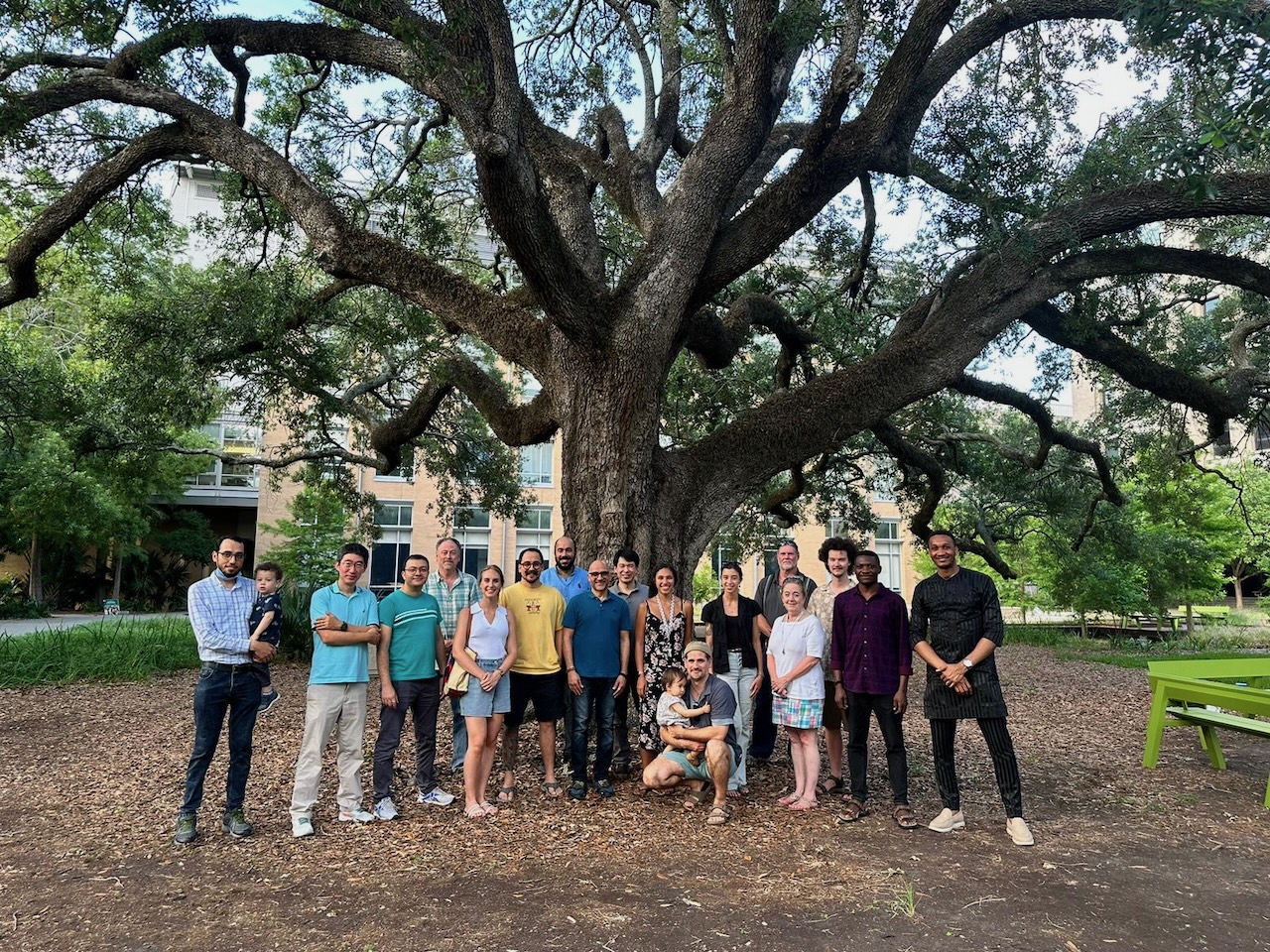

What You'll Learn
You'll develop comprehensive expertise in understanding river and coastal systems through interdisciplinary training combining engineering, environmental science, and ecology. Through coursework in river science and engineering, coastal science and engineering, and related fields, you'll master the physical, biological, and engineering principles governing these dynamic systems. You'll also gain practical skills in research design, data analysis, scientific writing, and field methods, preparing you to address critical challenges in coastal resilience, flooding, and environmental change.
Research
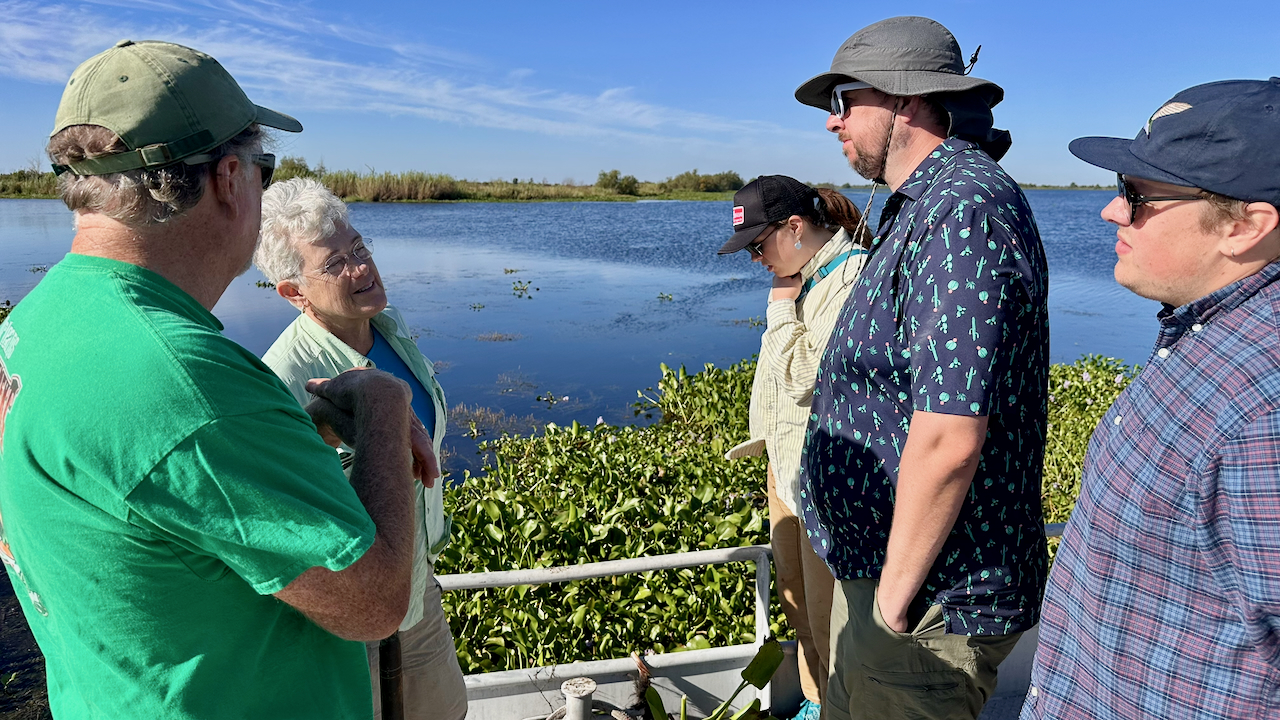
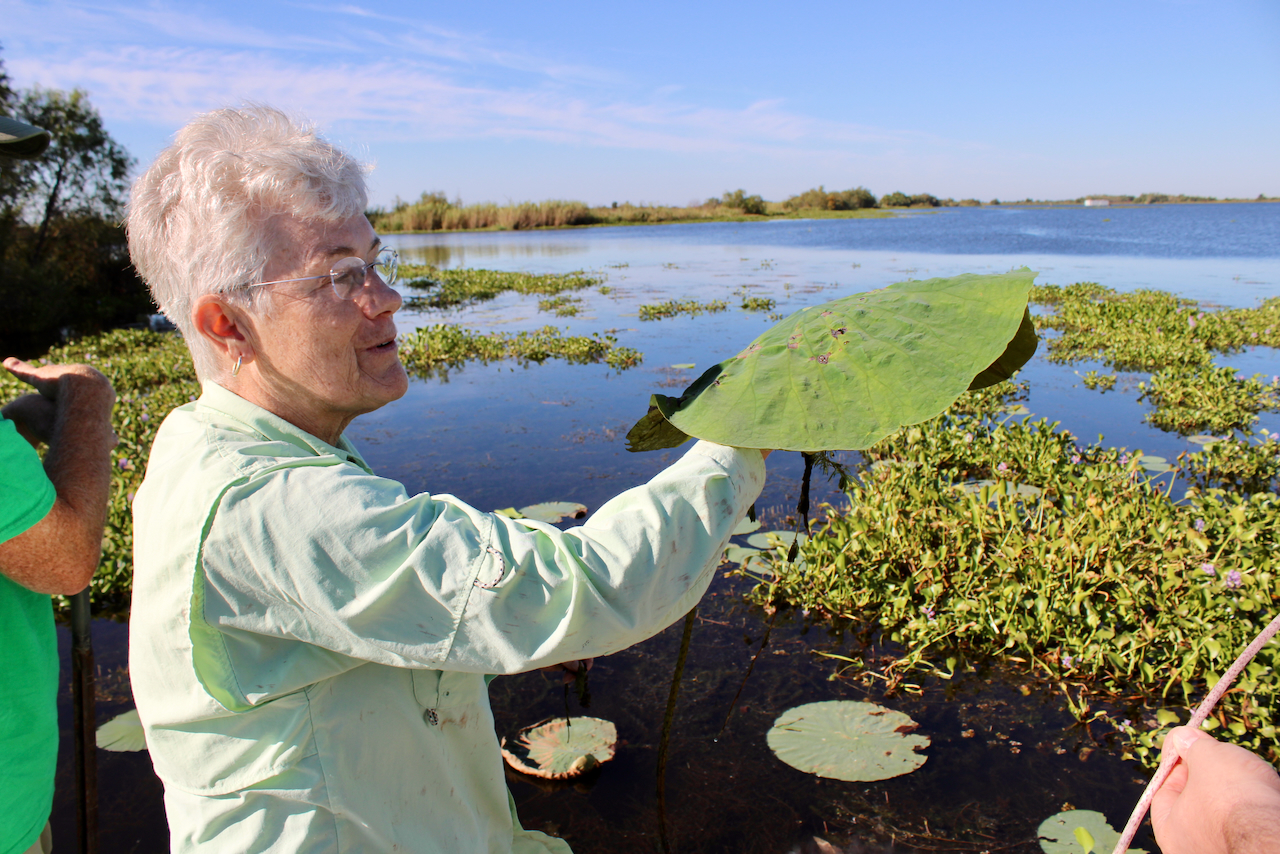
Our faculty conduct cutting-edge research on pressing river and coastal challenges, from sediment dynamics and flood mitigation to ecosystem restoration and climate adaptation. As a PhD student, you'll engage in original research from your first semester, working with your dissertation advisor to develop novel research projects that contribute to peer-reviewed publications. Your dissertation research will focus on individual research topics that advance understanding of river-coastal systems and their management.
Meet Our Faculty
Tulane's River & Coastal Science and Engineering faculty are accomplished researchers and dedicated mentors with expertise spanning river science, coastal engineering, landscape architecture, and ecology. Located in the Mississippi River Delta—a unique living laboratory—our faculty provide close mentorship and involve PhD students in their research from day one. Your dissertation committee, formed early in your program, will guide your research development and ensure your success.
Curriculum Requirements
The PhD requires 48 credit hours of graduate coursework, with flexibility to tailor your program to your research interests in consultation with your dissertation committee. You'll take introductory courses in river and coastal science and engineering, enroll in three semesters of departmental seminars, and complete a research skills and scientific writing course. You'll pass a qualifying examination by your third year, defend a dissertation prospectus, and complete original dissertation research resulting in at least one peer-reviewed publication before final defense.

Career Benefits and Pathways
Tulane River & Coastal Science and Engineering PhD graduates pursue careers addressing critical environmental challenges in academia, government agencies, consulting firms, and nonprofit organizations. Your expertise in river-coastal systems, engineering solutions, and environmental science positions you for leadership roles in coastal resilience, flood mitigation, ecosystem restoration, and climate adaptation—whether in research institutions, policy development, or private-sector innovation.
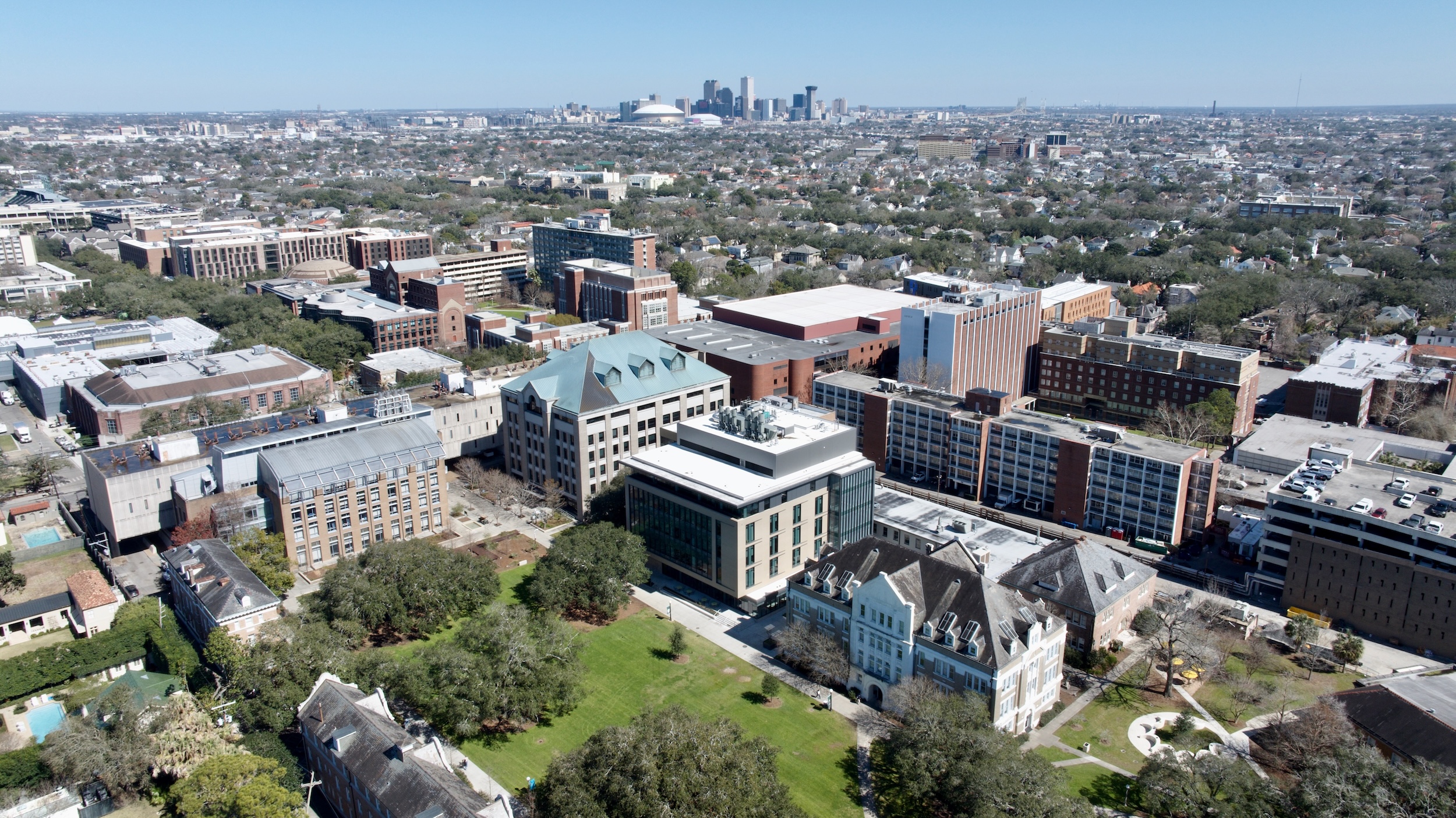
Learn more about the admissions process or apply now!
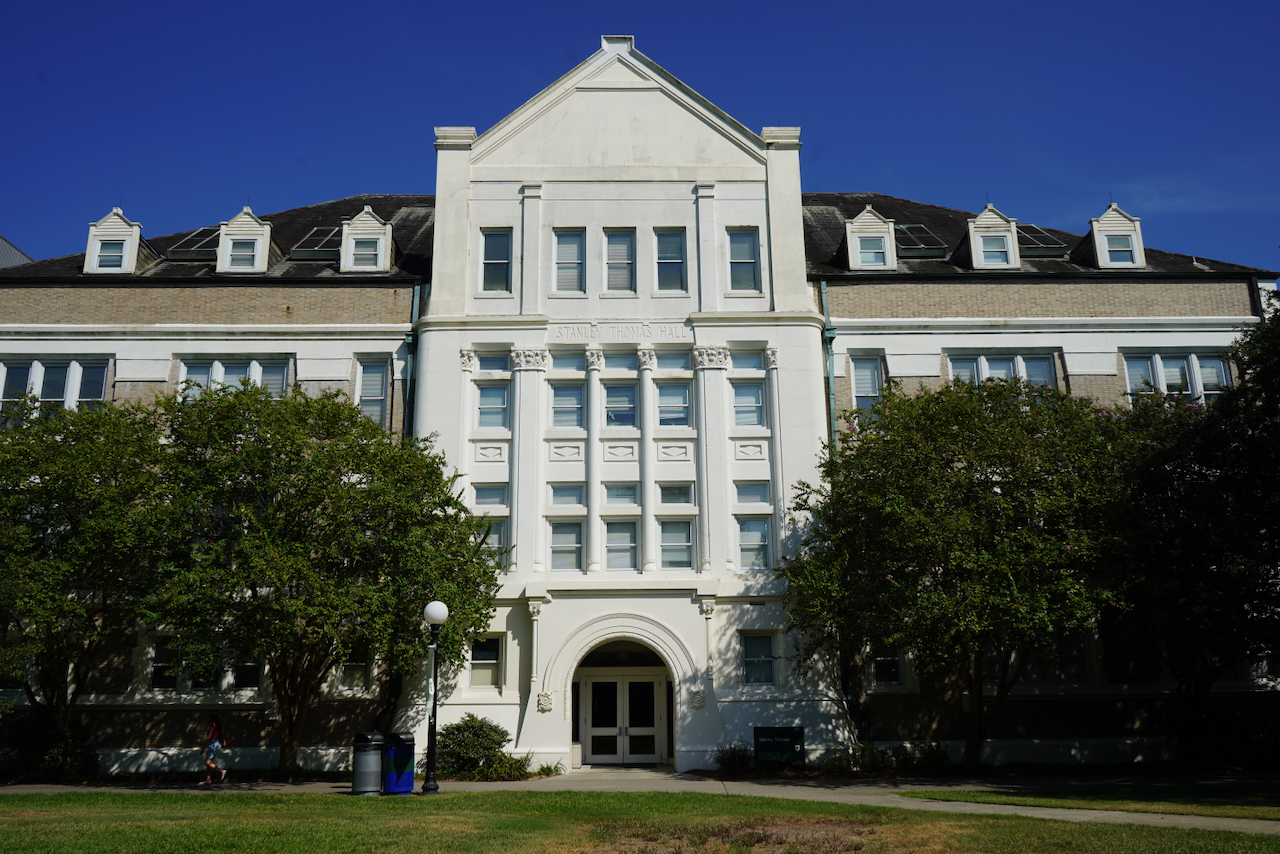
Find full tuition information and the financial aid process.
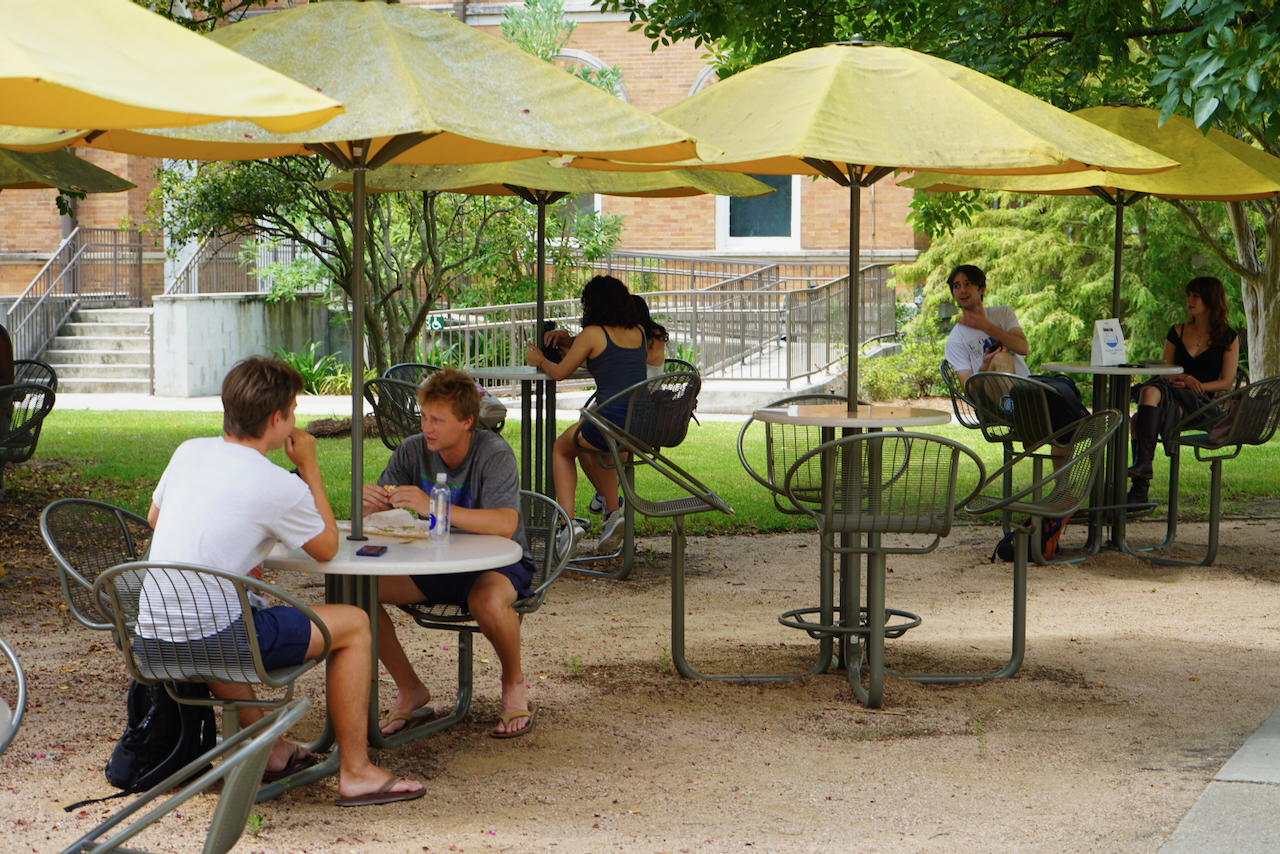
Get to know what makes this place a launchpad for the next generation of scientists and engineers.
FAQs
River-Coastal Science and Engineering is the interdisciplinary study of river and coastal systems, integrating engineering, geology, ecology, and environmental science to understand and manage these dynamic landscapes. It combines fundamental science with practical engineering solutions to address challenges like flooding, erosion, ecosystem degradation, and climate change impacts on coastal communities.
Contact Us
Rosie Chavez
Director of Graduate Programs
rchavez@tulane.edu
Dan Shantz
Associate Dean for Research and Ph.D. Programs
dshantz@tulane.edu
Sönke Dangendorf
Graduate Coordinator, Department of River-Coastal Science and Engineering
sdangendorf1@tulane.edu