
Master's Degree in River-Coastal Science and Engineering (Residential)
The resident MS degree program is a 2-year program, in which a student will take 24 graduate credit hours of coursework and write a thesis (6 research credits). Alternatively, students may pursue a non-thesis pathway that requires 30 classroom credits and has the option of conducting a smaller-scale research project through RCSE 6900 Independent Study. The program is well suited as a stepping stone for students considering pursuing a Ph.D. degree program at Tulane or elsewhere in this discipline or related areas. The program is also useful for students planning to enter more advanced professional degree programs (e.g., law, public health, business, natural resources management, etc.). It can be useful for students interested in seeking employment with environmental agencies of federal, state, and municipal government; non-governmental organizations; education; and in private industry, including environmental consulting firms.
ApplyRequest InformationDepartment of River-Coastal Science and Engineering
4+1 Accelerated Master's Program
Current Tulane undergraduate students can earn this M.S. degree with just one additional year of study. This accelerated program allows you to count graduate-level courses toward both your B.S. and M.S. degrees, providing a fast track to an advanced credential.

What You'll Learn
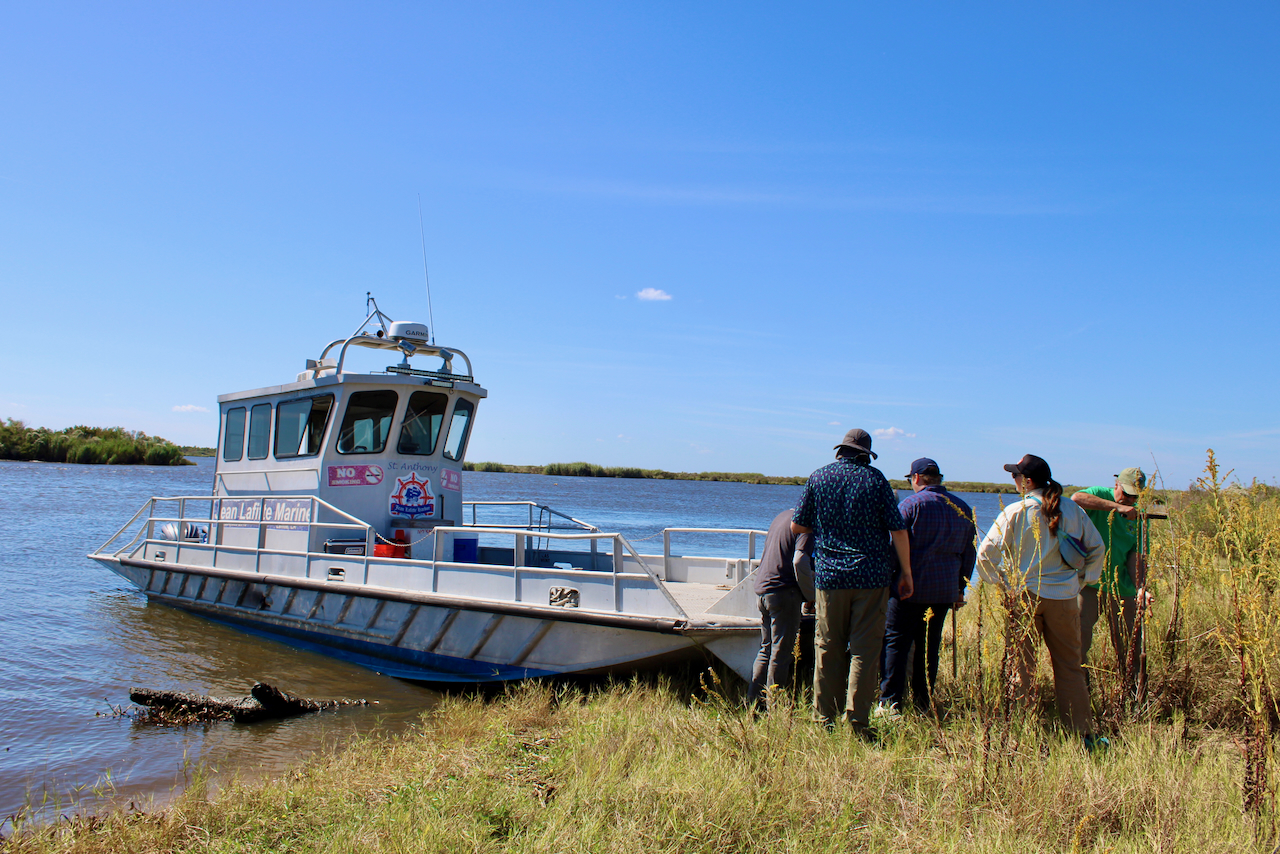
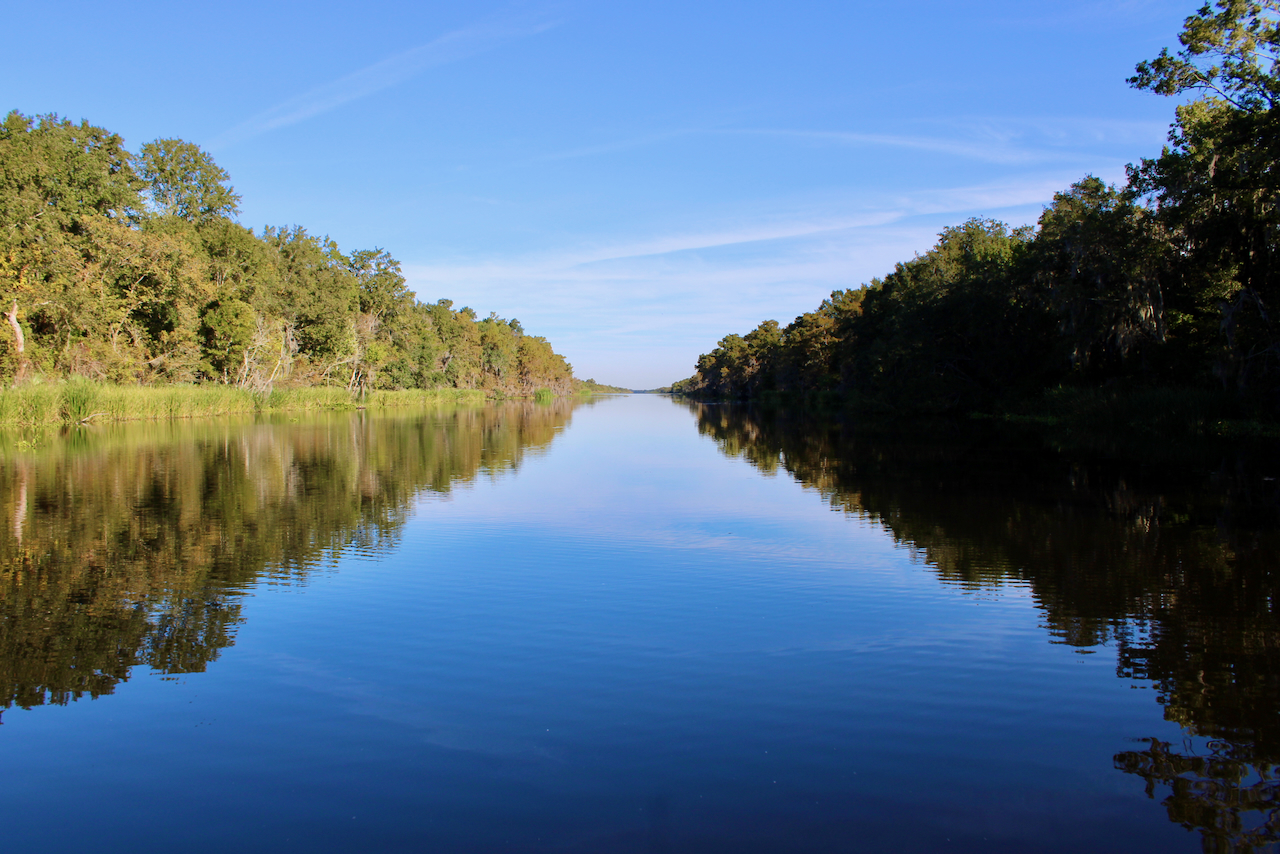
In this intensive 2-year program, you'll develop comprehensive expertise in understanding river basins, deltaic systems, and coastal ocean environments through rigorous coursework and original research. You'll gain deep knowledge of how water shapes landform evolution and ecosystem health, while learning to address critical challenges in coastal resilience, flooding, and environmental change. The program emphasizes both theoretical understanding and hands-on research skills, with access to the Mississippi River Delta as a unique living laboratory for investigating real-world coastal processes. Whether preparing for doctoral study or advanced professional careers, you'll develop the interdisciplinary expertise and research capabilities essential for leadership in coastal science and engineering.
Research
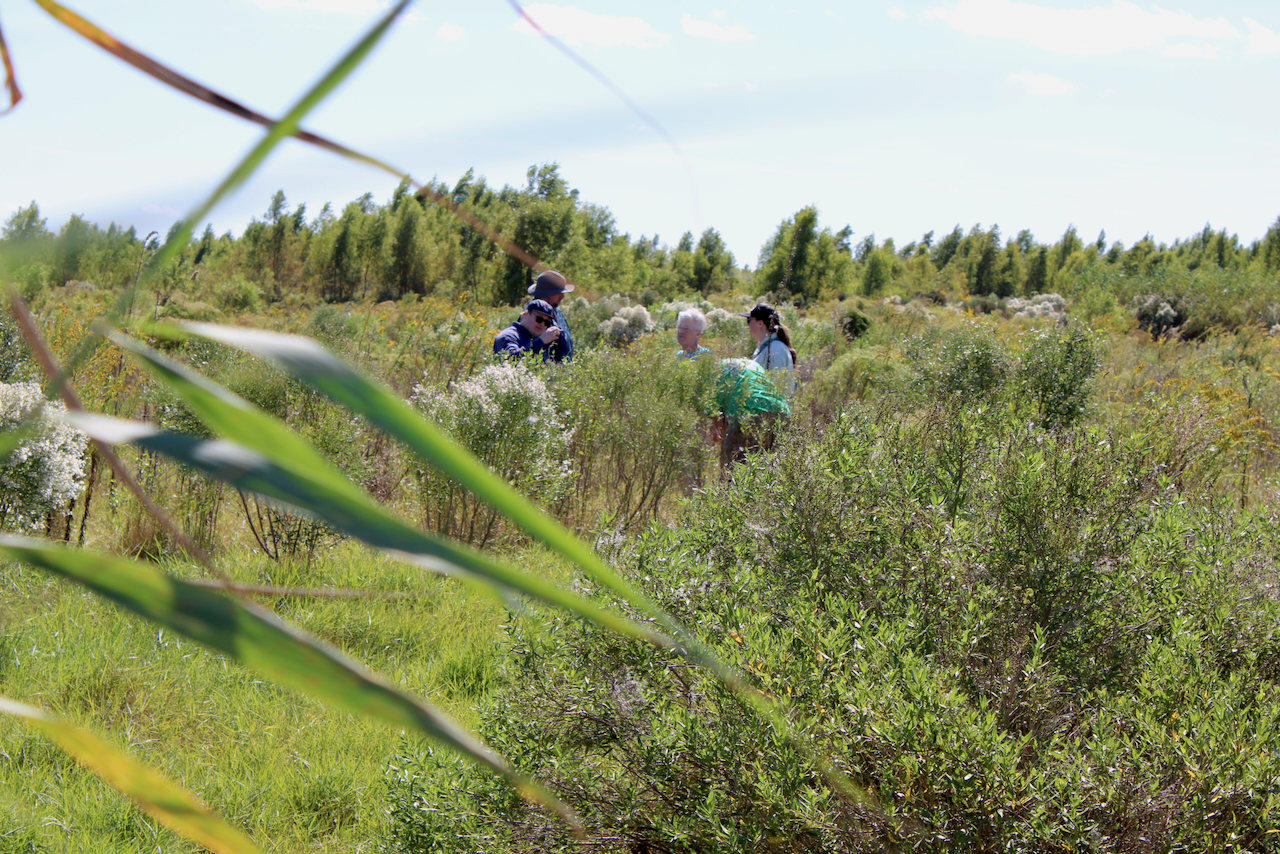
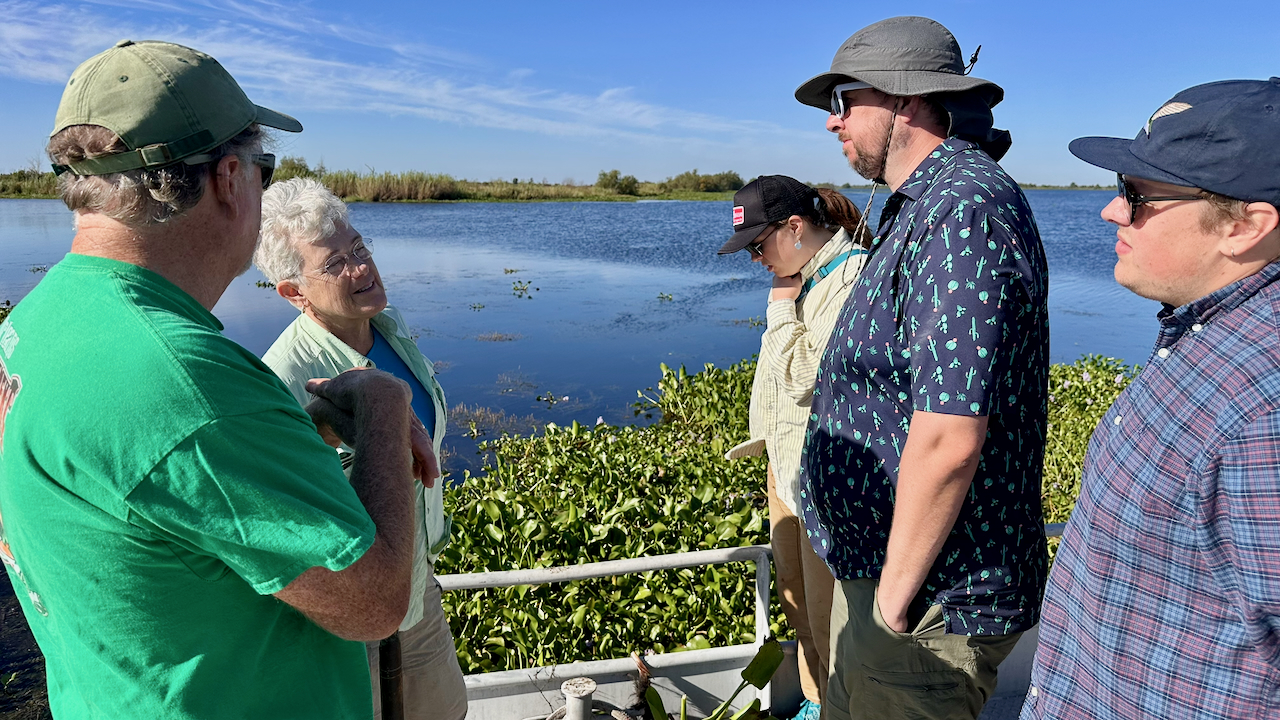
Research is central to the River Coastal Science and Engineering MS (Residential) program, with all thesis-track students conducting original investigations under close faculty mentorship. Students work as resident members of their advisor's lab group, investigating questions related to river science, coastal engineering, ecosystem dynamics, water resources, or related areas. The program's location in the Mississippi River Delta provides exceptional opportunities for field-based research and hands-on investigation of real-world coastal processes and challenges. Faculty research spans diverse areas including coastal resilience, flood mitigation, ecosystem restoration, sediment dynamics, water quality, and climate adaptation. Through intensive thesis research and coursework, you'll develop the investigative skills, technical expertise, and critical thinking essential for advanced careers in coastal science, engineering, research, and doctoral study.
Meet Our Faculty
Our river-coastal science and engineering faculty are accomplished researchers and educators with expertise spanning river science, coastal engineering, hydrology, ecology, and related disciplines. Faculty members are actively engaged in cutting-edge research investigating the linked environments of river basins, deltaic systems, and coastal oceans, with particular focus on water's role in landform evolution and ecosystem health. They are committed to mentoring graduate students through personalized research guidance and close collaboration, fostering both deep theoretical understanding and practical expertise in addressing real-world coastal challenges. Located in the Mississippi River Delta, our faculty leverage this unique environment as a living laboratory, creating exceptional opportunities for students to conduct field-based research and engage directly with the environmental systems they're studying.
Curriculum Requirements
The River Coastal Science and Engineering MS (Residential) program is a 2-year, thesis-focused degree requiring 24 graduate credit hours of coursework plus 6 research credits for the thesis. Students work closely with a faculty advisor while resident in their lab group and are supported through a research assistantship or fellowship, allowing full-time engagement with research and coursework. The program culminates in an empirical master's thesis that contributes original knowledge to river and coastal science. Alternatively, students may pursue a non-thesis pathway requiring 30 classroom credits with the option of conducting a smaller-scale research project through independent study. The program is designed as an excellent stepping stone for students considering doctoral study at Tulane or elsewhere, while also preparing graduates for advanced professional degree programs in law, public health, business, or natural resources management.
Career Benefits and Pathways
Graduates with a master's in river-coastal science and engineering are well-positioned for impactful careers in environmental science, engineering, policy, and research. Specific opportunities include coastal engineer, environmental scientist, restoration specialist, water resource manager, climate adaptation consultant, and policy analyst at federal, state, and municipal government agencies, environmental nonprofits, educational institutions, and private environmental consulting firms. The program's emphasis on rigorous research and interdisciplinary training prepares graduates for positions in coastal protection, flood mitigation, ecosystem restoration, and climate adaptation planning. Many graduates pursue doctoral study at Tulane or other institutions, while others enter advanced professional degree programs in law, public health, business, or natural resources management, leveraging their MS as a foundation for specialized careers addressing coastal challenges.
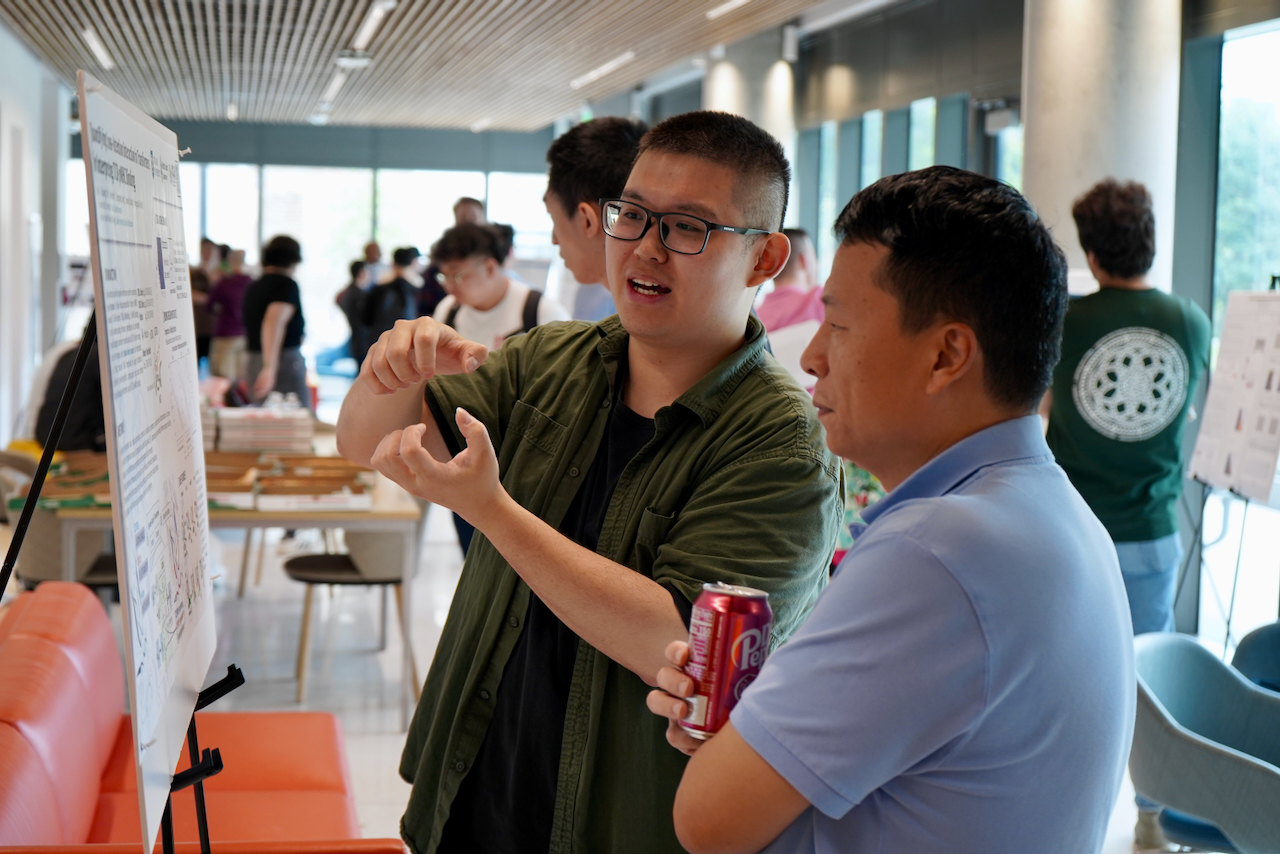
Learn more about the admissions process or apply now!
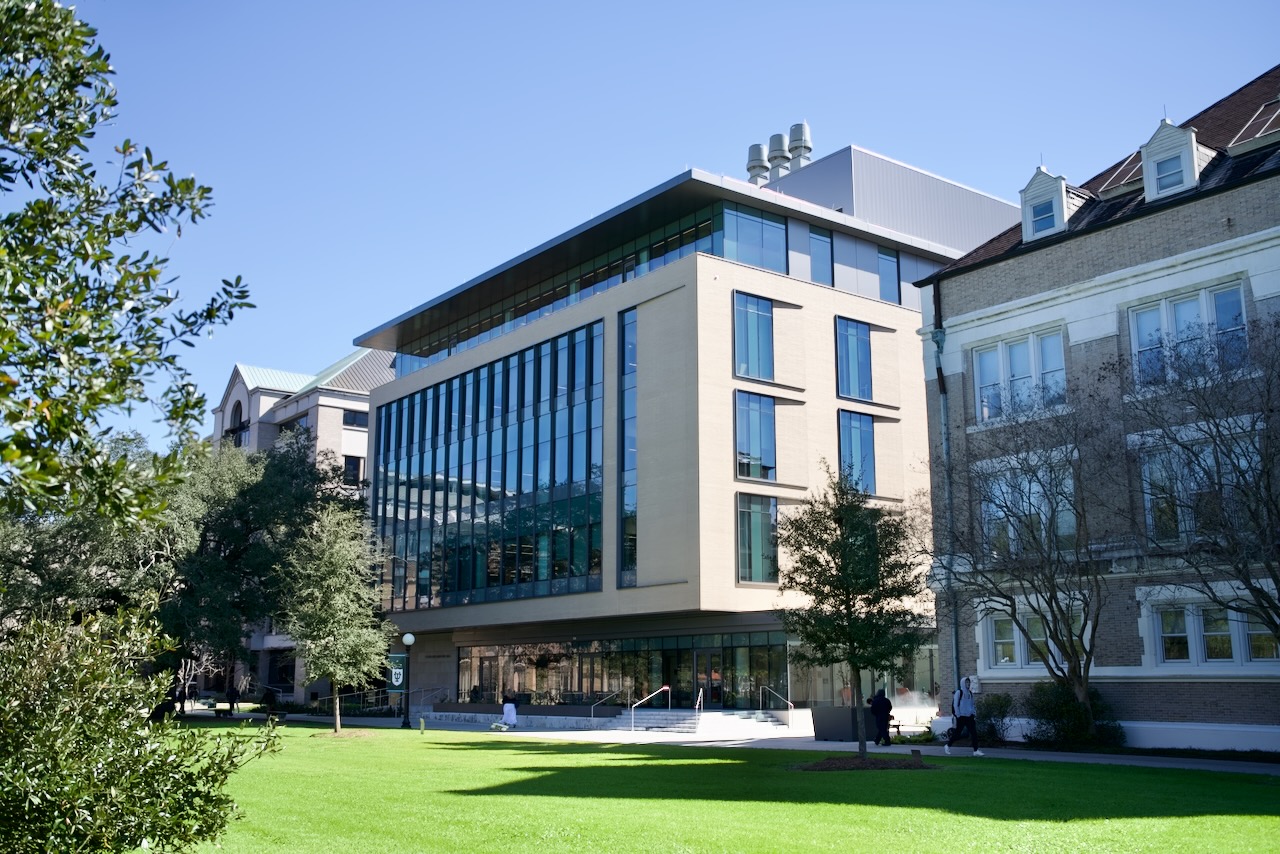
Find full tuition information and the financial aid process.
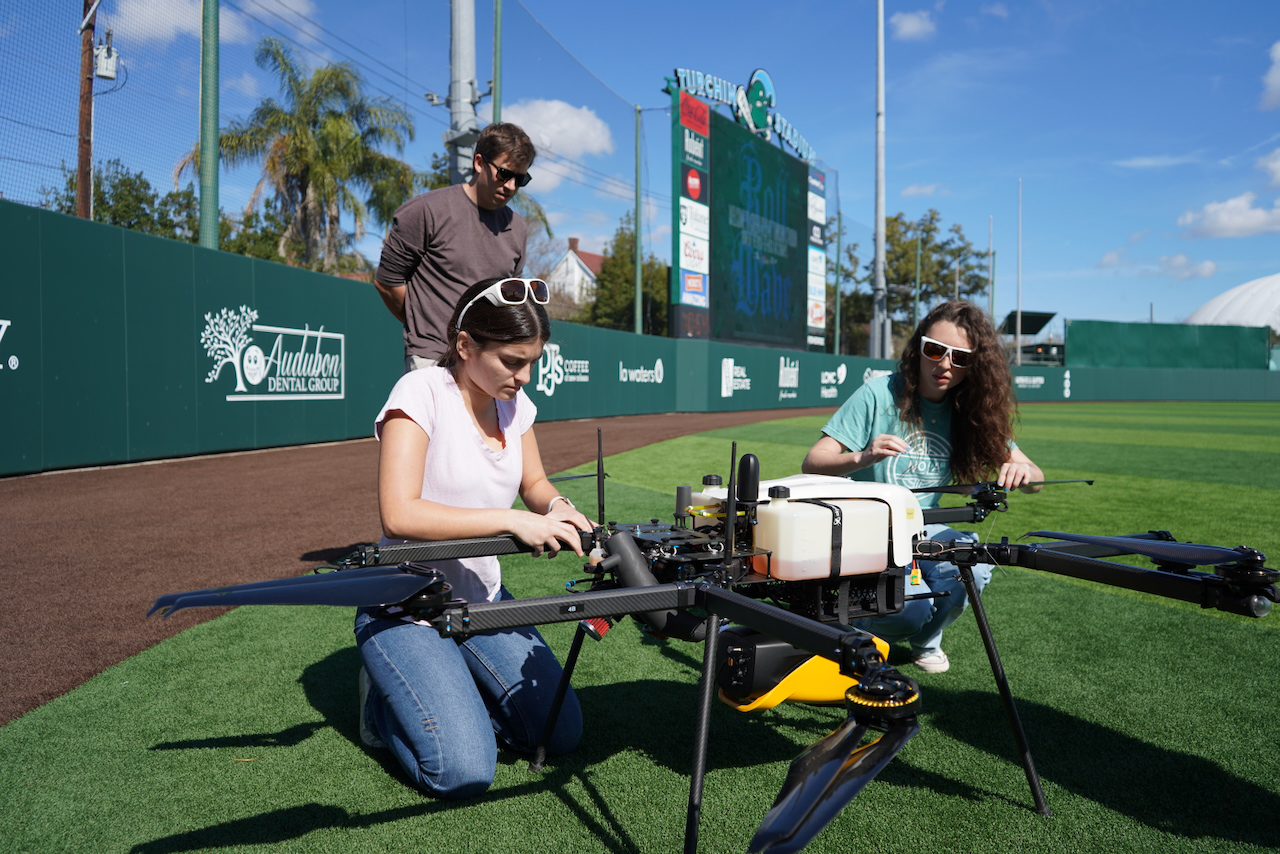
Get to know what makes this place a launchpad for the next generation of scientists and engineers.
FAQs
River-coastal science and engineering is an interdisciplinary field that combines hydrology, geology, ecology, and engineering to understand and address challenges in riverine and coastal systems, including flooding, erosion, environmental change, and restoration. It integrates scientific investigation with practical engineering solutions to build resilient coastal communities and ecosystems in the face of environmental change and climate impacts.
Contact Us
Ilianna H. Kwaske, Ph.D.
Associate Dean for MS Programs & Professional Education
ikwaske@tulane.edu
Sarah Berry
Director of MS and Certificate Programs
smccarty@tulane.edu
Rosie Chavez
Director of Graduate Programs
rchavez@tulane.edu
Sönke Dangendorf
Graduate Coordinator, Department of River-Coastal Science and Engineering
sdangendorf1@tulane.edu