
Master's Degree in River-Coastal Science and Engineering (Non-Residential)
The River-Coastal Science and Engineering program is an effort by faculty and students to understand a key component of the Earth system—the linked environments of river basins, deltaic river mouths, and coastal ocean systems. Much of our focus surrounds the nexus issue of water: water exerts a strong control over landform evolution and ecosystem health, and is a priority human need for agriculture, industry, and health.
This 30-credit degree for non-residential students is designed to allow professionals to acquire the degree remotely while employed. Non-residential students may elect the thesis pathway (24 hours of classroom credit + 6 research credits) described in the residential Master's description or have the option to complete 30 credit hours of coursework. There is also the opportunity in the non-thesis track to undertake a smaller-scale research project while enrolled in RCSE 6900 Independent Study. Either non-residential pathway can be taken on a part-time or full-time (+9 credit hours per semester) basis. We envision that most students who pursue this degree will have acquired the Graduate Certificate as an intermediate step, which provides an opportunity for the student to arrange their funding through their employer and to potentially conceive a research project they would conduct after becoming degree-seeking that fits their individual work-life issues.
ApplyRequest InformationDepartment of River-Coastal Science and Engineering

What You'll Learn
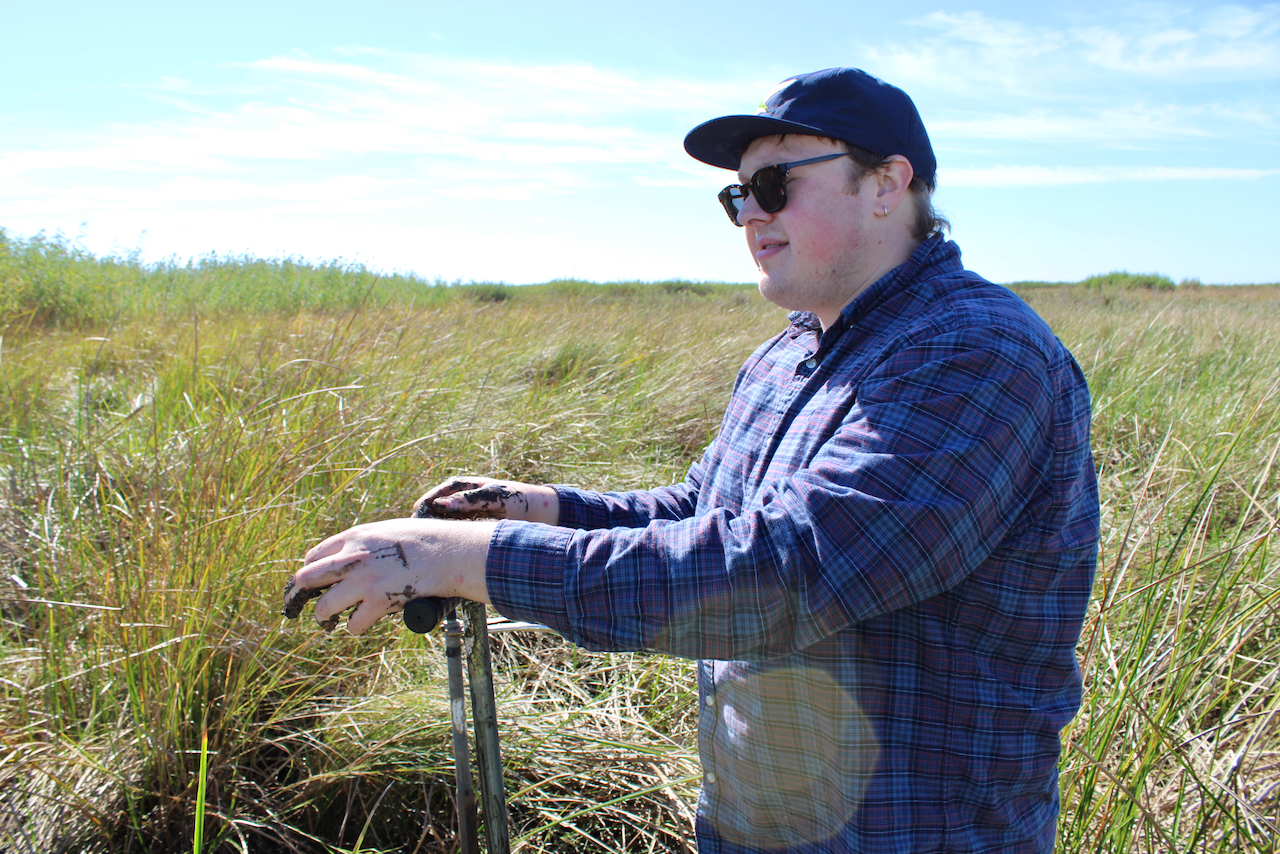
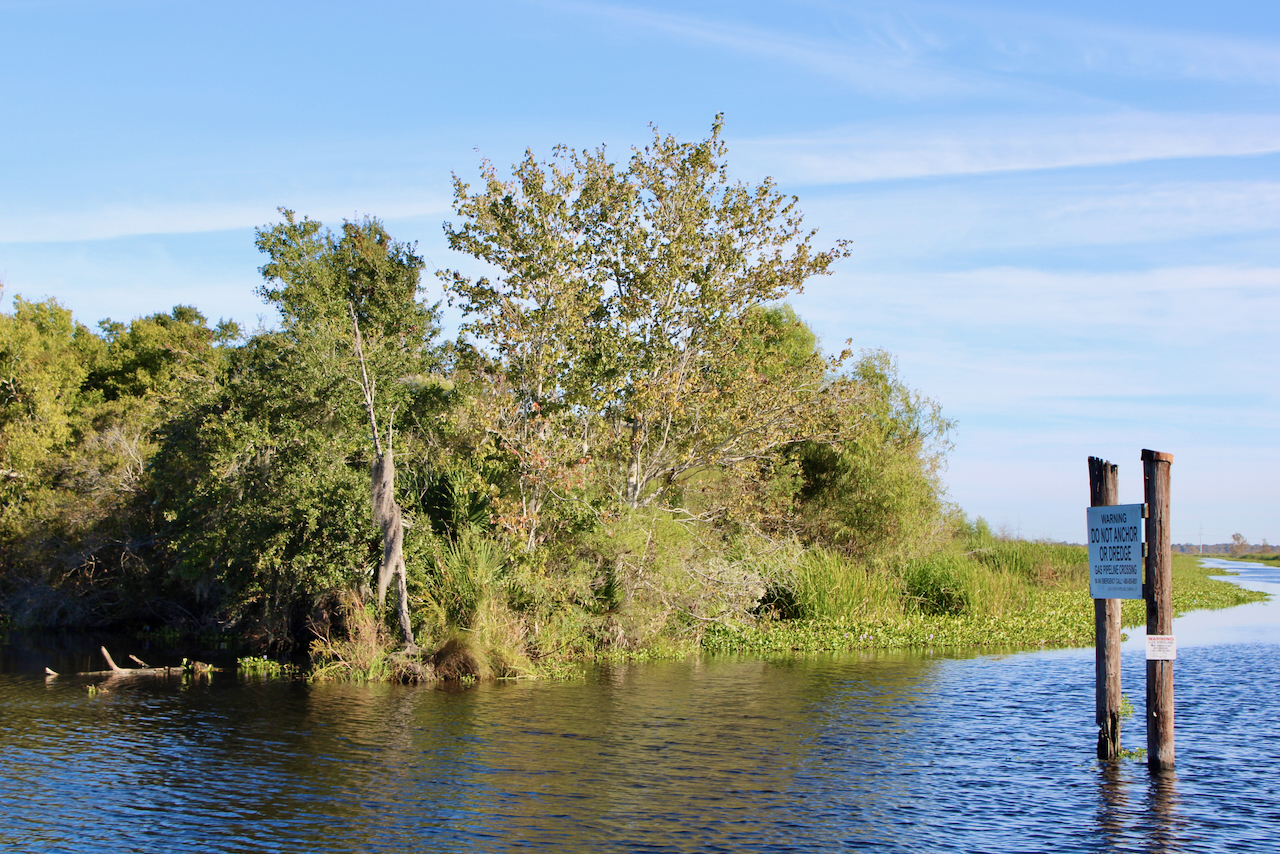
In this interdisciplinary program, you'll develop expertise in addressing critical challenges in coastal resilience, flooding, and environmental change through training that integrates river science, coastal engineering, landscape architecture, and ecology. You'll gain both theoretical knowledge and practical skills in analyzing complex riverine and coastal systems, designing solutions for environmental challenges, and conducting rigorous research. The program emphasizes hands-on investigation and applied problem-solving, with access to the Mississippi River Delta—a unique living laboratory for studying coastal processes, environmental change, and restoration. Whether pursuing the resident thesis track or the flexible non-resident option, you'll develop the interdisciplinary expertise and research skills essential for leadership roles in coastal resilience, environmental engineering, and policy.
Research
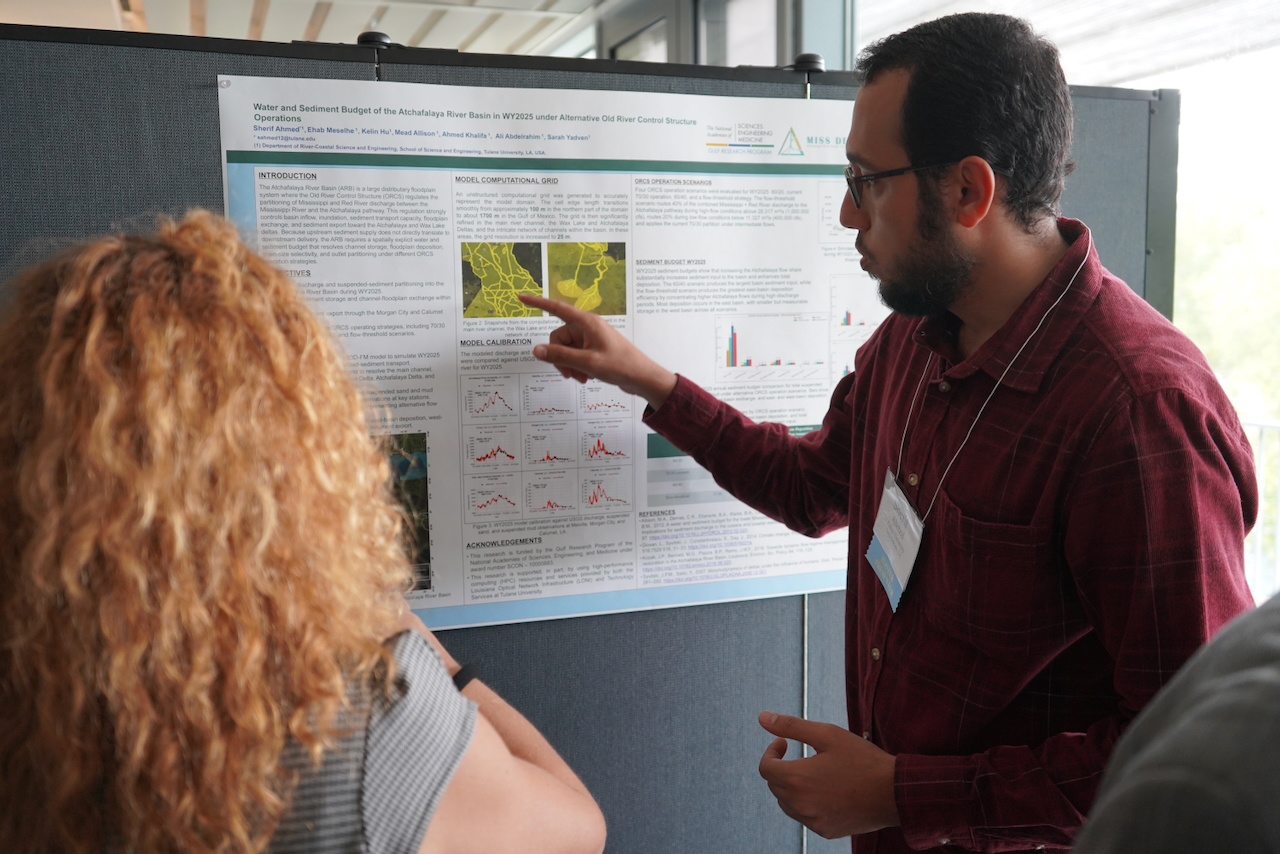
Research is central to the River Coastal Science and Engineering MS program, with opportunities to conduct original investigations into coastal processes, environmental change, and engineering solutions. Thesis track students complete an empirical master's thesis under faculty supervision, investigating questions related to river science, coastal engineering, restoration ecology, or related areas. The program's location in the Mississippi River Delta provides exceptional opportunities for field-based research and hands-on investigation of real-world coastal challenges. Faculty research spans diverse areas including coastal resilience, flood mitigation, ecosystem restoration, sediment dynamics, and climate adaptation. Through thesis research and coursework, you'll develop the investigative skills, technical expertise, and critical thinking essential for advanced careers in coastal science, engineering, and environmental management.
Meet Our Faculty
The Applied Mathematics program is guided by a faculty whose expertise spans differential equations, scientific computing, mathematical modeling, and statistics, ensuring students learn from researchers actively working at the intersection of theory and application. Faculty work closely with students throughout the program, from helping design an individualized course of study to advising research projects and theses. This close mentorship, paired with faculty engagement in ongoing research, gives students direct exposure to how mathematical tools are applied to real scientific and engineering problems.
Curriculum Requirements
The 30-credit-hour River Coastal Science and Engineering MS (Non-Resident) program is designed for working professionals to complete their degree remotely while employed. All students must complete 30 graduate credit hours with a cumulative GPA of 3.0 or higher, including enrollment in three semesters of the departmental seminar course to expose students to state-of-the-art research topics and methodologies. Thesis track students complete 6 credits of Master's Research over two semesters, typically in their third and fourth semesters, with the thesis topic designed as an offshoot of the student's employment. The program allows transfer of up to 12 credit hours from previous graduate-level coursework (with advisor approval) and permits up to 9 credit hours of electives from other Tulane departments. Credits earned through the RCSE Graduate Certificate count toward the 30-credit degree requirement, and students are encouraged to pursue the certificate as an intermediate step before beginning the MS degree.

Career Benefits and Pathways
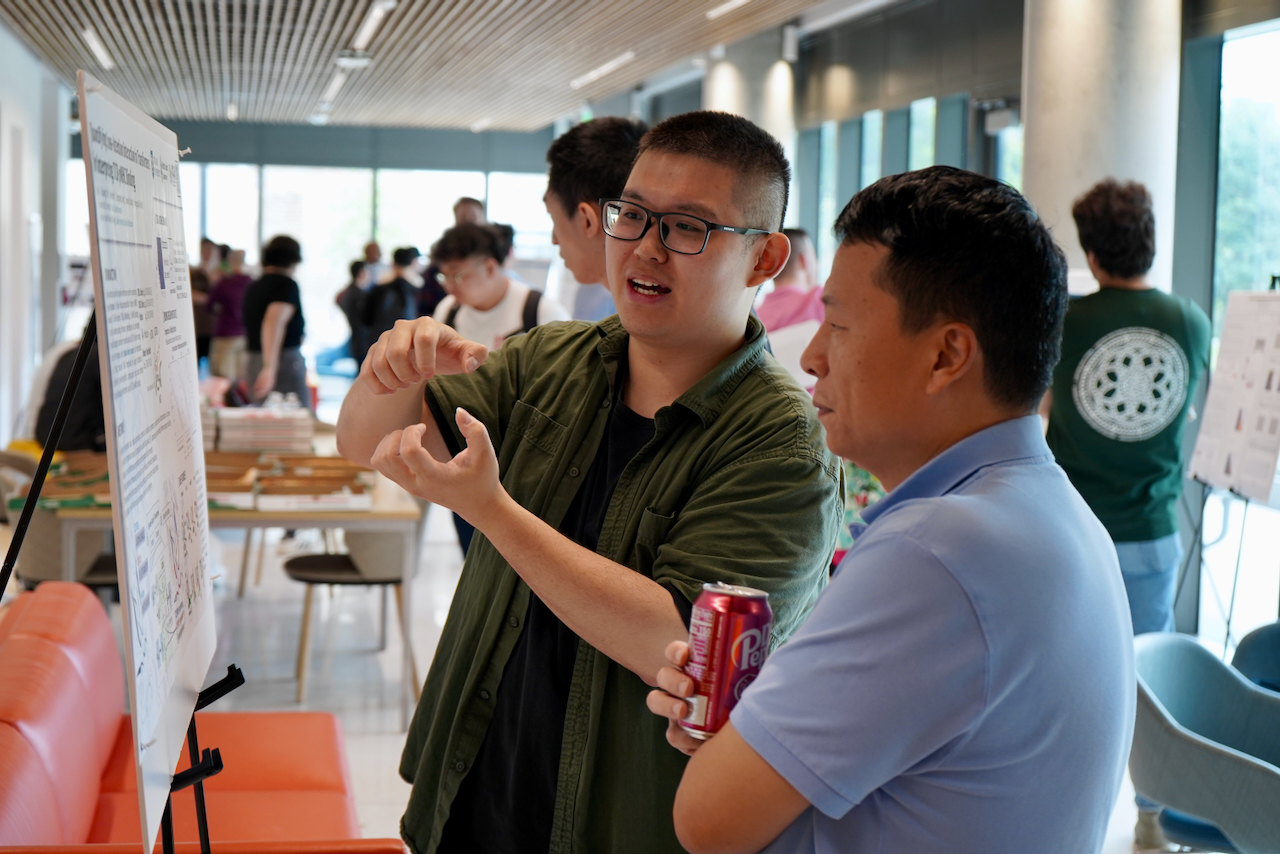
Graduates with a master's in river coastal science and engineering are positioned for impactful careers addressing critical challenges in coastal resilience, environmental management, and engineering. Specific opportunities include coastal engineer, environmental scientist, restoration specialist, water resource manager, climate adaptation consultant, and policy analyst at government agencies, environmental consulting firms, nonprofit organizations, and private industry. The program's emphasis on interdisciplinary training and applied research prepares graduates for positions in coastal protection, flood mitigation, ecosystem restoration, and climate adaptation planning. Many graduates pursue doctoral study or leadership roles in organizations addressing coastal challenges, from federal agencies like NOAA and the U.S. Army Corps of Engineers to environmental nonprofits and consulting firms specializing in coastal resilience and environmental engineering.
Learn more about the admissions process or apply now!
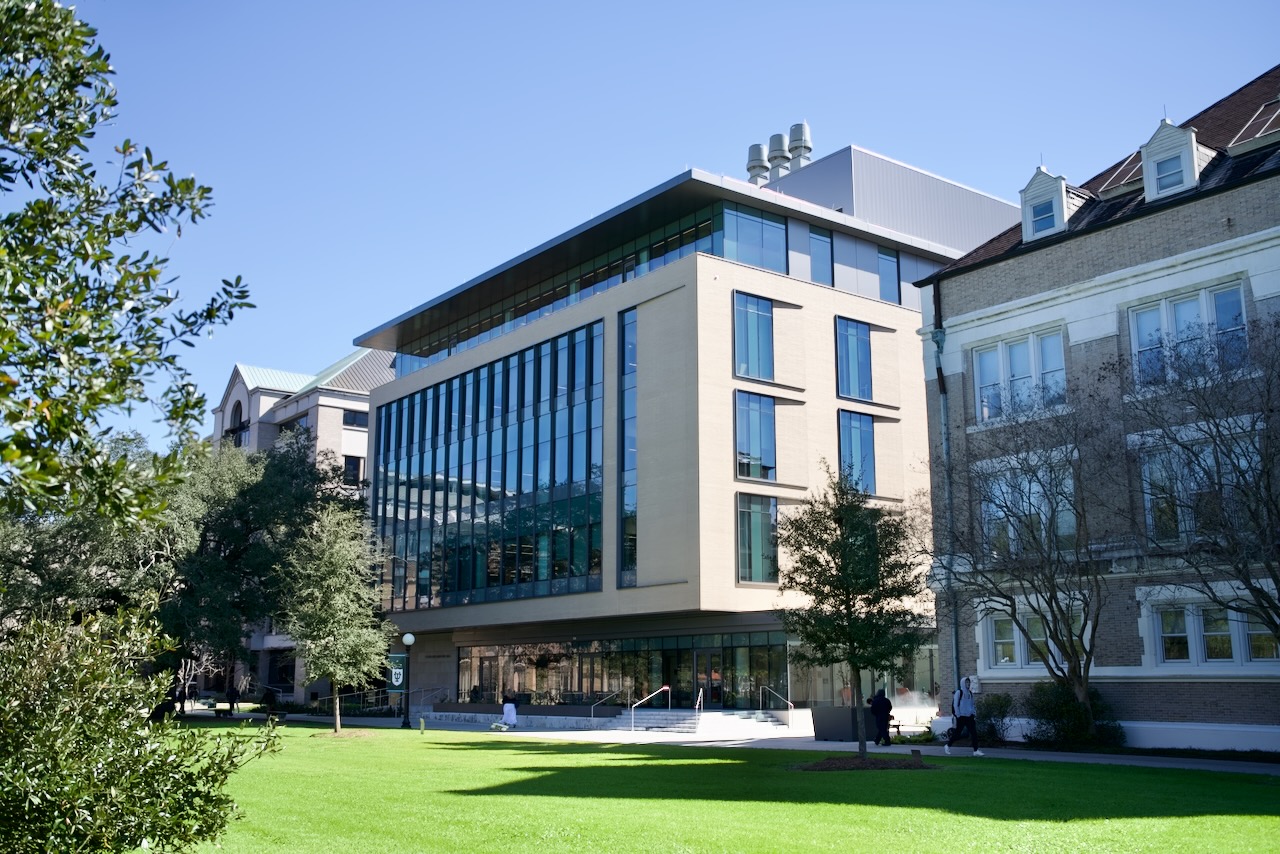
Find full tuition information and the financial aid process.
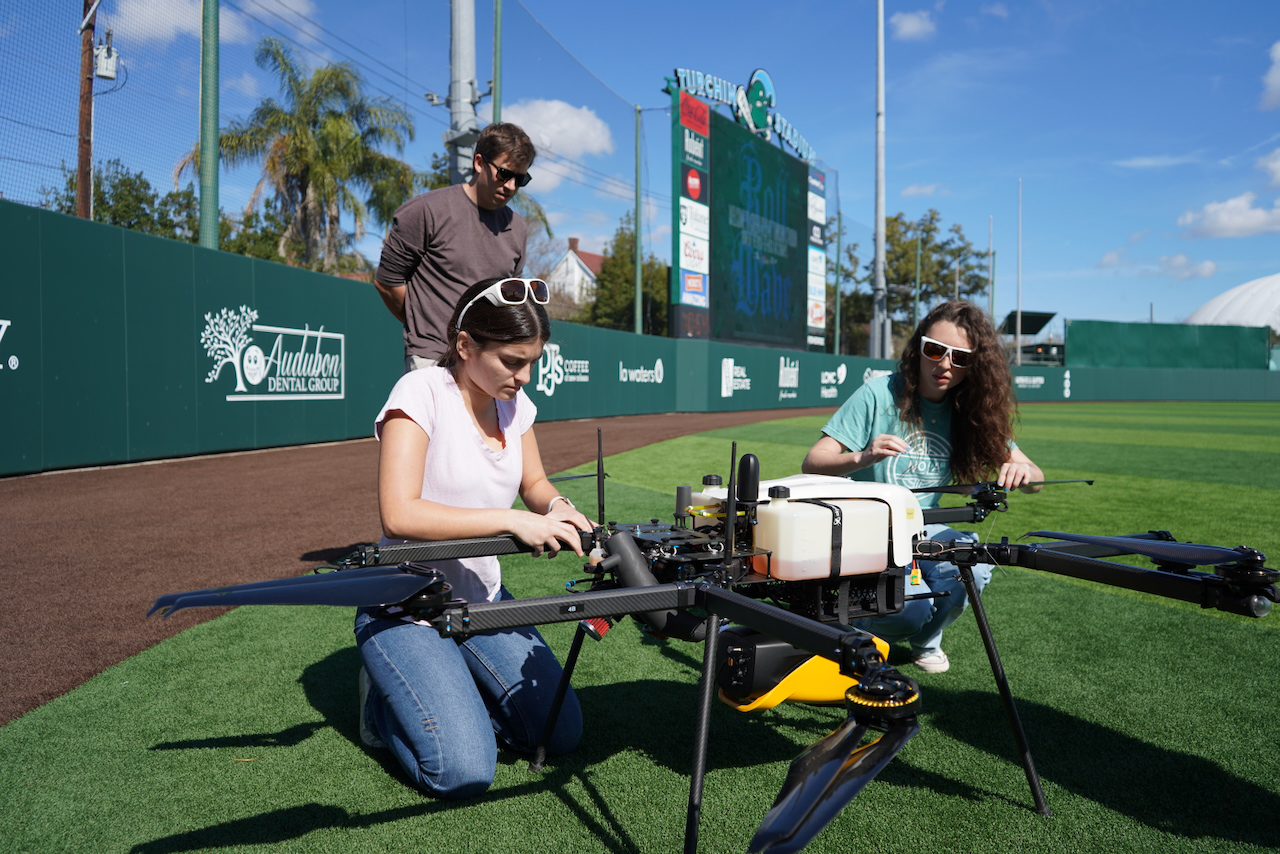
Get to know what makes this place a launchpad for the next generation of scientists and engineers.
FAQs
Applied mathematics is the use of mathematical theory, methods, and computational tools to model, analyze, and solve real-world problems in science, engineering, and technology. It combines rigorous training in areas like differential equations, analysis, and numerical methods with practical problem-solving skills used across research, industry, and government.
Contact Us
Ilianna H. Kwaske, Ph.D.
Associate Dean for MS Programs & Professional Education
ikwaske@tulane.edu
Sarah Berry
Director of MS and Certificate Programs
smccarty@tulane.edu
Rosie Chavez
Director of Graduate Programs
rchavez@tulane.edu
Annalisa Molini
Graduate Coordinator, Department of River-Coastal Science and Engineering
amolini@tulane.edu