
Ph.D. in School Psychology
Ph.D. in School Psychology
The School Psychology Doctoral Program embraces an ecologically-grounded scientist-practitioner model of training. The goal of our training is to prepare professionals who are sensitive to the complex interplay of biological, cultural, economic, social, and psychological influences that contribute to child development. The educational philosophy that serves as the foundation of this training requires student exposure to and engagement with multiple disciplines, research methodologies, and practice contexts.
We are firm in our commitment to produce broadly trained school psychologists who possess the requisite and unique skills necessary to further the knowledge base in psychology and education and to provide health services to diverse children and adolescents in the various settings in which they develop.
ApplyRequest InformationDepartment of PsychologyTrauma Specialization


What You'll Learn
You'll develop expertise as a health service psychologist grounded in ecological systems theory, understanding how biological, cultural, economic, social, and psychological factors influence child development and wellbeing. Through rigorous coursework in psychological assessment, evidence-based interventions, research methodology, and ethics, combined with graduated practicum experiences, you'll master both the science and practice of school psychology. You'll learn to work effectively with diverse populations, apply research to clinical practice, and provide comprehensive health services in schools, hospitals, and community settings.
Research
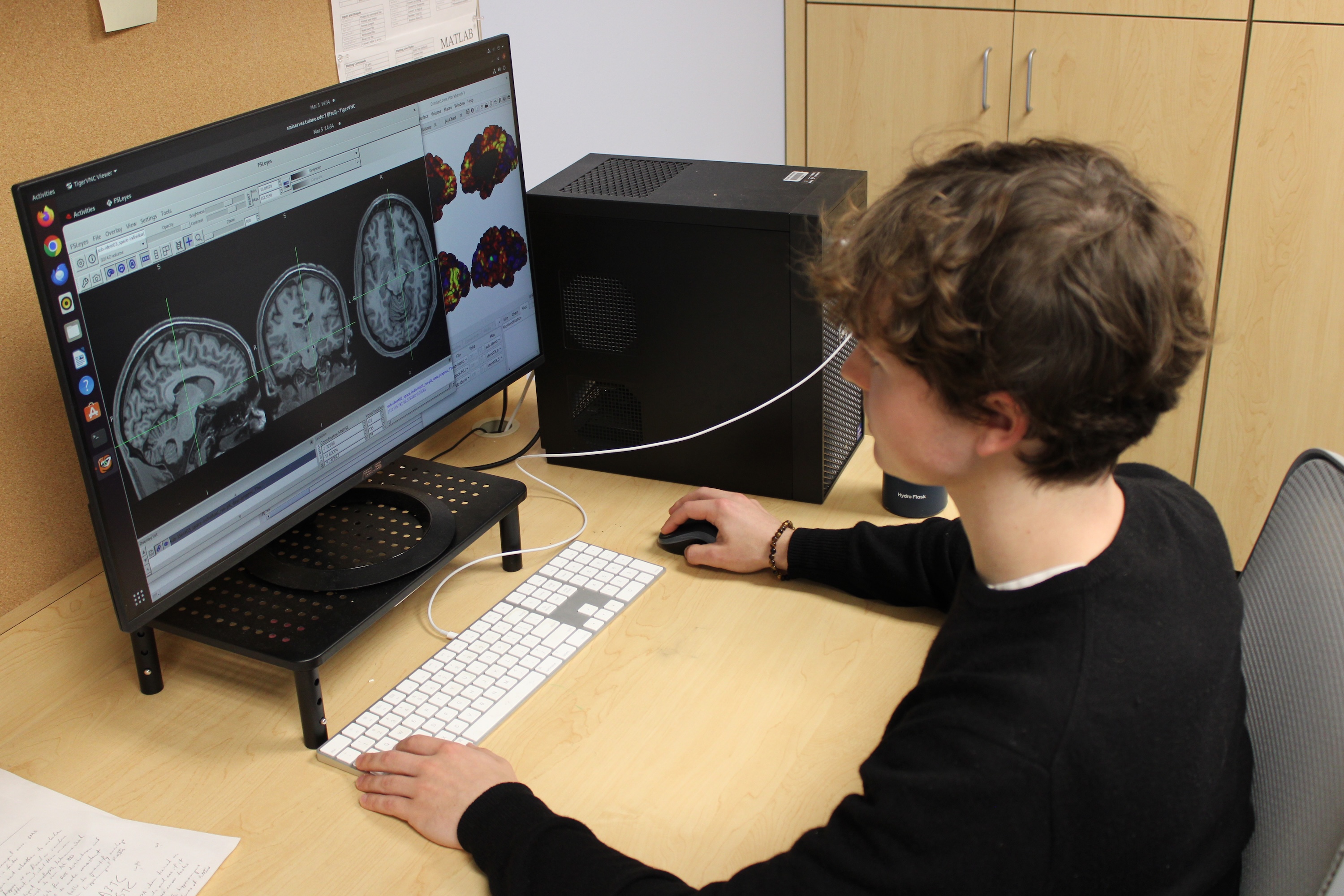
Research is integral to your training as a school psychologist. You'll develop skills in formulating and conducting research projects, critical literature reviews, efficacy studies, and program evaluation that contribute to the scientific knowledge base. Your dissertation research will demonstrate your ability to conduct substantially independent scholarly work of sufficient quality and rigor to advance the field. You'll also learn to apply research findings within professional practice and disseminate your work through professional publications and presentations.
Meet Our Faculty
Tulane's School Psychology faculty are accomplished clinician-researchers and dedicated mentors committed to training health service psychologists. Our faculty bring expertise in child development, evidence-based assessment and intervention, cultural competence, and research methodology. Your faculty advisor and dissertation committee will guide your clinical training, research development, and professional growth, ensuring you develop the competencies needed to serve diverse populations and advance the field of school psychology.
Curriculum Requirements
The PhD requires advanced coursework in psychological assessment, behavioral and cognitive-behavioral interventions, research methodology, ethics, and child development. You'll complete a master's thesis, pass comprehensive exams, and conduct original dissertation research. The program emphasizes graduated practicum experiences—first coupled with academic courses to build specific clinical skills, then uncoupled to allow integration of skills in real-world settings. By program completion, you'll have substantial clinical experience and a dissertation demonstrating your research competence.


Career Benefits and Pathways
Tulane School Psychology PhD graduates pursue careers as licensed psychologists in schools, hospitals, community mental health centers, and private practice. Your APA-accredited training positions you for leadership roles in school psychology, clinical practice, research, program development, and advocacy for child mental health. Graduates work with diverse populations across settings, applying evidence-based practices to promote child development, academic success, and psychological well-being.

Learn more about the admissions process or apply now!

Find full tuition information and the financial aid process.
Get to know what makes this place a launchpad for the next generation of scientists and engineers.
FAQs
School psychology is a health service profession that applies psychological science to promote the academic, social, emotional, and behavioral well-being of children and adolescents in educational and community settings. School psychologists conduct assessments, develop and implement evidence-based interventions, consult with educators and families, and conduct research to improve outcomes for all students.
The program is fully accredited by the Commission on Accreditation of the American Psychological Association. Questions related to the program’s accredited status should be directed to the Commission on Accreditation:
Office of Program Consultation and Accreditation
American Psychological Association
750 1st Street NE, Washington, DC 20002
Phone: 202-336-5979 / Email: apaaccred@apa.org
Our approach to training is grounded in Bronfenbrenner’s (1989, pg. 188) ecological systems theory, which holds that “[t]he ecology of human development is the scientific study of the progressive, mutual accommodation, throughout the life course, between an active, growing human being, and the changing properties of the immediate settings in which the developing person lives, as this process is affected by the relations between these settings, and by the larger contexts in which the settings are embedded.” The primary aim of our training is to prepare health service psychologists who are sensitive to the complex interplay of biological, cultural, economic, social, and psychological influences that contribute to child development and health outcomes. The educational philosophy that serves as the foundation of this training specifies that the development of profession-wide competencies must be met through student exposure to and engagement with multiple disciplines, research methodologies, and practice contexts.
The development of profession-wide competencies is achieved through a broad curriculum of coursework, training and practicum experiences, and research activities. Practicum experiences reflect a graduated progression through increasingly integrated and independent experiences that allow for the integration of academic knowledge and practical experience. The practicum experiences during the first and second years of training are specifically coupled with academic courses in psychological and behavioral assessment, behavioral and cognitive behavioral interventions, and other evidence-based treatments. Practicum experiences during the third and fourth years are uncoupled from specific academic courses, as students move from acquiring specific clinical skills to integrating those skills to provide a full range of health services in schools, hospitals, and community settings.
Students develop a strong foundational base in discipline-specific knowledge, including history and systems of psychology; biological, social, cognitive, developmental, and affective aspects of behavior; and quantitative and qualitative research methods. The profession-wide competencies for which we prepare students to enter the field are outlined below.
(i) Research
Demonstrate the substantially independent ability to formulate research or other scholarly activities (e.g., critical literature reviews, dissertation, efficacy studies, clinical case studies, theoretical papers, program evaluation projects, program development projects) that are of sufficient quality and rigor to have the potential to contribute to the scientific, psychological, or professional knowledge base.
Conduct research or other scholarly activities.
Critically evaluate and disseminate research or other scholarly activity via professional publication and presentation at the local (including the host institution), regional, or national level.
Demonstrate skills in applying research within professional practice.
(ii) Ethical and legal standards
Be knowledgeable of and act in accordance with each of the following:
The current version of the American Psychological Association (APA) Ethical
Principles of Psychologists and Code of Conduct;
Relevant laws, regulations, rules, and policies governing health service psychology at the organizational, local, regional, state, and federal levels; and
Relevant professional standards and guidelines. Recognize ethical dilemmas as they arise and apply ethical decision-making processes in order to resolve the dilemmas.
Conduct self in an ethical manner in all professional activities.
Be knowledgeable of and act in accordance with the United Nations (1989) Convention on the Rights of the Child and its intersection with APA Ethical Principles of Psychologists and Code of Conduct; relevant laws, regulations, rules, and policies governing health service psychology; and relevant professional standards and guidelines.
Advocate for child rights in partnership with key stakeholders (parents, teachers, schools, communities, policymakers).
(iii) Individual and cultural diversity
An understanding of how their own personal/cultural history, attitudes, and biases may affect how they understand and interact with people different from themselves.
Knowledge of the current theoretical and empirical knowledge base as it relates to addressing diversity in all professional activities, including practice, research, training, and service.
The ability to integrate awareness and knowledge of individual and cultural differences in the conduct of professional roles (e.g., practice, research, training, service, and other professional activities).
This includes the ability to apply a framework for working effectively with areas of individual and cultural diversity not previously encountered over the course of their careers. Also included is the ability to work effectively with individuals whose group membership, demographic characteristics, or worldviews create conflict with their own.
The requisite knowledge base, ability to articulate an approach to working effectively with diverse individuals and groups, and ability to apply this approach effectively in their professional work.
(iv) Professional values, attitudes, and behaviors
Behave in ways that reflect the values and attitudes of psychology, including integrity, deportment, professional identity, accountability, lifelong learning, and concern for the welfare of others.
Engage in self-reflection regarding one’s personal and professional functioning; engage in activities to maintain and improve performance, well-being, and professional effectiveness.
Actively seek and demonstrate openness and responsiveness to feedback and supervision.
Respond professionally in increasingly complex situations with a greater degree of independence as they progress across levels of training.
In addition to the professional values, attitudes, and behaviors endorsed by APA, our Program has developed five additional elements associated with this competency.
Demonstrate respect for each other through our words, actions, and non-verbal communication to promote individual well-being.
Utilize effective communication characterized by openness, transparency, and humility.
Commit to lifelong learning and continuously use self-reflection to acknowledge our own limitations and seek consultation and opportunities for personal/professional growth when needed.
Utilize cultural humility when interacting with each other, community partners, and research participants. We do not endorse or practice tone-policing, body-shaming, gaslighting, anti-Blackness, anti-immigrant, anti-LGBTQIA++, or respectability politics within our research endeavors, clinical practice, mentor-mentee relationships, or supervisor-supervisee relationships. We acknowledge the changing face of the profession of health service psychology and the communities we serve.
Strive for excellence in our clinical, research, and academic endeavors. We utilize evidence-based techniques, seek consultation from community partners, and use our work to promote social justice rather than personal prestige.
(v) Communications and interpersonal skills
Develop and maintain effective relationships with a wide range of individuals, including colleagues, communities, organizations, supervisors, supervisees, and those receiving professional services.
Produce and comprehend oral, nonverbal, and written communications that are informative and well-integrated; demonstrate a thorough grasp of language and concepts relevant to health service psychology.
Demonstrate effective interpersonal skills and the ability to manage difficult communication well.
(vi) Assessment
Demonstrate current knowledge of diagnostic classification systems, functional and dysfunctional behaviors, including consideration of client strengths and psychopathology.
Demonstrate understanding of human behavior within its context (e.g., family, social, societal and cultural).
Demonstrate the ability to apply the knowledge of functional and dysfunctional behaviors including context to the assessment and/or diagnostic process.
Select and apply assessment methods that draw from the best available empirical literature and that reflect the science of measurement and psychometrics; collect relevant data using multiple sources and methods appropriate to the identified goals and questions of the assessment as well as relevant diversity characteristics of the service recipient.
Interpret assessment results, following current research and health service psychological standards and guidelines, to inform case conceptualization, classification, and recommendations, while guarding against decision-making biases, distinguishing the aspects of assessment that are subjective from those that are objective.
Communicate orally and in written documents the findings and implications of the assessment in an accurate and effective manner sensitive to a range of audiences.
(vii) Intervention
Establish and maintain effective relationships with the recipients of psychological services.
Develop evidence-based intervention plans specific to the service delivery goals.
Implement interventions informed by the current scientific literature, assessment findings, diversity characteristics, and contextual variables.
Demonstrate the ability to apply the relevant research literature to clinical decision-making.
Modify and adapt evidence-based approaches effectively when a clear evidence base is lacking.
Evaluate intervention effectiveness and adapt intervention goals and methods consistent with best-practice progress monitoring.
Competently select, apply, and interpret assessment tools, including implementation fidelity monitoring, progress monitoring, and outcome assessment, to facilitate the design and evaluation of interventions.
(viii) Supervision
Demonstrate knowledge of supervision models and practices.
Demonstrate an understanding of how the supervisory process is influenced by the culture, context, and developmental level of the supervisee.
(ix) Consultation
Demonstrate knowledge and respect for the roles and perspectives of other professions.
Demonstrate knowledge of consultation models and practices.
Provide consultation services that are ecologically and culturally sensitive.
Relate effectively and meaningfully with others to carry out diverse health service psychological activities, including assessment, intervention, and research.
Students are placed as externs (also known as practicum students) at a practicum site during each of their four years of training. Practicum experiences during the fifth year are optional. Practicum experiences reflect a graduated progression through increasingly integrated and independent experiences that allow for the integration of academic knowledge and practical experience.
The practicum experiences during the first and second years of training are specifically coupled with academic courses in psychological and behavioral assessment, behavioral and cognitive behavioral interventions, and other evidence-based treatments. The faculty instructors of the courses provide supervision of the skills being taught, and discussions of the integration of academic knowledge with practical experience take place in the classroom and in supervision. First- and second-year practica are housed in part in the Program’s on-campus training clinic, the Tulane University Psychology Clinic for Children and Adolescents.
Practicum experiences during subsequent years are uncoupled from specific academic courses, as students move from acquiring specific clinical skills to integrating those skills to provide a full range of health services in schools, hospitals, and community settings. Third- and fourth-year students rank their preferences for practicum sites each year, with third-year students typically limited to school-based sites and fourth-year students typically limited to hospital/community-based sites. During the third and fourth years, students are supervised both by faculty trainers and on-site supervisors as they learn to accommodate different viewpoints and contexts in carrying out their work. Students will have experiences within the practicum to learn how to deliver telehealth services.
Students enrolled in practicum also participate in group supervision. Each cohort meets together for small group supervision, which focuses on didactic learning, case presentations, and professional development. Once a month, the full program meets for large group supervision, which aims to build community, provide opportunities for shared learning, and foster self-reflection. Individual and group supervision is also provided to students at practicum sites. Students may occasionally be supervised via telesupervision, especially in the context of public health crises.
Students have access to assessment materials, scoring programs, and intervention resources through their practicum sites, the School Psychology Library, and the Psychology Clinic for Children and Adolescents.
Kristin Callahan, PhD, Adjunct Faculty
Ph.D., 2010, University of New Orleans
Licensed Developmental Psychologist
Jeffrey Chenier, Ph.D. | Adjunct Faculty
Ph.D., 2012, Louisiana State University
Lusher Charter School
Vanessa Durand, Ph.D. | Adjunct Faculty
Ph.D. Duquesne University, 2015
Success Preparatory Academy, Thurgood Marshall
Diane Franz, Ph.D. | Adjunct Faculty
Licensed Clinical Psychologist
Children's Hospital-New Orleans
Sarah A. O. Gray, Ph.D. | Research Assistant Professor
Ph.D., 2013, University of Massachusetts-Boston
Research Interests: Developmental psychopathology, early childhood mental health, stress & trauma, parenting, autonomic reactivity, sex differences.
Jodi Kamps, Ph.D. | Adjunct Faculty
Clinical Psychologist
Children's Hospital-New Orleans
Catherine Kiracofe, Ph.D. | Adjunct Faculty
Children's Hospital-New Orleans
Heather Henderson Larrazolo, Ph.D. | Adjunct Faculty
Ph.D., 2017, Tulane University
KIPP Academy
Marva L. Lewis, Ph.D. | Associate Professor | Adjunct Faculty
Ph.D., 1993, University of Colorado
Email: mlewis@tulane.edu
Office: Social Work Building
Tulane School of Social Work
Rebecca Rothbaum, Ph.D. | Adjunct Faculty
Children's Hospital-New Orleans
A complete application means you have submitted:
A completed application form using the online system
Three (3) letters of recommendation.
Transcripts from all undergraduate institutions attended and of any previous graduate work completed [Note: Unofficial transcripts are accepted for admission consideration; enrollment at the University is contingent upon official transcripts]
The Graduate Record Examination is not required.
Test of English as a Foreign Language (TOEFL) scores, or the equivalent, for applicants whose native language is not English.
Statement of experiences and interests ("personal statement")
Students who completed an undergraduate major in psychology and who have satisfactorily completed courses in general psychology, statistics, and research methods are preferred. Applicants to the School Psychology Program should, in addition, have taken psychological testing. Exceptions may be made for outstanding students in other disciplines.
In most instances, minimum criteria for consideration for financial aid are an overall undergraduate GPA of 3.2, as well as a major GPA of 3.4; as indicated in the profile of our current students (see stats by scrolling down the page), most admitted candidates exceed these minimum qualifications. Evidence of research experience in psychology is highly desirable. The primary concern in selection is that the applicant show scientific and professional promise as well as evidence of successful graduate performance. Students are accepted only for full-time graduate study.
Tulane University is an Affirmative Action/Equal Opportunity institution, and consequently its policy of nondiscrimination includes recruitment, employment, retention, and promotion of the most qualified students, faculty, and staff, regardless of an individual's race, sex, color, religion, national/ethnic origin, age, citizenship, marital status, sexual orientation, handicap, or veteran status. Tulane University does not discriminate in its provision of services and benefits and in its treatment of students, patients, and employees. This commitment is made by the University as required by federal, state, and local laws and regulations, including the Civil Rights Act of 1964, Title IX of the Higher Education Act Amendments of 1972, and Section 504 of the Rehabilitation Act of 1973. Inquiries regarding this policy should be referred to the Affirmative Action Office.
Applicants may request consideration for financial support when they apply for admission. Doctoral-level students can be considered for any of the following mechanisms of annual financial support:
Full-time teaching assistantships
-Available to the majority of entering students for the first five years of study.
-A full teaching assistantship involves teaching duties of 12-15 hours per week, including instruction of laboratory sections or assisting in lecture courses.
-Such a position includes full tuition remission and a modest stipend.
-Stipends for 2025-2026 are $27,100 for 9 months. Stipend rates increase periodically in response to changes in cost of living.
-For students who adopt the university health insurance plan, the School or Department provides 100% support for the individual's own coverage.
Research Assistantships
-Selected students may be funded by research assistantships from internal or extramural grant sources.
-Research assistantships carry both a tuition waiver and stipend commensurate with the level of a teaching assistantship.
-Additional annual summer support is available in the form of research and teaching awards.
Research awards of $2500 are granted to all PhD students during their first four years in the program. These grants are intended to help students make progress on their research during the summer. These awards are made possible by our long-time benefactor, Mr. Robert E. Flowerree. Selected students may receive additional summer research stipends through extramural research grants. In addition, several teaching assistantships are available during the summer sessions that range from $1500 to $2800 each.
Information on tuition and fees can be found on the Tulane Student Accounts Receivable website; tuition for students supported by research or teaching assistantships or fellowships is waived during the first five years of study. All of our current full-time Ph.D. students in their first five years of study hold tuition waivers. Although PhD students studying full-time receive a tuition waiver, they are responsible for student fees.
The Department was founded in 1911 and awarded its first doctoral degree in 1949. Currently, the Department offers the PhD in School Psychology and Psychological Science. The PhD in Psychological Science offers specializations in two areas: Social Psychology and Brain, Cognition, and Developmental Science. Beginning in 2017, Psychological Science students may also choose to complete additional coursework to earn a certificate in Health Psychology. The PhD in School Psychology began in 1980 and has been fully accredited by the American Psychological Association since 1995. As a result of the last accreditation review in 2017, the Committee on Accreditation voted to reaffirm accreditation through 2027. Beginning in 2012, School Psychology students may choose to complete additional coursework to earn a certificate in Trauma-Focused School Psychology.
No GRE test is required. However, if you were not a psychology major or if you attended a university or college that is not well known, a high score on the psychology area subject test may help verify your preparation for the Ph.D. curriculum.
No. Students do not need a master's degree to be admitted to the Ph.D. program.
It depends. Faculty who teach similar courses will examine your syllabi and make a recommendation to our Graduate Training Committee. If you receive an offer of admission, you are welcome to ascertain what will transfer prior to making a decision about entering our programs.
No. You may wish to examine the APA publication Graduate Study in Psychology to find universities that offer these degree programs. Our School Psychology Program has a strong emphasis on developmental psychopathology (child and adolescent mental health), with a training and research focus on assessment and clinical intervention.
No. Students are admitted to the Ph.D. program and earn a master's degree en route.
Some courses, especially those with practica, are restricted to students in our programs. But many are open to students with the appropriate background. If you are interested in taking a graduate course, you probably should contact the instructor in advance to be sure that you have the background and that the course meets your needs.
Contact Us
Rosie Chavez
Director of Graduate Programs
rchavez@tulane.edu
Dan Shantz
Associate Dean for Research and Ph.D. Programs
dshantz@tulane.edu
Department of Psychology
2007 Percival Stern Hall
New Orleans, LA 70118
Telephone: (504) 865-5331
Fax: (504) 862-8744