
Built from the Ground Up: SSE's Latest Cleanroom
Turning a Building Into a Scientific Instrument
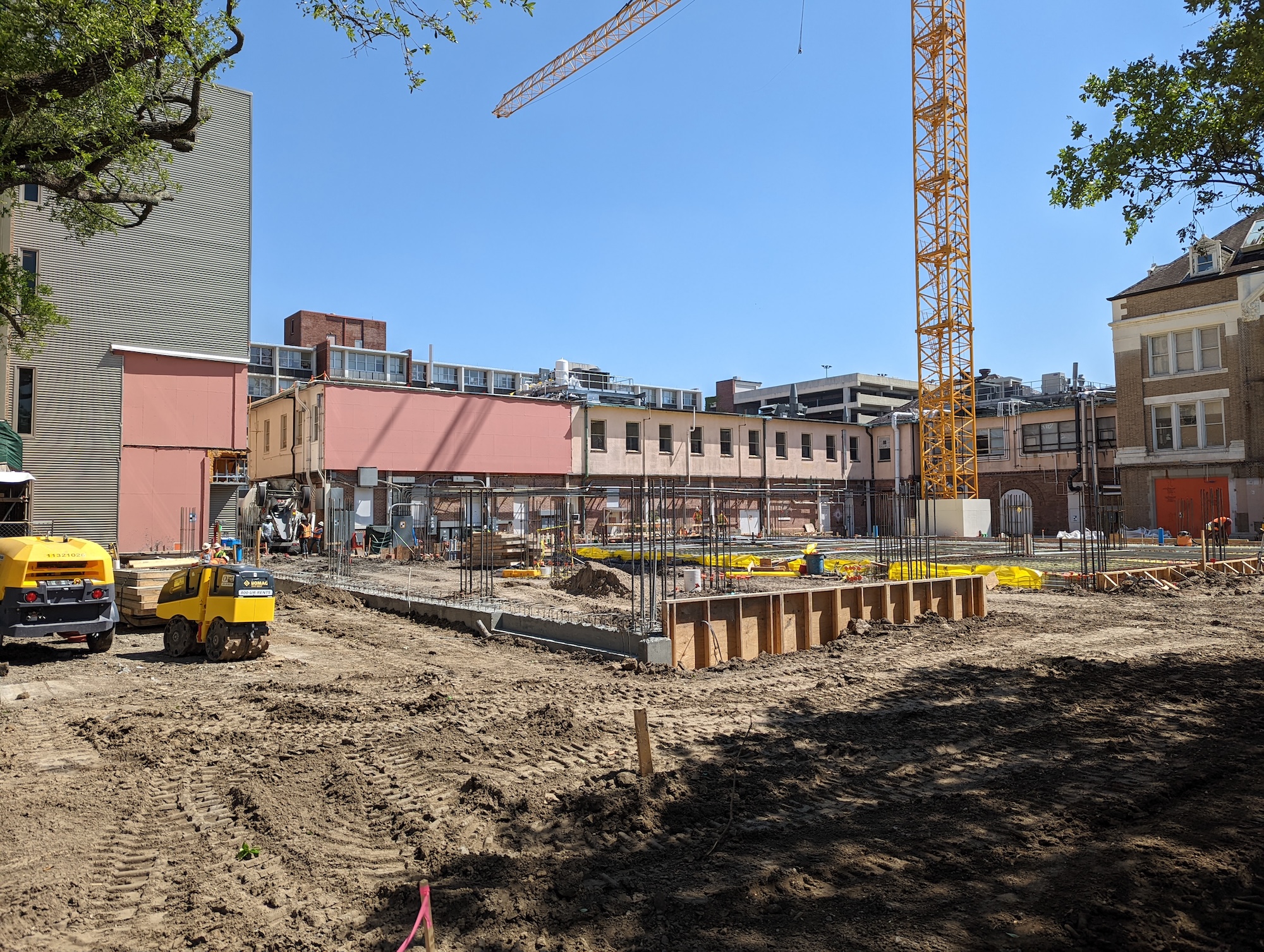
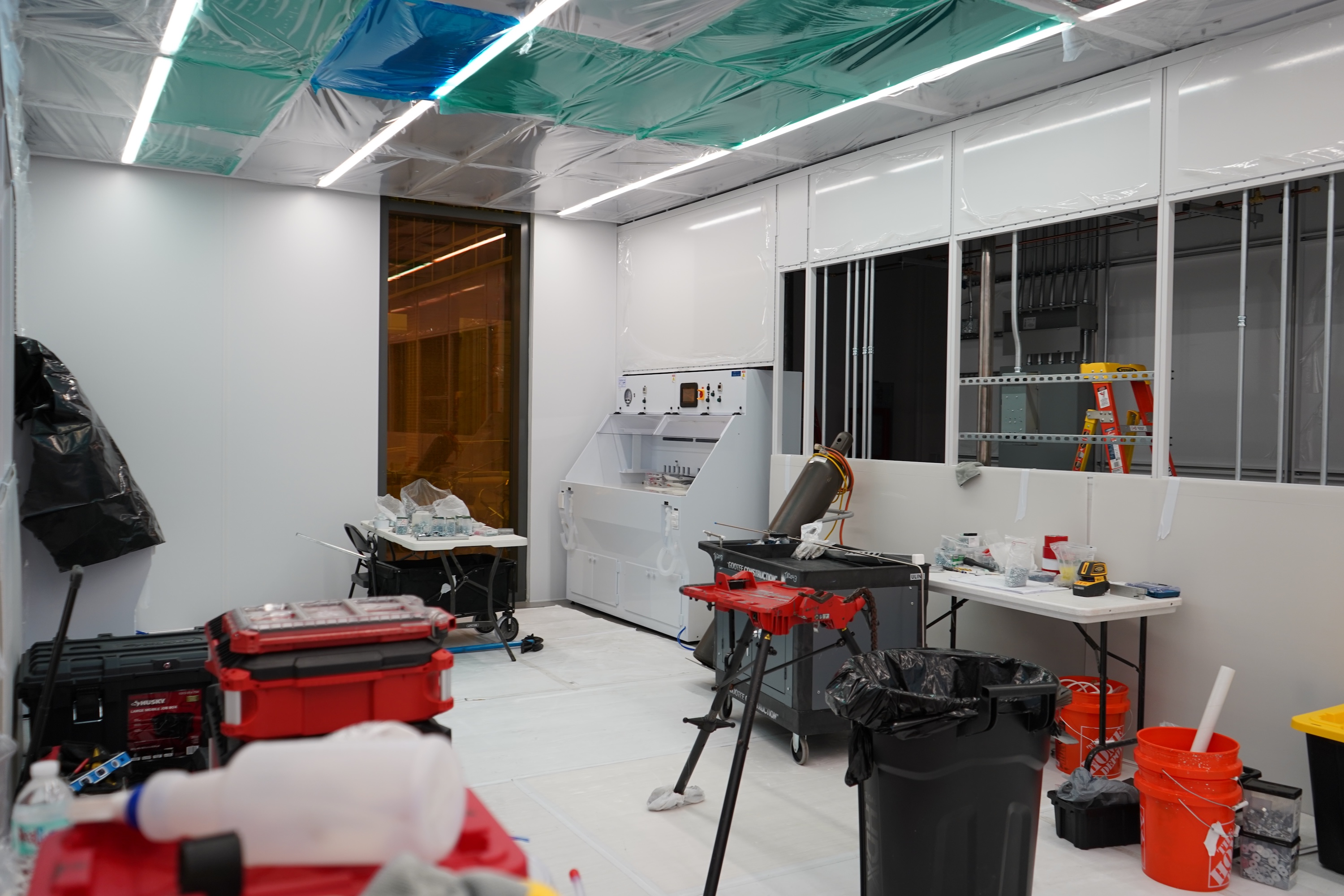
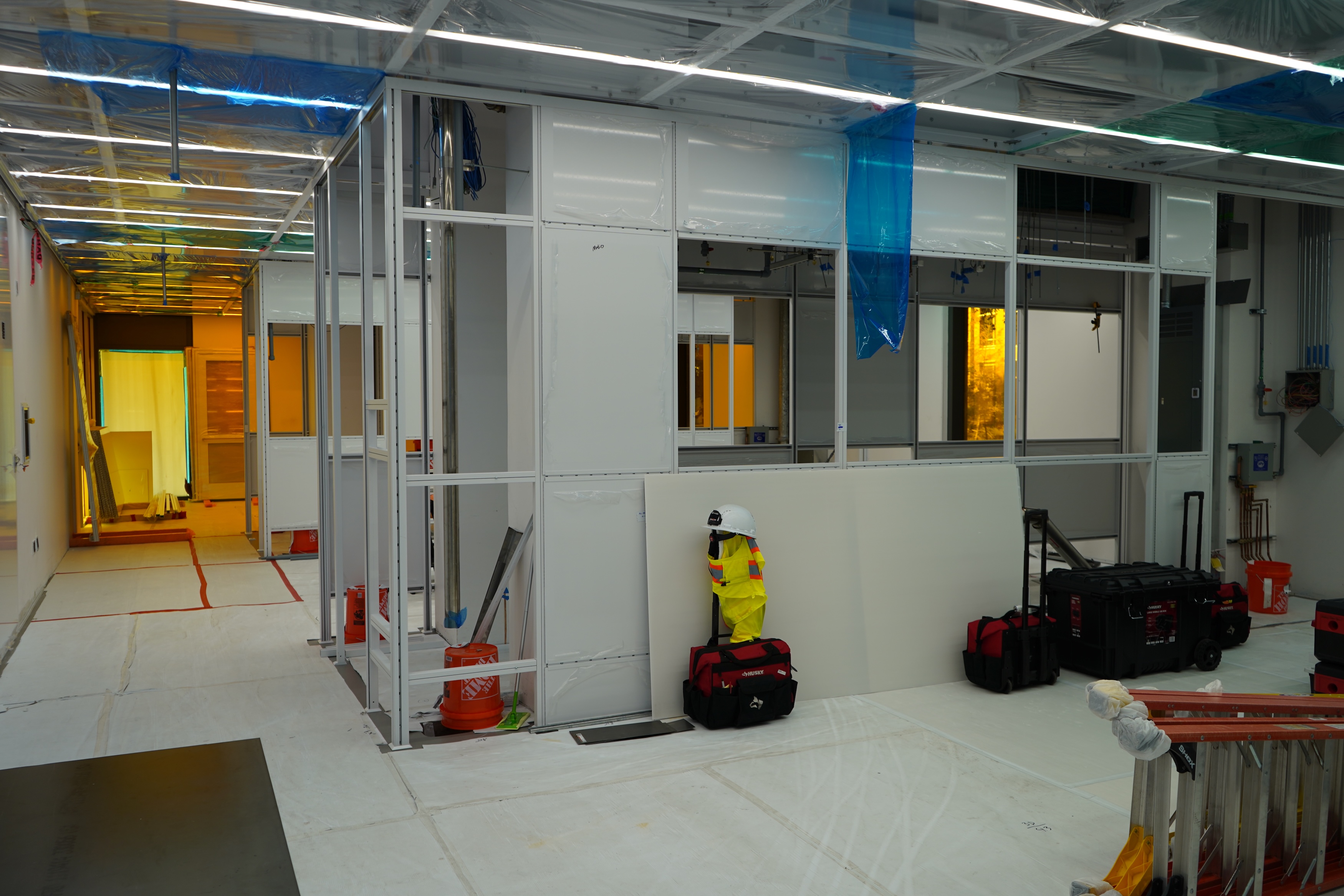
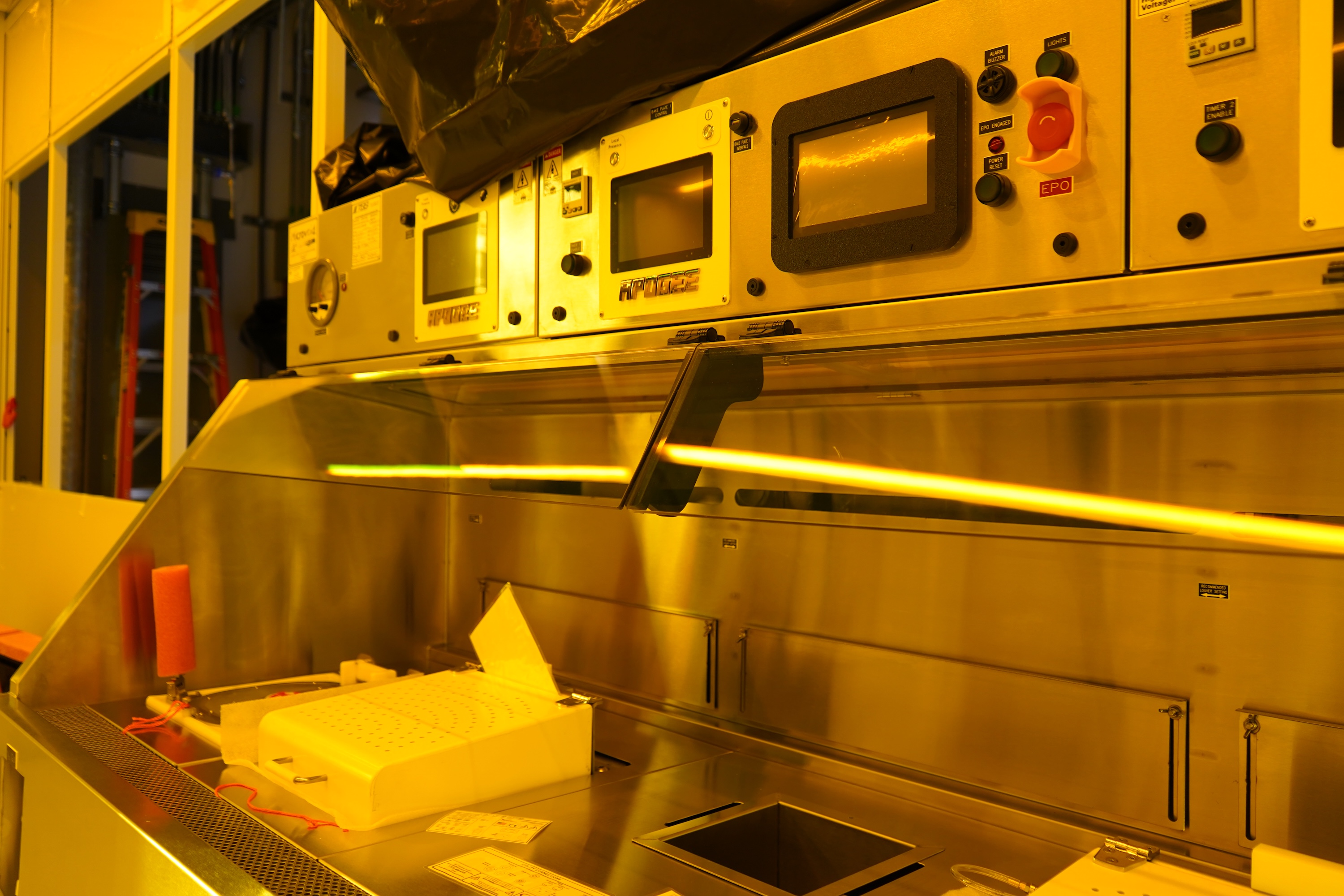
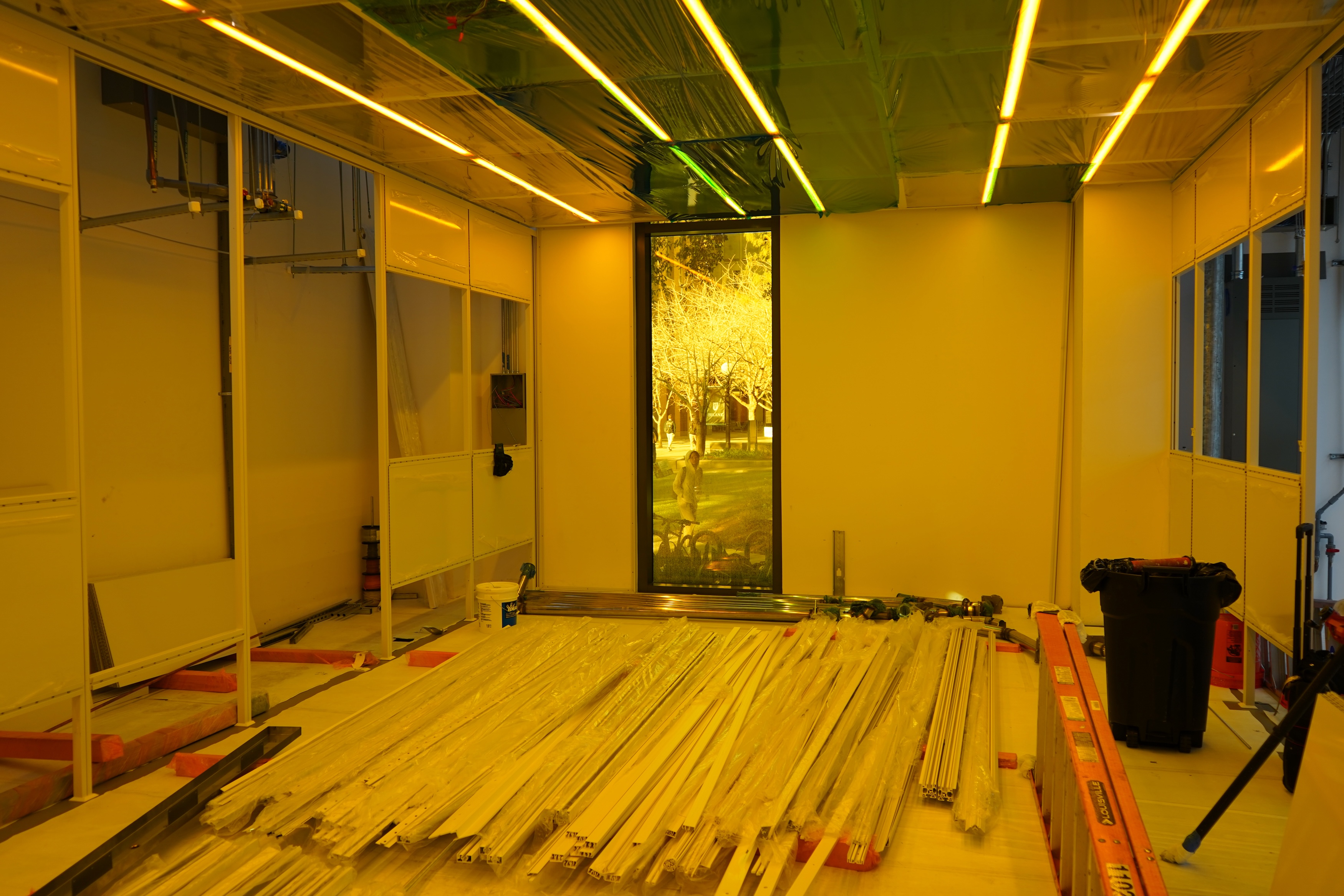
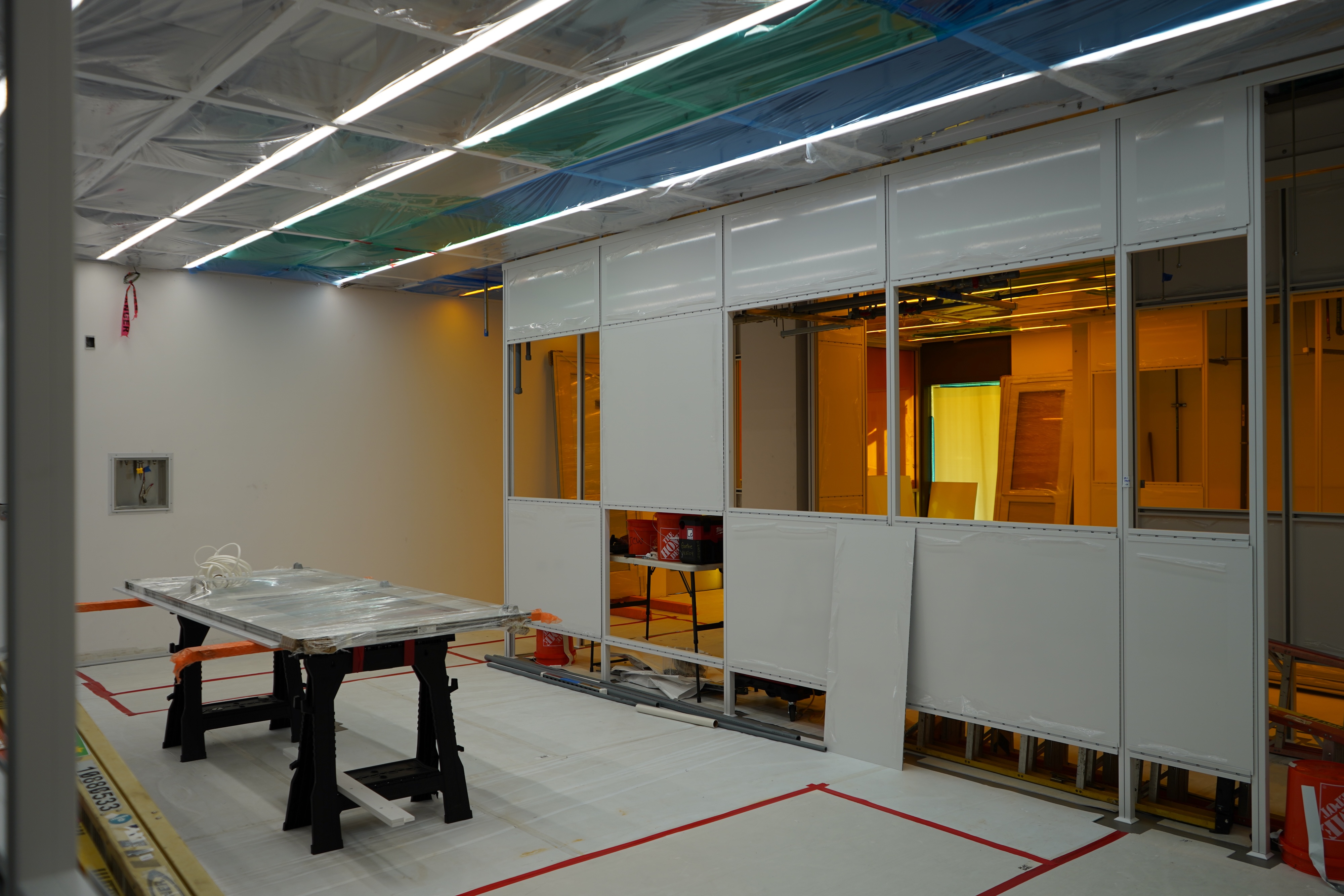
A new ground-level micro/nanofabrication cleanroom in Paul Hall is coming online; engineered from the ground up to deliver stable, ultra-clean conditions for advanced research, hands-on student training, and regional collaboration.
Location: Steven & Jann Paul Hall for Science and Engineering (Ground Level)



What Makes a Cleanroom Different?
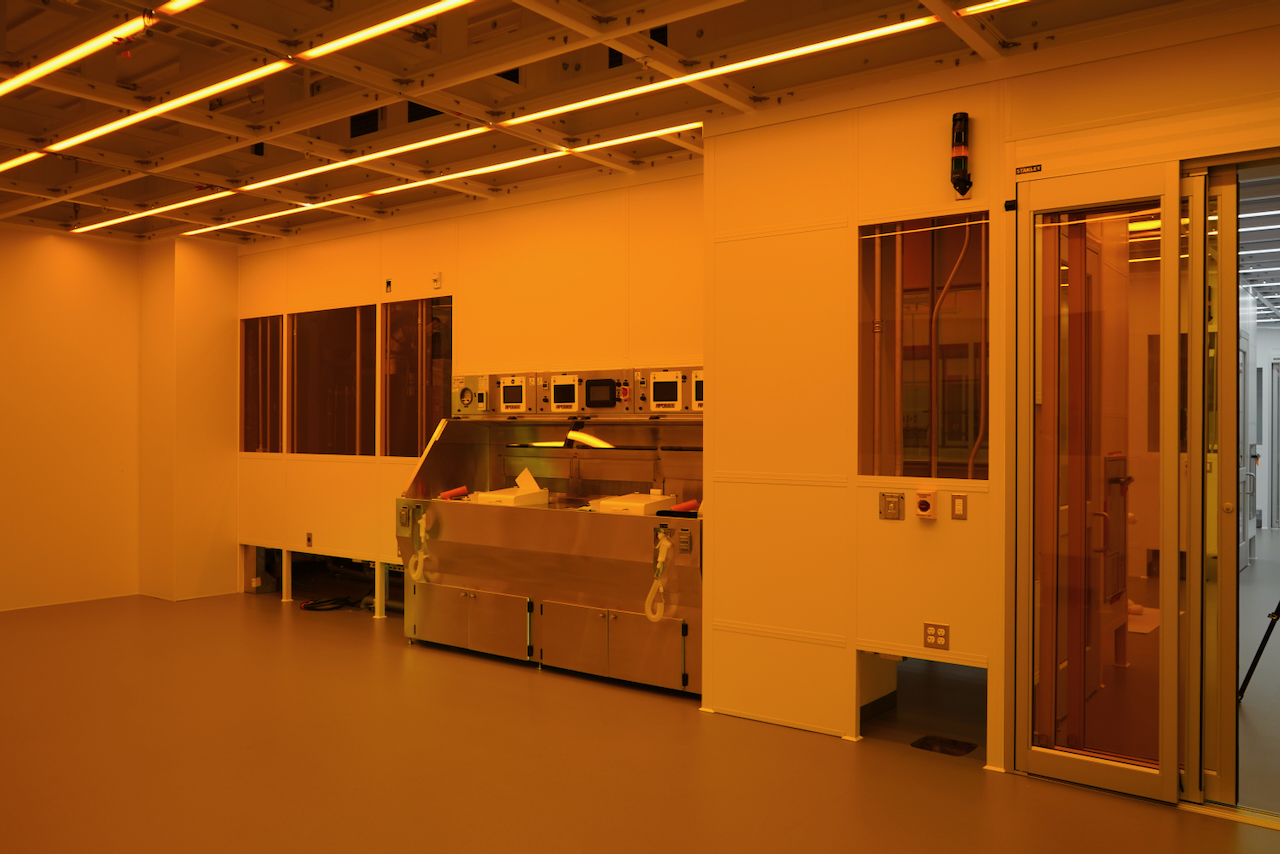
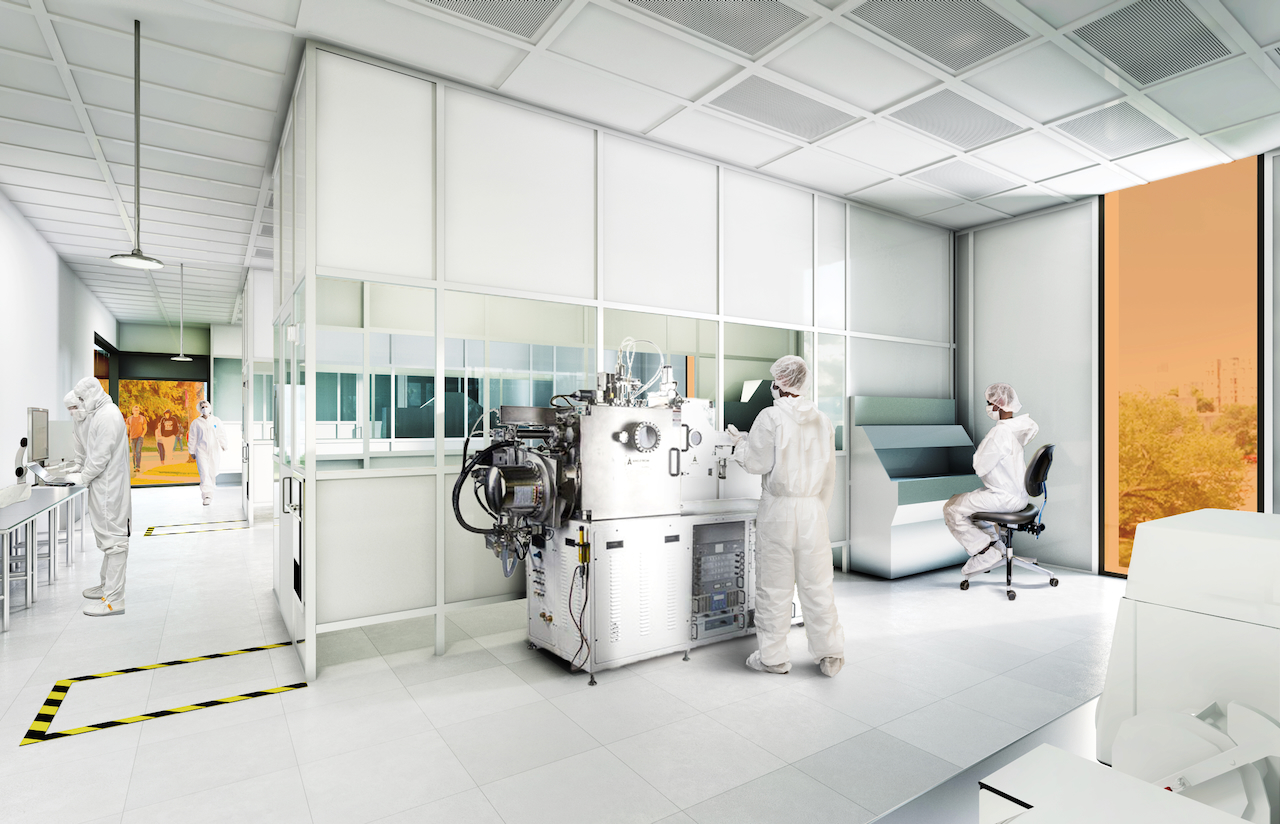
A cleanroom is not just a laboratory—it is a tightly controlled environment where air, temperature, humidity, water, and power are engineered to remain stable and predictable.
Key features include:
- High efficiency air filtration and controlled airflow
- Pressure gradients that help keep contaminants out
- Stable temperature and humidity yearround
- Purified utilities, including deionized water
- Redundant systems designed for reliability
Together, these systems allow delicate processes to be carried out with precision and repeatability.
Project Timeline
-
03/26
Construction completion and final interior buildout
-
04/26
Punchlist work, testing, and system commissioning
-
SUM26
Equipment installation, calibration, validation, and training
- NOV26
Inside the Build: The Systems Behind the Cleanroom
Clean air & filtration
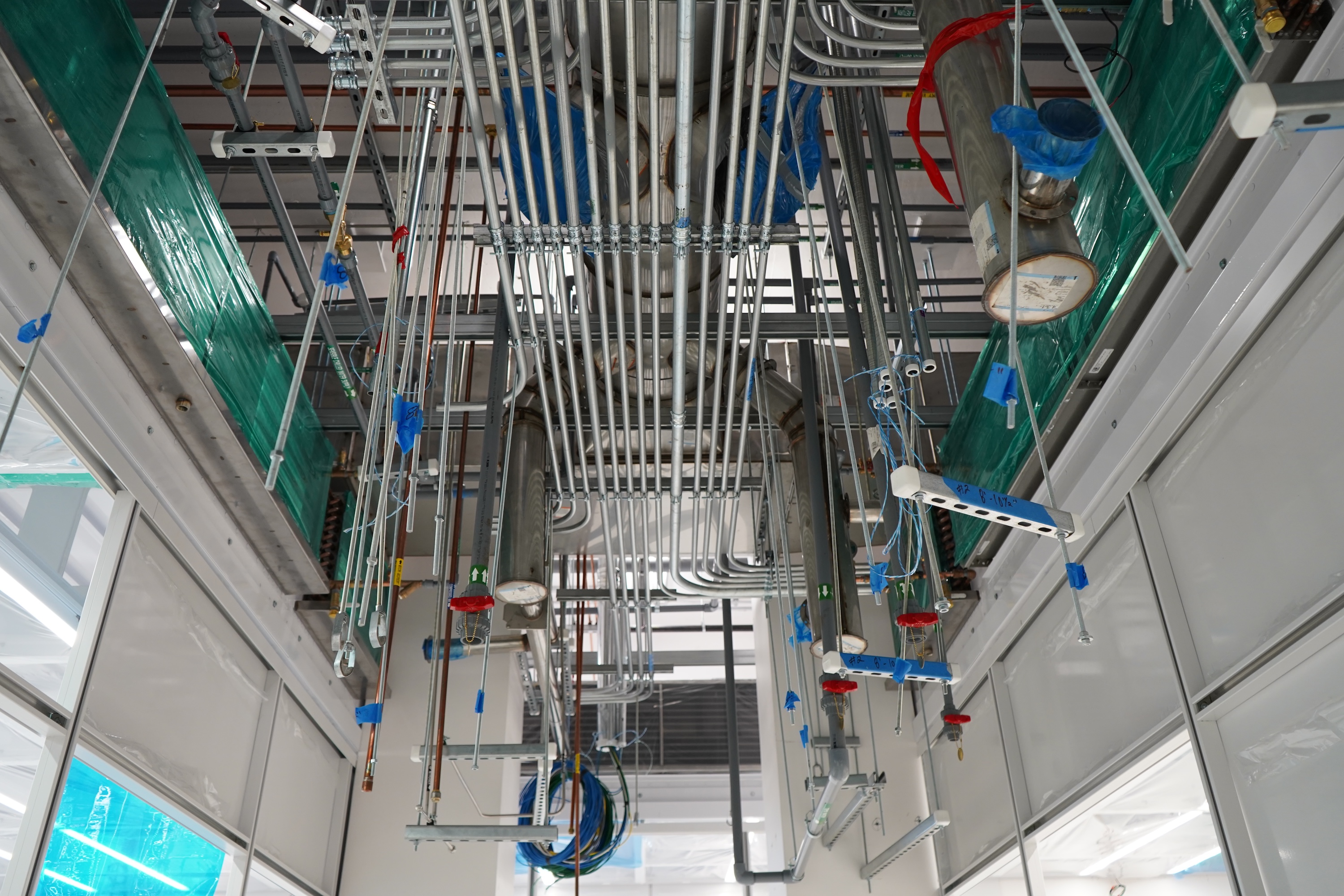
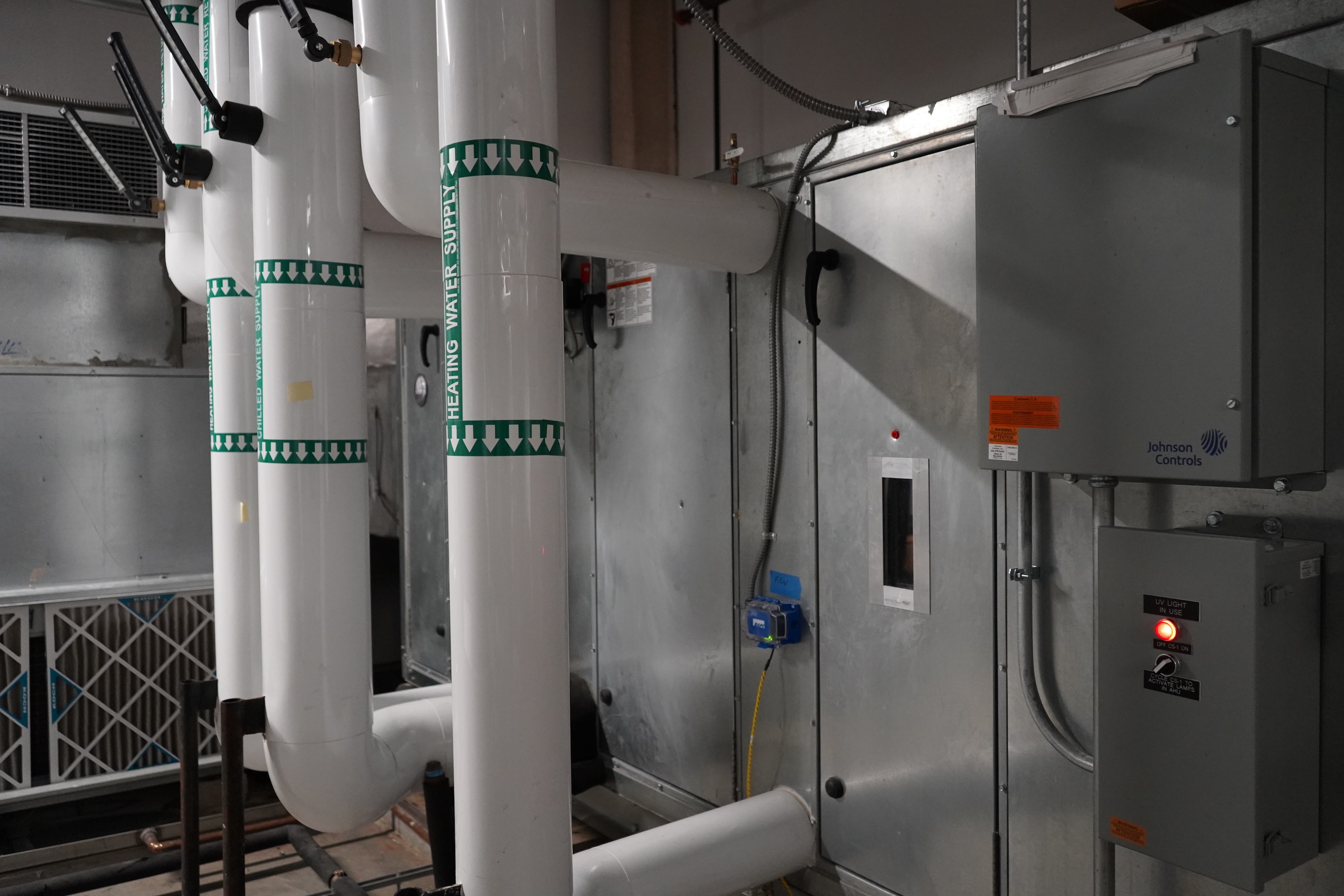
Dedicated air handling systems filter outside air before it enters the cleanroom. Inside the space, air is continuously recirculated and further filtered to remove particles.
Airflow & pressure control
Downward laminar airflow and carefully designed pressure gradients help keep contaminants from entering work areas when people move through the space.
Water purification (DI & RO)
Municipal water is softened, filtered, reverse osmosis treated, deionized, UV sterilized, and continuously recirculated. Inside the cleanroom, water is purified even further.
Temperature control
The cleanroom is designed to maintain consistent temperatures that support both comfort and repeatability—well beyond what standard building systems can provide.
Humidity control
Dedicated humidity systems maintain tight control year-round, ensuring stable conditions despite South Louisiana’s climate.
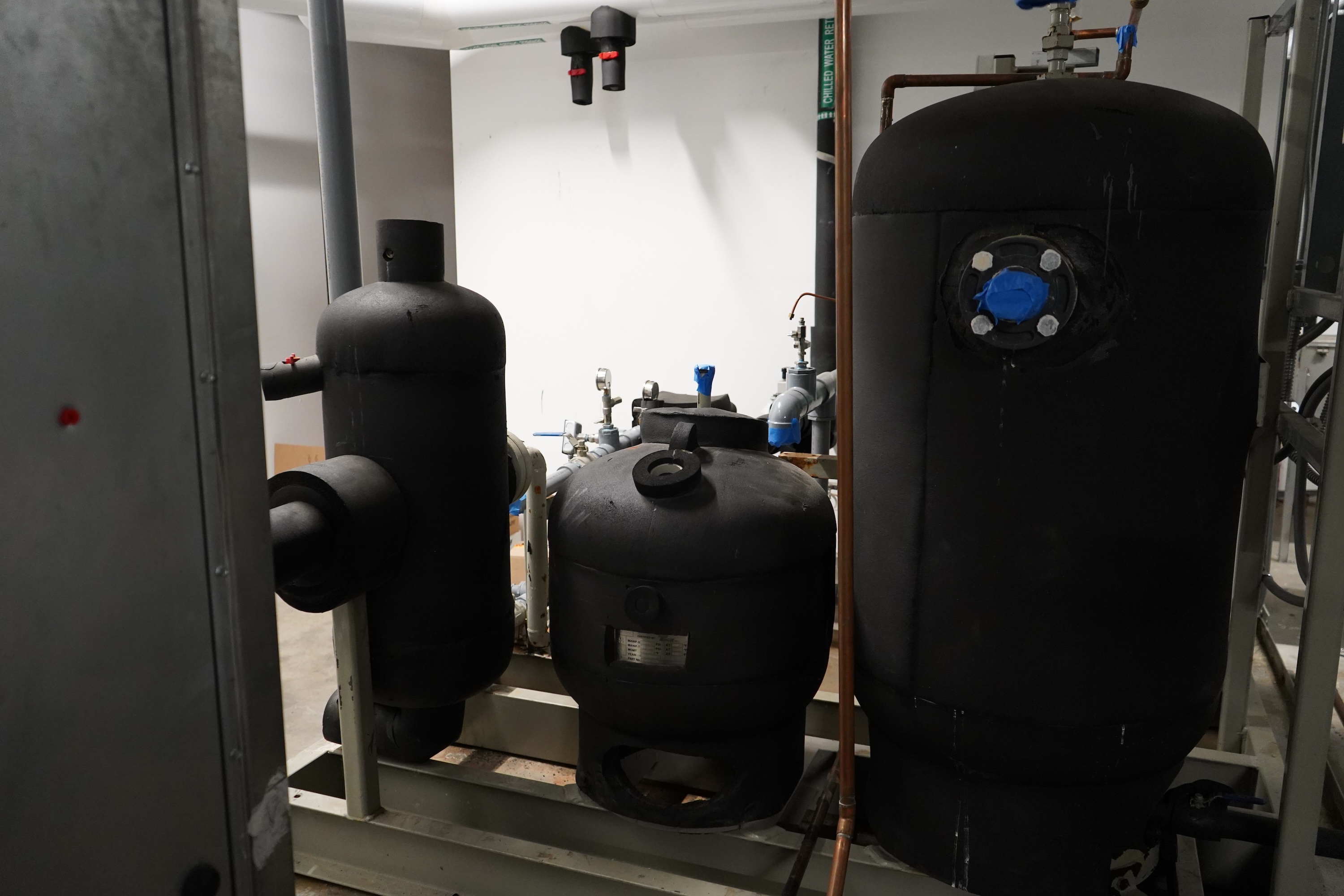
Process chilled water & heat rejection
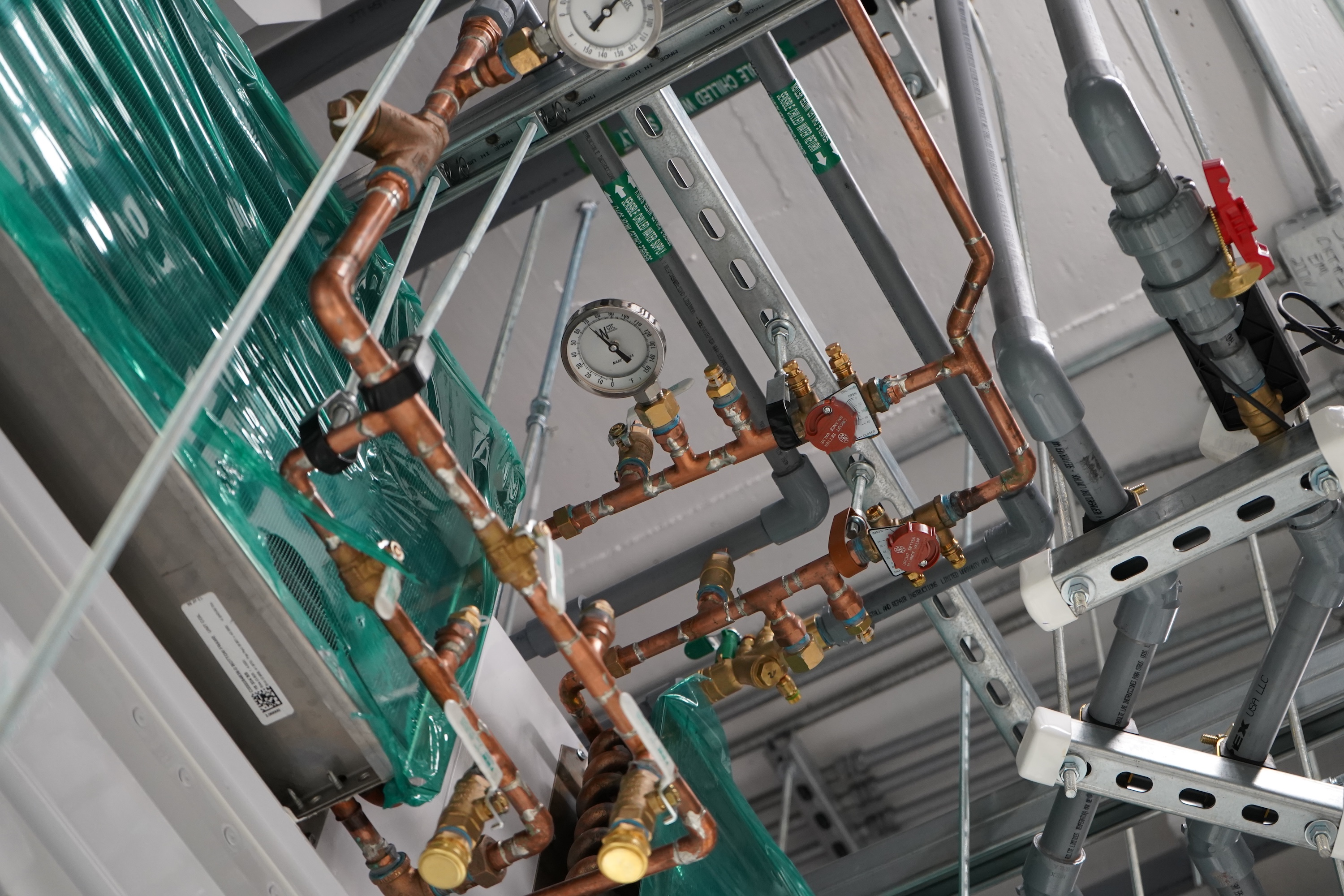
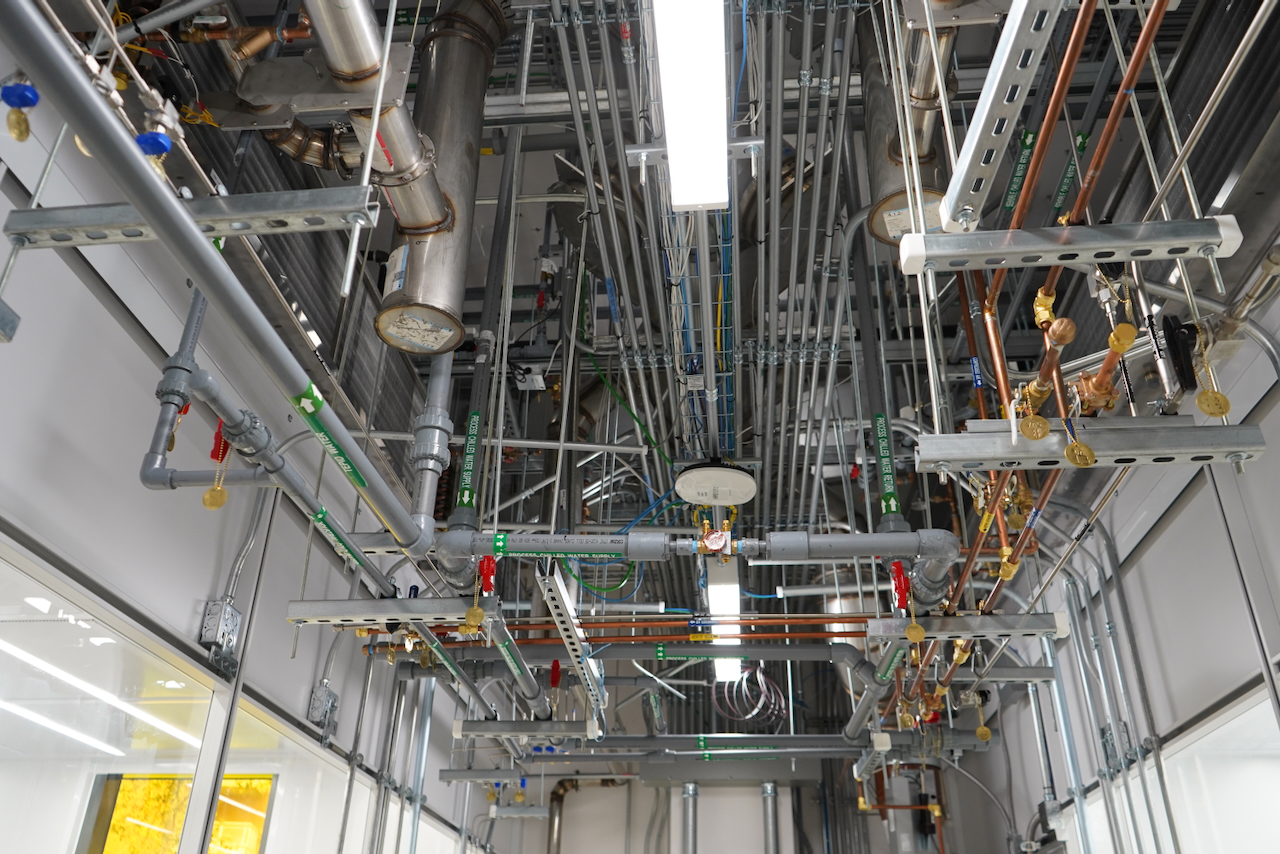
A closed-loop process chilled water system removes heat without dumping it back into the room, protecting sensitive environments.
Compressed air systems
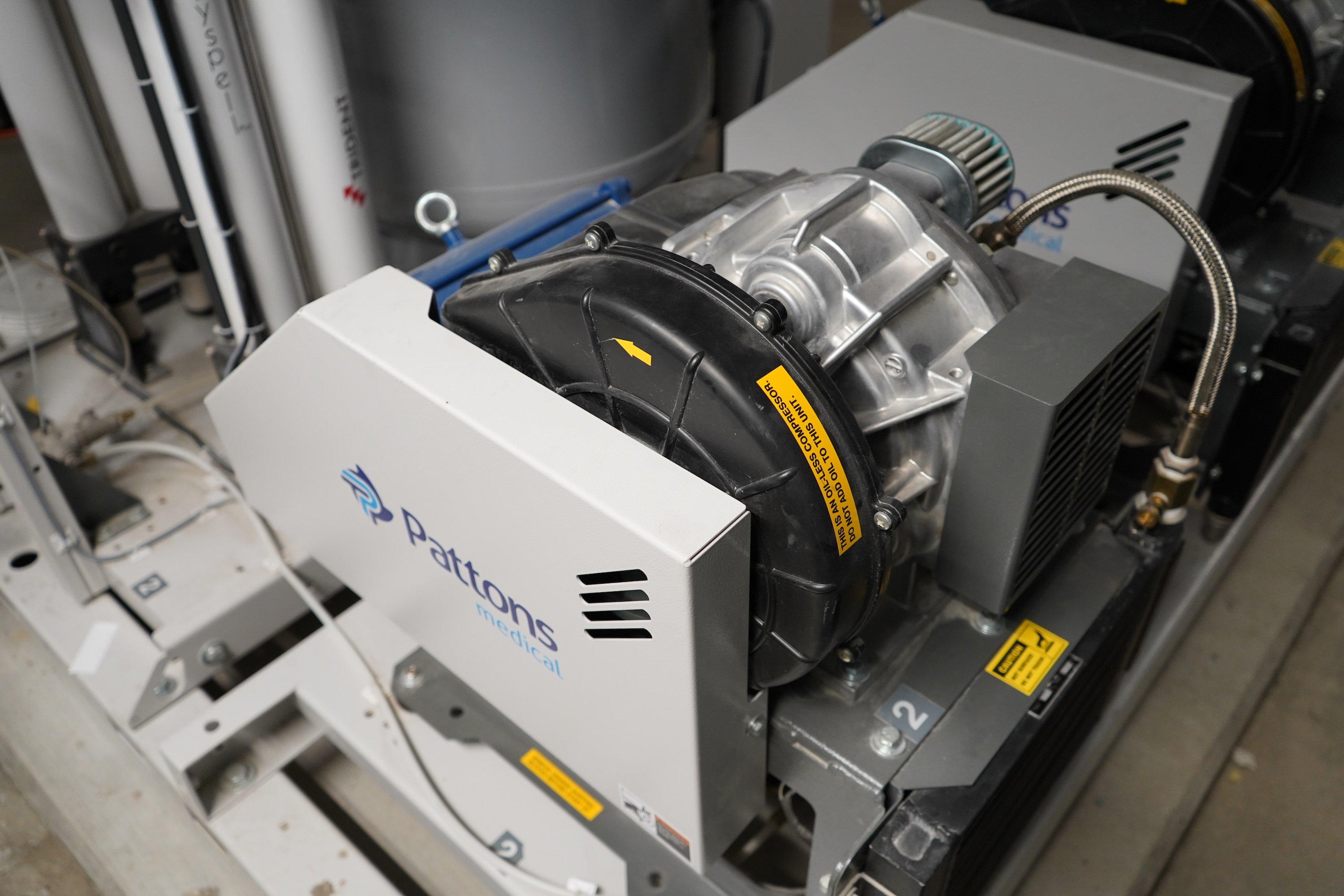
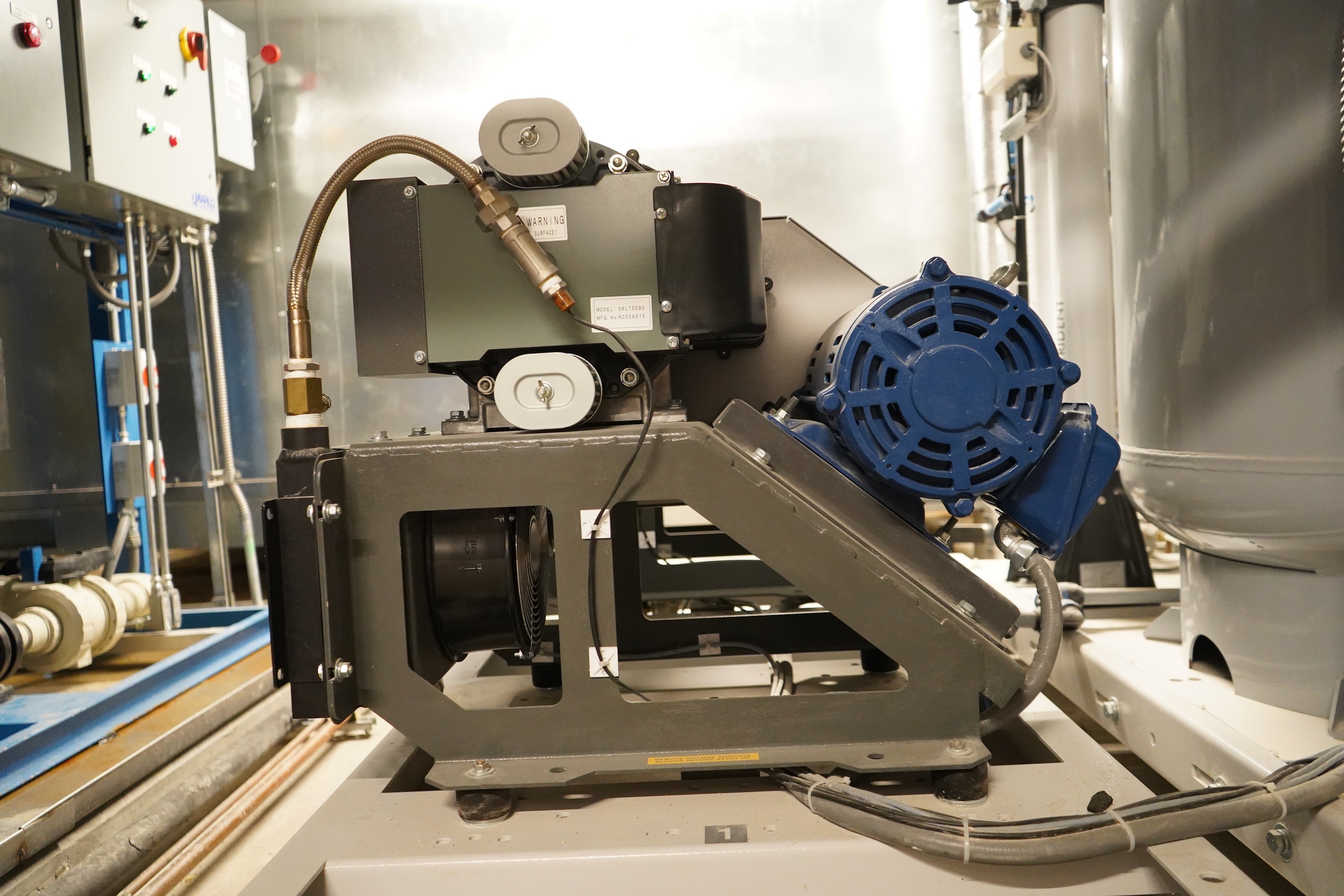
Redundant, oil-free compressors and storage systems provide reliable compressed air with built-in backup capacity.
Vacuum infrastructure
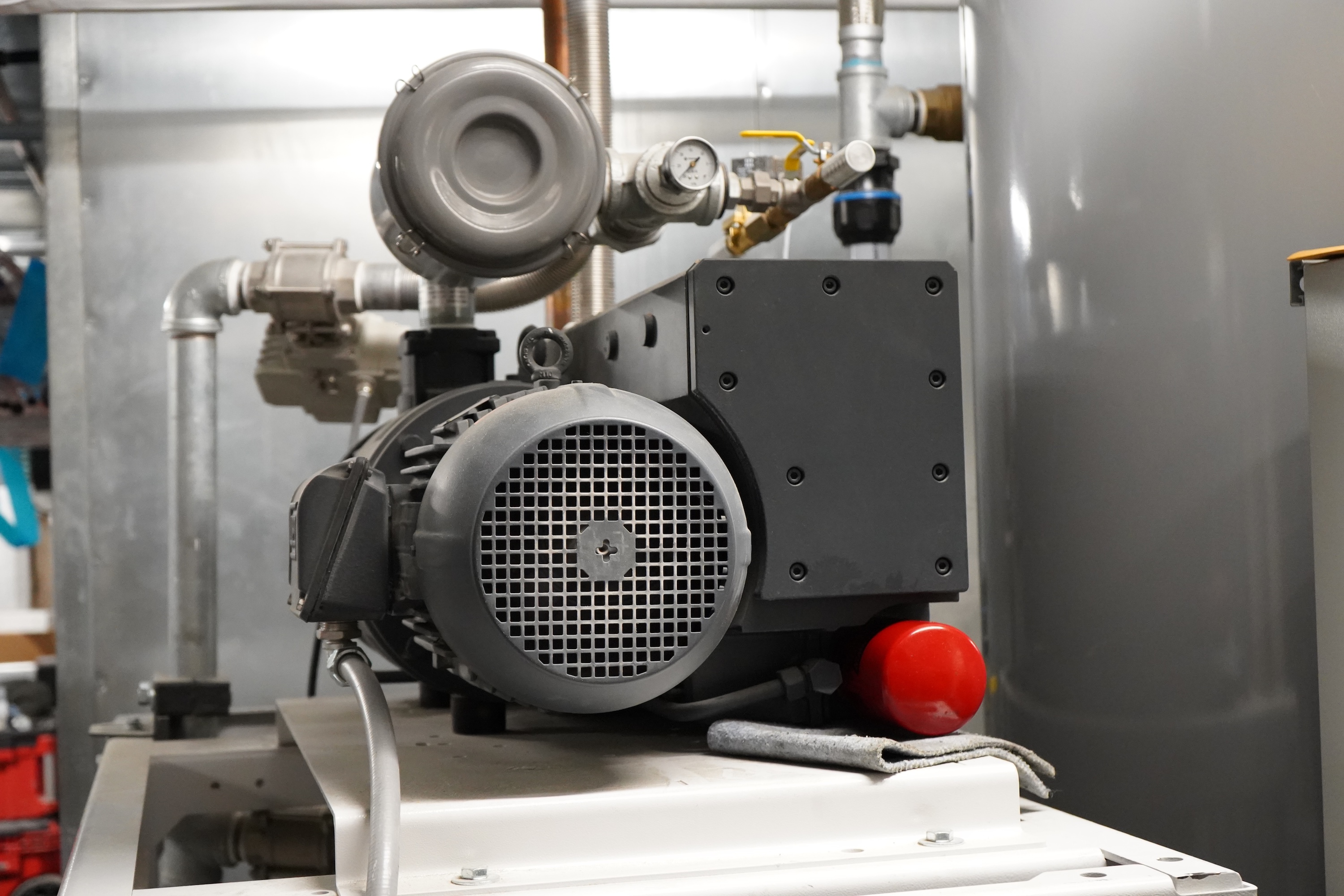
Multiple vacuum pumps and holding systems deliver stable performance and redundancy for high-demand processes.
Materials, walls & surfaces
Interior finishes and wall systems are designed to minimize particle generation and allow for easy cleaning and maintenance.
Power & redundancy
Electrical systems were sized and integrated from the beginning to support continuous operation and reduce downtime.
Vibration & stability
Located at ground level, the cleanroom benefits from structural design choices that reduce vibration and external interference—critical for sensitive work.
Who Does This Facility Serve?
Students
Hands-on training in advanced fabrication and materials science environments
Faculty & Researchers
A stable, shared resource designed to support cutting-edge work
Regional Partners
A facility that strengthens collaboration with researchers, innovators, and industry across the Gulf South
Access and Contacts
The cleanroom is part of Tulane’s shared TINI Micro/Nanofabrication Facility, which supports access, training, and collaboration.
For inquiries about the cleanroom or upcoming updates, please contact:
Matthew Escarra Ph.D.: Professor of Physics and Engineering Physics; TINI Co-Director, Micro/Nanofabrication Facility
Michael Johnson, Ph.D.: Research Scientist II, TINI Director of Operations
FAQs
A controlled environment designed to limit airborne particles while maintaining stable temperature and humidity
Ground level placement helps reduce vibration and improve environmental stability.
The facility is expected to open in the fall, following commissioning and equipment installation.
The facility supports Tulane students and faculty and promotes collaboration across regional institutions.
Commissioning is the process of testing, balancing, and validating systems before full operation.
Progress will be documented through News stories and the Inside the Build series as the facility comes online.