
Ecology and Evolutionary Biology Undergraduate Major
Ecology and Evolutionary Biology Undergraduate Major
The major in Ecology and Evolutionary Biology is an innovative program of study. Our diverse faculty offer engaging, student-centered courses with ample opportunities for hands-on learning in the lab and field, in addition to research and study abroad programming in Ecuador, Australia, and Scandinavia, for example. Students are encouraged to join our labs, where they can develop a wide range of skills and expertise in areas including molecular and microbiology, physiology, animal behavior, and disease and field ecology. The EBIO major prepares students for careers in zoology, botany, conservation, science education, consulting, non-governmental organizations, as well as graduate and professional programs. Students interested in pursuing advanced study in public health, medical or veterinary school also benefit from the breadth and depth of the major, and the unique extent of faculty-student engagement.
All ENVB/EEBI majors and minors must meet with a major advisor in the EBIO department. We recommend that you meet with your major advisor at least once a semester. Students are responsible for regularly reviewing and understanding their degree audit. Advisors provide guidance but do not override the audit. If you have uncertainty about a requirement or course plan, it is your responsibility to ensure that any changes or course modifications still meet the requirements for your degree according to your audit.


What You'll Learn
In the Ecology and Evolutionary Biology major, you'll develop a comprehensive understanding of life's diversity and the mechanisms driving evolutionary change. Through hands-on lab and fieldwork, you'll explore molecular genetics, animal behavior, physiology, and ecological systems while gaining practical research skills. The program emphasizes student-centered learning with opportunities to study abroad in Ecuador, Australia, and Scandinavia, preparing you to tackle real-world biological challenges.
Career Outlook
Graduates pursue diverse careers in zoology, botany, conservation biology, and science education, as well as positions with environmental consulting firms and non-governmental organizations. The major also provides excellent preparation for advanced study in public health, medical, and veterinary schools. Your skills in research, field analysis, and ecological understanding open doors to roles in wildlife management, environmental policy, pharmaceutical research, and academic institutions.
Meet Our Faculty
Our diverse faculty are committed to student-centered education and hands-on mentorship. Faculty members lead active research labs where you can develop expertise in molecular biology and microbiology, physiology, animal behavior, disease, and field ecology. With a strong emphasis on faculty-student engagement, our professors guide you through research projects, independent studies, and career development—ensuring you gain both knowledge and meaningful professional connections.
Curriculum Requirements
The major requires core courses in diversity of life, ecology, evolutionary biology, and genetics, complemented by mathematics and chemistry foundations. You'll complete three lecture electives and three laboratory/field electives in ecology and evolutionary biology, with flexibility to include approved courses from other departments. Your senior year culminates in a capstone course (Contemporary Issues in EEB) where you'll engage with current research seminars and career development.
Research
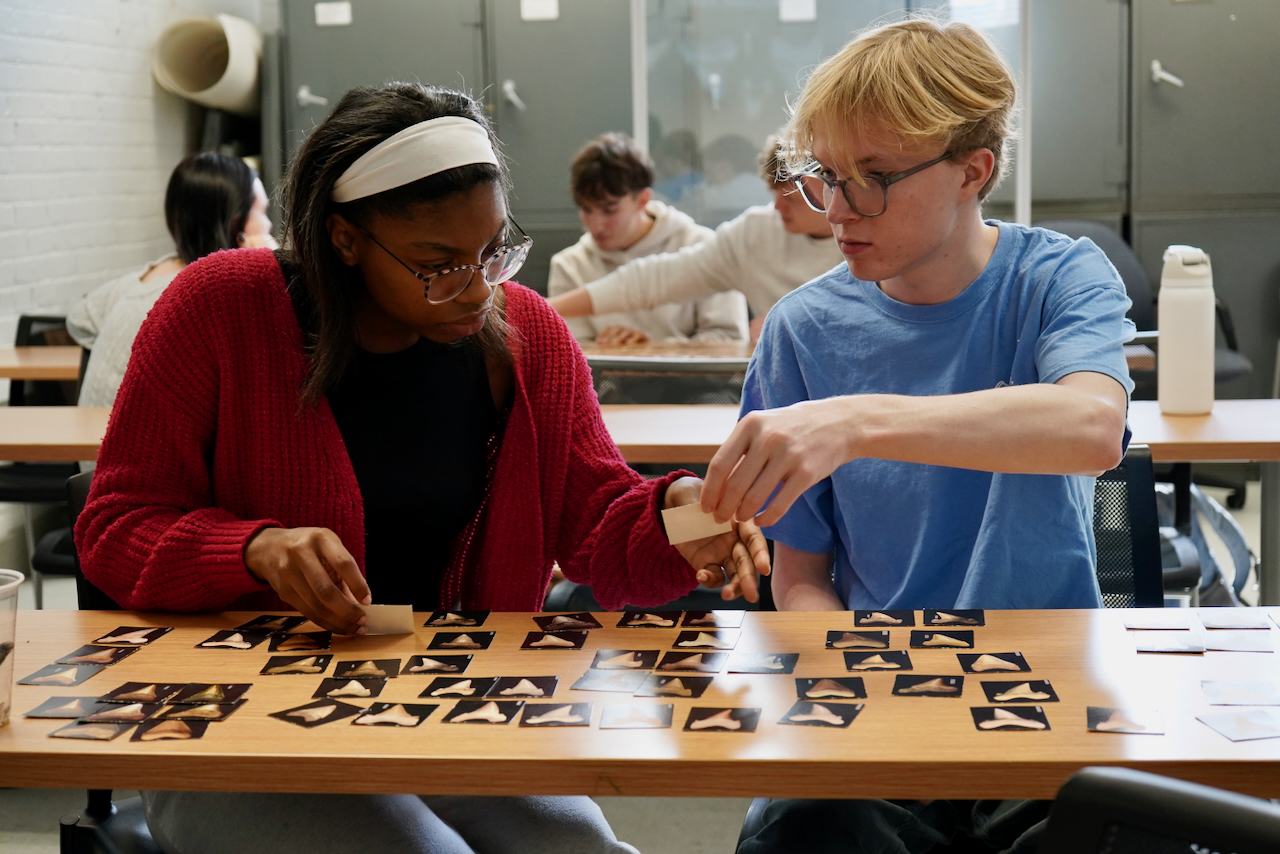
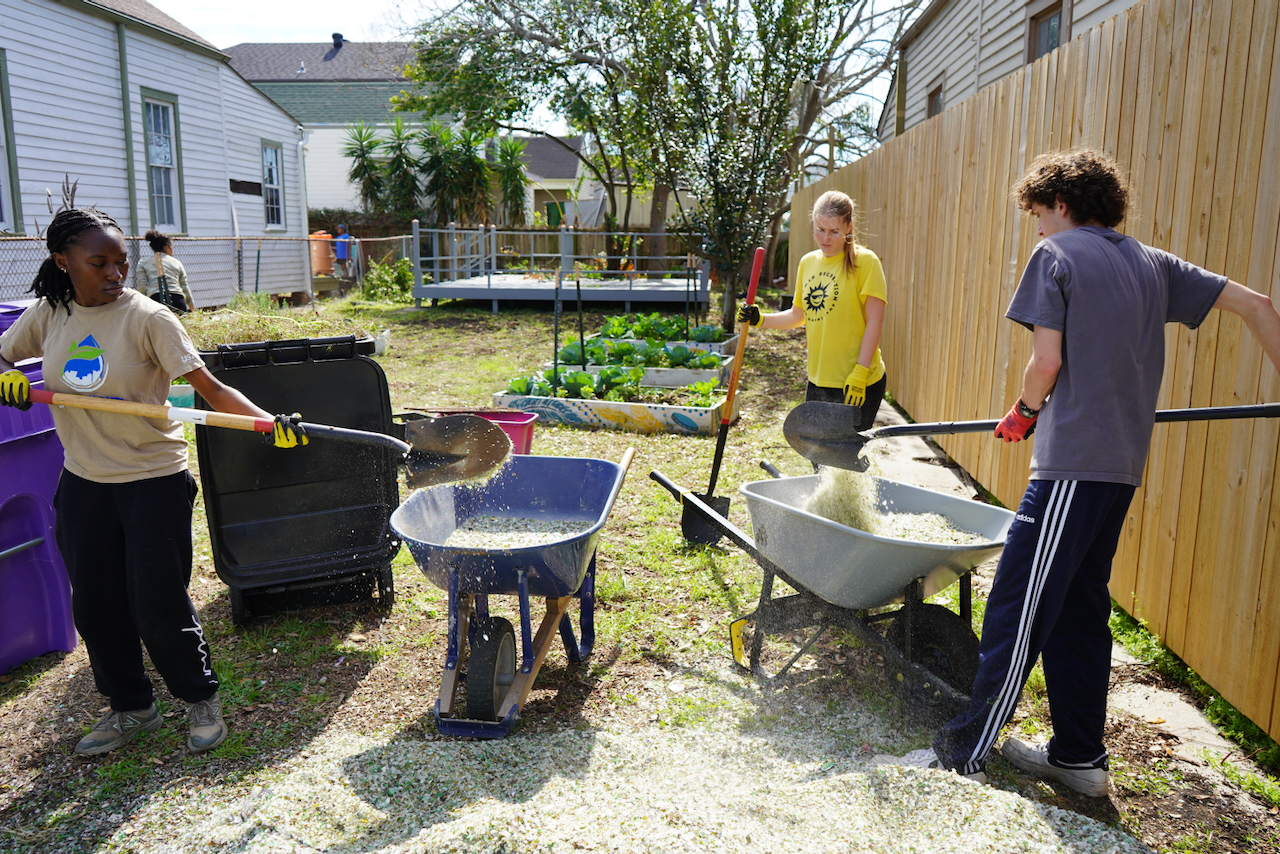
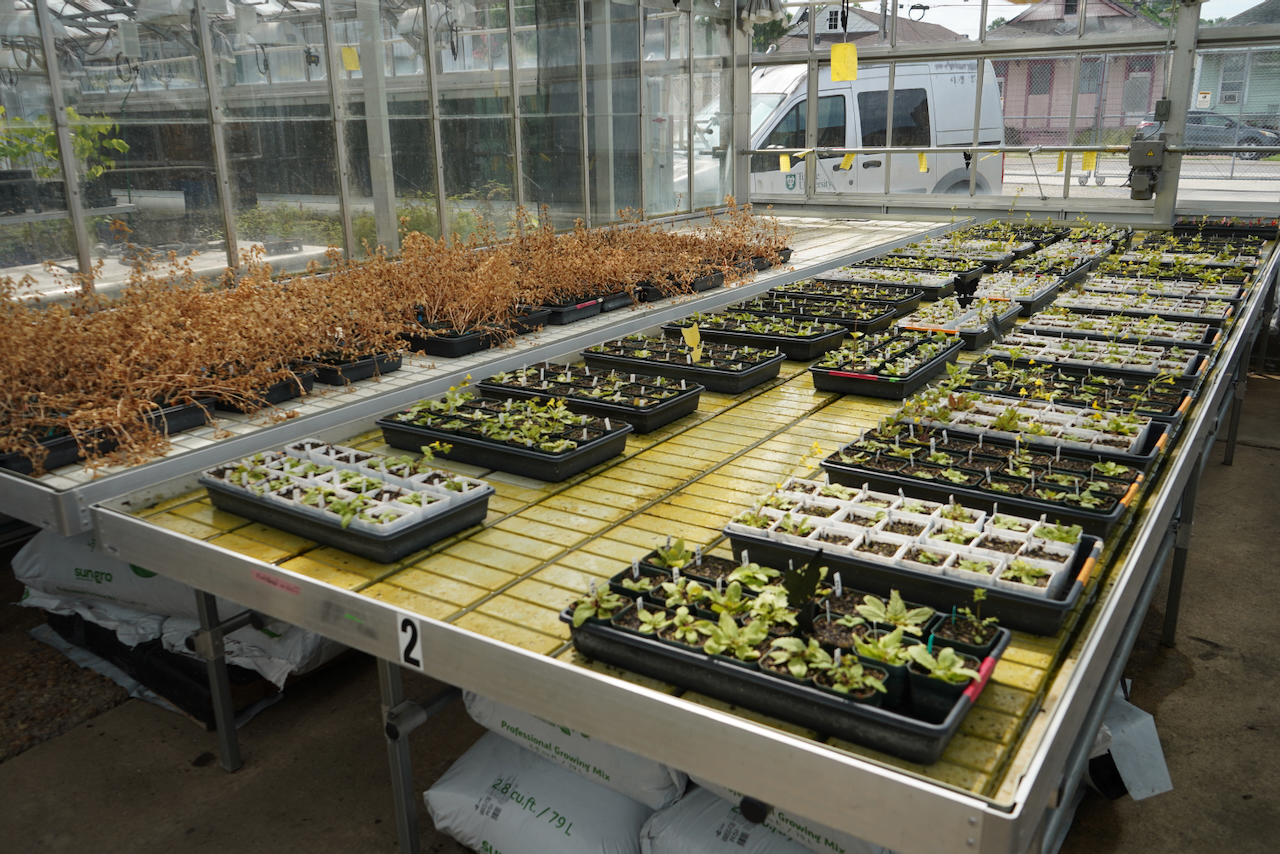
Research is central to the EEB experience, with abundant opportunities to join faculty labs and develop specialized expertise. Whether investigating molecular evolution, field ecology, animal behavior, or disease dynamics, you'll work alongside faculty on cutting-edge projects while building technical skills in the lab and field. Study abroad research programs in Ecuador, Australia, and Scandinavia extend your learning beyond campus.
Learn more about the admissions process or apply now!
Find full tuition information and the financial aid process.
Get to know what makes this place a launchpad for the next generation of scientists and engineers.
FAQs
Ecology and evolutionary biology is the study of how organisms interact with their environments and how species change and diversify over time through evolutionary processes. This field combines genetics, physiology, behavior, and ecosystem science to understand the complexity of life and address pressing conservation and environmental challenges.
One of the following two courses is required to be taken in the Fall or Spring of Senior year:
-EBIO 5970 is 3 credits and satisfies the writing-intensive requirement.
-EBIO 5971 is 2 credits and does not satisfy the writing intensive requirement.
Students attend departmental research seminars and meet separately to discuss them as contemporary topics in ecology and evolutionary biology. Career development is also considered in the course.
-Two semesters of Mathematics: A minimum of 6 credits of mathematics is required for the Bachelor's degree. Any two Mathematics courses numbered 1210 and above may be used to satisfy this requirement. However, the combination of MATH 1150 and MATH 1160 (Long Calculus) may count as one course towards this requirement.
-Two semesters of General Chemistry with labs (CHEM 1070/1075, 1080/1085 or H1090/H1095, H1100/H1105)
-One semester of Organic Chemistry with lab may be counted as a lab elective in the major. If it is counted, then no other courses outside the department can be used as elective courses.
-Courses in Statistics and Physics are highly recommended but not required.
Only one course from this list may count toward the major in Ecology and Evolutionary Biology (EEBI). These courses may not be used to satisfy requirements of the major in Environmental Biology (ENVB).
Anthropology
ANTH 3140 – Primate Behavior and Ecology
ANTH 3720 – Adaptation and Human Variability
ANTH 6500 – Human Evolution
Cell and Molecular Biology
CELL 3750 – Cell Biology
CELL 3755 – Cell Biology Laboratory
CELL 3030 – Molecular Biology
CELL 3035 – Molecular Biology Laboratory
CELL 4010 – Cellular Biochemistry
CELL 4110 – Cells and Tissues
CELL 4160 – Developmental Biology
CELL 4220 – Microbiology
CELL 4225 – Microbiology Laboratory
Chemistry
CHEM 2500 – Environmental Chemistry
CHEM 3830 – Introduction to Biochemistry
CHEM 3835 – Introduction to Biochemistry Laboratory
Other Courses
SCEN 4110/GBCH 6110 - Basic Medical Biochemistry
If you are ready to declare a major in EEB, please fill out this form and submit it to the Department of Ecology and Evolutionary Biology. The form will be signed and returned to you, and you can send it along to NTC Advising. Please note that it is your responsibility to send this form to your NTC advisor.
If your major advisor does not reach out, you may want to contact them to introduce yourself or to set up a meeting.
The Department of Ecology & Evolutionary Biology may approve transfer of credit for courses taken outside of Tulane if certain criteria are met, specific supporting documentation is provided and the request is approved by the Academic Advising Center.
To have your request reviewed for possible transfer credit in Ecology and Evolutionary Biology, you must meet the following criteria:
-The course must be taught in an accredited college or university.
-The course must be comparable in content to the Tulane course to be given equivalency to a Tulane course.
-Summer laboratory courses must be at least 5 weeks in length for credit.
-We do not give course credit for internships not coordinated by Tulane University.
The following materials must be provided when requesting approval:
-Properly completed Transfer of Credit Form from the Academic Advising Center.
-Course description from the course catalog or summer school bulletin.
-Syllabus for the course.
-List of exercises and/or experiments done in the labs.
The Transfer of Credit Form must be turned in to the EBB main office:
-Students can obtain the Transfer of Credit Form from the Academic Advising Center. For more information, visit the Academic Advising Center's website.
-When the form is completed and signed by the Academic Advising Center, students should bring it to the Department of Ecology & Evolutionary Biology office, 400 Lindy Boggs, along with the required supporting documentation.
-The EEB Department will review the request and determine if the transfer of credit can be approved.
Transfer of Credits from Study Abroad Programs:
-The EBIO department encourages students to study abroad but doing so requires planning. If you are considering studying abroad, follow the steps outlined in this document, preferably in the order they are presented. If you have any questions, contact Dr. Renata Ribeiro (rduraes@tulane.edu).
Any qualified sophomore, junior or senior may apply to be an Undergraduate Fellow in the Ecology and Evolutionary Biology Scholars Program. Students who have declared a major in the Department of Ecology and Evolutionary Biology, have a cumulative GPA of 3.0 or greater, and a 3.5 or greater GPA in Ecology and Evolutionary Biology may apply to become an Undergraduate Fellow. Applications should be submitted by April 1st for consideration for fellowships the following academic year. A limited number of students will be admitted to the program, therefore, admission is competitive.
As an Undergraduate Fellow in the Department of Ecology and Evolutionary Biology, students will join a cadre of leaders among Ecology and Evolutionary Biology majors by participating in undergraduate teaching as peer teachers. The peer-teaching program involves serving as a laboratory aid in freshman courses under the supervision of the department’s Laboratory Supervisor and a Laboratory Instructor during the junior and senior years. Peer teaching is an extremely valuable educational experience, providing the Ecology and Evolutionary Biology scholars with an in-depth understanding of ecology and evolutionary biology and experience in working effectively in groups.
Fellowships are honorary awards which are renewable each semester and provide each Undergraduate Fellow with a small supplemental income (honorarium) of $400 each semester in their first (usually junior) year and $500 each semester in the second (usually senior) year as long as the scholar meets all of the peer teaching responsibilities and maintains a cumulative 3.0 GPA and a 3.5 GPA in Ecology and Evolutionary Biology as a major in good standing at Tulane. The teaching responsibilities include attendance of the laboratory training and preparation meeting on Monday morning and assisting in one laboratory each week. The time of the laboratory section will be arranged with the Laboratory Supervisor. The total time commitment is about four to five hours per week.
Students interested in applying to become an Undergraduate Fellow in the Department of Ecology and Evolutionary Biology should complete the application form and submit it to the department office, 400 Boggs, by April 1st. The statement of interest in the program, background in Ecology and Evolutionary Biology, and description of the impact the fellowship would have on the undergraduate educational experience are very important. Fellowship awards will be made based on academic qualifications as well as interest and anticipated educational benefits. Please keep in mind that Ecology and Evolutionary Biology Undergraduate Fellowships may be awarded in addition to other scholarship awards, and that they do require a time commitment (training/preparation and one lab each week) to participate in the peer-teaching program.
By Mail
Department of Ecology & Evolutionary Biology
Tulane University
6823 St. Charles Avenue
Lindy Boggs Building, Room 400
New Orleans, LA 70118-5698