
TINI Micro/Nanofabrication Facility
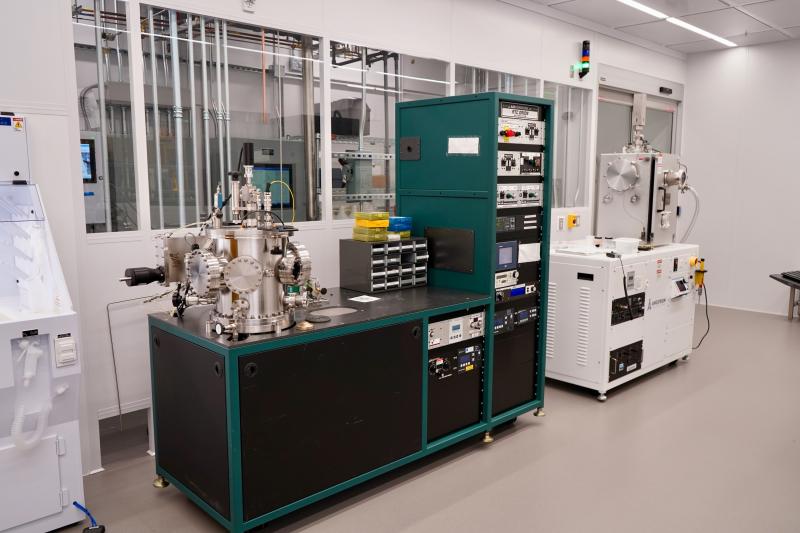
The new Micro/Nanofabrication Facility (MNF cleanroom) at Tulane opened in 2026. Our facility consists of a main cleanroom on the first floor of Paul Hall on Tulane’s Uptown Campus and two supporting labs on the third floor of Paul Hall. The MNF cleanroom is part of Tulane Instrumentation for Nanoscience and Innovation (TINI), which also includes a variety of supporting instrumentation and facilities for imaging and characterization of materials, devices, and prototypes generated in the cleanroom.
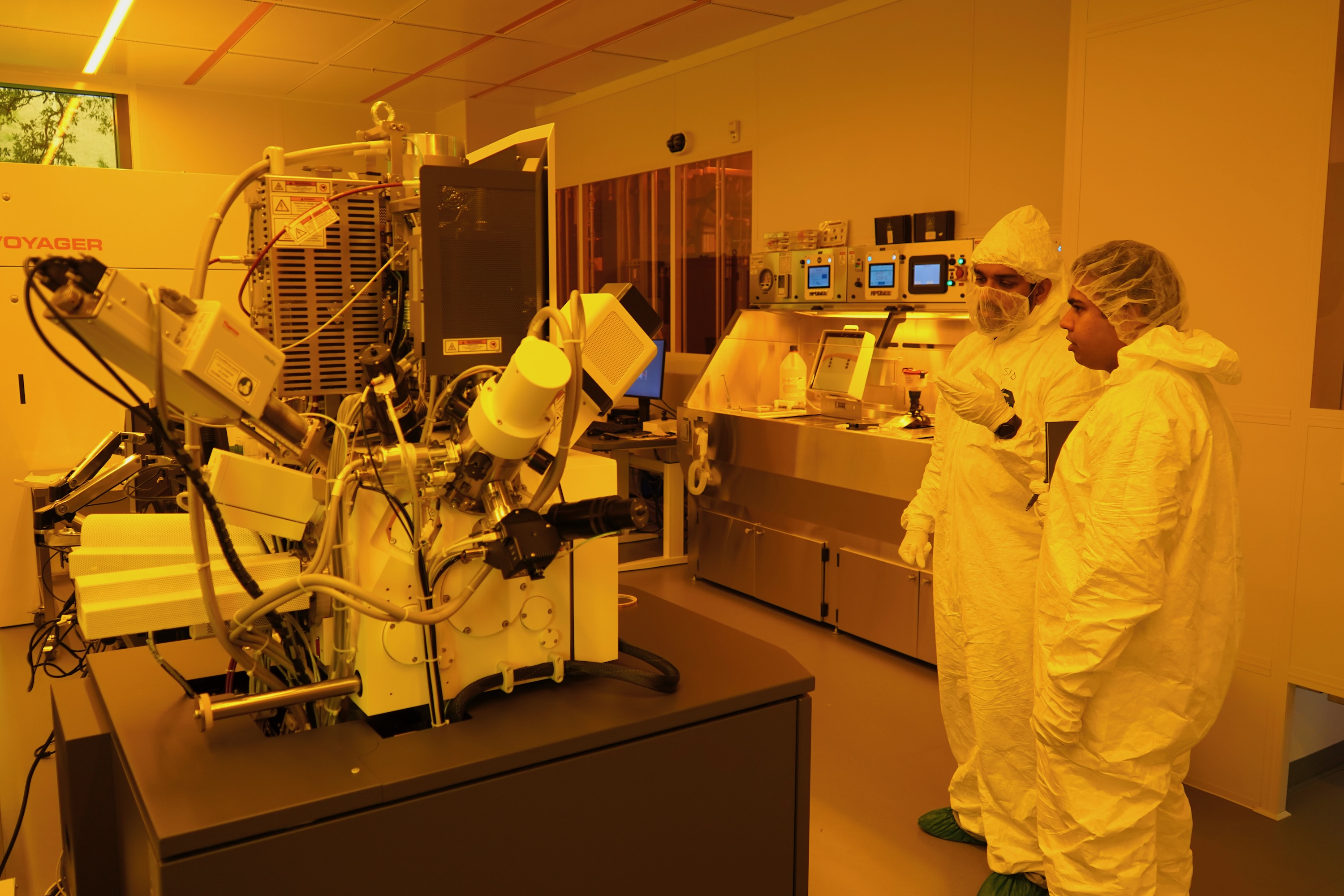
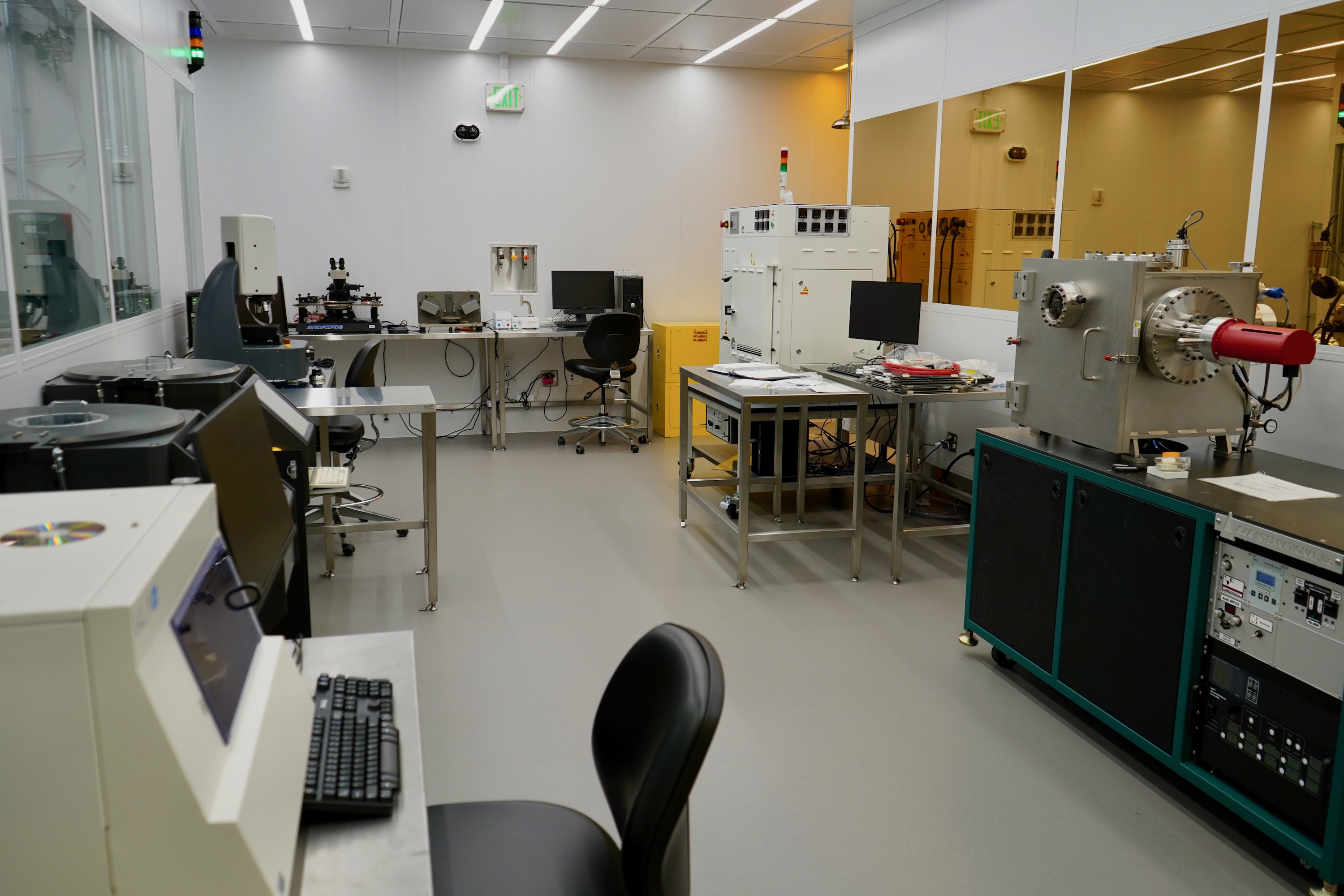
The main first-floor cleanroom has a bay and chase arrangement, with an ISO5 (Class 100) lithography and imaging bay and two ISO6 (Class 1,000) bays for etch, deposition, and metrology.
We also have a smaller ISO7 (Class 10,000) materials synthesis and thermal process cleanroom on the third floor of Paul Hall. The third floor also has a packaging and sample prep lab to support MNF cleanroom users.
The goal of our facility is to enable excellent science and serve as the “MakerSpace” for micro and nanoscale innovations for the Gulf South region. We prepare the next generation of scientists and engineers working on materials, devices, and systems at the micro and nanoscale for a wide range of disciplines and industries. We serve as a key asset for the region, providing facility access to regional academic, entrepreneurial, government, and industry users.
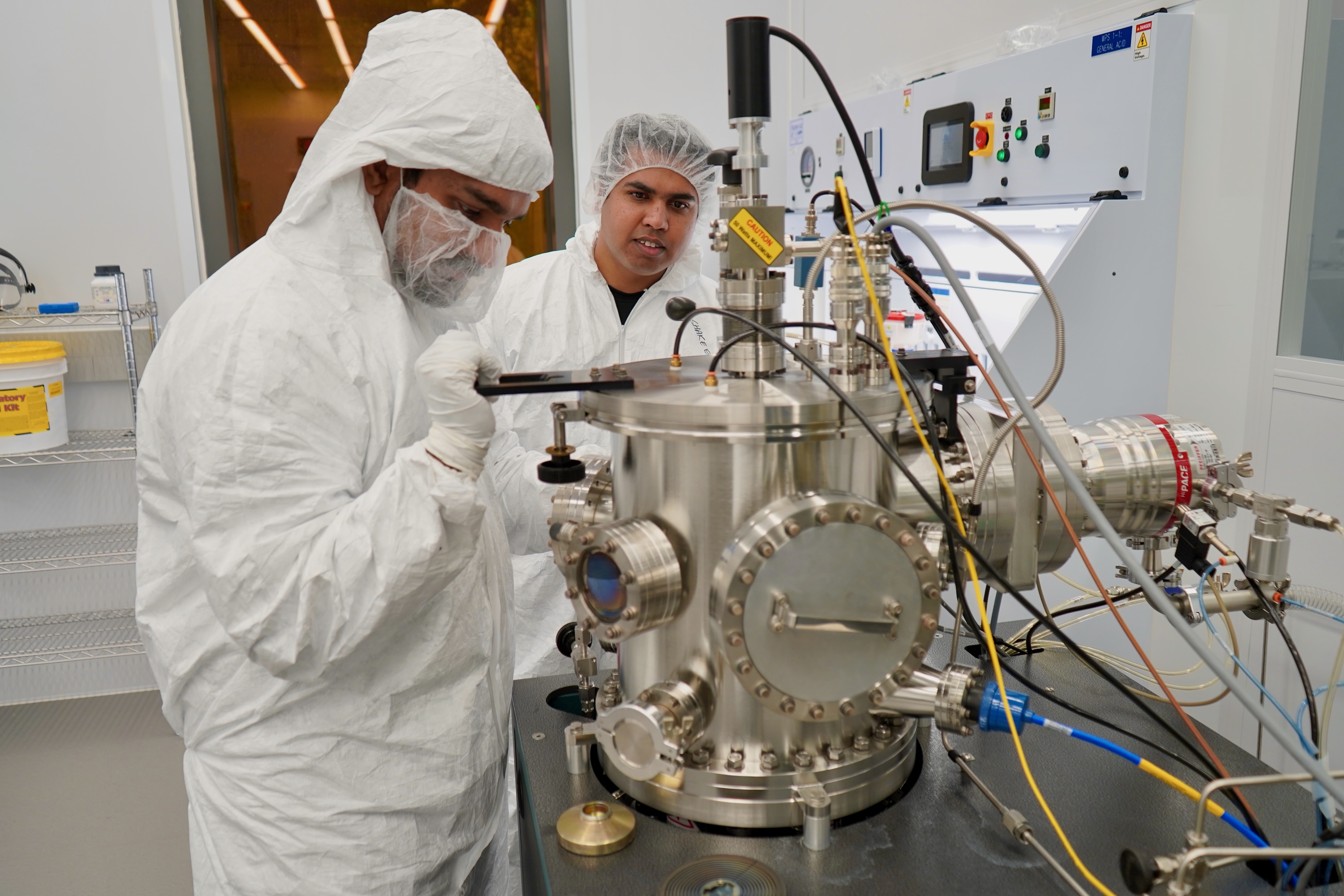
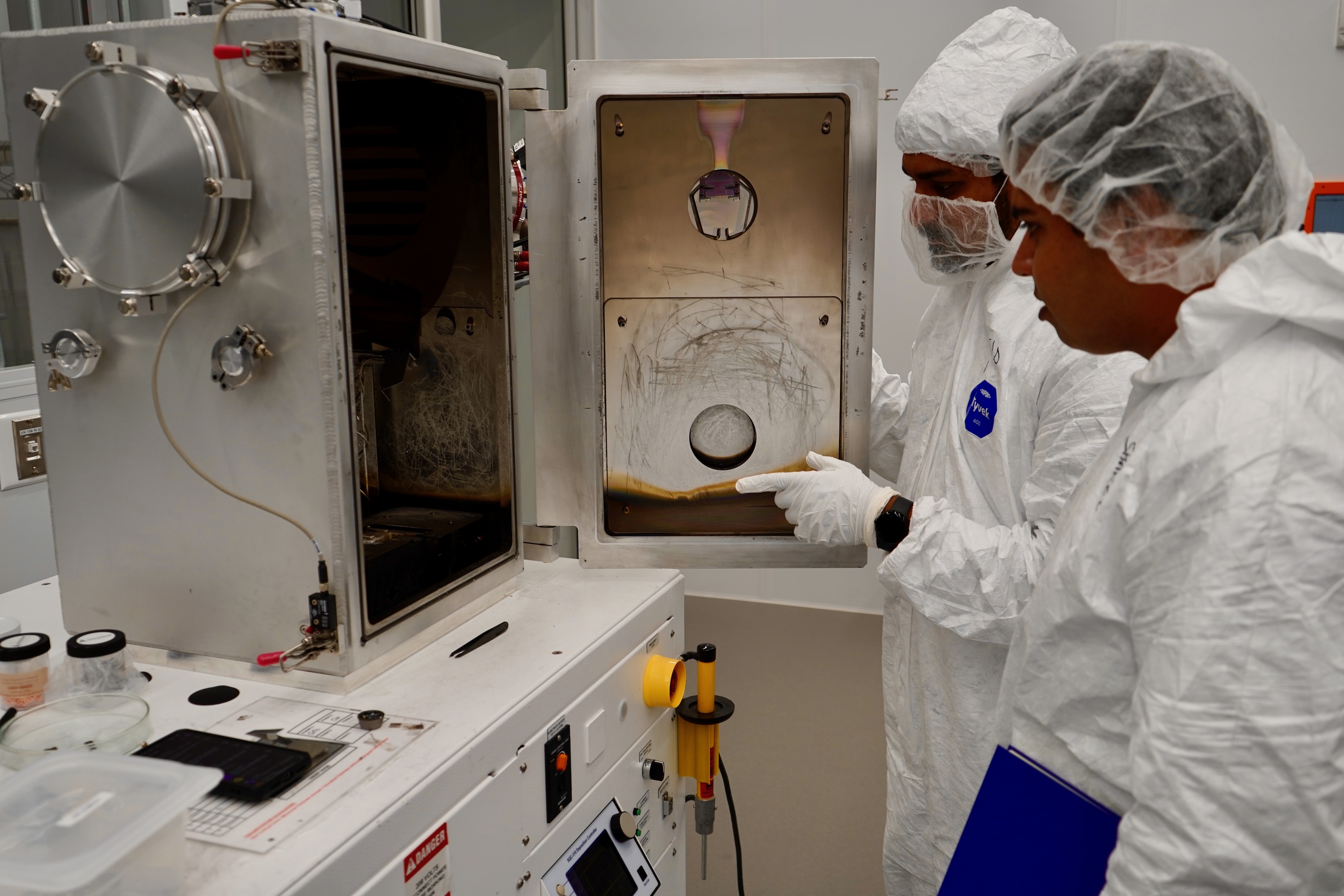
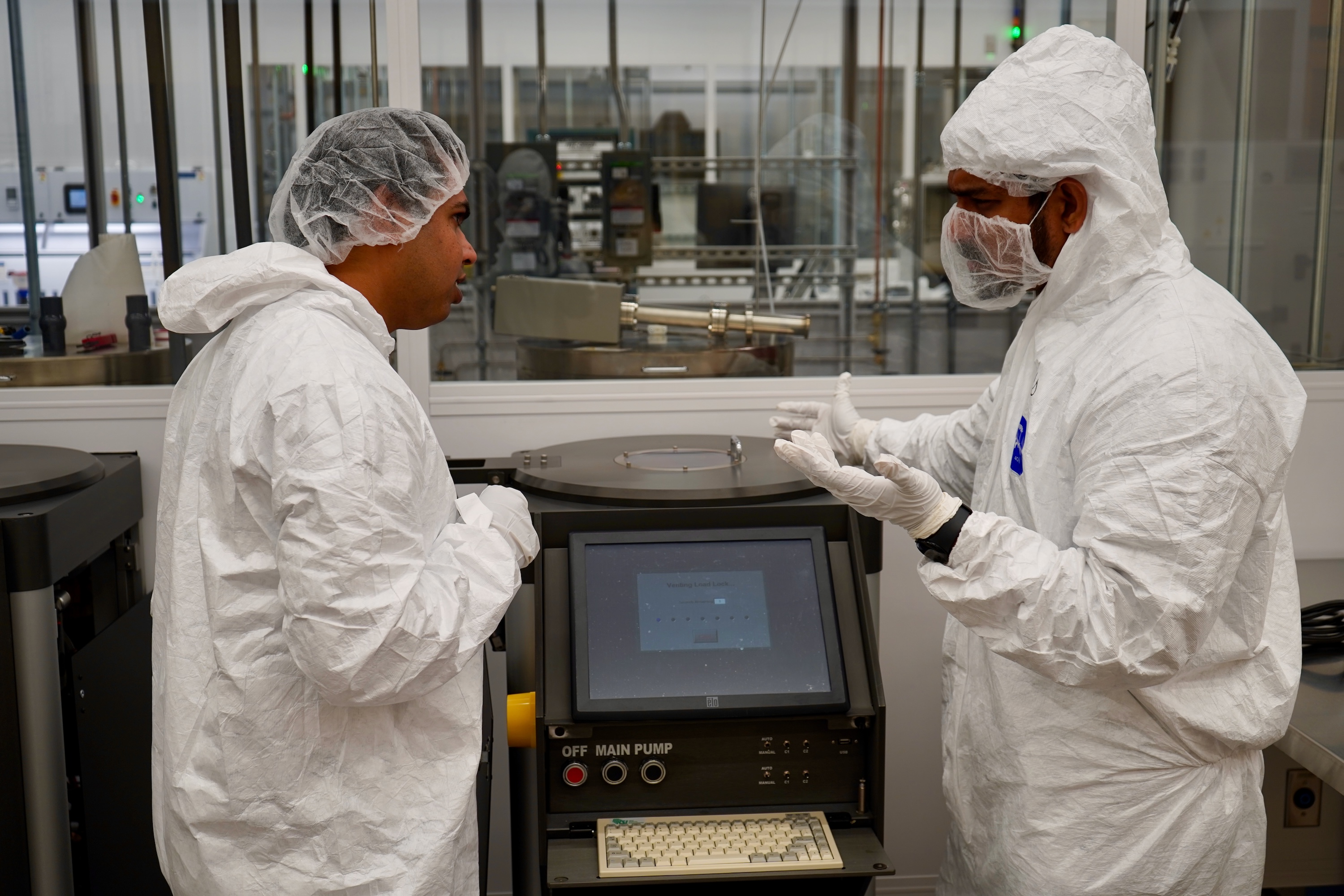
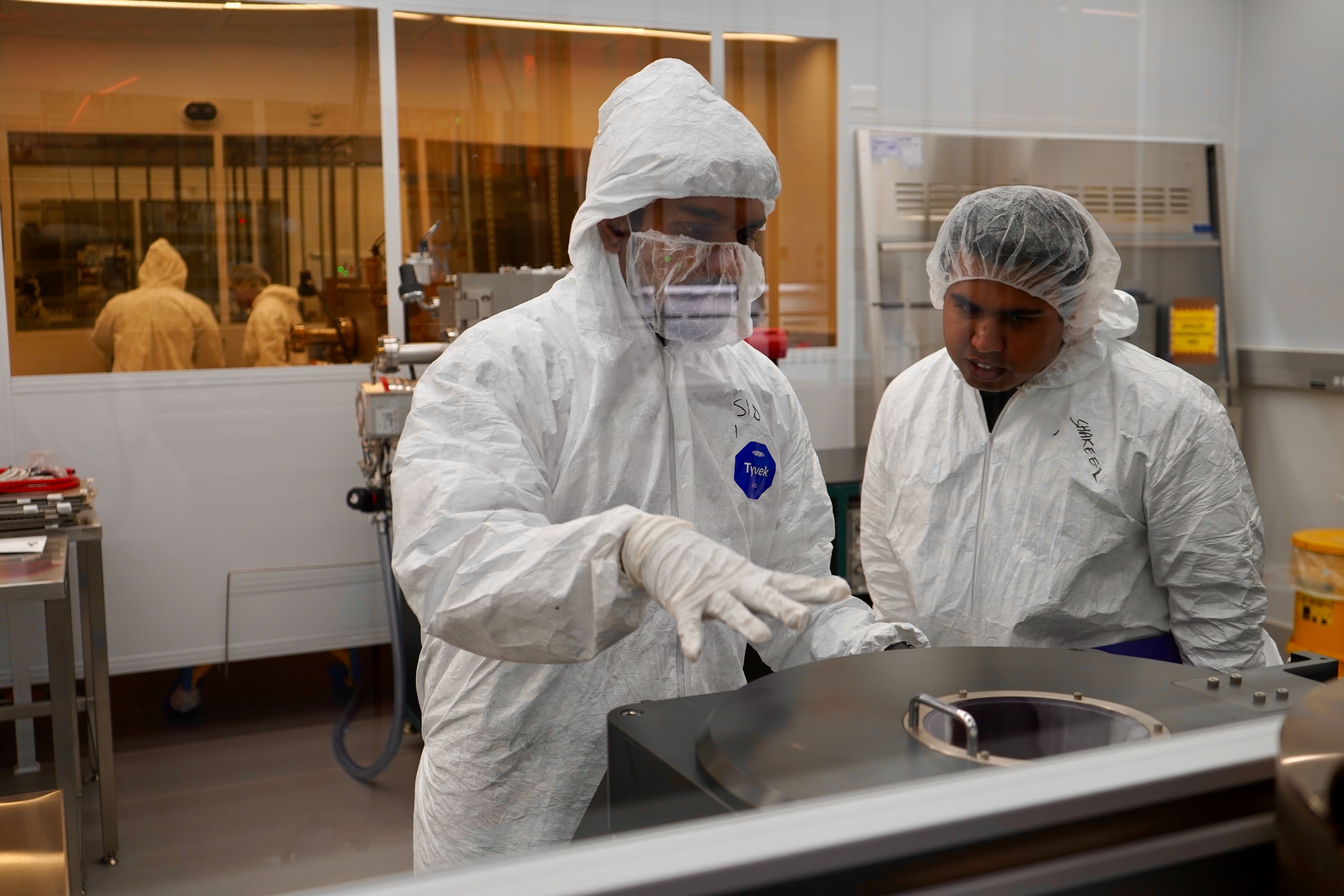
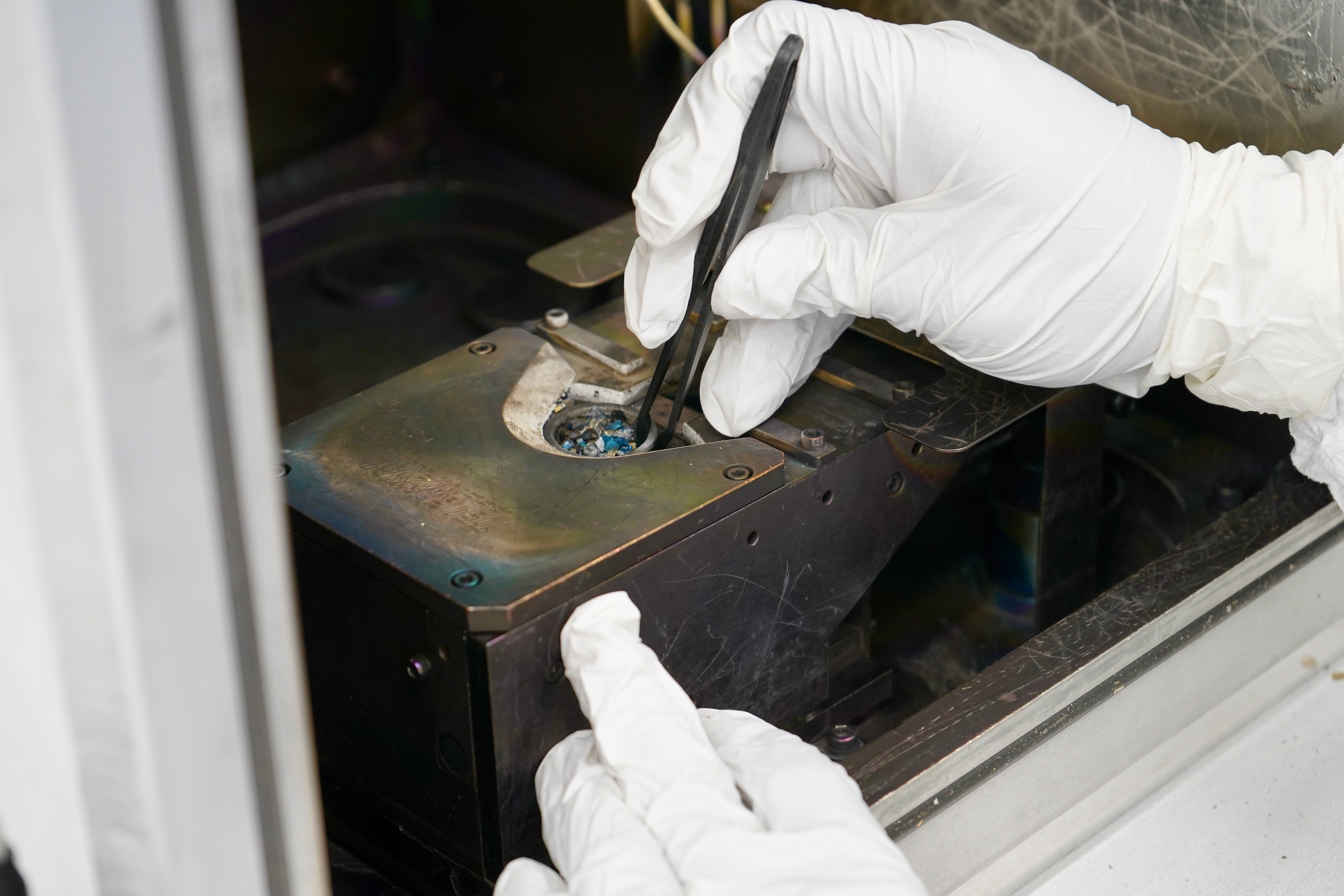
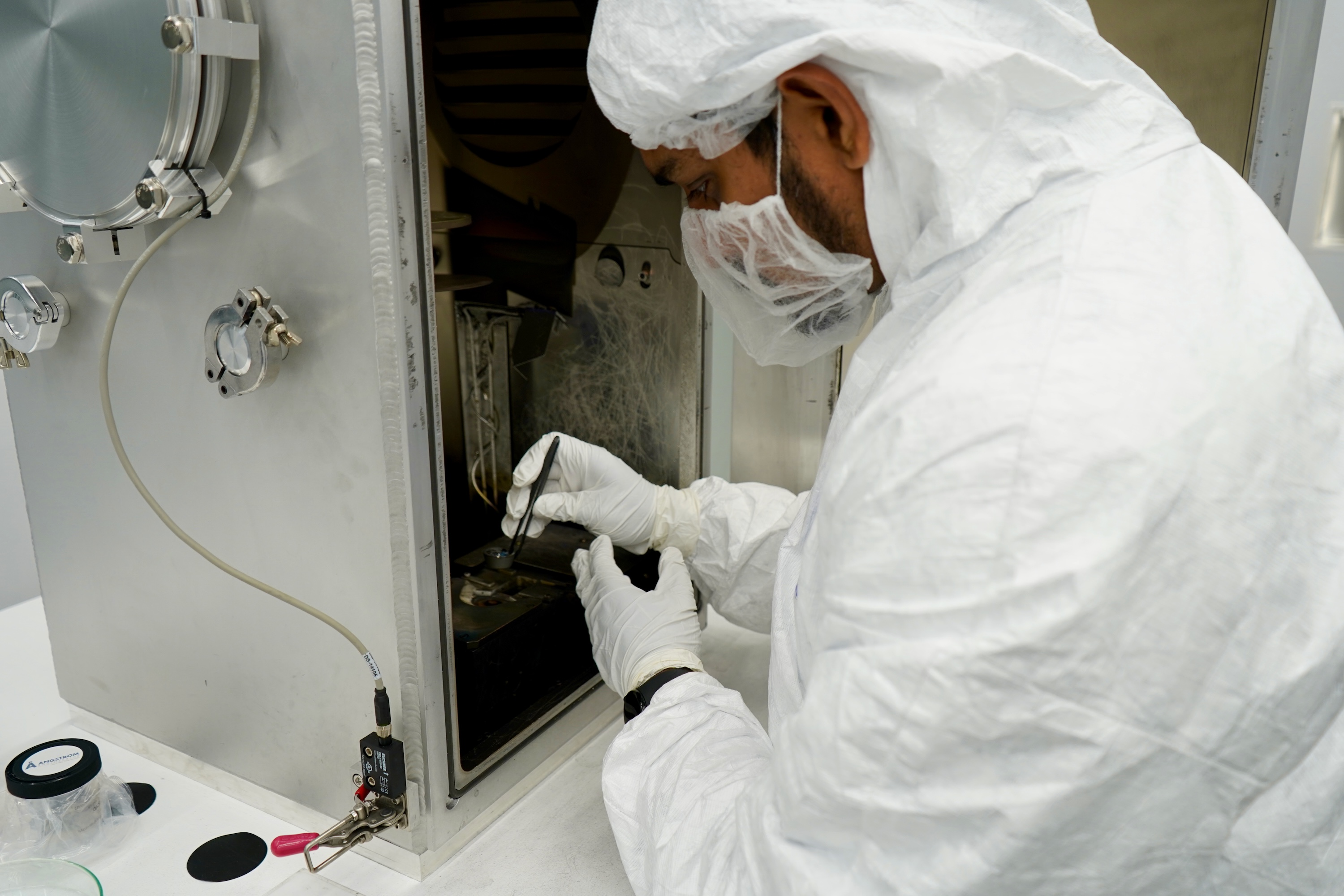
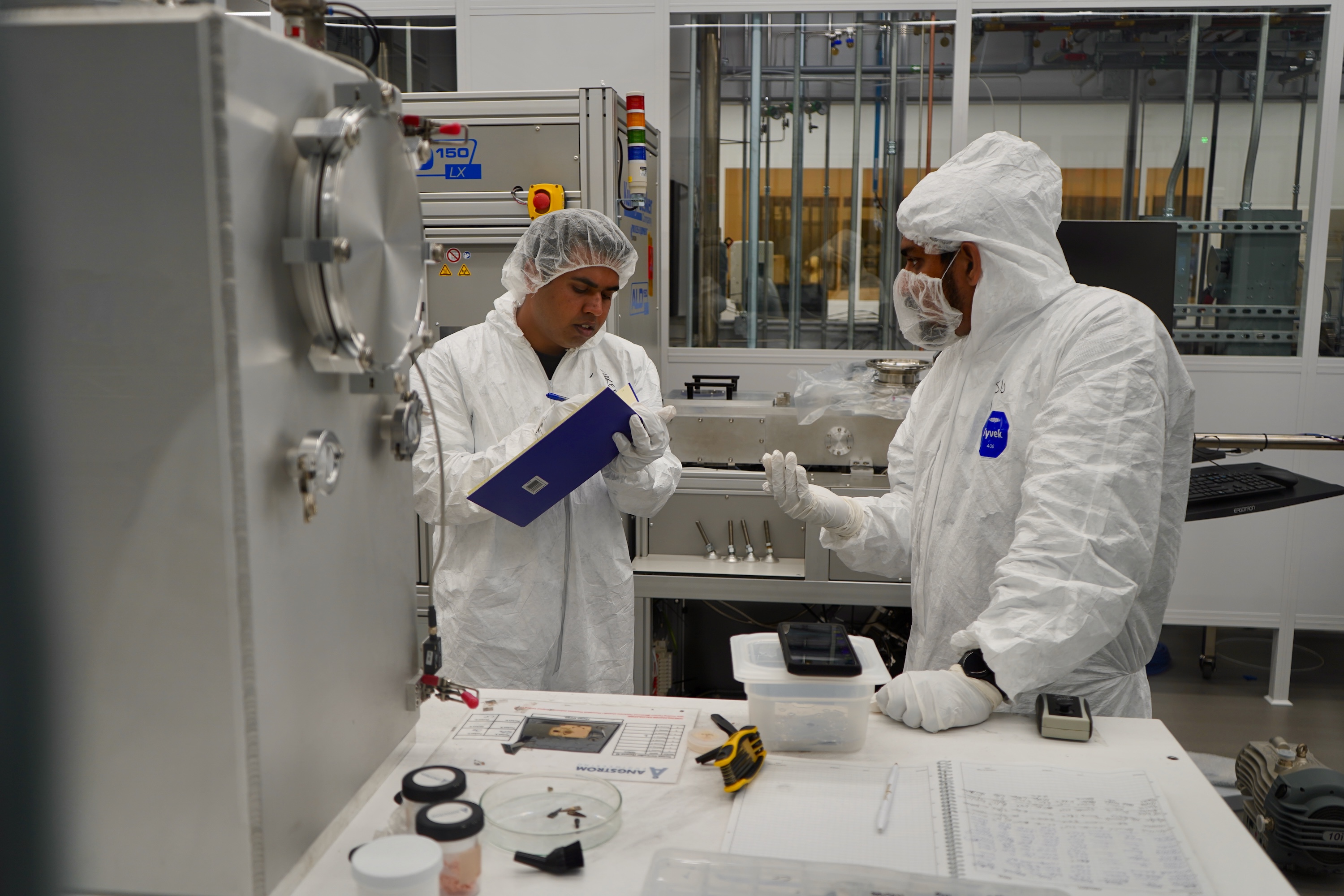
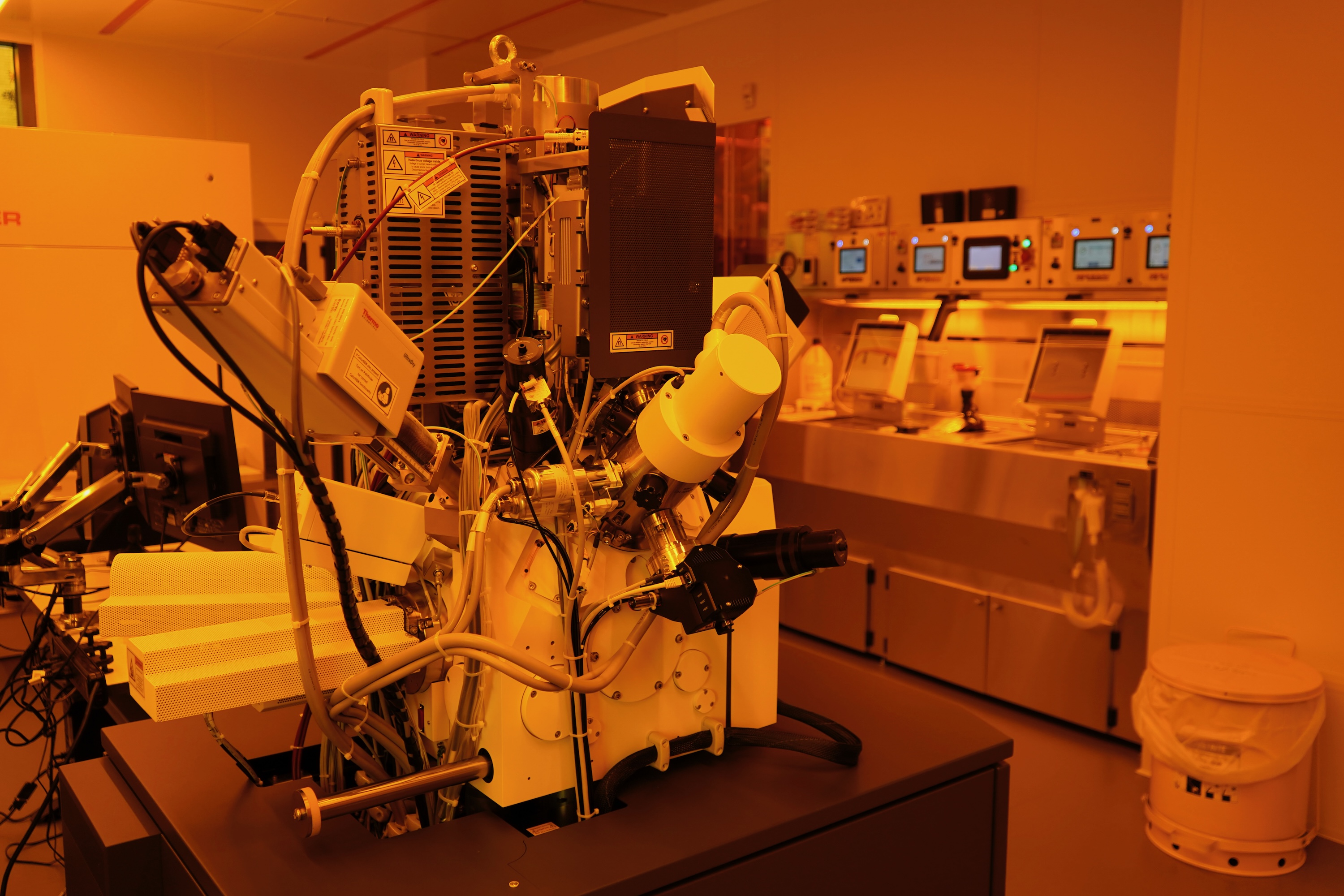
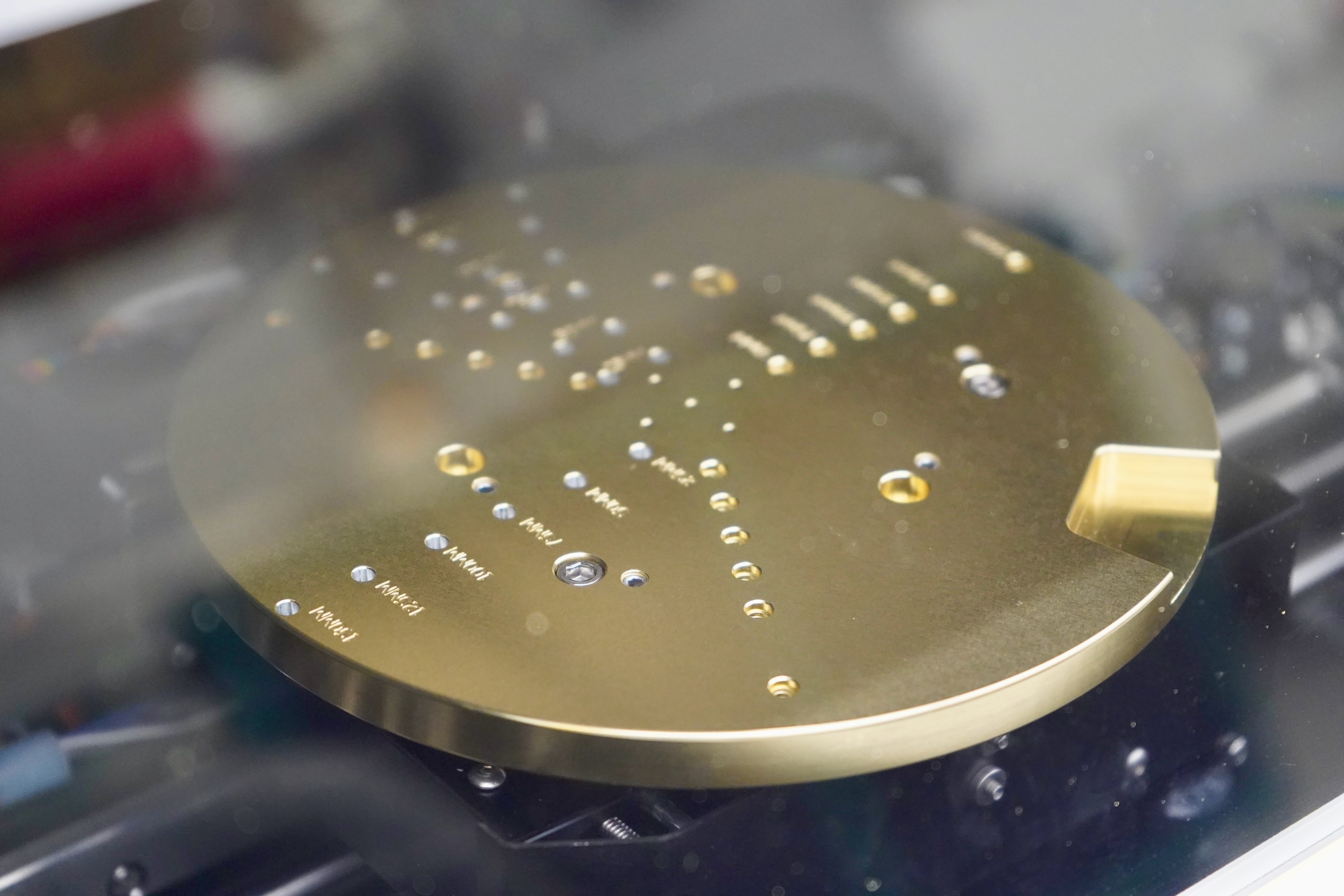
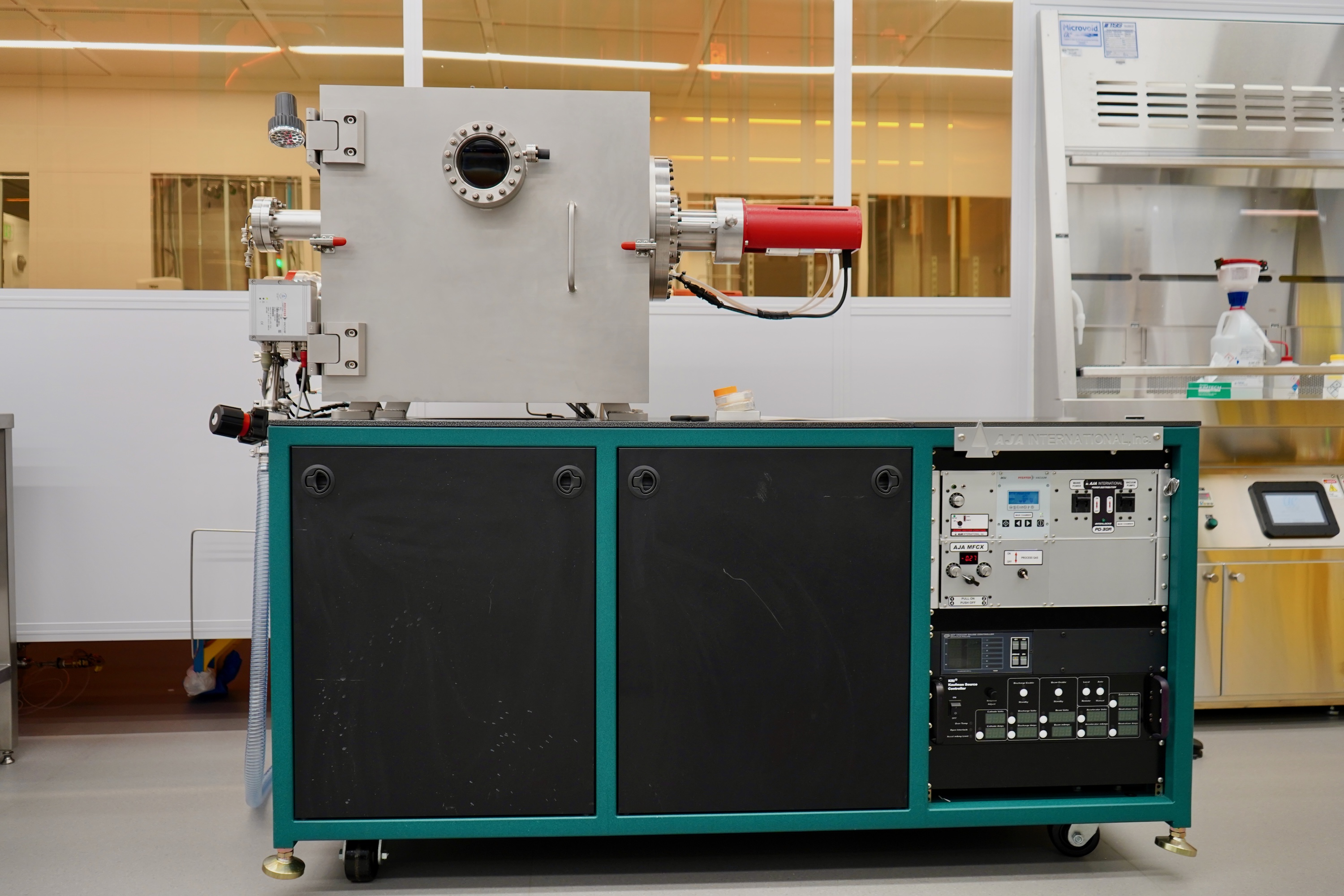
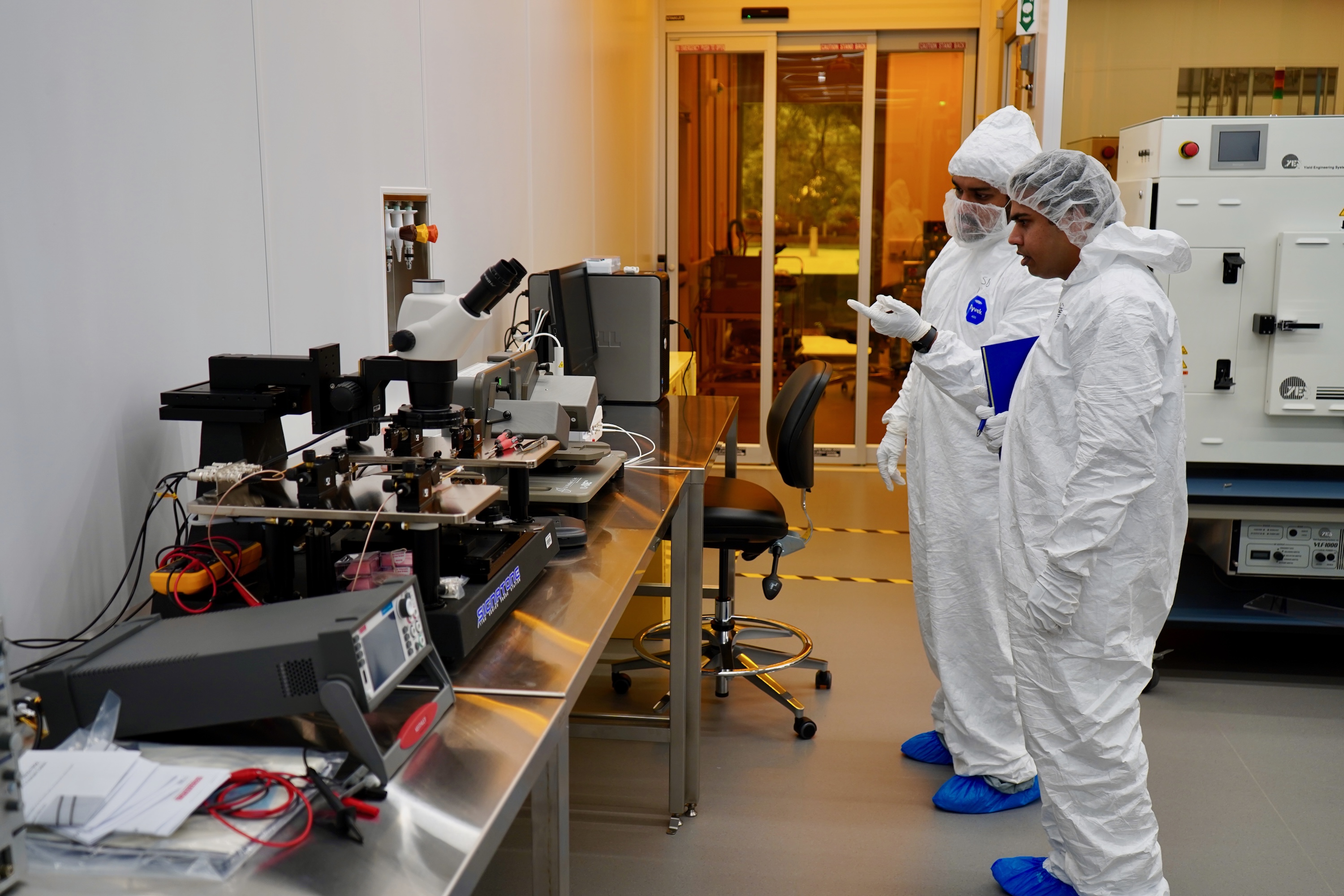
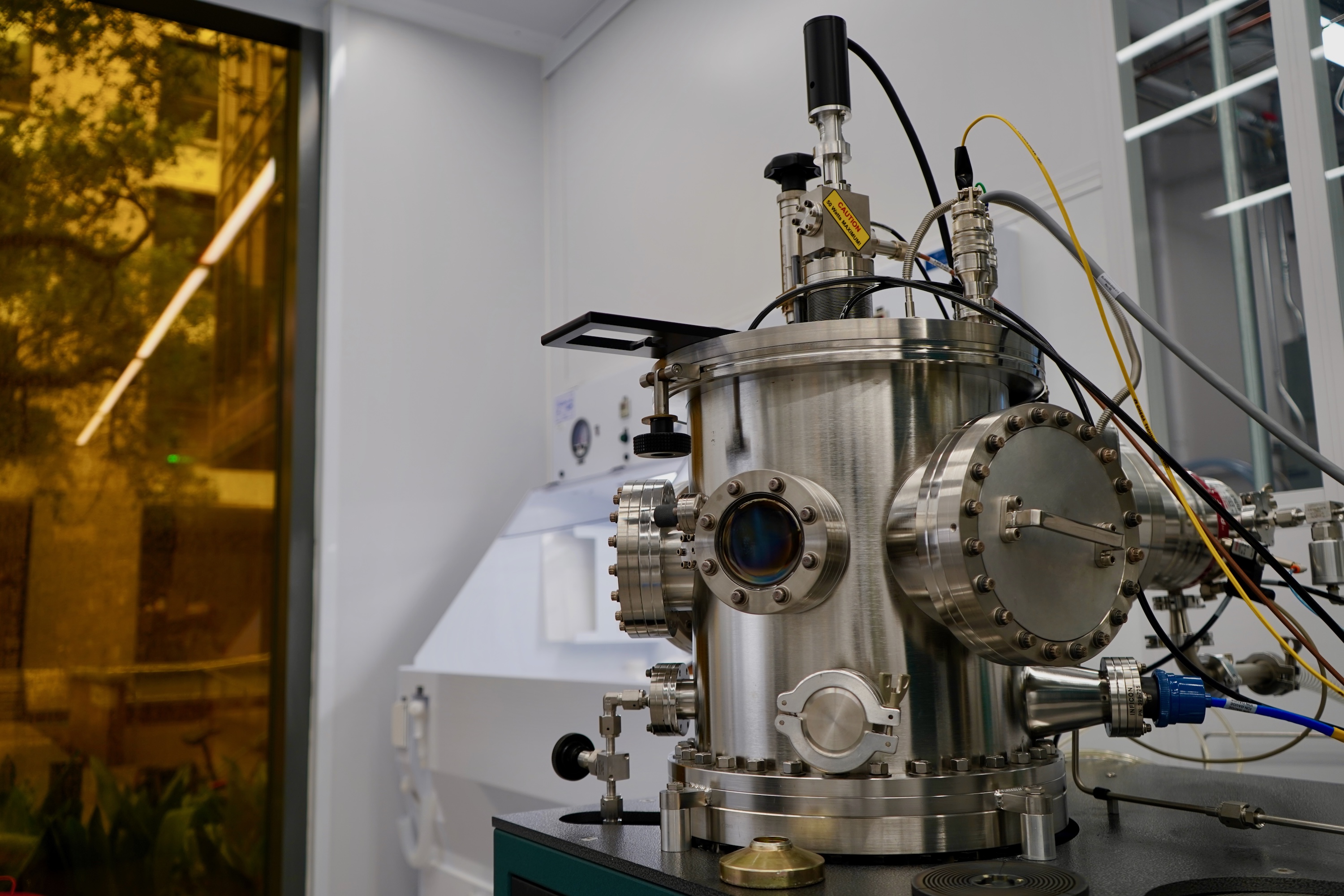

Equipment Available in the Tulane Micro/Nanofabrication Facility

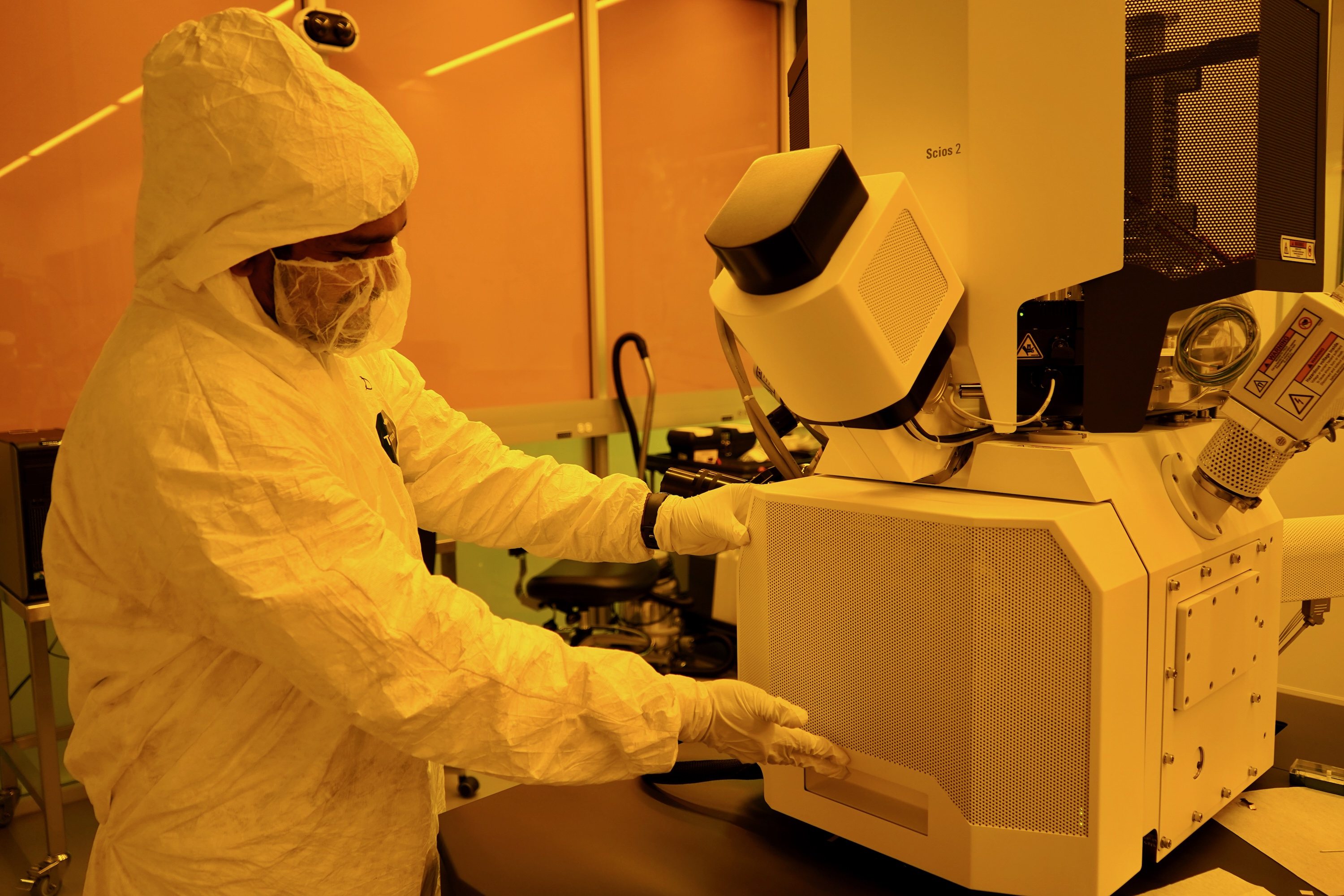
- ThermoFisher Scios 2 Focused Ion Beam / Scanning Electron Microscope (FIB/SEM)
- Raith Voyager Electron Beam Lithography tool (EBL)
- Suss MJB4 mask aligner (Optical lithography)
- Angstrom Nexdep Electron beam deposition (oxides, dielectrics)
- Angstrom Amod Electron beam deposition (metals)
- Trion ICP/RIE dedicated to chlorine chemistry
- Trion ICP/RIE dedicated to fluorine chemistry, with deep reactive ion etch capability
- Harrick oxygen plasma cleaner
- AJA Orion Sputtering/Thermal Evaporation
- AJA Ion Miller
- Kurt Lesker 150LX plasma-assisted Atomic Layer Deposition (ALD)
- AG Associates Heatpulse 610 Rapid Thermal Annealer
- YES EcoCoat plasma-assisted surface modification oven
- Sentrotech vacuum oven
- Two dual zone tube furnaces for chemical vapor deposition
- One three-zone tube furnace for materials synthesis
- KLA P7 Stylus Profilometer
- Zygo Zegage Optical Profilometer
- Two optical microscopes with integrated cameras
- Signatone/Keithley four-probe electrical characterization station
- J.A. Woollam spectroscopic ellipsometer
- Filmetrics F20-UV spectral reflectance thin film analyzer
- Electroplating station
- iBond5000 wedge bonder (ribbon and wire)
- Leco PX300 lapping/polishing
- Buehler Minimet polishing
- Pelco FlexScribe wafer scriber
- Leco VC-50 diamond saw
- Orion Micro TIG-welder
- Soldering station
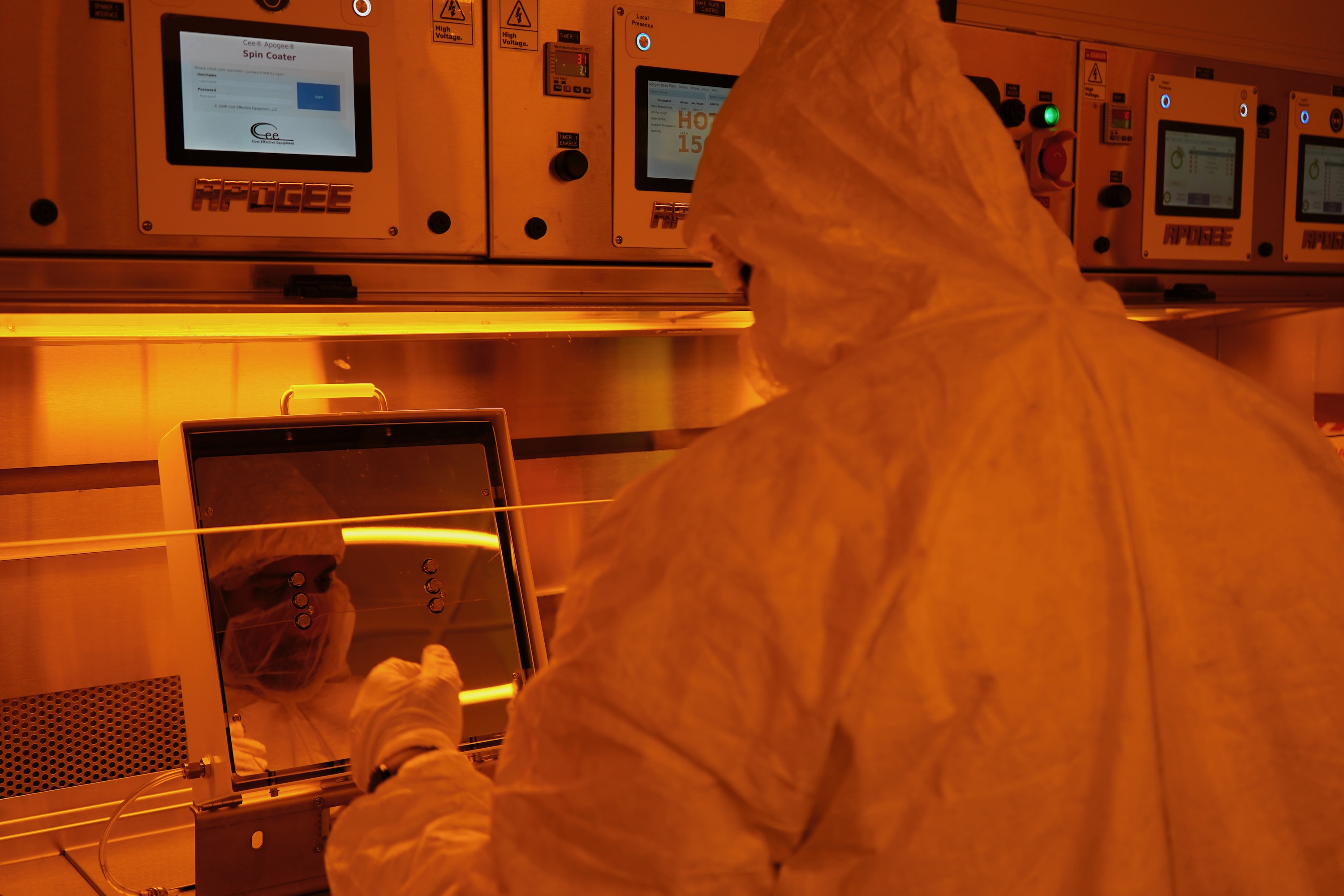
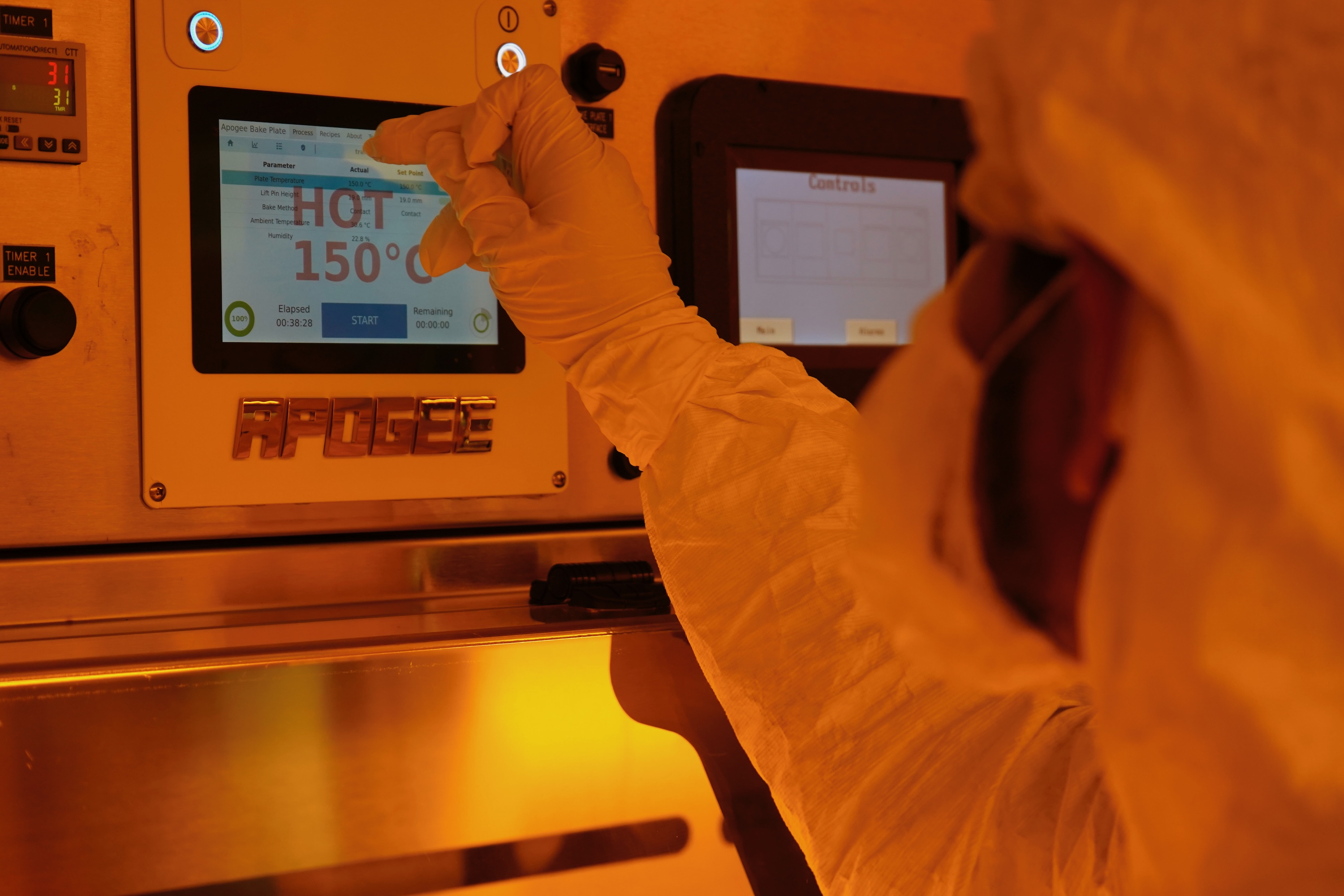
- Six hoods: two acid-compatible (one with a dedicated HF area), three organic solvent-compatible, and one dedicated spin-bake hood in the lithography bay
Technical Abilities in the Cleanroom
- Thin film deposition of metals, semiconductors, and dielectrics (electron beam evaporation, sputtering, thermal evaporation, chemical vapor deposition, and atomic layer deposition)
- Reactive ion etching, ion milling, and oxygen plasma cleaning
- Lithography at the micron and nanometer scale
- Surface modification
- Metrology
- Optical, electron, and ion beam imaging
Current Research Pursuits in the Cleanroom
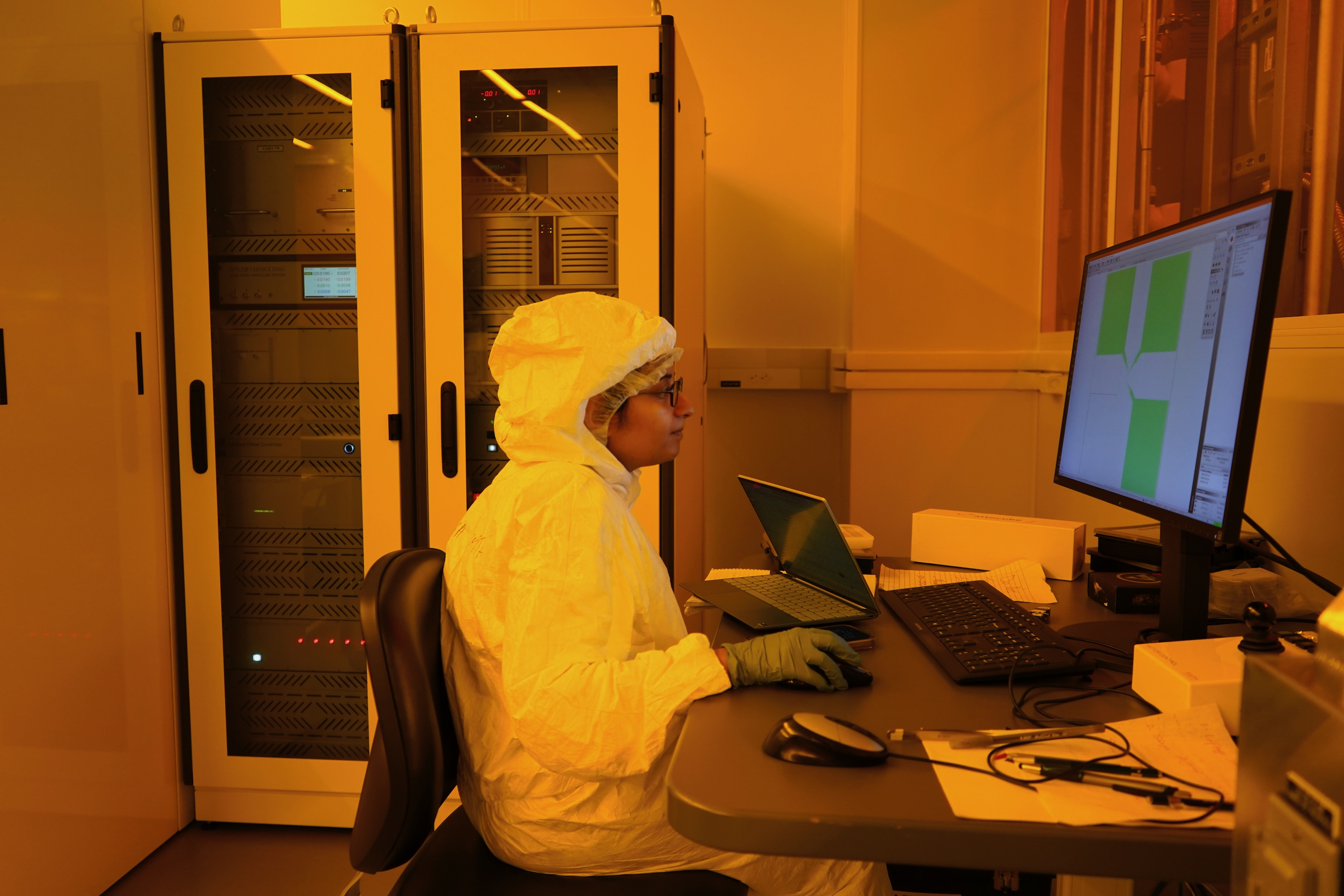
The cleanroom includes faculty from physics (e.g. superconductors, terahertz devices), chemistry (infrared sensing, electrochemical interfaces), electrical engineering (nanophotonics, optoelectronics, photovoltaics), materials science and engineering (energy storage and quantum materials), chemical engineering (polymers, biomimetic interfaces), biomedical engineering (neuroengineering), and river-coastal science and engineering (microfluidics) pursuing a variety of projects across these disciplines.