
4+1 Pathways
Accelerate your education with a 4+1 pathway, allowing qualified undergraduates to earn both a bachelor's and a master's degree in as little as five years.

Rigorous training in mathematical modeling, differential equations, numerical methods, and scientific computing.

Training in the use of psychological principles and theories from health psychology to address real-world challenges.
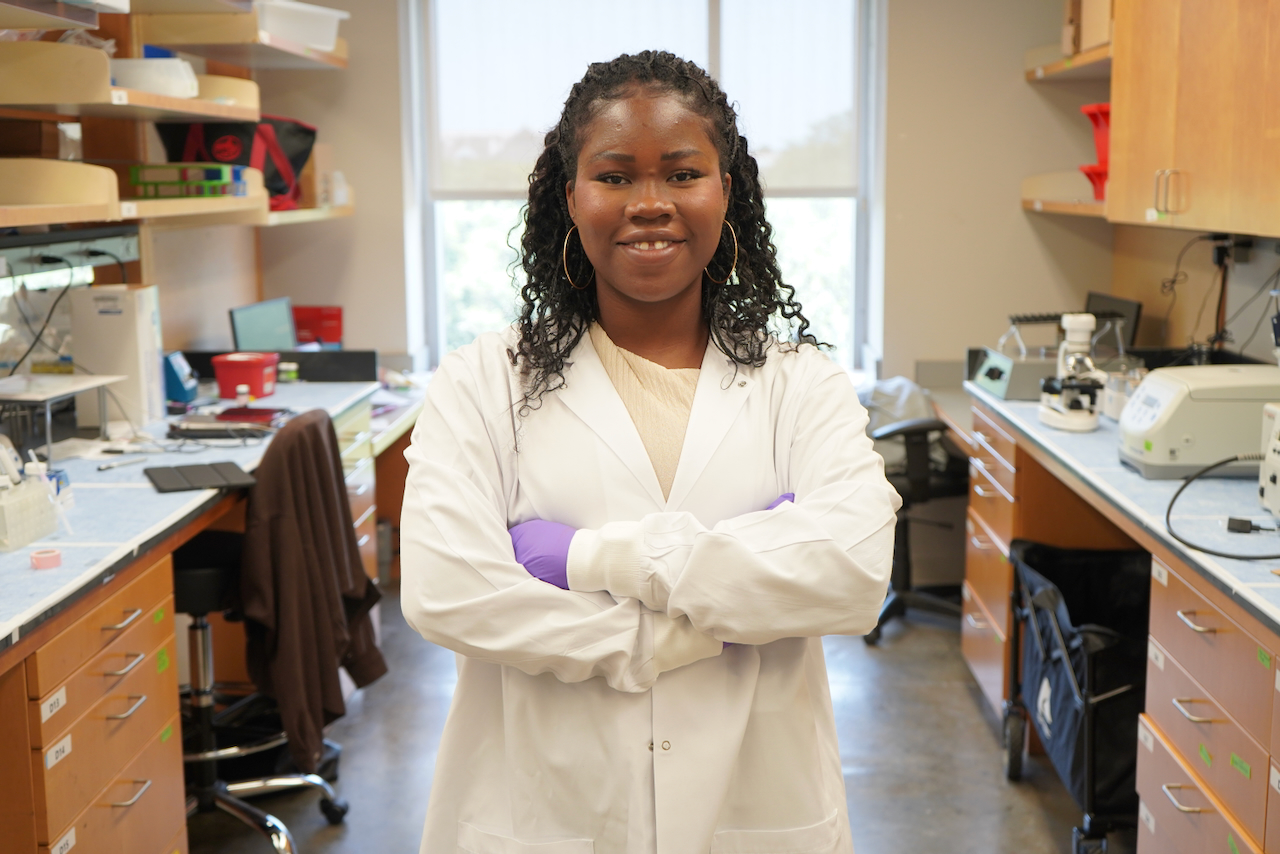
Represents the intersection of biological science, technology, and business.
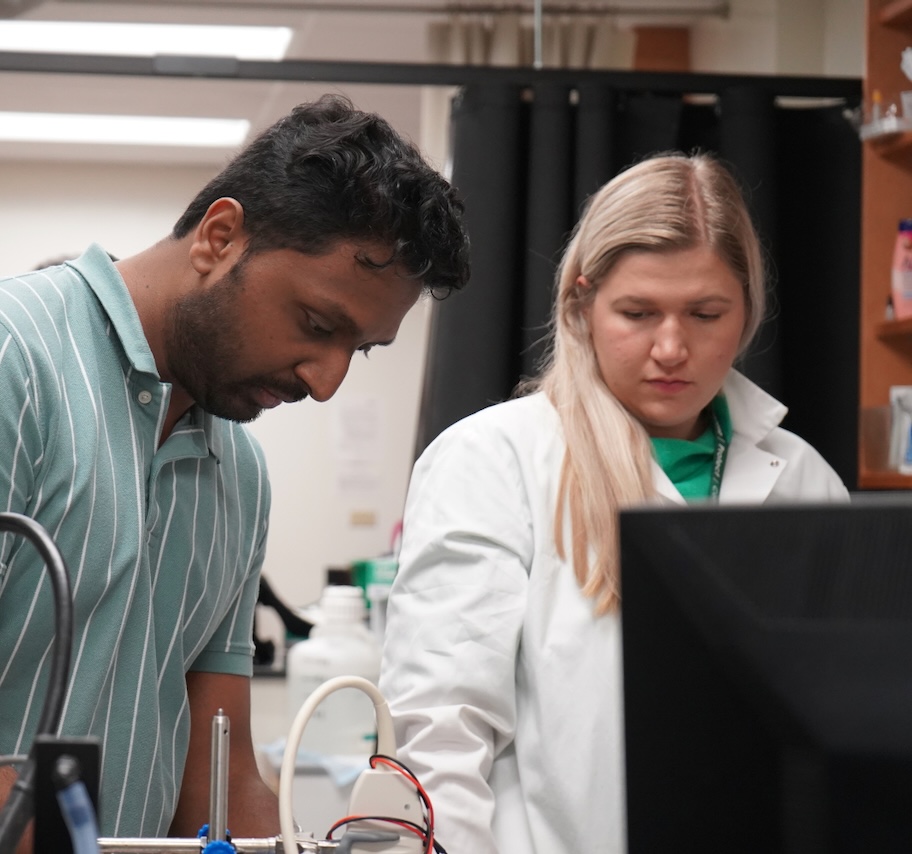
Prepares students to tackle real-world healthcare challenges through applied engineering.
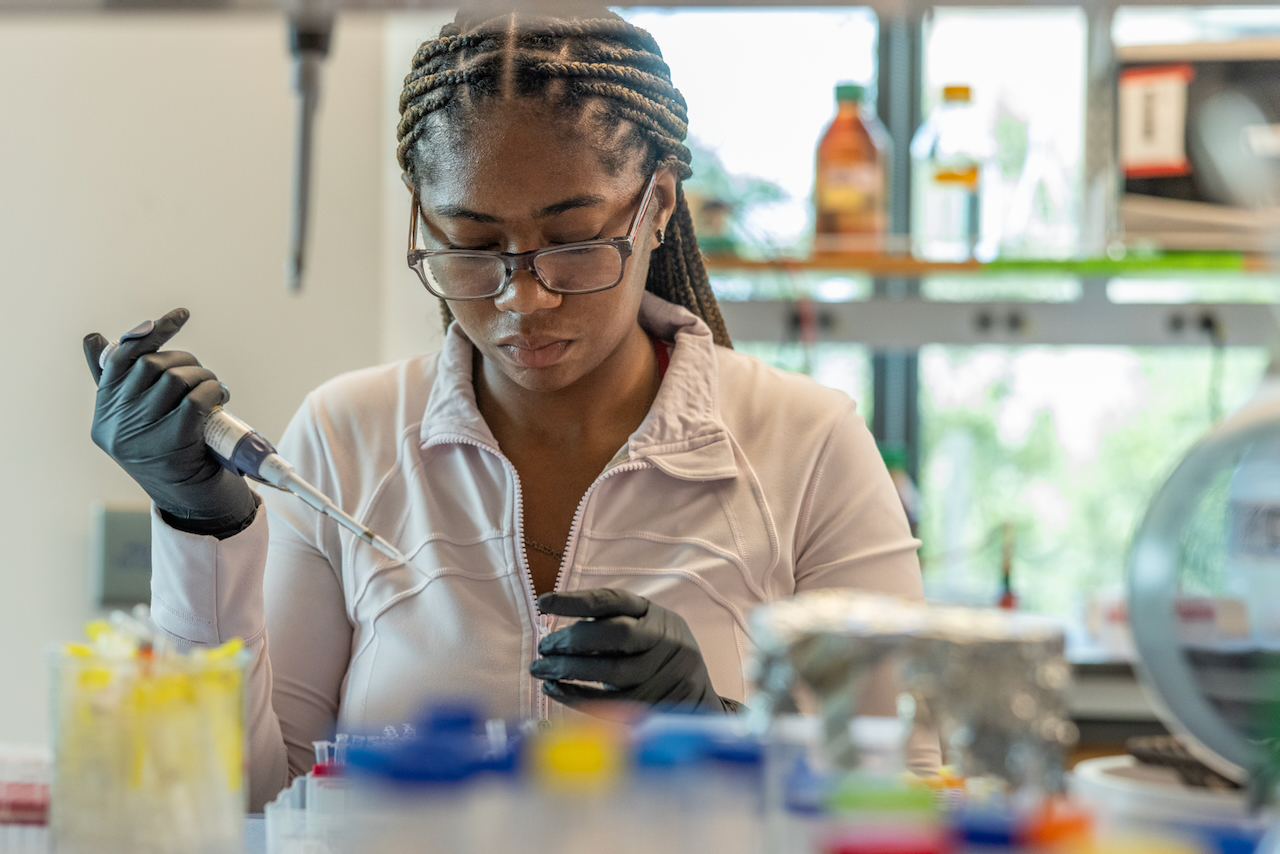
Strengthens preparation for professional schools and PhD programs across science and health fields.
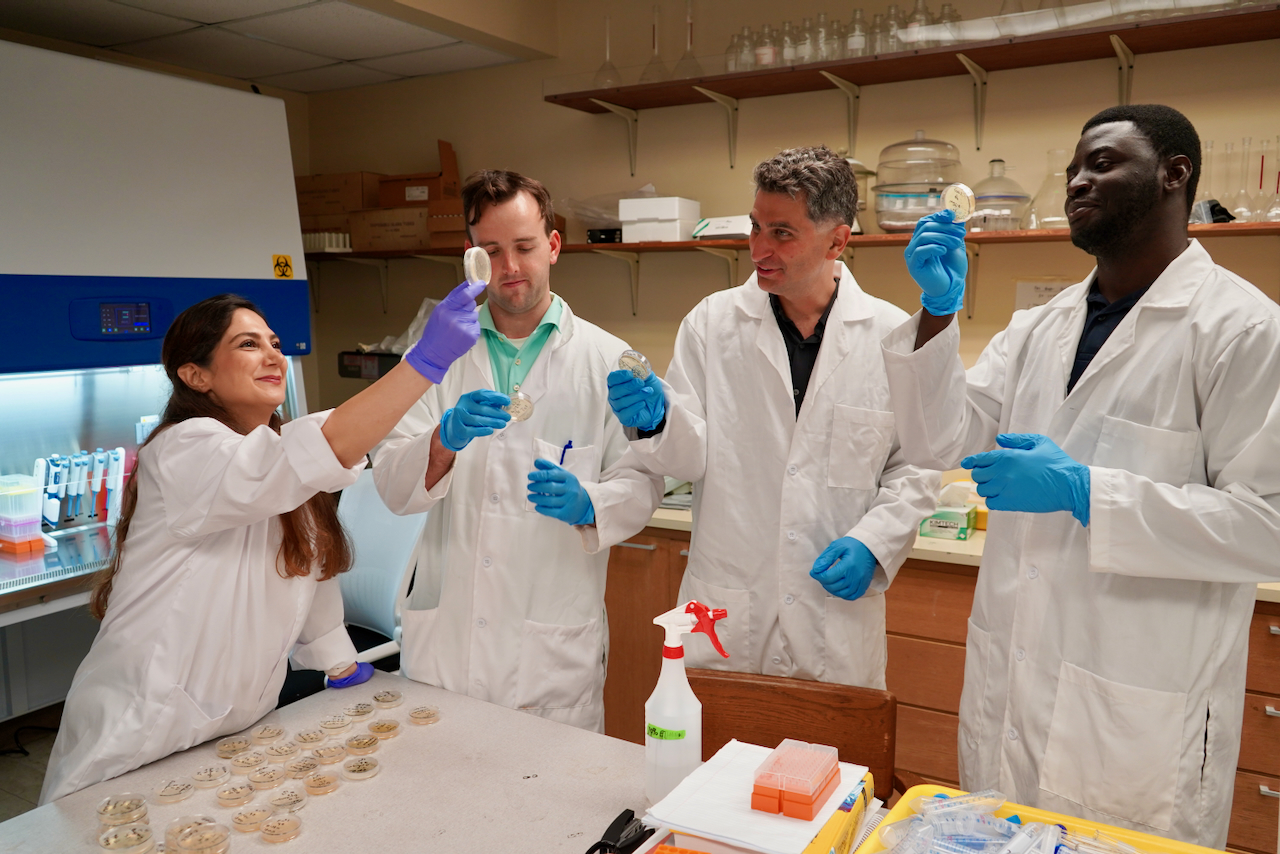
Advanced technical training and research experience in energy, materials, pharmaceuticals, and biotech.
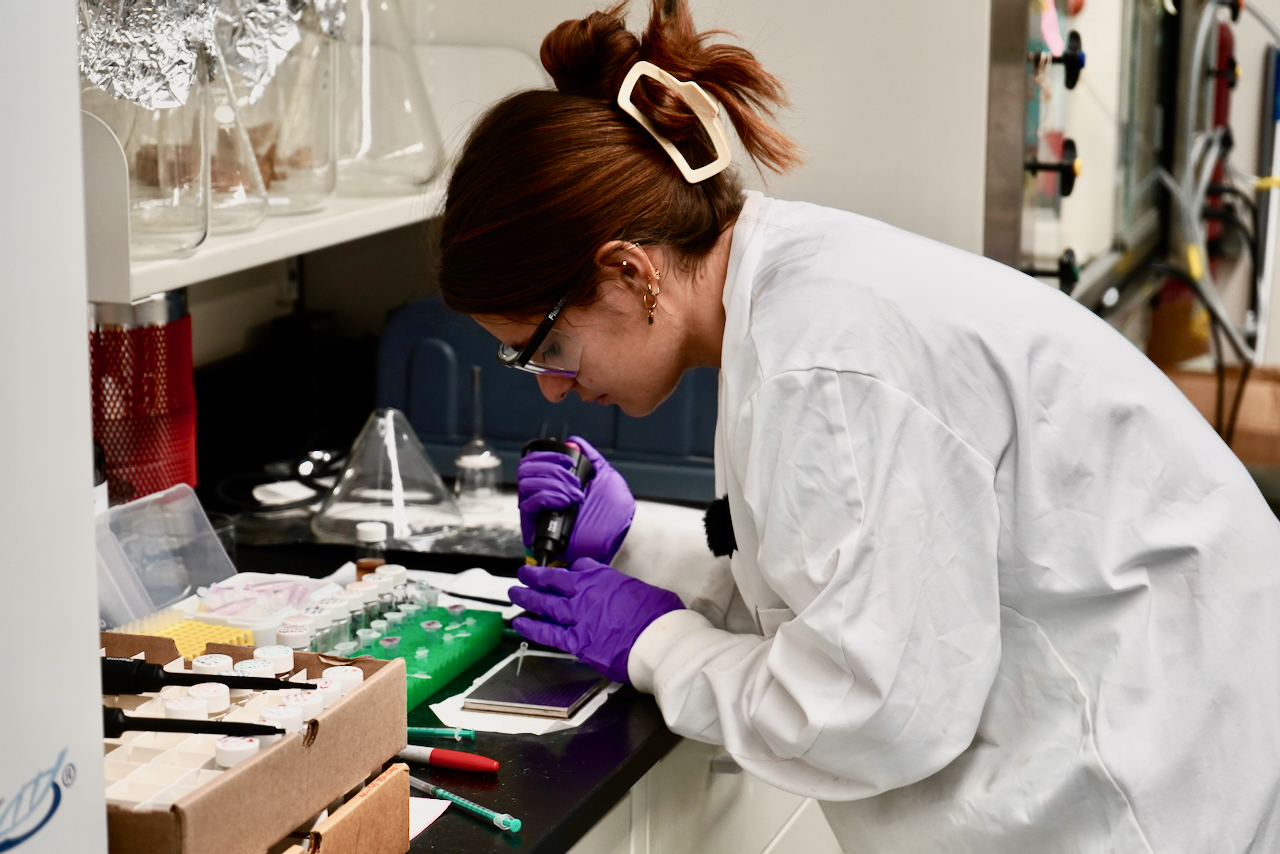
Graduate study across organic, inorganic, physical, polymer, surface, and materials chemistry.
Advanced modeling, simulation, and data-driven approaches across science and engineering.
In-demand computing skills supported by hands-on experience and faculty mentorship.

Provides students with flexibility to balance theory and practice by combining traditional training in statistics and mathematics with hands-on experience.
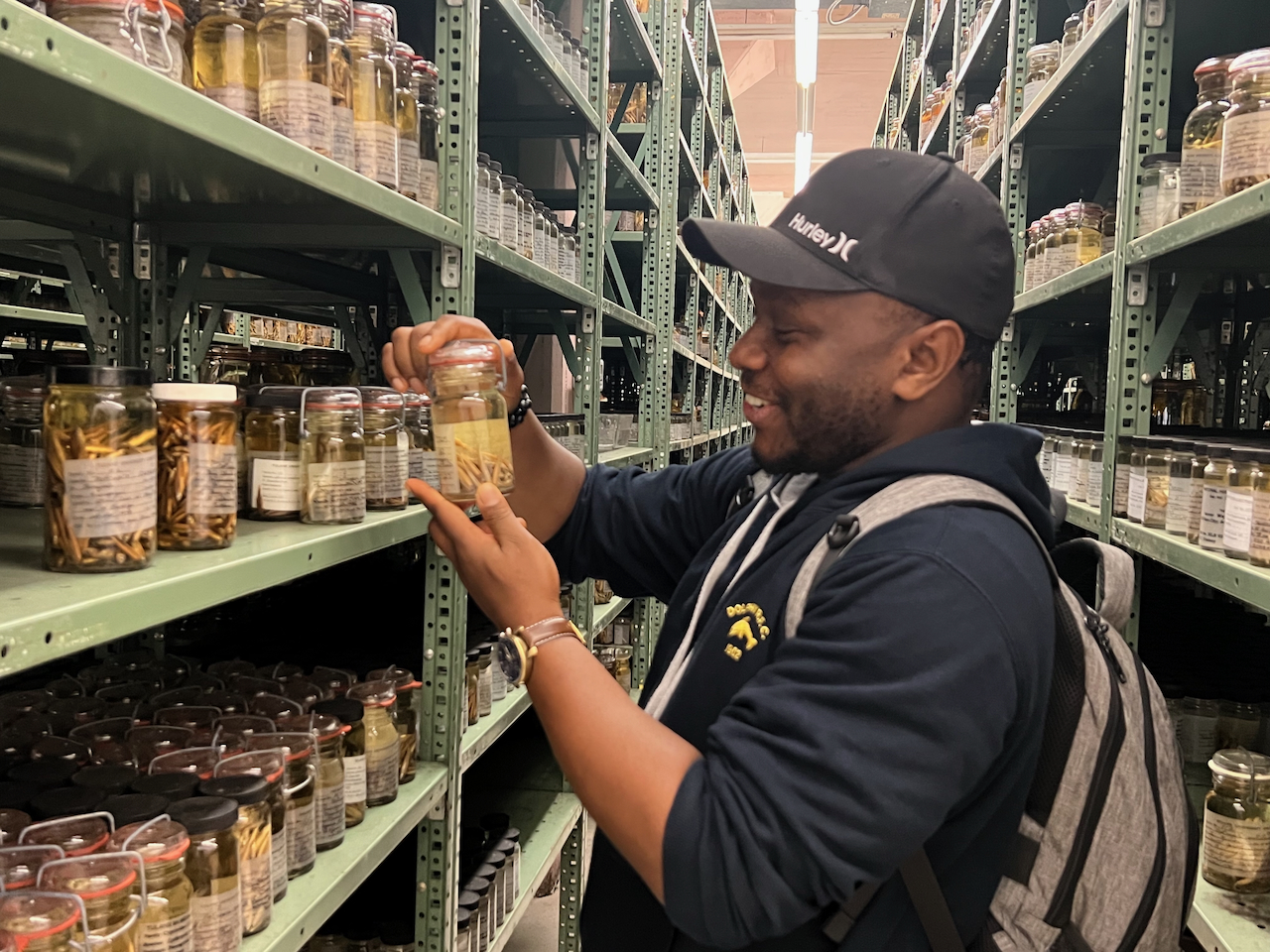
Research-driven training in biodiversity, evolution, and ecosystem dynamics.
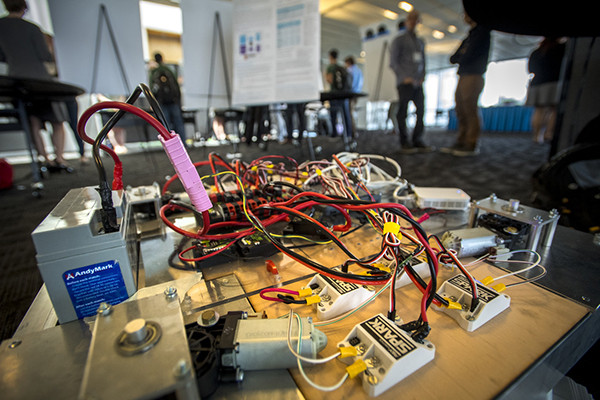
Focuses on theoretical and experimental knowledge while fostering critical thinking and problem-solving abilities.

A curriculum of graduate study in a coherent and definable field of science and/or engineering.

Study of material structure, properties, processing, and modeling.

Emphasizes theoretical and applied problem-solving and rigorous reasoning.
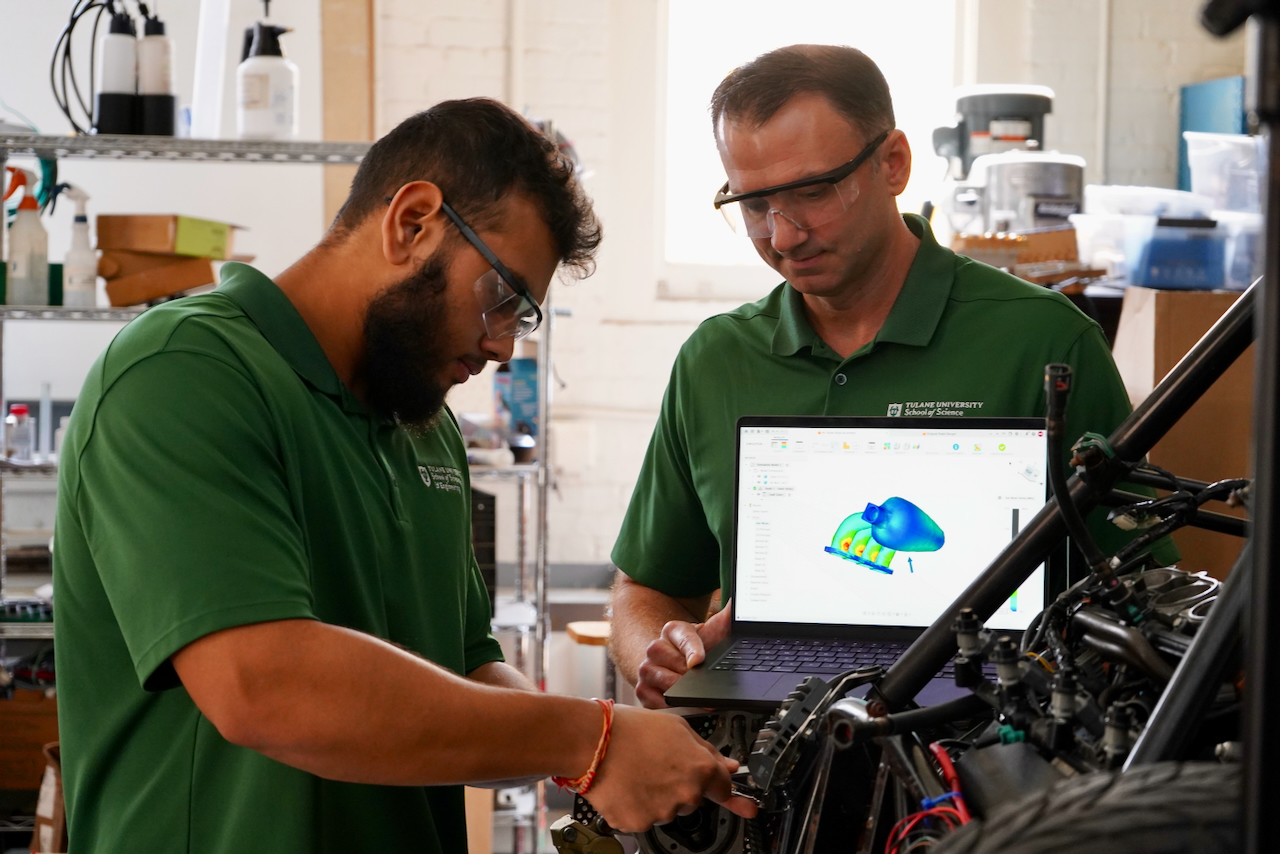
Drives technological innovation, economic growth, and quality of life across virtually every industry.
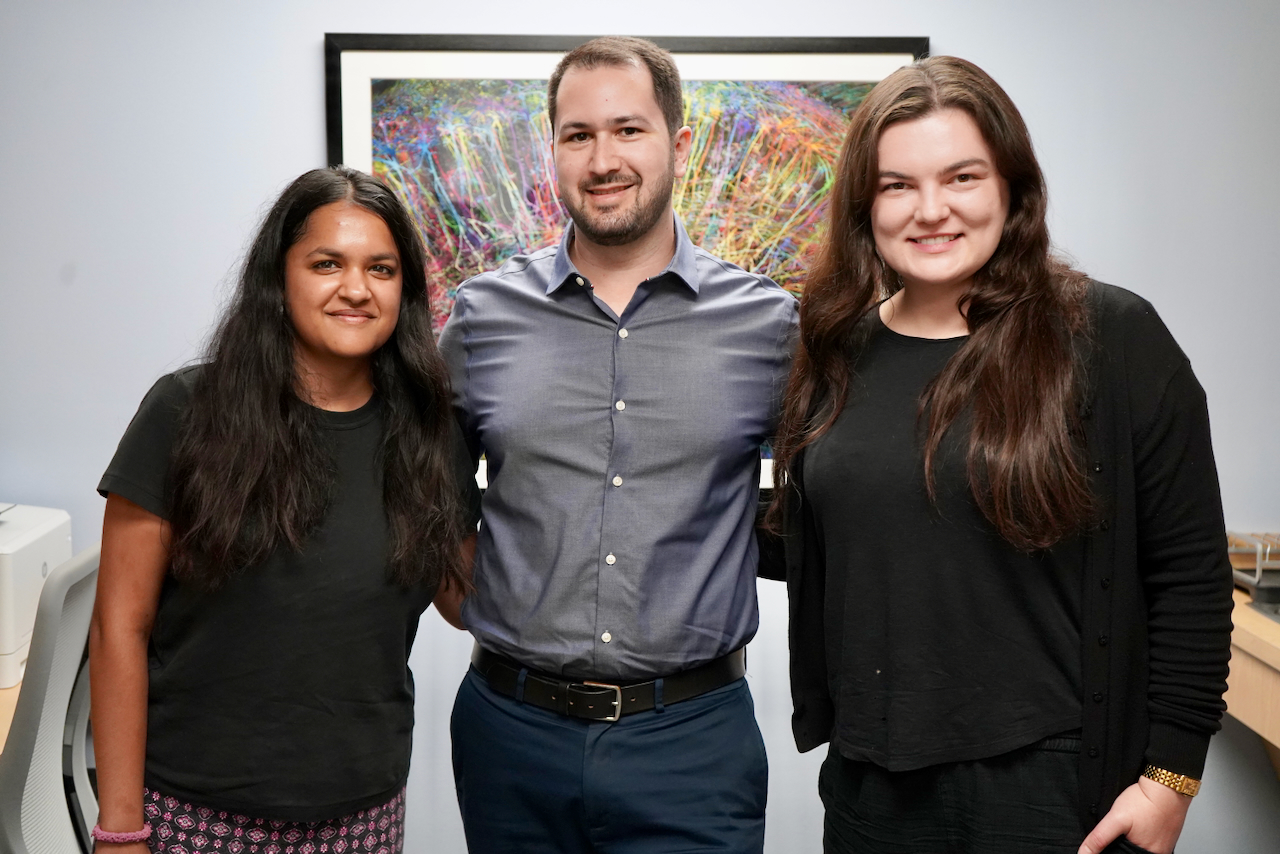
Advanced coursework and research in brain and nervous system science.
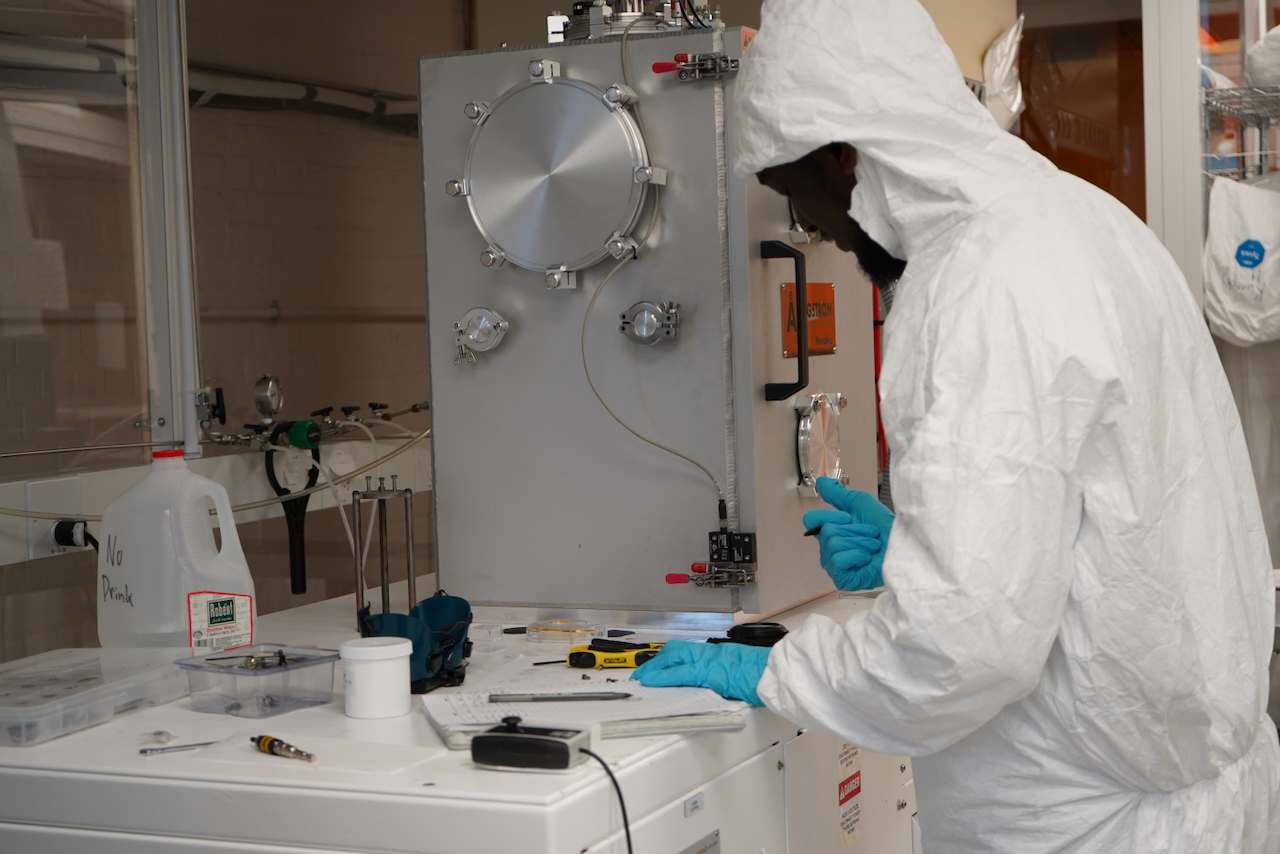
Prepares students for advanced careers in research, industry, or doctoral study.

Preparation for doctoral study, professional programs, or workforce entry.
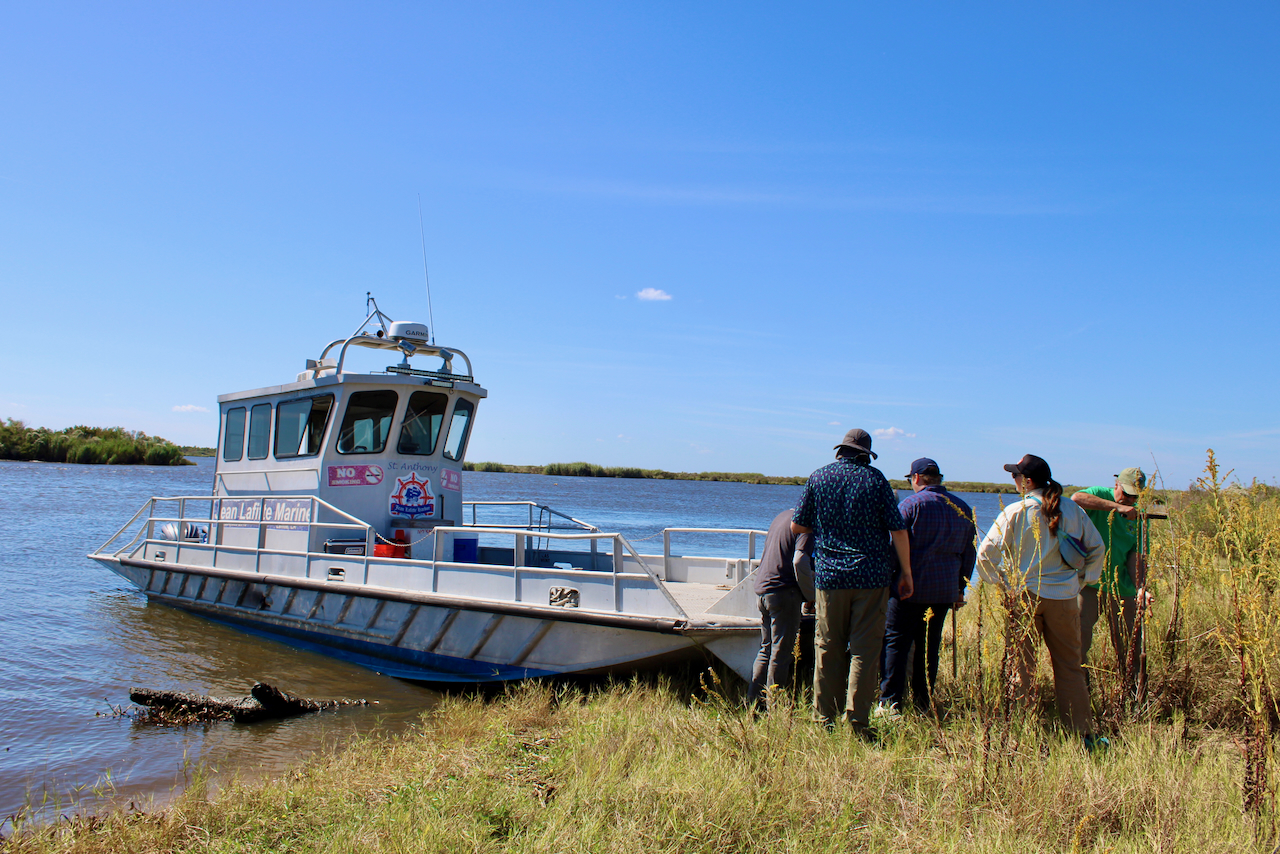
Interdisciplinary training focused on resilience and environmental change.

Advanced training in statistical theory, data analysis, and quantitative methods.
How Does the 4+1 Degree Program Work?
Undergraduate students typically graduate after four years of study, having fulfilled all regular requirements for a Bachelor's degree. The 4+1 Pathway allows students an accelerated path to earning a master's degree, saving students time and money.
The School of Science & Engineering allows up to six (6) credit hours of graduate credit (two 6000- or 7000- level courses) to be counted toward both the undergraduate and graduate degree for students admitted to the Accelerated (4+1) MS programs. If a student has met the 120 hours required for the undergraduate degree, up to six (6) additional graduate credit hours may be counted toward the graduate degree for a maximum of twelve (12) credits. Undergraduate students must have department approval to register for graduate courses.
Typically, an undergraduate student interested in pursuing the 4+1 pathway meets with a graduate advisor or the Director of Graduate Studies for the M.S. program of interest during the student's junior year to discuss planned graduate coursework, which is typically completed during the student's senior year.
The MS programs at Tulane SSE require a minimum of 30 graduate credit hours. The purpose of the 4+1 program is to provide students with deeper technical preparation and often a project or research experience beyond the bachelor's degree, giving students a competitive edge and more specialized expertise. Thus, a master's degree offers stronger preparation for future career paths or doctoral study than a bachelor's degree alone.
Tulane undergraduate students are encouraged to talk with faculty about the 4+1 program during their junior year and may begin to take graduate-level classes during their senior year, but should only apply formally during their senior year. By the end of the junior year (or at the time of application), candidates should have completed all proficiency and distribution requirements for a Bachelor's degree and all core requirements for their major. Candidates are required to have a minimum 3.0 cumulative GPA and major GPA. Students must apply to the MS program during their senior year and meet the requirements for admission to the MS program. Enrollment in the MS program is contingent upon the student completing all requirements of the Bachelor's degree.
Students can apply by clicking here. A letter of recommendation or form from the graduate advisor or Director of Graduate Programs for the MS program is required. GRE exam scores are not required for students pursuing the 4+1 Pathway.
A minimum of 30 credits of graduate course work is required for the master's degree, six of which may also be used to complete the baccalaureate degree. Undergraduate students should see the Director of Graduate Programs to get approval for graduate coursework that can be completed during their senior year.
Contact Us
Ilianna H. Kwaske, Ph.D.
Associate Dean for MS Programs & Professional Education
ikwaske@tulane.edu
Sarah M. Berry, M.S.
Director of MS and Certificate Programs
smccarty@tulane.edu
Available 24/7 to answer your questions about Tulane SSE programs, admissions, and next steps.
Prefer to call? Tap here to connect