
Ph.D. Programs
Pursue original research and scholarly expertise through the doctoral programs offered by the Tulane School of Science and Engineering.
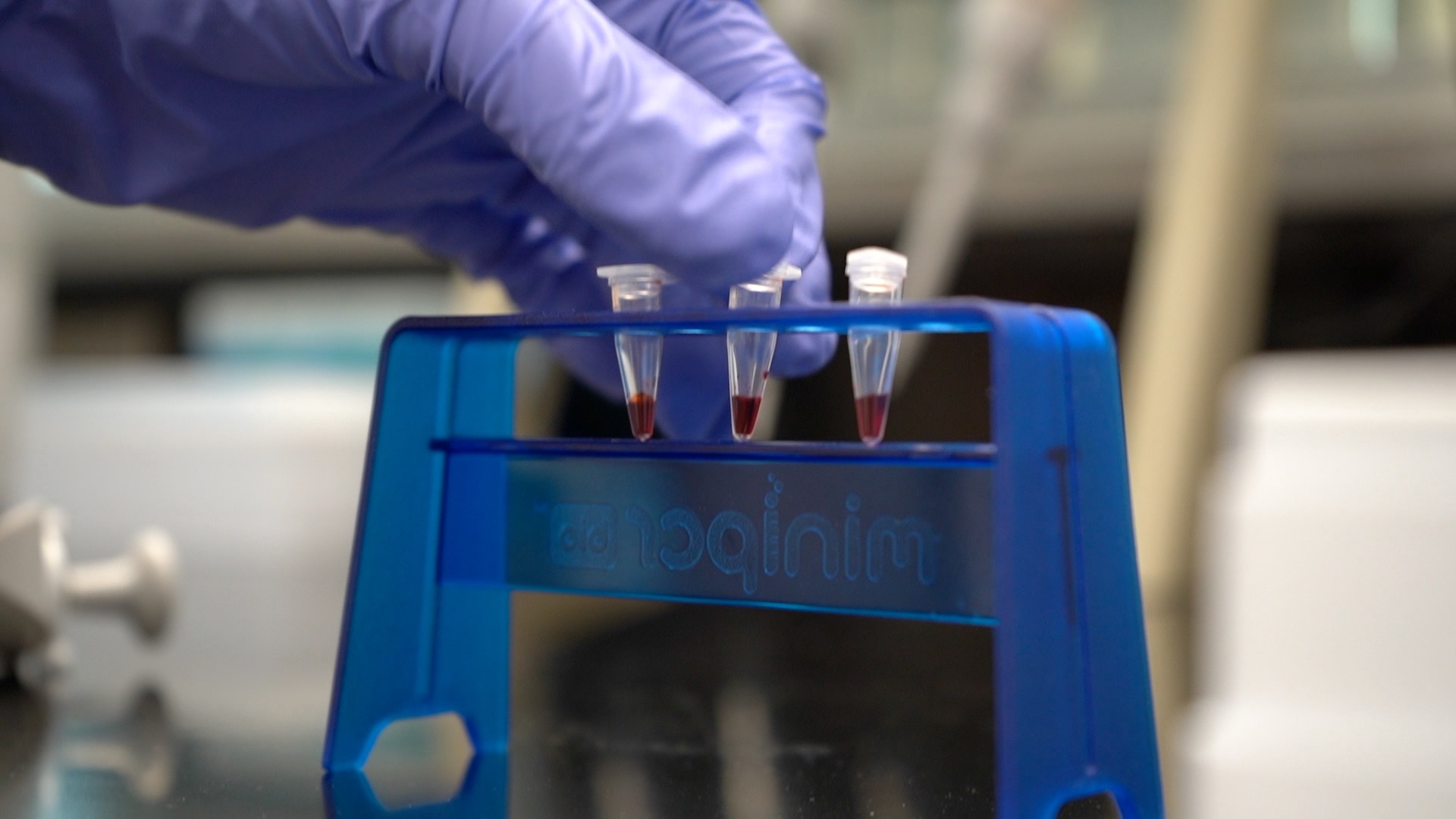
Offers the training and experiences that fully prepare graduates to enter directly into non-academic research and leadership positions.
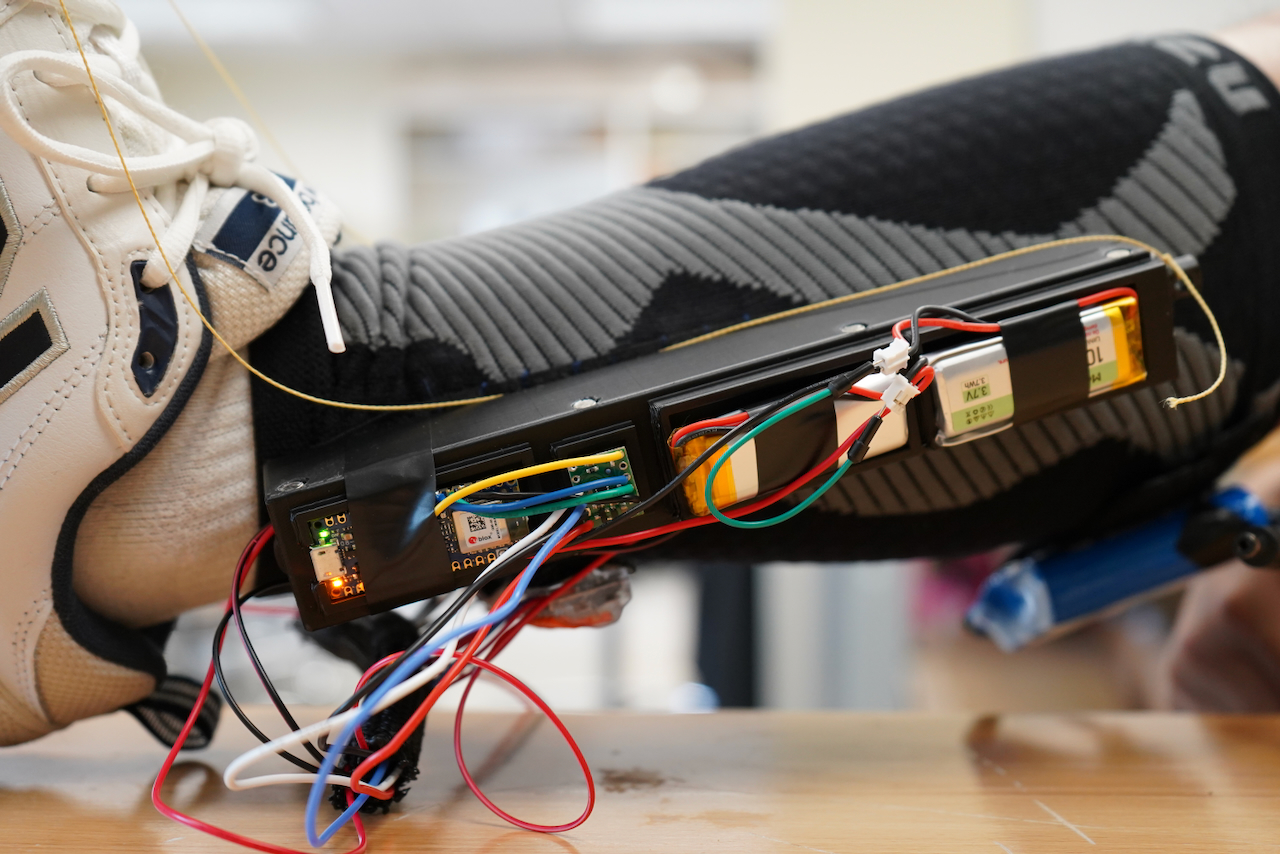
Furnishes students with the advanced and current coursework, professional guidance, and equipment/facilities that are critical to their participation in research and scholarship.

Provides hands-on training to students in areas such as cellular neurobiology, developmental biology, bacterial cell differentiation, and neuropharmacology.
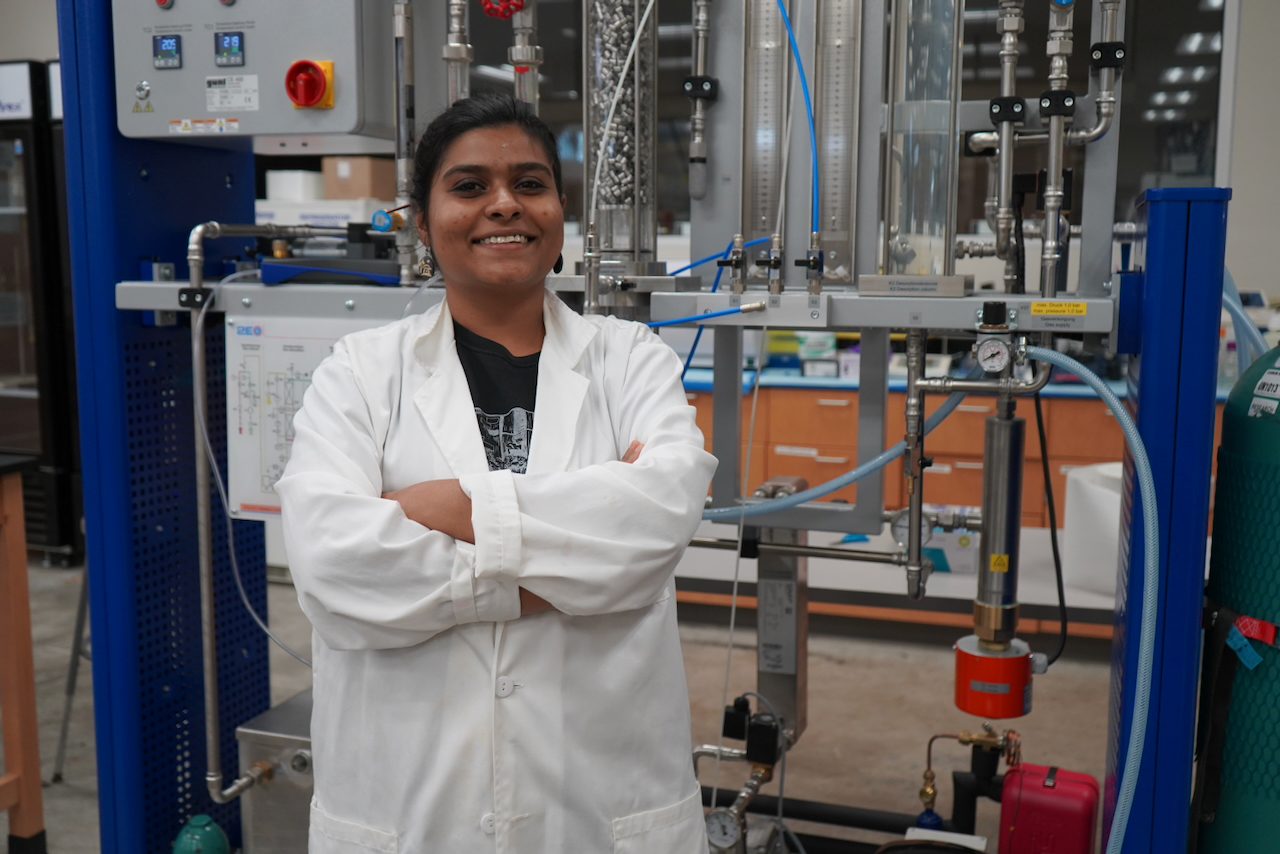
Applies chemical engineering principles like thermodynamics, transport phenomena, and reactor design, to both traditional industrial processes and biomolecular and cellular systems.
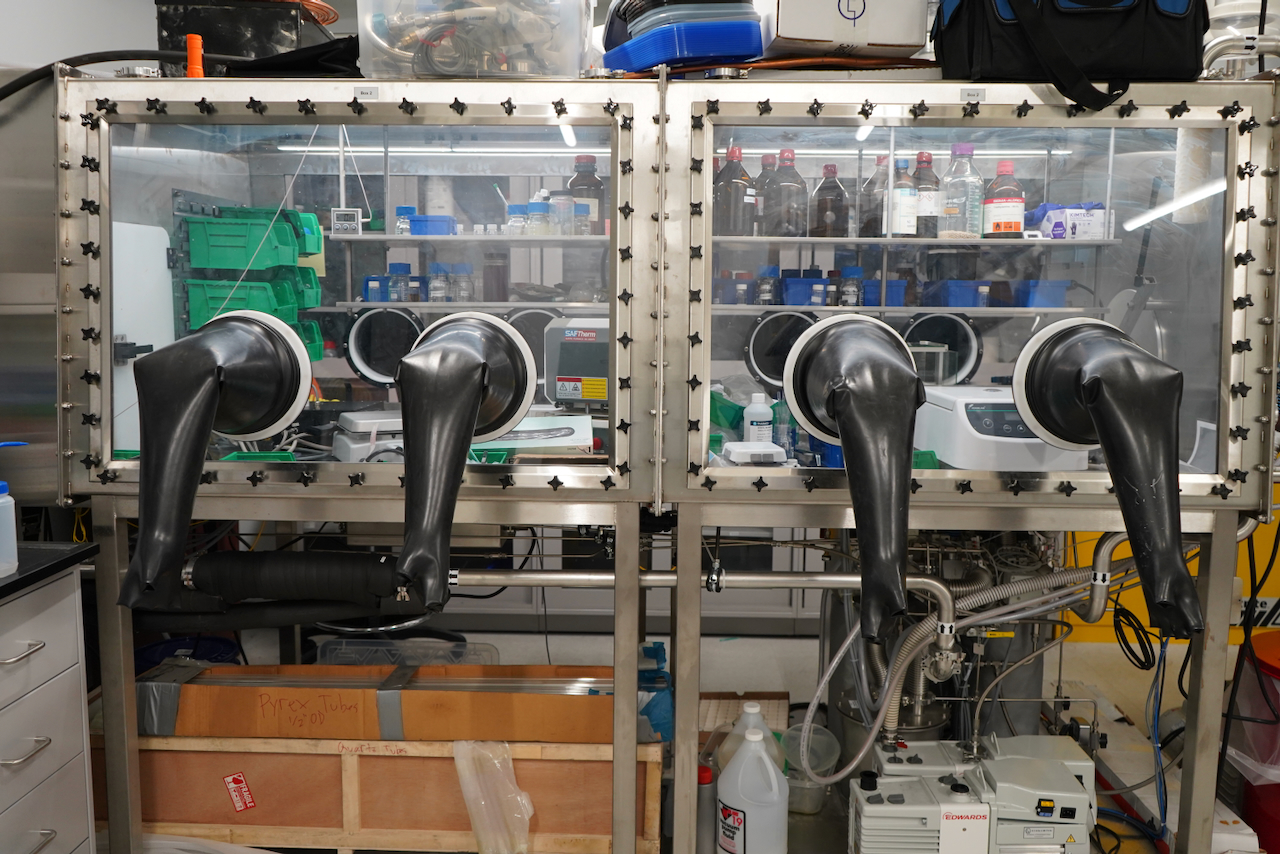
Develops advanced expertise across chemistry's major disciplines, from quantum mechanics and statistical mechanics to organic synthesis and biochemistry.
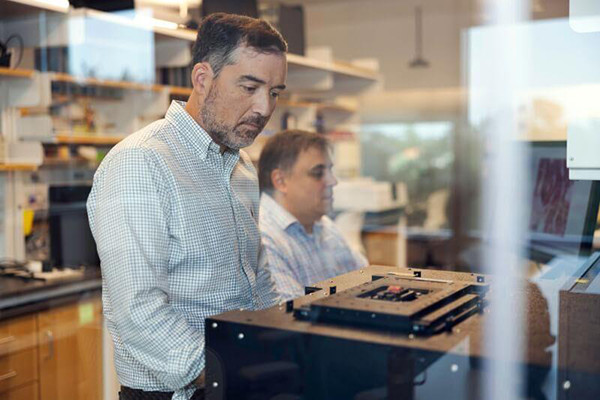
Develops both breadth and depth in computer science, spanning foundational areas, specialized electives, and hands-on research.

Aims to increase our understanding of the composition and evolution of the Earth.
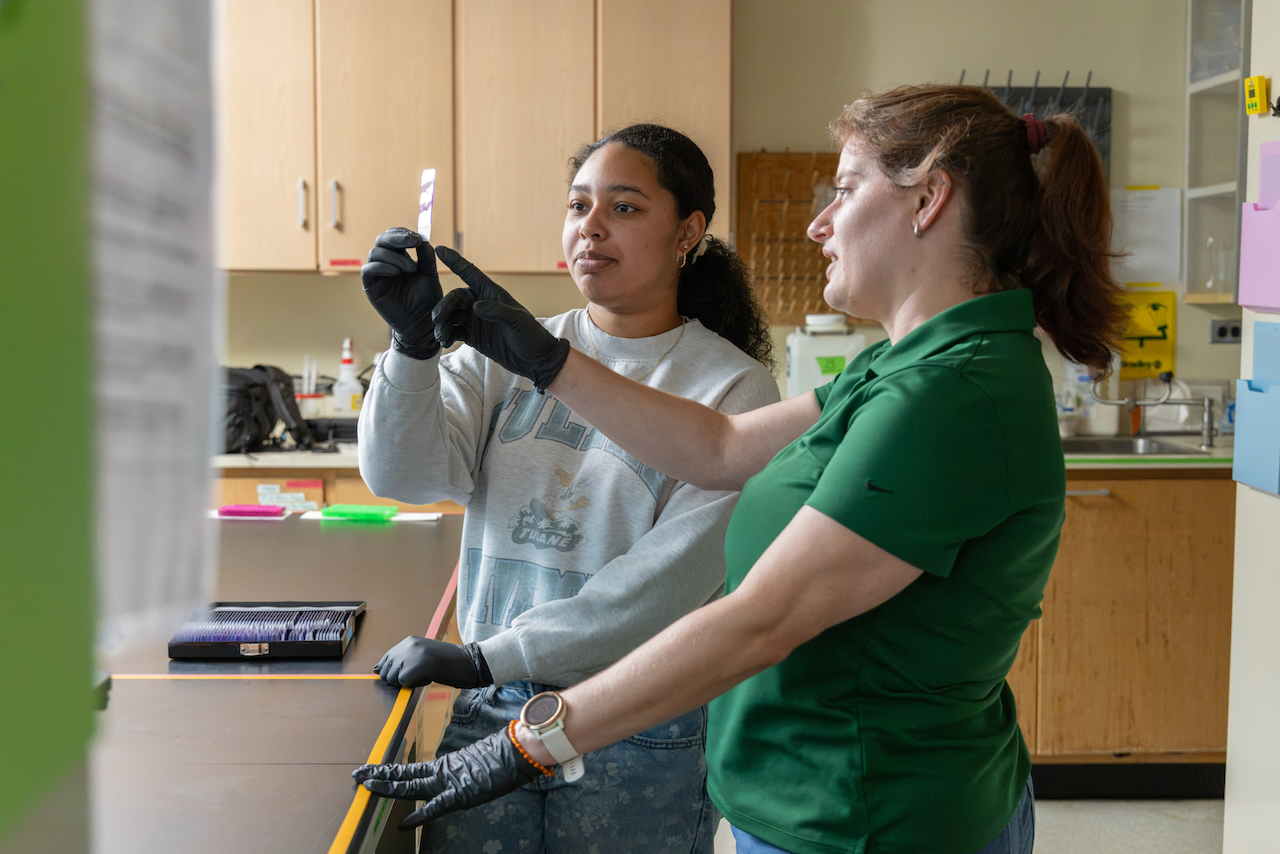
Develops expertise in understanding life's diversity, evolution, and ecological interactions across scales.

Focuses on the fundamentals of material structure, material properties, material processing, and material modeling.

Develops rigorous expertise across core areas of mathematics—including analysis, algebra, probability, statistics, and scientific computing.
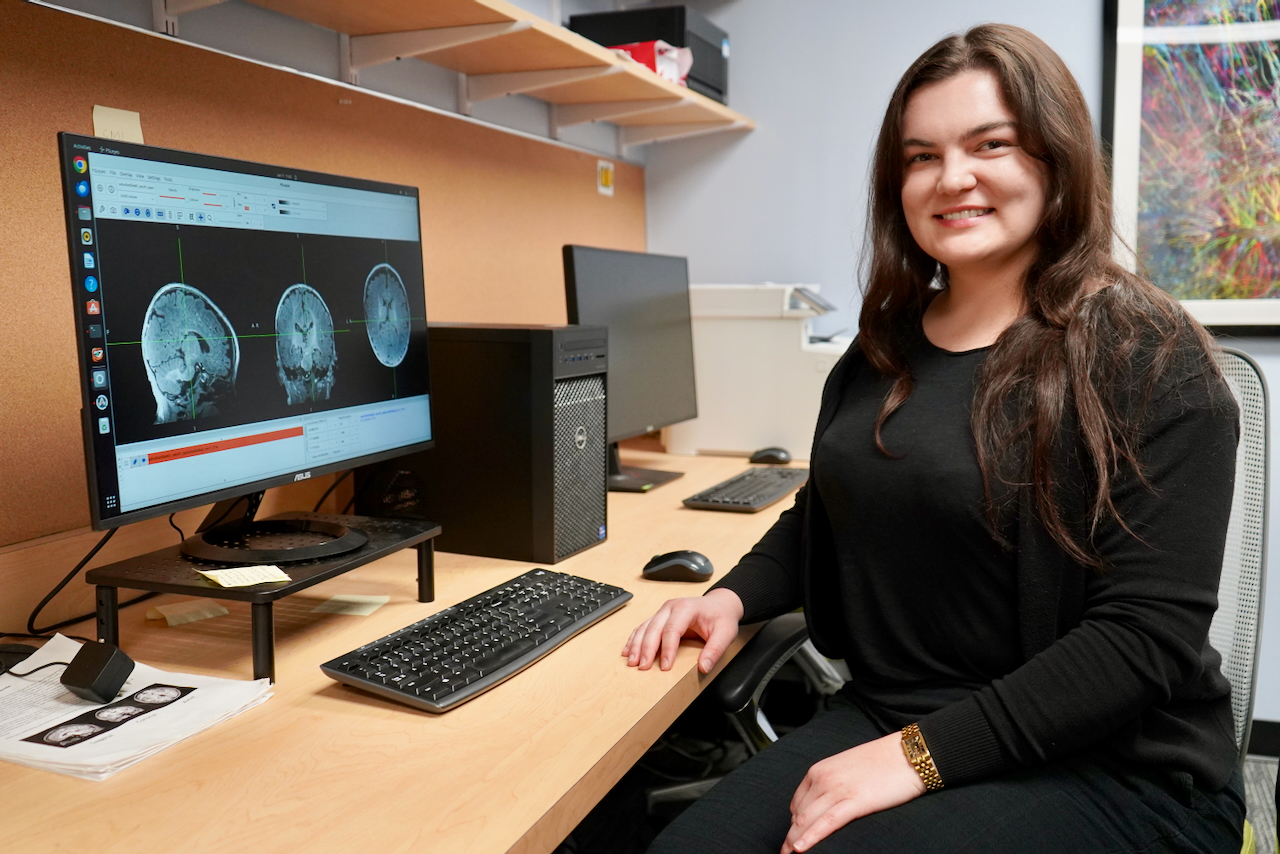
Provides diversified training in neuroanatomy, neurophysiology, neuropharmacology, molecular and cellular neurobiology, and research methods.
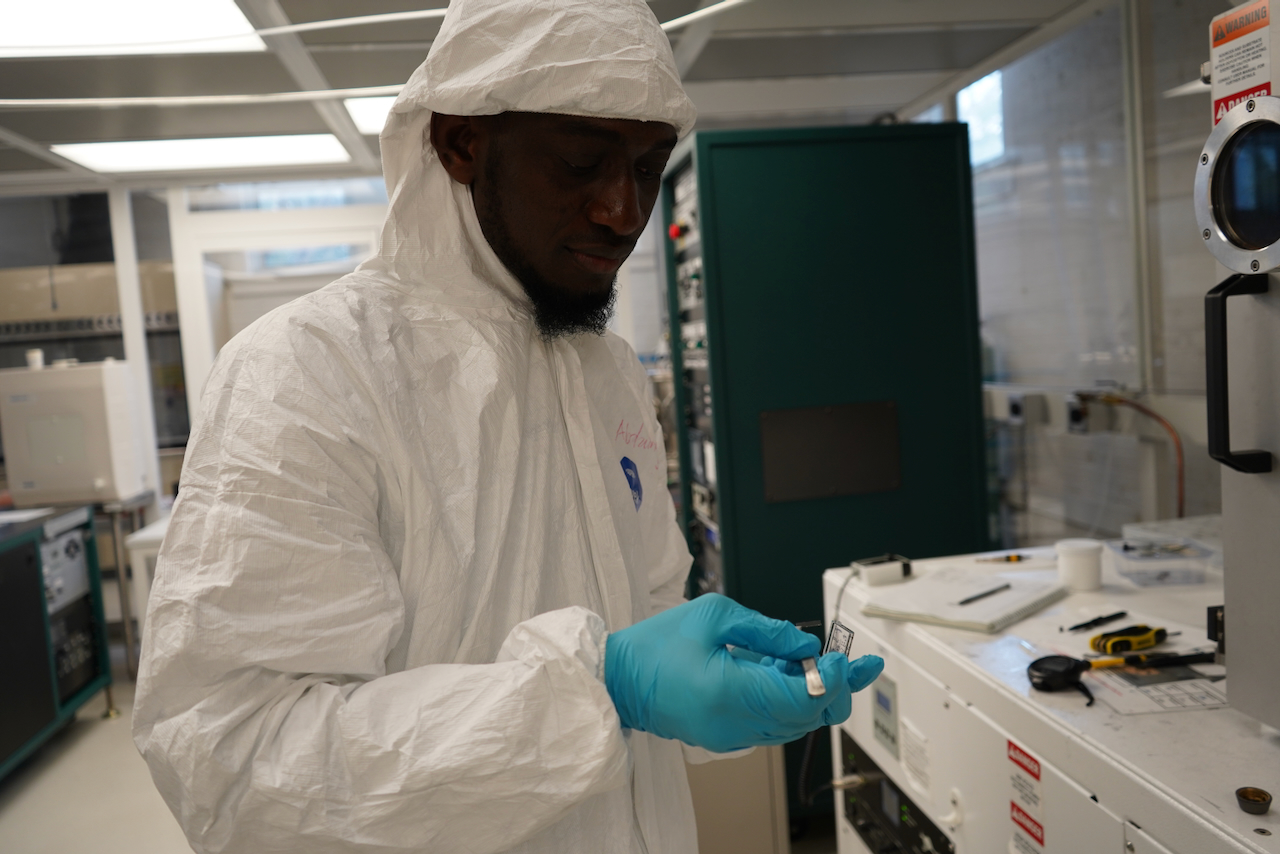
Produces physicists who can tackle complex problems at the frontiers of knowledge.

Prepares students for a meaningful career in understanding human behavior, cognition, and well-being.
Develops comprehensive expertise in understanding river and coastal systems through interdisciplinary training combining engineering, environmental science, and ecology.

Develops expertise as a health service psychologist grounded in ecological systems theory.
Contact Us
Dan Shantz
Associate Dean for Research and Ph.D. Programs
dshantz@tulane.edu
Rosie Chavez
Director of Graduate Programs
rchavez@tulane.edu
Available 24/7 to answer your questions about Tulane SSE programs, admissions, and next steps.
Prefer to call? Tap here to connect