
Master's Degrees
Advance your expertise and career prospects with a graduate degree from the Tulane School of Science and Engineering's range of master's programs.

Rigorous training in mathematical modeling, differential equations, numerical methods, and scientific computing.

Training in the use of psychological principles and theories from health psychology to address real-world challenges.
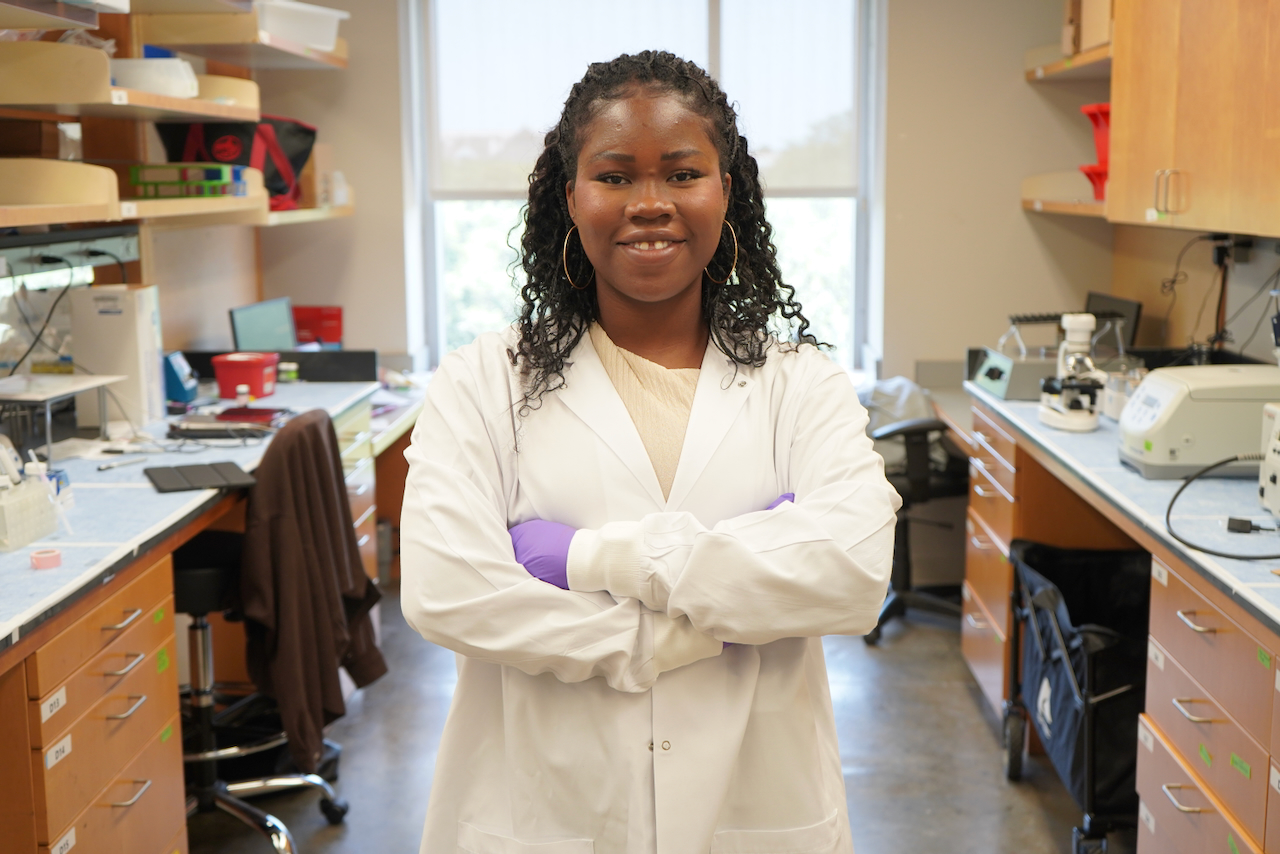
Designed for the evolving demands of commercial biotech products and business development.
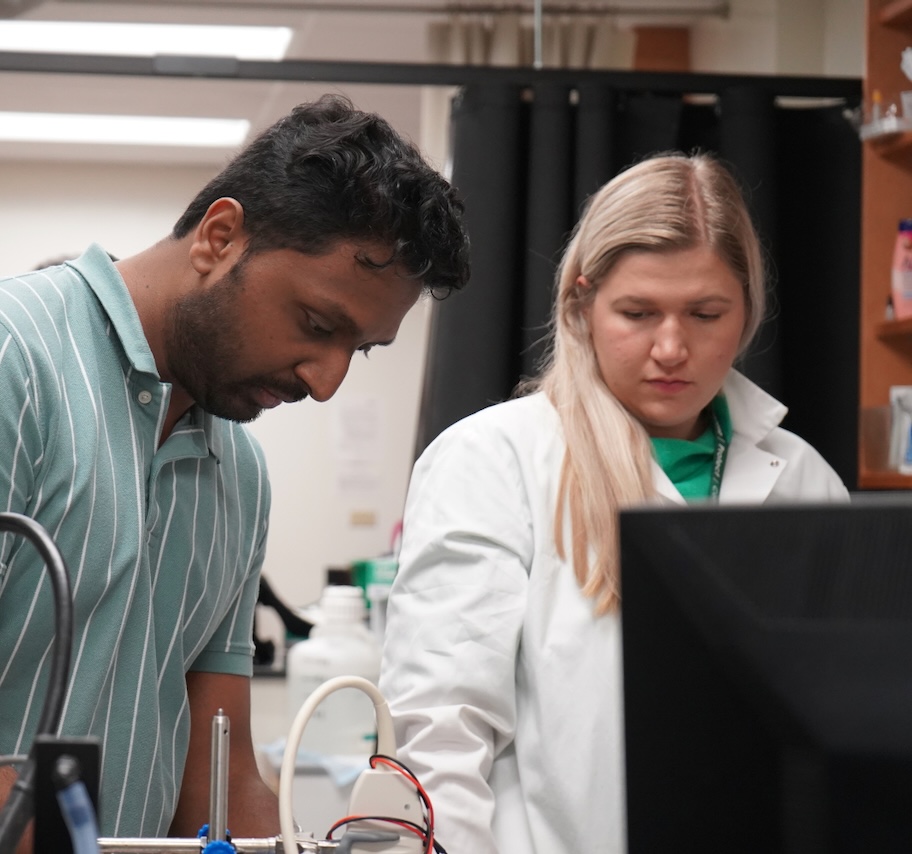
Prepares students to tackle real-world healthcare challenges through applied engineering.
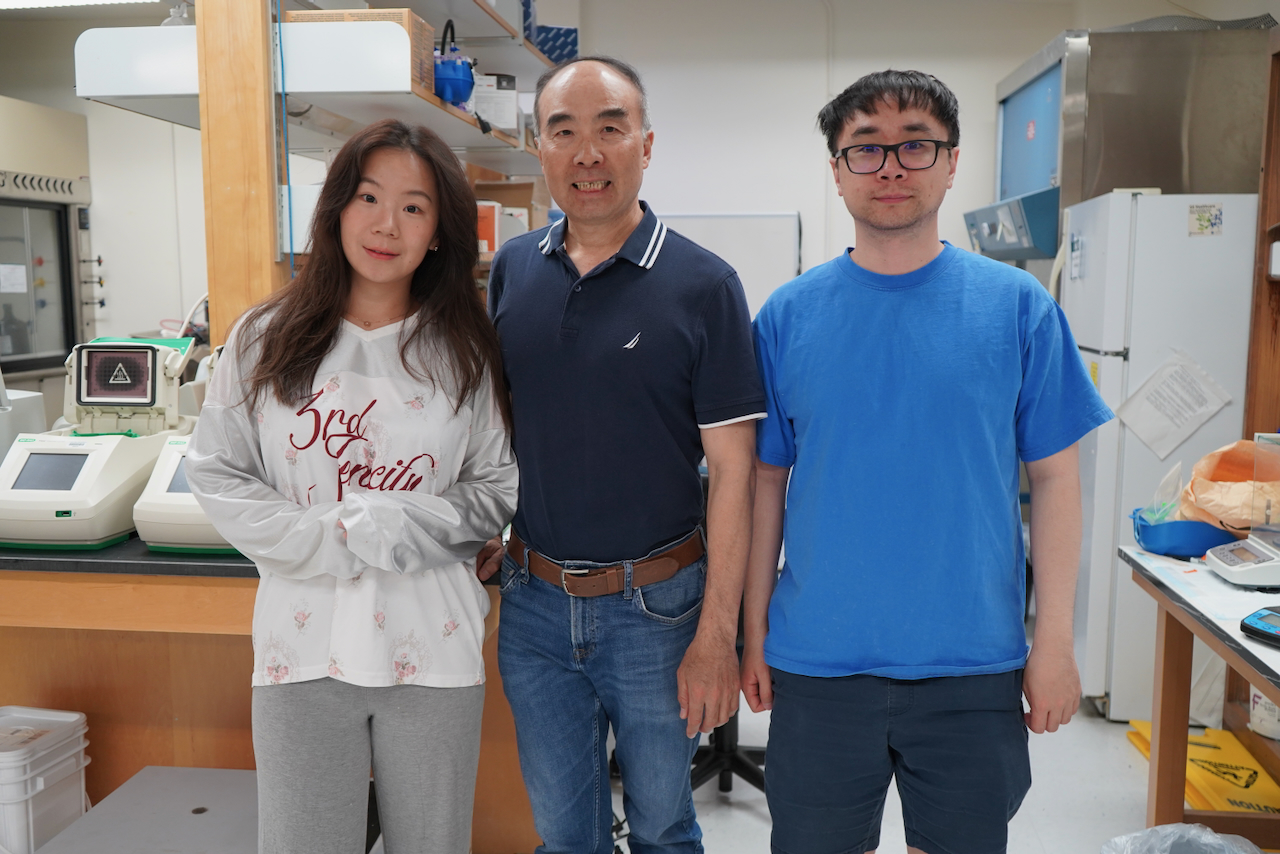
Prepares students to enter the workforce by broadening their background in the biological sciences as well as training in research design and methods.
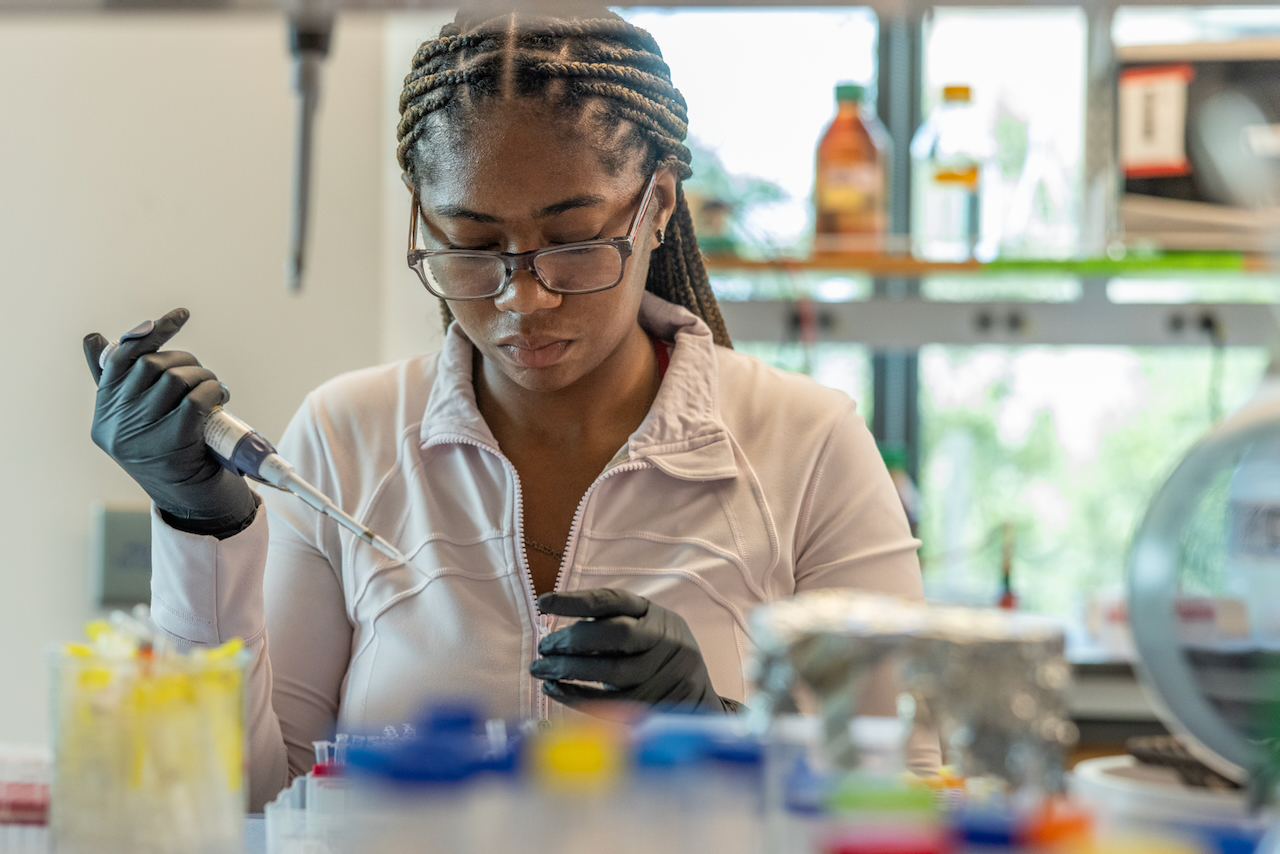
Strengthens preparation for professional schools and PhD programs across science and health fields.
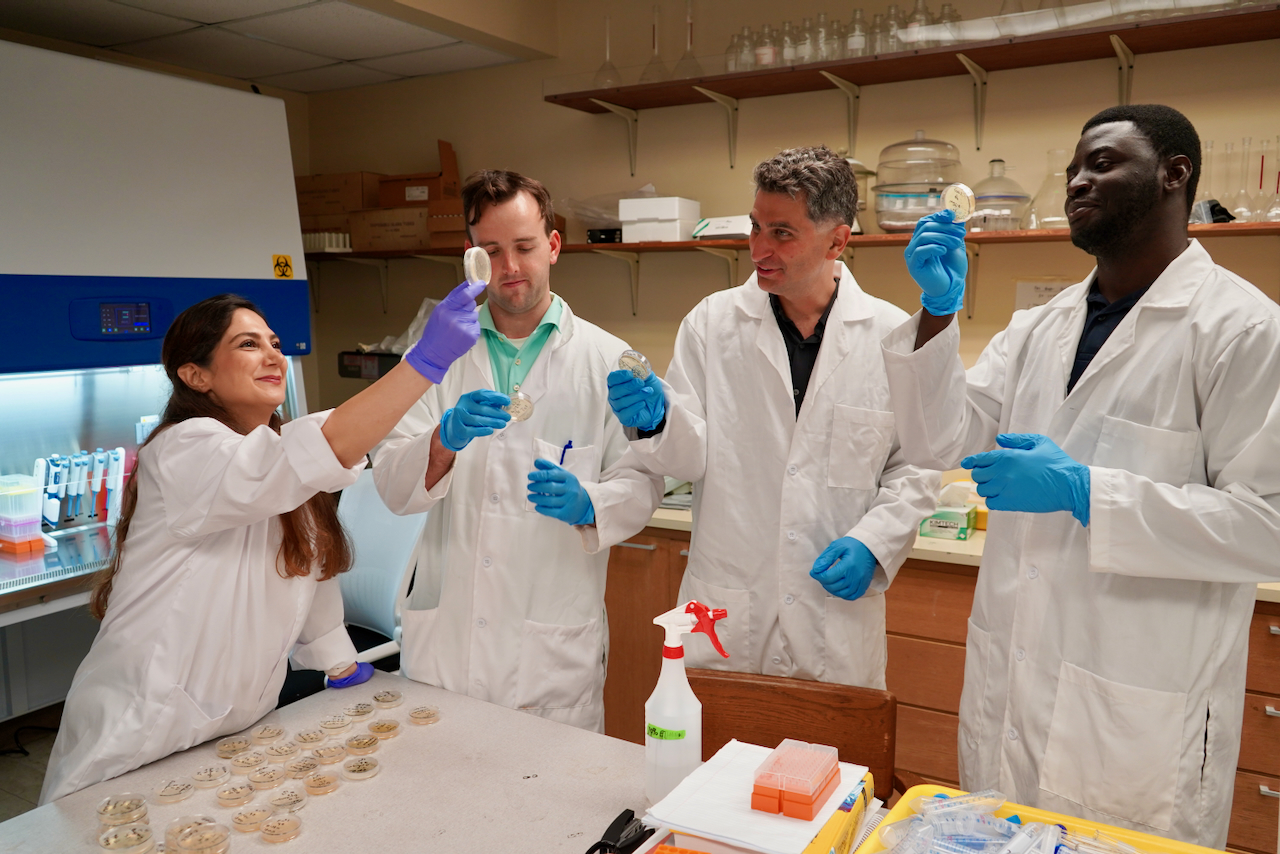
Advanced technical training and research experience in energy, materials, pharmaceuticals, and biotech.
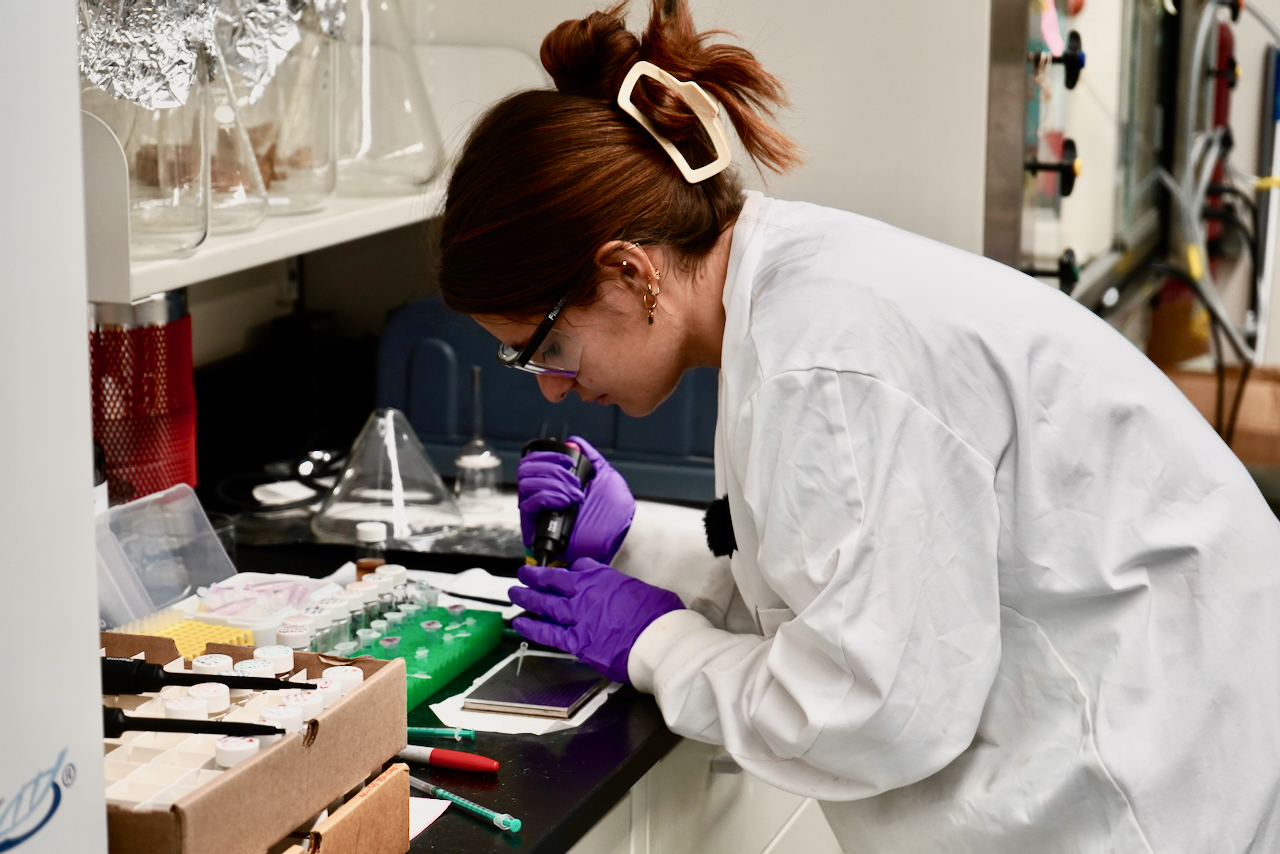
Graduate study across organic, inorganic, physical, polymer, surface, and materials chemistry.
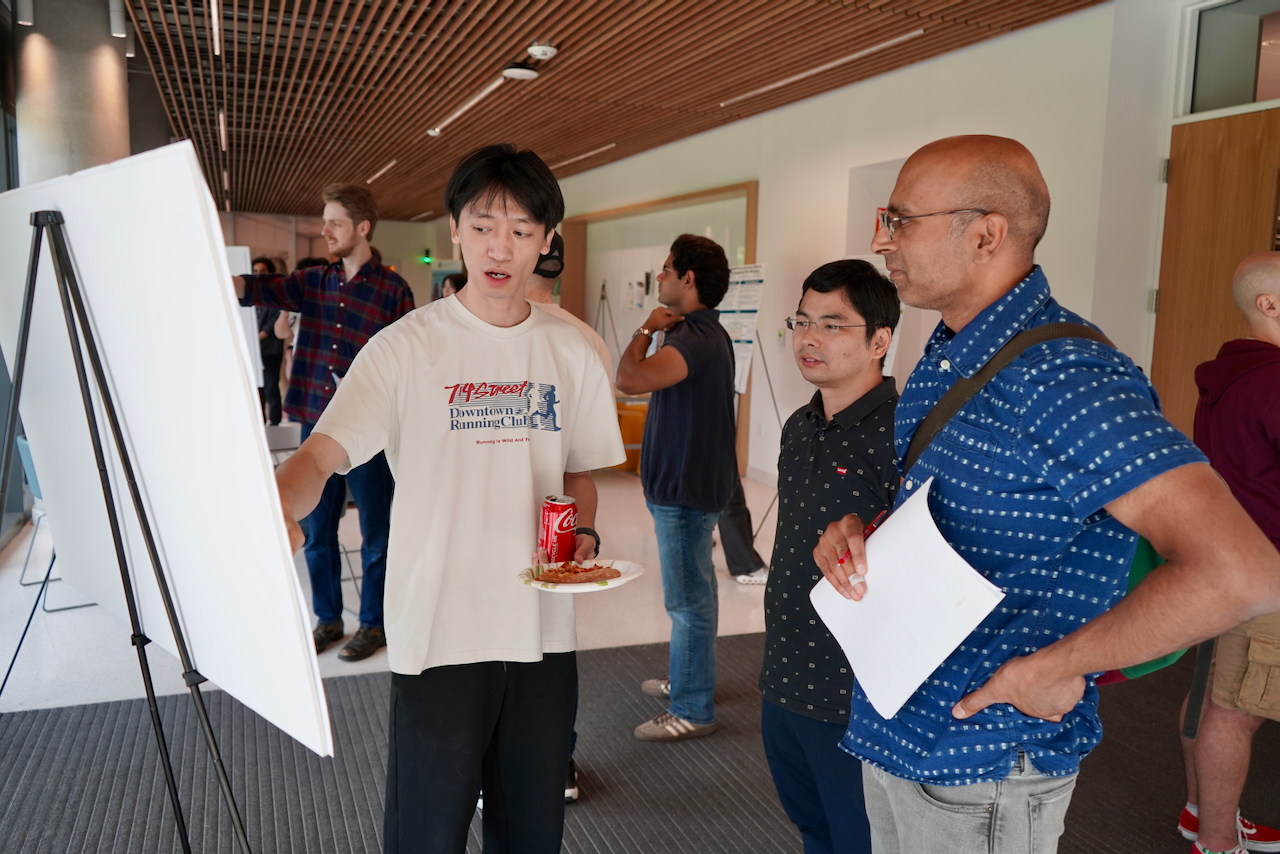
Advanced modeling, simulation, and data-driven approaches across science and engineering.
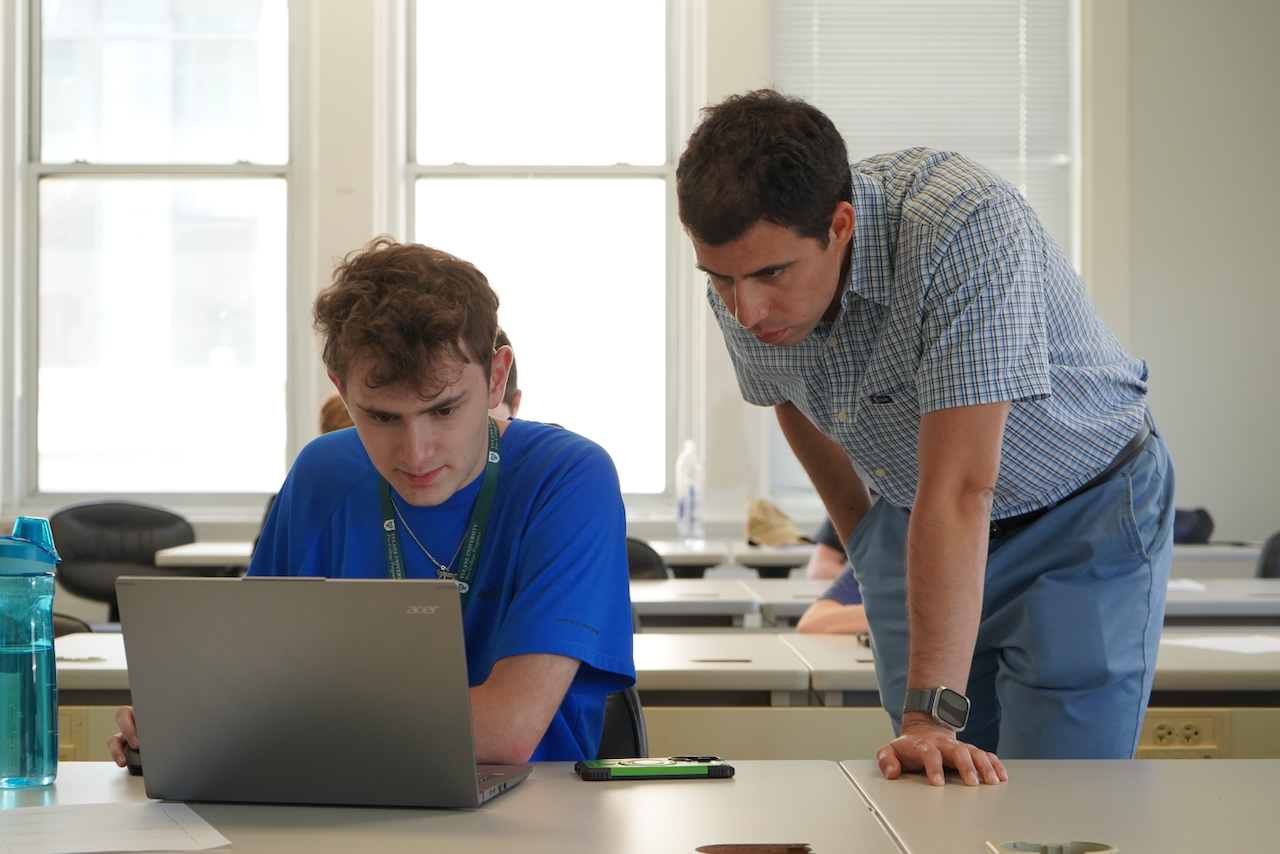
In-demand computing skills supported by hands-on experience and faculty mentorship.

Integrates mathematics, statistics, computation, and machine learning for modern data careers.
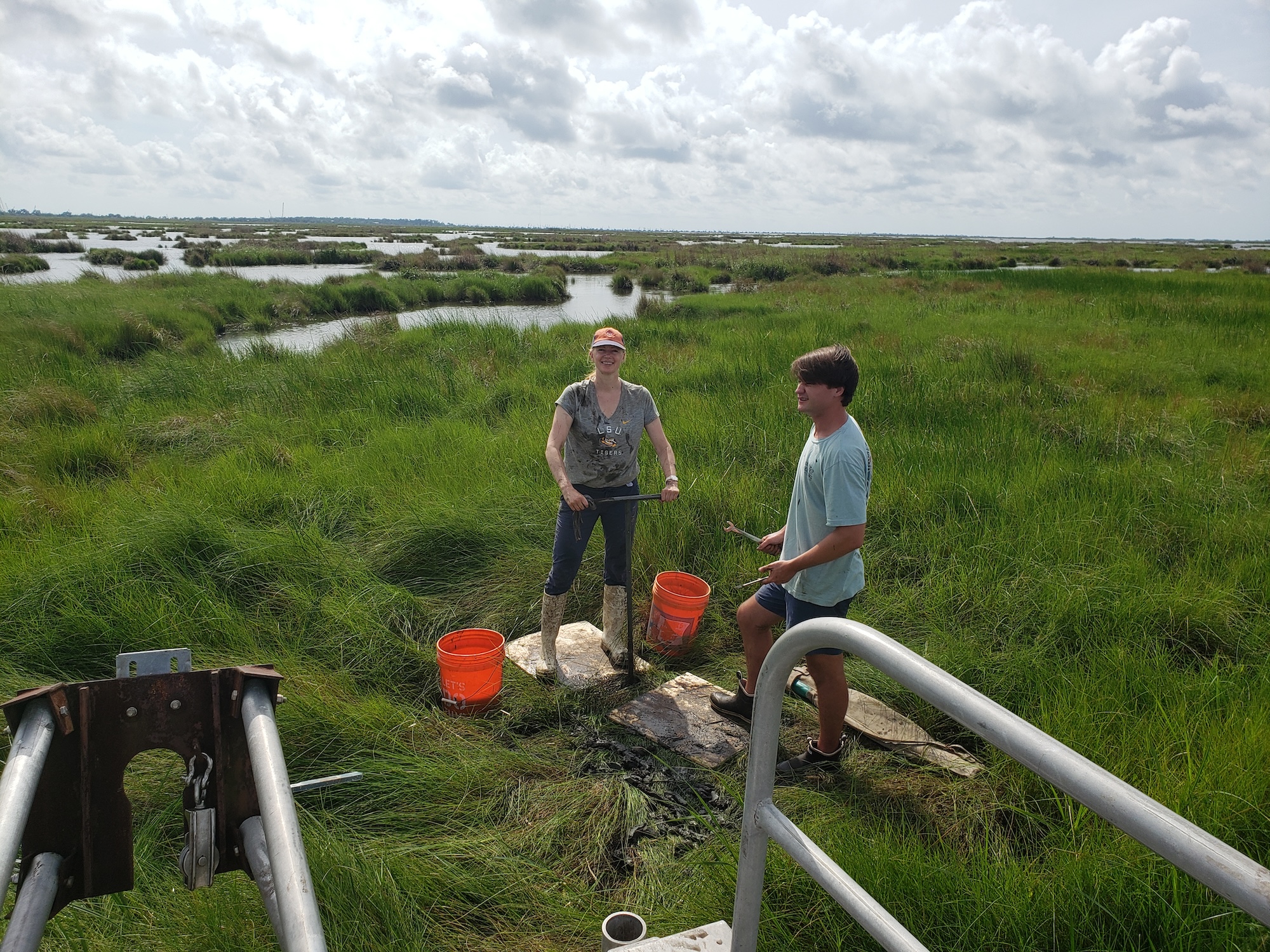
Addresses problems that will likely constitute some of the premier challenges for humankind in the 21st century.
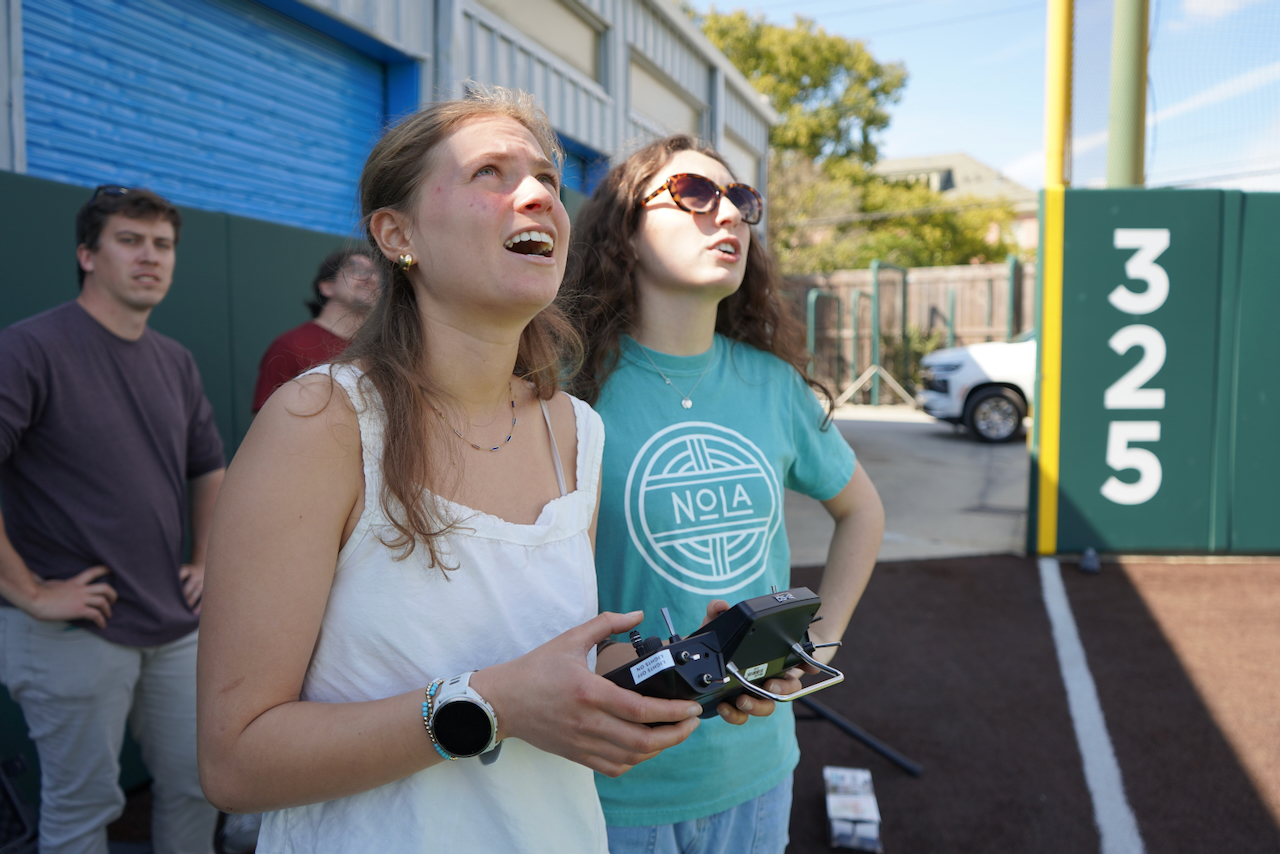
Hands-on research addressing climate change, coastal resilience, and sustainability.
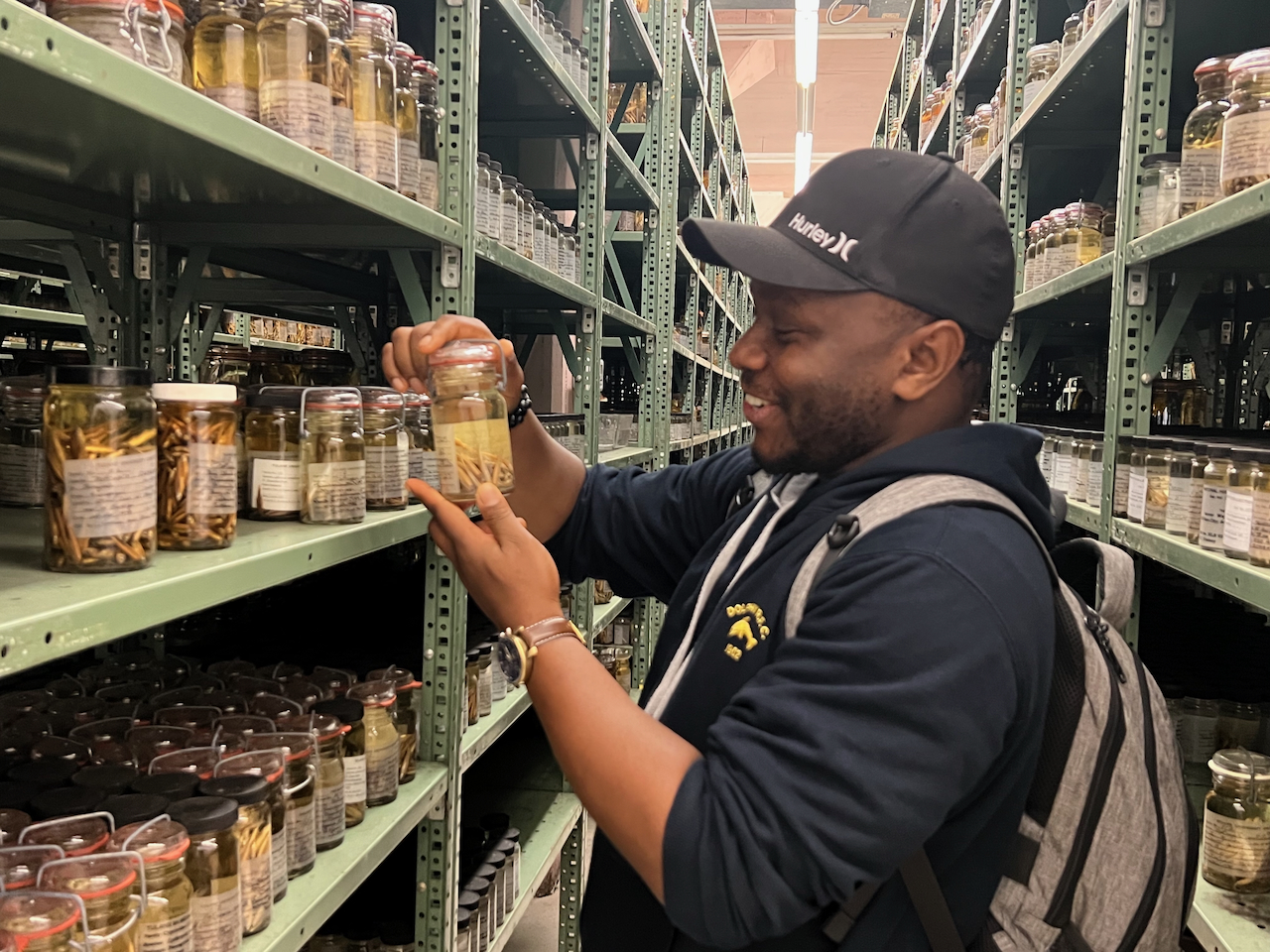
Research-driven training in biodiversity, evolution, and ecosystem dynamics.
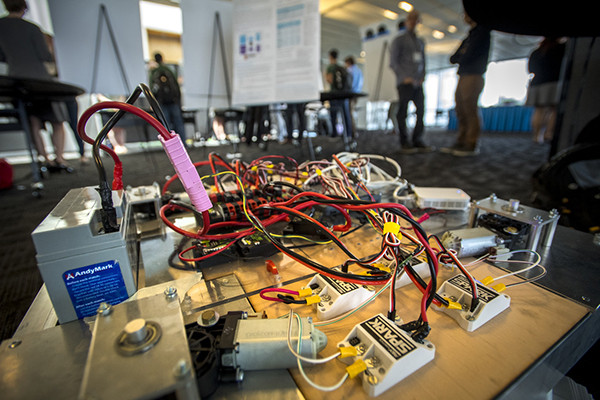
Design and analysis of modern electrical and electronic systems.

Customizable degree spanning multiple scientific and engineering disciplines.
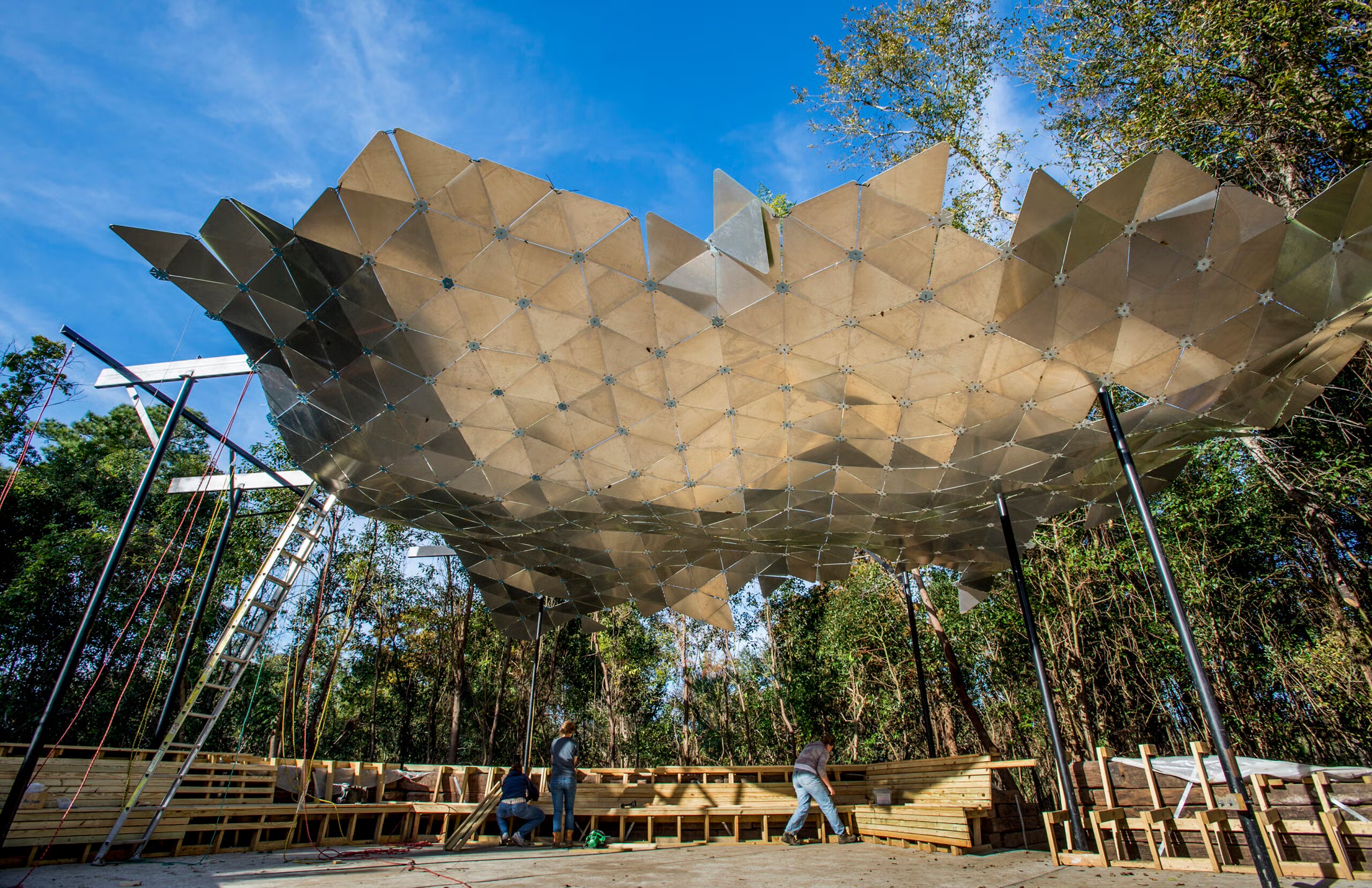
Bridges design, science, and engineering for complex environmental systems.

Study of material structure, properties, processing, and modeling.

Emphasizes theoretical and applied problem-solving and rigorous reasoning.
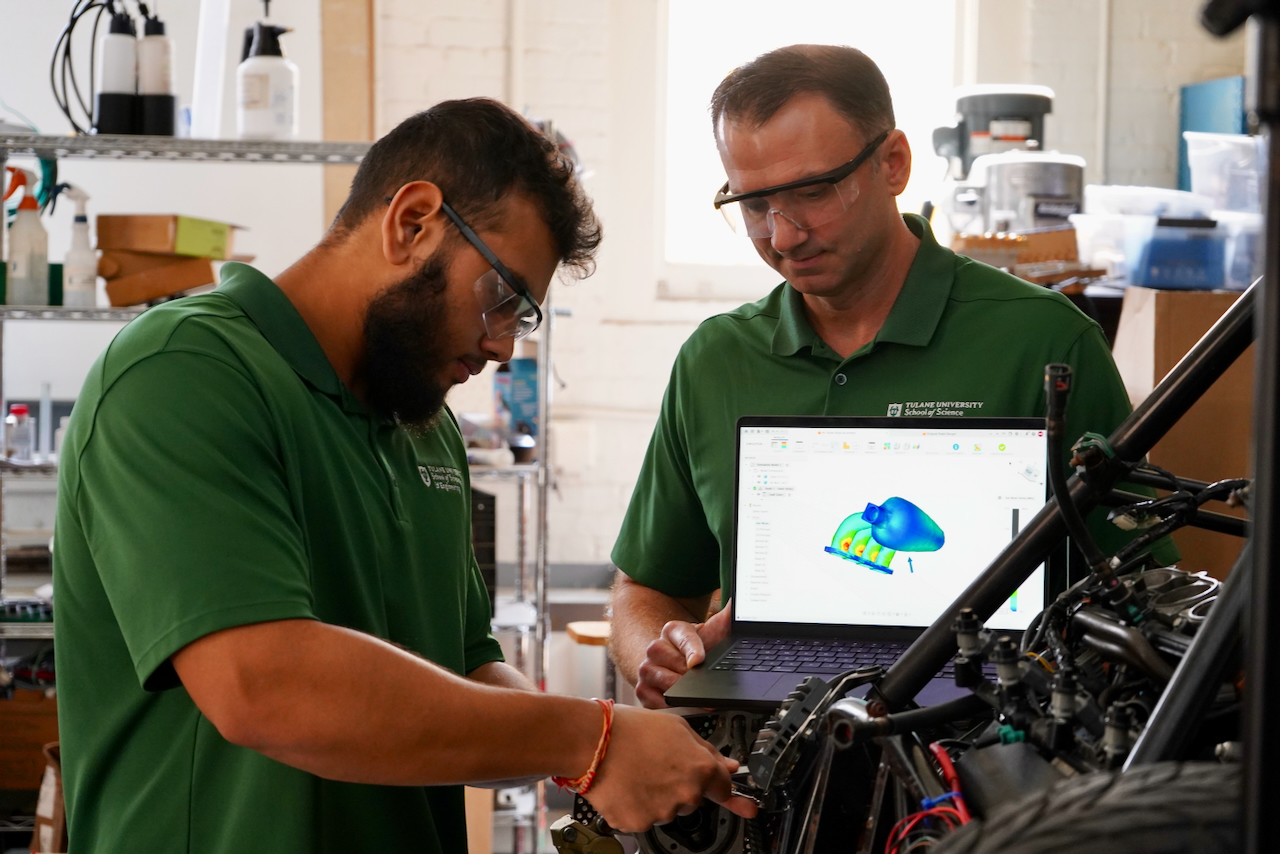
Foundations in mechanics, materials, and design with hands-on learning.
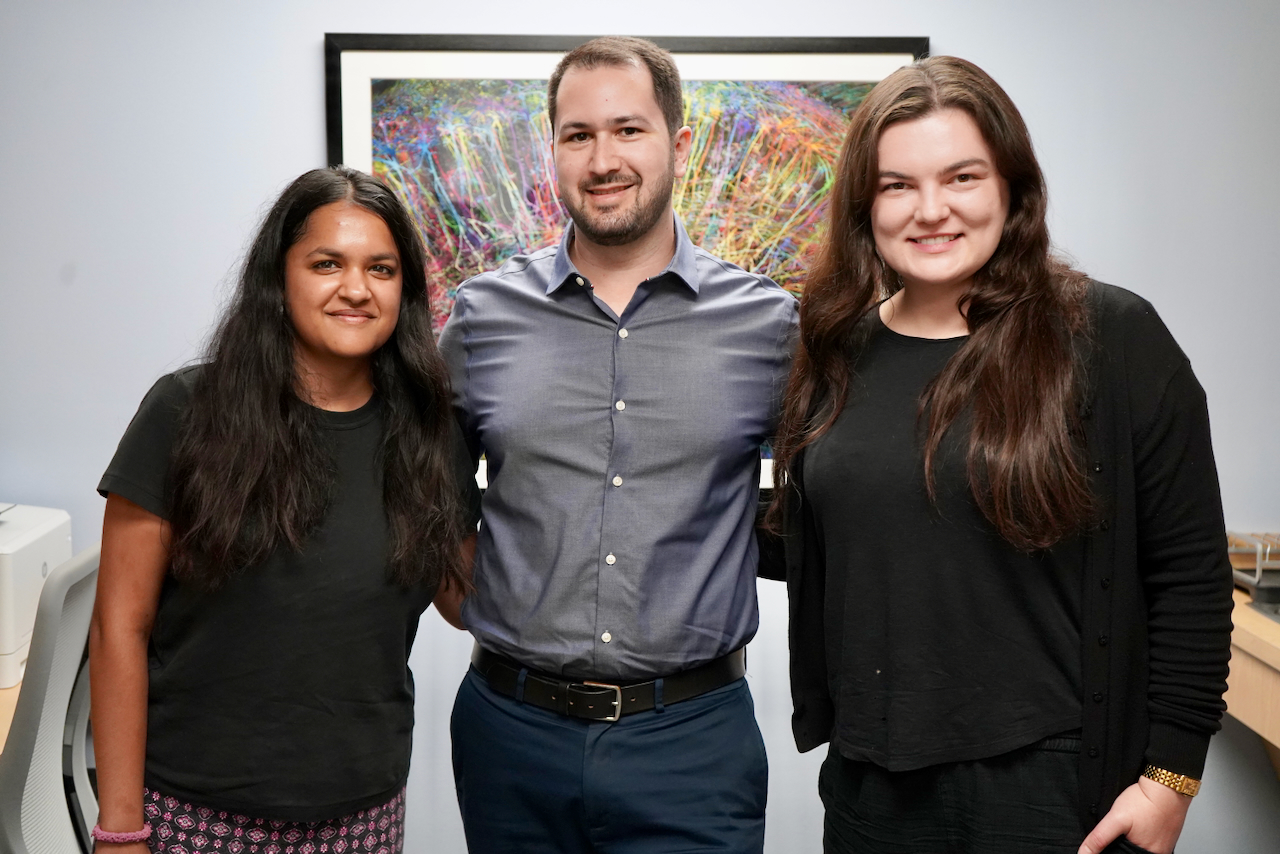
Advanced coursework and research in brain and nervous system science.

Flexible graduate education designed for working professionals.
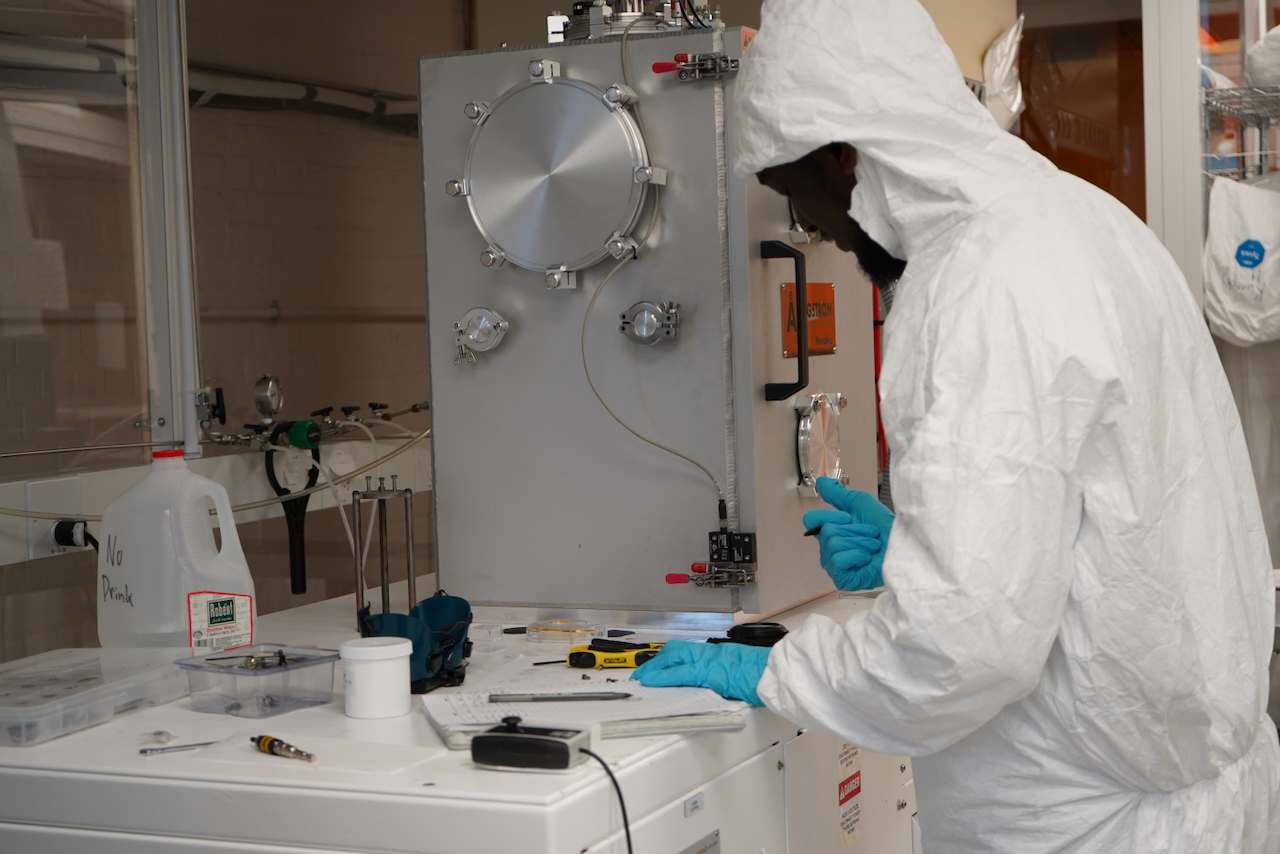
Prepares students for advanced careers in research, industry, or doctoral study.

Preparation for doctoral study, professional programs, or workforce entry.
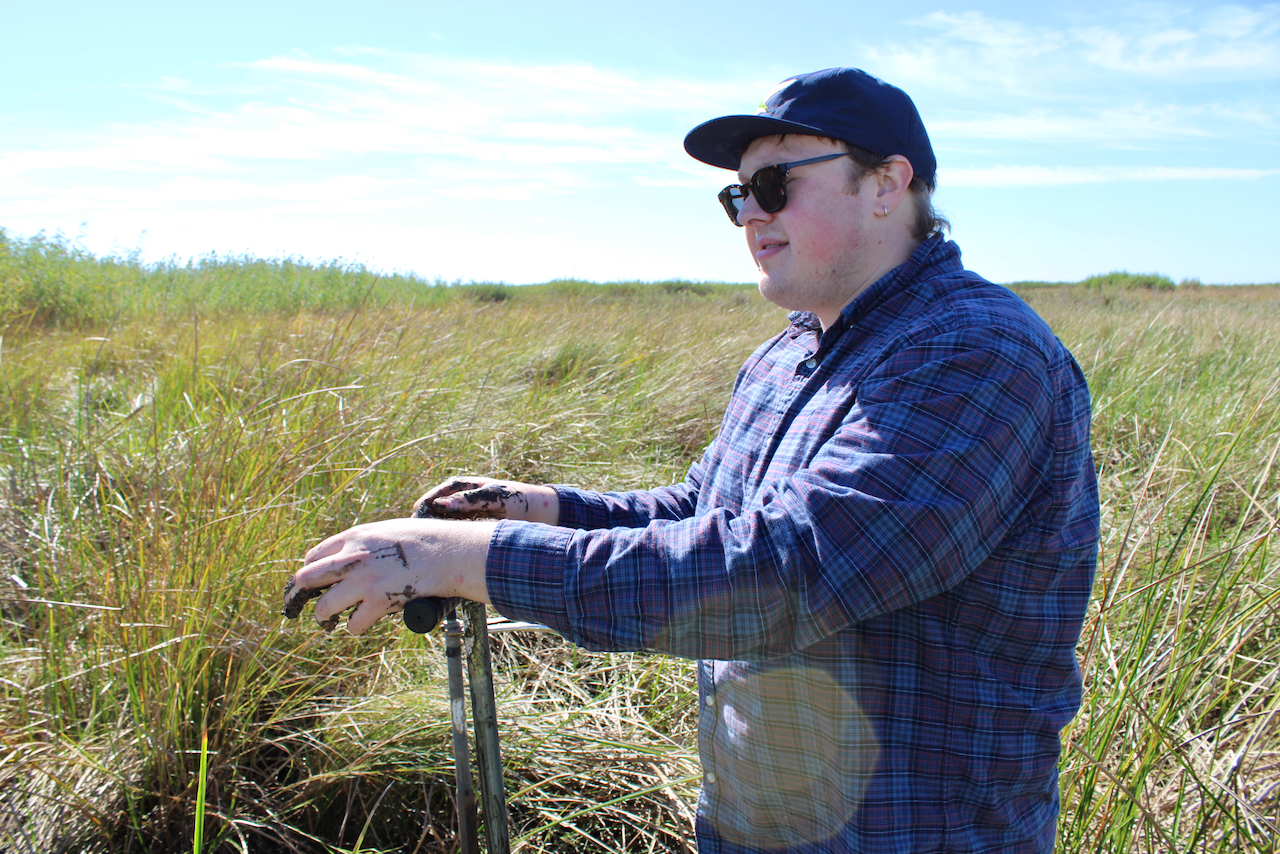
Focuses on water with regard to landform evolution, ecosystem health, and human needs for agriculture, industry, and health.
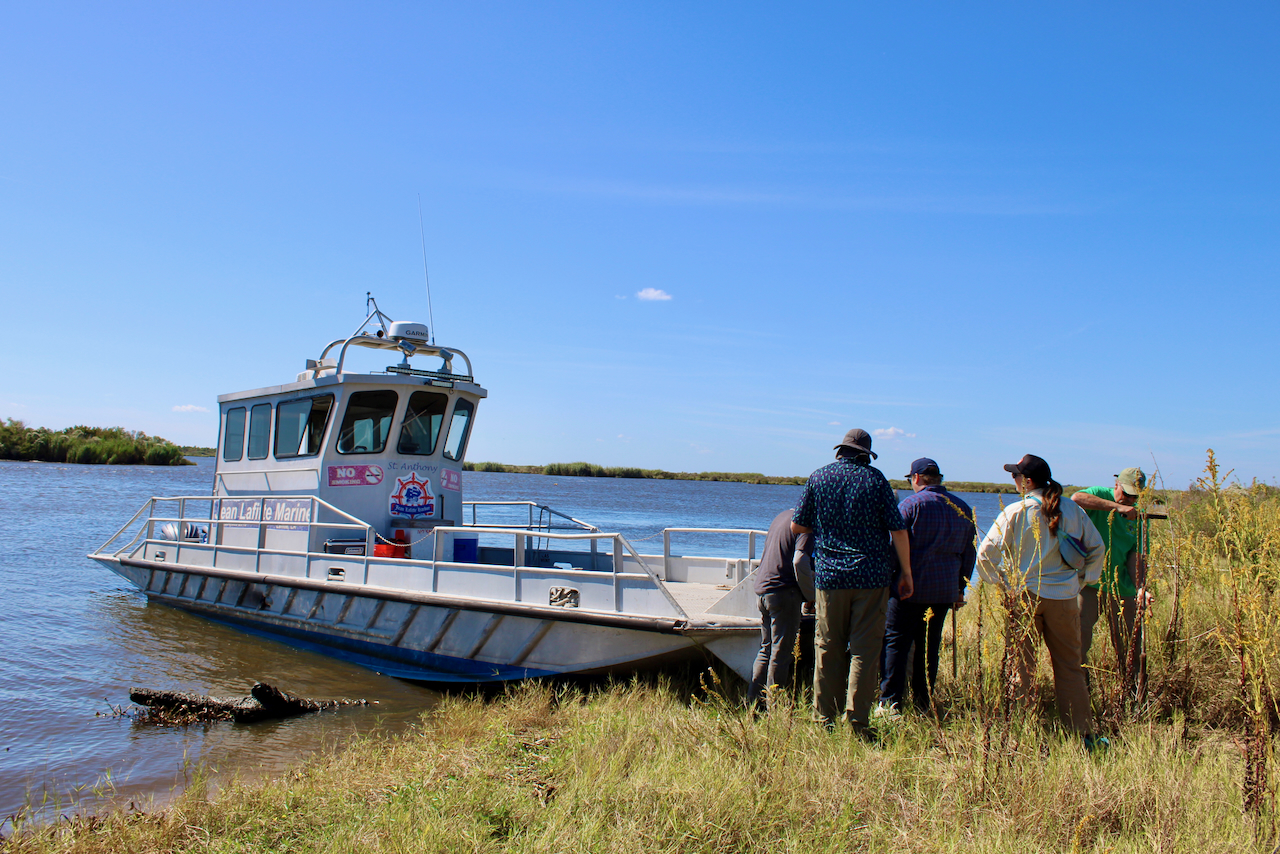
Interdisciplinary training focused on resilience and environmental change.

Advanced training in statistical theory, data analysis, and quantitative methods.
Contact Us
Ilianna H. Kwaske, Ph.D.
Associate Dean for MS Programs & Professional Education
ikwaske@tulane.edu
Sarah M. Berry, M.S.
Director of MS and Certificate Programs
smccarty@tulane.edu
Available 24/7 to answer your questions about Tulane SSE programs, admissions, and next steps.
Prefer to call? Tap here to connect